REVIEW · TOKYO
Tokyo: Mount Fuji, Gotemba & Hakone Day Trip by Luxury Bus
Book on GetYourGuide →Operated by 株式会社PC-TAKU · Bookable on GetYourGuide
Fuji in one day, no stress. This Mount Fuji and Hakone day trip is built for big views with minimal planning: you hit the Fuji 5th Station area for that cool, high-altitude “up close” feeling, then glide onward to Hakone’s geothermal stop and lake scenery. I really like the way this itinerary squeezes in multiple classic Japan moments without making you do the logistics legwork.
My second favorite part is the human side. You can be paired with guides like Yasu, Shi-san, Kenji-san, or Seiko-san, and the bus driver is often praised for calm, safe driving—especially if traffic gets messy. One possible drawback: the schedule is fast, and the time at Gotemba Premium Outlets is limited, so serious shoppers or people who want long pauses may feel a bit rushed.
In This Review
- Key points before you go
- Entering the Fuji 5th Station Zone From Shinjuku
- Gotemba Premium Outlets: the Deal Stop (and the Time Trade-off)
- Ropeway to Owakudani: Black Eggs and Earth-Heat Views
- Lake Ashi and the Hakone Shrine Torii Gate From the Scenic Bus Windows
- The Real-World Rhythm: Timing, Meals, and How Not to Get Tired
- What You’re Really Buying With a $70 Day Trip
- Who This Trip Suits Best (and Who Should Rethink It)
- Should You Book This Mount Fuji and Hakone Day Trip?
- FAQ
- What time do I need to meet and when does the tour leave?
- How long is the day trip?
- What’s included in the price?
- Are meals included?
- What happens if the Fuji Subaru Line is closed?
- What if the Hakone cable car is closed?
Key points before you go
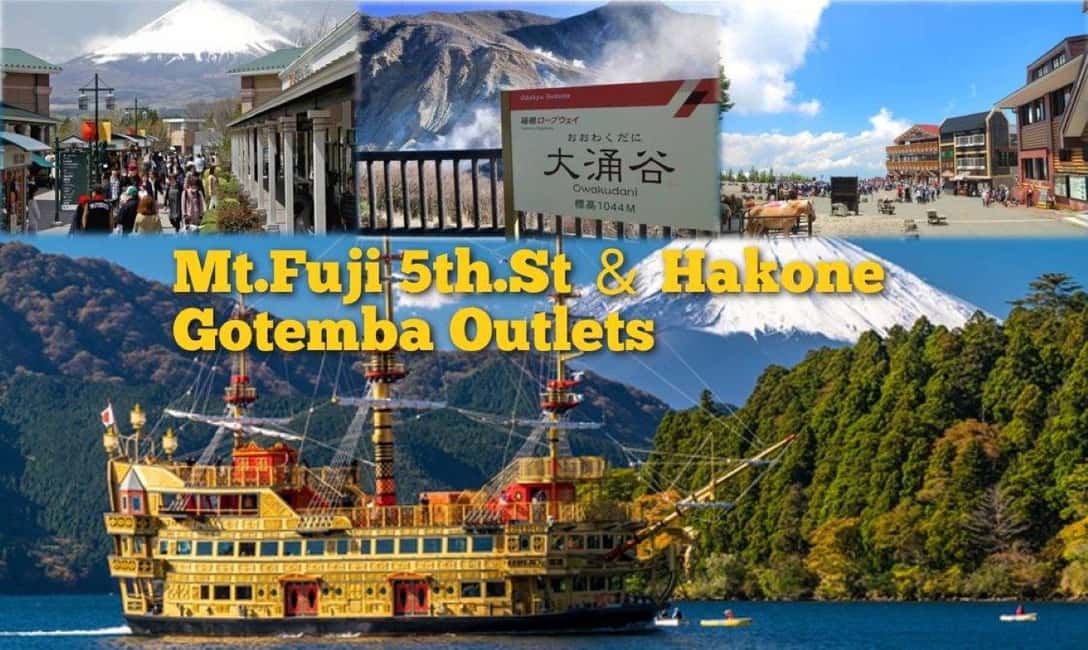
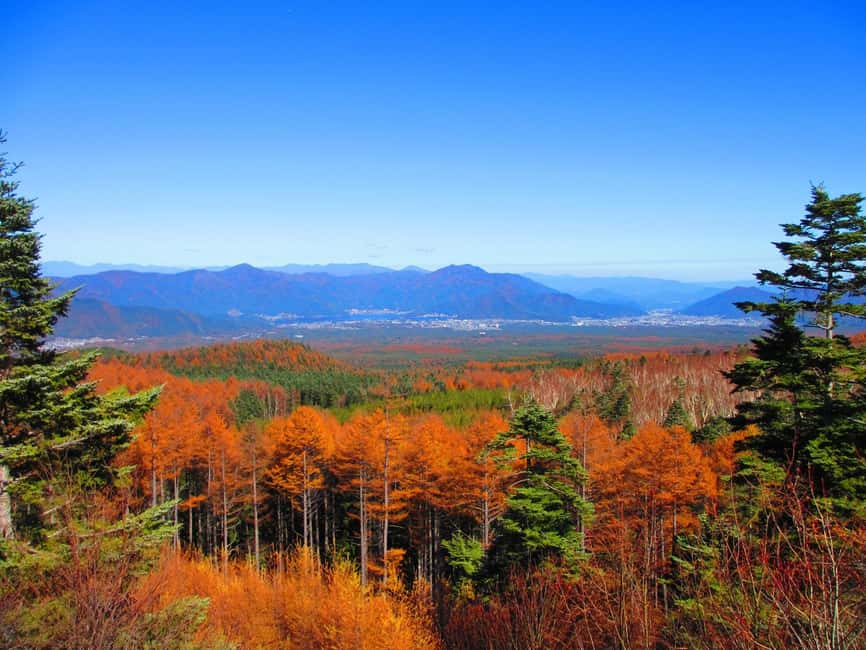
- Fuji 5th Station gives you the closest, most atmospheric Mount Fuji views in a day.
- Gotemba Premium Outlets has about 210 stores plus a 5–15% shopping coupon for deals.
- Hakone Owakudani is the geothermal highlight, with time to try the famous black eggs.
- Hakone Ropeway + Lake Ashi deliver postcard views, including the Hakone Shrine torii gate from the water/shore area.
- Lunch is on your own, so plan around where you’ll stop to eat.
- Weather can reshuffle the plan, including possible changes if Fuji access or the Hakone cable car can’t run.
Entering the Fuji 5th Station Zone From Shinjuku
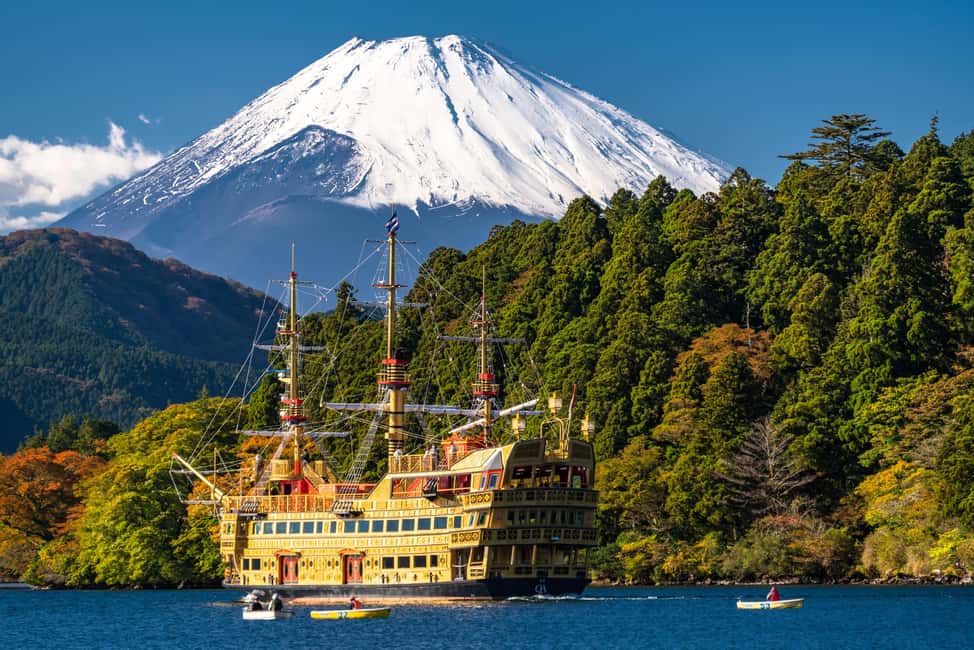
Your day starts at the Shinjuku Center Building, with a meet time of 7:15 and departure at 7:30. From there, you’re on the bus for about 2.5 hours before you reach the Mount Fuji stop. That ride matters because it buys you stress-free timing: you’re not hunting trains, transfers, and timetable math before you even see the mountain.
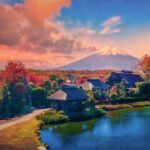
When you arrive, the Mount Fuji visit is about 40 minutes—enough time to get your photos and soak in the altitude air. You’ll stroll in cooler conditions near the fifth station, which is the point closest to the mountain for this kind of one-day run. The payoff is the classic look at high slopes, often with a sea of clouds mood depending on weather and visibility. Bring a camera and plan on shooting from a few different angles, because Fuji looks different every few minutes.
Seasonal note: this tour is built around the 5th Station stop, but there’s also mention of sledding at Mount Fuji’s 2nd Station from late December to mid-March. If that seasonal activity is relevant, it can add fun variety. On rainy days, sledding won’t be available at Fuji 2nd Station, and the schedule can switch to Oshino Hakkai instead.
Weather can also hit the route. If the Fuji Subaru Line is closed due to conditions, the Fuji 5th Station portion gets canceled and the day shifts to Oshino Hakkai. This isn’t a small “maybe.” It’s the kind of change that can affect what views you get, so if Fuji is your top goal, keep your expectations flexible.
You can also read our reviews of more tours and experiences in Tokyo

Gotemba Premium Outlets: the Deal Stop (and the Time Trade-off)
After Fuji, you’ll head to Gotemba Premium Outlets for a break, shopping, and walking time of about 105 minutes. This is the largest outlet in Japan, with around 210 stores, so there’s enough variety to find gifts, basics, or something “just because you’re here.”
The practical perk is the coupon: you get a 5–15% shopping coupon. That can turn a browsing stop into a real savings moment, especially if you’re eyeing Japanese skincare, shoes, casual clothing, or any brand item you’d otherwise buy at home prices.
Here’s the trade-off. The outlet time isn’t long, so you can’t shop like you’re planning a full afternoon. One of the most consistent impressions from this kind of day trip is that outlets are quick—use that time with a game plan. If you love outlet hunting, arrive with a short list. If you don’t care about shopping, treat it as a comfortable break from walking and cold air.
Also, keep dates in mind. In 2025, the operator notes they won’t go to Gotemba Premium Outlets on certain high-traffic weekends (July 19–20, August 9–10, October 11–12, and November 1–2, 22–23). If you’re traveling around those times, it’s another reason to read the day’s final plan carefully.
Ropeway to Owakudani: Black Eggs and Earth-Heat Views
Hakone kicks in with the Hakone Ropeway cable car portion, about 30 minutes. Even if you’ve seen “ropeway views” before, this segment is worth it because it positions you for the geothermal area next. The ride also helps with the pacing: it’s a break from walking while still feeling like you’re moving through different scenery.
Then it’s Owakudani, the geothermal valley area, with time for sightseeing and the famous local snack. You’ll get a window to look around and taste the black eggs—a Hakone-specific experience that feels both playful and oddly memorable. The schedule shows an Owakudani visit around 20 minutes, while the tour description also mentions about 30 minutes of free time for sightseeing and the egg tasting. Either way, don’t expect a long, slow exploration here—think of it as a quick hit of geothermal drama.
Geothermal stops also reward preparation. Wear comfortable shoes, because you may be walking over uneven paths and you’ll want your footing stable while trying to grab photos between groups. Bring water, and consider a light layer: even in warmer months, Hakone can feel cooler around the valley and on transit.
If the ropeway/cable car is closed due to bad weather, you won’t lose the whole Hakone portion—the plan shifts to a bus route. One detail to note: the cable car fee won’t be refunded in that scenario. That’s not a reason to avoid booking, but it is a good reason to treat the ropeway as a bonus when conditions allow.
Lake Ashi and the Hakone Shrine Torii Gate From the Scenic Bus Windows
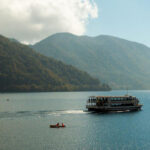
Next comes the classic Hakone postcard energy: Lake Ashi. You’ll have about 30 minutes for sightseeing and enjoying the views, with additional scenic time on the bus segments along the way between ports and towns. That matters because Hakone’s beauty isn’t just one point—it’s the way the lake and shoreline scenes appear as you move through the area.
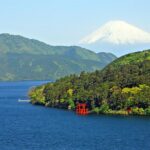
One of the big visual targets here is the torii gate of Hakone Shrine, which you’ll see from the water-side viewpoint area during the lake experience. Even if you’re not into photography, this is one of those “stop for a minute and look” moments. It’s also a helpful contrast after the geothermal intensity of Owakudani: lake views calm things down and give you a different kind of Hakone memory.
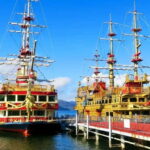
You should also know about the cruise option. Admission to the Hakone Pirate Ship cruise isn’t included, so you’ll be doing the lake sightseeing portion from the scheduled time on the route and viewpoints. If you specifically want a longer cruise experience, you may need to add it separately later.
The Real-World Rhythm: Timing, Meals, and How Not to Get Tired
This is a 12-hour day, built to cover a lot—Mount Fuji, shopping, Hakone ropeway, Owakudani, and lake scenery—then get you back to Shinjuku. The “luxury bus” angle helps because it reduces hassle, but it doesn’t erase the basic reality: you’ll be on the move most of the day.
Meals are the main blank space. Lunch is not included, and you’ll eat at your own expense. That’s actually a bit of freedom—you can choose sushi, ramen, or something light depending on your appetite and how busy the stops feel. Just don’t wait until you’re starving. A long line can turn “quick lunch” into an exhausting detour.
What I like about this setup is the clarity. You’re given defined stop windows, so you can manage your energy. What I suggest: bring comfortable shoes, water, sunscreen, and weather-appropriate clothing. Even if the forecast looks mild, Fuji and Hakone can feel different depending on altitude, wind, and cloud cover.
There’s also an important suitability note: the tour is marked wheelchair accessible, yet it says it’s not suitable for people with mobility impairments and it’s also not suitable for people with respiratory issues. If either is you, treat this as a serious flag and confirm details with the operator before you commit.
One more logistics detail that can matter: this package is shared with a Bento Box + Pirate Ship ticket package. If you need to change your package, the cost difference is 3,000 yen cash on the day. If you’re picky about which Hakone elements you want (especially the cruise), plan your choice early.
You can also read our reviews of more tours and experiences in Tokyo

What You’re Really Buying With a $70 Day Trip
At about $70 per person, this isn’t a “cheap and cheerful” outing—but it can still be good value if you want the highlights in one day. You’re paying for guided coordination plus transport time, and the included bits are the ones that are hard to self-organize in a limited window: Fuji 5th Station access, the Hakone Ropeway ticket, and the bus trip with scenic views between key locations.
If you were to piece this together on your own, you’d still spend time in transit and likely spend money on transport and tickets too. The trade-off is control: you’re on a shared schedule. You won’t have the freedom to linger at Fuji for hours or turn Hakone into a multi-day exploration.
So this price makes sense if your style is “see the icons, get the photos, and move on.” It’s less ideal if you’re the type who wants to hike long distances, chase low crowds, or build a flexible lunch that can last 2 hours.
Who This Trip Suits Best (and Who Should Rethink It)
I see this as a strong match for first-timers with limited time in Tokyo. You get the biggest Mount Fuji moment available on a day schedule, a geothermal signature stop, and the lake shrine view—plus an outlet break if you want shopping.
It’s also a decent choice if you like structure. The bus driver and guide support matters when weather changes or traffic happens. In past runs, guides such as Yasu, Shi-san, Kenji-san, or Seiko-san have been praised for being organized and for adding context beyond just pointing at views. You’re not stuck guessing what to do at each stop.
On the flip side, if you dislike shopping, don’t count on Gotemba being your main attraction. Treat it as a quick optional bonus. And if you want quiet time to wander slowly, you may find the stop windows too short—especially at Fuji and in Owakudani.
Finally, if you have respiratory concerns or mobility limitations, take the suitability notes seriously. A day like this includes walking, standing, and weather exposure, even with vehicle comfort.
Should You Book This Mount Fuji and Hakone Day Trip?
If you want one day that hits Mount Fuji, Hakone, and a major shopping stop with tickets and transport handled, I’d say this is worth considering. The included Fuji 5th Station time and the Owakudani black egg moment are the core reasons to book, and the bus-and-guide format keeps it from turning into a stressful planning project.
Book with eyes open if you’re planning around specific weather-dependent activities. Fuji access can switch to Oshino Hakkai if the route is blocked, and the ropeway can switch to bus routing if cable car service is down. Also, if the Hakone Pirate Ship cruise is a must for you, remember it’s not included here.
If your priority is highlights and convenience, this fits. If your priority is slow travel and extra time at each place, you’ll probably want a longer Hakone plan instead of packing it all into one 12-hour sprint.
FAQ
What time do I need to meet and when does the tour leave?
You meet at 7:15 and the tour departs at 7:30 at the sidewalk in front of the main entrance of the Shinjuku Center Building.
How long is the day trip?
The total duration is 12 hours.
What’s included in the price?
You get visits to Mount Fuji (fifth station), Gotemba Premium Outlets, Hakone Owakudani, plus the Hakone Ropeway (cable car) ticket and a bus ride with scenic views.
Are meals included?
No. Lunch is at your own expense.
What happens if the Fuji Subaru Line is closed?
If the Fuji Subaru Line is closed due to weather conditions, the trip to Fuji 5th Station is canceled and the itinerary changes to Oshino Hakkai.
What if the Hakone cable car is closed?
If the Hakone Cable Car is closed due to bad weather, the tour takes the bus instead, and the cable car fee is not refunded.