REVIEW · TOKYO
Tokyo: Tea Ceremony Experience in Asakusa
Book on GetYourGuide →Operated by Localized Walking & Food Tours · Bookable on GetYourGuide
Tea ceremony rooms in Tokyo can feel intimidating. This one is different, laid-back, and built for real people with real questions. You’ll learn to whisk matcha and understand what each step is trying to say. It’s a peaceful hour in Asakusa with hands-on participation, not a strict show.
I love that everyone gets to make their own bowl and try it right there. I also like how the host explains the meaning behind the actions, so you’re not just copying movements. One possible drawback: it’s a relaxed, beginner-focused session, so if you want ultra-formal ritual style or kimono rental, you may feel slightly underdressed or short on ceremony drama since kimono rental isn’t included.
In This Review
- Quick take: what makes this Asakusa matcha hour special
- Getting to Tokyo Tourist Lounge Asakusa (and actually feeling at ease)
- What you’ll do in the 60 minutes: from water to your own bowl
- Step 1: The matcha prep lesson that stays friendly
- Step 2: Whisk, then taste freshly prepared matcha
- Step 3: Enjoy it at your own pace
- The meaning behind each motion: why this isn’t just a craft class
- The sweets that make the hour feel balanced
- Photos, Q&A, and the relaxed atmosphere that helps you actually participate
- The $25 matcha value: what you’re paying for (and what you’re not)
- Small group size: why up to 8 people makes a real difference
- Who this Asakusa tea ceremony fits best
- Should you book this Asakusa tea ceremony?
- FAQ
- Where is the meeting point?
- How long does the tea ceremony experience last?
- What language is the instruction?
- Is it a small group or a large tour?
- Is kimono rental included?
- What’s included in the price?
- Can I take photos during the session?
- Is there wheelchair accessibility?
- What are the cancellation terms?
- Is there a pay later option?
Quick take: what makes this Asakusa matcha hour special
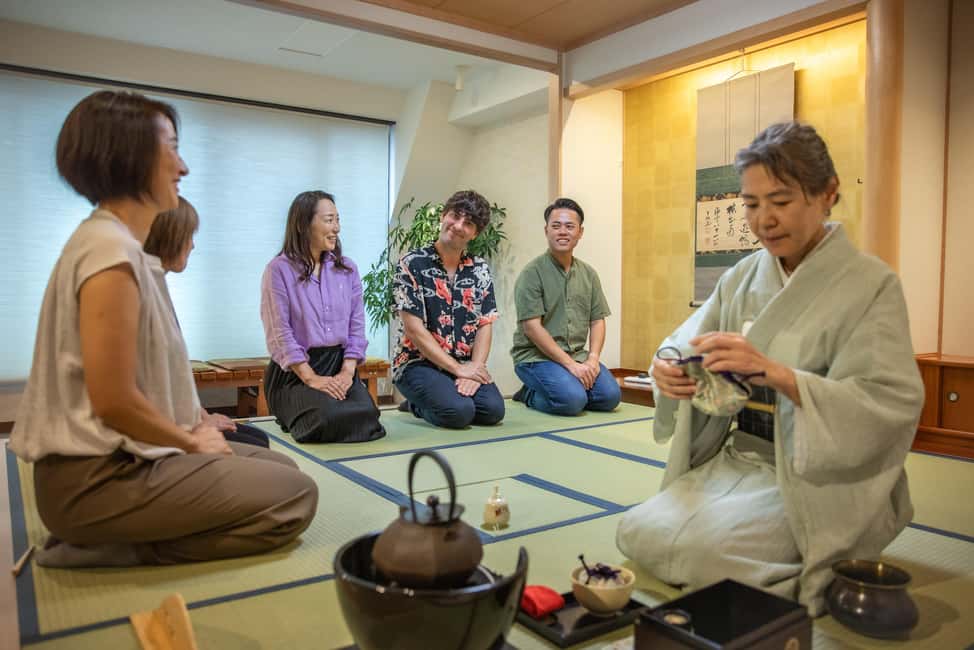
- Hands-on matcha: you whisk and drink your own bowl, not just watch.
- Meaning over memorizing: the host connects each step (water, whisking, presenting) to its purpose.
- Small group size (up to 8): more chances to ask questions and get fixes on technique.
- Beginner-friendly vibe: relaxed enough for first-timers without rushing you.
- Sweets included: you taste traditional Japanese sweets alongside the tea.
- Friendly, English-speaking hosts: sessions are led in English, with guides such as Midori and Kaz mentioned in past experiences.
Getting to Tokyo Tourist Lounge Asakusa (and actually feeling at ease)
Asakusa is one of those neighborhoods where you can easily burn time wandering. The nice part is that this experience gives you a clean starting point: meet at Tokyo Tourist Lounge Asakusa, on the 5th floor of the building. If you plug in the coordinates (35.7103757, 139.796744) or search the name in Google Maps, you’ll find it quickly.
The first thing you’ll notice after you arrive is the tone: it’s not stiff. You’re seated comfortably, and the host sets expectations early. For me, the best tea ceremony experiences are the ones where you don’t spend the hour worrying you’re doing it wrong.
A practical note: the session is wheelchair accessible, which matters because tea ceremonies can be sitting-heavy activities. If you’re moving with assistance or need a more straightforward setup, this format is designed to work.
You can also read our reviews of more tours and experiences in Tokyo.


What you’ll do in the 60 minutes: from water to your own bowl
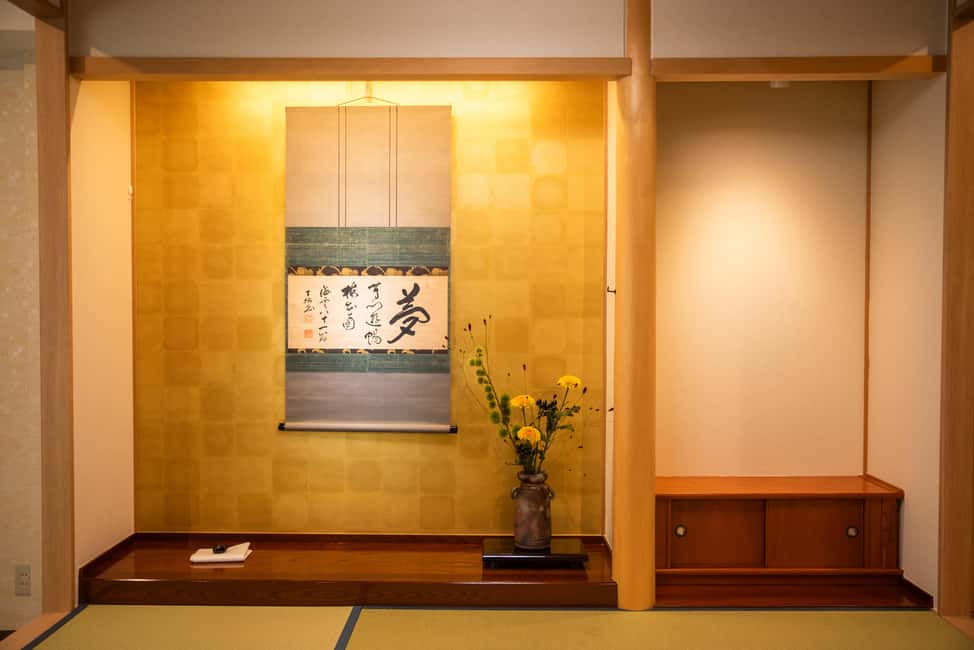
This is a 1-hour experience, and it’s structured to keep you active while still calm. Think of it as three phases: learn the basics, taste what you’re making, then make another bowl at your own pace.
Step 1: The matcha prep lesson that stays friendly
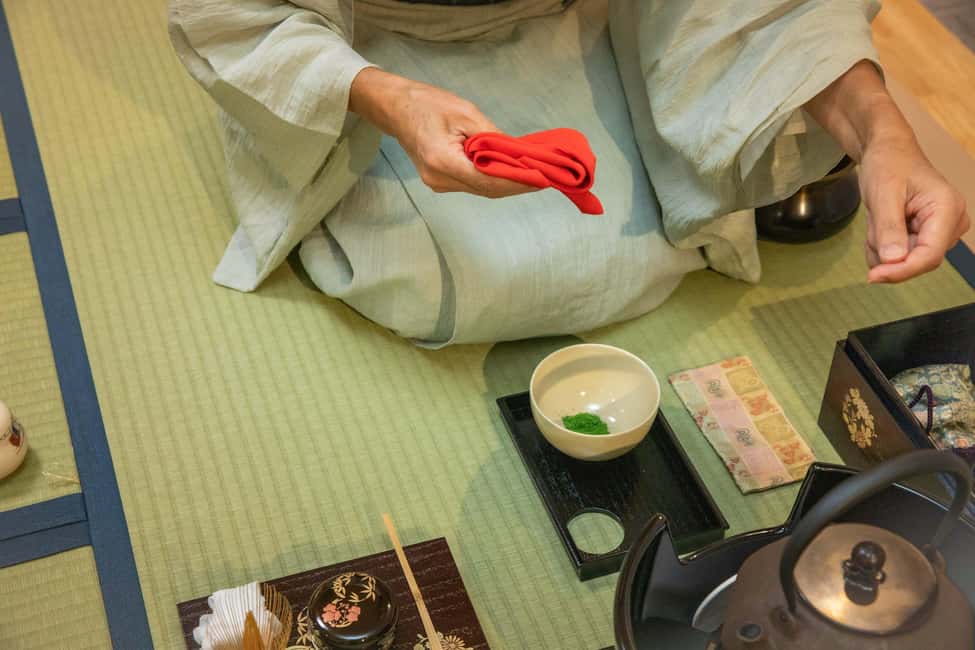
You start with a guided introduction to making matcha. The host walks you through the tools and the motion of whisking powdered green tea. The key is that it’s explained in plain language for English speakers, with enough time to follow along without feeling like you’re on a time-limited quiz.
If you’ve never whisked before, expect your first attempt to be a learning moment. That’s the point here. You’re not just learning a trick; you’re learning what the whisking is supposed to accomplish.
Step 2: Whisk, then taste freshly prepared matcha
Once you’re set up, you’ll taste the matcha you prepare. This is where the experience becomes more than cultural sightseeing. Matcha isn’t just a beverage; it’s a texture and flavor practice. You’ll get a sense of how careful whisking changes what’s in your cup.
And because this is designed for beginners, you can ask what you’re noticing as you go. If the bitterness feels strong or the taste feels different than you expected, the host can steer you toward a better understanding of what you’re experiencing.
Step 3: Enjoy it at your own pace
One of the more underrated parts of a tea ceremony is the slow part. After your matcha is ready, you savor it while your host keeps the session unhurried. You’re encouraged to take your time, not rush through the taste like it’s a checkbox.
That pacing is a big reason people walk out feeling calm rather than just impressed.



The meaning behind each motion: why this isn’t just a craft class
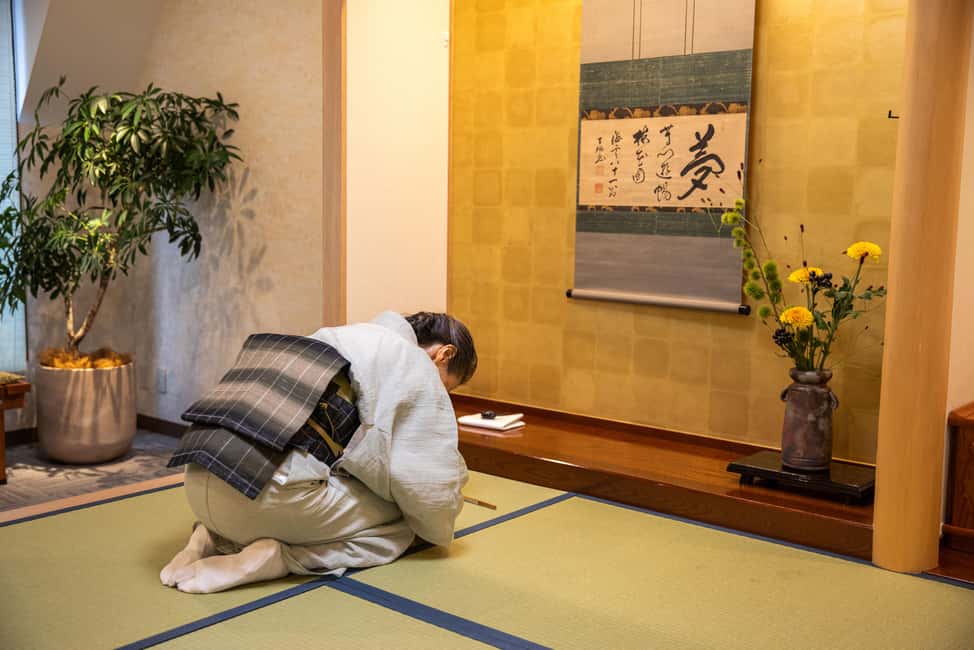
A big chunk of the value here is how the host connects the actions to ideas you can actually remember later. Instead of treating the tea ceremony like a set of movements, the host explains the meaning behind key steps—like how water is poured, how the tea is presented, and how the overall process reflects harmony and hospitality.
This is the difference between a “do this, now do that” workshop and something that stays with you. When you understand why the host is slow and deliberate, the ritual feels less like performance and more like communication.
You’ll hear guidance that makes it easier to appreciate Japanese culture beyond photos. You’re learning a way of paying attention—one that turns a simple cup of tea into a small lesson in patience.
The sweets that make the hour feel balanced
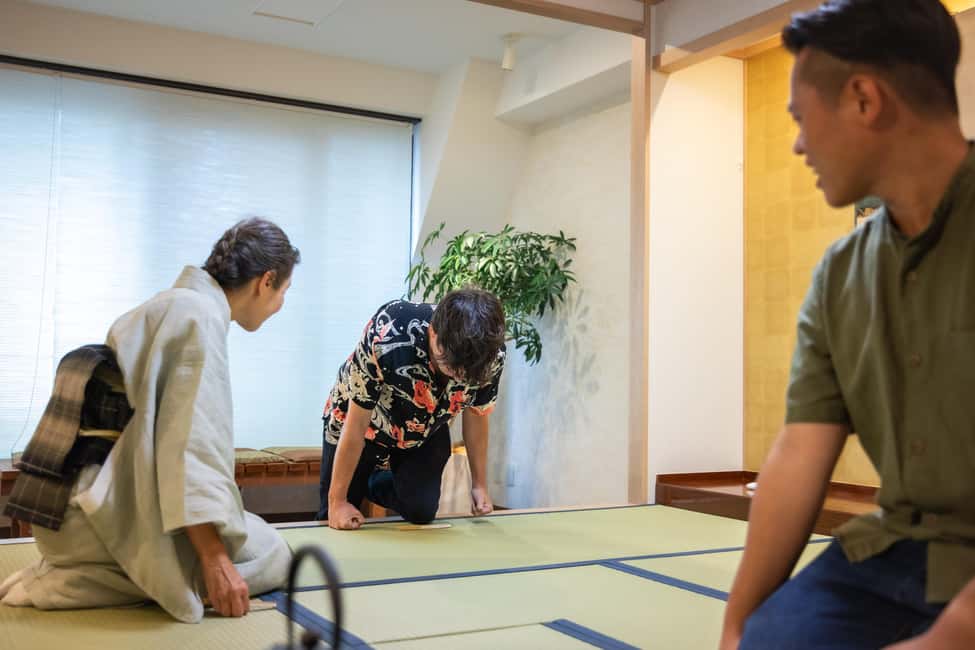
Tea ceremonies in Japan often pair sweets with matcha, and here you’ll have traditional Japanese sweets included. The sweets aren’t just a snack. They create contrast—sweetness against the tea’s character—so your cup tastes more interesting and your palate resets between sips.
This is one of the reasons I’d recommend it even if you’re not a die-hard matcha person. You’re not locked into only one flavor experience. You get the full rhythm of tea and sweets in one sitting.
Photos, Q&A, and the relaxed atmosphere that helps you actually participate
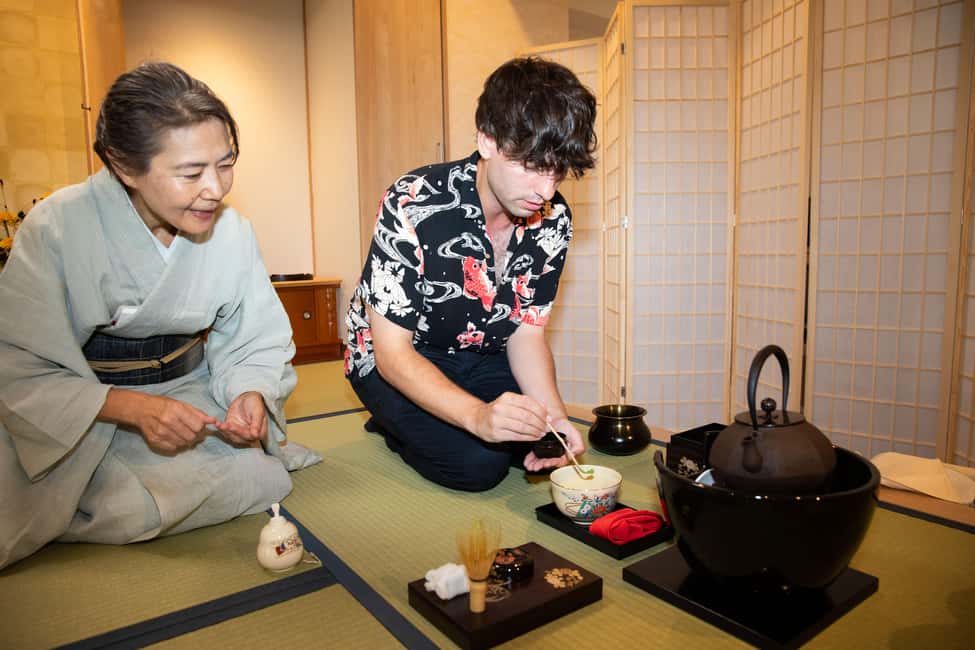
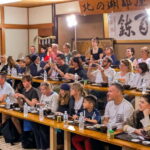
You can take photos during the session, and you’re encouraged to ask questions. That matters because a lot of cultural activities fall apart when you’re afraid to interrupt. Here, the tone is friendly and approachable.
In past experiences, guides like Midori and Kaz have been called out for being kind and supportive, with explanations that feel detailed without being cold. You’ll often get the sense that the host expects you to be new at this and treats questions like part of the process.
If you want a souvenir, yes, you’ll have photos. But more importantly, you’ll have the story of what you learned—like why the whisking motion matters, or what the sequence of steps is trying to express.
The $25 matcha value: what you’re paying for (and what you’re not)
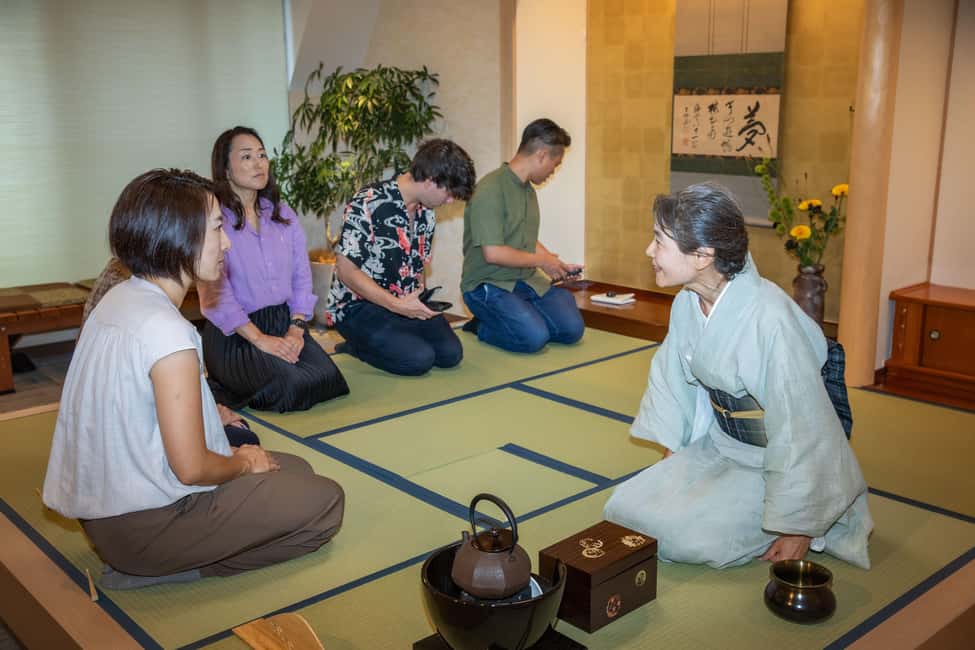
At $25 per person for 1 hour, you’re buying a guided, small-group, hands-on matcha moment. The price isn’t just for tasting tea. It includes:
- The Japanese tea ceremony experience
- A matcha preparation lesson
- Traditional Japanese sweets
- A guided experience
For me, the value is strongest when you compare it to watching something from the sidelines. Here, you actually make matcha. And because the group is limited to 8 participants, you’re less likely to feel like you’re standing on the edge of someone else’s lesson.
What’s not included is kimono rental. So if you’re imagining dressing up, budget for that separately (or adjust your expectations and enjoy the experience in your normal clothes).
Small group size: why up to 8 people makes a real difference
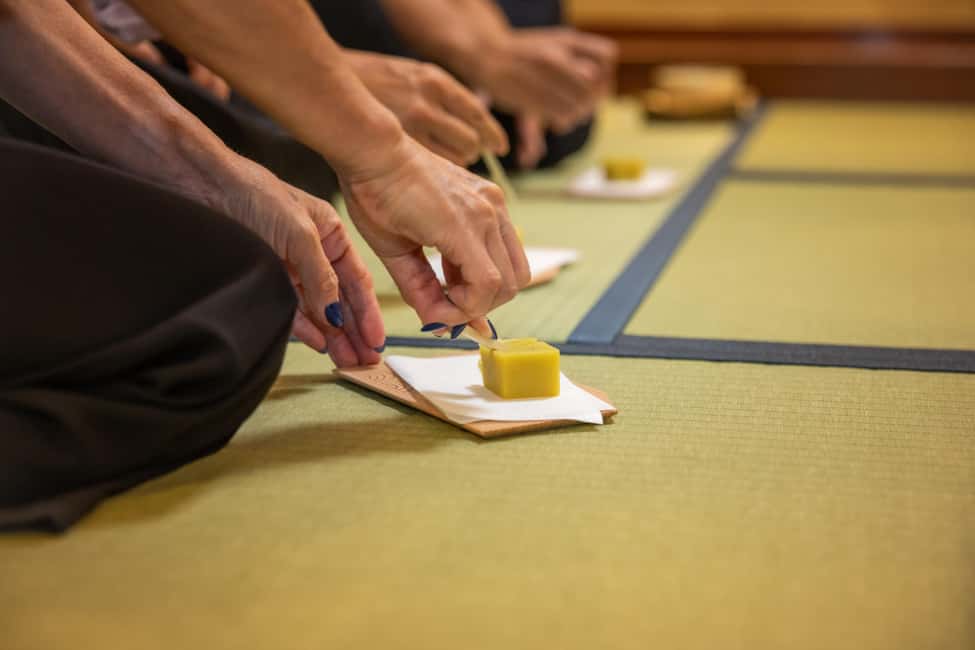
A tea ceremony can be a quiet, controlled setting. In a tiny group, that quiet becomes helpful instead of restrictive. With up to 8 participants, the host can check in on you, answer questions without rushing, and guide your technique.
That’s especially useful for the whisking. If the matcha froth looks different than you expected, you’ll have the chance to adjust with guidance in real time. In other words, you leave with a better result—and a better understanding of what makes that result happen.
Who this Asakusa tea ceremony fits best
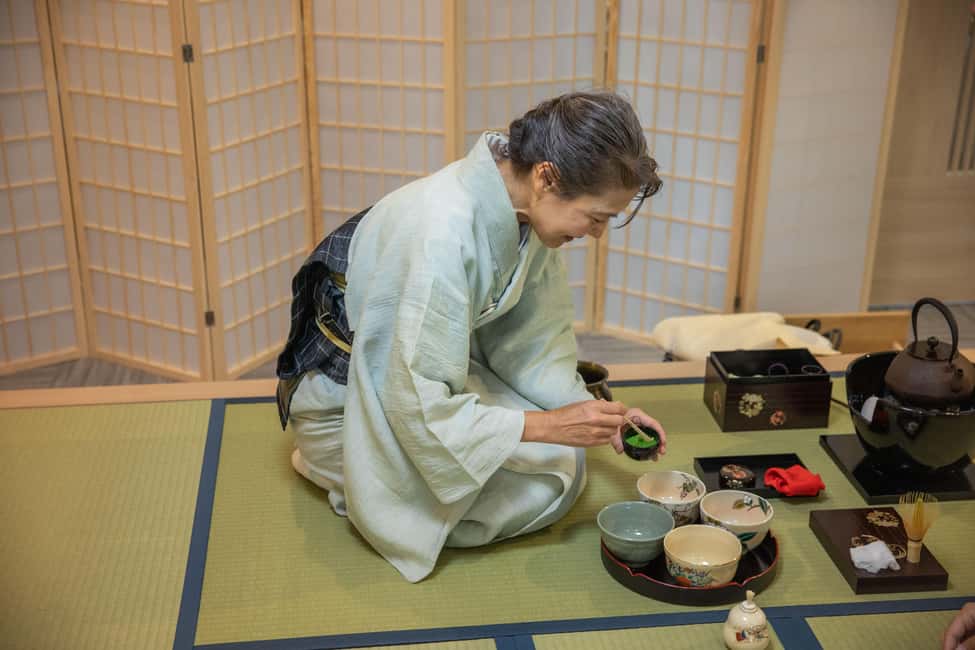
This experience is a great match if you want Japanese culture without feeling pressured. It’s designed as a relaxed version for beginners and curious travelers, so you don’t need prior knowledge.
It’s also a good choice if you:
- Want a break from walking around Asakusa and shopping streets
- Prefer interactive activities over passive tours
- Like learning through explanation, not just repetition
- Enjoy calm, structured moments during busy travel days
If you’re the type who wants long, formal rituals lasting hours, you might find 1 hour a bit short. And if you dislike the taste of green tea, you may want to think twice—this is very much a matcha-focused experience.
Should you book this Asakusa tea ceremony?
Yes, if you want a smooth, beginner-friendly way to learn matcha culture in Tokyo. The combination of hands-on whisking, included sweets, and English guidance makes it one of those activities that’s easy to recommend: you’ll do something, taste something, and walk away with a clearer sense of why the ceremony matters.
I’d skip it only if you specifically need kimono rental included or you’re looking for a longer, more formal ritual. Otherwise, this 1-hour experience is a calm, satisfying way to experience matcha in Asakusa without turning it into a complicated production.
FAQ
Where is the meeting point?
Use Google Maps and search for Tokyo Tourist Lounge Asakusa. It’s located on the 5th floor of the building.
How long does the tea ceremony experience last?
The duration is 1 hour.
What language is the instruction?
The instructor teaches in English.
Is it a small group or a large tour?
It’s a small group, limited to 8 participants.
Is kimono rental included?
No, kimono rental is not included.
What’s included in the price?
The price includes the Japanese tea ceremony, a matcha preparation lesson, traditional Japanese sweets, and a guided experience.
Can I take photos during the session?
Yes, you can take photos during the session.
Is there wheelchair accessibility?
Yes, the experience is wheelchair accessible.
What are the cancellation terms?
You can cancel up to 24 hours in advance for a full refund.
Is there a pay later option?
Yes, you can reserve now and pay later.