REVIEW · TOKYO
Tokyo: Mount Fuji & Hakone Private Tour with Guide
Book on GetYourGuide →Operated by TheTokyoTravel · Bookable on GetYourGuide
Fuji shows up when you book smart. On this private Tokyo-to-Fuji-and-Hakone day, I love the Subaru 5th Station views and the Lake Ashi cruise across Hakone’s volcanic country, with plenty of photo stops built in. The one real consideration is weather: if Fuji is hidden by cloud or rain, you may not get that clear payoff from every viewpoint.
You get a relaxed pace for a long day. This is a private group up to five with pickup and drop-off, an air-conditioned vehicle, and on-board WiFi so you can keep maps and plans in sync. The driving team in this tour is repeatedly praised for prompt pickup and smooth logistics, including guides like Imran or Moon who adjust the plan when conditions change.
In This Review
- Key things to know before you go
- A Private 10-Hour Fuji and Hakone Reset From Tokyo
- Subaru 5th Station: When Clouds Are Your Best Friend
- Kitaguchi-hongu Fuji Sengen Shrine and the Cedar-Shadow Walk
- Oshino Hakkai’s Eight Ponds Plus a Lunch Break You’ll Appreciate
- Hakone Ropeway to Komagatake: Timing and Timing Again
- Lake Ashi Cruise: The Part That Feels Like Hakone’s Main Movie
- Chureito Pagoda in Fujiyoshida: Fuji’s Icon Stop With Real Time
- Your Host’s Role: Keeping Pace Without Rushing You
- Price and Logistics: What Your Money Actually Buys
- Practical Tips for a Smooth Fuji Day
- What to bring
- Don’t get caught by ropeway timing
- Keep weather expectations realistic
- Ride comfort matters
- Should You Book This Private Mount Fuji and Hakone Tour?
- FAQ
- How much does the Tokyo: Mount Fuji & Hakone private tour cost?
- How long is the tour?
- What’s included in the price?
- What isn’t included?
- Is the tour private?
- What should I bring?
Key things to know before you go
- Subaru 5th Station timing at altitude can put you above the clouds when Tokyo is socked in.
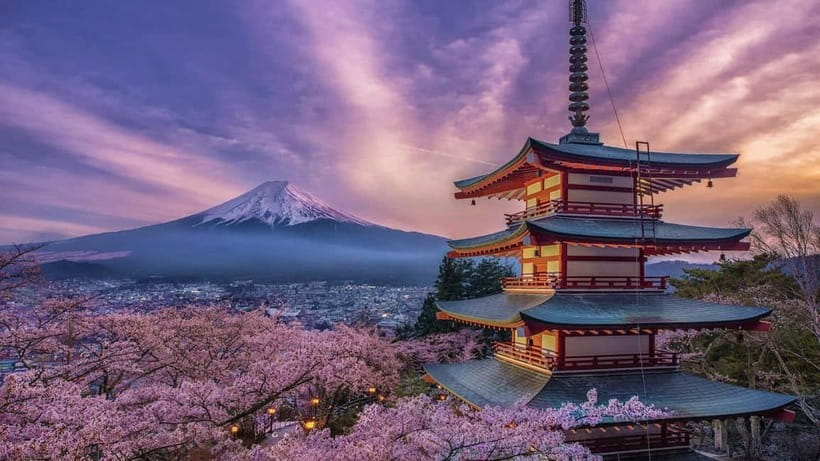
- Chureito Pagoda photo time: you’ll get a full window to slow down and frame Mount Fuji.
- Oshino Hakkai’s eight ponds make the cultural stop feel more than just a quick photo stop.
- Hakone Ropeway and Owakudani views are scenic even when you’re not chasing a perfect Fuji shot.
- Lake Ashi cruise logistics matter because ropeway lines can affect which boat you catch.
A Private 10-Hour Fuji and Hakone Reset From Tokyo
For many first-timers, the Tokyo-to-Fuji question is simple: How do you see the icons without spending your whole day fighting trains, transfers, and crowds? This tour is built for that. You get door-to-door convenience, a private vehicle, and a route that hits the Fuji highlights first, then shifts into Hakone’s sights and views.
Cost-wise, it’s $761 per group up to 5. That can work out well if you fill the car, because the price covers the transport overhead you’d otherwise pay in separate tickets, taxis, and timing headaches. If you’re traveling solo or as a couple, it’s still doable, but it makes more sense if you care about comfort and not “DIY math.”
This is also a long day in the best way: you’re packing in multiple distinct places in one run, while still having the option to adjust the flow. In practice, the day can feel organized rather than rushed, especially when your host keeps an eye on traffic and weather and nudges you toward the best timing for each stop.
You can also read our reviews of more guided tours in Tokyo
Subaru 5th Station: When Clouds Are Your Best Friend
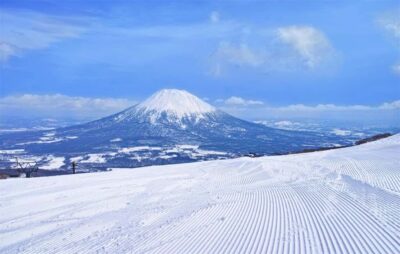
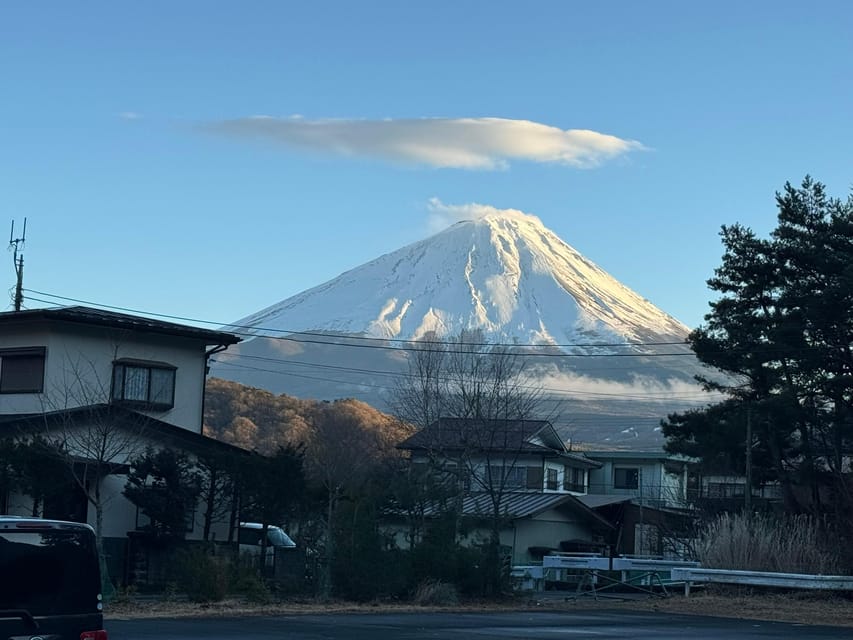
Your day starts with the Fuji Subaru Line 5th Station, sitting about 2,300 meters above sea level. That altitude is the whole point. If the lower plains are cloudy, the higher station can still be clear, which is why people so often get their best Mount Fuji views here.
Expect a serious “surroundings wrap around you” feeling: the crater area, nearby mountains, and in clear conditions, the Fuji Five Lakes region. There’s also a short cultural stop at the Tenjosan Komitake Shrine, which gives you a calm break before you move on.
Two practical notes:
- Entry fees aren’t included at the station, so bring cash for that and for snacks later.
- You’ll want warm layers. Even in pleasant seasons, it can feel cooler up there, and your comfort matters because you’ll likely want time to look around and take photos.
If rain is part of your forecast, don’t assume the whole day is ruined. Some itineraries can pivot to maximize what you can see even when the skyline is changing minute to minute.
Kitaguchi-hongu Fuji Sengen Shrine and the Cedar-Shadow Walk
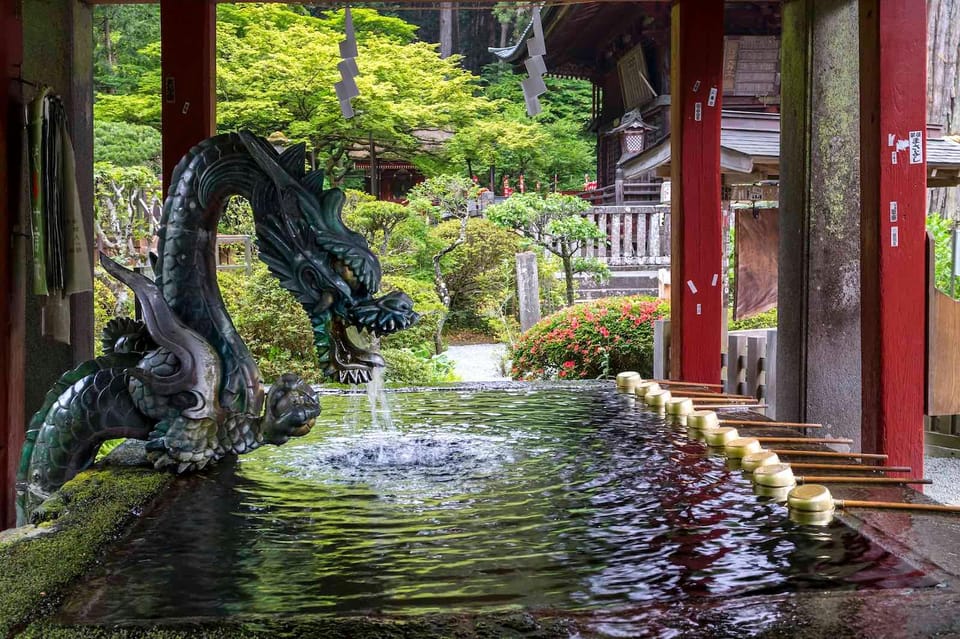
From the station, you move to Kitaguchi-hongu Fuji Sengen Shrine, one of the important shrines dedicated to Mount Fuji. This is where the day shifts from big views to Japanese “spiritual geography.”
The standout features here are visual and sensory:
- Red torii gates that frame your arrival
- A shaded path with cedar trees said to be over 1,000 years old
- Stone lanterns lining the route
This stop is also a nice reset after the high-altitude bustle. Even if Mount Fuji is faint in the sky, the shrine grounds still give you a meaningful, photogenic walk. And because it’s short on the schedule, it doesn’t swallow time you might want later for Chureito Pagoda or Oshino Hakkai.
Oshino Hakkai’s Eight Ponds Plus a Lunch Break You’ll Appreciate
Next comes Oshino Hakkai, a village built around natural springs and meltwater-fed ponds. You get to see the eight ponds formed by Mount Fuji snowmelt, plus a stroll through a traditional-feeling area.
What I like about this stop is that it’s not just a “look and go.” You can slow down and actually enjoy the pace: wandering, tea time, and browsing snacks. This is also a good moment for simple lunch in the local style.
Lunch is scheduled at a local restaurant (about 45 minutes). You’ll likely want something warm because the day has altitude and walking built in. One food that shows up in this route is hoto noodles, which is hearty and fits the region’s seasonal comfort-food vibe.
Quick practical tip: keep a bit of cash handy for small purchases and any add-ons. The tour info calls out cash as something you should bring, and that’s usually why.
Hakone Ropeway to Komagatake: Timing and Timing Again
When you reach Hakone, the focus becomes volcanic scenery and panoramic views. You’ll ride the Hakone Ropeway, one of the larger ropeways in Japan, with the aim of reaching Mount Komagatake.
From here, you get sweeping views across Lake Ashi and the surrounding volcanic terrain, including the Owakudani area as part of the outlook from the route. Even if Mount Fuji isn’t crisp that day, Hakone still delivers on “why this place exists” energy: sulfurous valley associations, slopes, and the kind of layered distance you just can’t replicate in Tokyo.
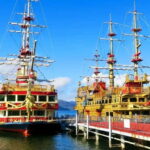
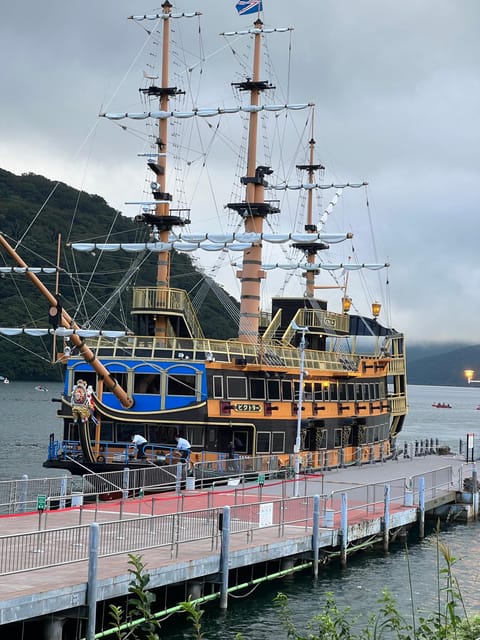
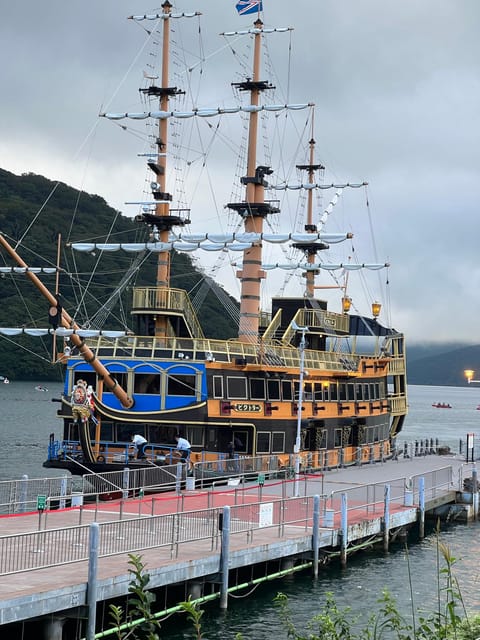
Here’s the biggest gotcha: lines. The tour’s later boat ride depends on getting through the ropeway schedule. People specifically warn not to underestimate how long you can wait on ropeway lines, both up and down. If you’re aiming to catch the pirate ship cruise across Lake Ashi, your timing needs to be realistic.
Also remember: ropeway and pirate ship tickets aren’t included, so budget for those separately.
You can also read our reviews of more private tours in Tokyo

Lake Ashi Cruise: The Part That Feels Like Hakone’s Main Movie
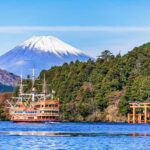
After the ropeway, you’ll reach Lake Ashi for both views and a boat cruise. The lake is surrounded by Hakone National Park’s hills and volcanic backdrop, and in good visibility, Mount Fuji can show itself from the water too.
This is the most “slow travel” segment of the day. You’re sitting while the scenery changes around you, which is a welcome break after lots of walking and lookout points.
But again, logistics matter. If you roll in too late, you can miss the specific sailing you want, and that can turn a highlight into a consolation prize. So treat this segment as a “get there early in spirit” moment, even if you’re not sprinting.
And if the weather turns? You may still end up with a great day, just with less emphasis on the water’s biggest view.
Chureito Pagoda in Fujiyoshida: Fuji’s Icon Stop With Real Time
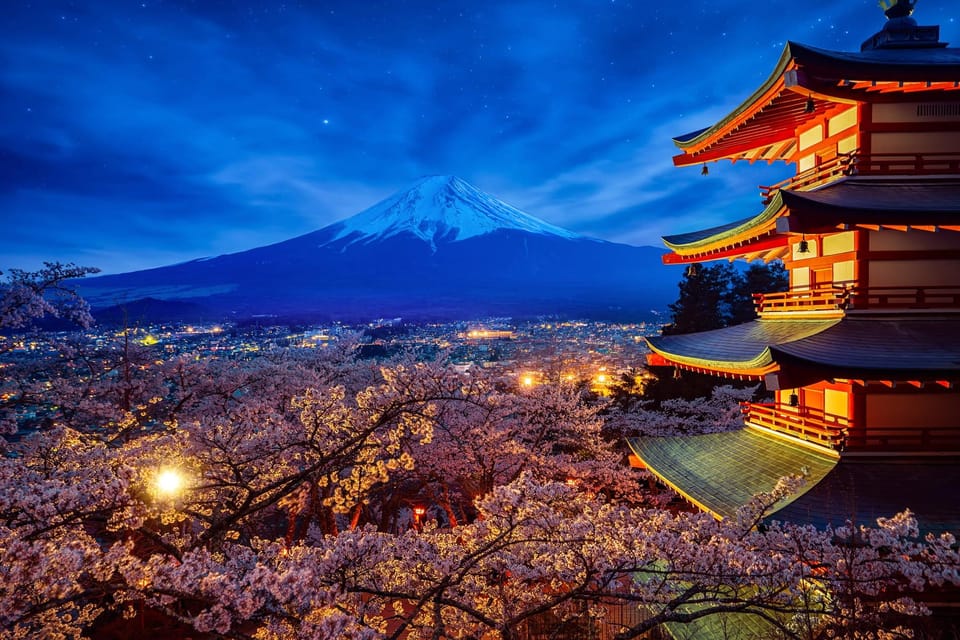
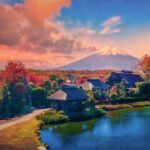
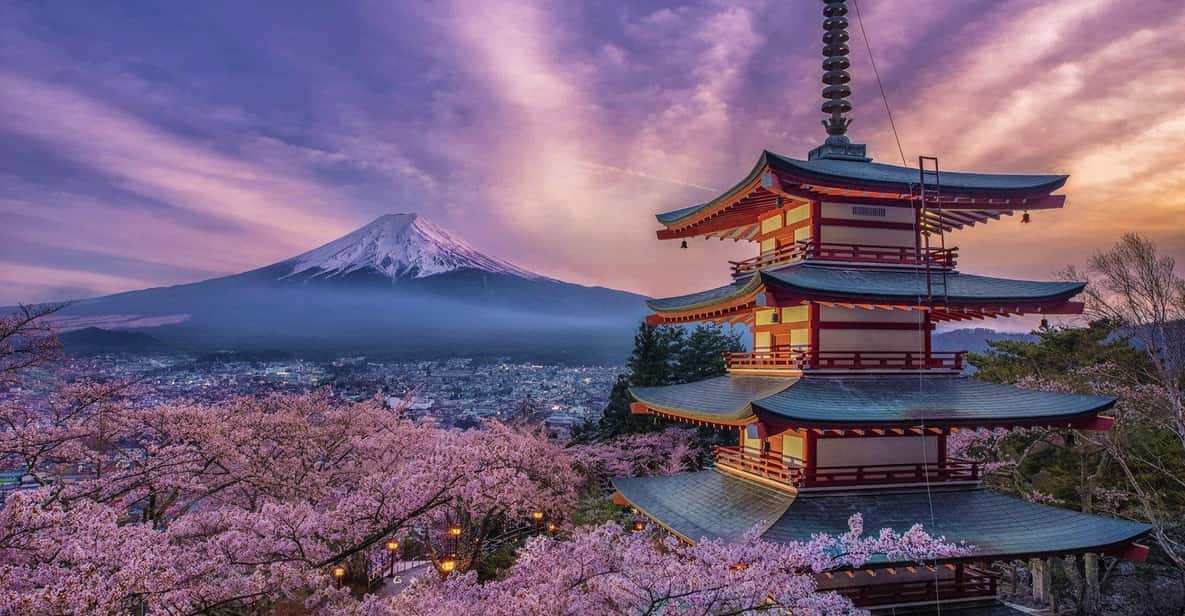
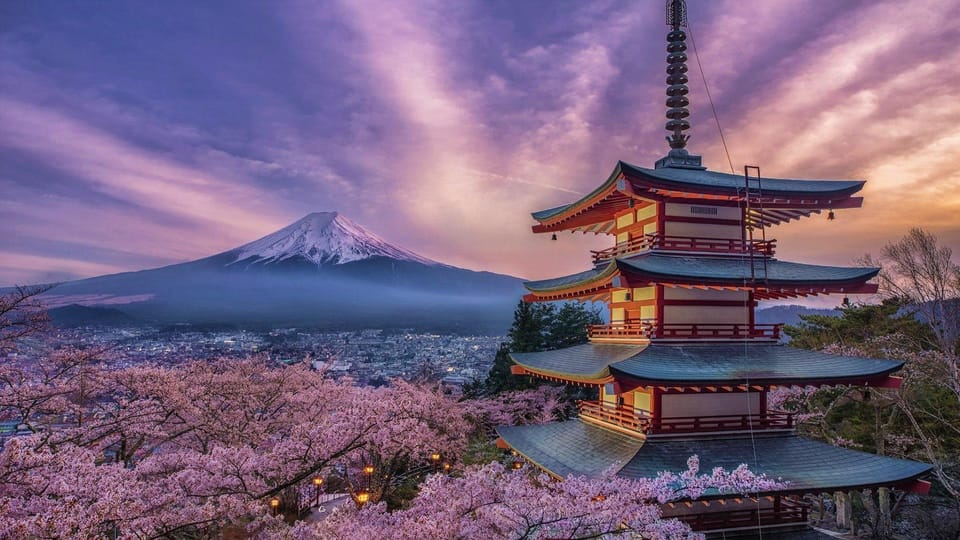
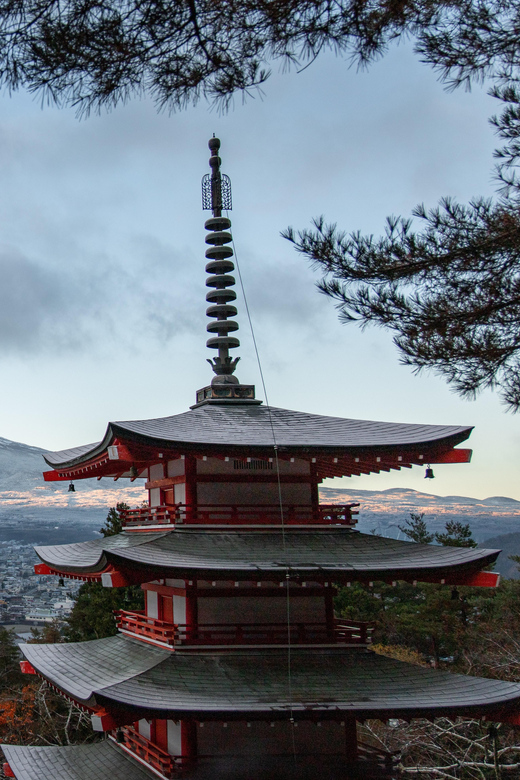
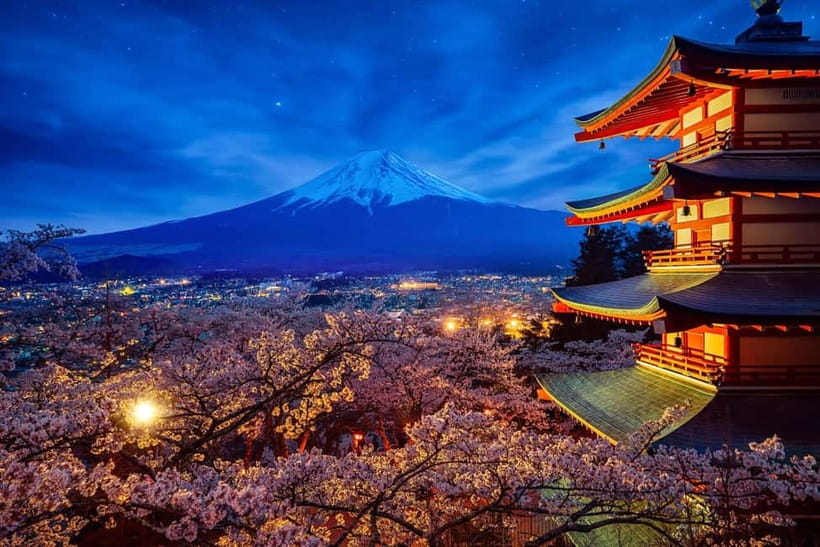
Then you head to Chureito Pagoda in Fujiyoshida City, inside Arakurayama Sengen Park. This is the famous five-story pagoda that frames Mount Fuji in a way that looks almost too perfect for a real day.
In your schedule, you get about two hours at Chureito, which is a lot of time compared to typical photo stops. That matters because:
- You can find your angle
- You can wait for a gap in the crowd flow
- You can watch light shift on the pagoda and surrounding slopes
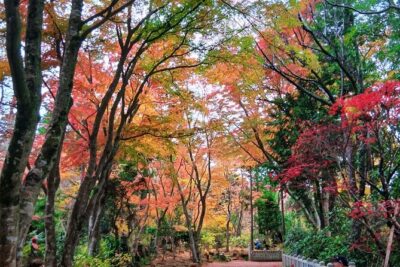
If you’re visiting during peak seasonal color periods, this spot can be even more dramatic. Even without seasonal fireworks, it’s still one of the most recognizable Fuji compositions in the region.
The only “watch out” is visibility. If clouds roll in, your two hours becomes mostly about enjoying the pagoda setting rather than nailing the classic Mount Fuji shot. On a private day, that still feels like time well spent because you can move at your own pace without feeling like you’re racing a tour conveyor belt.
Your Host’s Role: Keeping Pace Without Rushing You
This is where the reviews leave fingerprints: the day often runs smoothly because the people leading it care about more than just checking boxes.
Names that come up again and again include Imran, Moon, Khan, Zeshan, and Ahamed. Regardless of the name, the common threads are:
- clear communication before pickup
- keeping the route on schedule without feeling frantic
- taking time with questions and small adjustments
- helping with photos, including repositioning so you get usable angles
One smart benefit of a private format is that your host can help you dodge timing problems. On days when traffic is heavier than expected, the host can still keep enough breathing room in the plan to enjoy each site. And if rain or fog blocks Fuji, some days get reshaped so you still come home with a full, satisfying itinerary.
That customization is built into the tour concept too. The route can be adjusted by removing or adding places based on your needs, though you’ll want to keep ticketed and timed segments in mind so you don’t accidentally blow your plan for the ropeway or boat cruise.
Price and Logistics: What Your Money Actually Buys
Let’s talk value in plain terms. At $761 per group up to 5, you’re paying for:
- hotel pickup and drop-off
- an air-conditioned private vehicle
- on-board WiFi
- bottled water
- parking fees and highway tolls
- passenger insurance
- fuel surcharge
What you’re not paying for in the base price is what typically adds up during day trips:
- lunch
- Fuji Subaru Line 5th Station entry fees
- Hakone ropeway gondola and pirate ship cruise tickets
- the guide is listed as not included, though the people running these tours in the real world often act as the guide/host for English and Japanese context
That last line can confuse people, so I’d handle it this way: when you book, confirm who will be with you for interpretation and site guidance. You can also ask whether your host will handle photo stops and whether the plan includes the ropeway and cruise tickets on your behalf.
Also check pickup logistics. Pickup and drop-off are included within Tokyo’s 23 wards, and pickup outside that area can add extra cost. If your hotel is farther out, ask first so you don’t get surprised by the final number.
Practical Tips for a Smooth Fuji Day
These small things can save you stress, especially on a 10-hour loop.
What to bring
- Comfortable shoes (you’ll walk at multiple stops)
- Comfortable clothes plus layers for altitude and possible wind
- Cash for entry fees, snacks, and any ticketed items not included
Don’t get caught by ropeway timing
You’ll want to treat ropeway lines as part of the plan. If the lines are long, your schedule may squeeze the boat cruise timing. On a private tour you can adapt faster, but you still can’t bend physics like gravity or boarding windows.
Keep weather expectations realistic
Mount Fuji visibility can change fast. If clouds or rain reduce your views, the goal shifts to enjoying the shrines, ponds, pagoda setting, and Hakone’s volcanic scenery anyway. Some hosts pivot to keep the day enjoyable even when Fuji doesn’t cooperate.
Ride comfort matters
This trip includes an air-conditioned vehicle and bottled water. In the real-world operation of the day, people also highlight extras like power access for phones, plus WiFi for maps and messaging. If you rely on your phone for navigation or photos, charge whenever you can.
Should You Book This Private Mount Fuji and Hakone Tour?
Book it if you want a single-day, icon-heavy itinerary with door-to-door convenience and a private pace. It’s especially compelling for families, small groups, and anyone who doesn’t want to figure out transit timing between the Fuji Five Lakes area and Hakone.
Skip it or rethink if:
- you’re hoping for Mount Fuji photos at every single stop no matter what (weather has the final word)
- you prefer public transit and don’t mind scheduling and ticket juggling
- you need very limited walking, since several stops include strolls and lookout time
One specific note from the tour info: it’s not suitable for people over 95.
If you’re on the fence, here’s my best decision tool: if comfort, timing help, and a packed day of Fuji plus Hakone icons sound like your style, this is a strong bet. If you’d rather spend more time in fewer places, consider splitting Fuji and Hakone into two separate outings.
FAQ
How much does the Tokyo: Mount Fuji & Hakone private tour cost?
The price is $761 per group for up to 5 people.
How long is the tour?
The tour duration is 10 hours, and that includes hotel pickup and drop-off.
What’s included in the price?
Included are hotel pickup and drop-off, transportation in an air-conditioned vehicle, WiFi on board, a driver, bottled water, fuel surcharge, parking fees, highway tolls, and passenger insurance.
What isn’t included?
Lunch is not included, and Fuji Subaru Line 5th Station entry fees are not included. Also not included are the gondola/ropeway ride and pirate ship cruise tickets, and the guide is listed as not included.
Is the tour private?
Yes. It’s a private group, designed for flexibility on the day.
What should I bring?
Bring comfortable shoes and comfortable clothes, plus cash.