REVIEW · TOKYO
Akihabara Anime & Game Adventure Walking Tour (Group or Private)
Book on Viator →Operated by MagicalTrip Inc. · Bookable on Viator
Akihabara can feel like sensory overload. This 3-hour anime and game walking tour keeps you on track through Super Potato-type retro gaming and a maid cafe, with a guide to explain what you’re seeing as you go. I like the built-in photo moments and the fact you’re not trying to figure out what matters alone; I also like the small group setup, so questions don’t get lost. The main trade-off: this is a shop-and-street route, not a museum, so if you want heavy storytelling at every stop, you may feel a bit rushed.
A lot of the value comes down to the guide. People have mentioned names like Naoki, Yuki, Ai, Seina, and Ryo tailoring the pace for families and pointing out places you’d probably walk past. Still, your experience can swing a little depending on how talkative (or strict about the plan) your particular guide is, so go in ready to ask questions early.
In This Review
- Key Things to Know Before You Go
- Where the Tour Starts and How the Timing Works
- Super Potato: Starting With Retro Game Treasure
- Akiba Cultures Zone: Subculture Goods in One Concentrated Area
- Gachapon Hall: The Capsule Toy Hunt That Never Gets Old
- Heaven’s Gate Maid Cafe: What’s Included and What to Expect
- Purikura Photo Booth and Polaroid Add-Ons
- Taito Station Akihabara: Space Invaders Meets Arcade Time
- The Final Walk Through Akihabara Cosplay and Strange Vending Machines
- Price and Value: What $90.86 Gets You (And What It Doesn’t)
- Guide Quality: The Biggest Variable You Should Plan For
- Practical Tips for Akihabara Walking (Heat, Crowds, and Photos)
- Who This Tour Suits Best
- Should You Book This Akihabara Anime and Game Walking Tour?
- FAQ
- How long is the Akihabara Anime & Game Adventure Walking Tour?
- How much does the tour cost?
- What’s included with the maid cafe?
- Is Purikura (the Japanese photo booth) included?
- Can I buy extra photos at the maid cafe?
- How big is the group?
- What about allergies or dietary restrictions?
- Where do we meet the guide?
- Is there a weather-related cancellation policy?
Key Things to Know Before You Go

- Small group max 7: easier to move, hear answers, and keep the route from turning into a stampede.
- Maid cafe entry is included: you get the door fee and one drink, plus time to experience the vibe.
- Purikura photo booth is included: you’ll do the classic Japanese sticker-style photo booth during the tour.
- Super Potato and Taito Station are on the route: two fan-favorite anchors for retro games and arcades.
- Gachapon Hall is a real stop, not a photo-op: you can hunt capsule toy machines in one focused area.
Where the Tour Starts and How the Timing Works

The meetup is set right by Akihabara Station, outside the JR area at the Electric Town Gate area, with a meeting point at a ticket office right there. There’s also a listed start address in Sotokanda, so the safest move is to match your exact meetup spot to what you receive at booking.
This is an about-3-hour walk, and the itinerary is built from short shopping stops (mostly 15–30 minutes) plus the maid cafe block. That structure matters: you get a taste of multiple corners of Akihabara without spending your whole day stuck in one store.
Because the group is capped at 7, you’ll usually get to keep moving rather than waiting for someone to catch up. You still should expect crowds, stairs, and quick transitions, especially around popular arcades and shopping streets.
You can also read our reviews of more walking tours in Tokyo


Super Potato: Starting With Retro Game Treasure
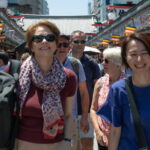
The tour kicks off at Super Potato, a retro video game store that’s famous with game fans for older consoles, classic titles, and all the clutter that makes collectors happy. This stop is short—around 30 minutes—but it’s the right kind of first stop. You’re in the right mood fast, and the guide can help translate what you’re looking at: what’s worth checking, what’s just wall-to-wall merchandise, and how to browse without getting overwhelmed.
A practical point: retro stores can be visually intense. If you’re shopping for specific eras or series, tell your guide what you’re hunting for at the start. Multiple guide reviews praised the way guides helped people find the right kind of items, not just point at shelves.
If you’re not a video-game person, this can still be fun because it’s a good “Akihabara flavor” introduction: older tech, odd displays, and a collector’s atmosphere. Just don’t expect a guided lecture—this part is for looking and asking questions.
Akiba Cultures Zone: Subculture Goods in One Concentrated Area
Next up is Akiba Cultures Zone, a pocket of Akihabara where you can see the full spectrum: anime goods, idol-themed displays, and the “maid cafe” culture that Akihabara is known for. The stop is about 30 minutes. That’s enough time to browse, take photos, and understand how the area is themed.
What I like about this stop for first-timers is that it gives you categories. After you see how goods cluster (and how the storefronts aim at different fandoms), Akihabara stops feeling random. You start noticing patterns.
The possible downside: it can feel crowded and a little “shop-heavy.” If you’re hoping for calm, airy streets, this may not be your moment. Treat it like a guided sampler—use it to learn what you’re interested in, then you’ll know what to chase afterward on your own.
Gachapon Hall: The Capsule Toy Hunt That Never Gets Old

Akihabara Gachapon Hall is the capsule toy zone, often described as a holy land for gachapon. The tour gives it about 15 minutes, which is perfect for the “try it, play it, move on” rhythm.
Here’s why this works on a walking tour: gachapon is a low-effort activity. Even if you’re not sure what to buy, you can still walk through, spot rare-looking machines, and do a quick round. It also creates natural moments to ask your guide for help—like which machines have the latest releases or what specific series to look for.
The one caution is budget. Capsules can pull you in quickly once you start recognizing franchise patterns. If you want to keep it controlled, set a number in your head before you spin.
Heaven’s Gate Maid Cafe: What’s Included and What to Expect

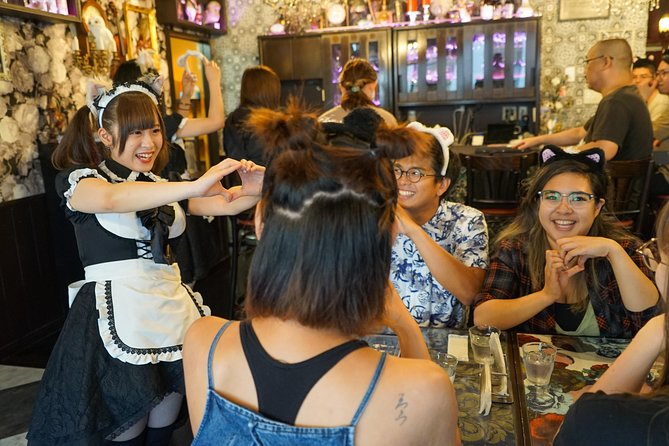
The centerpiece is the maid cafe stop at Heaven’s Gate. This part runs about 1 hour and includes the door fee plus one drink. It’s the stop that most first-timers remember, partly because it’s so different from normal Tokyo dining.
Two important details from the tour info:
- The maid cafe you visit may vary depending on the situation.
- Dietary needs are not something the operator can guarantee. The food is prepared in kitchens that do not belong to the tour provider, so allergy-free guarantees and substitutions aren’t assured. They’ll make an effort to compensate at other stops, but you should plan accordingly.
If you’re going to a maid cafe for the cultural experience rather than the food, you’ll likely enjoy it more. Think of it like a performance and a themed interaction: you’re there for the vibe, not a Michelin meal.
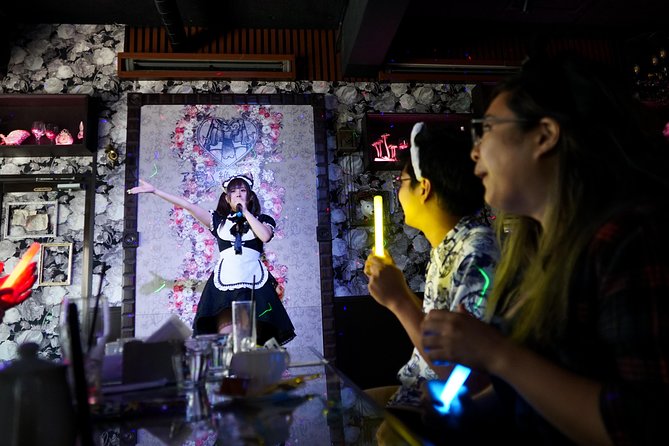
Also, there can be an extra-cost element: a maids’ live performance is listed at ¥1,430 per person and is not included. If you’re curious, ask your guide how it fits into your time slot so you’re not surprised by additional choices.
Photo-wise, you may be doing pictures during the tour, and a maid cafe can be a place where staff follow their own rules. Stay flexible, follow staff instructions, and assume personal photo policies can vary by venue.
You can also read our reviews of more private tours in Tokyo






Purikura Photo Booth and Polaroid Add-Ons

Along the route, the tour includes a Japanese photo booth experience (Purikura). If you’ve never done Purikura, it’s a fun way to leave Akihabara with something you can take home immediately: sticker-style photo templates with edits and lots of character.
There’s also mention of a polaroid photo shooting with a maid, available for purchase. That means your included portion is the Purikura experience, while polaroids are optional. If you’re watching expenses, treat the polaroid as a bonus you can decide on after you see how much you like the results.
This is a smart inclusion for a walking tour. It turns the “I saw stuff” experience into “I have something to show for it,” without needing you to hunt down a booth yourself.
Taito Station Akihabara: Space Invaders Meets Arcade Time

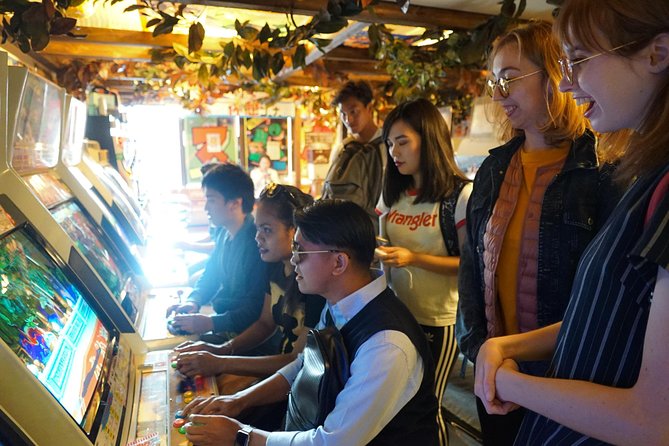
After the maid cafe, the tour heads to Taito Station Akihabara, a spot anchored by the big Space Invaders sign. It’s about a 25-minute stop and is a great transition: you’ve done the thematic interaction, now you shift into gaming mode again.
Arcades are one of the fastest ways to “get it” even if you don’t play much. You’ll see the mix of classic machine styles and modern variations. If you’re a gamer, this is where you’ll probably want extra time for browsing cabinets and figuring out how pay/play works.
If you’re not into arcade games, you can still enjoy this stop by treating it like a living museum of icons. Space Invaders is an easy reference point, and your guide can point out what to look for.
The Final Walk Through Akihabara Cosplay and Strange Vending Machines
The last stretch includes an extra walk around Akihabara for about 15 minutes, with a focus on cosplay and the area’s unusual vending machines. This is where Akihabara feels most like itself—quick glimpses of costumes, niche merchandise, and street-level details that won’t show up in a single store.
This section is short on purpose. It helps you end with a sense of place right after the “big anchors” (retro games, capsule toys, maid cafe, arcade). It’s also a good moment to ask your guide for a quick “where should I go next?” list, especially if something you saw earlier sparked your interest.
If it’s raining or if you’re mobility-limited due to stairs, this final area can be the part you feel most. The itinerary doesn’t promise a step-free route, so plan for uneven Tokyo sidewalk life.
Price and Value: What $90.86 Gets You (And What It Doesn’t)
At $90.86 per person for about 3 hours, the value is all about what’s included versus what you’d otherwise pay and scramble to organize.
What you get included:
- Maid cafe entrance plus one drink
- Purikura photo booth experience
- A certified guide by MagicalTrip
- Entry to the listed stops (most have free admission tickets)
- A guided route that helps you understand what you’re looking at
What’s not included:
- Additional drinks and food (available for purchase)
- The optional maids’ live performance at ¥1,430 per person
- The polaroid photo shooting (available for purchase)
So you’re not paying for a fancy dinner or an all-you-can-play arcade ticket. You’re paying for “someone to connect the dots” between Akihabara’s subculture, plus the maid cafe entry and the Purikura outcome that becomes a souvenir.
Is it worth it? If you’re first time in Akihabara or you get overwhelmed easily, paying for the structure is a win. If you’re already confident navigating Electric Town and you mainly want to roam freely, you might decide the guide isn’t necessary. The small group cap helps either way, since it lowers the odds of feeling like you’re being herded.
Guide Quality: The Biggest Variable You Should Plan For
This tour lives or dies by the guide. Many people reported names like Naoki, Yuki, Ai, Seina, Kenji, Taka, and Tommy as enthusiastic, helpful, and flexible—especially when tailoring to kids’ interests, translating, or pointing out stores people wouldn’t find without local help.
But there are also complaints that the tour can feel light on explanations. A few reviews described experiences where the guide mostly pointed at places, and one person felt they could have explored Electric Town alone.
So here’s how you protect yourself:
- Ask your first question within the first 10 minutes (history, where to shop for your exact fandom, or what’s actually worth it).
- If your guide seems quiet, it’s okay to prompt them: I want the context for what I’m seeing.
- Use the maid cafe and Purikura time as your “anchor.” Even if some shop stops feel basic, those included pieces are still part of what you paid for.
Practical Tips for Akihabara Walking (Heat, Crowds, and Photos)
Akihabara is busy, and summer in Tokyo is often hot and humid. The tour specifically recommends bringing water and wearing a hat to prevent heat stroke. That’s not a small suggestion—plan for it like a real activity, not a casual stroll.
You’ll also be moving through shop fronts and areas that can involve stairs. One review noted time lost on stairs and in small, crowded spaces. If you have mobility limits, you should treat this tour as a route that may be physically demanding at times.
Photo etiquette matters in themed spaces. Some comments mentioned how photos were handled by guides in unusual ways. The best approach is simple: before taking lots of pictures, check what’s allowed in each venue and ask your guide if you’re unsure. Most guides are there to keep things smooth, but rules can vary by shop or staff member.
Who This Tour Suits Best
This is a strong fit if you:
- Love anime, manga-style merchandise, or retro video games
- Want a fast, organized introduction to Akihabara’s key zones
- Appreciate having someone explain what you’re looking at, especially around maid cafe culture
- Like hands-on fun items like Purikura and capsule toy hunting
It may be a weaker fit if you:
- Only want to stroll streets at your own pace with no structure
- Expect museum-style history at every stop
- Have strict dietary needs (the tour notes they cannot guarantee allergy-free meals or substitutions)
Should You Book This Akihabara Anime and Game Walking Tour?
Book it if you want the “Akihabara starter pack”: retro gaming, capsule toys, a maid cafe experience with a drink included, and Purikura, all in one about-3-hour route with a small group. For first-timers, it’s an efficient way to get your bearings fast, so you can enjoy the rest of the day exploring on your own.
Skip (or rethink) if you’re confident you already know Electric Town well and you’d rather spend that money on arcade time, food you pick yourself, or a longer independent wander. Also rethink if maid cafe culture isn’t for you, since it’s the tour’s main emotional and cultural highlight.
If you’re on the fence, my vote is to book—just come prepared to ask questions early and treat it as a fun, pop-culture walk rather than a lecture.
FAQ
How long is the Akihabara Anime & Game Adventure Walking Tour?
It’s listed at about 3 hours.
How much does the tour cost?
The price is $90.86 per person.
What’s included with the maid cafe?
The tour includes entrance to a maid cafe and one drink. Note that the maid cafe may vary depending on the situation.
Is Purikura (the Japanese photo booth) included?
Yes. A Japanese photo booth experience (Purikura) is included.
Can I buy extra photos at the maid cafe?
A polaroid photo shooting with a maid is available for purchase. The maid cafe also lists a maids’ live performance at ¥1,430 per person, which is not included.
How big is the group?
This tour has a maximum of 7 travelers.
What about allergies or dietary restrictions?
You cannot expect the tour to guarantee allergy-free options or to accommodate dietary restrictions, because the food is prepared in kitchens not belonging to the tour provider. Substitutions are not guaranteed, though they will make efforts to compensate at different stops.
Where do we meet the guide?
The tour meeting point is in front of the Ticket Office right outside of the Electric Town Gate of JR Akihabara station. A start address is also listed at Travel Service Center, 1 Chome-17 Sotokanda, Chiyoda City, Tokyo 101-0021, so match the exact spot shown at booking.
Is there a weather-related cancellation policy?
It requires good weather. If it’s canceled due to poor weather, you’ll be offered a different date or a full refund. Free cancellation is available up to 24 hours in advance.