REVIEW · TOKYO
GT-R35 800hp Club Membership – secret underground car meet
Book on GetYourGuide →Operated by TOKYO CAR CLUB · Bookable on GetYourGuide
Tokyo gets loud at night. This secret underground car meet experience links a proper JDM convoy with cinematic city stops, including the GT-R R35 ride and photo moments you can actually take home. I like that you’re not buying generic sightseeing, you’re getting access to a car club scene—plus professional photography at key points—without the usual tourist friction. One thing to consider: Daikoku PA can close without notice, and the plan shifts to other meet spots.
For $205, you’re paying for entry into a club activity, not a standard tour bus. You’ll start at CITY CIRCUIT Tokyo Bay (Aomi) and finish back at the same meeting point, with a fixed route designed for convoy flow. The drawback is also part of the value: this is shared (not private), so seating can be split depending on group size.
In This Review
- Key things to know before you go
- A Tokyo car club night, with real JDM energy
- Price and value: why $205 can make sense here
- Getting to CITY CIRCUIT Tokyo Bay like a pro
- The convoy drive: C1 Wangan, Rainbow Bridge, and Tokyo Tower
- Super Autobacs: the parts-store stop that fans actually care about
- Daikoku PA can change, and that’s part of the real plan
- The secret underground meet and the store ride
- Photos, drivers, and the difference between seeing and understanding
- Practical stuff that can make or break the comfort
- Who this experience fits best
- Should you book the GT-R35 800hp club meet?
- FAQ
- Where do we meet, and where does the experience end?
- What time does the car club experience start?
- What’s included in the $205 per person price?
- Is hotel pickup or drop-off provided?
- What if Daikoku PA is closed?
- Is this experience suitable for kids or anyone with mobility/health limits?
Key things to know before you go
- A club-first experience, not a sightseeing product: you’re there to join the scene, not check boxes.
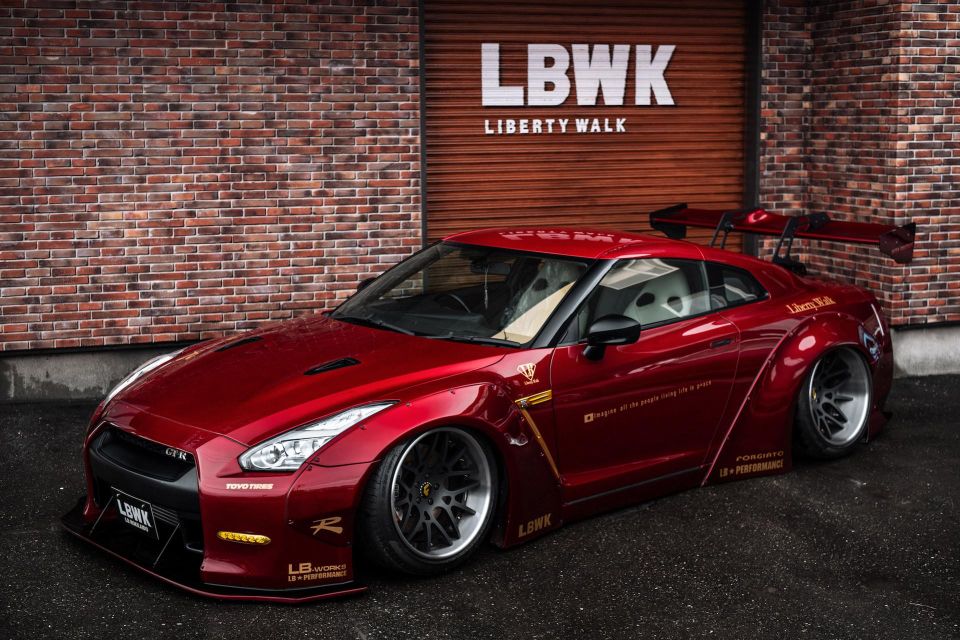
- GT-R R35 ride + secret meet access: the night has both a convoy drive and an underground-style gathering.
- Pro photos at key stops: you get organized picture moments along the route.
- Iconic Tokyo routes on the drive: C1 Wangan, Rainbow Bridge views, and Tokyo Tower are built into the night.
- Daikoku PA isn’t guaranteed: if it closes, you’ll go to other meet locations.
- Multiple language support: English, Portuguese, Japanese, and French are available.
A Tokyo car club night, with real JDM energy
This isn’t a polished tourist itinerary. It’s a car club activity that’s built around one simple idea: Tokyo at night feels different when you’re moving with JDM people and JDM machines.
You start with the convoy vibe—cars together, a route paced for everyone to see and photograph the skyline—and then you roll into the “secret” part: a private car meet experience exclusive to club members and their guests. The best part is how the night mixes performance culture with city icons, so you get both the scene and the Tokyo postcard stuff in the same evening.
The tone also matters. The event is guided by passionate enthusiasts, and drivers like Alex, Julie, Fernando, Henrique, Alexandre, and Shu show up in real feedback as the kind of hosts who can talk cars and roads without turning it into a lecture. If you’ve ever wanted the Fast and Furious feeling but prefer it grounded in actual tuning culture, this does that.
You can also read our reviews of more tours and experiences in Tokyo.



Price and value: why $205 can make sense here
$205 sounds like a lot until you break down what’s included and what you’re not paying extra for.
You get:
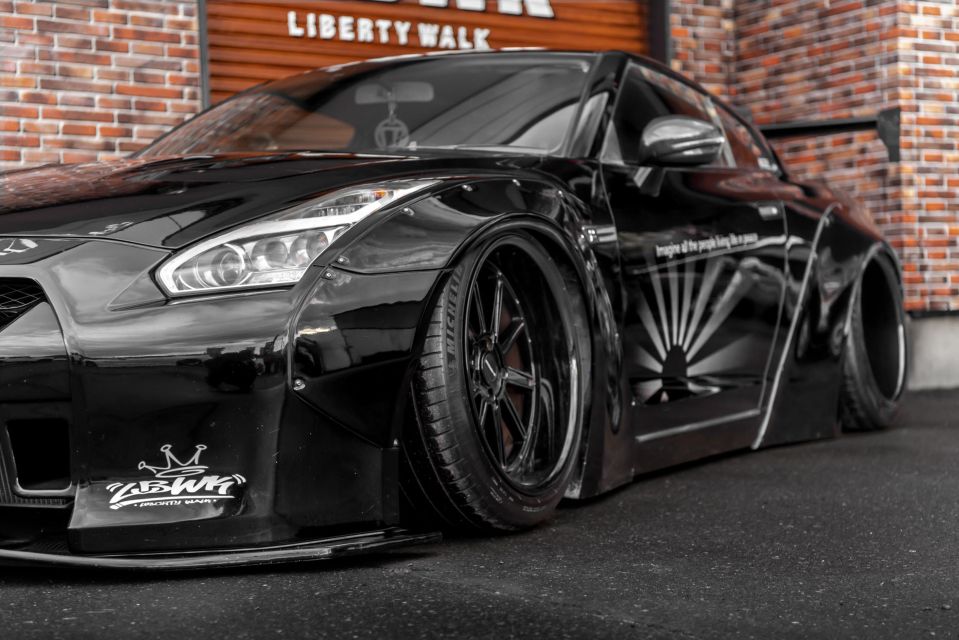
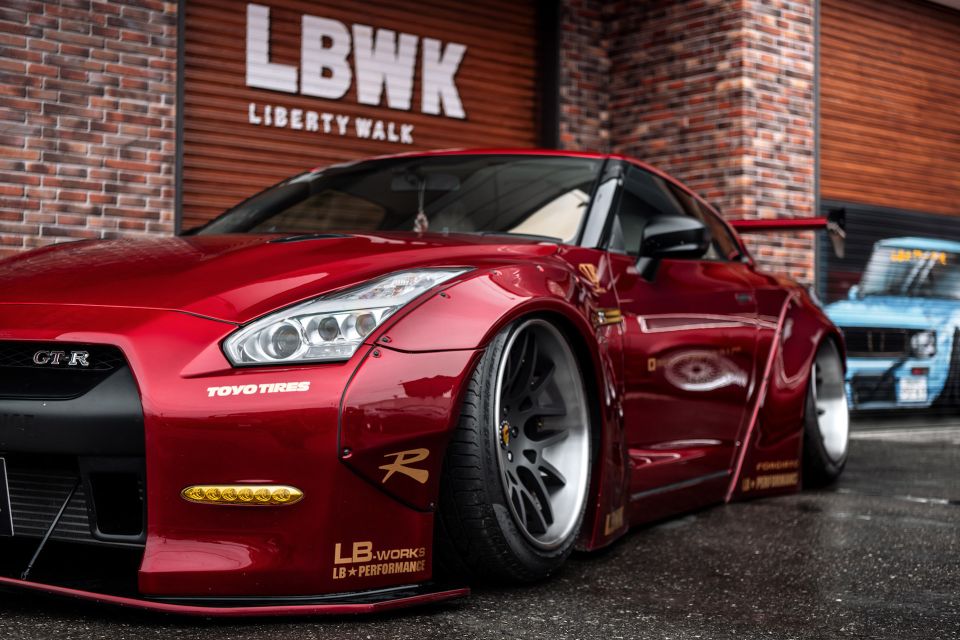
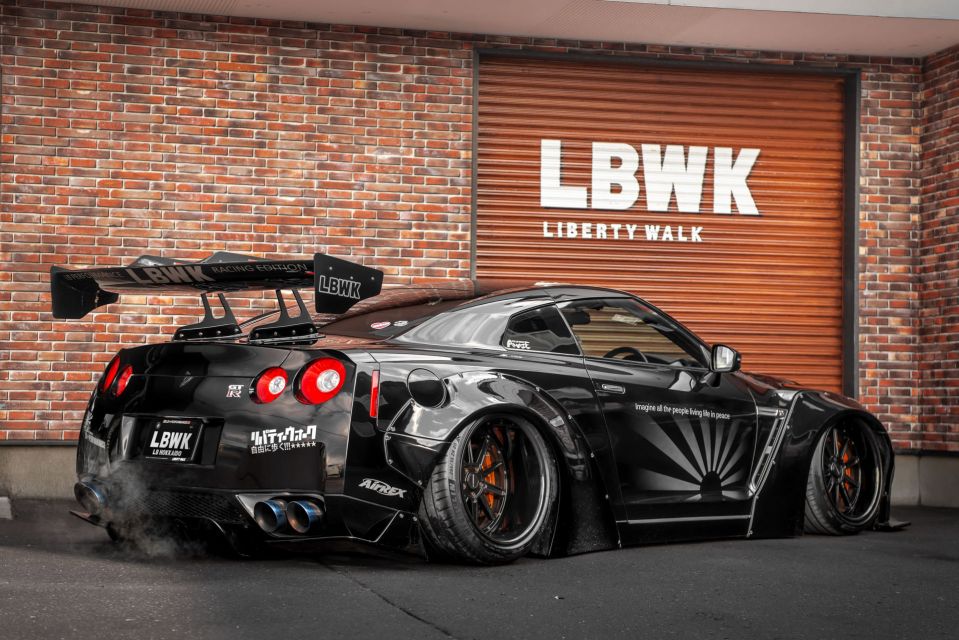
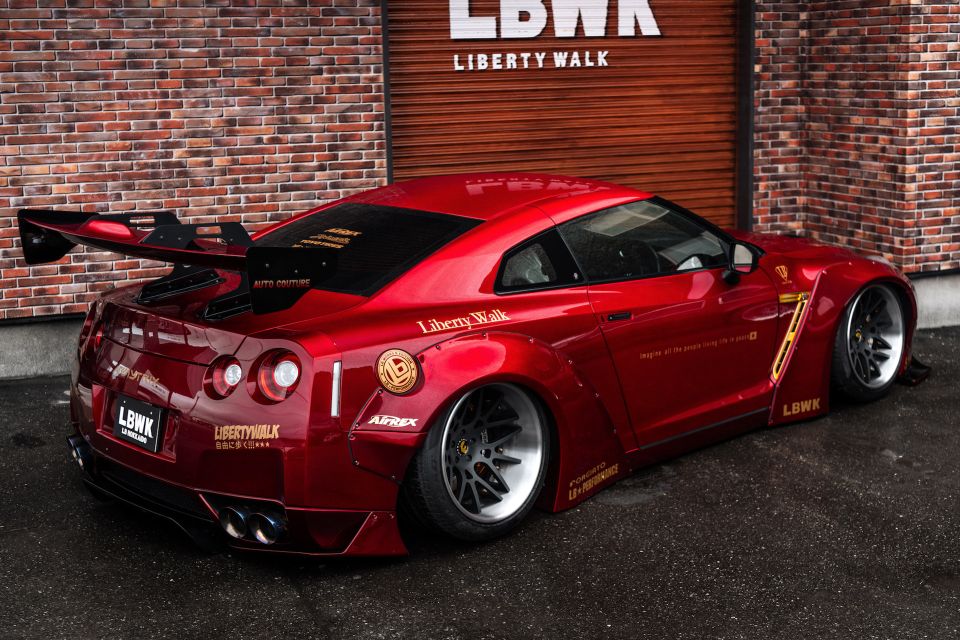
- A free ride in a GT-R R35 (Liberty Walk) as part of the convoy
- Access to the secret car club meet
- An official Car Club Membership Card
- Scenic drive stops designed for sightseeing and car culture
- Professional photography at key stops
- A membership perk: discount access tied to Race Kart City Circuit at the meeting area
In many Tokyo experiences, you pay for transport, guide time, and each “photo stop” separately—or you’re stuck with phone-only photos and a crowded bus. Here, the ride and photo structure are the product. You’re essentially paying for access, timing, and a group flow that puts you near the action.
Also, the event has strict rules about what it is and isn’t. It’s not operating as a taxi service, and it doesn’t do hotel pickup/drop-off. That keeps it focused on convoy and club activity rather than general transportation.
Getting to CITY CIRCUIT Tokyo Bay like a pro
The meeting point is CITY CIRCUIT TOKYO BAY (Aomi Station) or Tokyo Teleport Station. It’s the kind of spot where you can feel the night’s purpose immediately—people show up looking like they belong in a car magazine.
Timing is important. The experience starts:
- 7:30pm Monday to Thursday
- 6pm Friday to Sunday
Show up at least 5 minutes early. This is one of those events where being late can mean missing the group flow. You’ll also want a WhatsApp-registered phone number so the club can coordinate changes and updates quickly.
Bring your passport. That’s explicitly required, and it’s one of those small things that prevents a messy end-of-day scramble.
One more practical note: the event is shared. Expect a group size that can be large enough to include lots of cars—some rides have been described as running with around 22 cars—so your best move is to keep your expectations flexible and focus on the big picture.
The convoy drive: C1 Wangan, Rainbow Bridge, and Tokyo Tower
The route isn’t random. It’s built to give you those “this is why I came to Tokyo” skyline moments while still feeling like a real car scene night.
On the drive, you pass the C1 Wangan route—famous in car culture—and you get Rainbow Bridge panoramic views over Tokyo Bay. These stops matter because they’re not just pretty. They’re where the car vibe and the city vibe overlap. At night, you’re shooting headlights, reflections, and expressway lines all at once.
You’ll also hit Tokyo Tower. That’s a classic visual marker, and here it works because you’re approaching it as part of a coordinated convoy experience, not a random walk-by.
What to expect rhythm-wise: you’ll have enough organized stops for photos, plus guidance from your driver about what you’re seeing and why it matters. In feedback, guides like Alex and Henrique are specifically credited for explaining the roads and the movie/anime connection without making it feel fake.
Super Autobacs: the parts-store stop that fans actually care about
One of the smartest parts of this night is the Super Autobacs stop. This isn’t “let’s look at shops.” It’s where you get close to the performance world you normally only see online or in catalogs.
Even if you’re not buying anything, you’ll see how Japanese car culture is organized around parts, tuning, and brands. That’s useful context when you later look at the cars at the meet. You start noticing details: bodykits, aero choices, wheels, and how people build for the look and the driving.
This stop also keeps the night grounded. The skyline moments are great, but a meet scene feels more real when you’ve just been near the machinery and the culture that supports it.
There’s one practical limitation: this is a fixed-route experience, so the stop timing is scheduled. If you get impatient in structured events, you might feel the schedule pressure. If you’re a car person, it’s usually a good trade.



Daikoku PA can change, and that’s part of the real plan
Daikoku Parking Area is a big name in Tokyo car culture, and the night is designed to include it. But here’s the honest part: Daikoku may close without prior notice, and the team will adjust by visiting other car meet spots.
That matters for your expectations. If you show up assuming you’ll 100% get one specific location, you’ll be disappointed by the reality of public spaces and changing conditions. The event is clear that in cases like weather or closure, there can be no refunds tied to those outcomes.
Still, you’re not left with a dead night. The crew uses alternatives so the main goal—meeting the scene and getting that convoy energy—stays alive. Feedback also shows the vibe holds up even when specific meet spots shift.
Tip: if you care most about the cars, bring a phone camera plan. You’ll be taking photos at designated stops, and you’ll also want to be ready for spontaneous car sightings during the night flow.
The secret underground meet and the store ride
This is the headline you came for: a private, secret-style car meet experience exclusive to members. The event also includes the GT-R ride plus a free sōgei ride from Tokyo to the store as part of the club activity.
The “underground” feel doesn’t come from a scripted show. It comes from the way a club gathering works—people talk cars, there’s a real crowd energy, and the lineup is built for enthusiasts, not for casual passersby.
You’ll see a range of performance cars in the convoy and at the meet. In real-world examples from feedback, the car you ride in can be swapped if there’s a technical issue—like switching to a Liberty Walk S15 instead of the planned GT-R. That’s not something you should assume, but it’s evidence that the team tries to keep the experience going rather than canceling the vibe.
At the start, you also get a club membership package moment: the Tokyo Car Club Membership Card. For the right person, that’s more than a souvenir. It signals that you’re entering an ongoing scene, not just buying a one-night ticket.
Photos, drivers, and the difference between seeing and understanding
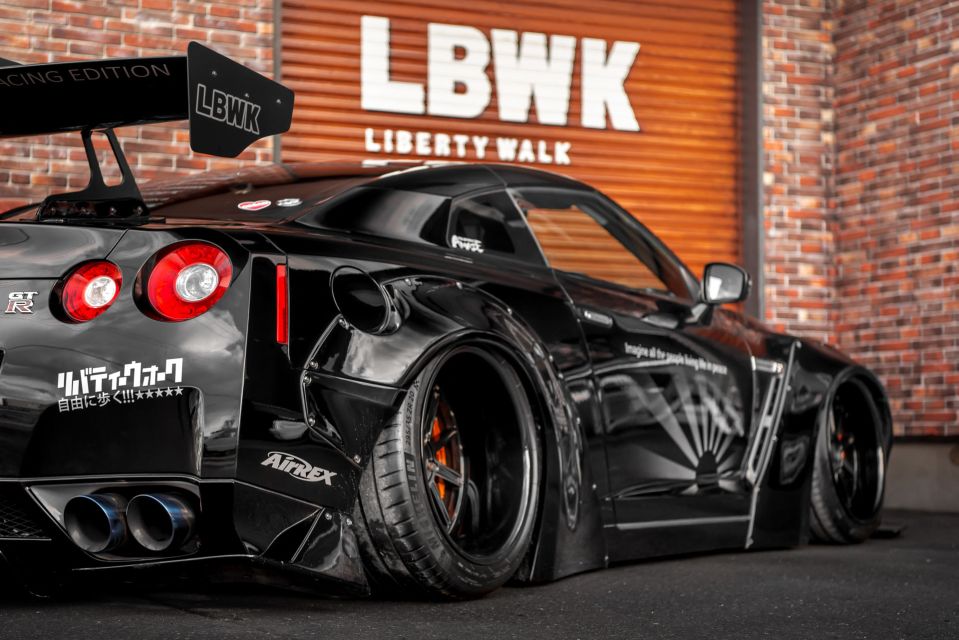
The event includes professional photography at key stops. That’s a big deal. Most “photo stop” experiences still leave you doing all the work—standing in line, hoping your shot captures the moment, and missing the good angles because you’re holding the camera.
Here, the stop structure gives you time to get your own photos too. The result is a better mix: you’ll have your own snapshots and also curated shots from the pro side.
Then there’s the human factor: guides and drivers who can connect what you’re seeing to Japanese car culture. People mention that drivers gave insights about the areas you pass and shared history on famous roads that show up in movies and anime. When you can tie the city to the culture you love, the night feels like more than just driving.
Language support is also a practical win. The event runs with English, Portuguese, Japanese, and French, so you’re less likely to miss context if your Japanese is basic.
Practical stuff that can make or break the comfort
A few details matter more than you’d think when you’re riding in a performance car at night.
Seating and sharing: the GT-R R35 is a 4-seater, but the experience is shared. If you’re in a smaller group (like two people), you might be asked to sit separately depending on how the club pairs riders.
Height comfort: tall people are welcome, but the inner height is listed at 101cm. That’s low. If you’re trying to avoid a cramped posture, plan accordingly.
What to bring: passport, and keep your phone capable for WhatsApp communication. Wear comfortable clothes and shoes—night driving and meet walking are part of the deal.
What not to bring (for safety):
- Not suitable for children under 7
- Not suitable for people with heart problems
- Not suitable for wheelchair users
Also note: the plan follows a fixed route, and the activity ends back at the meeting point. Hotel pickup and hotel drop-off are not included, mainly to keep the convoy experience consistent and because of Tokyo’s traffic and hotel spacing.
Who this experience fits best
This is best for people who want Tokyo at night through the lens of JDM culture and who like the idea of a convoy: moving together, stopping together, and watching car people interact in real time.
If you’re a die-hard fan, you’ll appreciate:
- the C1 Wangan connection
- the Rainbow Bridge bay views
- the Super Autobacs parts-cultural stop
- the actual meet scene rather than a staged photo line
If you’re curious but not an expert, you’ll still enjoy it because the ride includes guidance and photo structure. You won’t need to know car specs to understand why the cars matter.
What kind of person should skip? If you need guaranteed access to one specific parking spot like Daikoku PA, or if you want a private, door-to-door sightseeing format, this won’t match that style. It’s a club night with fixed flow.
Should you book the GT-R35 800hp club meet?
I’d book it if you want a night in Tokyo that feels like a car community event, with the best parts of the city built around it: expressway culture, bay views, and a real meet lineup.
Book it especially if:
- you care about cars more than tickets and museum time
- you want pro photos without doing extra work
- you like the idea of joining a club moment with a membership card
Skip it if:
- you need hotel pickup/drop-off
- you’re uncomfortable in shared seating setups
- you’re counting on Daikoku PA being open no matter what
One final decision helper: pick a day based on your tolerance for crowds and schedule pressure. The night runs different starting times depending on day, and car culture hotspots can be volatile. If you stay flexible, you’ll get the full value of the experience.
FAQ
Where do we meet, and where does the experience end?
You meet at CITY CIRCUIT TOKYO BAY – AOMI STATION or Tokyo Teleport Station. The experience ends back at the original meeting point.
What time does the car club experience start?
It starts at 7:30pm Monday to Thursday and 6pm Friday to Sunday.
What’s included in the $205 per person price?
You get a free ride in a GT-R R35 (Liberty Walk) as part of the convoy, access to the secret car club meet, an official Car Club Membership Card, a guided experience with car enthusiasts, scenic drive stops with professional photography at key locations, and no additional costs for the experience.
Is hotel pickup or drop-off provided?
No. Hotel pickup and hotel drop-off are not included, and the experience follows a fixed route designed for the convoy experience. It ends back at the meeting point.
What if Daikoku PA is closed?
Daikoku parking may close without prior notice. If that happens, the team will visit other car meet spots. The information also notes refunds aren’t provided for Daikoku closure.
Is this experience suitable for kids or anyone with mobility/health limits?
It’s not suitable for children under 7, people with heart problems, or wheelchair users. Tall riders are welcome, but the car’s inner height is listed at 101cm, so comfort may be limited.