REVIEW · TOKYO
From Tokyo: Mt. Fuji & Hakone Tour w/ Return by Bullet Train
Book on GetYourGuide →Operated by H.I.S. Co Ltd(TIC) · Bookable on GetYourGuide
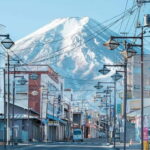
Mt. Fuji, Hakone, and a Shinkansen, in one day. I like that this tour pushes you up to Mt. Fuji 5th Station and then drops you into Owakudani’s volcanic valley with gondola views that change as you go higher and lower.
The biggest possible drawback is the weather. If clouds and fog roll in, Mt. Fuji may not show up, even though the day’s plan still keeps moving.
In This Review
- Key highlights
- Mt. Fuji 5th Station on the Subaru Line: chasing the peak at 2,300 meters
- When Mt. Fuji is hidden: how the tour protects the day
- Hakone Owakudani by gondola: sulfur vibes and elevation changes you can feel
- Lake Ashi cruise: the best views depend on timing and clarity
- Lunch at the Hakone end of the day: hot pot and a half buffet
- Returning to Tokyo by Shinkansen from Odawara: fast, but plan your own ride
- Price and value: what $117 buys you in real-world convenience
- How the guides shape the day (and what to listen for)
- Small logistics that matter: meeting point, shoes, and timing
- Who should book this Mt. Fuji & Hakone bullet train day trip
- Should you book this tour?
- FAQ
- Where do I meet the guide in Tokyo?
- How long is the tour, and where does it go first?
- Do I get to go to Mt. Fuji’s 5th Station?
- What if Mt. Fuji isn’t visible due to weather?
- What’s included for Hakone?
- How do I return to Tokyo after Hakone?
- Is this tour wheelchair accessible, and is it suitable for pregnancy?
Key highlights
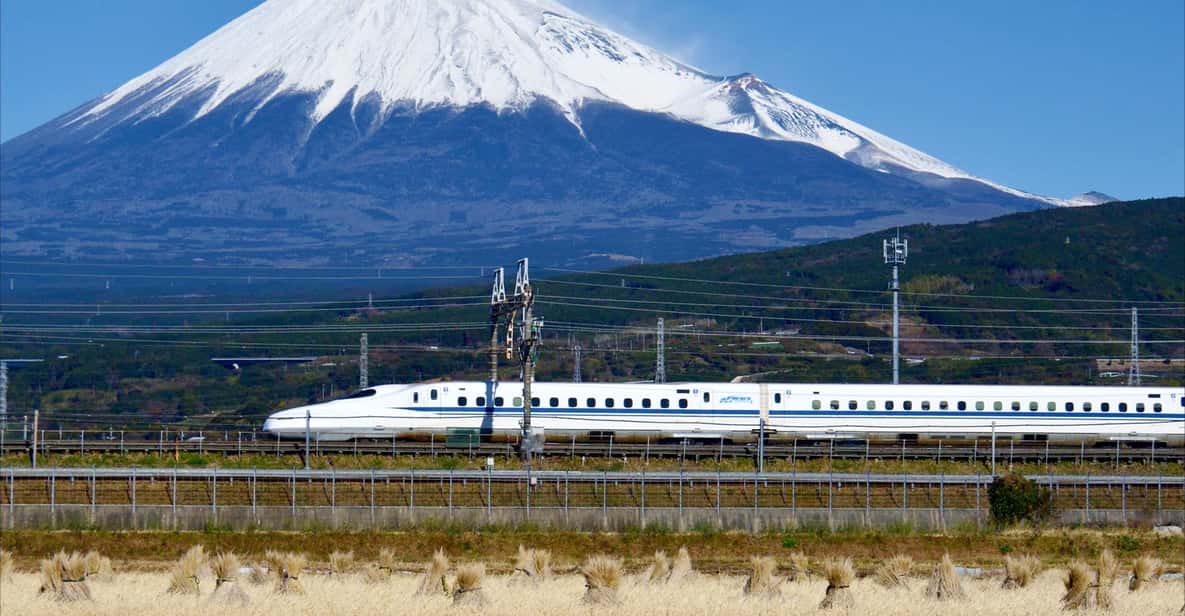
- Mt. Fuji 5th Station access via Subaru Line to about 2,300 meters
- Owakudani by cable car (ropeway) with dramatic elevation changes
- Volcanic souvenirs at Owakudani, including the famous black eggs (extra fee)
- Lake Ashi cruise when conditions are clear for the best views
- Bullet train return from Odawara to Tokyo on non-reserved seats
Mt. Fuji 5th Station on the Subaru Line: chasing the peak at 2,300 meters
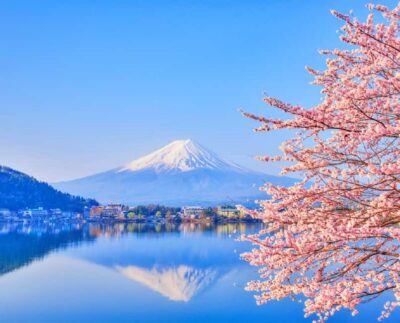
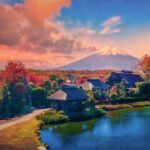
This is a high-effort day in the nicest way. You start in Tokyo and spend a chunk of time getting to the Fuji area, aiming for the 5th Station zone, which sits around 2,300 meters. At that height, you’re close enough to feel like you’ve really gotten somewhere—not just admired Fuji from far away.
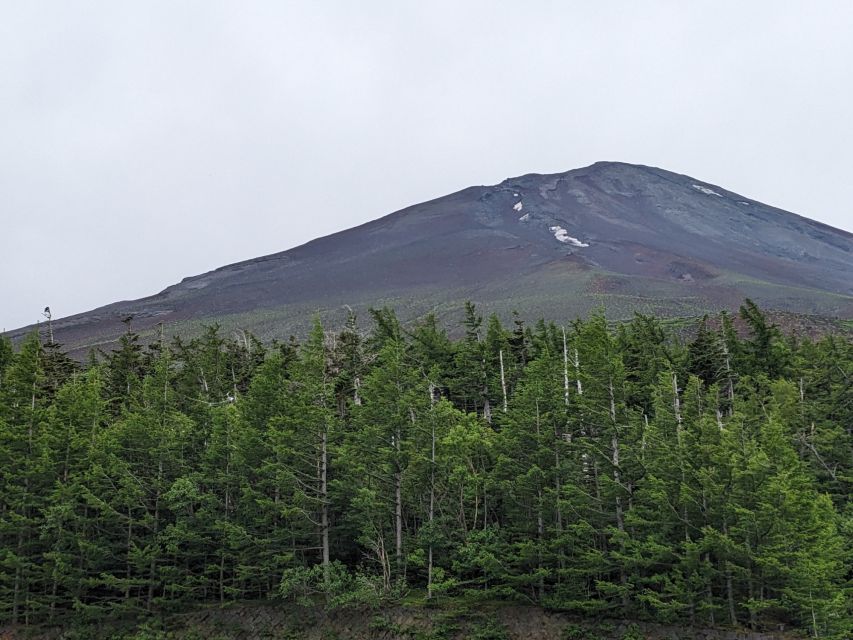
The approach matters. The bus ride is about 2.5 hours to the Mt. Fuji area, then you go higher via the Subaru Line. From there, your guide brings you to the Mt. Fuji 5th Station, where clouds can move fast. One practical tip from how this tour runs: keep your eyes up and ready. Fuji can pop in briefly, then vanish again as the weather shifts.
You’ll also have time to browse the Fuji-related stops near the station area, including Komitake Shrine. That’s a nice change from the usual viewpoint-only routine. It gives you a small “local Japan” feeling—shops, shrine atmosphere, and the sense that this is where climbers and pilgrims gather before the hard part.
One more detail you’ll appreciate: if the group can’t reach the 5th Station due to bad weather or an accident on the road, the plan switches to the highest point possible instead. That doesn’t guarantee the summit view, but it does mean you won’t just sit in a traffic jam and call it a day.
You can also read our reviews of more tours and experiences in Tokyo.

When Mt. Fuji is hidden: how the tour protects the day
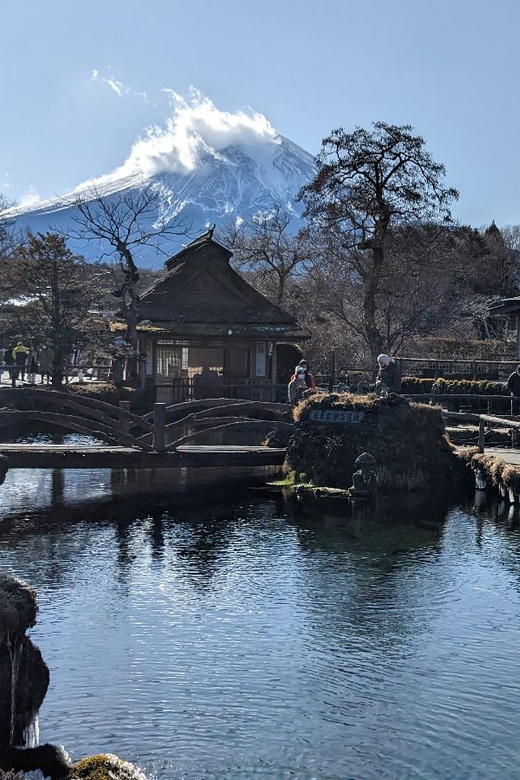
Japan’s most famous mountain comes with a reality check: weather decides a lot. The tour explicitly warns that Mt. Fuji may not be visible in conditions like heavy rain, high humidity, and fog. So the smartest mindset is not “Did I get lucky?” It’s “Will I still enjoy where I end up?”
This is where the tour’s structure helps. Instead of giving you one single fixed viewpoint, it builds in alternatives if the original plan can’t happen. If the 5th Station is off-limits, you still get a high-altitude substitute. And later, the volcanic and boating parts can redirect if the Hakone Ropeway and/or Hakone Pirate Ship aren’t operating.
You’ll see a menu of alternatives if needed—places like Komagatake Ropeway, Mt. Fuji Panoramic Ropeway, Mishima Skywalk, Hakone Checkpoint, Hakone Shrine, and a few other options. That flexibility is valuable on days when conditions don’t cooperate. It also keeps the tour from turning into a long, disappointed waiting game.
And from the way the day is paced, you’ll feel the benefits even if Fuji hides. The stops are short enough that you stay moving, but not so short that you feel rushed through everything. In practice, several people describe stop times roughly in the 20–45 minute range. That’s good for photos, snacks, and a quick walk without exhausting you.
Hakone Owakudani by gondola: sulfur vibes and elevation changes you can feel
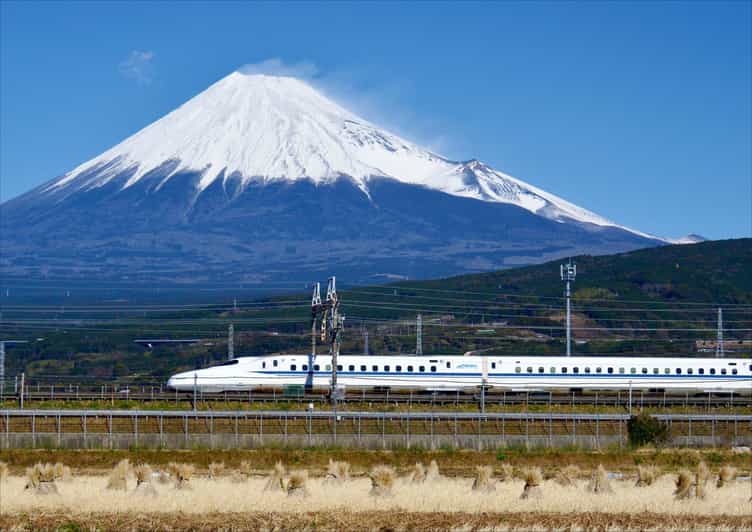
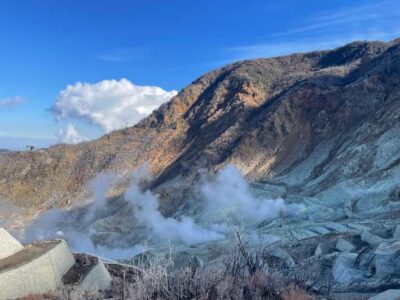
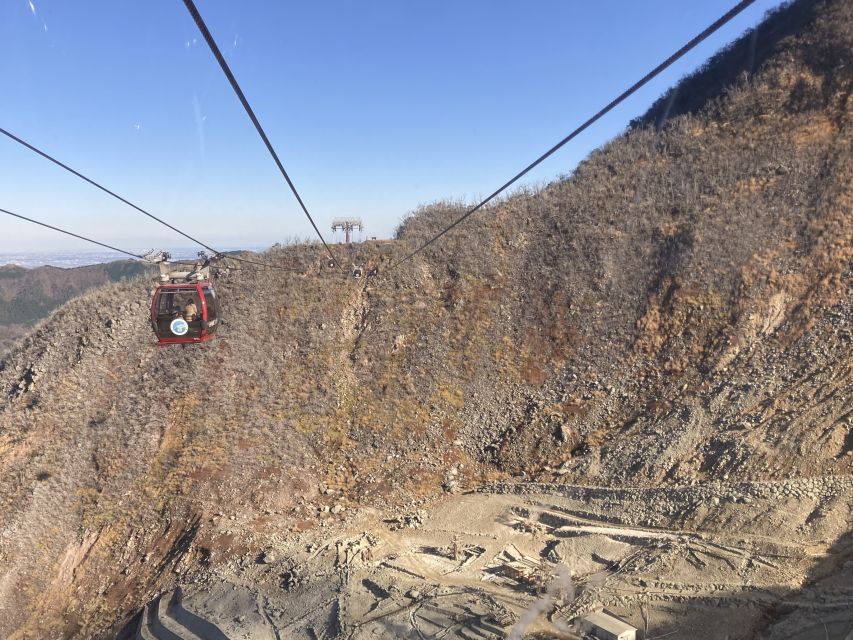
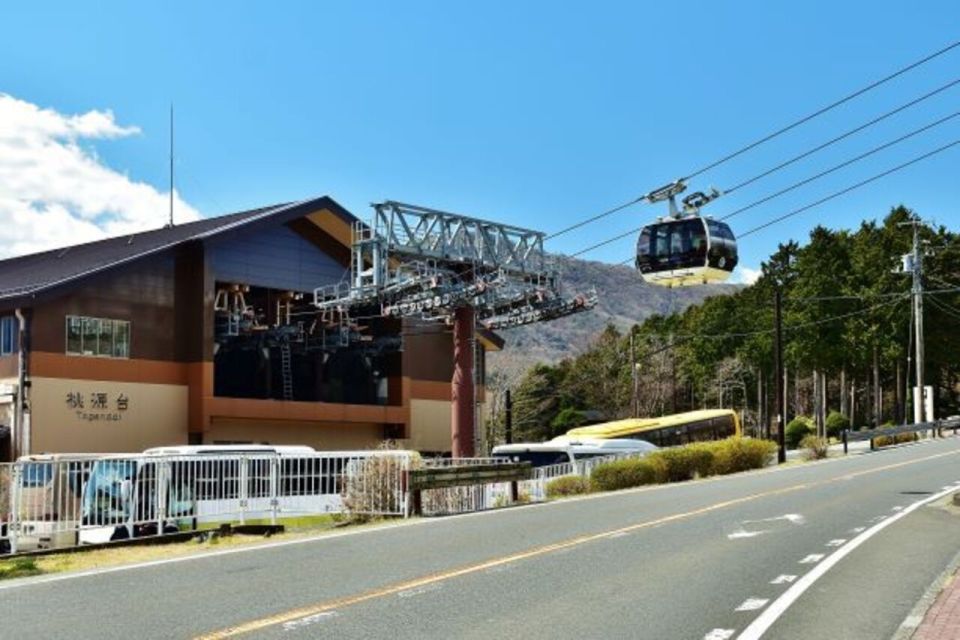
After Fuji, you pivot hard into volcano country. The highlight here is Owakudani, reached by Hakone Ropeway (gondola). The fun isn’t only that it’s volcanic—it’s that the gondola ride shows the terrain changing as you go. You’re not just looking at a far-off attraction. You’re riding through the atmosphere of the place.
Owakudani also brings one of the tour’s most memorable “only-in-Japan” souvenirs: the black eggs. They’re boiled in sulfuric water, heated by volcanic activity underneath. You can buy them at the area, but the tour notes the fee isn’t included—so decide early if you want to splurge. (They’re the kind of snack you’ll remember long after the trip, mostly because you’ll probably have never seen anything like them.)
Even if you’re not chasing souvenirs, Owakudani itself is the draw. The smell and the strange geothermal feel make this stop feel real and immediate. It’s also a relief after the uncertainty of Fuji weather. Volcano steam and steam-breath scenery don’t vanish just because a cloud passes.
The ropeway matters for another reason: it’s the “movement” moment of the day. Between long drives and later train logistics, this gondola ride gives you a clean, structured segment that feels adventurous without requiring any hiking plan.
Lake Ashi cruise: the best views depend on timing and clarity
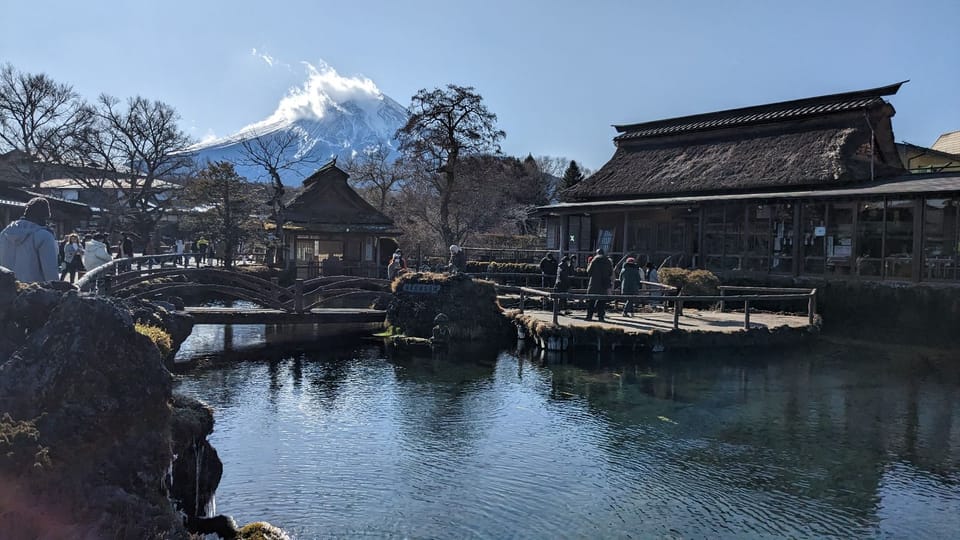
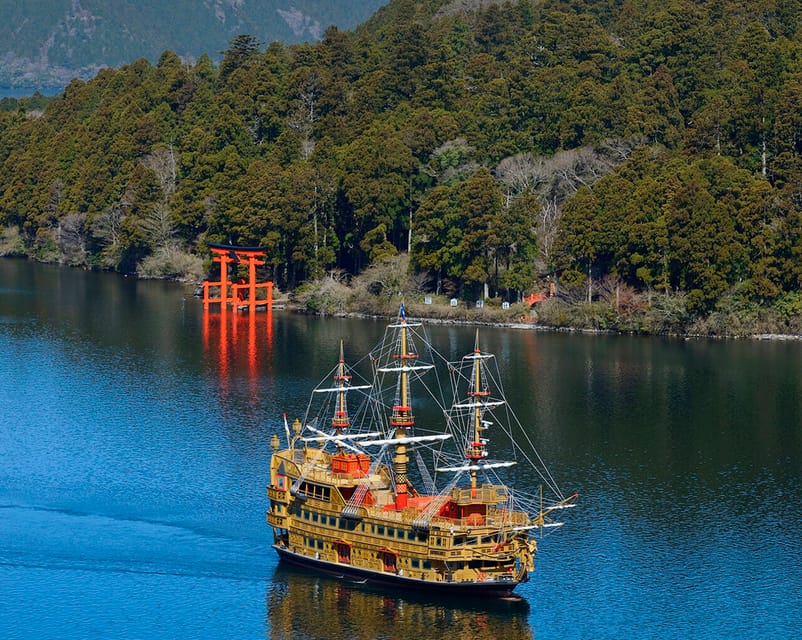
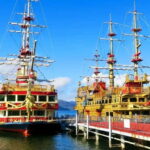
Next up is Lake Ashi, with a cruise ticket included. This is where the day slows down a bit and rewards you if the sky behaves. When conditions are clear, Mt. Fuji can be seen from the deck. Even if Fuji is not crisp, Lake Ashi still gives you that “I’m on the water now” reset.
The cruise is also one of the few times you’re basically allowed to just sit. And on an 11-hour day trip, that matters. You’re collecting sensory input all day—big altitude, volcanic fumes, then water views. A boat segment helps your brain process it all without you constantly scanning for the next stop.
Also, there’s a practical angle. The tour notes that if the Hakone Pirate Ship portion isn’t operating, your plan may redirect to alternatives like Lake Ashi cruise plus other sights. So even if the exact boat experience changes, the goal stays consistent: get you a Lake Ashi water view segment.
One last reality check: you can’t control clarity. So I’d treat Lake Ashi like this—go in for the scenery, not for a guarantee of a postcard Fuji angle.
Lunch at the Hakone end of the day: hot pot and a half buffet
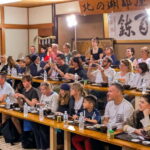
You’ll break for lunch for 45–60 minutes. If you selected lunch (it’s an option), you’ll get a Japanese-style meal featuring a hot pot plus a half buffet setup. The tour also asks you to tell them about food restrictions so everyone can be comfortable.
This lunch format is actually great for group tours. Hot pot feels like a proper “we’re in Japan” moment, but the buffet side reduces stress if your first hot pot choice isn’t perfect. You can mix and match, keep your energy up, and still move on to the next segment without feeling heavy.
A couple of practical notes that can help you enjoy it more:
- Drinks aren’t included, so plan to pay for soft drinks or purchase water as needed.
- Some hot pots can be more intense than you expect. If you have spice or ingredient limits, mention your restrictions ahead of time so you’re not stuck doing a lot of “taste and regret.”
The best lunch moments on this kind of day trip are the ones that keep you calm. This one usually does.
Returning to Tokyo by Shinkansen from Odawara: fast, but plan your own ride
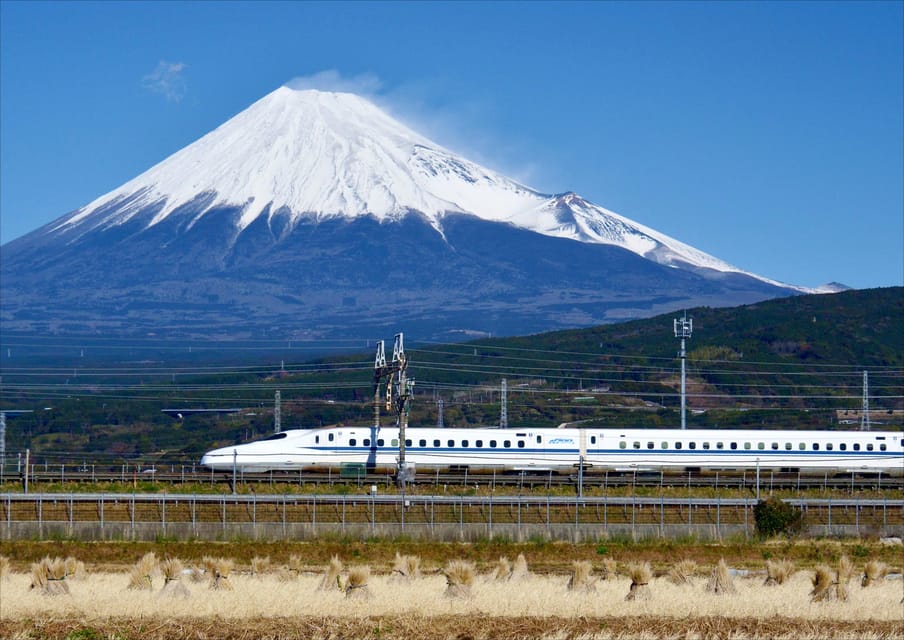
The end of the day is where this tour earns its “worth it” reputation for people who don’t want to wrestle trains while tired. You go back to Tokyo by bullet train from Odawara, and the typical Shinkansen time is about 34 minutes.
Here’s the key thing to know: your guide will not ride the train with you. The tour ends at Odawara Station, and then you return to Tokyo on your own. That sounds scary until you see how simple the instructions are.
The bullet train part is non-reserved seating. There are two trains per hour from Odawara, so you’re not locked into one exact departure time. If you miss your first option, another usually comes soon enough.
You can also get off at Shinagawa Station (one stop before Tokyo) and transfer to the Yamanote Line using the same Shinkansen ticket. That’s useful if your destination is along the Yamanote loop.
One small strategic thought: since seating is non-reserved, arrive at the right platform area with a little buffer. You’re doing this after a full day already, so let’s not turn the finale into a sprint.
And if you already have a JR Pass, you may not need the included ticket. There’s also an option to return by bus for cheaper costs, just with longer travel time. That’s your choice based on budget vs. time.
Price and value: what $117 buys you in real-world convenience
At about $117 per person, this tour is priced like a convenience product. You’re not just paying for sightseeing—you’re paying for transportation structure and ticket bundling.
Here’s what’s included:
- Air-conditioned bus transportation
- Hakone Ropeway ticket
- Lake Ashi cruise ticket
- A guide
- Lunch (only if you select it)
- Shinkansen ticket (non-reserved)
So you’re getting a guided, multi-stop day that strings together road travel plus cable car plus a boat plus a bullet train return. If you tried to DIY that whole combination with the same timing, you’d spend a lot of energy just coordinating transit, buying tickets, and building a route that doesn’t collapse when weather changes.
Is it a bargain? It depends on how you value time and stress. If you’re comfortable with Japan transit planning, you can piece together parts. But if you’d rather trade a little money for a smoother day, this kind of bundle often feels fair.
Also, this tour’s pacing matters. The day is long, yet it isn’t a “five hours of nothing.” You get a series of meaningful stops: 5th Station zone, an Owakudani ropeway ride, Lake Ashi cruising, plus the bullet train finale.
How the guides shape the day (and what to listen for)
Guides can make or break a day trip like this. On this tour, the pattern is that your guide keeps the day understandable and keeps you from feeling lost at each switch—Fuji to Hakone to lake to trains.
You might get a guide such as Yumi, Happy, Ai, Ken, Hatchi chan (Happy), Mackie, Yoko, or others named in the tour history. What they have in common is that many focus on context and small moments—explaining what you’re seeing, keeping the schedule on track, and making sure the bus and each stop flow without chaos.
One practical tip for you: if you want the most out of the Mt. Fuji portion, pay attention during the talk before you reach the station area. Clouds move fast, and your guide can help you time your photo moments and understand what to expect when Fuji does or does not appear.
Small logistics that matter: meeting point, shoes, and timing
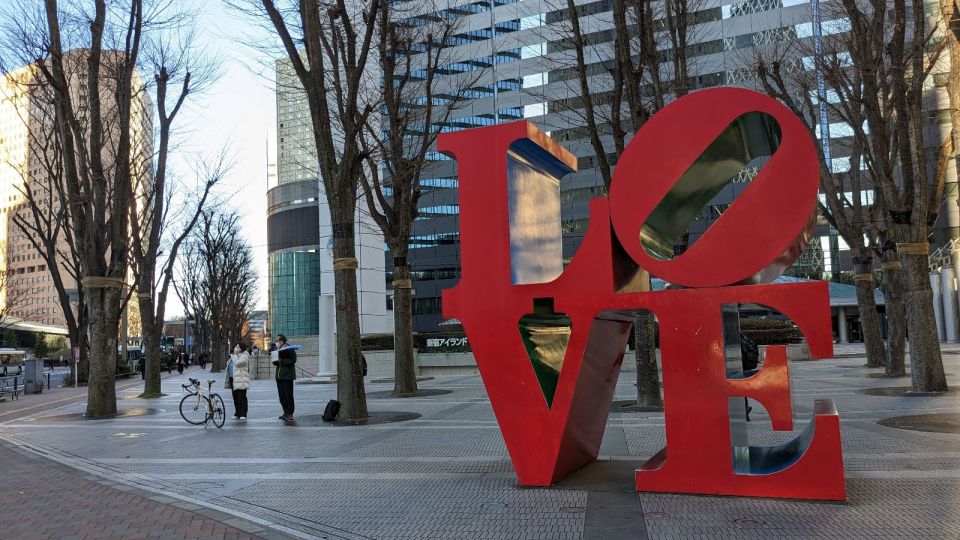
Meeting point clarity is huge for tours that leave from central Tokyo. You’ll meet the guide by the Nishi Shinjuku LOVE sculpture outside the Shinjuku i-Land building.
Plan to arrive early enough to find the correct group. Some people mention needing to identify the right tour company at a shared meeting-area location. If you’re the kind of person who hates “figure it out while everyone waits,” give yourself breathing room.
Bring comfortable shoes. You’ll do short walks and viewpoint wandering at altitude and in Hakone areas. The tour is paced in segments, so you’re not trekking for hours, but you will be on your feet.
Also remember one more timing reality: if you arrive late, you may not be allowed to join mid-tour due to schedule constraints. This is a day trip where the “rolling clock” is real.
Who should book this Mt. Fuji & Hakone bullet train day trip
This tour is a good fit if you want:
- A single-day Mt. Fuji and Hakone combo without building your own itinerary
- Access near the Mt. Fuji 5th Station zone, not just distant views
- Volcano-and-water variety: Owakudani plus Lake Ashi
- The stress-reducing bonus of a Shinkansen return from Odawara
It’s less ideal if:
- You’re pregnant (the tour states it’s not suitable)
- You strongly need guaranteed Mt. Fuji visibility. Even with best effort, fog can swallow the peak.
For wheelchair users, there are important notes. The tour states all sightseeing spots are wheelchair-accessible, but standard tour buses don’t have wheelchair lifts or ramps. Folding wheelchairs can generally be stored in the luggage compartment, while electric wheelchairs may not fit due to size and weight limits. If this applies to you, tell the provider at booking so arrangements can match the vehicle plan.
Should you book this tour?
If you want a structured, high-reward day out of Tokyo—Mt. Fuji 5th Station plus Hakone volcano plus Lake Ashi plus bullet train back—then yes, I’d book it. The value is in the bundled movement: you get a guided route that’s built to keep working even when Fuji weather is unpredictable.
The only deal-breaker category is expectations. Don’t book this as a promise of seeing the perfect mountain silhouette. Book it as a chance to reach high altitude, ride a gondola through volcanic terrain, cruise Lake Ashi, and end with a smooth Shinkansen return that saves your evening.
If you tell me your travel dates (and whether you’re picking lunch), I can also help you decide whether this is the best “Fuji day” style for your group—or if you’d be happier with a slower plan.
FAQ
Where do I meet the guide in Tokyo?
You meet the guide by the Nishi Shinjuku LOVE sculpture outside the Shinjuku i-Land building.
How long is the tour, and where does it go first?
The tour runs about 11 hours. It starts with a bus ride of about 2.5 hours from Shinjuku to the Mt. Fuji area.
Do I get to go to Mt. Fuji’s 5th Station?
Yes, the plan is to reach the Mt. Fuji 5th Station via the Subaru Line, around 2,300 meters above sea level when possible. If it’s not reachable due to weather or an accident, the tour visits the highest point possible instead.
What if Mt. Fuji isn’t visible due to weather?
Mt. Fuji may not be visible in fog, heavy rain, or high humidity. When that happens, the tour keeps going with the redirected plan to other viewpoints and activities.
What’s included for Hakone?
Included are the Hakone Ropeway (gondola) ticket and the Lake Ashi cruise ticket. If the Ropeway and Pirate Ship aren’t operating, the tour can redirect to alternatives such as Komagatake Ropeway, Mt. Fuji Panoramic Ropeway, Mishima Skywalk, Narukawa Art Museum, Hakone Checkpoint, or Hakone Shrine.
How do I return to Tokyo after Hakone?
You return by Shinkansen from Odawara Station. The guide does not ride the train with you. The included Shinkansen ticket is for a non-reserved seat, and the return time is typically about 34 minutes. You can also get off at Shinagawa and transfer to the Yamanote Line.
Is this tour wheelchair accessible, and is it suitable for pregnancy?
The tour states all sightseeing spots are wheelchair-accessible, but standard tour buses do not have wheelchair lifts or ramps. Folding wheelchairs can generally be stored in the luggage compartment, while electric wheelchairs may not be accommodated. The tour is not suitable for pregnant women.