REVIEW · YOKOHAMA
Tokyo: Best Price Daikoku Parking Area JDM Car Meet
Book on GetYourGuide →Operated by Daikoku Trip · Bookable on GetYourGuide
Tokyo at night has a secret.
This drive to Daikoku PA is one of the easiest ways to see Tokyo’s car culture for real—no racing talk, just people, machines, and city lights on the expressway. You get flat pricing, a small group ride, and time to roam the parking area while owners are usually happy to chat.
I love two things most: the 90 minutes to wander and photograph at Daikoku, and the guide energy—both Josh and Kai come across as friendly, detail-oriented, and ready to explain what you’re actually looking at. One consideration: you’re not guaranteed a specific lineup of cars, since it’s an impromptu meeting, so your best bet is to arrive with the right mindset.
In This Review
- Key things to know before you go
- Daikoku PA at Night: Tokyo’s Car Culture, Up Close
- Price and Logistics That Don’t Feel Like a Trap
- The Night Drive Route: Rainbow Bridge, Haneda Pass-By, and Tokyo Tower
- The Daikoku Parking Area Window: How to Use Your 90 Minutes
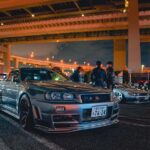
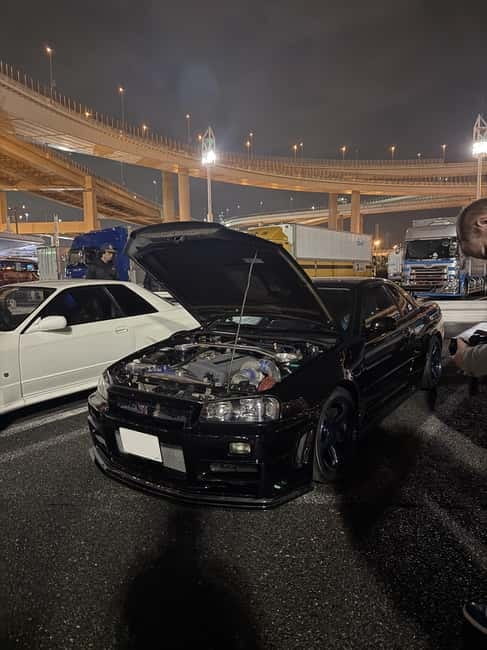
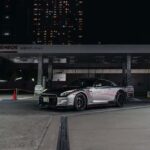
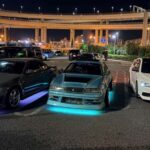
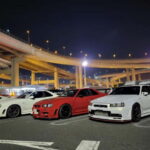
- The Cars You Might See: What Makes the Hunt Worth It
- The Guide Experience: Chat Time With Josh and Kai
- Backup Plan Reality: What Happens If Daikoku Gets Shut Down
- Getting There in the Right Kind of Car (and Knowing It Might Feel Snug)
- Weekday vs Weekend Mood: The Chill Factor
- Who This Tour Fits Best (And Who Should Skip It)
- Should You Book This Daikoku Night Drive?
- FAQ
- How long is the experience?
- How much time do we spend at Daikoku Parking Area?
- What is the meeting point?
- Is there a flat price or a starting-from price?
- Is this tour about drifting or illegal racing?
- Are the types of cars guaranteed?
- What kind of car do we ride in?
- What if Daikoku is closed?
- What should I bring?
Key things to know before you go
- Flat shared-ride price with no solo surcharge and no minimum group size tricks
- 90 minutes onsite at Daikoku PA, plus highway time that actually feels like part of the show
- Small group limit of 6, so you’re not packed into a crowd
- Cars aren’t guaranteed, but that randomness is part of why Daikoku stays addictive
- Backup plan if Daikoku is closed, so your night doesn’t get tossed aside
- Vehicle depends on group size (Toyota Aqua for small groups; Noah/Voxy/Serena/Hiace for larger ones)
Daikoku PA at Night: Tokyo’s Car Culture, Up Close
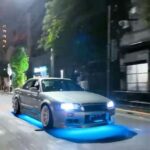
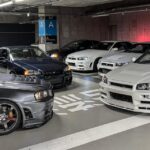
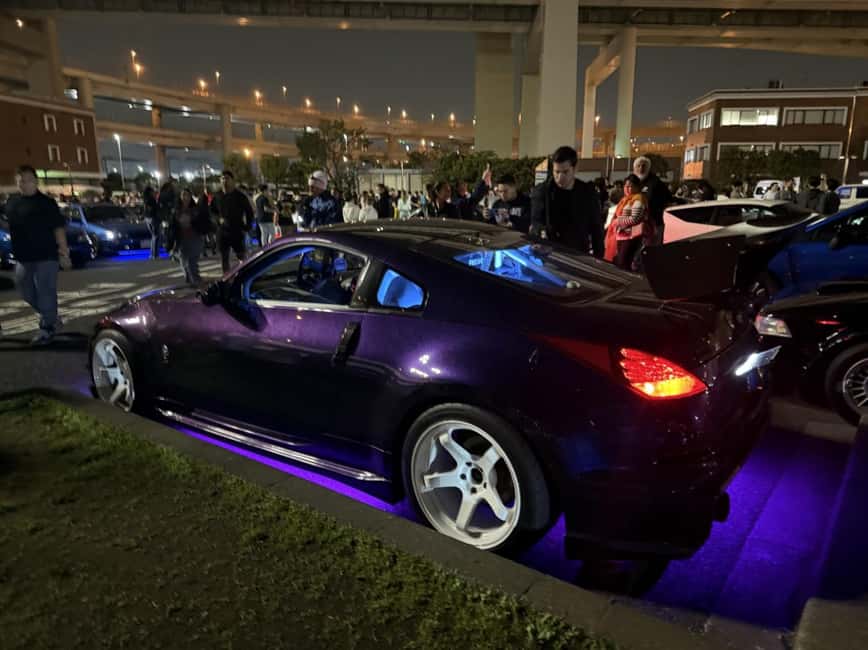
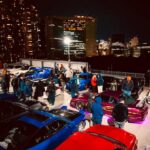
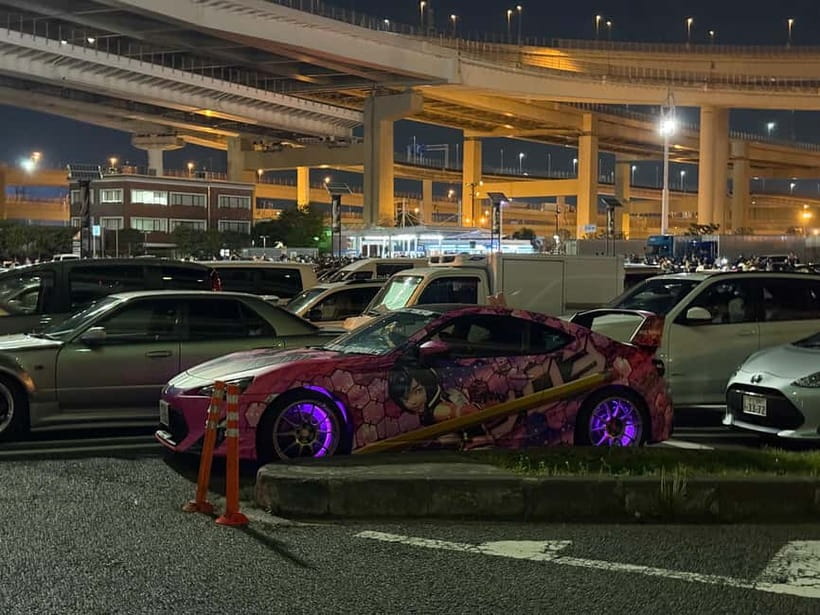
Daikoku Parking Area is the kind of place you can’t fully understand until you’re standing there in the evening light. The vibe is part showroom, part neighborhood hangout. And unlike car shows where everything is staged, this one moves with the crowd—cars roll in, conversations start, and the parking lanes feel like a living gallery.
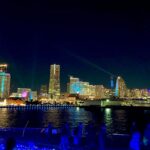
The best part for me is that it’s still travel, not just a photo stop. You’re driven through Tokyo and Yokohama-area expressways, you cross Rainbow Bridge on the way, and you get that nighttime skyline feeling without needing to rent a car or figure out complicated highway logistics.
You can also read our reviews of more tours and experiences in Yokohama.
Price and Logistics That Don’t Feel Like a Trap
Let’s talk money the way you should: does the price match what you actually get? At $76 per person for the standard shared ride, you’re paying for (1) the transportation, (2) highway sightseeing time, and (3) time to explore the meet on your own.
The pricing structure here is simple. It’s described as flat pricing: one honest standard price for the shared ride, and it doesn’t jump higher if you’re solo. There’s also no “starting from” bait that turns into a higher checkout price.
One extra detail you should know: there’s an added option involving the Toyota GR86, but it has different pricing than the standard shared ride. If you’re set on that specific car, treat it as a separate option—not a small upgrade.
The Night Drive Route: Rainbow Bridge, Haneda Pass-By, and Tokyo Tower
Your total time is 210 minutes, and it includes travel time. That matters because this trip isn’t just about showing up at Daikoku. The ride itself is designed to give you the Tokyo-at-night views that make this feel special even if you’re not a “car museum” person.
Here’s the flow you can expect:
- You start at one of two meeting options in the Shinjuku/Nishishinjuku area (the listed options include Tochomae Station and an address on Nishishinjuku).
- You then pass Rainbow Bridge (so you get that iconic Tokyo water-and-skyline framing without doing your own navigation).
- You pass Haneda Airport, which gives the route a practical, real-world Tokyo feel instead of only “tourist corridor” scenery.
- You head toward Daikoku PA in Yokohama, where the main event happens.
After your Daikoku time, you pass Rainbow Bridge again and then Tokyo Tower, before finishing at Shinjuku Station near an underground stop. That return is useful because it drops you back into one of the easiest areas to keep exploring the city after.
The Daikoku Parking Area Window: How to Use Your 90 Minutes
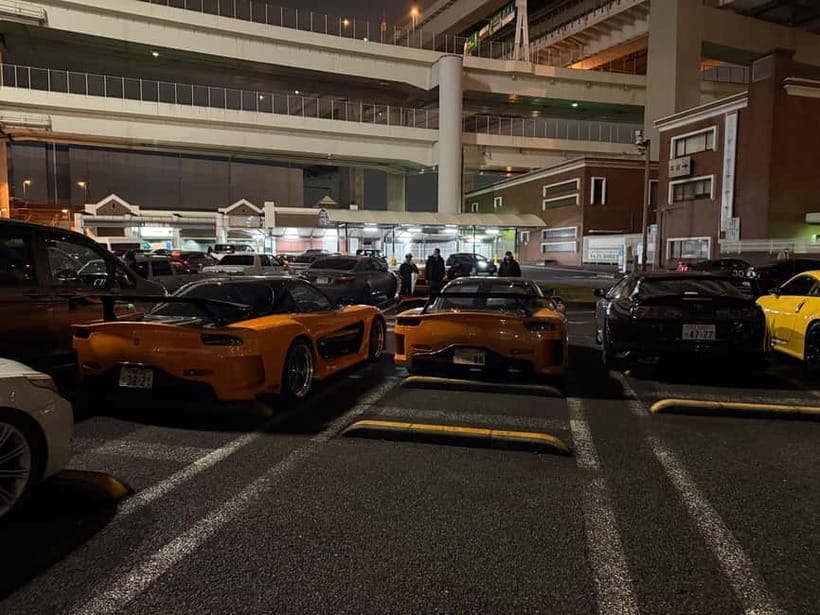
You get about 1.5 hours at Daikoku PA. That’s a sweet spot. Long enough to walk, reset your camera, and wander across multiple rows. Short enough that you’re not stuck in one spot if the crowd shifts.
A few practical tips that make those minutes go further:
- Bring your camera and plan for low light. Evening photos at a parking lot mean you’ll want to stabilize your shots and keep an eye on reflections.
- Wear comfortable shoes. Daikoku is a rest stop, but your best photos often come from walking to the angles where the lines and stance look right.
- Be respectful around the cars. The vibe works because owners feel safe and comfortable. Don’t touch, don’t block someone’s space, and don’t treat the meet like a drive-by carnival.
The other smart move is to slow down and let the meet change around you. In the experiences I read, even when it started quieter, the parking area became more interesting as more cars showed up over time. If you’re the type who only takes photos when it looks “perfect,” you’ll miss the fun evolution.
The Cars You Might See: What Makes the Hunt Worth It
Here’s the thing: you’re not guaranteed a specific car lineup. This is an impromptu car meeting, and the cars that show up can be different every time. That uncertainty sounds like a downside until you understand the payoff.
Daikoku is famous for mixing:
- exotic supercars,
- heavily modified tuners,
- and rare classics/JDM icons.
That blend is exactly why it feels like a real slice of Japanese car culture. It’s not one brand event. It’s a cross-section of what people love and what they’ve built.
So what should you do with that uncertainty? Go in with a mindset of discovery. When you’re open to whatever arrives, you end up noticing details you might otherwise overlook—wheel setups, paint condition, engine bay touches, and the way owners talk about their cars.

The Guide Experience: Chat Time With Josh and Kai
A big reason this tour earns such strong ratings is the human part. Guides like Josh and Kai show up as real car people who still know how to talk to non-experts. That balance matters. If you only want instructions, you might end up bored. If you only want freedom, you might miss the meaning behind what you’re seeing.
What I like about how the guides are described:
- They explain Japanese car culture along the drive.
- They help you understand what’s significant at the parking area.
- They’re friendly and easy to talk to during the route.
One more useful detail: the trip is set up as a shared ride, and it’s designed for you to explore on your own at Daikoku rather than follow a rigid script. That works especially well if you’re the type who wants to stop for a photo without negotiating a group pace.
Backup Plan Reality: What Happens If Daikoku Gets Shut Down
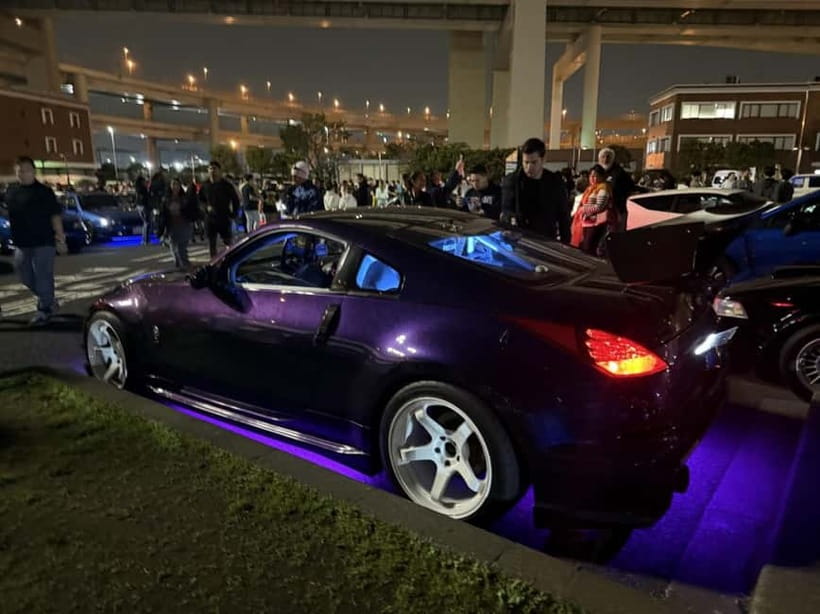
Car culture doesn’t always follow your schedule, and sometimes authorities can change plans. The good news is there’s a backup plan if Daikoku is closed or if no cars show up.
In practice, that means you’re not left stranded. There are examples where guides adjusted quickly—one night had cars leave because police moved things along early, and the guide still guided the group to another spot so the night stayed fun rather than turning into a cancellation story.
So if you’re thinking, What if the timing is bad?, this setup is designed to reduce that risk. Is it still possible you’ll see fewer cars that night? Yes. But the tour’s structure is built to keep you moving and keep the experience alive.
Getting There in the Right Kind of Car (and Knowing It Might Feel Snug)
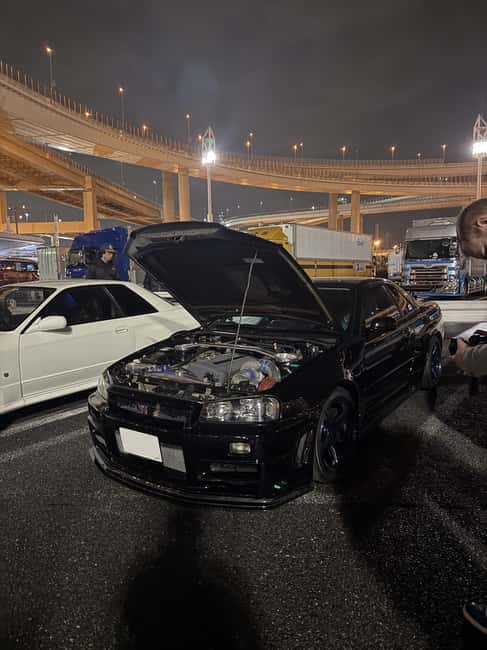
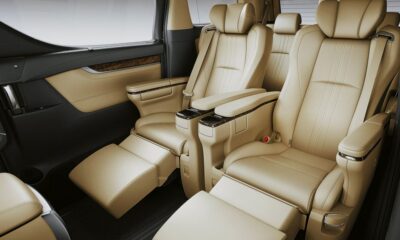
You’re not in a tuned show car. This is described as a normal car ride (sports car styling aside), and the vehicle depends on group size.
For the standard shared ride:
- Toyota Aqua for a smaller group
- Toyota Noah / Voxy / Nissan Serena / Toyota Hiace for larger groups
At full capacity, it can feel snug. That’s not a “comfort complaint,” it’s just how shared transport works in a small-group format. The important part is that vehicle capacity won’t be exceeded, and comfort is the target.
Also note the “who it fits” detail: it’s listed as not suitable for people over 280 lbs (127 kg). If you’re close to that limit, take it seriously.
Weekday vs Weekend Mood: The Chill Factor
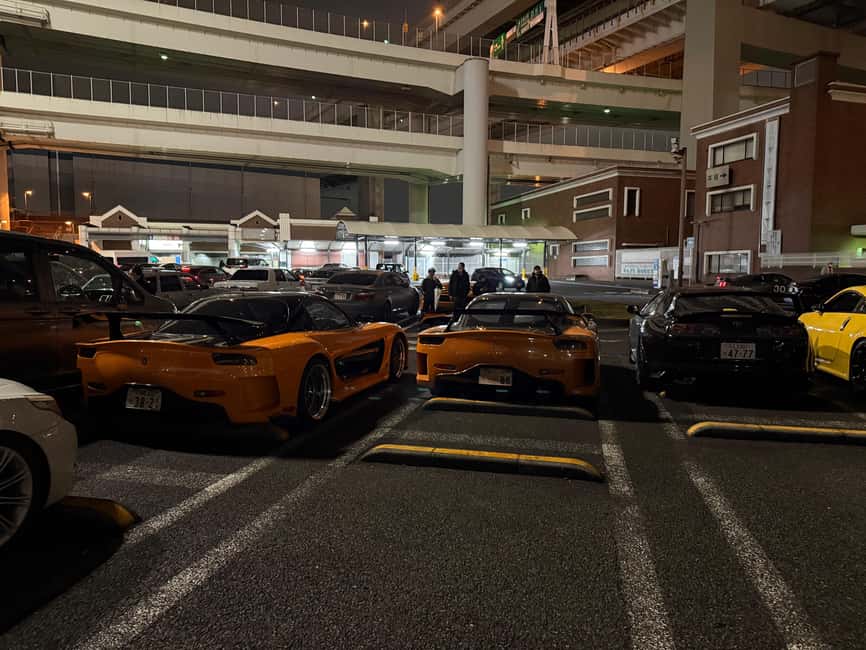
If you love the idea of seeing car culture without a circus level crowd, weekday evenings can be a better fit. The info you’re given points out that weekdays can be more relaxed and authentic, with slightly fewer cars but still a strong atmosphere.
That matters if you want conversations and photos that don’t feel like you’re constantly stepping around people. If you love intense energy, weekends might be your thing. But I’d start with weekdays if you’re trying to balance excitement with comfort.
Who This Tour Fits Best (And Who Should Skip It)
This experience fits you if:
- you want a Tokyo car scene peek without renting a car,
- you like photographing cars and talking with owners,
- you’re comfortable exploring on your own once you arrive,
- and you want a night route that includes real Tokyo landmarks like Rainbow Bridge and Tokyo Tower.
It’s not the best match if:
- you want a tightly guided walking tour inside Daikoku (this trip is more “you roam” than “follow me every step”),
- you’re expecting guaranteed car brands/models,
- or you’re coming specifically for drifting or racing (this is not a drifting/illegal racing tour).
Also, this is wheelchair accessible, and smoking/pets are not allowed, so keep that in mind if either affects you.
Should You Book This Daikoku Night Drive?
If your goal is to see Daikoku Parking Area without turning your Tokyo trip into a logistics project, I’d book it. The biggest reasons are the flat pricing, the small group limit, and the fact that the night is built around both the expressway drive and the on-site car-meet experience.
My “book it” checklist:
- You’re excited by JDM and modified cars, even if you can’t predict the lineup.
- You’re okay with roaming your own way for photos and conversations.
- You want Tokyo at night views plus car culture in one clean package.
My “maybe, think twice” checklist:
- You need a guaranteed list of specific cars or guaranteed crowd size. This doesn’t promise that.
- You’re sensitive to tight seating in shared transport.
If you match the first list, you’ll likely walk away with the kind of memory that feels specific to Japan’s car obsession. And if Daikoku gets shut down early, you still have a structure designed to protect your night.
FAQ
How long is the experience?
The duration is 210 minutes, and it includes travelling time.
How much time do we spend at Daikoku Parking Area?
You’ll have about 1.5 hours to visit and explore Daikoku PA.
What is the meeting point?
The meeting point may vary depending on the option booked. The listed options include Tochomae Station and an address in Nishishinjuku.
Is there a flat price or a starting-from price?
This is described as flat pricing with one honest price for the standard shared ride. It also states there is no higher price for solos and no minimum participant requirement.
Is this tour about drifting or illegal racing?
No. This is not a drifting or illegal racing tour, and the visit is for car culture.
Are the types of cars guaranteed?
No. What cars show up is not guaranteed because it’s an impromptu car meeting.
What kind of car do we ride in?
For the standard shared ride, the car depends on group size (Toyota Aqua for smaller groups, and Toyota Noah/Voxy, Nissan Serena, or Toyota Hiace for larger groups). The trip is described as using a normal car, not a tuned JDM sports car.
What if Daikoku is closed?
On the rare occasion that Daikoku is closed or no car showed up, the experience includes a well-prepared backup plan.
What should I bring?
Bring a camera for photos and wear comfortable shoes for walking. If it’s raining, bring an umbrella.