REVIEW · TOKYO
Tokyo: Edo Castle & East Garden of the Imperial Palace Tour
Book on GetYourGuide →Operated by gotcha Corporation · Bookable on GetYourGuide
Koi in the heart of imperial Tokyo. On this guided walk through the East Gardens of the Imperial Palace, I love how guides tie shogun and emperor stories to the very ground they walked on, and I love the can’t-miss koi fish moment. One catch: you see the site from the outside; the tour does not include entry to the Inner Palace.
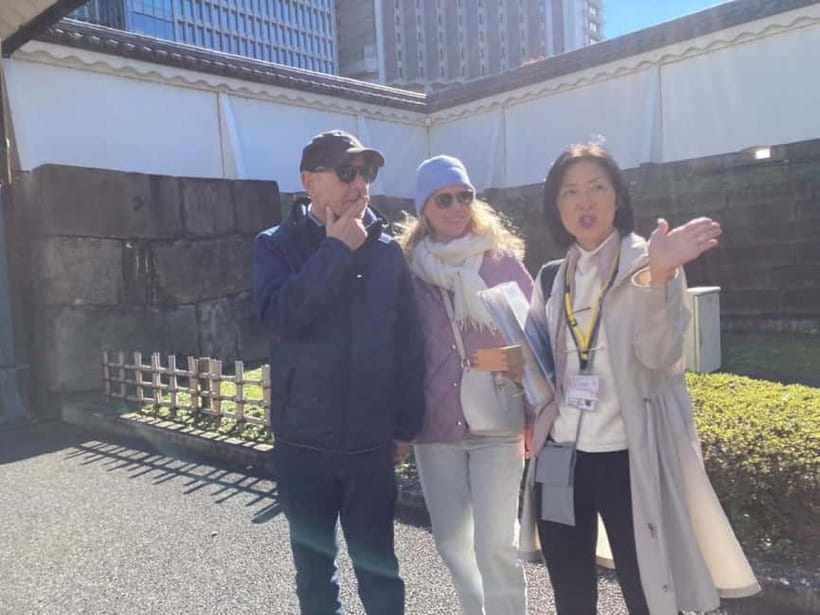
Meet your guide at Wadakura Fountain Park, where a sign with Gotcha helps you find the group fast. I also like the way this tour is paced for real people on foot. With an English live guide, you can actually ask questions and get answers without the script taking over.
Before you go, note the East Garden is closed on Mondays and Fridays, and you’ll go through a baggage inspection once you’re entering the palace grounds. If you picked up anything that could be treated as a weapon (like knives), plan on storing it in a coin locker before the meeting.
In This Review
- Key things to know before you go
- Wadakura Fountain Park: the practical start point that keeps your morning smooth
- East Gardens of the Imperial Palace: Edo Castle grounds, explained without the headache
- The walking route: what you actually do for those 2 hours
- Koi fish and the best garden moments you shouldn’t rush past
- Outside the Inner Palace: what this tour includes, and what it intentionally skips
- Price and value: is $42 for a 2-hour Imperial Palace East Gardens tour worth it?
- When the East Gardens are closed (and what to do about it)
- Who should book this tour, and who should skip it
- Final verdict: should you book the Tokyo Imperial Palace East Gardens tour?
- FAQ
- Where do I meet the guide?
- How long is the Tokyo Edo Castle & East Garden of the Imperial Palace tour?
- How much does it cost?
- Is the tour guided in English?
- Do I get to enter the Inner Palace?
- Are there days when the East Gardens are closed?
- Is there any security or baggage inspection?
- What if I bought items like Japanese knives?
- Can I cancel and still get a refund?
- Is it possible to reserve without paying right away?
Key things to know before you go
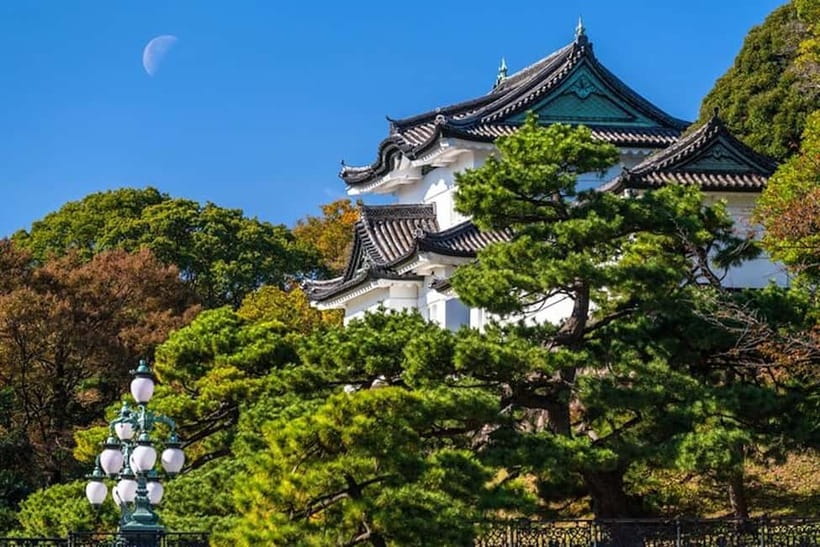
- Wadakura Fountain Park start: Meet at the fountain area, and look for the guide sign that says Gotcha.
- Edo Castle to imperial gardens: The East Gardens were built on the main grounds of Edo Castle, where shoguns ruled.
- You won’t enter the Inner Palace: The tour focuses on the East Gardens, not the palace interiors.
- Koi fish are a must-see: One of the tour’s standout moments is the famous koi feature.
- Guides handle pacing well: Guides like Hiroshi, Yoshi, Naoko, Hitoshi, Masahito, and Mikio are repeatedly praised for taking questions and keeping the group comfortable.
- Security matters: There’s a baggage inspection at the palace grounds, so pack smart.
Wadakura Fountain Park: the practical start point that keeps your morning smooth
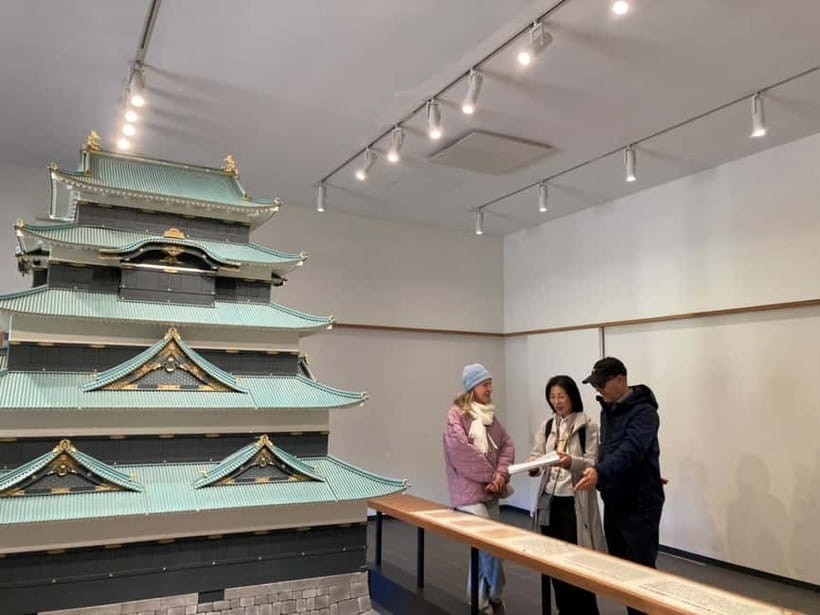
This tour runs on a simple rhythm: meet, walk, learn, then return. Your starting spot is Wadakura Fountain Park, and the guide will be holding a sign that says Gotcha. If you’re new to Tokyo, this matters. Tokyo meeting points can be confusing, and a clear landmark saves you from the mental gymnastics.
The tone here is calm and conversational. In the feedback I saw, guides like Motonori, Hiroshi, Yoshi, Naoko, and Hitoshi are mentioned for being easy to understand in English and for adapting to the group. You’re not just hearing dates. You’re getting context that helps you see the place as more than a pretty park.
Also: plan for moving on foot for the full two hours. This is not a bus tour where you can zone out. You’ll be reading the grounds with your guide’s help, so wear shoes that handle sidewalks and garden paths.
You can also read our reviews of more tours and experiences in Tokyo.



East Gardens of the Imperial Palace: Edo Castle grounds, explained without the headache
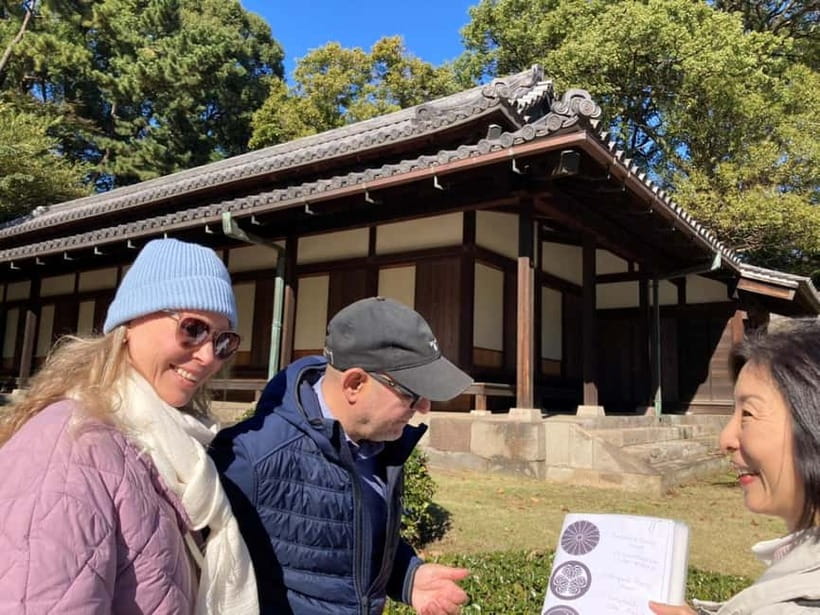
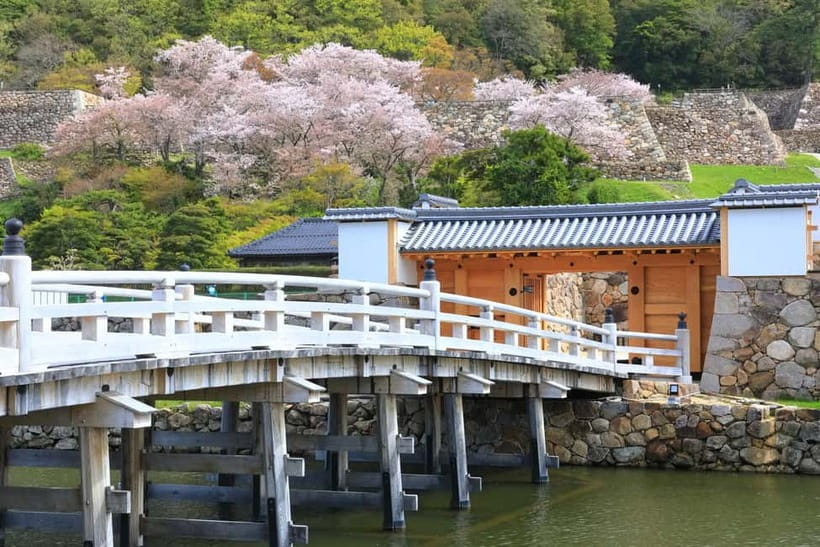
The big idea is that you’re walking on history with a living footprint. The East Gardens of the Imperial Palace were built on the main grounds of Edo Castle, the power center where shoguns ruled Japan. That means you’re not only looking at gardens. You’re looking at land that once mattered politically and strategically.
What I like about how this tour is framed is the way it connects rulers to everyday space. Your guide explains how the shogun-era presence shaped the grounds, then contrasts it with the imperial setting you see today. It’s a useful way to understand Tokyo’s layers, especially if this is your first or second day in the city.
Your guide’s storytelling style can make a big difference. Names that come up often include Shigeru, Masahito, Ayako, and Mikio, and the common theme is that they don’t treat the site like a checklist. They explain what you’re seeing and why it mattered, with extra detail when you ask for it.
You also get practical direction. Even though you’re in a garden area, it’s easy to wander without a sense of order. Having someone walk you through the highlights helps you avoid that feeling of passing by the best parts.
The walking route: what you actually do for those 2 hours
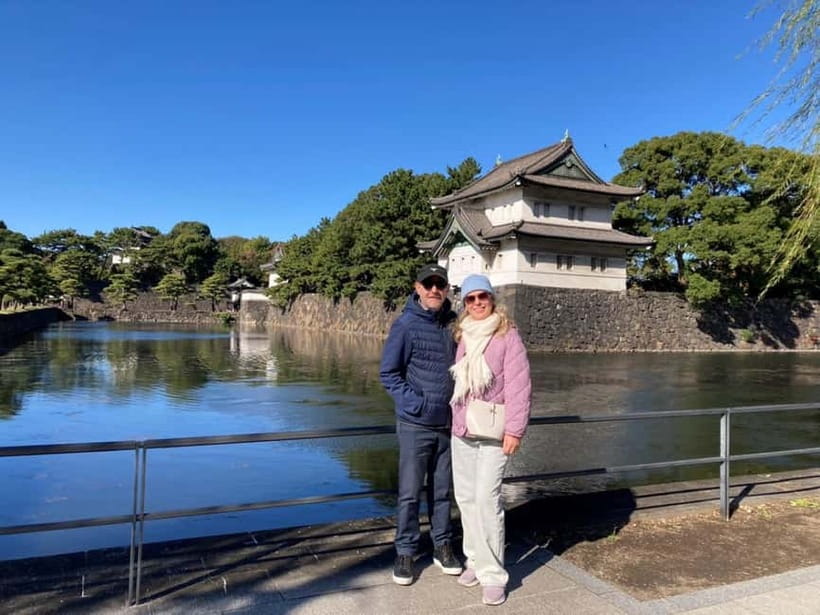
This is a guided walking tour designed for a relaxed pace. You’ll spend your time in the East Gardens, and the focus stays on interpretation: architecture, historical landmarks, and the way the grounds reflect the Edo-era layout.
Expect your guide to point out notable garden areas and built features, then tie them back to the Edo shogun world and the later imperial setting. In the feedback included here, guides are praised for using visuals like photos and for using stories to bring what’s left of the old structures into focus. That matters, because Edo-era Tokyo isn’t preserved like a museum. You’re seeing the results, not a time machine set.
Here’s the reality check that helps: you’re walking through a green area that’s part park, part historic site, part security-controlled grounds. So the value of the tour is not that you get “more places.” It’s that you get meaning for what’s already there.
If you’re traveling with seniors or you need a slower pace, this is one of the better formats in Tokyo. Several guides, including Naoko and Mitoshimo (as named in the feedback), are specifically praised for patience and accommodating slow walking and small stops.
Koi fish and the best garden moments you shouldn’t rush past
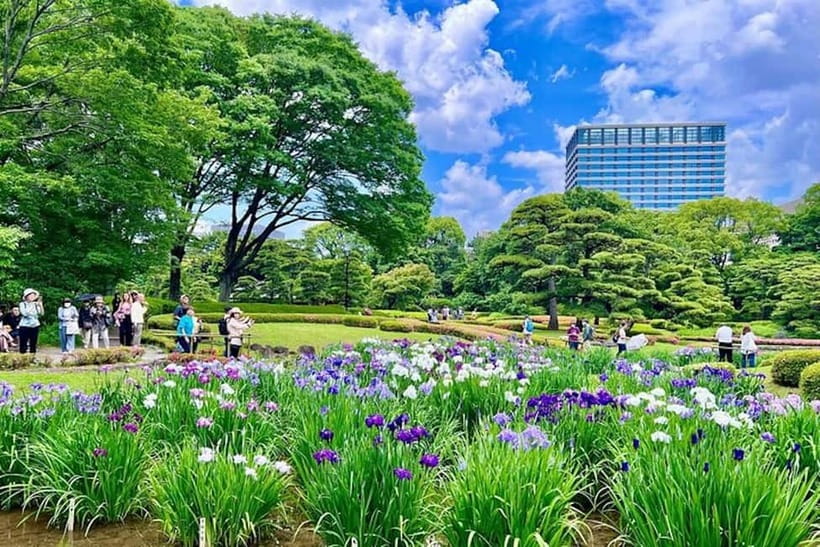
The tour has an unusually memorable centerpiece: the koi fish. The highlight is framed as a one-of-a-kind koi moment you don’t want to skip. I get it. Most gardens are about plants and paths. Here, the koi gives you a focal point that turns waiting into watching.
What makes the koi moment worth your attention is timing. If your guide calls out where to look and gives you the context behind the pond area, you’ll get more than a quick glance. You’ll see it like a scene, not like an afterthought.
And koi in Japan aren’t just decoration. Even when you’re only learning a bit, you can feel the cultural care that goes into garden water features. It’s the kind of detail that makes the two hours feel longer than they are.
Beyond the koi, expect your guide to highlight garden character and design choices you might otherwise miss: sightlines, how areas connect, and why certain viewpoints exist. This is exactly where the best guides earn their money, because they turn garden wandering into an organized experience.
Outside the Inner Palace: what this tour includes, and what it intentionally skips
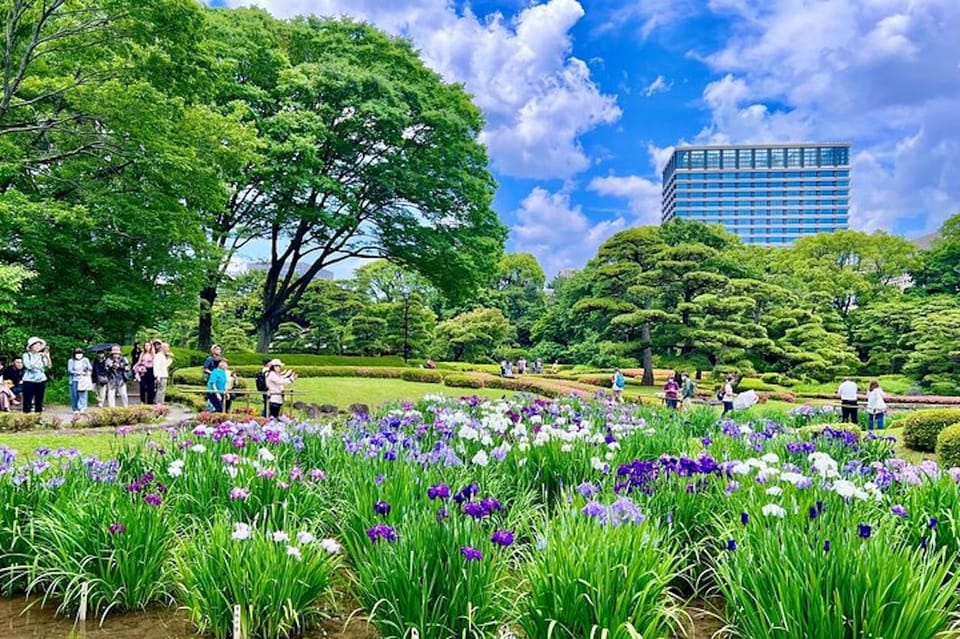
Let’s keep expectations clean. The tour does not include entering the Inner Palace. The East Gardens are the main event, and that’s what you’ll focus on for the full 2-hour walk.
For some people, that’s disappointing. For others, it’s the right call. If your goal is to understand Tokyo’s imperial setting in a calm, walkable way, the East Gardens deliver without the complexity of trying to gain access to restricted areas.
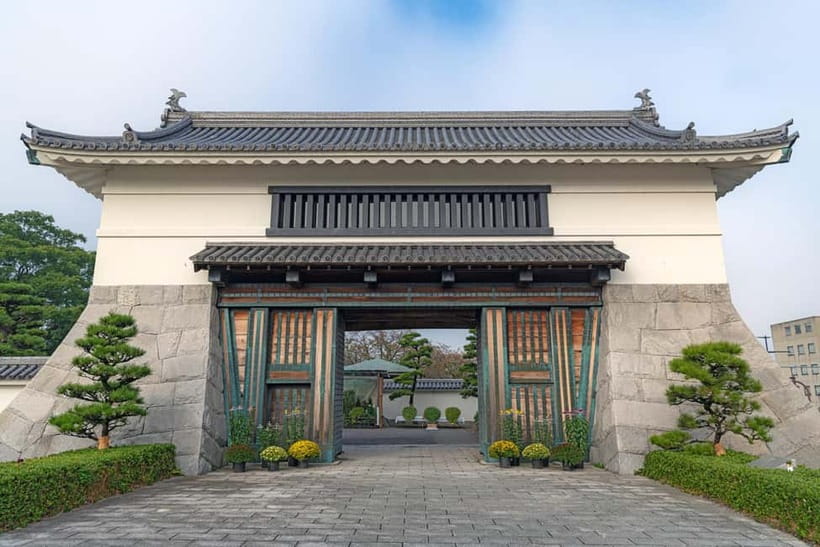
You still get plenty of “wow” factor. Feedback here includes mentions of guides pointing out areas like an entrance connected with ministers and showing traces of older structures or walls. I wouldn’t treat that as a guaranteed sightseeing checklist, but it’s a good sign that guides often enrich the walk with specific historical references you might overlook on your own.
Also, remember the grounds are subject to security rules. Once you’re entering the grounds, there’s a baggage inspection. If you’re traveling light, you’ll likely find it painless. If you have bulky items or you’re carrying shopping bags, have a quick plan to organize them before you arrive.





Price and value: is $42 for a 2-hour Imperial Palace East Gardens tour worth it?
At $42 per person for about 2 hours, the price is basically buying focus. You’re paying for a live English guide who helps you interpret the grounds as Edo Castle-adjacent history, not just a pretty place to stroll.
Is it a bargain compared to a full-day tour? Some people compare it to pricier, longer outings that hit major destinations in one go. But that comparison misses the point. This isn’t meant to replace a full-day trip to somewhere like Nikko or Mount Fuji. It’s meant to give you a strong start or middle-of-the-trip Tokyo experience, right where the imperial story is physically present.
Here’s when I think the value clicks:
- You want the “why” behind what you’re seeing, fast.
- You’re short on time but still want a serious historical stop.
- You don’t want the stress of planning viewpoints and figuring out what matters.
The other reason it feels like good value is the guide element. The feedback included here is heavy on guide quality: people call out clear instructions for meeting up, good pacing, and answers to questions. That’s the part you can’t easily DIY in a two-hour window.
When the East Gardens are closed (and what to do about it)
This tour has one schedule limitation you should treat seriously: the East Gardens are closed on Mondays and Fridays. If you land in Tokyo on one of those days and you were counting on this tour, you’ll need a backup plan.
Another practical reality: the experience still works in less-than-perfect weather. Rain won’t erase the history, and it won’t stop the guide from talking through the sites you can reach. But you’ll want to bring basic rain gear and keep your layers light and moveable.
If you’re trying to build a Tokyo itinerary around this tour, I recommend placing it on a day where you can adapt. Garden areas are a big part of the payoff, so don’t schedule it like it’s a hard appointment you can’t reschedule.
Who should book this tour, and who should skip it
This tour is a great fit if you:
- Want a guided walk through the East Gardens of the Imperial Palace in English
- Care about Edo-era context and shogun-to-imperial change
- Prefer a slower pace where you can ask questions and take photos
- Are traveling with mixed ages, including seniors who appreciate stops
It might not be the best fit if you:
- Expect to enter the Inner Palace (this tour does not)
- Want nonstop sprint sightseeing rather than a paced walk
- Need a day-long excursion with heavy transportation time
One more quick tip for decision-making: if you’re the type who learns best by looking at the place while someone explains it, this format will feel satisfying. If you prefer reading alone and wandering without guidance, you may find the walk works better after you’ve already studied a bit about the Edo Castle setting.
Final verdict: should you book the Tokyo Imperial Palace East Gardens tour?
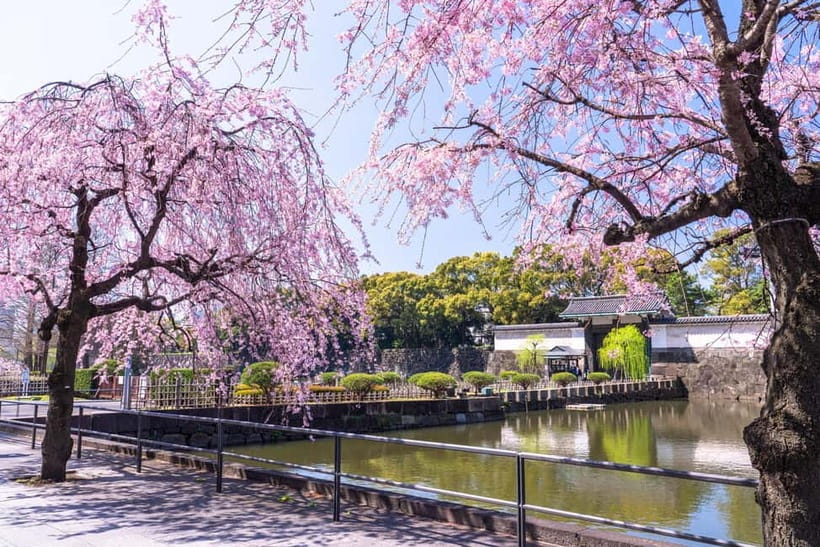
I’d book this tour if you want a clean, focused, two-hour way to understand Tokyo’s imperial grounds as Edo Castle heritage, with a guide who helps you see details like the koi fish highlight and the garden features you’d otherwise miss.
But I would not book it if your main goal is palace interiors. This one keeps you in the East Gardens, and the Inner Palace access isn’t part of the deal. If you’re okay with that limitation, the payoff is strong: calm walking, strong historical context, and a morning that feels meaningful without dragging on all day.
FAQ
Where do I meet the guide?
Meet your guide in front of the fountain at Wadakura Fountain Park. The guide will be holding a sign that says Gotcha.
How long is the Tokyo Edo Castle & East Garden of the Imperial Palace tour?
The tour lasts about 2 hours.
How much does it cost?
The price is $42 per person.
Is the tour guided in English?
Yes, it’s a live guided tour in English.
Do I get to enter the Inner Palace?
No. The tour does not include entering the Inner Palace.
Are there days when the East Gardens are closed?
Yes. The East Gardens are closed on Mondays and Fridays.
Is there any security or baggage inspection?
Yes. Once you enter the grounds of the Imperial Palace, visitors are subject to a baggage inspection.
What if I bought items like Japanese knives?
If you plan to purchase Japanese knives or other items that could be used as weapons at Tsukiji or Asakusa, leave them in a coin locker or similar before the meeting.
Can I cancel and still get a refund?
You can cancel up to 24 hours in advance for a full refund.
Is it possible to reserve without paying right away?
Yes. You can reserve now and pay later.