REVIEW · TOKYO
Kyoto: Nijo Castle World Heritage Guided Tour with Admission
Book on GetYourGuide →Operated by Local Guide Stars · Bookable on GetYourGuide
Power, secrets, and koi in one tour.
This Kyoto UNESCO stop feels like a stage set for politics, not just a pretty palace garden. I especially love the small-group format (up to 10) because it turns the walk into a real Q&A, and I love how the guide explains the shogun’s power play in a way you can see in the design. One thing to keep in mind: inside the palace you must remove your shoes, which can be awkward if you’re not prepared.
You’ll meet your guide outside Exit 1 of Nijōjō-mae Station, and the guide will be holding a sign that reads Local Guide Stars. Guides like Nao, Uta, Benjamin, and Alexander are mentioned often for clear English and for answering questions on the spot, so expect a guided story that sticks.
The 90 minutes move at a thoughtful pace through the areas most people miss, including the moats with colorful koi carp and the Ninomaru Palace spaces where social rank was built into the architecture. If you’re the type who likes to wander slowly and take your own route, this tour is more “guided experience” than “free time.”
In This Review
- Key highlights to look for during the walk
- Kyoto’s Nijo Castle: where architecture acts like propaganda
- Meeting Outside Nijōjō-mae Station and getting oriented fast
- The route through Nijo Castle: display and intimidation, not defense
- Ninomaru Palace: social hierarchy you can literally walk through
- Nightingale floors: the sound of control under your feet
- Shogun vs Emperor, ending shogunate rule in 1867
- Koi carp moats and photogenic gardens you’ll actually want to pause for
- Price and time: does $40 deliver real value?
- Who this tour fits best (and who should choose differently)
- Should you book this Nijo Castle tour?
- FAQ
- FAQ
- Where do I meet for the Nijo Castle tour?
- How long is the tour?
- Is admission to Nijo Castle included?
- How large is the group?
- What language is the tour in?
- Is the terrain difficult for walking?
- Do I need to remove my shoes?
- Is wheelchair access available?
- Is there a cancellation window?
- Can I reserve without paying right away?
Key highlights to look for during the walk
- Small-group feel (up to 10) with time to ask questions
- Admission included so you avoid extra ticket steps
- Shogun vs Emperor framing, including the 1867 authority return scene
- Ninomaru Palace design details that show social hierarchy in room layout
- Nightingale floor chirps meant to detect intruders
- Koi-filled moats that make photos easy, even if you hate posing
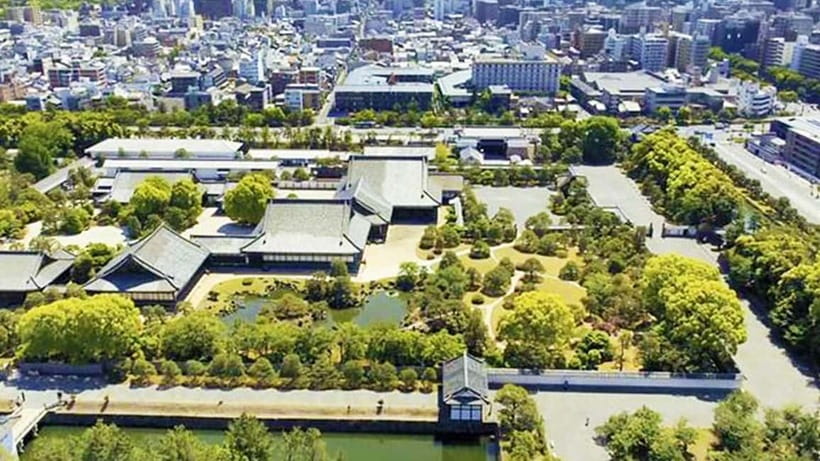
Kyoto’s Nijo Castle: where architecture acts like propaganda
Nijo Castle can look like a classic Kyoto palace visit from far away: tasteful roofs, calm grounds, postcard gardens. But the smartest way to experience it is to read it like a political message. This is a Tokugawa-era residence designed to project control—without needing swords to make the point.
What I like most is the way your guide links details that don’t seem connected at first. You start seeing the “why” behind the layout. Why certain corridors feel narrow. Why entrances and layers of gates are placed the way they are. Why the overall feeling is less about welcome and more about restraint and measurement.
The shogun vs Emperor angle matters here. Tokugawa rulers lived in Edo (today’s Tokyo), yet they built a lavish palace right near the Emperor’s world in Kyoto. That’s not random. It’s a statement: even while the shogun rules from far away, authority is shown close to the center of power.
You can also read our reviews of more guided tours in Tokyo



Meeting Outside Nijōjō-mae Station and getting oriented fast
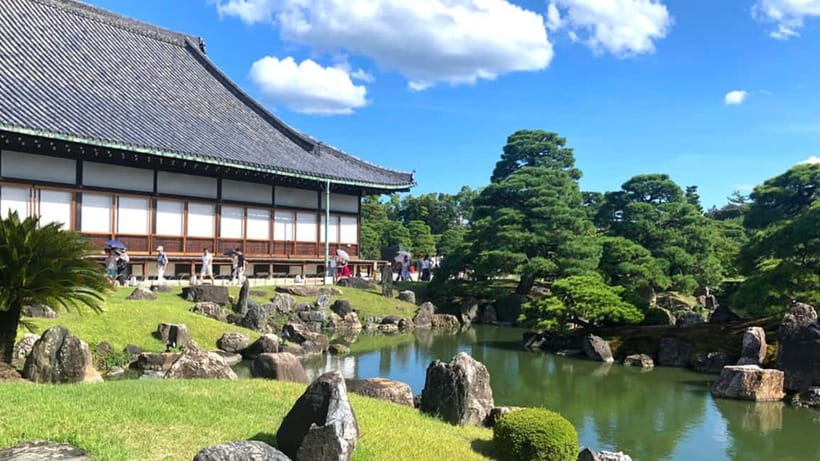
Your tour starts outside Exit 1 of Nijōjō-mae Station. The guide holds a sign that says Local Guide Stars, and that helps you zero in quickly without guessing who’s in charge. For first-timers in Kyoto, that alone is worth something—getting the start right prevents the “running late in Japan” stress.
Because the group is capped at 10, you don’t have that herding feeling. You’re also more likely to hear answers to your questions instead of being swallowed by the crowd. The tour is in English, and the guides listed for this experience are repeatedly praised for clear explanations and for keeping the pace friendly for different ages.
Timing-wise, plan for about 90 minutes total. That’s long enough to see Nijo Castle’s main power-layers, but short enough that you can still enjoy more Kyoto that same day.
The route through Nijo Castle: display and intimidation, not defense
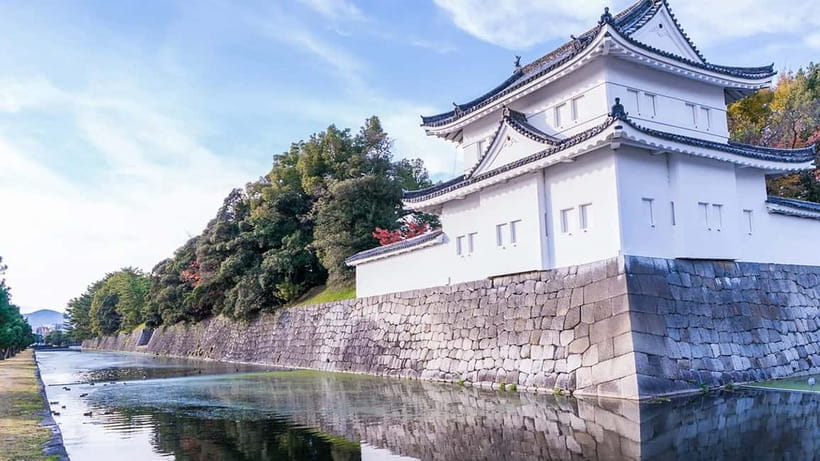
One of the most interesting parts of this tour is the tone your guide sets early: these spaces aren’t built like fortresses meant for war. Instead, they’re crafted for display, intimidation, and silent control.
As you walk, you’ll notice how the castle uses “experience design.” Think psychology, not weaponry. Paths guide you. Gates separate you. Corridors create a sense of anticipation and restraint. Even if you’re not reading Japanese labels, the building teaches you how to behave—where to stand, how to move, and how to feel small without being physically trapped.
This is also where questions work best. If something feels odd—like you’re being routed more than you’re exploring—ask. Guides like Nao (often highlighted for deep insight) tend to connect your reaction to the historical purpose behind it.
Ninomaru Palace: social hierarchy you can literally walk through
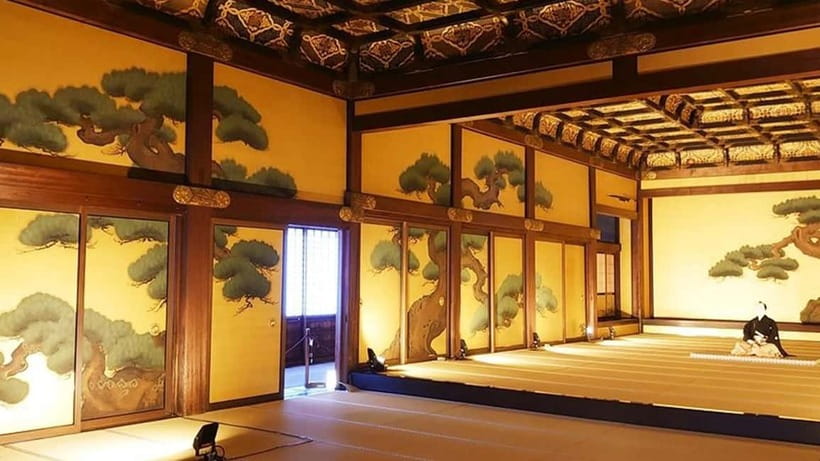
The Ninomaru Palace is the heart of the “rank” story. This isn’t just where important people lived; it’s where power was coded into the building.
Your guide will explain how room size, floor height, and decoration were used to communicate strict social hierarchy. That means the experience isn’t only visual. It’s physical. You’ll start noticing how the architecture controls scale—how certain spaces feel higher, tighter, or more formal—and how that shapes the visitor’s sense of status.
This is a great place to pay attention to details that would otherwise fly by. Without guidance, you might admire screens and beams. With guidance, you understand why those choices exist: the environment helps reinforce who belongs where and who must defer.
Also, the palace layout uses layered corridors and gates. It can feel like the castle is narrowing options step by step, which is exactly the point. The design aims to psychologically overwhelm visitors and keep the hierarchy intact.
Nightingale floors: the sound of control under your feet
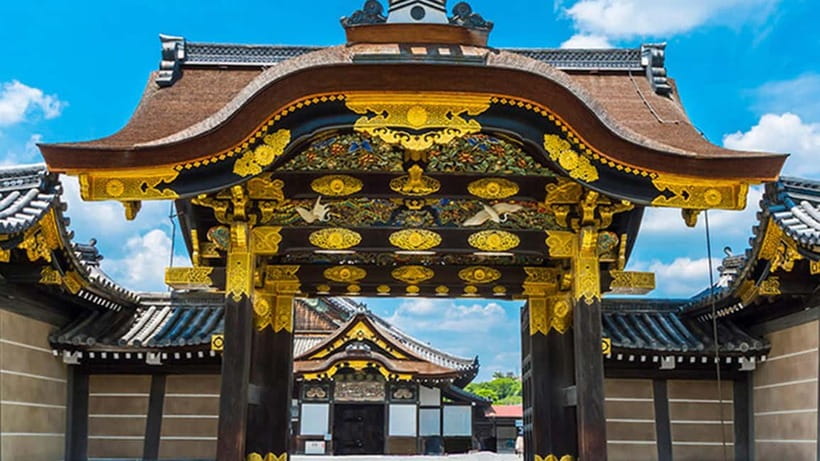
One of Kyoto’s best-known Nijo Castle legends is the nightingale floors. During the tour, you’ll hear and experience the famous floor mechanism—those chirping sounds beneath your feet designed to expose intruders.
This part is memorable because it’s interactive in a way that doesn’t require any special tricks. You step, you listen, and suddenly the castle feels alive—like it’s reacting to movement. It’s a clever blend of architecture and security theater, and your guide will connect the sound to the broader theme of surveillance and control.
If you’re the type who reads about Japanese history before a trip, you’ll probably enjoy this especially. The floors turn a historical concept into something you can hear instantly, not just imagine later.
You can also read our reviews of more historical tours in Tokyo


Shogun vs Emperor, ending shogunate rule in 1867
The tour doesn’t stop at Edo-period design. It also reaches the dramatic turning point at the end of shogunate rule.
A key moment your guide marks is 1867, when Tokugawa Yoshinobu returned authority to the Emperor. This event closed over 260 years of shogunate rule and helped open the door to the Meiji Restoration. It’s the kind of history that can feel distant until it’s tied to a specific room.
Your guide stands you in the very context where that shift happened, and it changes how you read the castle. Suddenly the intimidation-and-control design isn’t just an old aesthetic—it’s part of a system that eventually collapsed from the inside and the pressures outside.
This stop is also a nice reminder that Kyoto isn’t only about “old temples.” It’s also about moments when the old order cracked.
Koi carp moats and photogenic gardens you’ll actually want to pause for
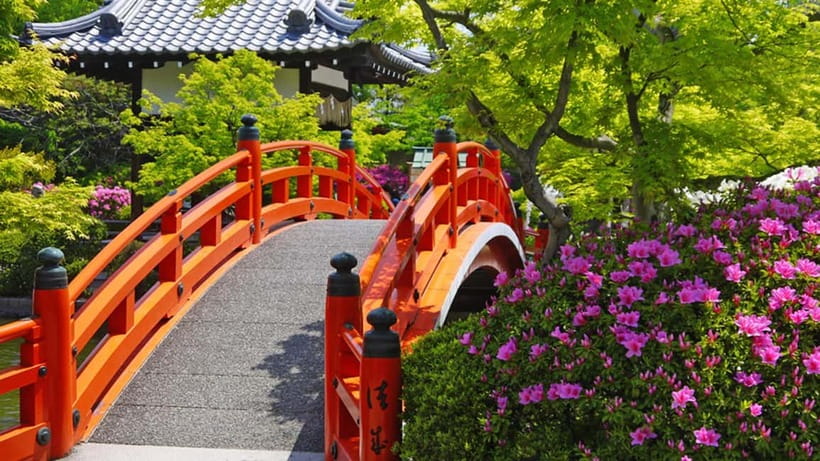
Between serious palace history, the tour includes visual breaks that make the experience easier on your feet and camera.
The gardens and moats around the castle are known for colorful koi carp, and the guide helps you notice viewpoints where the fish show up in a clean, scenic way. This matters because many visitors rush through water features without catching the moment. Here, the story pulls you back to the details—then you get a good photo while you’re there.
If you like photography, give yourself permission to slow down briefly during garden segments. The koi are the kind of subject that look better when you wait 30 seconds instead of firing off shots while walking.
Price and time: does $40 deliver real value?
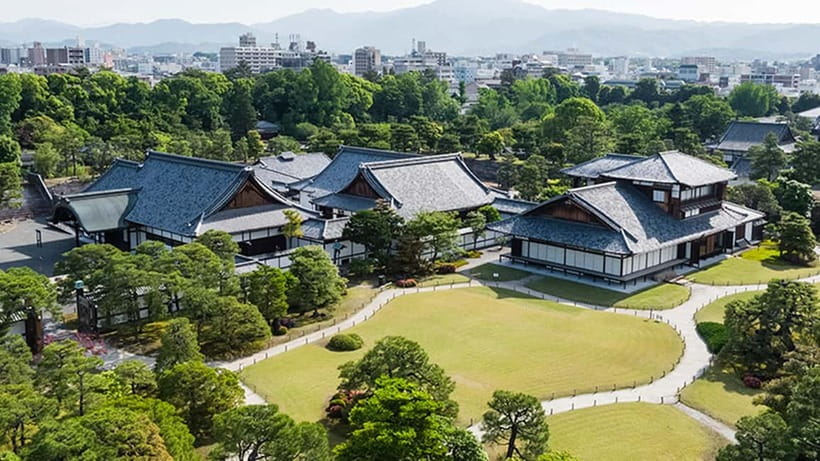
At about $40 per person for roughly 90 minutes with admission included, this tour sits in the “good value” category for Kyoto palace experiences. You’re not paying only for access. You’re paying for interpretation—and that’s where the money changes from “ticket price” into “useful time.”
Here’s the practical trade-off:
- You get admission bundled in, so you don’t juggle extra steps.
- You get a live English guide, which is especially helpful at Nijo Castle where details are easy to miss if you’re only scanning.
- The group limit keeps the tour from feeling like a lecture.
The one caution is that 90 minutes can feel short if your ideal day is long, slow, and self-directed. If you want to read every sign, revisit favorite rooms, and linger for an hour per section, you may want to pair this with some independent time after.
Who this tour fits best (and who should choose differently)
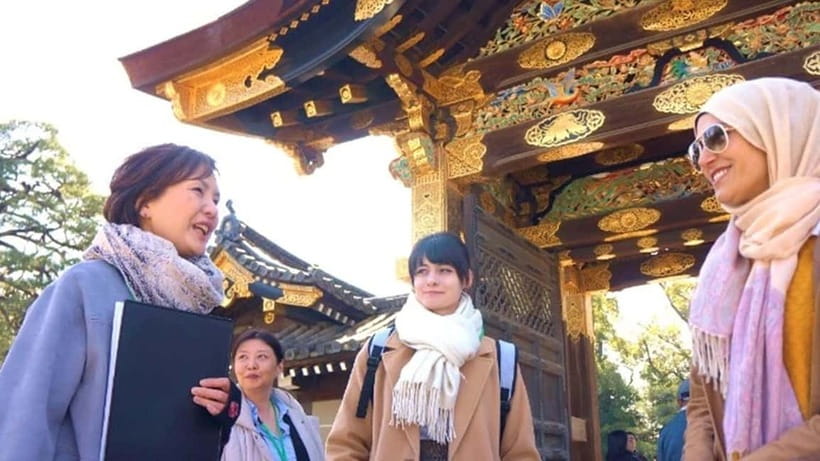
This guided tour is a strong match if you:
- want a clear, storyline-driven explanation of Tokugawa power in Kyoto
- love architecture that has a purpose behind it (not just decoration)
- appreciate small groups and Q&A time
- care about the nightingale floor experience and the 1867 authority return context
It may not be the best match if you:
- prefer silent, unguided wandering as your default museum style
- strongly dislike shoe removal inside the palace areas
- want a full day at Nijo Castle rather than a curated highlights route
For families and mixed-age groups, the small group size can help a lot. One review-style detail you’ll feel in practice: guides tend to adjust pace, and people report good experiences with different group compositions.
Should you book this Nijo Castle tour?
If you want the castle to make sense—and not just look beautiful—this tour is worth booking. The combination of admission included, a small group capped at 10, and English guidance gives you an efficient way to understand what you’re seeing: politics, social hierarchy, and even security tricks built into floors and corridors.
I’d book it if your Kyoto schedule is tight and you’d rather spend your limited time learning rather than guessing. If you already plan to study Nijo Castle heavily on your own, you might not need a guide. But for most visitors, the guide’s focus on shogun vs Emperor rivalry and the emotional weight of 1867 is the difference between a quick visit and a memorable one.
FAQ
FAQ
Where do I meet for the Nijo Castle tour?
Meet outside Exit 1 of Nijōjō-mae Station. The guide will be holding a sign that says Local Guide Stars.
How long is the tour?
The guided tour lasts about 90 minutes.
Is admission to Nijo Castle included?
Yes. Admission to Nijo Castle is included in the price.
How large is the group?
The tour is a small-group experience limited to up to 10 participants.
What language is the tour in?
The live tour guide provides the experience in English.
Is the terrain difficult for walking?
The terrain is mostly flat, and the tour involves walking through the palace and grounds.
Do I need to remove my shoes?
Yes. When entering the palace areas, visitors must remove their shoes.
Is wheelchair access available?
Wheelchair accessibility is listed as available.
Is there a cancellation window?
Free cancellation is available up to 24 hours in advance for a full refund.
Can I reserve without paying right away?
Yes. Reserve now & pay later is offered, so you can book your spot without paying immediately.