REVIEW · TOKYO
From Tokyo: Tokyo Private Customize Tour With English Driver
Book on GetYourGuide →Operated by Japan Winter Tours · Bookable on GetYourGuide
Tokyo feels easier with your own driver. This private daystrings together the big sights, from Tokyo Skytree views to Shibuya Crossing, with a route you can tailor to your interests. I like the calm comfort of a clean, aircon van plus hotel pickup and drop-off, and the main drawback is that food and any entry fees for optional add-ons are not included.
I also appreciate how the day stays flexible once you’re on the ground. Guides such as Malik, Adan, Adi, Ali, and Imran show up punctual, explain what you’re seeing in clear English, and adjust the pace when it makes sense, including time for street-food stops and practical timing like landing sunset views.
One more thing to keep in mind: this is not a good fit for everyone. The tour doesn’t suit people who are pregnant, have high blood pressure, or are over age 70, so check that before you book.
Key highlights worth planning around
- Skytree at 634 meters for big-city views, with possible Mt. Fuji glimpses on clear days
- Shibuya Crossing plus nearby modern shopping time around Harajuku and Takeshita Street
- Meiji Shrine’s forest calm as a break from street noise and crowds
- Senso-ji and Nakamise Street for a classic temple walkthrough plus snacks
- Tsukiji Outer Market for seafood and quick bites since the main Tsukiji market moved to Toyosu
- Imperial Palace East Gardens for a quieter, more formal Tokyo moment
In This Review
- A Private Tokyo Day That Actually Fits Real Life
- Hotel Pickup, Clean Van, and English Support You Can Use
- Tokyo Skytree: City Views First, Then Decide How Long to Stay
- Shibuya Crossing and Harajuku Takeshita Street: Modern Tokyo on Foot
- Meiji Shrine: The Best Reset Between Noise and Temples
- Senso-ji and Nakamise Street: Temple Meets Street Snacks
- Tsukiji Outer Market: Seafood Bites Without the Main-Market Confusion
- Imperial Palace East Gardens: A Calm, Formal Tokyo Moment
- How the Day Gets Scheduled: 10 Hours Can Fly
- Price and Value: Paying for Time, Comfort, and a Customized Route
- Who This Tour Fits Best (And Who Should Skip It)
- Quick Planning Tips Before You Go
- Should You Book This Tokyo Private Highlights Tour?
A Private Tokyo Day That Actually Fits Real Life
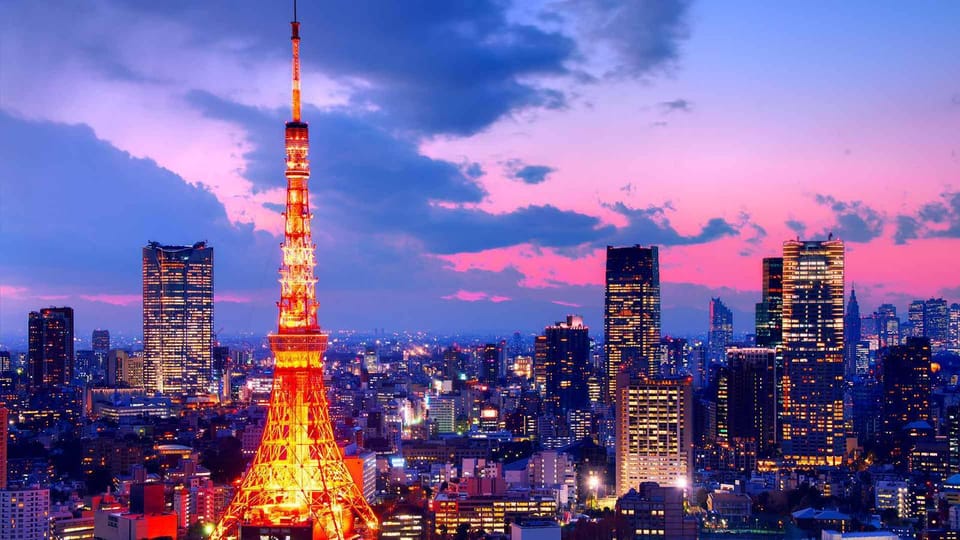
Tokyo can be a lot. The subway is brilliant, but it can also chew up time when you’re trying to see major sights in one day. This private setup fixes that problem by putting you in a modern car with an English-speaking driver, then letting you spend your energy on the places that matter most to you.
I like the idea of a customized route because Tokyo has two speeds. One is neon-and-nearby, and the other is old-school streets, temples, and history that rewards patience. With a driver steering the logistics, you can choose how long you stay at each stop without the stress of catching trains every time a line gets long.
Hotel Pickup, Clean Van, and English Support You Can Use
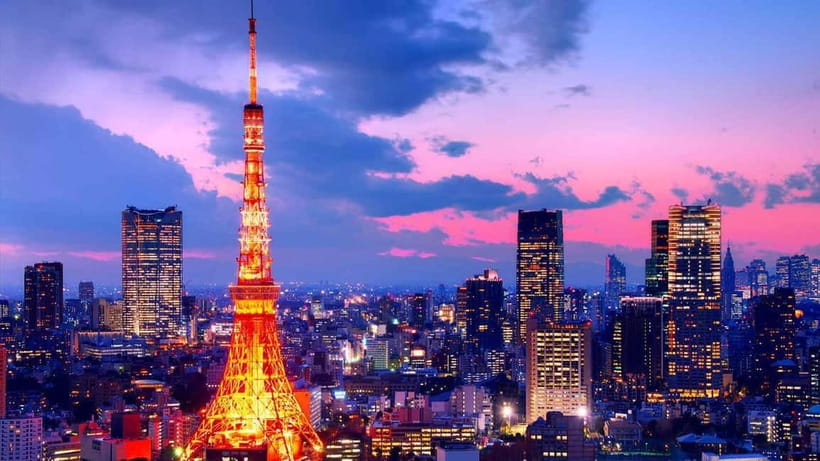
This day starts and ends with hotel pickup and drop-off, which is a bigger deal than it sounds. In Tokyo, shaving off even a few transfers can turn a chaotic morning into a smooth start. You also get a private vehicle with air conditioning, petrol/gas, and highway toll coverage, so you’re not doing the mental math mid-trip.
The English-speaking driver is the real advantage. You’re not just being driven past landmarks. People like Malik and Ali are described as friendly, punctual, and helpful, with strong English and clear explanations. That matters at stops like Meiji Shrine and the Imperial Palace area, where it helps to understand what you’re looking at beyond photos.
You can also read our reviews of more private tours in Tokyo
Tokyo Skytree: City Views First, Then Decide How Long to Stay
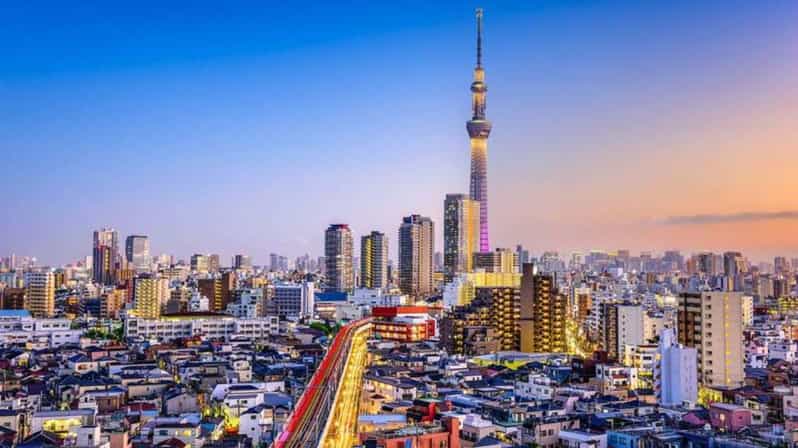
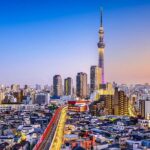
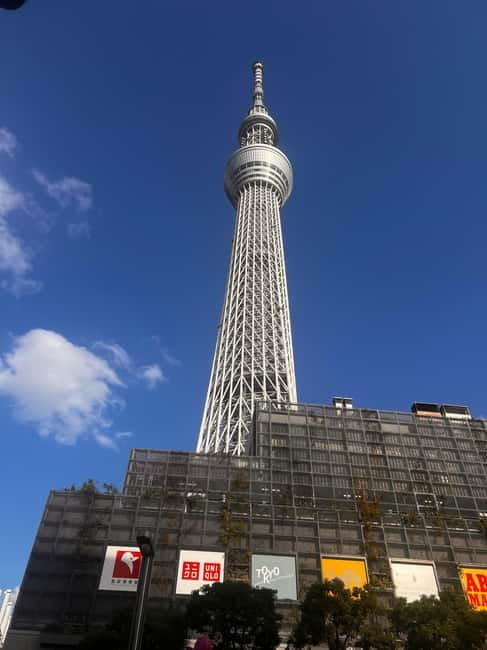
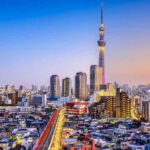
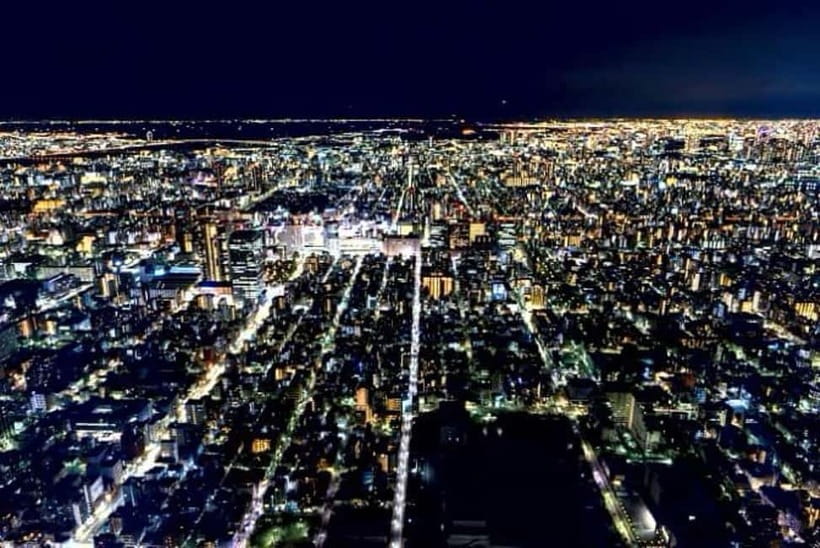
Tokyo Skytree is the tallest structure in Japan, measuring 634 meters. That height isn’t just trivia. It turns the whole day into something you can orient around, literally and mentally. Even if you’ve seen skyline images before, looking down from above helps you understand Tokyo’s layout and why neighborhoods feel so distinct.
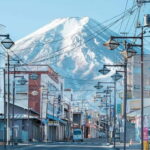
Here’s how I’d use Skytree time if you have limited daylight. Go up early enough that you can still enjoy the views without rushing. Clear days can bring glimpses of Mt. Fuji from the observation decks, so if the weather looks good, don’t treat that as an afterthought. Bring what you need for comfort because observation times can be longer than you plan when you’re trying to take it all in.
A practical consideration: Skytree is a major destination, so you’ll want to be ready for lines and crowds. The benefit of going with a private driver is that the rest of your schedule stays protected even if one stop runs a bit longer.
Shibuya Crossing and Harajuku Takeshita Street: Modern Tokyo on Foot
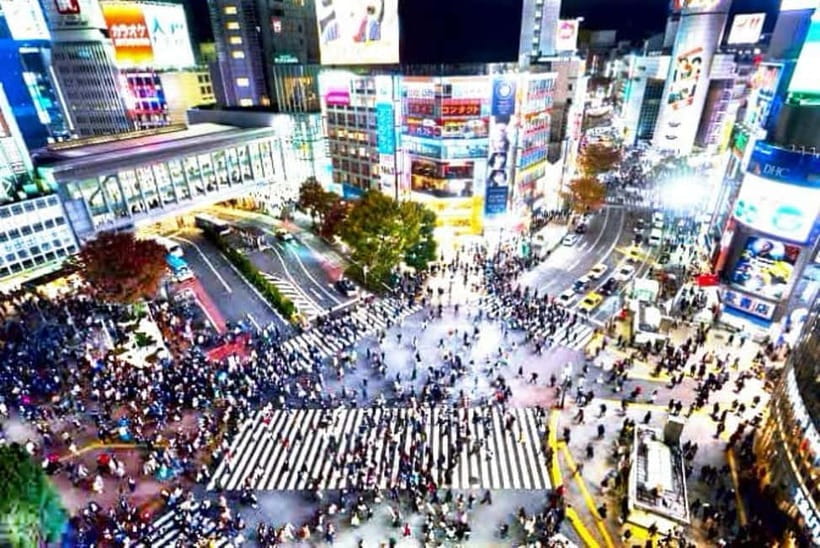
Shibuya Crossing is famous for a reason. It’s one of those places where the chaos is real, but it’s also choreographed, with crowds moving like a coordinated wave. Seeing it in person is a fast way to understand Tokyo’s modern rhythm: quick decisions, big energy, and lots of people doing their own thing at once.
From Shibuya, the plan often shifts into Harajuku and Takeshita Street, where fashion and youth culture take center stage. This is where you can people-watch, browse trendy shops, and snap photos without needing a map for every corner. If shopping is your style, this stop is where you’ll feel the payoff fast.
Two tips that keep this part enjoyable:
- Wear shoes you can stand in. You’ll be on foot for at least parts of the area.
- If you’re picky about crowd levels, plan to start early or ask your driver to adjust timing.
This is also where customization shines. If your idea of Harajuku is less about shopping and more about the vibe, you can reduce time on Takeshita Street and keep your energy for temples later.
Meiji Shrine: The Best Reset Between Noise and Temples
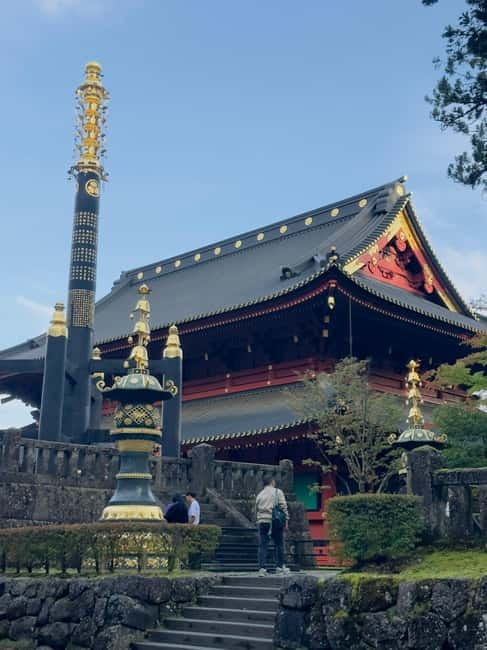
After the city energy, Meiji Shrine offers a sharp contrast. It’s a Shinto shrine dedicated to Emperor Meiji and Empress Shoken, and it sits in a peaceful forested setting. That “different world” feeling is the point. You walk in, and suddenly the noise drops.
I love this stop because it gives you a break that doesn’t feel like a detour. Tokyo is full of dense neighborhoods, so having a calm, structured place to slow down makes the rest of the day more enjoyable. Even if you’re not a shrine expert, the atmosphere does the teaching.
One practical note: you’ll likely do some walking through grounds and paths. Go at a comfortable pace and use the time to observe details like the setting and how people behave there. It’s the kind of stop where small attention changes the whole experience.
Senso-ji and Nakamise Street: Temple Meets Street Snacks
Senso-ji is Tokyo’s oldest and one of its most famous Buddhist temples. If you only see one classic temple stop, this is often the one people pick for good reason. The route typically includes walking through the iconic Kaminarimon Gate, then exploring Nakamise Street, where traditional shops line the walkway.
This is where you get your sensory overload in a good way. The street shops are a mix of souvenirs and snacks, and it’s a straightforward way to taste everyday Tokyo culture without needing to know every word on a menu.
Drawback to plan for: lines. Senso-ji can be busy, especially during peak times. The private-car format doesn’t remove crowds, but it helps you time your other stops so you’re not trapped in one bottleneck all day.
If you want a strategy, do Nakamise Street before you spend long time at the main temple area. That keeps the flow simple. Also, pick a snack or two early and save room if you’ll be eating again later around Tsukiji Outer Market.
You can also read our reviews of more tours and experiences in Tokyo


Tsukiji Outer Market: Seafood Bites Without the Main-Market Confusion
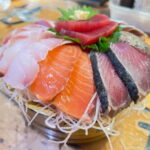
The main Tsukiji Fish Market moved to Toyosu, but the Tsukiji Outer Market area remains popular for fresh seafood and local treats. This stop is especially good if you want a quick meal feel without sitting down for a full restaurant experience.
Expect stalls and restaurants with sushi, sashimi, and casual street-style items such as tamagoyaki, a Japanese omelette. Even if you don’t go wild on food spending, the market environment is worth it. It’s a snapshot of Tokyo’s food culture where you can see what people are buying and eating.
Two ways this fits a private day:
- It works as an easy break between major sightseeing blocks.
- It gives you flexible snack timing, which matters when you’re managing a full-day schedule.
If your stomach is sensitive to lots of small tastings, keep it simple: one main bite and one drink, then move on.
Imperial Palace East Gardens: A Calm, Formal Tokyo Moment
The Imperial Palace is the residence of Japan’s Emperor, and it’s surrounded by gardens and impressive gates. The East Gardens are the public-facing part you’ll want for a calmer experience than the streets outside.
This isn’t temple chaos. It’s more like a structured walk through landscaped grounds and historically meaningful spaces. If you enjoy seeing how Japan blends formality with public life, this stop delivers.
The key benefit here is pacing. After temples and shopping streets, East Gardens can make the day feel less rushed. It’s also a nice place to slow down, take photos where allowed, and reset before heading back toward your hotel.
How the Day Gets Scheduled: 10 Hours Can Fly
In a private format, your day isn’t split into rigid train hops and forced timing. You’re free to adjust. One family described a full 10 hours moving fast, helped by a driver who handled navigation, traffic, and pickup spots while staying in touch and making sure the timing worked.
That’s a big deal if your schedule is tight. Tokyo’s transit system is excellent, but it can eat time when you’re switching lines or dealing with crowds. A private car doesn’t always mean fewer minutes overall, but it usually means less mental effort and fewer breaks in your sightseeing flow.
Price and Value: Paying for Time, Comfort, and a Customized Route
The price is listed at $382 per group up to 5 people. On paper, that can sound high until you price out what you’re actually buying.
You’re paying for:
- hotel pickup and drop-off
- a private vehicle with air conditioning
- petrol/gas and highway tolls
- an English-speaking driver
- route flexibility so you don’t waste the day on logistics
For groups up to 5, this can be good value compared with buying multiple individual transport-and-guide solutions. The big question is whether you’ll use the private format fully. If you’ll actually stay in the car between distant sights, and you’ll adjust your stops instead of rigidly following a schedule, then the cost starts to make sense.
Main extra costs to budget for: food and drinks, plus entry fees for optional activities. Plan your meals accordingly so you’re not surprised later.
Who This Tour Fits Best (And Who Should Skip It)
This tour is a great fit if you:
- want an English-speaking guide while you hit Tokyo’s headline sights
- prefer comfort over navigating public transit all day
- care about customizing the day for history, shopping, or technology-related interests
- want to reduce walking time between far-apart neighborhoods
It’s not suitable if you’re pregnant, have high blood pressure, or are over age 70. If age or health is a factor, check first so the route stays comfortable and safe.
Quick Planning Tips Before You Go
A private day is still a full day. A few things help your experience land better:
- Bring a light layer. Air conditioning in the van and temperature shifts outdoors can feel different.
- Plan on some walking at temples and market streets, even if you’re mostly riding.
- If you want sunset views, ask your driver to time a spot that supports that. One guide-arranged moment included amazing sunset views from a government municipal building area.
Also, note the tour rules: alcohol and drugs are not allowed. If you’re thinking of celebrating, keep it to non-alcoholic plans.
Should You Book This Tokyo Private Highlights Tour?
Book it if your priority is seeing multiple major Tokyo highlights in one smooth day with a driver who handles navigation and timing, and if you’ll take advantage of the customization. It’s also ideal for families and anyone who wants the easy mode without skipping the big sights like Skytree, Shibuya Crossing, Meiji Shrine, Harajuku, Senso-ji, Tsukiji Outer Market, and Imperial Palace East Gardens.
Skip it if you’re comfortable building your own day by train and you want maximum independence on every block. And if health or mobility is a concern, don’t gamble. This format is easiest when you can enjoy the mix of car time plus short walking segments at key stops.
If you want a Tokyo overview day that feels practical, paced, and guided, this one is a strong choice.