REVIEW · KAMAKURA
Authentic Japanese Tea Ceremony Experience in Kamakura
Book on GetYourGuide →Operated by 株式会社ノアダンスアカデミー · Bookable on GetYourGuide
A tea room can change your pace fast. This 60-minute Japanese tea ceremony in Kamakura puts you close to the real motions of sadō, and I especially love the hands-on matcha whisking plus the etiquette you can actually use. One catch: you remove your shoes and you may kneel, so it helps to plan for tatami-floor comfort.
I also like that it stays small, capped at 6 participants, so the English-speaking instructor can guide you step by step without rushing. Expect seasonal Japanese sweets (wagashi), two servings of matcha, and a certified tea master explaining the meaning behind the ritual. The drawback to factor in is that it is not suitable for wheelchair users and it’s also not recommended for pregnant women.
In This Review
- Key Moments You’ll Remember
- Kamakura Tea Ceremony: The Short Trip That Feels Like Another World
- Getting to 茶室「竹翠庵」 Near 北鎌倉 Station
- Inside a Sukiya-zukuri Tea Room: Shoes, Tatami, and Your Body Language
- Sadō Basics: What the Certified Tea Master Teaches
- The Tea Ceremony Performance: Omotenashi in Real Time
- Matcha and Wagashi: Two Servings, One Lesson in Taste
- Whisking Matcha Yourself: The Hands-On Part That Sticks
- Etiquette You Can Use After the Tea Bowl Is Gone
- Price and Value: What $36 Buys in a 60-Minute Session
- Who This Works Best For (and Who Should Skip)
- Quick Practical Tips Before You Go
- Should You Book This Kamakura Tea Ceremony?
- FAQ
- How long is the Japanese tea ceremony in Kamakura?
- Where is the meeting point?
- What does the price include?
- Can I whisk matcha myself?
- Do I need to bring anything?
- Are shoes allowed in the tea room?
- Are photos allowed?
- What languages are supported?
- Is this experience suitable for everyone?
- Is this a small-group experience?
Key Moments You’ll Remember
- Sukiya-zukuri tea room setting that instantly signals calm and restraint
- Certified tea master explanations of sadō, not just the performance
- Omotenashi demonstrated live so you see the pacing and care behind each move
- Two matcha servings with seasonal wagashi for a proper taste of the session
- You whisk and serve tea yourself, guided step by step for a first-timer win
Kamakura Tea Ceremony: The Short Trip That Feels Like Another World
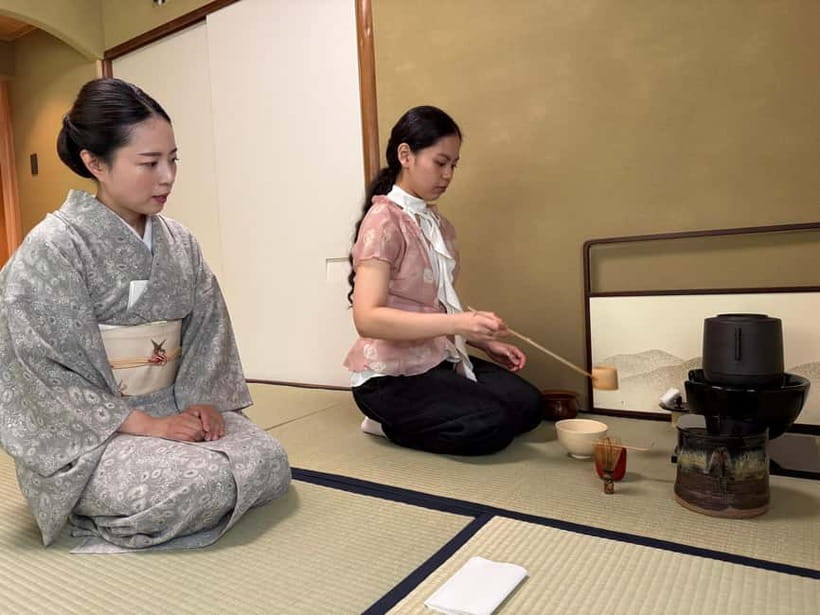
Kamakura is a smart base if you want the classic “Japan culture” experience without spending your whole day commuting. This tea ceremony takes place in a traditional tea room in Kamakura, about an hour from central Tokyo, and the whole session is just around 60 minutes. You get a focused cultural activity instead of a long, exhausting outing.
What makes this one work for real people is the structure: you’re not just watching. You’re learning the why behind tea ceremony manners, then you participate. That turns tea from a show into a skill you understand.
You can also read our reviews of more tours and experiences in Kamakura.


Getting to 茶室「竹翠庵」 Near 北鎌倉 Station
Meeting point is tea room 茶室「竹翠庵」, near restaurant 「航」. From JR Kita-Kamakura Station, it’s roughly a 7-minute walk. That’s close enough to do with normal walking shoes beforehand, but plan to arrive with a little buffer.
One practical note: directions can be a little unclear if you’re relying only on vague landmarks. I’d rather you be early and settle in than arrive a minute before you’re supposed to begin—tea ceremony timing is not the place for stress.
Inside a Sukiya-zukuri Tea Room: Shoes, Tatami, and Your Body Language
When you step into the tea room, the biggest rule is simple: shoes must come off. It’s a tatami tea room, so you’ll be dealing with the floor, not chairs-on-carpet convenience.
There’s also an important comfort option. Chairs are available if kneeling is difficult, but you need to notify them in advance. If you know you can’t comfortably kneel for a short guided session, don’t wait until the day of the experience.
For what to wear, there’s no strict dress code, but modest attire is recommended. You’ll also want socks, because you can’t rely on shoe-less walking without them. This is the kind of activity where good etiquette starts with not trying to power through physical discomfort.
Sadō Basics: What the Certified Tea Master Teaches
This session includes an explanation of the history and meaning behind Japanese tea ceremony, called 茶道 / sadō, taught by a certified tea master. That matters because tea ceremony isn’t just about making green tea. It’s about attention—how you move, how you wait, and how you treat the space and the people in it.
You’ll also learn etiquette and manners rooted in traditional Japanese customs. In practice, that means you’re not left guessing what to do with your hands or where to look. The goal is to help you participate respectfully, even if it’s your first time.
From an I-think-this-is-important angle: learning the why makes the ceremony feel less like a performance and more like a shared ritual. You’re not memorizing steps for the sake of it—you’re learning what the steps communicate.
The Tea Ceremony Performance: Omotenashi in Real Time
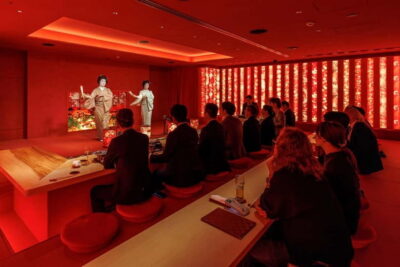
Before you start whisking yourself, you’ll watch a live demonstration. The focus is omotenashi, the spirit of hospitality shown through careful ritual.
During this part, you’ll see how tea is prepared in a way that looks deliberate, not rushed. It’s easy to underestimate this. In daily life, most things are quick and functional. Tea ceremony makes time visible. You notice breath, pause, and the small way attention travels from one movement to the next.
This is also where the pace of the whole session sets itself. If you like watching something done slowly so you can actually absorb it, this segment is satisfying. If you’re hoping for action-only sightseeing, you might find it calmer than you expected—but that calm is kind of the point.

Matcha and Wagashi: Two Servings, One Lesson in Taste
Then comes the part most people are excited for: matcha. You’ll enjoy two servings of freshly whisked matcha, paired with seasonal Japanese sweets (wagashi).
This pairing is a real education tool. Wagashi isn’t just dessert on the side. It’s often chosen to complement the tea’s character, and seasonal sweets add variety so you taste something that doesn’t feel mass-produced. You’ll get to experience matcha the way tea ceremony intends: not as an energy drink, but as something you sip with awareness.
If you’re sensitive to flavors, go in with an open mind. Matcha can taste strong, and the session doesn’t pretend otherwise. The upside is that you’re not stuck with one bland cup—you’ll get two servings and a chance to notice how it feels as you settle into the ritual.
Whisking Matcha Yourself: The Hands-On Part That Sticks
Here’s where you get the real value of this experience. You try making and serving tea yourself, guided step-by-step. No prior experience is required, and that’s key—tea ceremony has a learning curve, but the structure makes it approachable.
You’ll practice whisking, then serve, with instructions that keep you from feeling like you’re messing up something sacred. The instructor’s role (Japanese and English support) helps you follow along even if you don’t speak Japanese.
What I like about doing it yourself is that it changes how you understand the movements you saw earlier. After you whisk the matcha, you start to realize why the demo looked the way it did—how the utensil, the bowl, and the pace all connect. And since it’s a small group (max 6), there’s enough attention for guidance.
Etiquette You Can Use After the Tea Bowl Is Gone
Tea ceremony etiquette isn’t only for tea ceremony day. You learn a set of manners rooted in traditional Japanese customs—things like how to handle utensils, how to move with control, and how to be mindful in shared quiet space.
Even if you don’t remember every step, you’ll probably take away the general rhythm:
- slow down,
- watch your posture,
- handle objects gently,
- and treat the people around you as part of the ceremony.
This is also why the small-group format helps. When you’re not crowded, manners feel more natural. You’re less likely to rush, and that makes the experience feel respectful for everyone.
Price and Value: What $36 Buys in a 60-Minute Session
At $36 per person for about 1 hour, this is priced like an experience that includes real materials and real instruction—not just a quick photo stop.
Here’s what you’re paying for, specifically:
- two servings of freshly whisked matcha
- seasonal wagashi
- rental tea ceremony utensils
- the traditional performance plus instruction from a tea master and an English-speaking instructor
- time to learn etiquette and then make and serve tea yourself
For many visitors, the biggest value isn’t the tea alone. It’s the coaching. When you whisk matcha yourself, you can walk away with a clear memory of the process, not just a taste. And when you’re guided in manners, you feel more confident understanding tea ceremony in real contexts later.
Who This Works Best For (and Who Should Skip)
This tea ceremony is recommended for ages 7 and up. It’s a good fit for first-time visitors, culture enthusiasts, couples, and families who want a calm activity with clear structure.
It’s also especially good if you like experiences where you can participate without needing special prior knowledge.
It’s not suitable for:
- wheelchair users
- pregnant women
And because shoes come off and you may kneel, it’s also worth thinking about your own comfort level. If kneeling is hard for you, request chair access in advance.
Quick Practical Tips Before You Go
A few small things can make the session smoother:
- Bring socks since shoes are removed inside the tea room
- Wear modest attire that lets you move comfortably
- If kneeling is difficult, ask for chair support beforehand
- Photos are allowed only at designated times, so listen for cues
- Expect the session to be calm and guided—this isn’t a loud, fast “tour” environment
Also, if you’re a prep-in-advance type, the organizer provides a facility introduction video. Watching it before you arrive can help you get comfortable with what the room and routine will feel like.
Should You Book This Kamakura Tea Ceremony?
Yes, book it if you want a short, well-guided cultural experience where you actually participate. The best reason to choose this one is the combination: two matcha tastings, seasonal wagashi, and the chance to whisk and serve yourself with step-by-step help in English. For $36 over about an hour, that’s strong value—especially compared with experiences that are mostly observational.
Skip it if you need wheelchair accessibility or you’re pregnant, and do think carefully if kneeling for a short time is a problem for you. If chair access is possible for your situation, you may still be fine.
If you want one calm afternoon in Kamakura where you learn something you’ll remember long after the tea cup is empty, this is a solid choice.
FAQ
How long is the Japanese tea ceremony in Kamakura?
It lasts about 60 minutes.
Where is the meeting point?
You meet at tea room 茶室「竹翠庵」 near restaurant「航」, about a 7-minute walk from JR Kita-Kamakura Station.
What does the price include?
Matcha, Japanese sweets (wagashi), rental tea ceremony utensils, and a traditional tea ceremony performance.
Can I whisk matcha myself?
Yes. You’ll try making and serving tea yourself with step-by-step guidance.
Do I need to bring anything?
Bring socks. Shoes must be removed inside the tea room.
Are shoes allowed in the tea room?
No. Shoes must be removed because it is a tatami tea room.
Are photos allowed?
Yes, but only at designated times during the session.
What languages are supported?
The instructor provides Japanese and English.
Is this experience suitable for everyone?
It’s recommended for ages 7 and up, but it is not suitable for wheelchair users and is not suitable for pregnant women.
Is this a small-group experience?
Yes. The group size is limited to a maximum of 6 participants.