REVIEW · TOKYO
Tokyo: Tsukiji Fish Market Foodie and Educational Tour
Book on GetYourGuide →Operated by Hanamichi · Bookable on GetYourGuide
Tsukiji feels like a food school in motion.
You get more than fish shots: you start with a local shrine lesson, then move into market eating and shopping, finishing with a very Japan-style snack strategy at Lawson’s. I especially like the way the tour mixes history and local practice with actual tasting, and I love that the group is small enough to move around without feeling like a crowd herded on rails.
The best parts for most people are the fresh tuna bento plus a small sake pour, and the guidance that helps you choose what to eat and buy. One thing to consider first: it’s not designed for vegetarians, and a lot of the extra food you’ll see at Tsukiji Outer Market is optional (and not included).
In This Review
- Key things to know before you go
- From Lawson’s Meeting Point to Namiyoke Inari Jinja
- Namiyoke Inari: a short shrine stop with big context
- Tsukiji Uogashi Mall and Tsukiji KohHoh: tuna, wasabi, and a sake moment
- Tsukiji Outer Market: how to hunt street food without getting lost
- Finishing at Lawson’s: the snack-buying plan you’ll use later
- Price and value for a 2-hour Tsukiji tour at $70
- Who should book this, and who should skip it
- Guide factor: why Chinami’s local knowledge matters
- Should you book this Tsukiji Fish Market food and education tour?
- FAQ
- Where do I meet the guide?
- How long is the tour?
- Is the tour in English?
- What’s included in the price?
- What food can I buy during the tour?
- Is the tour suitable for vegetarians?
- Is street food included?
- How big is the group?
- Can the tour accommodate children?
Key things to know before you go
- Small group (max 6) means more time with your English-speaking guide.
- Namiyoke Inari Jinja adds a real cultural layer before you hit the stalls.
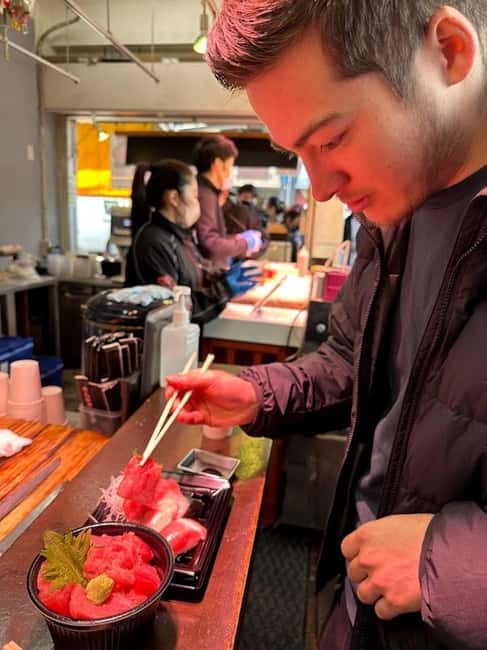
- Tsukiji Uogashi Mall stop includes a bento box with tuna, wasabi, and a small sake.
- Tsukiji Outer Market food is optional so you’ll likely budget extra for street snacks.
- You end at Lawson’s with practical buys and quick snack ideas.
From Lawson’s Meeting Point to Namiyoke Inari Jinja
This tour starts outside Lawson’s at the Tsukiji 4-chome intersection. The meeting spot matters. Don’t bunch up around the entrance—you’ll want to line up where your guide’s notice board can spot you easily and where you aren’t blocking other shoppers walking in and out.
Right away, you get a “where am I and why does this matter” vibe. You’ll walk about 10 minutes to Namiyoke Inari Jinja, and that first stop is the calm before the seafood frenzy. The guide explains why this shrine is so highly worshipped locally—especially in the context of protection from bad luck, misfortune, and turmoil. If you’ve ever wondered why markets and temples feel so close in Japan, this is the kind of practical context you can’t get from a photo.
This is also where you learn how people approach praying here. The tour focuses on the purpose of the rituals—asking for protection and keeping trouble away—so it doesn’t feel like a checklist of symbols. It feels like a local habit with meaning, and it sets the tone for the rest of your walk through Tsukiji’s food world.
You can also read our reviews of more tours and experiences in Tokyo

Namiyoke Inari: a short shrine stop with big context
The Namiyoke Inari Jinja segment is only about 15 minutes, but it’s structured as a guided lesson, not a quick “see it and move on.” You’ll hear about the shrine’s role in local belief and how people pray for keeping bad luck away.
If you like tours that connect food to culture, this works well. It also helps you understand the area in a wider way than just “fish market.” Tsukiji isn’t only a place to eat—it’s a community space where daily life, commerce, and belief overlap.
A small note: the tour isn’t set up as a long temple experience. It’s designed to teach the key ideas fast, then send you onward to food.
Tsukiji Uogashi Mall and Tsukiji KohHoh: tuna, wasabi, and a sake moment
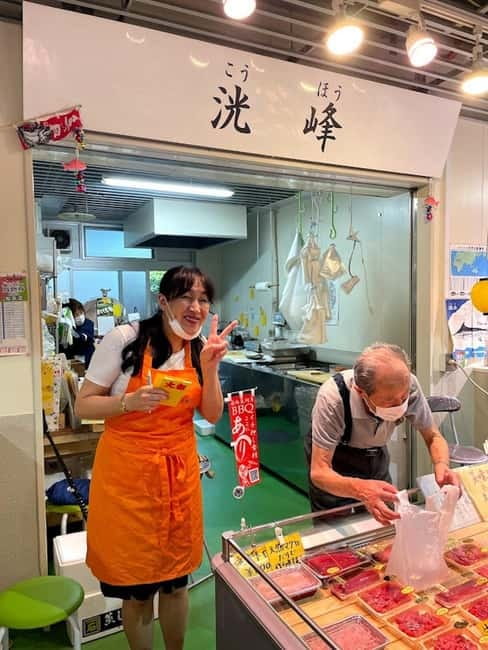
After the shrine, you take a short walk (about 5 minutes) to Tsukiji Uogashi Mall. This is where the tour switches from cultural explanation to hands-on tasting.
One highlight here is the store connection with a local wholesaler called Tsukiji KohHoh (linked with Toyosu Market). The tour also mentions experts in blue marlin, which adds an extra layer for seafood lovers. You’re not only hearing “fish facts”—you’re being pointed toward how different fish fit into Japanese cuisine and how the cutting and serving choices shape taste.
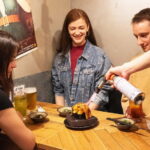
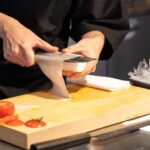
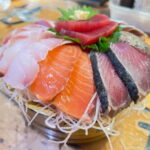
Then comes the included meal: a small bento box with freshly cut tuna and fresh wasabi, served with a small amount of Japanese sake. It’s a smart size for a 2-hour tour. You’re not stuck too full in a market. You’re fed enough to understand what you’re seeing next.
This stop also helps you “read” a food hall. You’ll be shown around Tsukiji Uogashi Mall, including places where you can purchase products like vegetables and fruit, plus a food court where you can eat more if you want. Even if you don’t buy anything, it’s useful to see how a wholesaler-run area thinks about quality, storage, and selection.
Practical takeaway: use this stop to notice flavors and textures. Tuna with fresh wasabi teaches you what clean, lightly aggressive heat tastes like when it’s not diluted by extras. That helps when you later try street snacks that may be stronger, saltier, or saucier.
Tsukiji Outer Market: how to hunt street food without getting lost
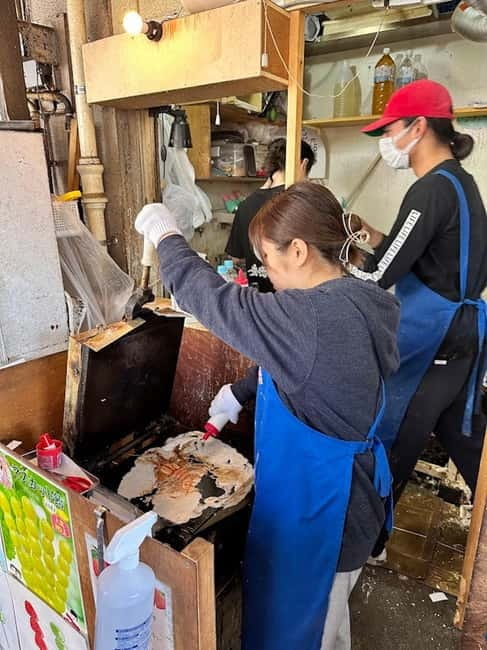
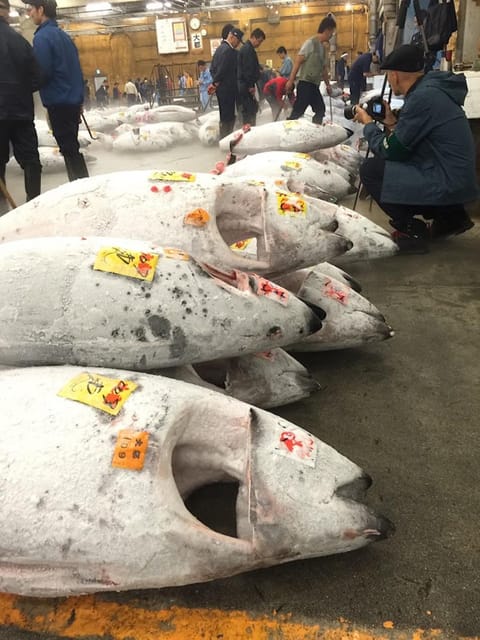
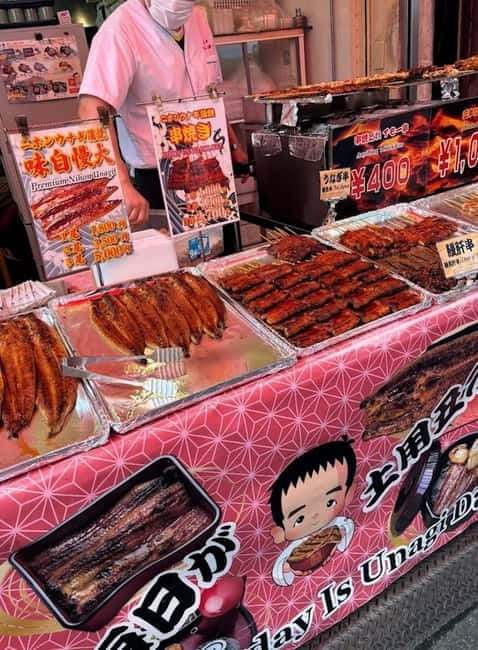
From Tsukiji Uogashi Mall, the tour shifts to the Tsukiji Outer Fish Market area. This is the big action zone, and the guide’s job is to prevent your first-time visit from turning into random wandering and overpaying.
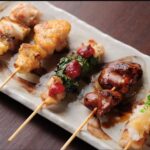
The tour includes time here for exploring history, guided sightseeing, and a food-focused pass through the alleys. There’s a strong emphasis on helping you spot real options—foods, drinks, and ingredients—without feeling like you’re being dragged to one “must-try” place.
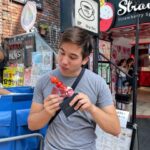
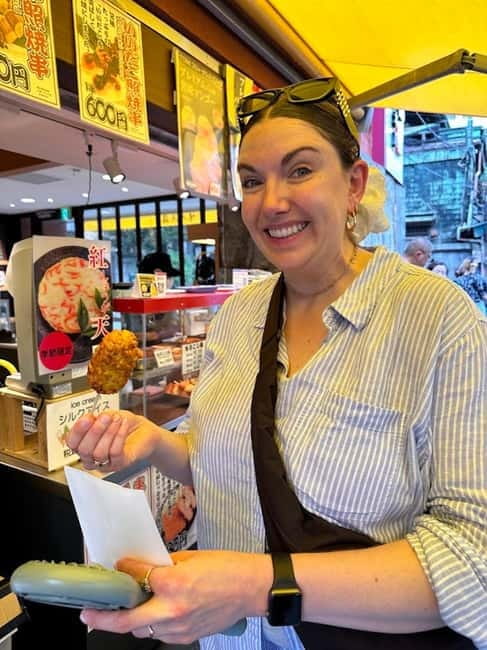
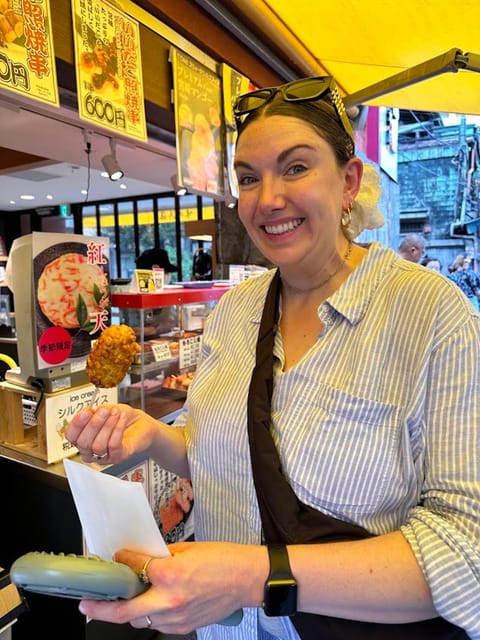
You’ll likely spend around 45 minutes in this section, which is long enough to taste and still shop if you want. If you wish, you can try street food and drinks, but that part is not included in the price. That’s actually good for value: it lets you choose what fits your appetite and budget instead of forcing you into a set menu.
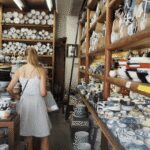
This is also where shopping becomes more meaningful. The tour points out stalls and areas where people pick up local Japanese ingredients, souvenirs, and even culinary tools—things like cooking knives and utensils. If you’re the type who wants to leave with one real kitchen upgrade (not just a magnet), this is the moment to think about what you can realistically carry home.
Also, expect heat and lines. The market area is active. You’ll be walking and moving through crowded space, so wear comfortable shoes and plan to slow down when you hit choke points.
Finishing at Lawson’s: the snack-buying plan you’ll use later
A lot of tours end with a “thanks, bye.” This one ends where many locals actually run to: Lawson’s convenience store near the meeting point.
You’ll walk about 10 minutes back to Lawson’s, and this final stop is basically a guided snack hunt. The tour includes advice on what to buy and enjoy—so you leave with a practical list, not just souvenirs.
Why this matters: convenience stores in Japan can be shockingly good, and the guide’s recommendations help you avoid the common mistake of buying random items that sound cool but don’t match your tastes. You’ll also get a sense of what “easy Japanese food” looks like when it’s done with care.
One catch: Lawson’s purchases aren’t included. You’ll pay for whatever you choose. But the guide helps you spend that money smarter.
You can also read our reviews of more shopping tours in Tokyo



Price and value for a 2-hour Tsukiji tour at $70
$70 for 2 hours is in the mid-range for Tokyo food tours, but the value is tied to what’s included.
Included:
- A guided walking tour around the Tsukiji market area
- Historical overview of the area
- Photos taken during the tour
- A bottle of water
- A small bento box with freshly cut tuna (plus fresh wasabi)
- A small amount of sake
Not included:
- Extra snack, food, and purchases at the markets
- Food and drinks you choose at Tsukiji Outer Market
- Anything you buy at Lawson’s
Here’s how I’d judge value: if you want a guided “starter pack” of Tsukiji—culture first, then tasting, then smart shopping—this is a strong deal for the time. You’re not just paying for the walk; you’re paying for translation, local context, and the included meal + sake.
If you’re already comfortable navigating on your own and you plan to spend most of your time buying food anyway, you might feel like you’re paying for guidance you could replace with research. But if you want your first visit to feel guided and efficient, the structure makes sense.
Who should book this, and who should skip it
This tour is built for people who want a thoughtful Tsukiji experience without spending the whole day planning. It’s especially suitable if:
- You like food tasting plus cultural context
- You want a small group (max 6)
- You’re happy to buy extra snacks at your own pace
It’s not suitable for vegetarians, since the included bento centers on tuna and the market food options you’ll encounter are fish-forward.
If you’re traveling with kids, the tour can sometimes work, but you should tell the provider in advance about the children’s ages and food preferences if they won’t eat the included bento. That helps the guide plan accommodations.
Guide factor: why Chinami’s local knowledge matters
A big part of this tour’s reputation comes from the guide experience. One name you’ll hear connected with this tour is Chinami, noted for very strong English and for helping people avoid tourist traps.
Even if you don’t care about “hidden gems” language, you’ll feel the difference in how the guide directs you. You’ll get practical choices: where to look, what to consider buying, and how to think about food quality in a market environment.
And because photos are included, you also get help documenting the trip without having to constantly juggle your phone while walking.
Should you book this Tsukiji Fish Market food and education tour?
Book it if you want a guided Tsukiji first visit that mixes shrine context, a real tuna tasting meal, and market know-how in just 2 hours. It’s a good format for people who don’t want to spend their entire Tokyo day standing in crowds without a plan.
Skip or reconsider if you’re vegetarian, you strongly dislike markets, or you don’t want to pay anything extra for street snacks and convenience store purchases. This tour gives you a base included meal, but the surrounding food culture is meant to be explored at your own pace.
If you have flexibility, I’d choose the starting time that fits your energy level. Market areas can be intense, so the best day is the one where you can walk comfortably and keep your appetite going.
FAQ
Where do I meet the guide?
Meet outside Lawson’s at the Tsukiji 4-chome intersection. Your staff will have a notice board, and you should not gather around the store entrance.
How long is the tour?
The tour lasts about 2 hours.
Is the tour in English?
Yes, the live guide speaks English.
What’s included in the price?
You get the guided walking tour, photos taken during the tour, a historical overview, a bottle of water, a small bento box with freshly cut tuna (with fresh wasabi), and a small amount of sake.
What food can I buy during the tour?
Food and drinks you purchase at Tsukiji Outer Market are not included, and Lawson’s purchases are also paid for by each participant.
Is the tour suitable for vegetarians?
No. It’s not suitable for vegetarians.
Is street food included?
Street food and drinks at Tsukiji Outer Market are optional and not included. You can choose what to try.
How big is the group?
The group is limited to 6 participants, so it’s a small group tour.
Can the tour accommodate children?
You can bring children, but if they won’t eat the included bento, you should tell the provider in advance about their ages and food preferences so the guide can try to accommodate.