REVIEW · TOKYO
Mount Fuji Sightseeing tour with English speaking guide
Book on GetYourGuide →Operated by Royal travellers · Bookable on GetYourGuide
A Mount Fuji day sounds simple. It is not, because this tour strings together the main Fuji-area viewpoints and adds Hakone options in one private, air-conditioned run with an English-speaking guide. I like how much ground you can cover without wrestling train transfers, and I also like the cultural context the guide can bring at each stop, like the way Ali reportedly explains Japanese culture along the way. One big drawback to consider: a few bookings have reported missed pickups or cancellations, so you need to be alert about where and when you meet.
This is a full 1-day outing based around classic Mount Fuji surroundings, and it usually works best if you have a flexible attitude about time and weather. The Mount Fuji Fifth Station component is only possible when conditions allow, so you should mentally plan for an alternative rhythm if it cannot happen. For the best experience, treat it like a structured day with room for watching, walking, and absorbing the scenery rather than a strict checklist you control down to the minute.
In This Review
- Key highlights that make this tour worth your attention
- How this Tokyo-to-Fuji day really runs (and why it helps)
- Price and value: is $108 per group a bargain or a risk?
- Pickup, rules, and the little constraints that change your day
- Mount Fuji Fifth Station: the weather-dependent moment
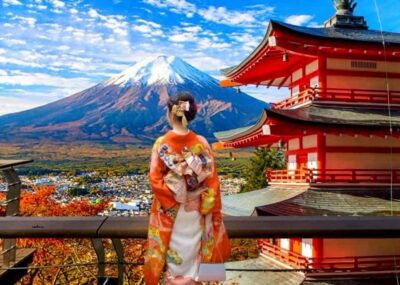
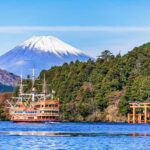
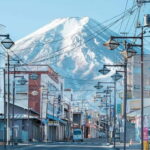
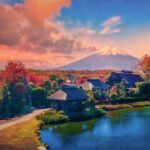
- Lake Kawaguchiko: the Fuji postcard moment with a guided hand
- Oshino Hakkai: short wandering time that needs your energy
- Arakura Fuji Sengen Shrine and other Fuji-area stops: how the day gains meaning
- Owakudani Valley, Hakone, Saiko Iyashi-no-Sato Nenba, and Lake Ashi: the flexible extension
- Gotemba Premium Outlets: the comfort stop for real people
- What makes the guided experience work (especially with an English driver)
- Packing and pacing: make the rules work for you
- Who this tour suits best (and who might feel boxed in)
- Should you book this Mount Fuji day trip?
- FAQ
- What is included in the Mount Fuji sightseeing tour price?
- Do I need to pay an extra fee for Mount Fuji?
- Will the tour definitely reach Mount Fuji Fifth Station?
- What pickup areas are offered?
- Is the guide always English speaking?
- Is food provided?
- What is not allowed during the tour?
Key highlights that make this tour worth your attention
- Hotel pickup from central Tokyo options make the day start clean and easy
- Mount Fuji Fifth Station if weather permits, with a practical reality check built in
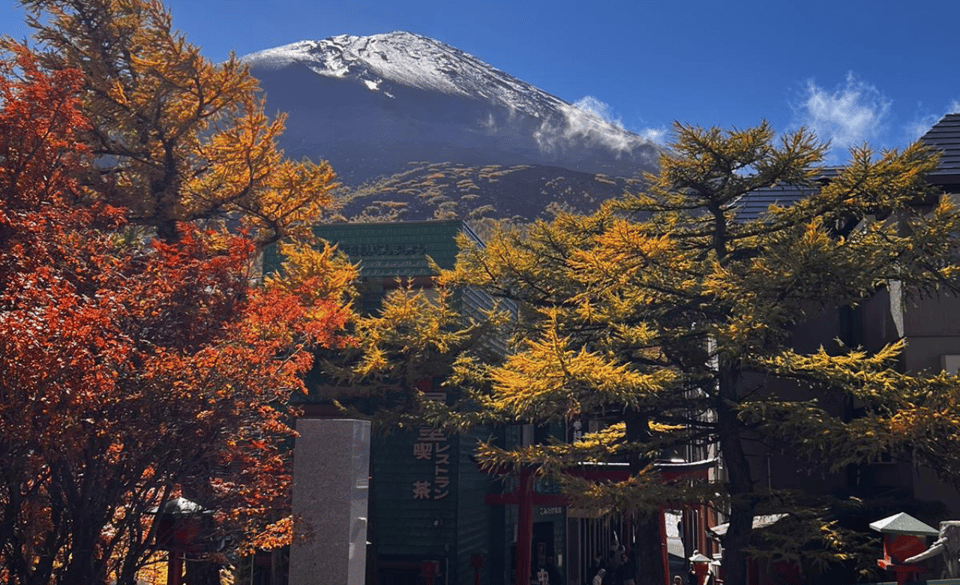
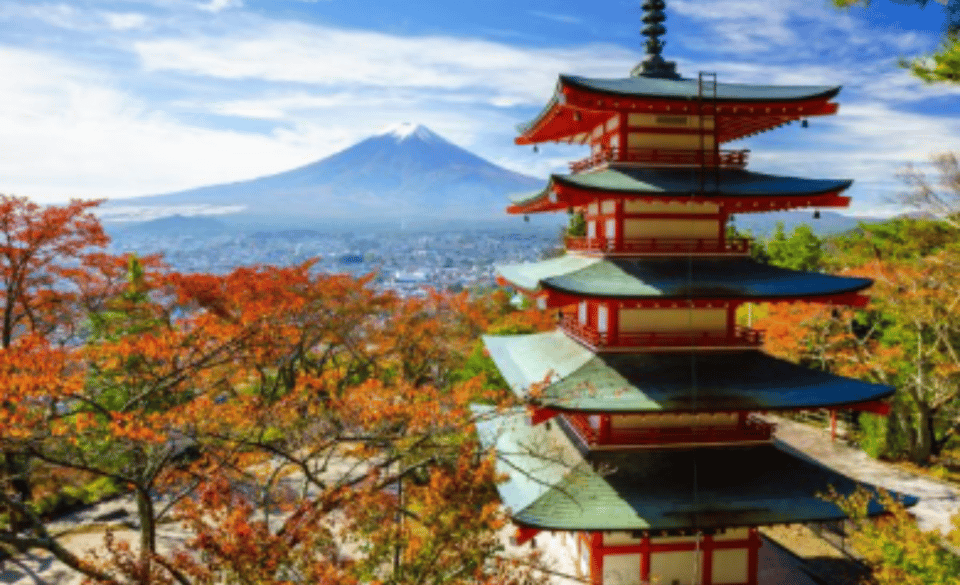
- Lake Kawaguchiko and Oshino Hakkai for the most recognizable Fuji-area stops
- Hakone add-ons such as Owakudani Valley and Lake Ashi depending on timing
- Small group size (up to 9) keeps the day from feeling like a conveyor belt
- English-speaking driver/guide helps you understand what you are looking at and where to go next
How this Tokyo-to-Fuji day really runs (and why it helps)
This is a 1-day experience in Honshu that uses a private vehicle to move you between multiple locations around Mount Fuji. You get transport from pick-up points that include Shibuya, Shinjuku, Chiyoda, Tokyo, and Kanagawa, and drop-off returns to similar areas, so you are not stuck arranging your own return.
A lot of the value is in how the day flows. Instead of doing a DIY Mount Fuji circuit with multiple transfers, you get one driver who can manage routing, timing, and the handoffs between stops. That matters because the region can eat time fast, especially if you are trying to fit Lake views plus shrines plus a possible Fifth Station.
One more practical note: you are in a vehicle-based day, not a slow walk-everywhere day. You will spend time getting from spot to spot, which is great for coverage but means you should plan for decent walking during each stop.
You can also read our reviews of more guided tours in Tokyo
Price and value: is $108 per group a bargain or a risk?
At $108 per group for up to 1 person, this can be one of the lower-priced ways to get a guided, English-friendly Mount Fuji day without you doing logistics. When highway tolls and fuel are included and you are picked up and dropped off, you are not paying extra for the hard part: getting out of Tokyo and around the Fuji/Hakone area.
The catch is that this is a tightly scheduled day where timing depends on things you cannot control, especially weather for the Fifth Station. Also, there is a key additional cost: a Mount Fuji entrance fee of 2100 yen per group is not included, so factor that in before you compare against other options.
So the value question becomes: do you want someone else to handle the driving and sequencing? If yes, this price structure can feel fair. If you prefer full independence and you are very weather-sensitive about getting to higher elevations, you might feel the constraints more.
Pickup, rules, and the little constraints that change your day
This tour is wheelchair accessible, and it runs with an English-speaking driver. You also have several pickup options, and pickup is described as optional depending on where you are staying, which is useful if you do not want hotel pickup.
But the rules are strict in ways that affect comfort. Cameras are not allowed, and food and drinks are not included. Food and drinks also are not allowed in the vehicle, which means you should plan to keep your snack needs for stops outside the car rather than trying to eat during transit.
There are also clear limitations on who it fits. It is not suitable for people over 287 lbs (130 kg), people with high blood pressure, or people over 70. If any of those apply, you should treat this as a safety match question before anything else.
Finally, the most important practical consideration from the real-world side: some bookings have reported no-show pickups or that the tour could not run due to pickup problems. I cannot predict whether that will happen for you, but you should reduce the risk by double-checking your exact pickup point and having your phone ready for any last-minute contact.
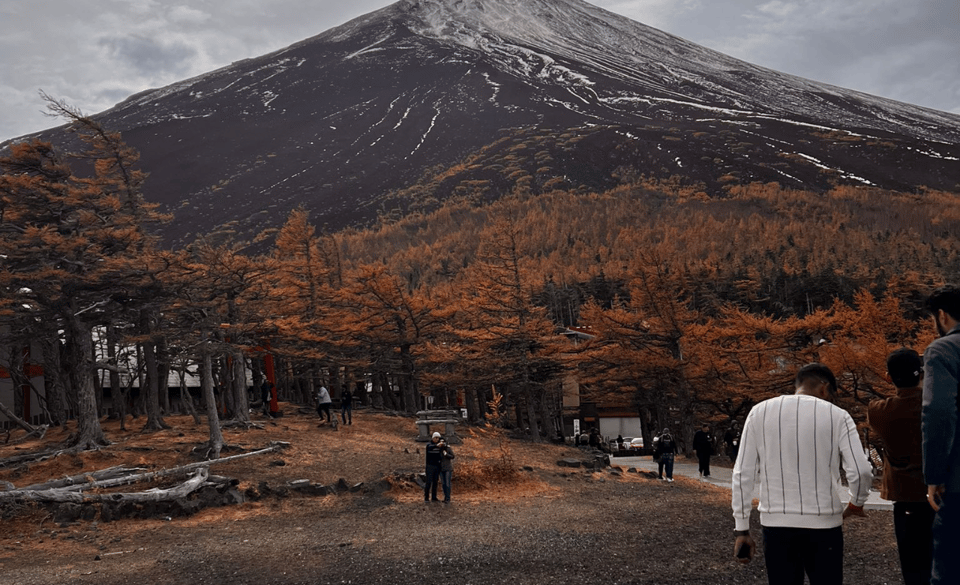
Mount Fuji Fifth Station: the weather-dependent moment
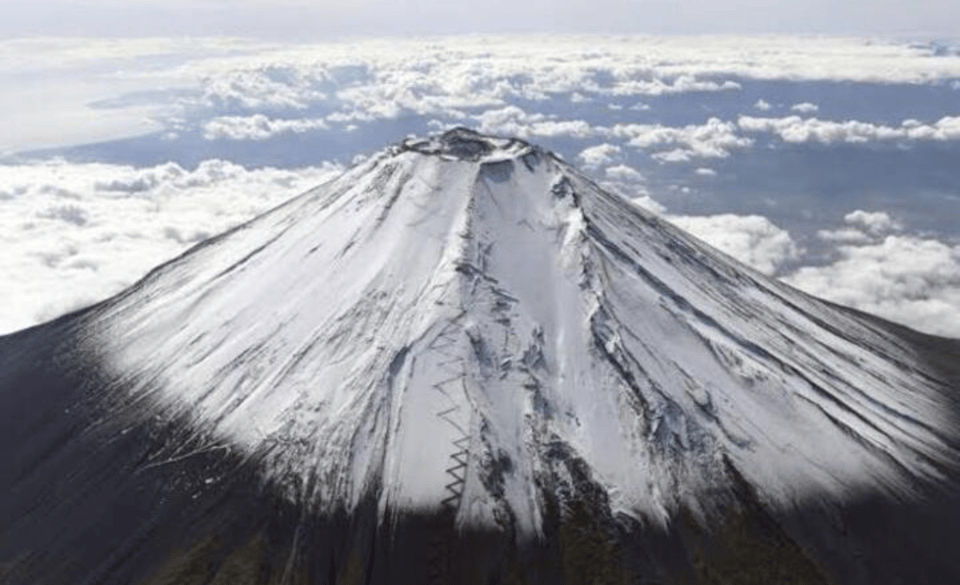
A highlight of this tour is the chance to go up to the Mount Fuji Fifth Station, if weather permits. This is the kind of stop that people talk about for a reason, because it changes the feel of the day from sightseeing to something closer to the mountain itself.
The practical drawback is also obvious: if conditions are not right, you will not get the higher stop. In that case, the day still continues with other major Fuji-area sights, but the “peak altitude” payoff may be reduced.
If the Fifth Station is your top goal, you should go into the day prepared for Plan B. Think of this stop as a bonus that depends on the sky, not a guarantee you build your whole day around.
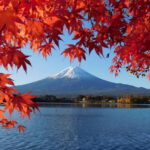
Lake Kawaguchiko: the Fuji postcard moment with a guided hand
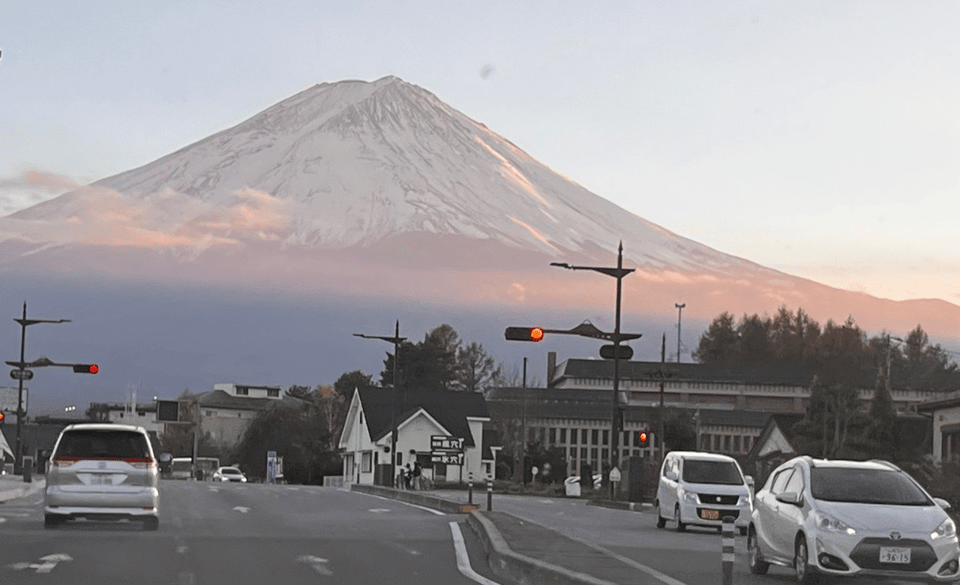
One of the core stops is Lake Kawaguchiko. This is the part of the day where the scenery tends to become the main attraction, and the pacing matters.
Having a guide and driver helps because you can spend your time looking and deciding where to stand or walk rather than trying to decode transit connections under time pressure. The tour structure includes a guided segment plus self-guided time at stops, and that mix is useful here: you get a direction boost, then you decide how long you want to linger at the lake.
A small consideration: because the day is packed, the time you want for the best light might not line up perfectly. You are not controlling the schedule from Tokyo, so if you are chasing specific photo timing, you might find it stressful.
Still, for most people, Lake Kawaguchiko works well as a “reset stop” between longer drive legs. It is one of the best places in this route to slow down and actually take in the Fuji-area vibe.
Oshino Hakkai: short wandering time that needs your energy
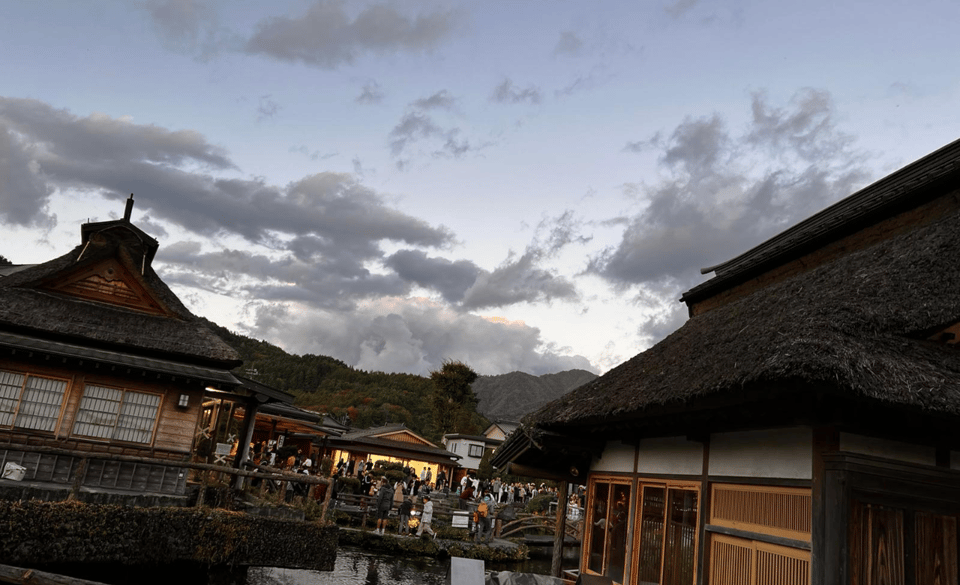
Next up is Oshino Hakkai. This is the kind of stop where self-guided time is valuable because you can choose your pace: quick stroll if you are on a tight schedule, or a longer wander if you want to linger.
The tour plan gives you a guided component and then a self-guided block (plus safety briefing). That structure is helpful here because small walking areas can feel confusing without context, and you want to avoid losing time by going in circles.
The main drawback is similar to other compact scenic zones: if you feel you need long, slow exploration, a 1-day itinerary might feel rushed. On the other hand, if you want a concentrated, “hit the highlights and move on” day, this stop fits the format well.
Arakura Fuji Sengen Shrine and other Fuji-area stops: how the day gains meaning
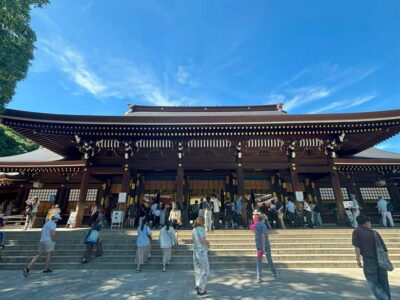
The tour includes Arakura Fuji Sengen Shrine as well as additional shrine stops like the Sengen Shrine Complex and Kitaguchi-hongu Fuji Sengen Shrine. It also includes Fujiyoshida Shrine and Shimoyoshida Honcho Street, among other options.
What I like about stacking these religious and street stops is that they add texture beyond pure views. Mount Fuji can feel like a single subject, but these stops help break the day into different themes: mountain worship, local streets, and the human side of living around the volcano-country geography.
The downside is that shrine and walking time can be sensitive to your personal energy level. If you are tired from travel, you may want to keep your self-guided walking purposeful and not get lost in “just one more loop.”
One more detail that matters: you cannot bring cameras, so your experience needs to be mostly observational. I would treat these stops as a place to watch, listen, and absorb rather than as a photo mission.
Owakudani Valley, Hakone, Saiko Iyashi-no-Sato Nenba, and Lake Ashi: the flexible extension
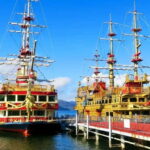
This tour also includes Hakone-related options, including Owakudani Valley and Lake Ashi, plus Saiko Iyashi-no-Sato Nenba. There is even a stop listed at LAWSON Kawaguchiko Station, which gives you a practical break point if you need something quick.
The value of these additions is simple: they let you turn a Mount Fuji day into a broader “Fuji plus the Hakone side” route. If weather hides the best views, having more stops can keep the day from feeling like a washout.
The trade-off is that extensions can add walking and timing pressure. This is still a 1-day schedule, and you will be bouncing between multiple areas. If you want one main focus only, you might find the extra stops too much. If you enjoy variety and you want to see more than just the lake and the mountain, this is where the tour becomes more satisfying.
Gotemba Premium Outlets: the comfort stop for real people
The itinerary includes Gotemba Premium Outlets. That is not just shopping—it is also a chance to regroup with a place that tends to be easy for everyone in the group to navigate.
If you get cold, tired, or want a predictable environment after multiple scenic stops, this is the kind of stop that can save the day. The only caution is that a shopping center can feel disconnected from the main theme if you were hoping for pure nature and mountain time.
What makes the guided experience work (especially with an English driver)
The tour is built around an English-speaking driver/guide, and that language support can make a big difference on a day full of place changes. Even when you get self-guided time, having someone who can explain where you are and what to do next helps you move smoothly.
One positive note from the experience: guides like Ali have reportedly been helpful and good at explaining Japanese culture, while still getting the group to many places. That is a strong combo, because it means you are not just being transported—you are also being oriented.
The negative side to remember is pickup reliability. Some bookings have reported wait times and no pickup showing up, with the tour then cancelled. I recommend you treat pickup as the one part you manage closely: know the exact meeting point, be early, and be ready to follow up right away if something feels off.
Packing and pacing: make the rules work for you
Because cameras are not allowed and food/drinks are not allowed (and not included), your “day prep” should be simpler than many tours but stricter too.
What I suggest you plan for:
- Dress for walking and viewpoint time, since most stops include at least some wandering
- Bring only what you need for transit and short walks, and avoid any camera items so you do not get stuck at the wrong moment
- Expect you will pay attention and not document everything, so wear comfortable shoes for the moving parts
And pace your expectations. This is not a slow museum-style day. It is a scenic circuit with multiple stop changes, so the best mindset is to enjoy each segment as it comes rather than waiting for the perfect moment.
Who this tour suits best (and who might feel boxed in)
This tour is a good fit if you want a small group day focused on Mount Fuji surroundings and you prefer guided structure over DIY planning. If you like the idea of hitting Lake Kawaguchiko and Oshino Hakkai while keeping an option open for the Fifth Station, it matches your goals.
It also suits people who want a little extra variety through Hakone stops like Owakudani Valley and Lake Ashi. If you are the type who gets restless on one-topic tours, the extra stops can keep your day feeling active.
If you are older (over 70), have high blood pressure, or your weight is over 287 lbs (130 kg), this tour is explicitly not suitable, so it is better to look for an alternative that fits your needs.
And if you hate schedule dependence—especially weather dependence for the Fifth Station—then be honest with yourself. This is a weather-aware plan, not a guaranteed climb.
Should you book this Mount Fuji day trip?
I would book this tour if you want an easy, guided Mount Fuji-area day with hotel pickup, English support, and enough flexibility to adapt when the Fifth Station cannot happen. The combination of Lake Kawaguchiko, Oshino Hakkai, and multiple shrine/street stops gives you variety, while the Hakone add-ons can add depth beyond just the mountain.
I would hesitate if you are extremely sensitive to missed pickups or if your whole trip depends on reaching the Fifth Station on a specific schedule. In that case, do extra homework on pickup details and keep a Plan B mindset for weather.
If you can handle a structured day with a little uncertainty built in, this can be a strong value way to experience a lot of the Fuji region without doing the driving math yourself.
FAQ
What is included in the Mount Fuji sightseeing tour price?
The tour includes meet and greet, petrol and gas, highway tolls, and an English-speaking driver. Round-trip transfers from your Tokyo hotel are included.
Do I need to pay an extra fee for Mount Fuji?
Yes. The Mount Fuji entrance fee is 2100 yen per group and is not included.
Will the tour definitely reach Mount Fuji Fifth Station?
Not always. The tour includes a trip up to the Mount Fuji Fifth Station, but it is only done if weather permits.
What pickup areas are offered?
Pickup is available from multiple options including Shibuya City, Shinjuku City, Chiyoda City, Tokyo, and Kanagawa. Drop-off is also available at those areas.
Is the guide always English speaking?
The driver is listed as English (with other language options also possible), and this specific tour is described as an English-speaking guide option.
Is food provided?
No. Foods and drink are not included, and food and drinks are not allowed in the vehicle.
What is not allowed during the tour?
Cameras are not allowed, baby strollers are not allowed, and food and drinks are not allowed (including drinks in the vehicle).