REVIEW · TOKYO
Tokyo: Sumo Morning Practice Viewing Tour at a Real Stable
Book on GetYourGuide →Operated by Local Guide Stars · Bookable on GetYourGuide
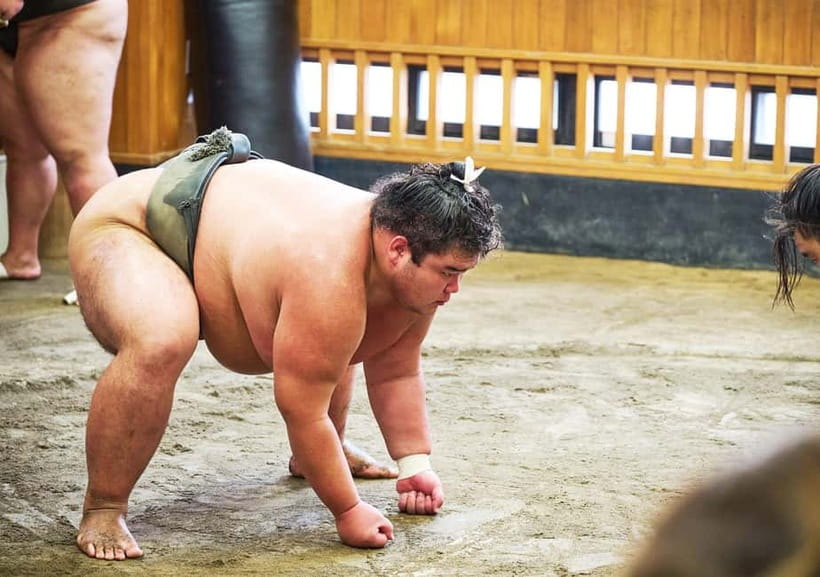
Sumo feels different at 9 a.m. This morning practice visit takes you into a real working stable, not a staged show, and puts you close to the intensity of training. You’ll also hear how every movement ties back to tradition and Shinto-rooted belief.
I love the English explanations that connect the sport to Japanese life, especially when guides like Mao, Kawa, Yuki, or Tomo set the stage before you enter. I also love the side-of-the-ring viewing, because you can read the effort and rhythm up close.
One catch: the stable is a workplace, so the rules are strict. You must keep quiet, stay seated (no standing around), phones silent, and once you leave, there’s no re-entry.
In This Review
- Key Things That Make This Tour Worth It
- Why Tokyo’s Sumo Morning Practice Hits Hard
- Meeting at Kiyosumi-Shirakawa Station and Getting to the Stable
- The Pre-Practice Briefing: Rules, Rituals, and What You’re Actually Seeing
- Watching Training Up Close: The Side-of-the-Ring View
- The Real Deal Sumo Lifestyle: Discipline, Sweat, and Spiritual Rhythm
- Talking With Wrestlers: Questions You Can Actually Ask
- Staying Until the End (and Why It Matters)
- Stable Etiquette That You’ll Need to Follow
- Who This Tour Is (and Isn’t) For
- Price and Value: Is $98 Worth a 2-Hour Morning?
- Timing Tips: How to Avoid the Most Common Problem
- Should You Book This Sumo Morning Practice Viewing Tour?
- FAQ
- Where is the meeting point for the tour?
- How long does the tour last, and when is the practice session?
- Is the stable visit suitable for children?
- What clothing and behavior rules do I need to follow?
- What happens if I leave the stable early?
- Can I cancel and get a full refund?
Key Things That Make This Tour Worth It
- Real stable access to a place that’s normally closed to the public
- English briefing on rules and rituals so you know what you’re watching
- Up-close practice viewing from the side of the ring
- Quiet observer rules that keep training as the focus
- A chance to speak with wrestlers outside training hours
- Early-morning timing that you need to respect, or the session can shorten
Why Tokyo’s Sumo Morning Practice Hits Hard
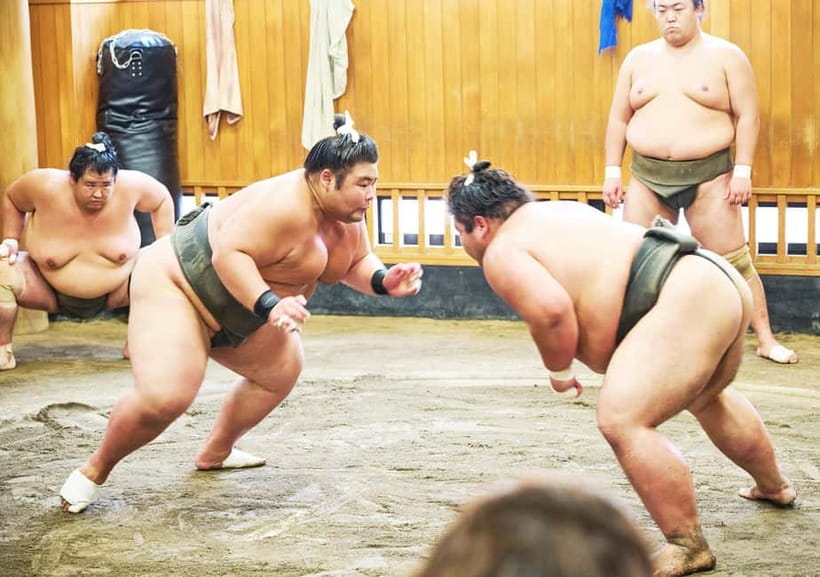
If you think sumo is only about the final clash, this tour corrects that fast. Morning practice is about repetition, control, and physical bravery. You’ll see the work that happens before tournaments and before the cameras.
I also like that the experience isn’t built around performance. The wrestlers train the way they train—full focus—while you watch from close range as a respectful visitor.
And because this is a training stable (where wrestlers live and work), the setting feels more grounded. You’re not looking at a museum-like exhibit. You’re watching people doing their job.
You can also read our reviews of more tours and experiences in Tokyo

Meeting at Kiyosumi-Shirakawa Station and Getting to the Stable
Your meeting point is Kiyosumi-Shirakawa Station (Exit A1). You can reach it via the Toei Oedo Line or the Hanzomon Line, which makes it easy to build into a Tokyo morning.
After you meet, you’ll likely take a train to the sumo stable. That means you should plan travel time like a grown-up: give yourself room for delays and getting from one platform to another.
Here’s a practical tip I’d follow: arrive early. If you’re late, entry may not be possible, and once you miss the start, you can lose more than just minutes.
The Pre-Practice Briefing: Rules, Rituals, and What You’re Actually Seeing
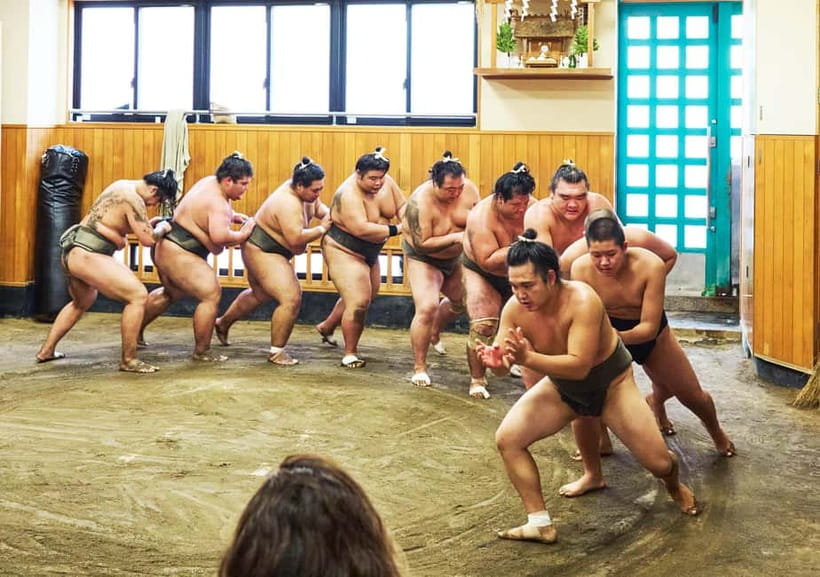
Before you step into the stable area, your English-speaking guide explains the sport in clear terms. This is where the tour earns its value. If you understand the basics, the practice stops being confusing and starts becoming fascinating.
You’ll learn the core win conditions: matches are won by forcing the opponent out of the ring or making any part of the body touch the ground. You’ll also hear about the meaning behind sumo’s rituals and how tradition shapes daily training.
What I like most is that the guide ties it to belief, not just rules. Sumo is rooted in ancient Shinto beliefs, so the ring and movements carry spiritual weight, not only athletic intent.
Watching Training Up Close: The Side-of-the-Ring View
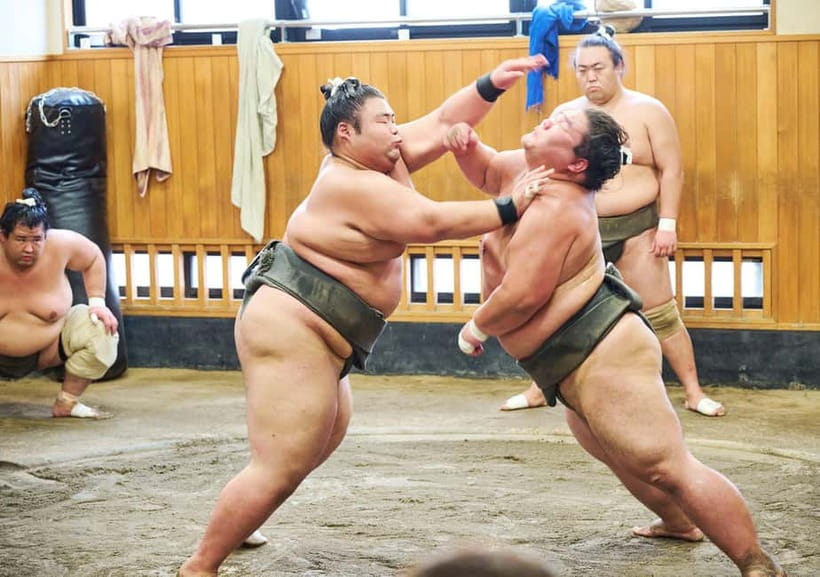
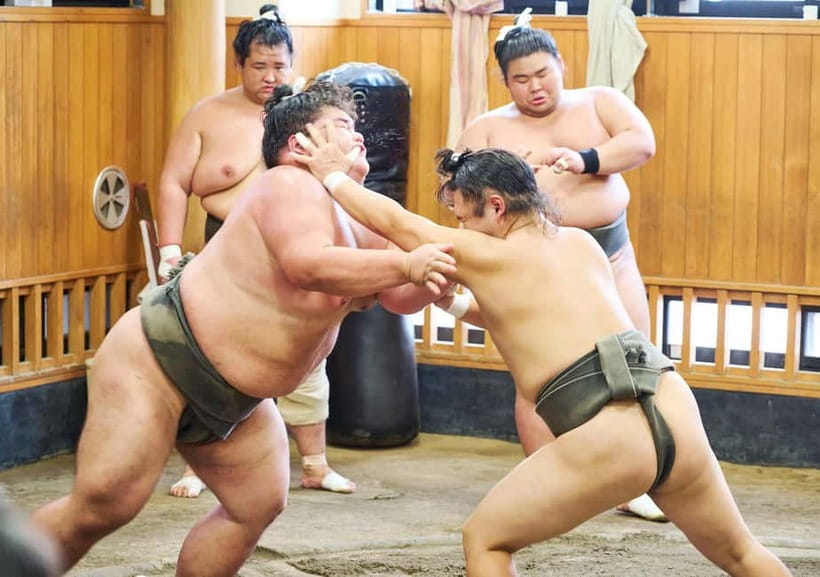
Once you enter the stable, you’re not in the back row. You sit on the side of the ring, close enough to feel how fast things happen and how intense the contact is.
Morning practice can look chaotic if you’re only watching the strongest bouts. But when your guide has already explained what matters, you start noticing technique: how wrestlers set their stance, how they control distance, and how they reset quickly after pressure shifts.
Also, this isn’t a loud “tourist show.” In fact, one of the strongest parts of the experience is how professional the environment feels. The wrestlers continue training like you’re part of the background noise plan—because you are.
The Real Deal Sumo Lifestyle: Discipline, Sweat, and Spiritual Rhythm
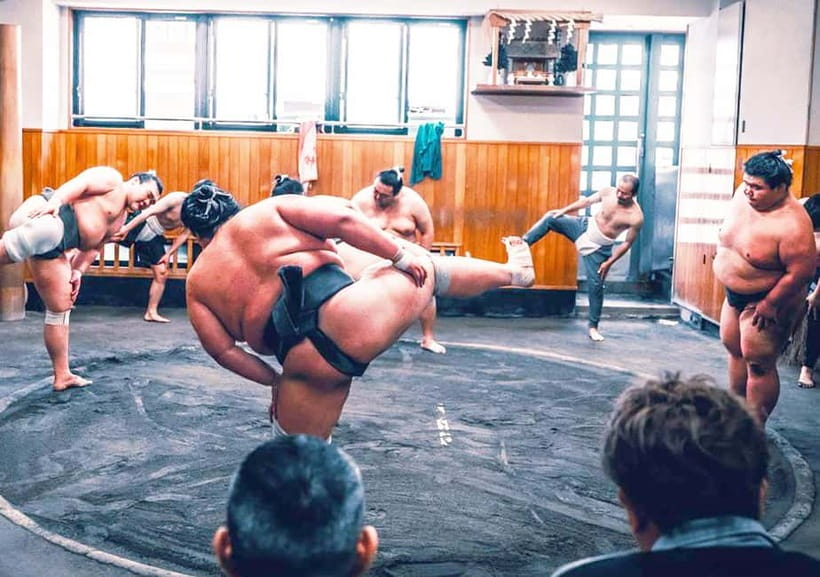
Training starts early and demands complete dedication. You’ll watch young wrestlers putting in hard work, chasing a dream of becoming top-ranked professionals. It’s not glamorous. It’s disciplined.
There’s also a rhythm to how rituals fit around the training. Even if you’re not religious, you’ll understand that sumo has a worldview. The sport sits at the intersection of athletic effort and tradition-based meaning.
And the fact that the stable is also where the wrestlers live and eat adds context. You’re seeing the sport as a life system, not an occasional event.





Talking With Wrestlers: Questions You Can Actually Ask
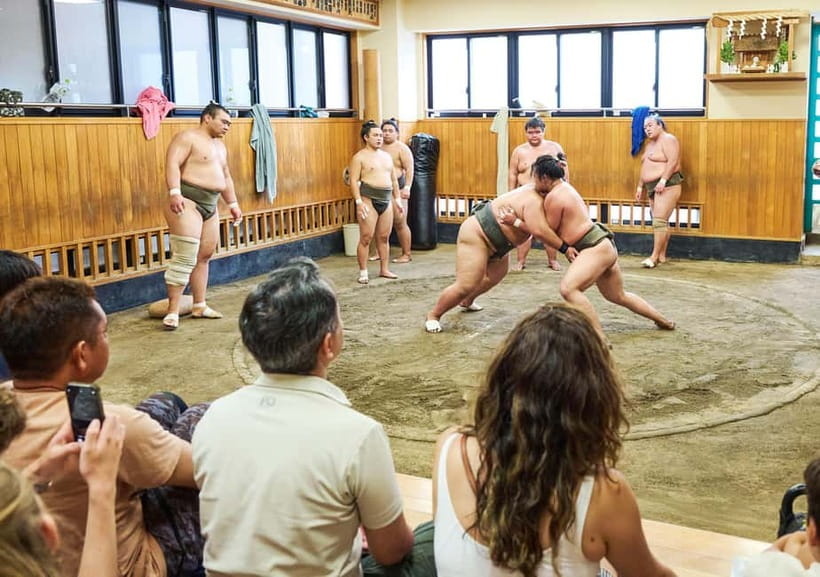
You’ll have an opportunity to speak with the wrestlers outside training hours. That’s one reason this tour feels more human than many “culture visits.”
If you get a chance to talk, keep your questions grounded. Ask what training feels like in the morning, or what a visitor should understand about the rituals. The best approach is curiosity plus respect.
Also, don’t assume every moment allows conversation. The stable runs on work time, so the guide’s direction matters. Follow the timing you’re given, and you’ll get more out of the experience.
Staying Until the End (and Why It Matters)
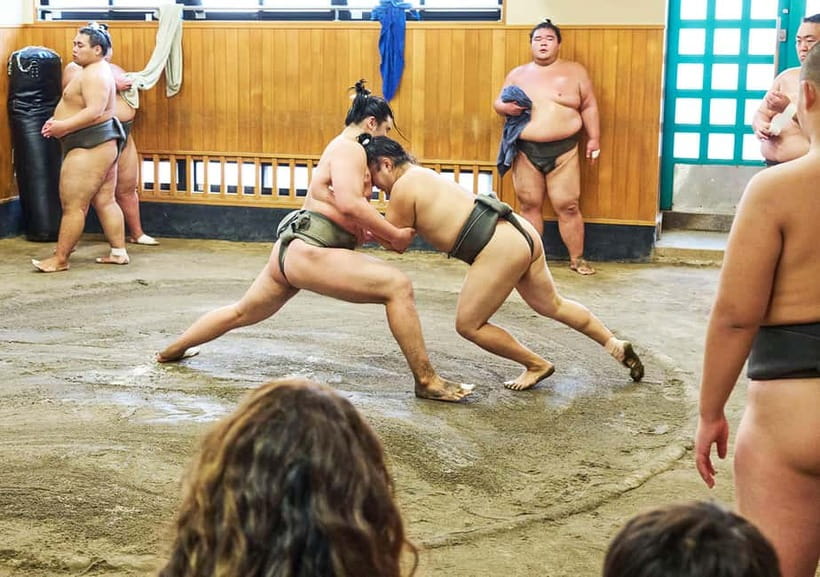
You must stay until the end of the practice session, roughly 09:00 to 10:00 AM. Leaving early isn’t just discouraged. Once you leave, there is no re-entry.
This matters for your schedule. If you have another appointment right after, build in a buffer. The practice/tour may be a bit shorter or longer than expected, so plan for some wiggle room.
And yes, this is one of those tours where “I’ll just slip out for a photo” doesn’t work. The stable rules are there to protect the flow of training.
Stable Etiquette That You’ll Need to Follow
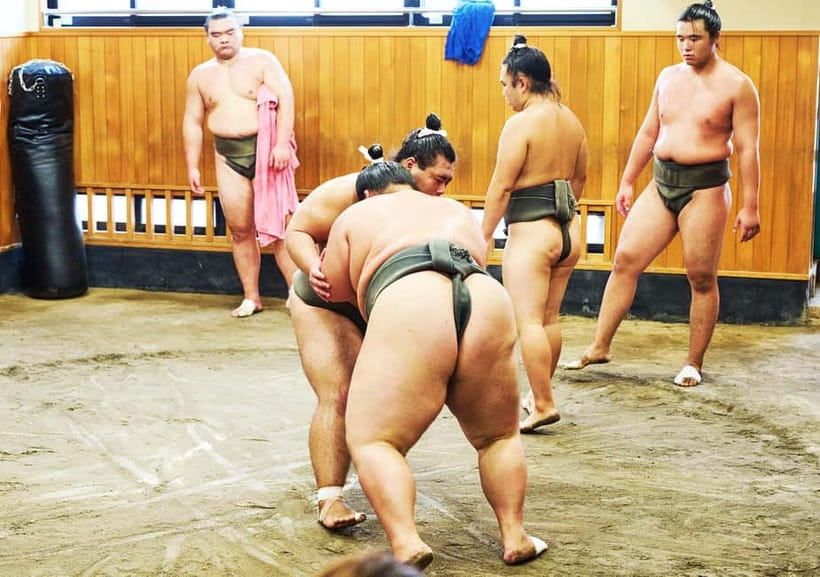
This is a place of work, so you’ll have to act like you understand that. The tour includes clear behavior expectations.
You must:
- Keep noise to zero during practice
- Wear modest clothing only
- Don’t stand up or move around during the practice
- Keep your phone on silent
You’ll also want to handle logistics before you enter. If you need the restroom, do it first. Once practice starts, your job is to watch, not manage distractions.
And one more practical warning: if you show up dressed casually in a way that doesn’t fit the modest clothing rule, you may be turned away or asked to adjust. Tokyo is easy about quick outfit fixes, so bring something simple that fits the expectation.
Who This Tour Is (and Isn’t) For
This tour is not suitable for children under 11 years of age. The quiet, rules-based format works best when everyone can sit through training without fidgeting.
If you love sports but also enjoy culture and ritual, this is a strong match. You’ll get physical intensity plus tradition context, and the guide helps you connect both.
If you’re expecting a big commentary-style show or lots of freedom to wander, you may be disappointed. The stable is controlled on purpose. The experience is about being a calm observer.
Price and Value: Is $98 Worth a 2-Hour Morning?
At $98 per person for about 2 hours, this isn’t a bargain tour. But it’s also not standard sightseeing.
The reason the price works is simple: sumo stables like this are normally closed to the public and access is rare. You’re paying for that door to open, plus the guide to explain what you’re seeing and the chance to speak with wrestlers.
You also get real proximity. Sitting close to the ring changes everything. When you watch sweat and footwork at that distance, you understand why sumo isn’t just a game of strength.
So I’d treat this like a value purchase for authenticity. It’s expensive compared to generic walking tours, but it’s fair for the access and the education you get in a short morning window.
Timing Tips: How to Avoid the Most Common Problem
The biggest risk isn’t weather. It’s being late.
If you miss the meeting time, entry may not be possible. Even when you’re not late-late, dragging your feet can shorten the time you spend inside once schedules tighten.
I’d plan to be early enough that you can slow down if you get lost for a moment. Tokyo transit is smooth, but entrances and exits can confuse you on your first try, especially at 8-something in the morning.
Also, remember the tour ends after the practice. You’ll need patience at the stable, then you can transition smoothly back into your day.
Should You Book This Sumo Morning Practice Viewing Tour?
Book it if you want a real stable, quiet respect, and an up-close look at how sumo training actually works. This is ideal for sport fans who also enjoy cultural context, because you’ll leave understanding the rules and rituals, not just taking photos.
Skip it if you need constant interaction, lots of standing around, or a kid-friendly, hands-on format for younger children. The rules are strict for good reason, and the tour is built for focused viewing.
If your dream is to see sumo as discipline and tradition—close, not staged—this is one of the best ways to do it in Tokyo.
FAQ
Where is the meeting point for the tour?
You meet at Kiyosumi-Shirakawa Station, Exit A1.
How long does the tour last, and when is the practice session?
The tour is about 2 hours, and the practice viewing runs roughly 09:00 to 10:00 AM.
Is the stable visit suitable for children?
No. This tour is not suitable for children under 11 years of age.
What clothing and behavior rules do I need to follow?
You must wear modest clothing only and follow stable rules: keep your phone on silent, don’t make noise, and don’t stand up or move around during the practice.
What happens if I leave the stable early?
You need to stay until the practice ends. Once you leave the stable, there is no re-entry.
Can I cancel and get a full refund?
Yes. You can cancel up to 24 hours in advance for a full refund.