REVIEW · TOKYO
Tokyo: Authentic Japanese Dance Show ticket by professionals
Book on GetYourGuide →Operated by YUKI YOSHIDA · Bookable on GetYourGuide
A dance show in Shinjuku feels like time travel. In this performance by professionals in Shinjuku, you get traditional Japanese dance up close, with details like kimonos that you can actually see clearly from the audience. It is built for people who want art, context, and an easy night out in Tokyo.
I especially like two things: the expressions are sharp and readable from nearby, and the show adds helpful English information between performances so you can follow what is happening without needing a background in dance. The staff are also described as kind and welcoming, with a relaxed chance to talk before or after.
One possible drawback to plan for: no photography during the performances. You will still get a photo window at the end, but if you want to film the whole show, this is not for you.
In This Review
- Key Things You’ll Notice Fast
- Shinjuku Access Makes This Cultural Night Easy
- The Pros on Stage: YUKI YOSHIDA and Award Winners
- What 400 Years of Japanese Dance Looks Like In Real Time
- Kimonos, Faces, and the Close-By Stage Effect
- Before the Dances, Between the Dances, and After: How the Night Flows
- Photography Rules: What You Can and Cannot Capture
- Price and Value: Is $54 a Fair Trade for Traditional Dance?
- Who This Show Suits Best (and Who Might Not Love It)
- Practical Tips to Make Your Evening Smoother
- Should You Book This Japanese Dance Show in Shinjuku?
- FAQ
- What is included in the ticket price?
- Is food included?
- Is hotel pickup included?
- Can I take photos during the performance?
- What language is used during the show?
- Can I bring children, and is childcare available?
- What is the cancellation window?
Key Things You’ll Notice Fast
- Shinjuku is a practical choice for a traditional performance night without complicated logistics
- Award-level Japanese dancers perform the numbers, not just a cultural demo
- 400 years of technique and style show up in the movements and storytelling
- Kimonos and delicate decorations are a major part of the experience, not background noise
- Photography restrictions during the show keep focus on the performance, with photos allowed at the end
- Childcare support may be available through a kids program if you reserve ahead
Shinjuku Access Makes This Cultural Night Easy
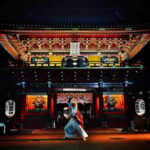
Tokyo can be a lot. Needing to cross town, hunt for a venue, and then arrive just in time is stressful on a good day. This show’s Shinjuku location is a smart base because Shinjuku is already where you can spend a normal evening: dinner nearby, train access, and plenty of things happening if you arrive early.
Also, the pacing of the night matters. You are not stuck doing a long, formal museum-style loop. You get a focused experience with a clear start, a performance you can concentrate on, and then time afterward. That structure is ideal if you only have one or two nights in Tokyo where you really want a cultural moment.
If you like “set it and forget it,” this is the kind of ticket that feels simple: buy, show up, watch. The venue and the show design aim to keep the attention on the dancers rather than on screens, sound checks, or distractions.
You can also read our reviews of more tours and experiences in Tokyo


The Pros on Stage: YUKI YOSHIDA and Award Winners
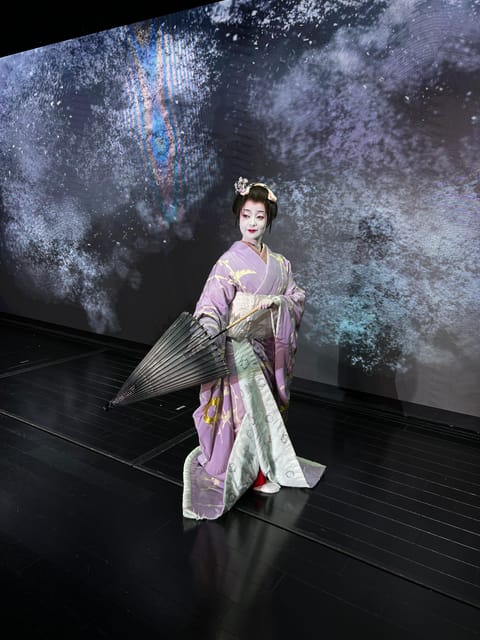
This performance is provided by YUKI YOSHIDA, and the show is performed by Japanese dancers with competition recognition. In plain terms: this is not a casual class recital where the main goal is participation. It is stage work, polished for audiences, with professionals who have earned credibility through competitive practice.
That matters, because Japanese dance is detail-heavy. It is not only about big gestures. It is about timing, tension, transitions, and how the body communicates emotion. When performers have training that has been refined through competition, the audience usually feels it right away in the precision.
From the information you are given, the show also includes context so the art lands better. Several notes point out that staff and performers can speak English well, and that there are English explanations between dances. That is a big deal for foreign visitors. You do not have to decode everything on your own.
And there is a human side too. After the performance, there is time to take pictures, and there are mentions of the performers and staff being happy to talk. That turns the night from a one-way spectacle into a real cultural exchange, even if you only share a few words.
What 400 Years of Japanese Dance Looks Like In Real Time
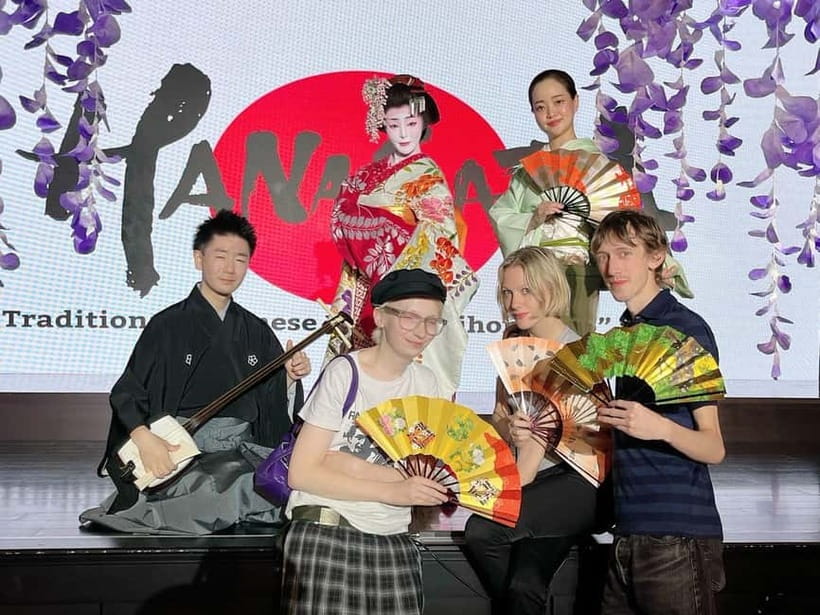
The show’s theme is traditional Japanese dance passed down for 400 years. That phrase can sound abstract. On stage, it becomes something you can feel: the way movements repeat with variation, the way posture and hands carry meaning, and the way music and motion lock together.
Japanese dance often tells stories through forms. Even when you do not understand every vocabulary term, your brain picks up patterns: stillness, change, and emotional emphasis. Watching professional dancers makes this easier, because they hold the shapes long enough for you to notice the intention behind them.
One thing I like about the way this performance is presented is that it frames technique as culture, not just choreography. The art is described as reflecting Japan’s history, culture, and soul. You can treat the night as entertainment, but it is also structured like a short lesson: movement plus explanation plus visuals like costumes.
And yes, the emotional impact is real. Multiple comments describe the performances as touching, beautiful, and capable of transporting people back to earlier eras such as the Edo period. Even if you are skeptical of “transported” language, you will still likely feel the difference between a polished performance and a casual dance demo.
Kimonos, Faces, and the Close-By Stage Effect
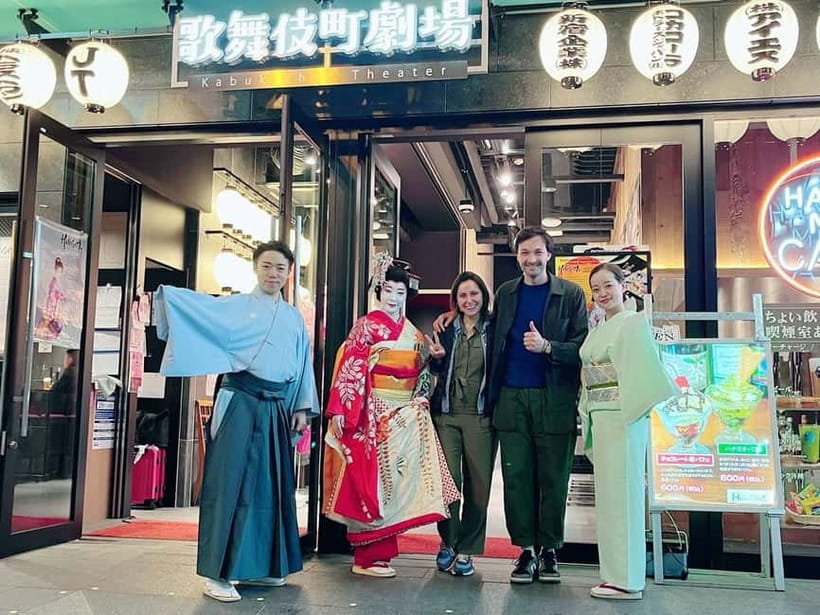
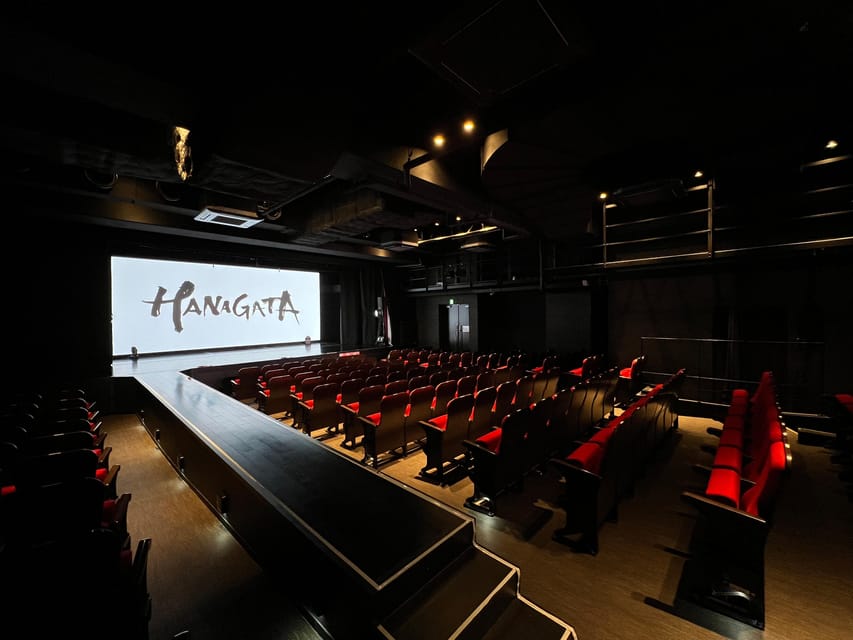
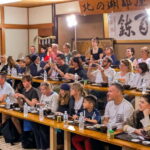
A lot of cultural shows fail at one simple task: they do not give you enough proximity to notice what makes the art special. Here, the big advantage is that you can see the dancers up close.
From nearby, you catch facial expressions. That is huge in dance storytelling. A gesture means one thing when it is supported by a face. Without that, you only get shapes.
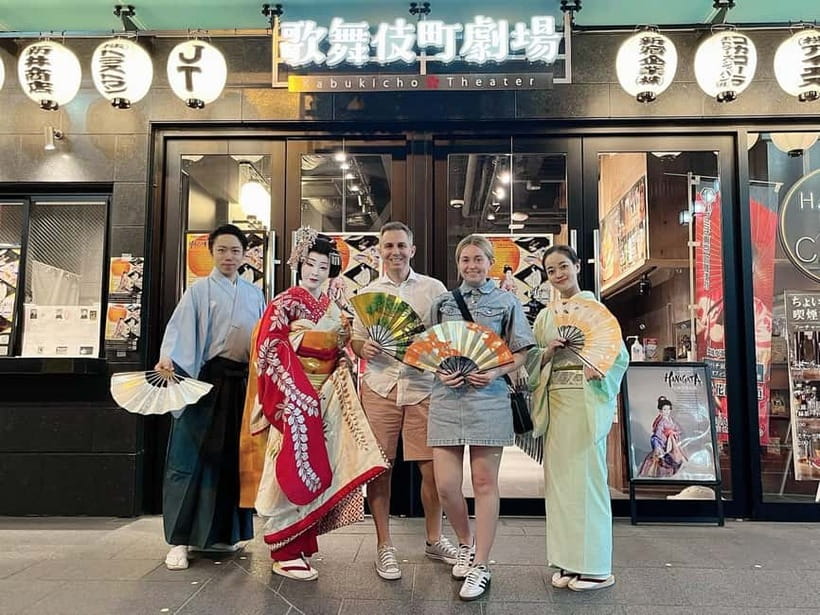
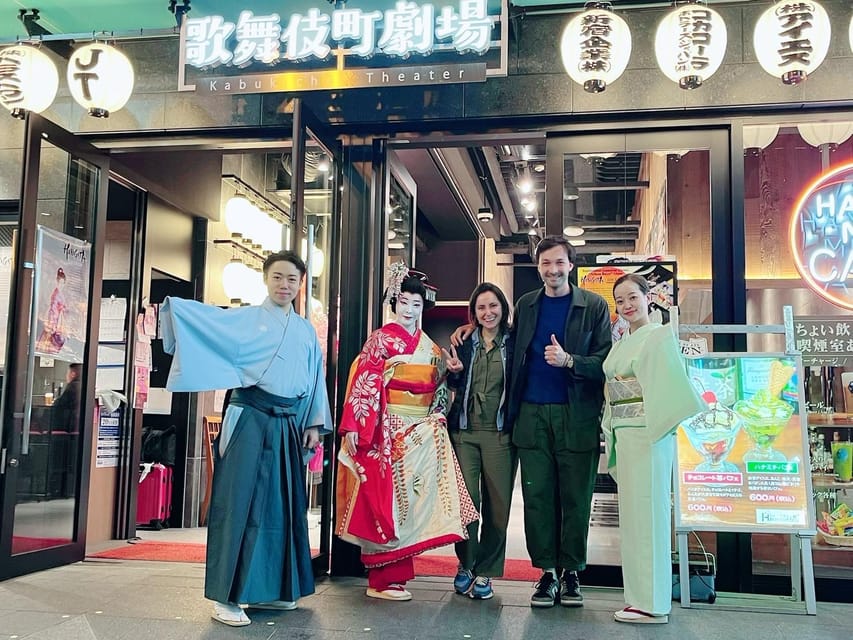
Then there are the kimonos. The information highlights the beauty of the costumes and the delicacy of decorations. In Japanese performing arts, costume is not decoration for decoration’s sake. It is part of the visual language. When a dancer moves, the fabric, patterns, and structure shift in a way that supports the emotion and the tempo.
There is also a practical takeaway for your planning: because cameras are restricted during the performance, the venue encourages you to actually watch instead of turning the show into a scroll of phone screens. That usually makes people see more.
One note you might appreciate if you worry about seating: there is an opinion that there is no bad seat in the house. While you should still arrive early enough to find your place comfortably, it suggests the venue is built for views of the stage and dancers, not for spectators stuck at awkward angles.
Before the Dances, Between the Dances, and After: How the Night Flows
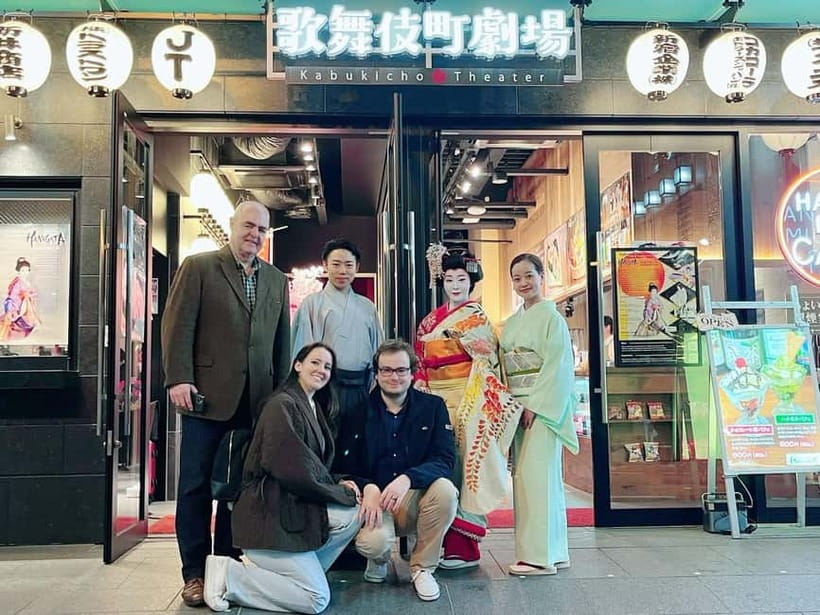
Even without a detailed timed schedule published here, the structure of the experience is clear: you arrive, there is a period that sets the scene, you watch the performances, you get information between parts, and then you finish with photo time.
You should expect welcome moments. One comment specifically mentions welcome gifts, which is a nice touch when you want something more than just an envelope ticket.
During the show, photography is prohibited. That rule helps keep the room focused and gives the performance a calm atmosphere. It also means you will likely rely on your own eyes and attention, not a device.
Between performances, there are English explanations. That is one of the strongest value signals in the whole experience. It turns the show into something you can understand in the moment, and it helps you connect the technical movement to the story or emotion being expressed.
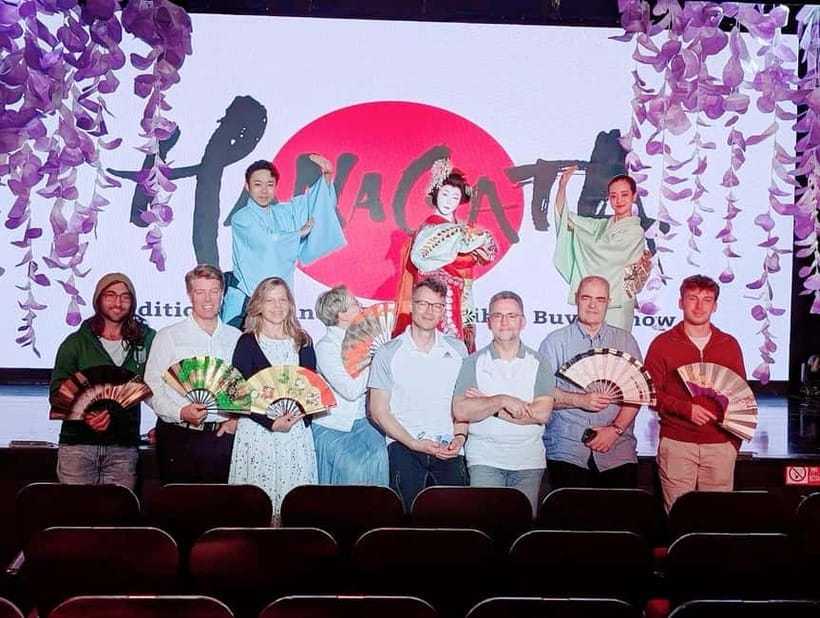
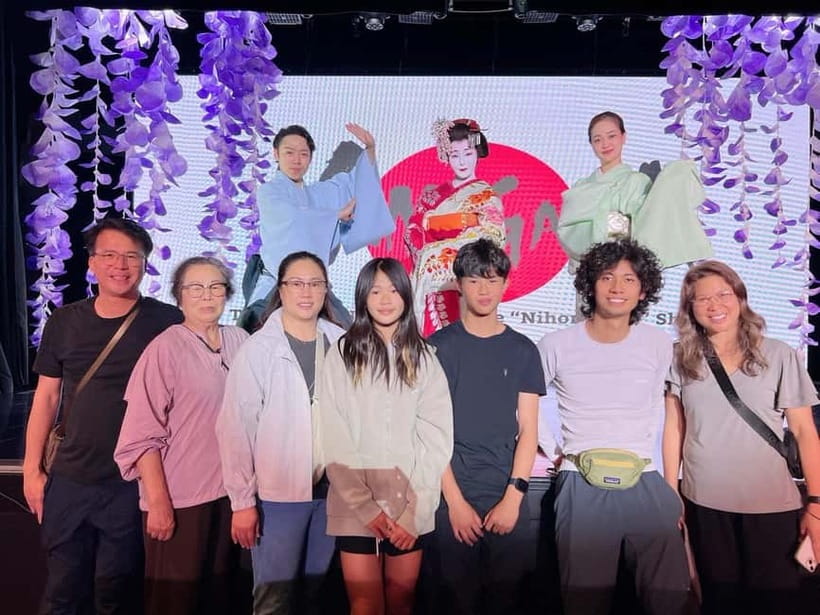
At the end, there is time for pictures. That gives you a way to capture memories without interrupting the performance itself. If you are the kind of person who wants one or two photos for your travel album, this end window usually hits the sweet spot.
Another small but important detail: multiple comments describe staff and performers as friendly and willing to talk. So if you are curious, you can ask simple questions. Even a few words can make the night feel more personal.
You can also read our reviews of more tours and experiences in Tokyo

Photography Rules: What You Can and Cannot Capture
This show has a clear rule: no photography inside during performances. That includes taking photos during the main numbers.
What you can do instead:
- Plan to watch the dance without a camera in your face.
- Think of your photos as the follow-up, not the main event.
- Use the end-of-show photo time to get your memory shots.
The reason this rule exists is also part of the experience. It is designed to let every audience member focus. You will probably notice how quiet and attentive the room feels during the performance because phones are not constantly popping up.
If you are traveling with a group and one person is determined to film everything, this restriction can create friction. It is worth aligning expectations before you sit down.
Price and Value: Is $54 a Fair Trade for Traditional Dance?
At $54 per person, this is not the cheapest night you can buy in Tokyo. But value is not only about price. It is about what you get for your money and how much of it you actually experience.
Here is what makes the price feel reasonable based on the information provided:
- You are paying for professional dancers with competition awards, not a casual demonstration.
- You get costumes (kimonos and decorations) and close-up viewing that a lot of larger, more distant performances do not offer.
- You receive cultural context with English information between dances, which is a practical benefit for non-Japanese speakers.
- The photo policy is handled with a balanced approach: no disruption during the show, then photo time at the end.
What is not included is also clear. Food and beverage are not included, and there is no hotel pickup. That means you should plan to grab a meal before or after, and handle your own ride to the venue like you would for any Shinjuku activity.
So who will feel the $54 is worth it? People who like arts, want something genuinely Japanese, and care about understanding what they are seeing. If your goal is only a quick spectacle with zero explanation, there are cheaper options. But if you want a night that feels both beautiful and meaningful, this lands in the right value zone.
Who This Show Suits Best (and Who Might Not Love It)
I think this works best for:
- Anyone who loves Japanese art forms and wants a focused live performance
- People who want a cultural experience without needing Japanese language fluency
- Visitors who like close-up storytelling, where facial expression and costume details matter
- Families who want to bring kids, since childcare may be available via a kids program you can reserve ahead
Because the show has English explanations between performances and staff described as friendly and welcoming, it can also work for first-time Japan visitors who are still trying to get their bearings.
Who might skip it? If you strongly prefer filming the whole show, you will be frustrated by the no photography during performances rule. Also, since languages are Japanese, the performance itself is not in English; the English support is described as occurring between dances, not that the whole show is narrated in English.
Practical Tips to Make Your Evening Smoother
A few small things can make your experience better:
- Arrive with a phone-camera mindset reset. Save photos for the end window.
- Treat the English bits between performances like part of the show, not “extra.” That is where the meaning clicks.
- Wear something comfortable. Even if you are just sitting, dance is about motion and you will likely lean forward when the action gets intense.
- If you are going as a couple or group, decide ahead of time how you will split attention between watching and any costume details.
Also, the staff are described as knowledgeable in a kind way, and multiple notes mention English ability. That makes it easier to ask simple questions after the performance when curiosity is highest.
Should You Book This Japanese Dance Show in Shinjuku?
If you want an authentic Japanese performing arts night that feels structured, professional, and easy to understand, I would book it. The combination of award-level dancers, close-up viewing, kimonos you can actually see, and English context between dances makes the price feel earned.
If you are traveling light and want something that is very clearly “Japan,” this fits. And if you are the type of traveler who enjoys learning while you watch, you will probably leave with a better sense of what Japanese dance communicates beyond movement.
Skip it only if your main goal is filming everything during the performance. Otherwise, this is a strong choice for a memorable evening in Tokyo that you can talk about for a long time.
FAQ
What is included in the ticket price?
The ticket includes entrance to the show.
Is food included?
No. Food and beverage are not included.
Is hotel pickup included?
No. Hotel pickup is not included.
Can I take photos during the performance?
No. Photography is prohibited during performances. There is a time at the end for taking pictures.
What language is used during the show?
The show uses Japanese.
Can I bring children, and is childcare available?
Childcare for children while you enjoy or participate in activities can be provided. You need to reserve through the kids program link.
What is the cancellation window?
You can cancel up to 24 hours in advance for a full refund.