REVIEW · TOKYO
Tokyo: Fast & Furious Tokyo Drift 3 Experience (Kaila Yu SP)
Book on GetYourGuide →Operated by Tokyo Turismo Ltda · Bookable on GetYourGuide
Fast cars at night change Tokyo fast. This tour takes you onto the Wangan/C1 route with tunnels, then hits Daikoku PA and the Rainbow Bridge views over Tokyo Bay and Odaiba. I like how it feels like car culture in motion, not a sightseeing bus loop, and I also like the way the experience is guided by real car enthusiasts and pro drivers. One drawback to factor in: you do not always get to choose the exact car, and if you end up in a smaller sports coupe, the seating may feel snug for some people.
The night is built around a few anchor stops. You’ll get a dedicated A-PIT Autobacs stop (about 30 minutes), plus free-entry time at Daikoku’s famous meeting vibe, and you finish with a scenic push past major landmarks like Tokyo Tower or Shibuya Crossing. At $157 per person, it can feel like good value because fuel and tolls are covered and you also get a FREE drop-off within Tokyo’s 23 wards, not just a curb close to the last stop.
In This Review
- Key highlights you should circle
- What makes Wangan/C1 + tunnels the main event
- Where you start: Store TOKYO VIDEO GAMERS setup time
- Daikoku PA JDM meeting: the free-entry stop that people remember
- A-PIT Autobacs: 30 minutes that feels small, but useful
- Rainbow Bridge: why the bay views hit at night
- Tokyo Tower vs Shibuya Crossing: pick your night mood
- The cars: real JDM variety, but availability controls everything
- Guides and pro drivers: what the best nights have in common
- Not private, shared by design: what that means for your night
- Price and value: why $157 might be a fair deal
- Who should book this (and who should think twice)
- Should you book Fast & Furious Tokyo Drift 3?
- FAQ
- What is included in the tour price?
- Where do we meet for the Tokyo night drive?
- Is this a private tour?
- Can I choose which car I ride in?
- Which sightseeing stops are part of the route?
- How do you handle weather or highway closures?
- What should I bring?
- What is the cancellation window for a refund?
Key highlights you should circle
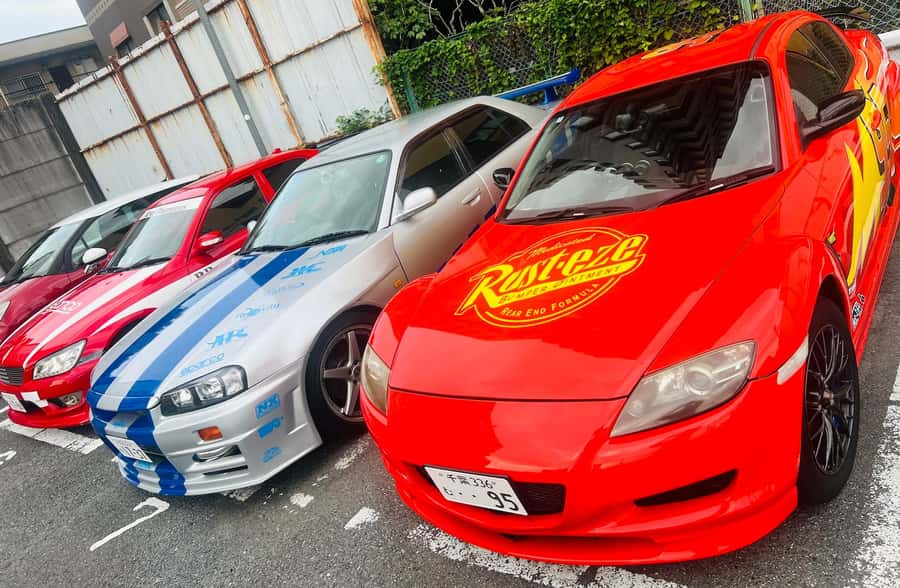
- Daikoku PA free-entry car meeting with that underground, late-night JDM energy
- A-PIT Autobacs for about 30 minutes at one of Tokyo’s biggest car-supply stores
- Rainbow Bridge at night for Tokyo Bay and Odaiba photo light
- Wangan/C1 tunnels and expressways where the city lights look better from a fast-moving car
- Hotel or Airbnb drop-off across Tokyo 23 wards so you’re not stuck finding your way back
What makes Wangan/C1 + tunnels the main event
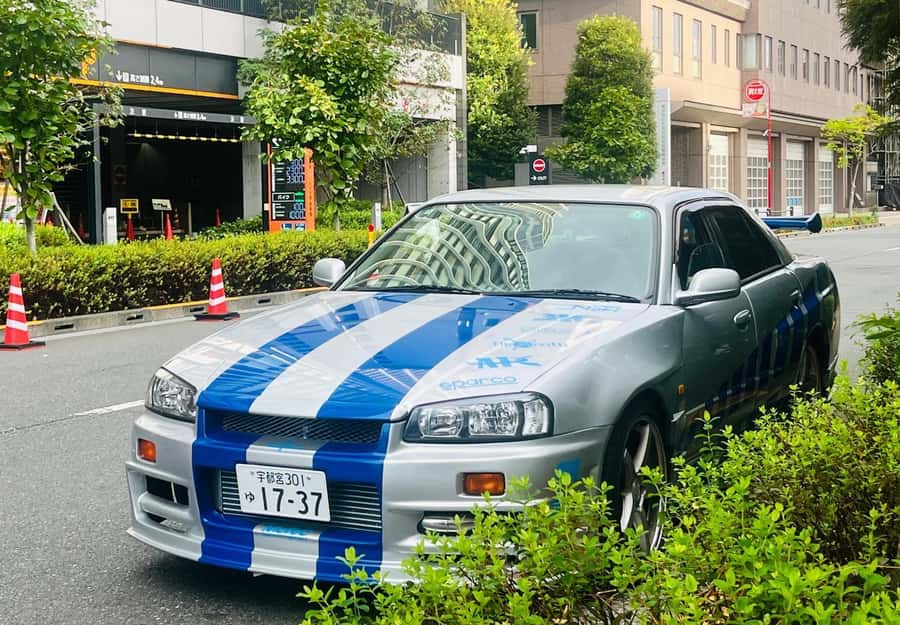
Tokyo’s roads can look impressive in daylight. At night, they feel different. This is the kind of drive where the city lights turn into motion, and the tunnel sections add that rushy, film-style contrast between glowing signage and dark road.
You also get the Bay-area rhythm of Wangan. That matters because it keeps the night from feeling like one long straight line. You’re not just passing landmarks; you’re moving through them, with views that pop more when the skyline is lit and the streets are quieter.
Safety is part of why this works for most people. The drivers are residents and car enthusiasts, and they run best routes with traffic and timing in mind. Even with the faster pace you’ll feel in the seat, the overall goal is an exciting ride without chaos.
You can also read our reviews of more tours and experiences in Tokyo.



Where you start: Store TOKYO VIDEO GAMERS setup time
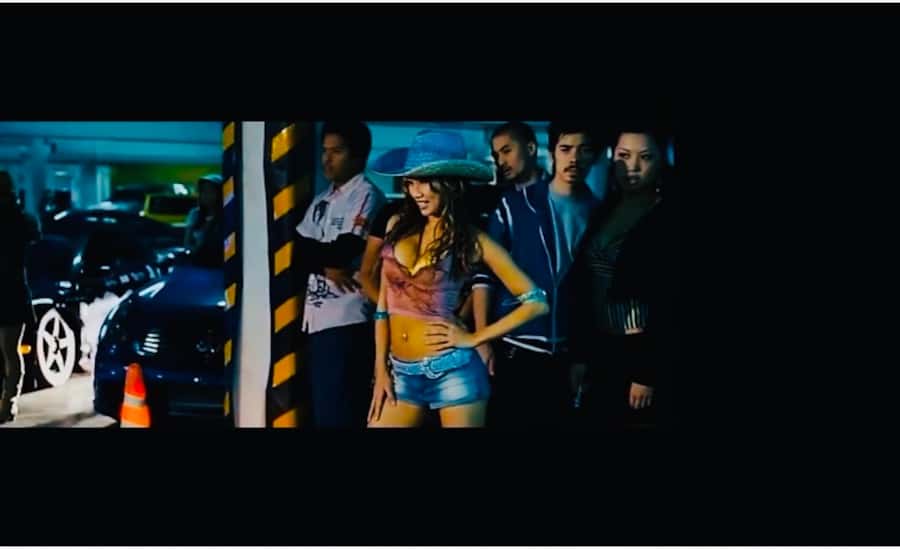
Before the engines, you meet at Store TOKYO VIDEO GAMERS. You get a free Guaraná drink and the arcade is free, which is a smart touch for two reasons: it breaks up the wait before departure, and it helps you settle into the night’s mood without feeling rushed.
Aim to arrive at least 15 minutes early. The tour also tolerates delays up to 15 minutes, so late arrivals can tighten the schedule. If anything goes sideways, the plan is simple: send a message on WhatsApp so the team can check your information and decide the best move.
One practical tip: turn on WhatsApp notifications ahead of time. You’ll receive a message at least one hour before starting time, which helps you avoid the classic Tokyo problem of missing the key detail while you’re jumping between train lines.
Daikoku PA JDM meeting: the free-entry stop that people remember
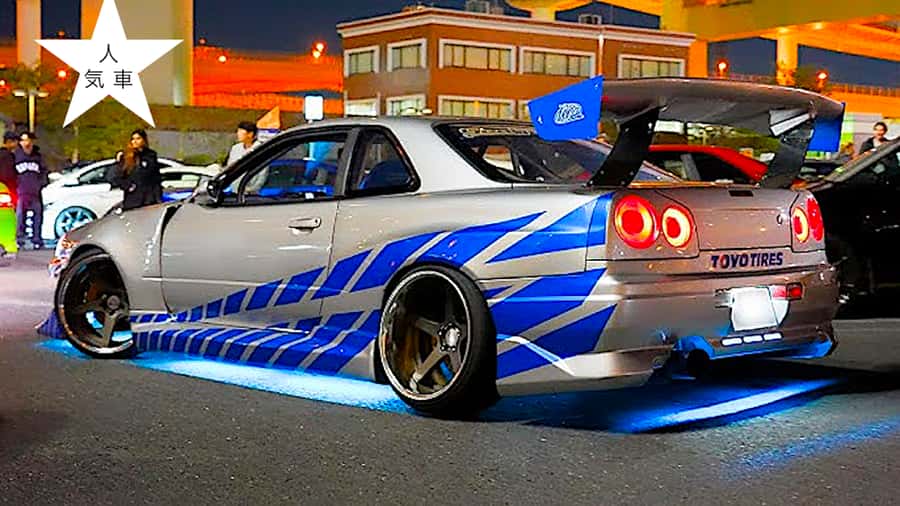
Daikoku Parking Area is the headline stop for a reason. This is where the car culture vibe goes from city-adjacent to full-on car gathering energy. The tour includes entry that’s free, so you’re not paying extra just to stand near the cars you came to see.
What makes this stop special is the feeling of being “in it” rather than watching from a distance. You’re there during the night flow, when the scene is at its most active and when photos look better because headlights and underglow-style lighting stand out.
There’s also a useful tradeoff here. Because you’re traveling with a group and cars are part of the event, you’ll spend real time at the meeting spots. That helps you actually see the cars up close instead of treating each stop like a quick photo sprint.
One consideration: if weather affects the number of cars showing up, you should mentally prepare for the meeting size to change. The tour team says they still run the experience normally, but you may not see every variation you hoped for in the car lineup.
A-PIT Autobacs: 30 minutes that feels small, but useful
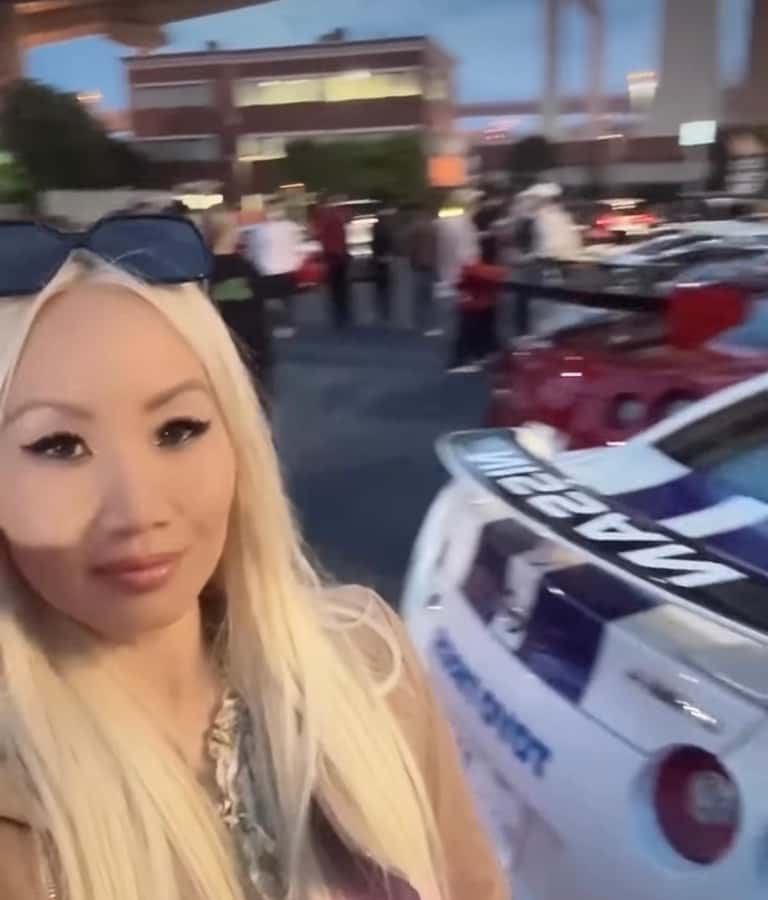
After Daikoku, you’ll head to A-PIT Autobacs for about 30 minutes. This stop is not just scenery. It’s the chance to shop at one of Tokyo’s biggest car-supply stores, which is perfect if you like the idea of buying something you can’t easily find at home.
Think of A-PIT as your “souvenir but make it car” stop. Even if you’re not buying parts, you can still browse accessories, merchandise, and the kind of gear car people actually care about. And because you only have about 30 minutes, the best way to enjoy it is to arrive with a game plan: decide what you want to look for, not just wander with zero direction.
Also, this is a shared tour, so you may not get the same pace as a solo shopping run. The time limit is short by design, which keeps the night moving and lets you hit the bigger view stops later.
Rainbow Bridge: why the bay views hit at night
One of the best parts of the route is crossing Rainbow Bridge. Passing over Tokyo Bay and toward Odaiba gives you skyline and water in one frame, and that nighttime lighting is what makes the drive feel cinematic.
This stop works as a payoff for the earlier city-and-tunnel sections. You go from tight-feeling expressways and dark tunnel stretches to open views where Tokyo looks huge. If you care about photos, this is where you’ll want to be ready. The vibe is best when you’re paying attention to the timing of the light and not fumbling for your camera.
There’s also a pacing reason this section matters. It tends to be the moment where the ride “resets” your eyes, so the night doesn’t feel like one long blur.



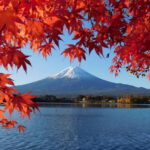
Tokyo Tower vs Shibuya Crossing: pick your night mood
The tour includes a scenic night view that lands at Tokyo Tower or Shibuya Crossing. Both are iconic, but they create different kinds of energy.
Tokyo Tower is more classic and framed. Shibuya Crossing is more electric, with dense city lights and that instantly recognizable intersection feel. Which one you get can depend on the flow of the route and timing.
Either way, you’ll finish the night with a sense that you covered the big-name Tokyo moments the right way: after dark, on a route that keeps Tokyo moving instead of pausing you at the curb.
A helpful mindset: don’t try to treat this as a third sightseeing day. Think of it as a final act to cap off the car-night theme. If you chase it like a checklist, you’ll miss the point.
The cars: real JDM variety, but availability controls everything
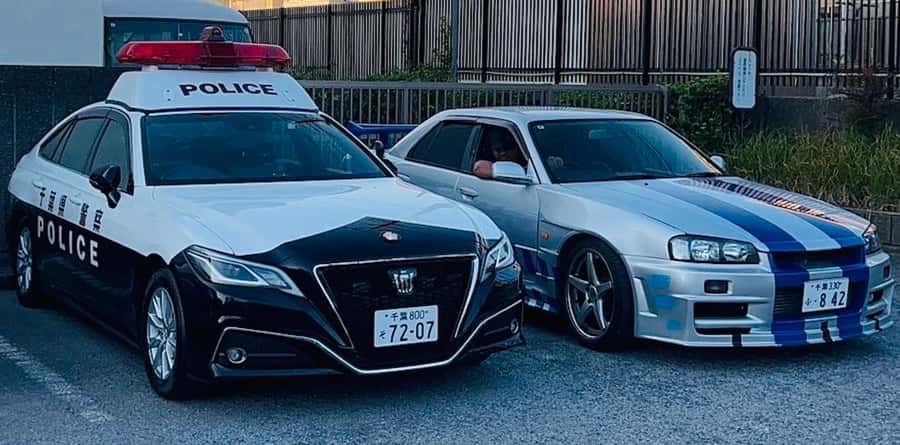
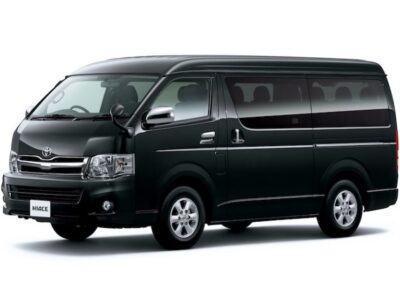
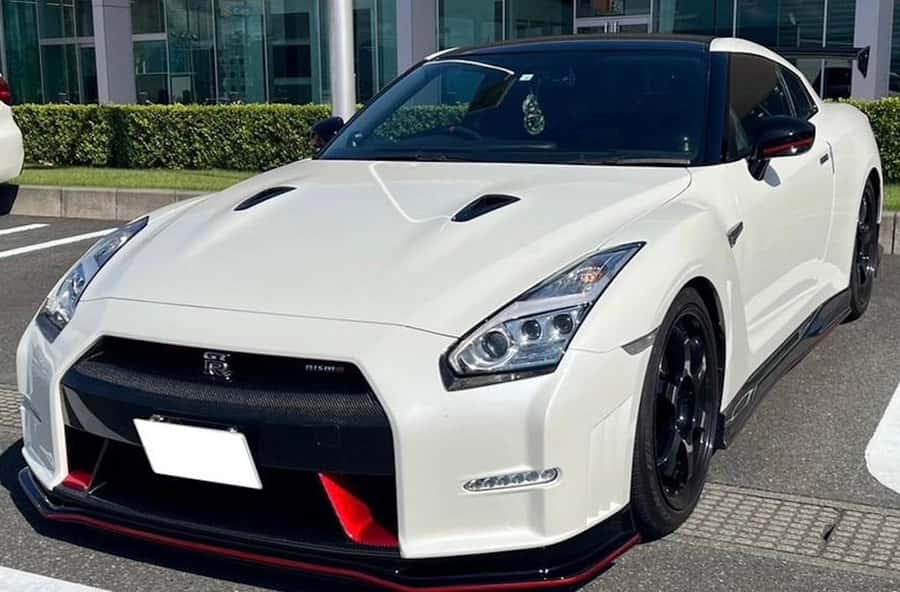
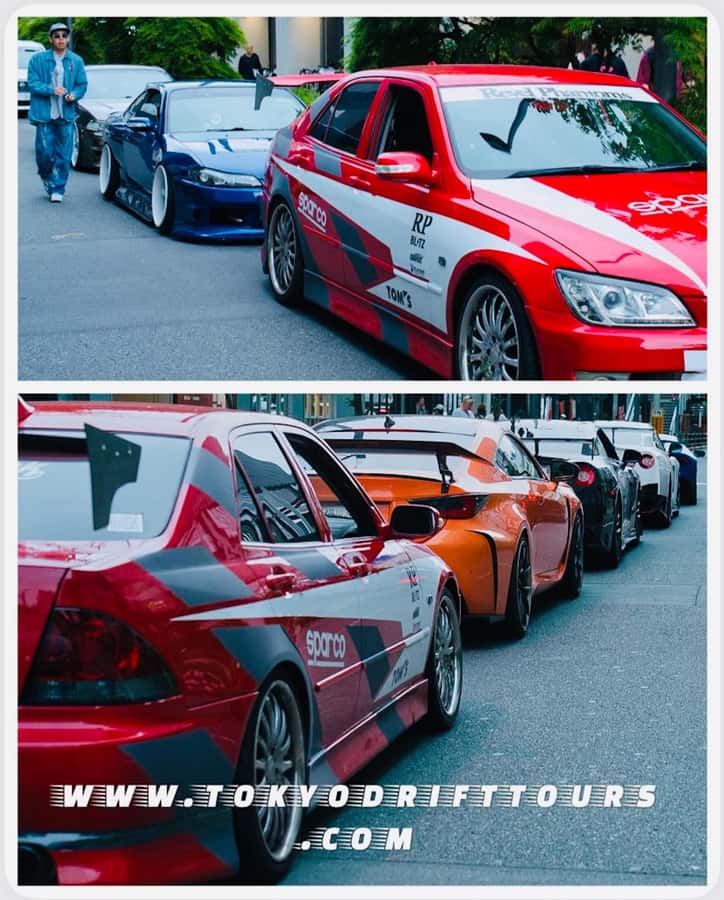
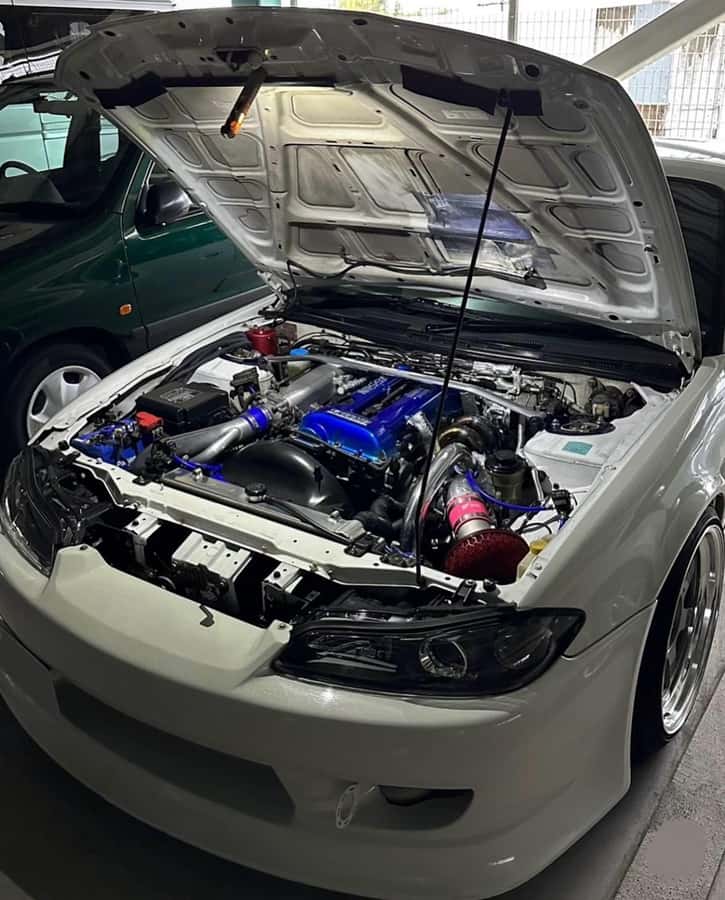
This is where the experience lives. You ride in a fleet of high-performance sports cars and you might also use luxury vans depending on group flow. The car lineup can include models like Mitsubishi Evolution, Nissan Skyline (GTR34/GTT34), Nissan GTR35 Nismo, Lexus RF-C, Subaru STi, Toyota Chaser drift cars, Mazda RX8, BMW M3 variations, Camaro, Subaru B4, and other JDM-tuned choices.
The key detail: you cannot always request a specific car. Car availability depends on your reservation date and driver availability, plus everyday operational issues. If you want to be extra strategic about your odds, book early rather than waiting for the last minute.
Seating is also real-world in these cars. One review note that came up in the data is that back seats in a GTR can feel tight. If you’re traveling as a family or you’re tall, pick your expectations accordingly and don’t treat the “cool factor” of a sports car as the same thing as comfort.
Guides and pro drivers: what the best nights have in common
A huge part of why this experience works is the people driving. The tour is run by professional drivers/guides available across English, Portuguese, Spanish, Japanese, and Tagalog, and many of the guides are local car enthusiasts.
You’ll notice a pattern in the names that show up often: drivers like Kuroda, Kei, Masa, Vinicius (Vini), Kohei, Ken, Uke, Masa-san, and Kuroda get praised for making the drive feel both safe and personal. It’s not just about speed. It’s about storytelling, explaining stops, and keeping the group coordinated while the city changes around you.
That matters for you because Tokyo navigation at night can be exhausting. Here, you can focus on enjoying the ride instead of wondering if you’re in the right place for photos or stuck in the wrong traffic lane.
Not private, shared by design: what that means for your night
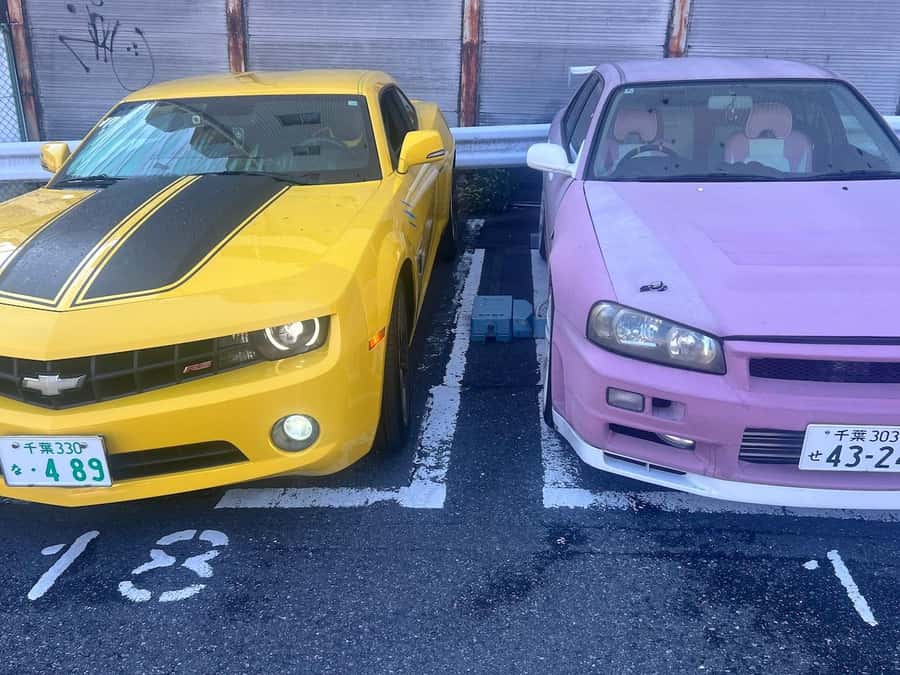
This isn’t a private tour. The experience runs daily with a group that can include roughly 10 to 30 cars. That’s part of the value: you get the energy of a whole car-night scene instead of paying extra for a single car and a quieter vibe.
The tradeoff is that this is a shared flow. You’ll be part of a schedule that keeps things moving. You’re also not guaranteed a specific car lineup, and you might get slightly different pacing depending on road conditions.
If you want the most control, the tour mentions a private option where you can select cars, but you need to reserve about one week in advance and purchase a higher-ticket option shown on the company profile. That makes sense if your goal is a specific make/model and you’re okay paying more for certainty.
Price and value: why $157 might be a fair deal
Let’s talk value instead of just cost. At $157 per person, you’re paying for a multi-stop night route that includes:
- fuel and toll fees
- professional drivers/guides (not just a driver who stays silent)
- sports cars and luxury vans
- sightseeing stops tied to the car theme
- FREE drop-off within Tokyo’s 23 wards
That bundle is what usually makes the price feel reasonable. In Tokyo, a lot of “night experiences” pay for transportation, then charge extra for entry or leave you to pay for your own way back. Here, drop-off is built in, and the stops include both car culture and skyline moments.
Is it cheap? No. But it’s also not trying to be a slow, museum-style tour. It’s an event-night experience, and the price reflects that.
If you’re a car person, this is the type of activity that can turn into your trip highlight fast, because it puts you in the scene instead of photographing it from a distance.
Who should book this (and who should think twice)
This tour is a great fit if you:
- love Japanese cars, JDM culture, and night driving
- want iconic Tokyo views with a car-night theme
- like the energy of shared events (cars, stops, photo moments)
- want hotel or Airbnb drop-off across Tokyo 23 wards
You might think twice if you:
- need a quiet, private, ultra-custom schedule
- expect to choose an exact car every time
- are sensitive to tight sports-car seating, especially if you’re assigned rear seats in smaller coupes
The good news is the tour is structured so most people get a clear, guided night plan. The drivers and staff also communicate via WhatsApp, which helps reduce confusion and keeps the group aligned.
Should you book Fast & Furious Tokyo Drift 3?
If you’re in Tokyo and you want a night that feels like car culture, I think booking makes sense. The biggest reason is the mix: expressway and tunnel driving for the thrill, Daikoku for the scene, A-PIT for the car-shop reality, and Rainbow Bridge plus Tokyo Tower/Shibuya for the Tokyo glow.
My advice: book with the assumption that the exact car lineup is based on availability. If you can accept that, you’ll enjoy the night for what it is: a real Tokyo car outing, run by drivers who live for this stuff.
If you care about a very specific car and model, plan farther ahead and look at the private option so you’re not gambling on what’s available that night.
FAQ
What is included in the tour price?
The price includes drop-off at your accommodation, fuel and toll fees, professional drivers/guides available in multiple languages, stops at iconic sightseeing spots, and use of an exclusive selection of sports cars and luxury vans.
Where do we meet for the Tokyo night drive?
You meet at Store TOKYO VIDEO GAMERS. You can also get a free Guaraná drink and play at the arcade for free before you head out.
Is this a private tour?
No. It’s not private. The tour runs daily with a group that can include around 10 to 30 cars. The experience notes that private options with car selection are available with advance reservation.
Can I choose which car I ride in?
You can’t always guarantee car choice, because the cars depend on reservation date and driver availability. The experience notes that private reservations can offer more car control if you reserve about one week in advance.
Which sightseeing stops are part of the route?
Stops include Daikoku Parking Area (with free entry), A-PIT Autobacs (about 30 minutes), Rainbow Bridge, and Tokyo Tower or Shibuya Crossing at night, plus driving along famous Tokyo routes like Wangan/C1 and tunnels.
How do you handle weather or highway closures?
The tour says there is no refund if the number of cars at the car meeting is affected by weather conditions. At the same time, it follows a never-cancel approach and says it runs normally even when highways are closed or during snow, using other options.
What should I bring?
Bring your passport or ID card. The tour also advises activating WhatsApp notifications because a message is sent at least one hour before the start time.
What is the cancellation window for a refund?
You can cancel up to 24 hours in advance for a full refund.