REVIEW · HAKONE
Traverse Outer Rim of Hakone Caldera and Enjoy Onsen Hiking Tour
Book on Viator →Operated by Coconuts Hike Japan · Bookable on Viator
Fuji views, sweat, and soak time. I like the way guided navigation removes the stress of finding trails, especially on a day with uneven ground. You’ll also love the ridge panoramas over Hakone, with a good shot at seeing Mt Fuji during clear stretches.
This is a serious hike day: 8–9km total, 7–8 hours door-to-door, and a 90-minute climb with about 500 meters of elevation gain. The main thing to consider is good fitness—the terrain can be rough, and seasons can add slipperiness (powdered snow in winter, for example).
In This Review
- Key Things That Make This Hakone Hike Worth It
- The Big Picture: An Outer-Rim Traverse That Blends Views and Recovery
- Hakone-Yumoto Morning: Why a Taxi Drop Changes the Day
- Sengokuhara Trailhead: 90 Minutes Up and a Real Caldera Start
- Mt. Marudake Ridge Walk: The Part You’ll Remember
- Heading Toward Lake Ashinoko: A Short Descent That Feels Like a Reset
- Togendai Lunch Area: Eat Well, Not Just Fast
- Onsen at Togendai: Indoor/Outdoor Soak to Work Through Stiff Legs
- Price and Value: What $158.13 Covers (and What It Doesn’t)
- Weather, Fuji Odds, and When to Trust the Plan
- Who This Tour Fits Best (And Who Might Want a Different Option)
- Small Group Touring: Why a Max of 6 Changes the Experience
- Should You Book the Outer Rim Onsen Hiking Tour?
- FAQ
- How long is the hiking day?
- What’s the hiking distance and elevation gain?
- Where does the tour start?
- How do you get to the trailhead?
- What can you expect on the ridge walk?
- What happens if Mt Fuji is hidden by clouds?
- Where do you stop for lunch?
- Is onsen included?
- What’s the group size?
- Is there a weather cancellation option?
Key Things That Make This Hakone Hike Worth It
- Chartered-taxi start to save your energy: you’re dropped at the trailhead instead of grinding on local transit.
- Outer rim caldera route: classic Hakone views without staying stuck on paved viewpoints all day.
- A 2.5–3 hour ridge walk: where the scenery does the heavy lifting.
- Seasonal trail moments: bamboo field bird song, sakura in spring, autumn leaves, and winter snow.
- Togendai onsen after the hike: indoor and outdoor baths to recover your legs.
- Max 6 people: small group size makes the pace feel human.
The Big Picture: An Outer-Rim Traverse That Blends Views and Recovery
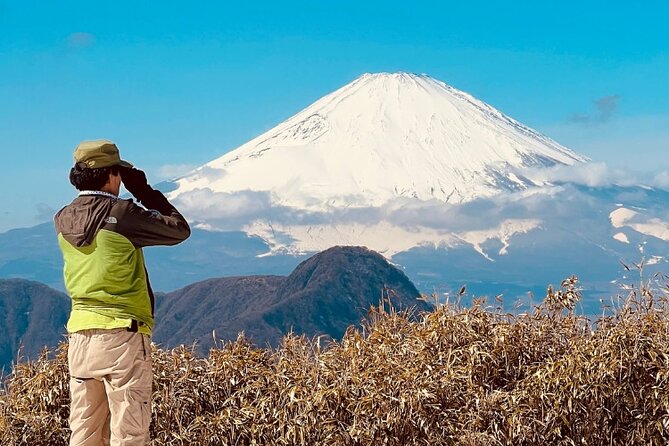
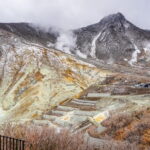
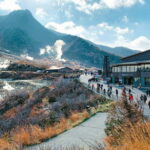
Hakone is famous for views, but this tour focuses on something better: walking the edges of the caldera. Instead of bouncing between postcard spots, you earn the views with a ridge trek that’s long enough to feel like a real journey.
You’ll spend roughly 4–5 hours hiking. That includes an initial push upward, a long panoramic ridge segment, then a descent toward Lake Ashinoko and Togendai. After all that effort, you’re not sent back to your hotel in misery. You end with an onsen stop, with both indoor and outdoor baths.
The result is a day that feels balanced. You get exertion in the morning, scenery in the middle, and a proper cool-down at the end.
You can also read our reviews of more hiking tours in Hakone
Hakone-Yumoto Morning: Why a Taxi Drop Changes the Day
You start at Hakone-Yumoto Station, with a departure time of 8:30 am. The tour uses a chartered taxi to reach the trailhead, and the tour notes that transportation to the trailhead is not included in the listed price.
That detail matters. When you’re hiking 8–9km with a 500m climb, every unnecessary transfer costs energy. A direct taxi drop makes the start cleaner: you show up, begin the climb, and let the guide handle the route.
Also, you’ll be starting around 700 meters above sea level at the start of the hike. The tour mentions it’s generally cooler up there than at lower elevations. So plan for temperature swings, even if Hakone town feels mild when you leave.
Sengokuhara Trailhead: 90 Minutes Up and a Real Caldera Start
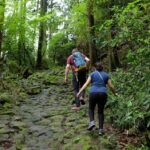
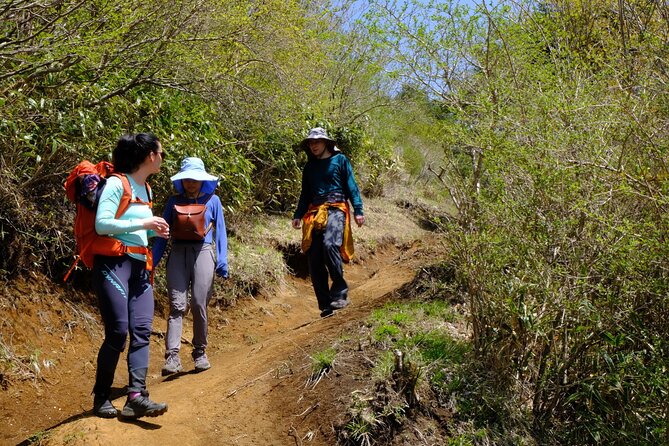
The hike begins around Sengokuhara, starting near that 700m elevation. From there, the route climbs for about 90 minutes and gains around 500 meters. This is your first reality check of the day—in a good way.
What makes this segment feel worthwhile is the setup. You’re not climbing “just to climb.” You’re moving onto the outer rim, where the ridge walk can deliver broader sightlines over Hakone’s volcanic basin.
Timing-wise, you’ll likely feel the slope more than the distance. A 90-minute ascent is steep enough that your breathing will change, but it’s not some all-day vertical slog. Pace is the key here, and the tour includes a nationally certified pro guide, which is a big advantage when the route gets uneven.
Mt. Marudake Ridge Walk: The Part You’ll Remember
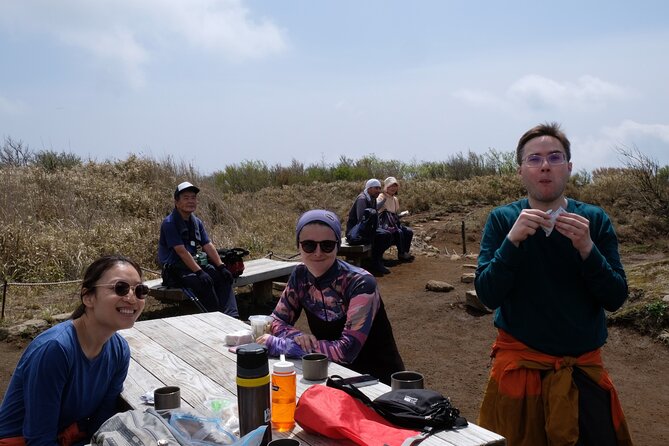
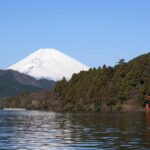
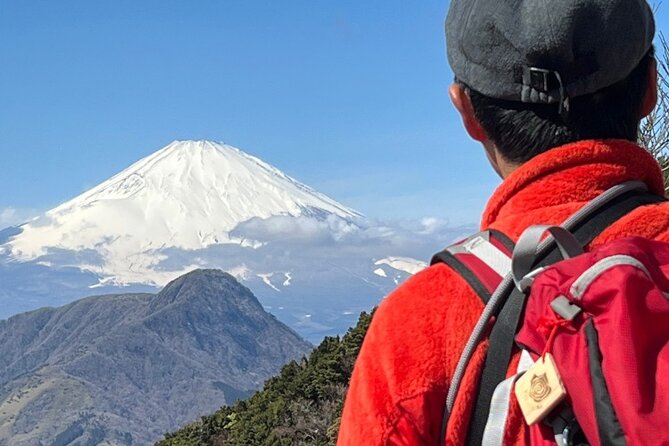
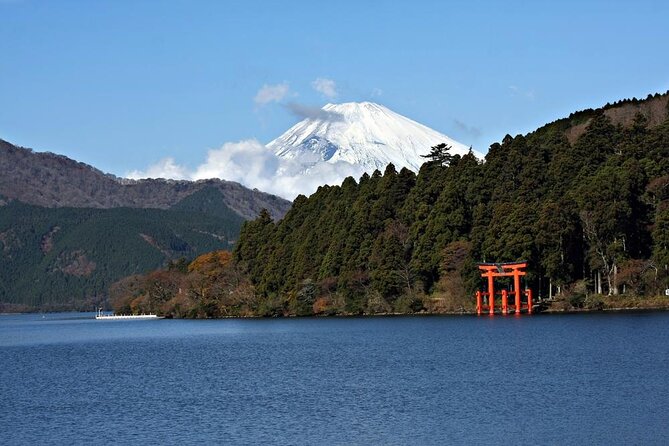
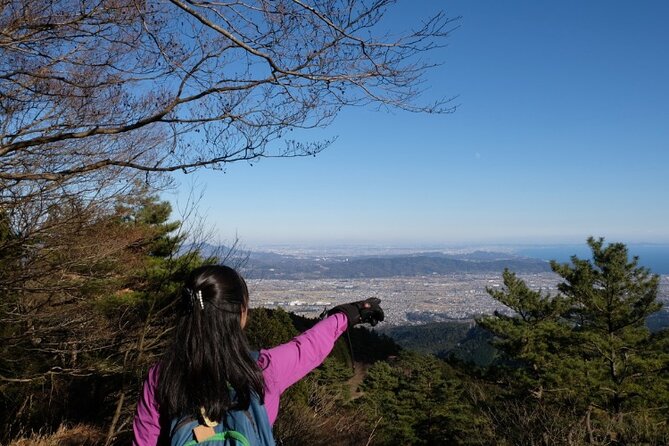
After the top, you get into the highlight: the ridge line. The tour description calls it about 2.5 hours of ridge walking (up to 2.5–3 hours depending on photos and snack stops). This stretch is where you’re most likely to see Mt Fuji, assuming weather cooperates.
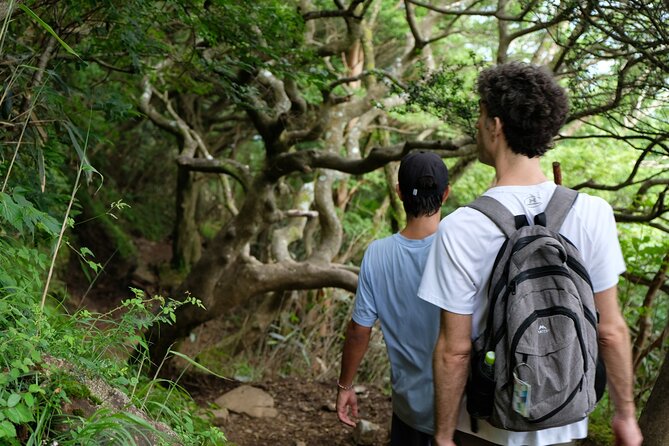
The guide-driven advantage shows up here. Ridge trails can look simple on a map, but in real life you’re dealing with turns, terrain changes, and weather. With a pro guide, you’re freed up to enjoy the walking rhythm and the views instead of doing mental navigation.
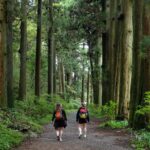
Seasonal nature adds extra texture. The tour notes you may walk through a bamboo field where you can hear birds singing. Depending on when you go, the ridge and surrounding slopes can bring:
- sakura in spring
- red leaves in autumn
- powdered snow in deep winter
And even if Mt Fuji hides behind clouds, you still get views in the area around Miyagino and Sengokuhara. In other words, fog doesn’t fully kill the day—it just changes what you’re looking at.
Heading Toward Lake Ashinoko: A Short Descent That Feels Like a Reset
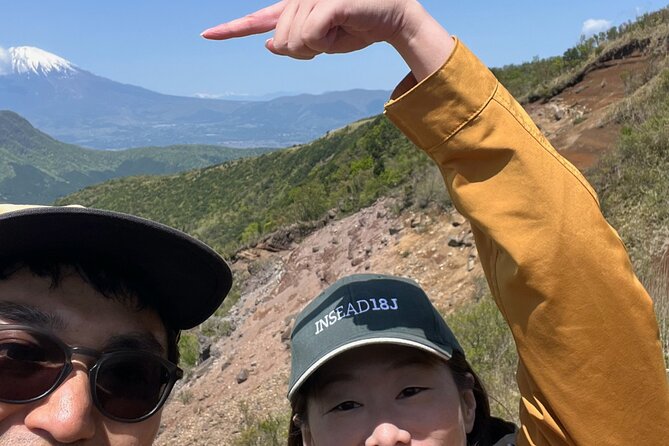
Once the ridge walk ends, you descend for about 30 minutes to reach the Lake Ashinoko area. It’s a relatively short drop compared to the ascent, so you’ll probably feel relief—then quickly notice your legs are tired anyway.
This segment works as a mental reset. You’re transitioning from the long-view ridge zone to the more village-and-activity area around Togendai. It’s also where your energy planning matters: you’ll want enough stamina left to enjoy lunch and onsen, not just survive the next half-hour.
You can also read our reviews of more tours and experiences in Hakone

Togendai Lunch Area: Eat Well, Not Just Fast
You’ll head to Togendai Station General Information Center for lunch. The tour specifically mentions options there, including soba, udon, Japanese curry, and Westernised restaurant choices. Lunch for your group is not included, and the guide will suggest a good option based on your selection and availability.
Why this matters: after a ridge hike, your appetite can get intense. A location with multiple cuisines helps you find something you can stomach even if your legs are still grumbling.
A practical tip: treat lunch as part of your recovery plan. Choose something filling but not too heavy so you’re comfortable moving afterward, especially before the onsen.
Onsen at Togendai: Indoor/Outdoor Soak to Work Through Stiff Legs
Next comes the onsen, at Togendai, with both indoor and outdoor baths. The tour notes the onsen has a legendary healing effect, which is a fun way of saying it’s meant for muscle recovery and relaxation.
Onsen fees are ¥1,500 per person, and that cost is not included in the tour price. The tour also says the onsen experience can be customized according to your preference, which is helpful if you want a certain type of bath time or comfort level.
I like tours that end with an onsen because it turns the day’s effort into something tangible. Your hike isn’t just exercise—it becomes a full sensory cycle: air, sweat, views, then warmth. It’s the part that makes the whole day feel complete.
Price and Value: What $158.13 Covers (and What It Doesn’t)
The listed price is $158.13 per person. That sounds straightforward, but the real value depends on what’s included versus what you’ll pay separately.
What’s included:
- Nationally Certified Pro Guide
- the guided hike experience itself (with the walking segments and timing)
What’s not included:
- transportation to the trailhead
- lunch for your group
- onsen fee ¥1,500 per person
So the value story is about the guide and the flow of the day. If you’ve ever tried to wing an outer-rim hike with changing conditions, you know why a good guide is worth real money. The route includes steep gain, a long ridge walk, and a seasonal environment that can change footing. Having someone handle the navigation keeps your day from turning into a stressed guessing game.
Also, the tour runs with a maximum of 6 travelers. Small groups often mean better pacing and less chaos when stopping for photos or breaks. Combine that with a booked-early schedule (it’s often booked around 38 days in advance), and you’re paying for a smoother experience, not just movement.
Weather, Fuji Odds, and When to Trust the Plan
This is a weather-dependent activity. The tour says it requires good weather, and if it’s canceled due to poor conditions, you’ll get offered a different date or a full refund.
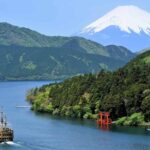
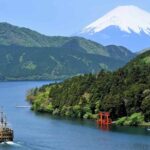
About Mt Fuji: the tour notes that if the weather is good, you can see Mt Fuji most of the time while on the ridge walk. If clouds roll in and Fuji disappears, you still get views of Miyagino and Sengokuhara, so you’re not only chasing one skyline.
There’s also a seasonal angle. In deep winter, the trail can involve powdered snow. That means you should be honest about your comfort walking on uneven, potentially slippery ground.
Who This Tour Fits Best (And Who Might Want a Different Option)
This hike is built for people who want an active day and are comfortable with uneven terrain. The tour description explicitly says you should have strong physical fitness, and the hike includes a steep ascent and a long ridge walk.
This seems like a great fit if you:
- enjoy hikes that reward you with wide views
- want a guided day so you can focus on scenery instead of navigation
- like combining movement with onsen recovery
You might want to skip or choose something easier if you:
- don’t handle elevation gain well
- are worried about winter footing
- prefer purely flat sightseeing days
Small Group Touring: Why a Max of 6 Changes the Experience
A max group size of 6 travelers is not just a number. On a ridge hike, group management matters: stops for photos, pace matching, and keeping people from stretching too far apart on uneven ground.
The guide being nationally certified also shows in how the day stays organized—starting on time, hitting the trailhead efficiently, and moving from ridge to descent to Togendai without leaving you wondering what’s next.
Even in fog, the guide-led plan can keep the day enjoyable. Fuji may hide, but the tour’s structure still gets you through the key walking and relaxation steps.
Should You Book the Outer Rim Onsen Hiking Tour?
If you want a Hakone day that mixes real hiking with real rewards, this one is a strong choice. The combination of an outer-rim traverse, a long ridge walk with excellent panoramic potential, and a soak afterward is exactly the kind of day that feels worth the effort.
Book it if you’re comfortable with:
- 8–9km hiking
- a steep climb with about 500m elevation gain
- uneven terrain (and possible winter snow conditions)
Consider passing if you want an easy stroll or you’re not ready for a physically demanding half of the day. And if you can’t manage the extra costs (taxi to the trailhead, lunch, onsen fee), double-check your budget first.
If you’re an active traveler looking to experience Hakone beyond viewpoints, this tour turns the caldera rim into your main attraction.
FAQ
How long is the hiking day?
The tour runs about 7 to 8 hours total, with around 4 to 5 hours of hiking.
What’s the hiking distance and elevation gain?
You’ll hike roughly 8–9km. There’s a 90-minute ascent with about 500 meters of elevation gain.
Where does the tour start?
It starts at Hakone-Yumoto Station with a start time of 8:30 am.
How do you get to the trailhead?
You go by chartered taxi to the trailhead, but transportation to the trailhead is not included in the tour price.
What can you expect on the ridge walk?
The ridge walk lasts about 2.5–3 hours and offers panoramic views. If weather is good, Mt Fuji can be visible most of the time from the ridge.
What happens if Mt Fuji is hidden by clouds?
Even if Mt Fuji is obscured, the tour notes you can still enjoy views around Miyagino and Sengokuhara.
Where do you stop for lunch?
Lunch is at Togendai Station General Information Center, where options include soba, udon, Japanese curry, and Westernised choices. Lunch is not included.
Is onsen included?
No. The onsen fee is ¥1,500 per person and is not included. The baths include both indoor and outdoor options.
What’s the group size?
The tour has a maximum of 6 travelers.
Is there a weather cancellation option?
Yes. The tour requires good weather. If it’s canceled due to poor weather, you’ll be offered a different date or a full refund.