REVIEW · TOKYO
Tokyo: Sumo Wrestling Show
Book on GetYourGuide →Operated by Travel Tokyo · Bookable on GetYourGuide
Sumo in Tokyo feels big, even in a show format. In Shinjuku, you get the sport’s core rituals up close, then you’re pulled into the action with an interactive ring moment.
I love the way the English guide explains what you’re seeing, from the sacred pre-bout routines to the logic behind the rules. I also like the practical, hands-on fun: you can dress in traditional sumo style, take photos, and even challenge the wrestlers for a laugh-and-respect kind of memory.
One drawback to plan around is finding the place smoothly. One booking experience pointed out confusing directions about whether to use the elevator or the stairs, so give yourself a little extra time when you arrive.
In This Review
- Key Things You’ll Notice Right Away
- Why Watch Sumo in Shinjuku Instead of Ryōgoku
- The 1.5-Hour Flow: Rituals, Live Bouts, and Explanations
- What to expect during the main demonstration
- Stepping Into Sumo Gear and Testing Yourself in the Ring
- The vibe in the ring challenge
- Not a Tournament: How That Changes the Experience
- Price and Value: Is $62 a Fair Deal in Tokyo?
- Meeting Point at F2: Avoiding the Common Entry Confusion
- What You’ll Learn Along the Way (Even If You Know Nothing Now)
- Who This Sumo Show Fits Best
- Who might want to skip it
- Should You Book This Tokyo Sumo Wrestling Show in Shinjuku?
- FAQ
- How long is the Tokyo sumo show experience?
- Is this experience a sumo tournament?
- Is there an English-speaking guide?
- What is the price per person?
- Where is the meeting point?
- Can I reserve and pay later?
- Is free cancellation available?
- Will I watch live sumo matches?
- Do I get to do anything besides watch?
- Can I take photos with the wrestlers?
Key Things You’ll Notice Right Away
- Shinjuku location makes sumo feel surprising and easy to pair with an evening in Tokyo
- Live, close-up action shows techniques and rituals rather than only staged demonstration
- Shiko and salt purification are part of the main event, so you’re watching the culture as much as the sport
- Try it yourself time includes a sumo outfit and an audience challenge in the ring
- Photos with wrestlers are part of the experience, not an afterthought
- Not a tournament means the vibe is more about performance and learning than official competition
Why Watch Sumo in Shinjuku Instead of Ryōgoku
Most people think of sumo in terms of Ryōgoku, the historic heart of the sport. This show moves that energy into Shinjuku, where it’s easier to fit into a normal Tokyo day without feeling like you’re crossing the city just for one specialty.
You also get a nice contrast. You’re still getting authentic elements like pre-bout rituals, but the setting feels more like a live performance for visitors who want to understand what they’re seeing.
If you’re already spending time around Shinjuku stations, this is the kind of activity that works well as a planned block rather than a last-minute scramble.
You can also read our reviews of more tours and experiences in Tokyo

The 1.5-Hour Flow: Rituals, Live Bouts, and Explanations
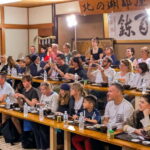
The experience is listed at 1.5 hours, and in real life it may run closer to about two hours, so treat that time window as your target rather than a strict minute-by-minute schedule. The structure is straightforward: watch the main matches, absorb the meaning behind the moves, then shift into interactive time.
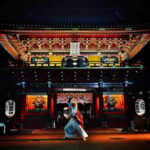
In the early part, the wrestlers put on a show of technique with the atmosphere of a real bout. You’ll see powerful mechanics and the traditional pacing of sumo—plus the pre-fight elements that make sumo feel different from any other combat sport.
Two specific rituals you’ll want to watch for are shiko (the stomping) and the salt purification. Even if you don’t know every rule, these moments clue you in that sumo is ritual first, sport second—at least in how the outside world experiences it.
The live, English tour guide is there to connect the dots. From what I look for in a show like this, the best value is not just watching wrestling bodies collide—it’s understanding what you’re looking at and why it matters. Here, that explanation is built into the experience.
You’ll also get background that goes beyond basic rules. The experience includes information about the history of sumo, how matches work, and what life as a competitor looks like, so you’re not just collecting photos.
What to expect during the main demonstration
You can plan on:
- Close viewing of pro wrestlers showcasing technique and tradition
- A guided explanation of sumo rules and context
- Live bouts or live-match moments rather than only a silent stage demo
And you should be ready for:
- A schedule that feels like a show, not a tournament day
- A tempo that prioritizes audience enjoyment and understanding
Stepping Into Sumo Gear and Testing Yourself in the Ring
The most memorable part, and the part that makes this more than a standard performance ticket, is the interactive segment after the main matches. You’ll have the chance to step into a traditional sumo outfit and then enter the ring for a challenge.
Based on the experience details, this is not about teaching you to become a wrestler. It’s about giving you a physical sense of how sumo feels—stance, balance, and the comical seriousness of the whole ritual package.
This is also where the show leans into humor without disrespect. You’ll be able to try fighting the wrestlers yourself, and that attempt is framed as a respectful audience participation moment.
One practical perk: you should expect photo opportunities with the wrestlers. If you’ve ever done activities where you see performers from far away, this is the opposite. You’re meant to be part of the scene, even if it’s only for a short time.
The vibe in the ring challenge
Think of it like a mix of:
- a cultural intro (you’re wearing the outfit and entering the ring space)
- a playful skill test (you try, they react)
- a respect-first interaction (you’re treated like a participant)
For many people, this is the moment that turns a nice show into a story you’ll still tell months later.




Not a Tournament: How That Changes the Experience
The show is not a tournament, and that matters for expectations. Tournament days are about rankings, pressure, and a strict competitive rhythm. A show like this is designed to communicate sumo to visitors—while still using real wrestlers and real rules.
So the energy is different. You’ll still see serious technique and ritual structure, but the emphasis shifts toward clarity and engagement. The program is built for learning, then fun.
This is especially good if you’re traveling with limited time. You get the key idea of sumo—the traditions, the match logic, and the physical power—without committing to a long official event schedule.
Price and Value: Is $62 a Fair Deal in Tokyo?
At $62 per person for about 1.5 hours (possibly around two hours in practice), this sits in the “worth it if you want the experience” zone. It’s not cheap, but it’s also not paying full-day tournament prices or adding complicated logistics.
Here’s where I think the value actually comes from:
- You’re paying for live pro wrestlers, not just a theatrical reenactment.
- You’re not only watching; you’re doing something: outfit, ring entry, challenge.
- The English guide helps turn the show into understanding, especially if you’re new to sumo.
If your goal is simply to watch combat sport with minimal explanation, you might feel the cost is higher than a standard event ticket. But if your goal is cultural sport plus hands-on interaction, $62 starts to feel reasonable for central Tokyo.
Also, if you’re the type who likes structured activities on a travel day—something you can book, show up, and get a complete experience—you’ll likely see this as good value.
Meeting Point at F2: Avoiding the Common Entry Confusion
The meeting instructions are simple on paper: take the elevator to F2 and meet at the entrance. The provided coordinates are 35.7025146484375, 139.70802307128906, which is helpful if you’re navigating through a bigger building or complex area.
Because one booking experience flagged confusion about directions—specifically mixing up elevator and stairs advice—I suggest this mindset: arrive a bit early and follow the on-site guidance once you’re at the building.
Tokyo buildings can be tricky for first-timers, especially when entrances vary by floor or when multiple businesses share a structure. If you reach the building and feel turned around, don’t panic. Use the elevator to F2 as directed, then reorient at the entrance you’re told to use.
What You’ll Learn Along the Way (Even If You Know Nothing Now)
A good sumo show gives you two things: context and clarity. This one aims for both.
You’ll get:
- an explanation of how sumo matches work
- background on the history of sumo
- insight into the rules of sumo as you watch the wrestlers apply them
- some sense of competitor lifestyle (enough to make the sport feel human, not just myth)
Then you’ll see those concepts in motion. Watching shiko and salt purification helps you feel the structure behind the drama. Observing technique during the bouts helps you understand why sumo is as much about positioning and balance as it is about strength.
And when you enter the ring, even briefly, you’ll get a physical reminder that sumo isn’t built for speed. It’s built for stability and control.
Who This Sumo Show Fits Best
This experience is ideal if you want:
- a short, high-impact Tokyo activity (about 1.5 hours, often closer to two)
- English guidance that makes the sport easier to follow
- the chance to participate, not just watch
- a night plan that pairs well with Shinjuku sightseeing
It’s also a strong fit for:
- first-time Tokyo visitors who want an iconic culture experience without complicated planning
- groups who like a shared laugh and photo moment
- travelers who prefer structured activities with a clear start and finish
Who might want to skip it
If you’re a serious sumo fan chasing tournament-level stakes or longer, multi-day competition atmosphere, the fact it is not a tournament may leave you wanting more. In that case, you may be happier seeking an official sumo schedule.
If you hate interactive activities—especially anything involving outfit changes—this might feel less “watch-only” than you hoped.
Should You Book This Tokyo Sumo Wrestling Show in Shinjuku?
I’d book it if you’re after the full experience: live sumo action, guided context in English, and the chance to try the ritual on your own terms by stepping into the ring. The combination of close viewing plus audience challenge is what makes the ticket feel earned.
I’d think twice if you strongly prefer only competitive tournament formats, or if you can’t handle a small amount of on-the-ground navigation. The meeting instructions are straightforward, but the building-entry details can be where stress starts if you arrive late or distracted.
If you want a memorable, understandable, and hands-on slice of sumo culture right in Tokyo, this one is an easy yes.
FAQ
How long is the Tokyo sumo show experience?
The experience is listed as 1.5 hours. One review noted it can last about two hours, so plan for a slightly longer visit.
Is this experience a sumo tournament?
No. It is explicitly not a tournament.
Is there an English-speaking guide?
Yes. The tour includes a live English guide.
What is the price per person?
The price is listed as $62 per person.
Where is the meeting point?
You meet by taking the elevator to F2 and meeting at the entrance. The coordinates provided are 35.7025146484375, 139.70802307128906.
Can I reserve and pay later?
Yes. The option is Reserve now & pay later, meaning you can book your spot and pay nothing today.
Is free cancellation available?
Yes. You can cancel up to 24 hours in advance for a full refund.
Will I watch live sumo matches?
Yes. The experience includes watching live matches and seeing professional wrestlers demonstrate techniques and rituals.
Do I get to do anything besides watch?
Yes. After the main matches, you can step into a traditional sumo outfit and enter the ring to challenge the wrestlers.
Can I take photos with the wrestlers?
The provided reviews indicate you can take pictures with the wrestlers as part of the experience.