REVIEW · TOKYO
From Tokyo: Kamakura and Enoshima Full-Day Private Trip
Book on GetYourGuide →Operated by TREKTIDE TRAVELS · Bookable on GetYourGuide
Tokyo to the coast in one tidy day.
This private outing is a smart way to see Kamakura’s big sights without the commuter-stress. I especially like how the day mixes landmark temples with calm walking moments, then finishes on Enoshima for shopping and ocean views. You’ll also get an English guide who can tailor pace and help you make sense of what you’re seeing, with guides like Shoan and Ali standing out for their focus and patience.
The main drawback is simple: you’re on a 10-hour schedule with some temple walking and stairs, and you’ll need to budget for separate entry fees plus lunch (not included). If you’re sensitive to crowds at the Great Buddha and shrines, go in expecting a lively atmosphere in the most famous spots.
In This Review
- Key Things You’ll Notice on This Trip
- From Tokyo in One Day: How This 10 Hours Works
- Hotel Pickup and Private Transport: Comfort Plus Fewer Headaches
- Kōtoku-in Great Buddha: The Stop You’ll Feel in Your Chest
- Hase-dera: Coastal Views, Garden Paths, and Stairs
- Hokokuji Bamboo Forest: The Quiet Reset
- Tsurugaoka Hachimangu: Shrine Energy Without the Confusion
- Enoshima Island: Shopping, Sightseeing, and Sea Air
- Lunch Plans: What’s Included and What You Need to Arrange
- What Makes the Guides Matter on a Private Tour
- Price and Value: $451 for Up to 5
- Walking, Timing, and What to Bring (So the Day Feels Easy)
- Who This Tour Fits Best (and Who Might Want Another Option)
- Optional Add-Ons: Engaku-ji or Hiking Views
- Should You Book This Kamakura and Enoshima Private Trip?
- FAQ
- How long is the Kamakura and Enoshima private trip?
- What time is pickup in Tokyo?
- Is hotel pickup and drop-off included?
- Is lunch included in the tour price?
- Do I need to pay temple entry fees separately?
- What sites do you visit during the day?
- Is the guide English speaking?
- Is the tour wheelchair accessible?
- What should I bring for the day?
Key Things You’ll Notice on This Trip
- Private pacing: You’re not packed into a big group, so your guide can adjust walking time and where you pause.
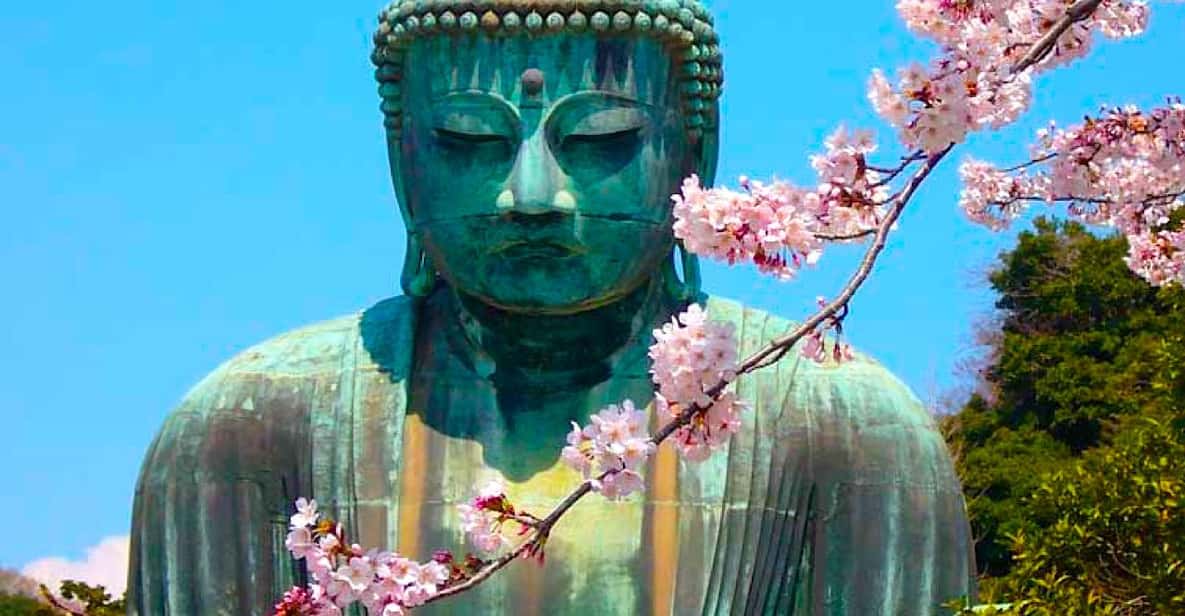
- Great Buddha time: Kōtoku-in is the headline stop, and it deserves more attention than a quick photo.
- Temple variety: You go from coastal views (Hase-dera) to the quiet bamboo hush (Hokokuji).
- Shrine atmosphere: Tsurugaoka Hachimangu brings ritual paths and a more local rhythm.
- Enoshima wind-down: Shopping and sightseeing on the island give you a change of pace from temple days.
- English support: Guides like Shoan and Timur used clear explanations and even charts to make history easier to follow.
From Tokyo in One Day: How This 10 Hours Works
This is built for a classic Tokyo-visitor problem: you want Kamakura and Enoshima, but you don’t want to spend your day switching trains, reading maps, and guessing which direction to walk. With hotel pickup in Tokyo and private transport, you get straight to the good stuff.
The day runs about 10 hours, with a stated pickup time of 8:30 AM from Tokyo’s 23 wards. Because of traffic, pickup can be up to around 30 minutes late, so I treat the schedule like a flexible plan, not a clockwork ritual.
What makes this itinerary work is the “vertical variety.” You’re not just ticking off temples. You move between bronze, bamboo, shrine pathways, and then the island vibe of Enoshima—so your brain doesn’t melt from sameness.
You can also read our reviews of more private tours in Tokyo
Hotel Pickup and Private Transport: Comfort Plus Fewer Headaches
The included air-conditioned vehicle and hotel pickup/drop-off are a big part of the value. You’re paying for convenience: a car that gets you from point to point, and an English guide handling the talking and timing.
I like private transport for two reasons. First, it saves energy. Second, it helps you avoid some decision fatigue—where to park, how long to linger, and which streets to walk when you’re tired.
One helpful pattern that shows up in guidance you’ll experience: getting as close to sights as possible and reducing unnecessary walking. In past runs, guides and drivers like Ali have been praised for keeping the walk distance manageable and parking near entrances, which matters when the day includes multiple temple complexes.
Kōtoku-in Great Buddha: The Stop You’ll Feel in Your Chest
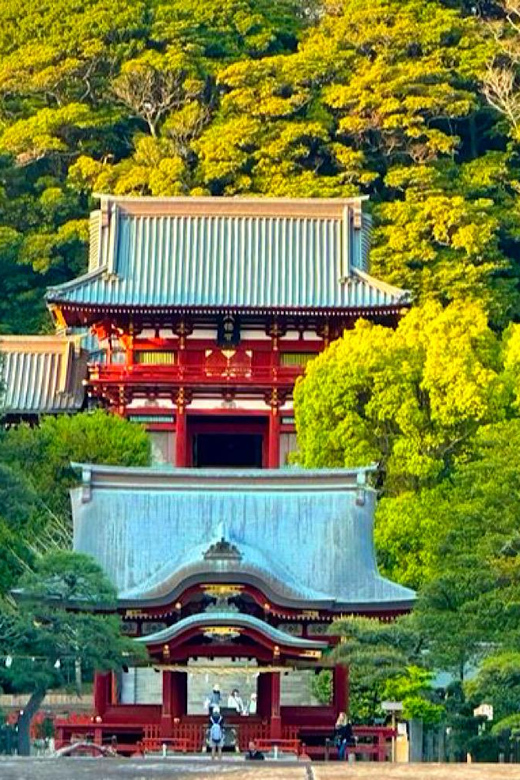
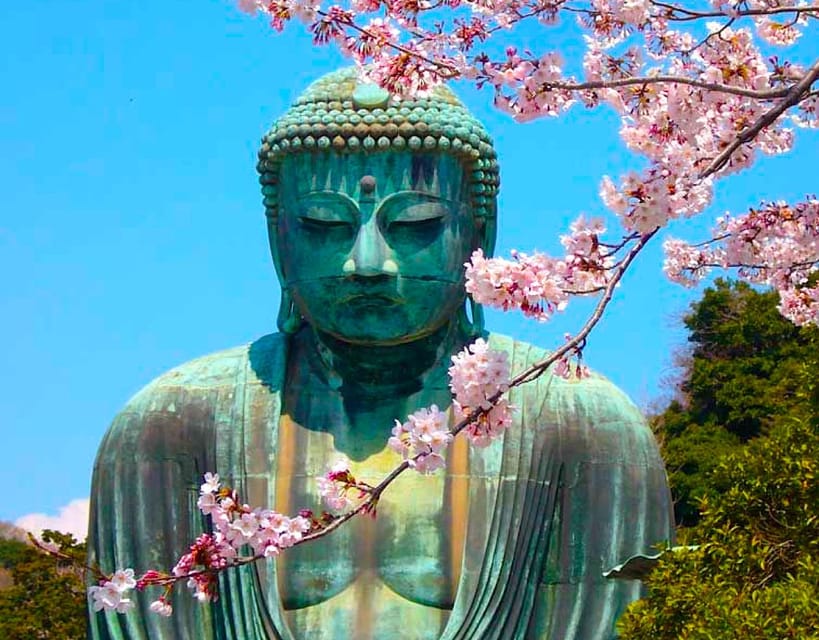
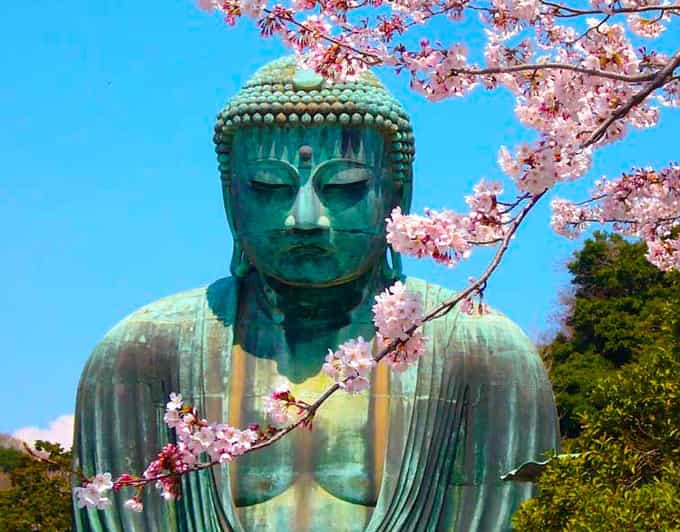
Kōtoku-in is where Kamakura’s identity becomes obvious fast. The Great Buddha is massive and plain in a way that’s hard to fake with photos. Seeing it in person changes the scale—you stop thinking about it as a statue and start thinking about it as a landmark people have built their lives around for generations.
Plan on about an hour here. That’s enough time to get your bearings, take photos, and still listen to your guide’s context without feeling rushed. And yes, it’s a popular place. The best move is to accept the crowd and focus on what you’re actually looking at: the bronze surface, the stance, and the way the temple grounds frame the view.
If you like explanations, you’re in good hands. One guide (Timur) was praised for using charts to make a long, layered story easier to understand. That kind of communication is perfect for this particular stop, where the historical background can otherwise feel abstract.
Hase-dera: Coastal Views, Garden Paths, and Stairs
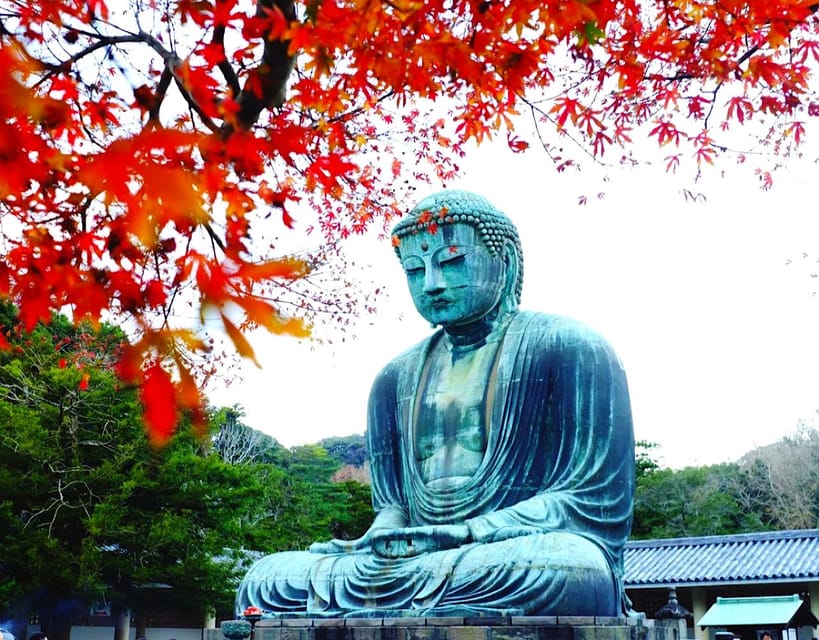
After the Great Buddha’s grandeur, Hase-dera Temple shifts the mood. Expect gardens, temple halls, and views that feel like a reward for the climb. If you picture Kamakura as a coastal town, this is where that coastal feeling becomes part of the experience.
You’ll spend about an hour here. That’s a good length for a temple visit without turning it into a marathon. Still, wear shoes you trust. This stop can include more walking and steps than you might expect when you’re coming from Tokyo in the morning.
One thing I really like about an hour at Hase-dera is that it’s long enough for the “walk-and-look” rhythm. You don’t just stand and snap; you move through the grounds, pause where the views make sense, and get a feel for how the temple sits in its setting.
Just know that Hase-dera entry fees are listed separately, and they’re not included in the tour price.
Hokokuji Bamboo Forest: The Quiet Reset
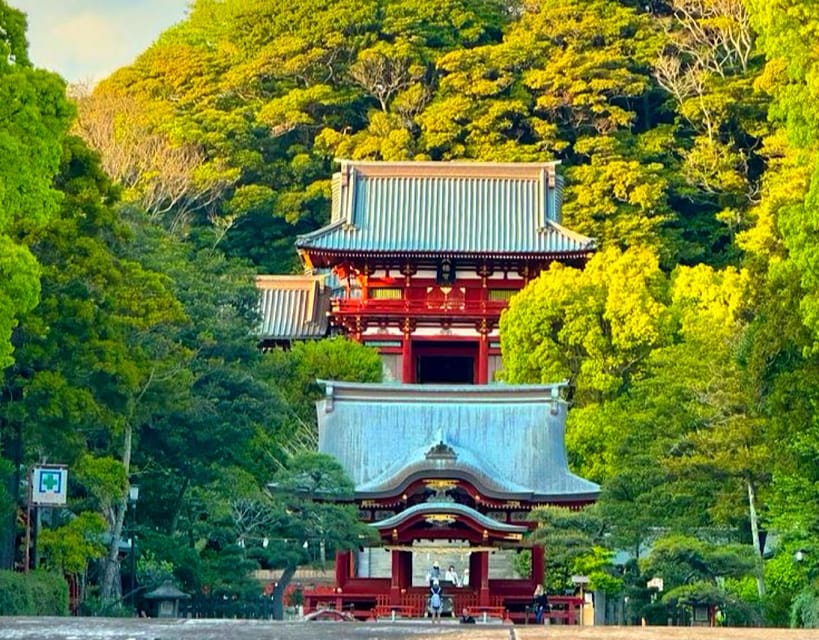
Then you hit the Hokokuji Bamboo Forest. If you need a break from crowds and loud city energy, bamboo does that job immediately. The towering stalks create a sense of order, almost like the space is telling you to lower your voice.
This is typically about an hour. That’s enough time to walk the main areas, take photos, and catch the feel of the place rather than rushing through like you’re collecting stamps.
In a private format, the guide can also help you understand what you’re seeing and why it’s meaningful, instead of just pointing and moving on. This matters here because the forest is atmospheric—if you don’t know what to notice, it can turn into a generic photo spot.
Also, expect an entry fee listed separately for Hokokuji.
You can also read our reviews of more tours and experiences in Tokyo
Tsurugaoka Hachimangu: Shrine Energy Without the Confusion
Tsurugaoka Hachimangu is a major shrine, and the grounds bring a different kind of attention. The walking paths feel ceremonial, and you’ll see people moving through in an orderly way, like the site runs on routine.
You’ll spend around 30 minutes here. That might sound short, but for a shrine in a busy day, it’s about right. You get enough time for the main sights and a feel for the layout, and you don’t lose the rest of the day to one complex stop.
This is also a great place to use your guide’s explanations. Shrines can feel confusing if you’re staring at structures without context. Clear English guidance turns awkward standing around into active understanding.
Enoshima Island: Shopping, Sightseeing, and Sea Air
Enoshima is the change of pace. The tour leaves the dense temple focus and gives you time to explore the island’s viewpoints and shopping areas. You’ll have about two hours for Enoshima, which is a practical window: enough time to wander, browse, and stop for views without feeling trapped.
What I like most about ending here is the contrast. Morning is history and stone. Afternoon is sea air, casual strolling, and the kind of “I can do this at my own pace” sightseeing that private tours are good at.
If you want photos, this is a solid time to slow down and actually look for lines and angles where the ocean fits into the frame. If you want snacks, this is also where you can naturally pick things up while you walk.
Lunch Plans: What’s Included and What You Need to Arrange
Lunch isn’t included. That’s not a dealbreaker, but it does mean you should plan to spend money during the day on food.
The upside of a private guide is decision support. Your guide can recommend a place to eat nearby and help you avoid the common trap of eating somewhere overpriced just because it’s closest.
I’d treat lunch as part of your timing strategy. With multiple sites in one day, you’ll enjoy the trip more if you keep lunch efficient and don’t turn it into a two-hour detour.
Also, bring water and keep an eye on how hot or sunny the day is. Sunscreen is on the recommended packing list for a reason.
What Makes the Guides Matter on a Private Tour
A private tour lives or dies on the human factor. In the feedback you can learn from, guides like Shoan and Timur got praise for being professional, friendly, and highly communicative.
Shoan, for example, was singled out for patience and for answering questions without rushing people through. That matters at temples, where the questions tend to be personal: What am I looking at? Why does this matter? How should I read this place?
Timur was noted for using charts to explain complex history in a way that felt understandable. That’s a smart approach in Japan, where many sites have layers and names you won’t guess on your own.
And drivers like Ali were praised for practicality: keeping walking less than expected and parking close to sites. That’s the kind of small operational skill that makes a long day feel manageable.
Price and Value: $451 for Up to 5
The price is $451 per group up to 5 people, for a full-day experience (about 10 hours). On a per-person basis, this can be a better value than booking separate tickets and transport, especially if you’re traveling as a small family or a group of friends who can split costs.
The biggest value drivers are:
- Hotel pickup and drop-off in Tokyo’s 23 wards
- Private transportation (you’re not hunting trains)
- An English-speaking guide who handles context and timing
- A structured day across multiple key sights
You still have extra costs for lunch and temple entry fees (listed separately for Kotoku-in, Hokokuji, and Hase-dera). But these are typical “Japan temple” add-ons and generally not the main part of the budget.
If you’re the kind of traveler who likes to ask questions and take your time at each stop, a private day like this often feels worth it. If you prefer total self-guided freedom, you might find alternatives cheaper. Still, for a one-day Tokyo escape to Kamakura and Enoshima, this strikes a practical balance.
Walking, Timing, and What to Bring (So the Day Feels Easy)
This trip is manageable, but it’s not sit-and-watch. Plan on comfortable walking shoes. The packing list also calls out a camera, sunscreen, and water.
Bring a lightweight layer too if you’re sensitive to temperature changes. Temple areas can feel cooler in shaded spots, then hotter out in open sun.
One scheduling note: pickup is at 8:30 AM, and traffic may shift it by around 30 minutes. If you’re juggling another commitment later that night, keep it flexible.
If you have any mobility needs, the tour is listed as wheelchair accessible. Still, I’d use that as a starting point and think practically about how much walking you want to do on hills and within temple grounds.
Who This Tour Fits Best (and Who Might Want Another Option)
This fits you best if:
- You want the big Kamakura highlights plus Enoshima in one day
- You’d rather pay for private guidance than plan train routes
- You enjoy temple context and would use the guide for explanations
- You’re traveling in a small group (up to five) and can share the cost
It may not be ideal if you want a super slow day with lots of free time. The schedule is packed enough that you’ll be switching settings several times, including a bamboo forest and multiple temple areas.
Also, if you hate crowds, note that the Great Buddha and major shrine areas can be busy. A private guide can help you manage that, but it won’t erase popularity.
Optional Add-Ons: Engaku-ji or Hiking Views
You may have a chance to visit additional quieter spots like Engaku-ji Temple, or scenic hiking trails with views. This is described as an opportunity, not a guaranteed add-on.
I’d treat it as a bonus if you have energy and good shoes. If you’re already feeling your day getting full, ask your guide what fits best and prioritize the stops you most care about.
Should You Book This Kamakura and Enoshima Private Trip?
Book it if you want a high-clarity day: pickup from Tokyo, major sights handled, English explanations, and a clean finish on Enoshima. It’s especially good value when you’re splitting the $451 group price and you want less stress than self-guided transport.
Consider a different style of tour if your top priority is total free time, or if you’re trying to avoid all walking and stairs. This is a temple-and-island day, so comfortable shoes and realistic expectations matter.
My simple test: if you’re excited about seeing the Great Buddha, then you like bamboo and shrines, and you also want sea views and browsing at Enoshima, this is one of the better ways to do it from Tokyo in a single day.
FAQ
How long is the Kamakura and Enoshima private trip?
The duration is 10 hours.
What time is pickup in Tokyo?
Pickup is listed at 8:30 AM for the Tokyo 23 wards. Due to traffic, pickup can be up to 30 minutes late.
Is hotel pickup and drop-off included?
Yes, hotel pickup and drop-off are included for the Tokyo 23 wards. Pickup outside Tokyo requires contacting the provider.
Is lunch included in the tour price?
No. Lunch is not included.
Do I need to pay temple entry fees separately?
Yes. Entry/admission fees are not included, and fees are listed for Kotoku-in, Hokokuji, and Hase-dera.
What sites do you visit during the day?
The major stops are Kōtoku-in (Great Buddha), Hase-dera, Hokokuji Bamboo Forest, Tsurugaoka Hachimangu, and Enoshima for shopping and sightseeing. You might also have an opportunity to visit additional places like Engaku-ji.
Is the guide English speaking?
Yes, the tour includes a live English-speaking guide.
Is the tour wheelchair accessible?
Yes, the tour is listed as wheelchair accessible.
What should I bring for the day?
Bring comfortable shoes, a camera, sunscreen, and water.