REVIEW · TOKYO
Tokyo: Imperial Palace East Gardens and Tokyo Station Tour
Book on GetYourGuide →Operated by Reelu inc · Bookable on GetYourGuide
Imperial Palace history is the main event here. The tour’s best part is how the guide, often Yuki, turns gates, gardens, and castle ruins into an easy story you can follow. I also like the payoff: Nijubashi Bridge views that help the whole imperial timeline click into place.
You’ll cover a moderate amount of walking, mostly at an easy pace, but it still adds up over 150 minutes. One other practical consideration: no backpacks and you’ll want to keep your camera hand-ready without fumbling.
In This Review
- Key highlights to look for
- Meeting point at the East Gardens side: Wadakura Fountain Park Starbucks
- Imperial Palace East Gardens: gates, moats, and the Edo-to-imperial storyline
- What makes the East Gardens stop special
- Ninomaru Garden and the small details you’ll actually remember
- A practical note about pacing
- Fujimi-yagura and the Edo Castle scale model: history made concrete
- Why this section is valuable for first-timers
- Honmaru area moments and Kokyo Gaien: where the tour threads the timeline
- Take a breath between stops
- Marunouchi on foot: modern architecture and art with old-world context
- What you’ll notice here
- Tokyo Station exterior finale: red brick, restored charm, and an easy exit
- Camera strategy for the last stretch
- Price and value: $38 for 150 minutes that actually teach
- What to bring (and what to skip) so the walk stays comfortable
- Guide style matters here: when Yuki’s explanations click
- Who should book this tour
- Should you book the Imperial Palace East Gardens to Tokyo Station tour?
- FAQ
- Where does the tour start?
- How long is the tour?
- Is there an admission fee for the Imperial Palace East Gardens?
- What are the main landmarks you’ll stop at?
- What should I bring or wear?
- Is the tour wheelchair accessible?
Key highlights to look for
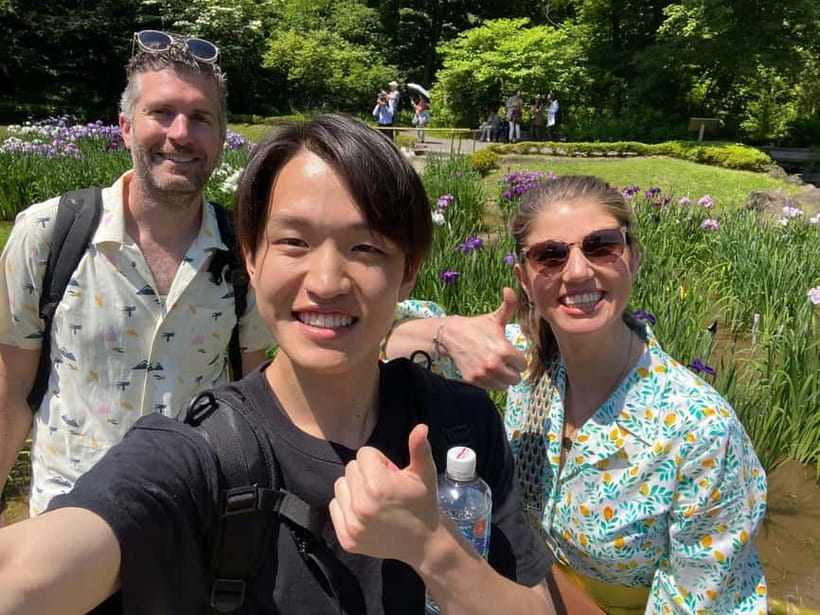
- East Gardens orientation with clear explanations of how the palace grounds evolved
- Ote-mon Gate + guardhouse stops that connect architecture to real history
- Nijubashi Bridge photo moments with a strong “picture it in context” payoff
- Edo Castle details like the Fujimi-yagura watchtower and the main keep scale model
- Marunouchi to Tokyo Station transition from old power to modern city life
Meeting point at the East Gardens side: Wadakura Fountain Park Starbucks
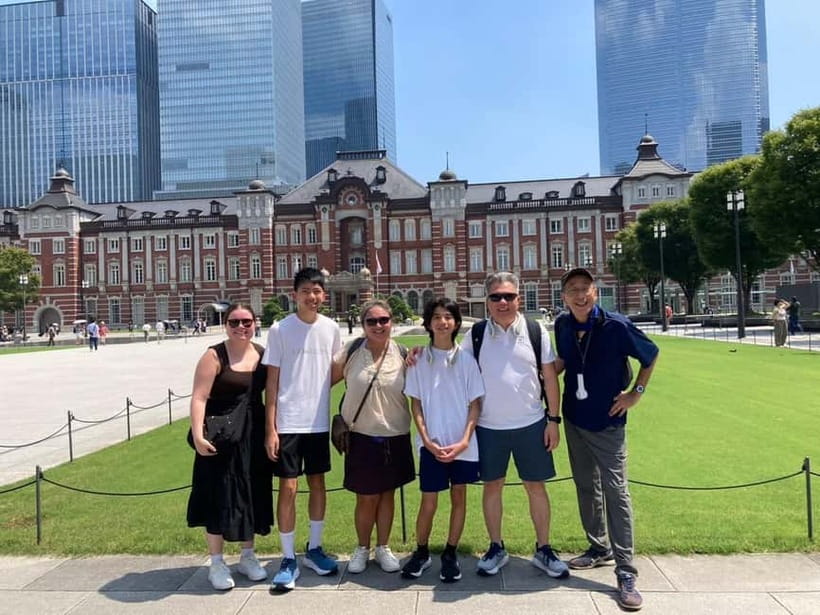
The tour starts at スターバックス コーヒー 皇居外苑 和田倉噴水公園店, right by Wadakura Fountain Park. It’s a smart setup because you’re already at the edge of the palace grounds, not fighting Tokyo traffic or confusing station exits before you begin.
This matters because the first minutes set the tone. If you arrive a bit early, grab a drink, use the time to get comfortable with the area, and then start walking with less stress.
You can also read our reviews of more tours and experiences in Tokyo.



Imperial Palace East Gardens: gates, moats, and the Edo-to-imperial storyline
Once you’re inside the East Gardens area, the walk feels like moving through checkpoints of Japan’s shifting power. The guide points out key structures and named locations such as the Ote-mon Gate and the Hyakunin Bansho Guardhouse, so you’re not just seeing pretty scenery. You’re learning what each spot was for, and why it mattered when castles and authority were centralized here.
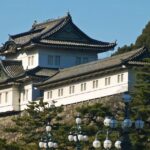
I particularly like the way the tour explains the Edo Castle ruins connection. Even if you know Tokyo is the modern capital, it’s eye-opening to see how the geography of the old castle shaped where later institutions took root. The scale model and watchtower references help you anchor what you’re hearing to what you’re standing near.
What makes the East Gardens stop special
You’ll get guided sightseeing in the gardens for about 30 minutes, focused on palace-era layout rather than random wandering. You also get stops that include Ninomaru Garden and views around the Kokyo Gaien National Garden zone, which helps you understand the palace grounds as a designed space, not just a big park.
If you enjoy architecture and “why this place looks like this,” this is the section where it really pays off.
Ninomaru Garden and the small details you’ll actually remember
Ninomaru Garden is one of those stops where the tour’s storytelling earns its keep. The guide’s job is to help you see beyond the surface: garden design choices, the role of specific areas, and how the palace landscape supported the life of the ruling center.
In the feedback you can feel the effect of good guiding here. People highlighted how explanations made it easy to imagine the area roughly 400 years ago, not as a vague past, but as a functioning place with built-in purpose.
A practical note about pacing
This portion is mostly walking with pauses for explanation and sightlines. If you tend to rush, slow down for the garden and gate moments. The “oh, that’s what I’m looking at” feeling comes from taking a few extra seconds where the guide tells you to.



Fujimi-yagura and the Edo Castle scale model: history made concrete
A standout included feature is the tour’s focus on Fujimi-yagura, plus time spent on the Edo Castle main keep scale model. These details matter because they turn a long, complicated era into something your brain can hold.
Scale models are especially useful in Tokyo. The city changes fast, and it can be hard to connect today’s buildings to older foundations. Here, the guide uses the model and watchtower references to build a mental map, so you’re not just hearing names—you’re connecting them to a layout.
Why this section is valuable for first-timers
If it’s your first time around the Imperial Palace grounds, the risk is leaving with photos but not much structure. This tour helps you avoid that. You finish with clearer links between the shogunate era and the imperial setting that visitors associate with today’s palace.
Honmaru area moments and Kokyo Gaien: where the tour threads the timeline
After the named gate and garden points, you’ll be guided through the Honmaru area and toward the Kokyo Gaien National Garden zone. That sequence helps because it’s basically the tour’s way of moving from “castle functions” to “palace grounds,” without requiring you to already know the vocabulary.
I like that this part stays practical. Instead of giving you a history lecture that runs too long, the guide ties the story to what you can actually see and name while you’re walking.
Take a breath between stops
This is a good place to stop, look around, and notice how the space feels. Even when the explanation is great, your photos—and your memory—depend on you giving your eyes time to register the scene.
Marunouchi on foot: modern architecture and art with old-world context
Leaving the palace side, you shift into Marunouchi, and the contrast is the point. You go from formal palace grounds into a business-and-design district where the buildings are sleek and modern and the city feels forward-facing.
You’ll walk portions of Marunouchi, including a short on-foot stretch, while the guide adds cultural context. The goal isn’t to make you think the past vanished. It’s to show how the same central geography kept evolving, even as Japan’s power structure and building styles changed.
What you’ll notice here
Marunouchi gives you a chance to practice “Tokyo reading.” Look at street grids, entrances, and the way public space is used between offices. Then, when the guide connects that to samurai-era architectural thinking and garden design logic, it feels less abstract.
This is also the part that works well if you have mixed interests. Even if imperial history isn’t your favorite topic, you still get a guided walk through an area you’ll likely want to explore later on your own.
Tokyo Station exterior finale: red brick, restored charm, and an easy exit
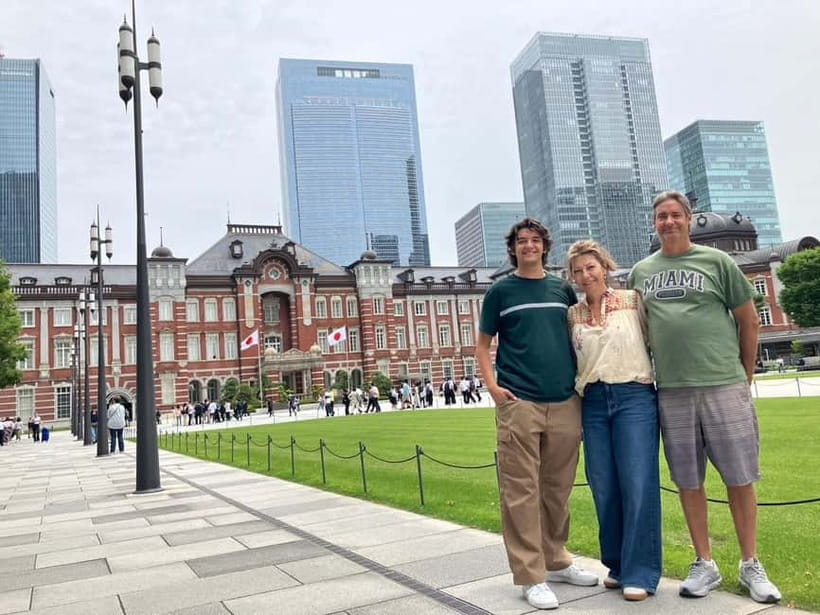
You end at 東京駅 (Tokyo Station), including time for the exterior and guided finishing points. Tokyo Station isn’t just transportation—it’s a landmark that ties together restoration, design, and how the city presents itself.
I love the psychology of this ending. You don’t finish at another museum where you still feel locked into sightseeing mode. Instead, you close at a central hub that makes it simple to keep going: meal, shopping, or a quick hop to your next plan.
Camera strategy for the last stretch
Save a little energy for the station exterior. The walk is winding down, so it’s the moment to slow down for photos without feeling like you’re cheating the schedule.
Price and value: $38 for 150 minutes that actually teach
At $38 per person for 150 minutes, the price lands in the “solid value” zone if you care about explanations, not just entry into a garden. The tour includes guided walking with an English-speaking guide, plus access where no admission fee is required for the Imperial Palace East Gardens.
The value isn’t only the sites—it’s the way the guide turns them into an understandable story. In feedback, people repeatedly praised Yuki’s humor and the way she made the area feel vivid and organized. That kind of guiding is hard to replicate if you’re just sightseeing solo with a map.
You’re also getting a clear, compact route from the palace side to Tokyo Station. Instead of spreading your time across multiple half-day plans, you get a focused arc in about two and a half hours.
What to bring (and what to skip) so the walk stays comfortable
This tour is straightforward, but small prep helps a lot.
Bring:
- Comfortable shoes (non-negotiable for a walking tour)
- Water
- Camera
- Hat and sunscreen
- Weather-appropriate clothing
Skip:
- Backpacks (not allowed)
- Flash photography (not allowed)
- Smoking
If you’re traveling with a small day bag, keep it lean. The no-backpack rule means you’ll want the lightest setup that still lets you carry water and your essentials.
Guide style matters here: when Yuki’s explanations click
A repeated theme is how well the guide makes the area make sense. People described easy-to-understand, humorous commentary and an ability to help them picture Tokyo in earlier centuries. There’s also credit for explanations that stay tied to today’s landmarks, so the story doesn’t drift into random facts.
If you’re the type who likes history told with clarity (and not a stiff lecture vibe), you’ll probably appreciate that approach. And if you’re new to the Imperial Palace grounds, this guiding style can prevent that common feeling of seeing “important places” without knowing why they’re important.
Who should book this tour
You’ll likely enjoy this experience if you:
- Want a guided, time-efficient way to connect Imperial Palace East Gardens with Edo Castle-era ruins
- Prefer walking tours where the route has logic, not just stops
- Like pairing classic sightseeing with modern Tokyo context in Marunouchi
- Want a tour that ends at a place where you can instantly keep your day moving
It’s also listed as wheelchair accessible, which helps if you need that option. And with multiple languages offered (English, Japanese, Spanish, Chinese, French), it’s a good match for mixed groups.
Should you book the Imperial Palace East Gardens to Tokyo Station tour?
Yes, if you want the best kind of Tokyo combo: imperial grounds plus a modern-city finishing line. The route is short enough to fit easily into a travel day, but the included stops give you more than “pretty views.” The real win is the guided storytelling that helps you place what you’re seeing in a timeline.
Consider skipping if you strongly dislike walking (because 150 minutes still means you’ll be on your feet). Also, if you prefer completely self-paced sightseeing with no guide prompts, a tour format may feel restrictive.
A final practical reason to book: the tour includes free cancellation up to 24 hours in advance and a reserve now & pay later option, which is useful if your Tokyo plans are still flexible.
FAQ
Where does the tour start?
It starts at スターバックス コーヒー 皇居外苑 和田倉噴水公園店.
How long is the tour?
The duration is 150 minutes.
Is there an admission fee for the Imperial Palace East Gardens?
No admission fee is required for the Imperial Palace East Gardens as part of this tour.
What are the main landmarks you’ll stop at?
The tour includes stops at key landmarks such as Ote-mon Gate, Hyakunin Bansho Guardhouse, Ninomaru Garden, and more, along with viewpoints connected to Nijubashi.
What should I bring or wear?
You should bring comfortable shoes, a hat, a camera, sunscreen, and water, and wear weather-appropriate clothing.
Is the tour wheelchair accessible?
Yes, the tour is wheelchair accessible.