REVIEW · TOKYO
Nagano: World’s Edge Tateyama Kurobe Alpine Route Tour
Book on GetYourGuide →Operated by Omotenashi-travel · Bookable on GetYourGuide
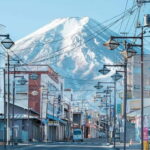
Snow walls start your day in Nagano. I love how this private outing handles the hardest part—transfers—so you can just watch the scenery climb instead of studying timetables. I also love the season-specific payoff, from 20-meter snow walls in spring to autumn color at high altitude. One thing to factor in: the main rail-bus ropeway admission is paid on-site, so the all-in cost can be higher than the headline price.
The route itself is famous for a reason: you climb all the way to the Murodo Plateau (2,450m) using a mix of electric buses, ropeways, and trolley buses. Your English-speaking guide keeps the day flowing, and you’re free to move at a comfortable pace rather than getting herded. Plus, there’s a dedicated photo moment—your stops get captured, and you get the photo memories later.
Because the Alpine Route is closed in winter, the timing matters. If you go outside the snow-wall window, you’ll still get big mountain views, but you should expect the snow corridor experience to be reduced or different.
In This Review
- Key highlights at a glance
- Why the Tateyama Kurobe Alpine Route feels like a different Japan
- Private pickup and the Ogizawa access that saves your brain
- The ascent plan: ropeways, electric buses, and trolley buses to 2,450m
- Tateyama Kurobe Alpine Route sightseeing: guided time plus room for your pace
- Kurobe Dam (1.5 hours): a focused break before the high plateau
- Murodo Plateau at 2,450m: guided views first, then 2 hours to wander
- A small reality check about time and conditions
- Season cheat sheet: pick your month for the right kind of wow
- Photo memories you don’t have to manage
- Price and logistics: what $220 covers, and what to budget for on-site
- Who should book this day trip (and who might not need it)
- Should you book the Nagano Tateyama Kurobe Alpine Route tour?
- FAQ
- What seasons can I visit the Tateyama Kurobe Alpine Route?
- How high do you go on this tour?
- What types of transportation are used to reach the plateau?
- Is this a private tour?
- Do I have to buy the Alpine Route admission in advance?
- How much is admission?
- What does the day include besides the mountain route?
- Is the tour wheelchair accessible?
Key highlights at a glance
- Private, guide-managed transfers so you don’t fight multiple ticket counters and transport changes
- Up to 2,450m at Murodo Plateau via ropeways, electric buses, and trolley buses
- Seasonal magic: snow walls in Apr–Jun, cooler alpine air in Jul–Aug, autumn color Sep–Oct
- Kurobe Dam + Murodo timing with guided time and a full block of free walking
- Photo gifts after the tour, so you can relax and stop thinking about your camera
- Pickup flexibility across Nagano area (Nagano, Hakuba, Togakushi, Matsumoto, Obuse, Kamiminochi District, Azumino)
Why the Tateyama Kurobe Alpine Route feels like a different Japan
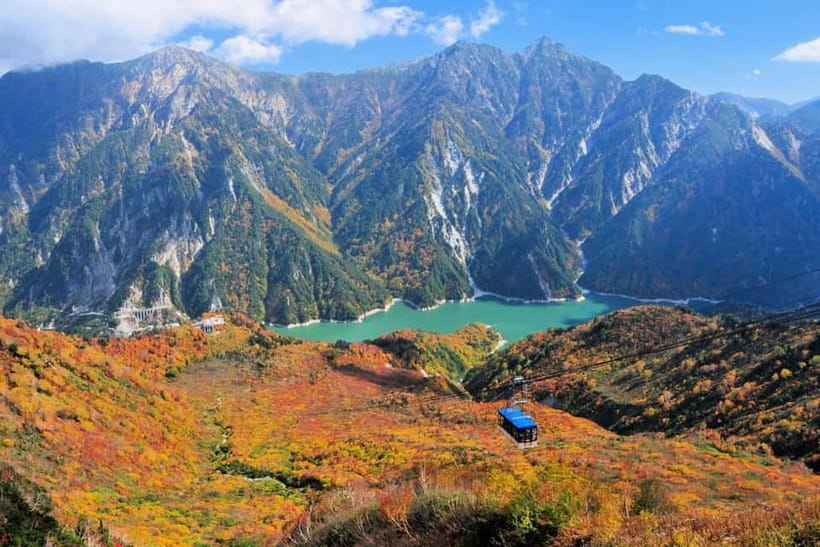
This is one of those days where Japan stops looking like a list of temples and starts looking like a real place with weather, altitude, and changing light. The Tateyama Kurobe Alpine Route earns its nickname as the Roof of Japan because you travel through distinct mountain zones, not just one viewpoint.
The big value here is how the day is structured for your time. Instead of trying to figure out routes on your own, you get guided sightseeing up the mountain and help with every transport segment. That matters on the Alpine Route because the day is built around transfers, not one simple ride.
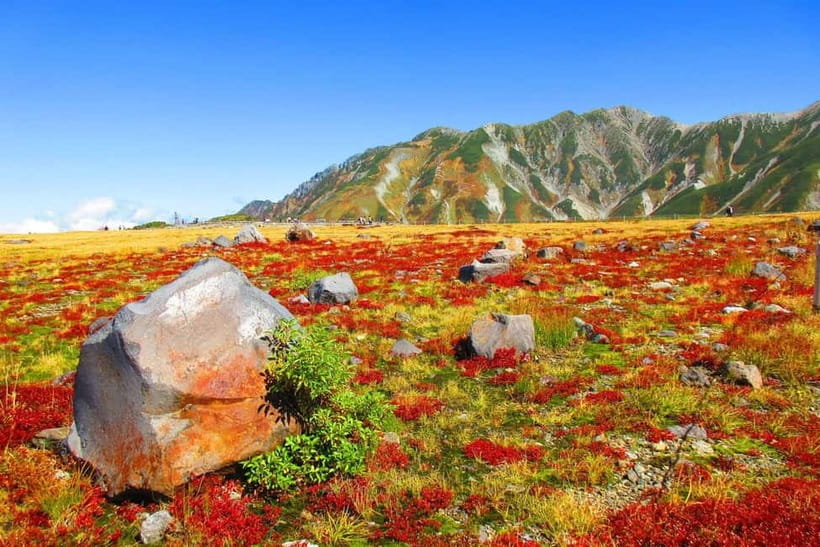
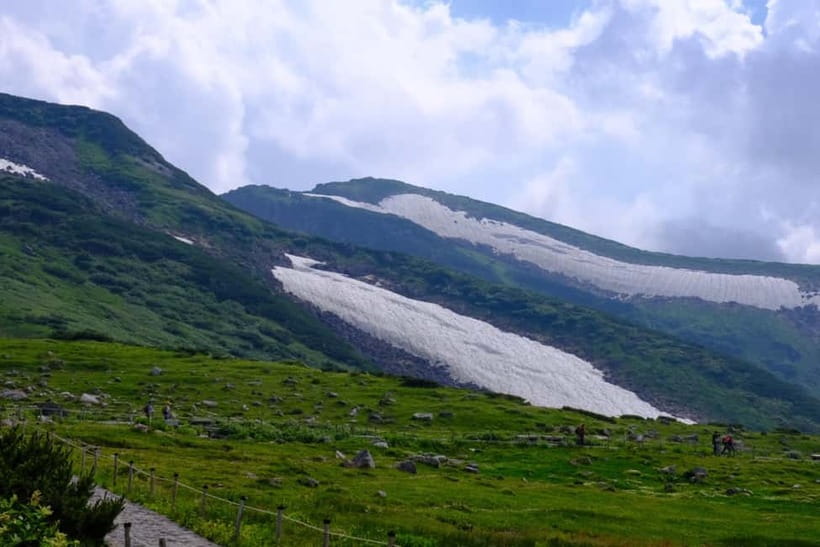
And the season angle is not marketing fluff. In April to June you can get those towering snow walls (often huge, up to about 20 meters). In July and August, the air feels cooler and lighter at elevation. In September and October, high-altitude reds and golds take over. Same route, different personality.
You can also read our reviews of more tours and experiences in Tokyo.

Private pickup and the Ogizawa access that saves your brain
Most people underestimate how much energy it takes to get to the right starting point. Here, you get round-trip private vehicle transport to and from Ogizawa Station, which is the gateway for your mountain run.
You also get hotel pickup and drop-off in Nagano or Matsumoto, and the tour offers 7 pickup location options: Nagano, Hakuba, Togakushi, Matsumoto, Obuse, Kamiminochi District, and Azumino. That’s a practical win if your hotel is outside the easiest train corridors.
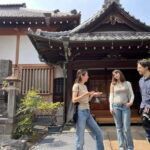
Then the guide takes over. You’re not just handed a ticket. You’re supported through the day’s handoffs—where to walk, when to change transport, and how to stay on schedule. On a route like this, that removes the quiet stress that can ruin a scenic day.
The ascent plan: ropeways, electric buses, and trolley buses to 2,450m
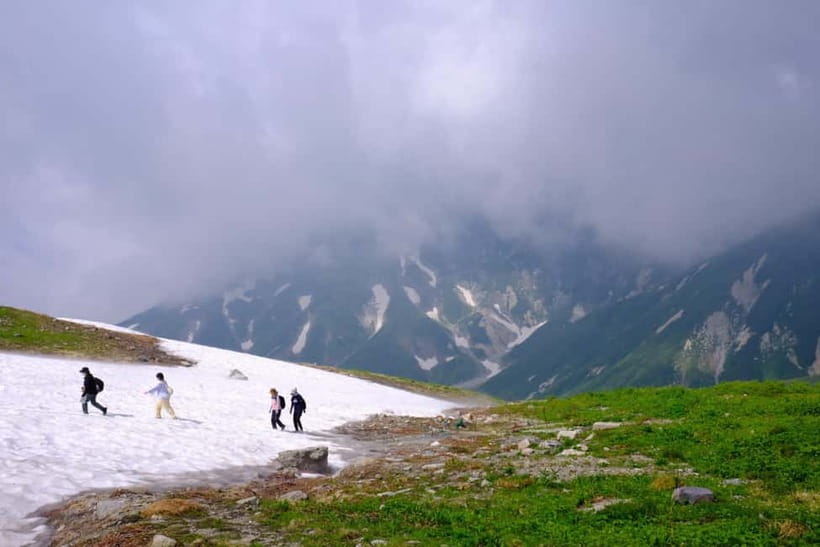
The ascent is the whole show. You’re climbing to the Murodo Plateau, and the tour uses multiple kinds of transport to do it. Expect a sequence of steps where each segment gives you a new angle on the mountains.
You’ll ride electric buses, ropeways, and trolley buses up toward the high plateau. The practical benefit of having transfer assistance is that you can stay focused on what you came for: snow corridors (when in season), valley views, and the shift from lower mountain scenery to the harsher, thinner-air feel near the top.
This is also why a private guide helps even if you’re comfortable with public transit. The Alpine Route is not just “get on a train.” It’s a moving chain. If one part is delayed or you miss a connection, your day snowballs into problems. The guide’s job is to keep the day from turning into that.
Tateyama Kurobe Alpine Route sightseeing: guided time plus room for your pace
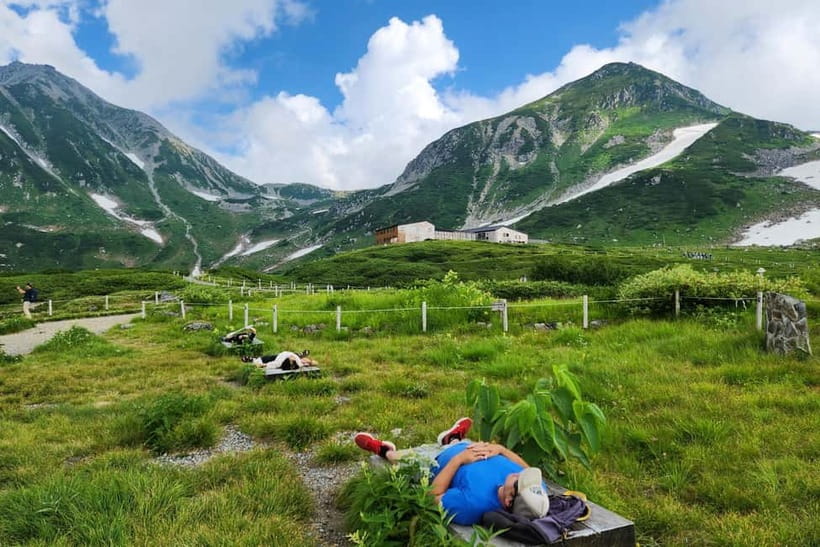
Once you’re on the route, you get a guided tour and sightseeing through the key mountain sections. The goal is to make sure you hit the must-sees without turning your day into a sprint.
There’s also flexibility built in. If you want to walk a bit deeper, relax more at the mountain stops, or simply take more photos, you can. That flexibility matters because the route is physically demanding in spots, and the light changes fast at altitude.
A small but real detail: this day includes guided time, but you still get breaks. You’re not spending 12 hours straight standing, staring, and rushing. That’s how you make a long mountain day actually enjoyable.
Kurobe Dam (1.5 hours): a focused break before the high plateau
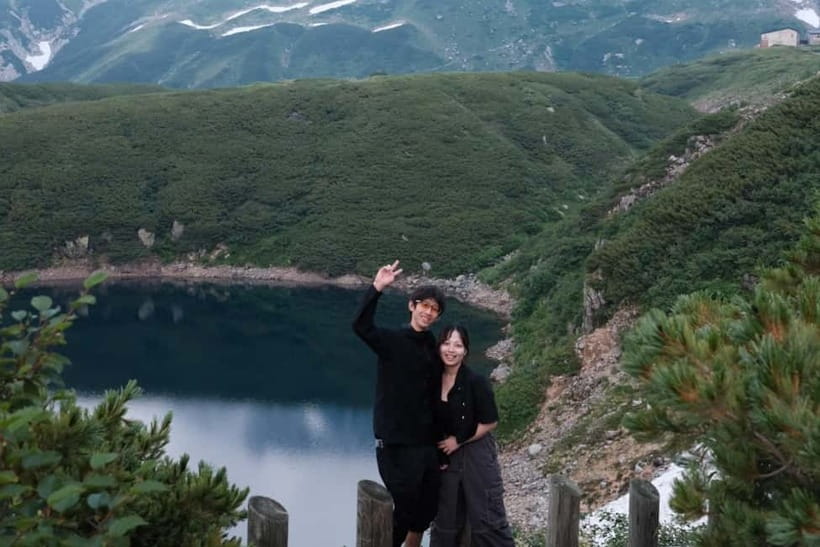
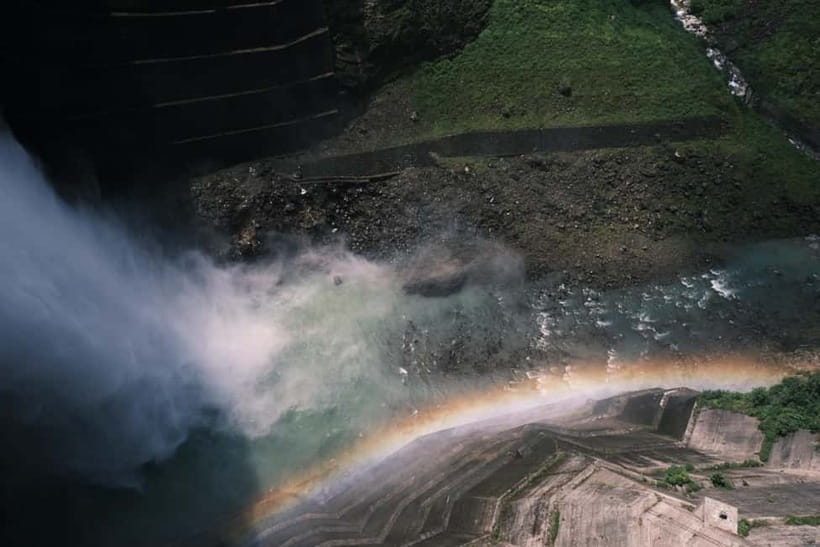
The day’s rhythm shifts at Kurobe Dam, where you get about 1.5 hours with guided context and sightseeing time. This is a good moment to catch your breath. You’re still in mountain country, but it’s a different kind of view: engineered, dramatic, and full of scale.
You’ll also have the chance to experience the dam area more closely—there’s typically a short walk in the dam zone as you move through that stop. It’s a nice contrast to the snow-and-rock feel higher up, and it’s one of those “stop and look” moments that breaks up the travel.
If you’re the type who likes understanding what you’re seeing, this is the stop that helps. You’re not just passing through; the guide helps connect the dots between the dam, the water system, and the larger mountain route.
Murodo Plateau at 2,450m: guided views first, then 2 hours to wander
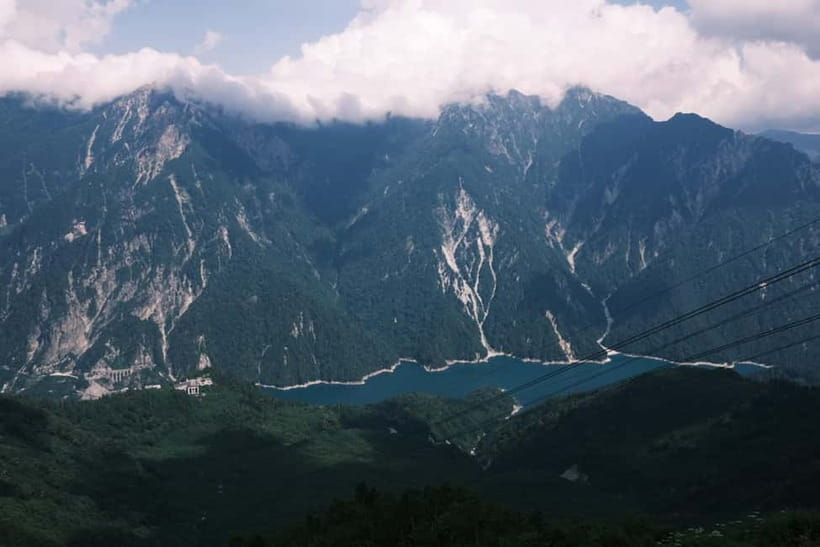
Murodo Plateau is where the route earns its serious reputation. You get 2 hours of guided tour here, followed by 2 hours of free time. That structure is smart: you get the orientation and must-looks first, then you decide how to spend the remaining time.
During the guided portion, expect help spotting what’s important in that zone—view angles, walking options, and the best places to pause. Then the free time lets you match your energy level. Some people will want to stretch their legs and keep moving. Others will prefer sitting down, taking photos, and enjoying the altitude air.
There are also options for food and rest up there. You can plan on having time to eat, whether that means a more substantial meal at a top restaurant or snacks you bring and enjoy at the mountain stops. Either way, this is the part of the day where your pacing matters most.
A small reality check about time and conditions
High-altitude days are weather-driven. If you’re traveling outside the peak snow-wall months, the snow corridor experience can be reduced. You may also notice your day feels shorter or the snow-specific segments don’t land the way you expected. The good news: the plateau is still spectacular year-round the route is open, even if the snow walls aren’t part of your exact day.
Season cheat sheet: pick your month for the right kind of wow
This is one of the rare Japanese tours where the calendar truly changes what you’ll remember.
- April–June (spring): look for the tall snow walls that can reach around 20 meters, plus that surreal corridor feeling
- July–August (summer): cooler alpine air and the “up here” relief from lower-elevation heat
- September–October (autumn): high mountain colors, where reds and golds show up with dramatic timing
- Winter: the route is closed, so plan your trip for the open season only
My practical tip: if snow walls are your #1 goal, don’t treat it like a vague maybe. Plan around the spring window so you’re more likely to catch the big snow structure. If autumn colors are your priority, target Sep–Oct and expect the whole upper route to feel different than spring.
Photo memories you don’t have to manage
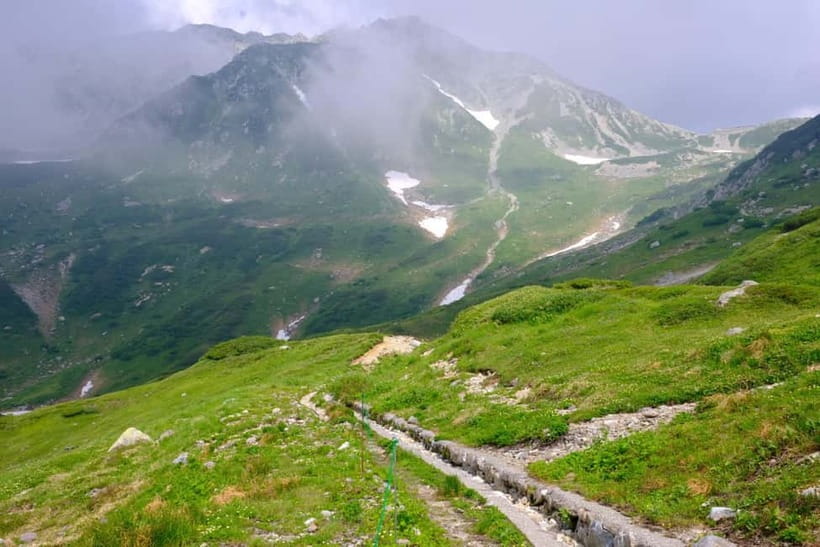
One of the best parts of this tour format is the photo side. You get moments captured by a dedicated camera, and you receive the photo memories later after the day.
That matters more than people think. On the Alpine Route, you’ll be busy with steps, timing, and stairs across transfers. If you’re also trying to line up shots constantly, you miss scenery. Here, you can focus on experiencing the views, and your guide helps take care of the group-photo moments.
If you care about travel photos but don’t want to spend half your day playing photographer, this is a strong reason to choose a guided day over DIY.
Price and logistics: what $220 covers, and what to budget for on-site
The tour price is listed as $220 per person, and your big inclusions are real: private English-speaking guide all day, hotel pickup/drop-off in Nagano or Matsumoto, private vehicle transport to/from Ogizawa Station, and transfer assistance across the mountain transport segments.
The catch is admission. The Tateyama Kurobe Alpine Route admission is paid on-site, with set adult/child pricing:
- Adult (12+): 12,300 yen
- Child (6–11): 6,150 yen
- Children under 6: free when seated on an accompanying adult’s lap
So what’s the value? You’re paying to reduce friction. If you’re confident navigating multiple transport segments, you might think you could do it cheaper alone. But on this route, the cost of mistakes—missed transfers, confusion about where to go, and time lost in stations—is high.
For me, the best value calculation is this: if you want a high-probability day with minimal stress, you’re buying that reliability. And since the guide handles timing and transfers, you get more time to look around at the actual mountain scenery.
Also, note the tour duration is listed as 12 hours. In real life, day length can feel different depending on season conditions and how your walk time goes, so keep your expectations flexible.
Who should book this day trip (and who might not need it)
This tour is a great fit if you:
- Want an easy-to-follow plan on a route with multiple transfers
- Care about snow walls, alpine summer air, or autumn color and want the best chance of a smooth day
- Prefer a private group where you can go at your pace
- Like the idea of being photographed and receiving photo memories after
It may be less ideal if you:
- Love planning your own transport and enjoy multitasking (maps, stations, tickets)
- Are traveling with a tight schedule that can’t handle changes due to seasonal operations or weather
One more thing: the tour is listed as wheelchair accessible, which is a meaningful consideration if you need that level of support.
Should you book the Nagano Tateyama Kurobe Alpine Route tour?
If your dream version of the day includes snow walls (spring), cool mountain air (summer), or serious autumn color (fall), I think booking is worth it—especially if you’d rather not spend your energy figuring out the Alpine Route’s transfer chain. The private guide, private Ogizawa access, and on-the-ground transfer help turn a complex route into a day you can actually enjoy.
My call: book this if you want maximum scenery with minimum logistics headaches, and you’re okay paying the admission on-site as part of the real total cost. If you’re the kind of traveler who loves DIY planning and already knows you’ll move quickly, you might save money doing it independently. But for most people, this tour is the “show up, ride up, breathe the air, and remember it forever” option.
FAQ
What seasons can I visit the Tateyama Kurobe Alpine Route?
The route is open in seasons when it’s operating: spring (April–June) is known for snow walls, summer (July–August) for cooler alpine weather, and autumn (September–October) for color. It is closed in winter.
How high do you go on this tour?
You travel up to the Murodo Plateau, which is at 2,450m.
What types of transportation are used to reach the plateau?
You’ll use a combination of electric buses, ropeways, and trolley buses to make the ascent.
Is this a private tour?
Yes. It’s a private group experience with a private English-speaking guide for the whole day.
Do I have to buy the Alpine Route admission in advance?
No. Admission is paid on-site, so you don’t need to purchase it ahead of time online.
How much is admission?
Adult (12+): 12,300 yen. Child (6–11): 6,150 yen. Children under 6 are free when seated on an accompanying adult’s lap.
What does the day include besides the mountain route?
You get hotel pickup and drop-off in Nagano or Matsumoto, private round-trip transport by vehicle to and from Ogizawa Station, and assistance with transfers between the mountain transport segments. A guided visit to Kurobe Dam and Murodo is also included.
Is the tour wheelchair accessible?
Yes, the tour is listed as wheelchair accessible.