REVIEW · TOKYO
Tokyo Private Full-Day Tour with a Local – Secrets & Highlights
Book on Viator →Operated by City Unscripted · Bookable on Viator
Tokyo feels different when you’re not chasing crowds. This private full-day tour uses private customization and walking with a local to shape a route around what you actually care about, from old neighborhoods to iconic temples. One thing to weigh up front: it is premium-priced, and since it is mostly walking with food and attraction tickets not included, you’ll want to plan your own budget.
I like that the day stays flexible, so you’re not stuck when you find something you want to linger over. You’ll start at the Shinjuku Tourist Information Center and spend about 7 to 8 hours moving between classic sights and quieter backstreets guided by a local host.
In This Review
- Key things to know before you book
- Why this private Tokyo day beats the rigid group version
- Starting in Shinjuku: your local host sets the tempo
- Yanaka’s old-Tokyo feel: temples, artisan shops, and wartime memory
- Ueno-area park time: museums, ponds, shrines, and seasonal stories
- Ameya-Yokocho: street snacks and clothing alleys, with less stress
- Senso-ji and Nakamise: the oldest temple experience, explained in plain terms
- Kagurazaka at day’s end: narrow lanes, old geisha houses, and café vibes
- Price and value: what you’re paying for at about $253 per person
- Walking logistics: how to plan your comfort and timing
- Who should book this private Tokyo full-day tour?
- Final verdict: should you book it?
- FAQ
- How long is the Tokyo private full-day tour?
- Where does the tour start and end?
- Is this tour private or shared?
- Is transportation included?
- Are food, drinks, and attraction tickets included?
- Can I choose my start time?
- What if I need to cancel?
Key things to know before you book
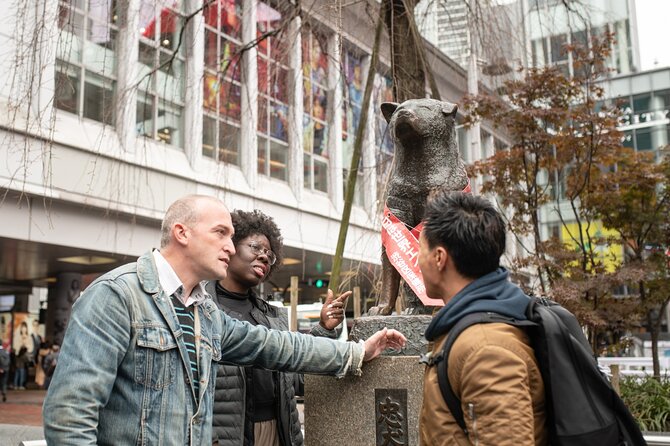
- You control the direction with a pre-tour questionnaire and direct messages to fine-tune the day
- This is a private walking route built for your party, not a shared group shuffle
- Yanaka brings old Tokyo back with traditional houses, small artisan shops, and calm temple stops
- Ameya-Yokocho is more than a market when your host guides you through snack alleys and side lanes
- Senso-ji is easier and better explained with ritual context and Nakamise shopping street guidance
- Kagurazaka adds a mood shift to narrow lanes, tucked-away shrines, and that café-and-history vibe
Why this private Tokyo day beats the rigid group version
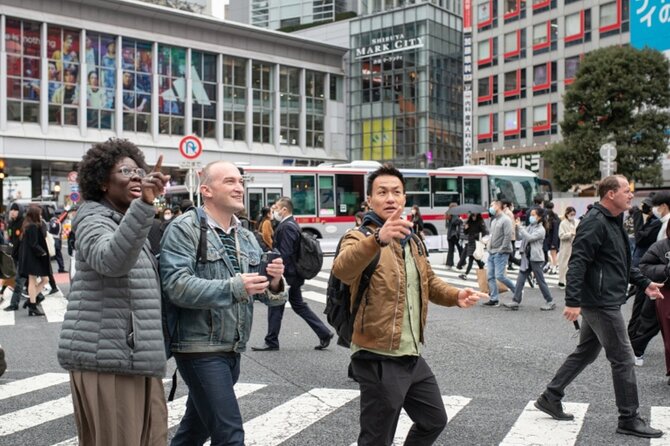
Tokyo is huge, and most group tours can’t slow down enough to match your interests. This works because the whole day is set up to be adjusted while you’re walking. If you lean more historical, your host can steer you toward quieter lanes and older neighborhoods. If you’re more into food and daily life, you can spend extra time on snack streets and local shops.
You’re also paying for something practical: guidance that helps you see what’s easy to miss on your own. With a local host, you’re not just ticking boxes like a checklist. You’re learning the why behind the places, which changes how the streets feel as you move through them.
You can also read our reviews of more private tours in Tokyo
Starting in Shinjuku: your local host sets the tempo
The meeting point is the Shinjuku Tourist Information Center at 3-chōme-37-2 Shinjuku, Shinjuku City, Tokyo. Most of the time, the first stretch is where your day starts to feel personal. Instead of launching straight into tourist highlights, you begin in the heart of Tokyo, then shift toward lively neighborhoods, local shops, and quieter backstreets that match your interests.
This matters because Shinjuku is loud and fast. A good start helps you get your bearings without turning the morning into a confused scramble. Also, your start time is flexible when you book, which is a big deal in a city where weather and your energy level can change your ideal pace.
Yanaka’s old-Tokyo feel: temples, artisan shops, and wartime memory
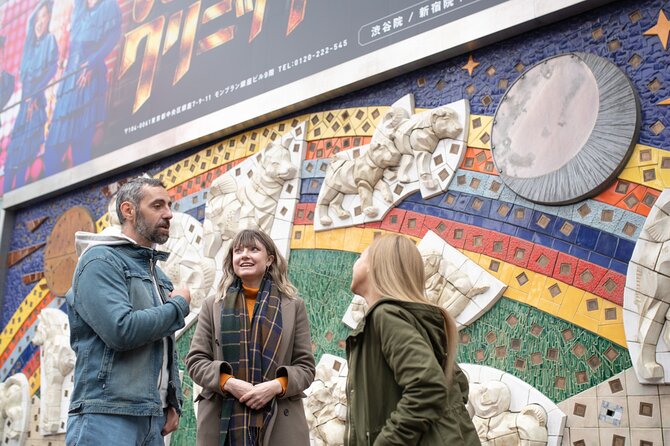
One of the strongest portions of this day is the walk through Yanaka. This historic neighborhood is known for being spared from wartime bombing, so the area still carries a more old-school Tokyo atmosphere than newer districts. You’ll move through traditional houses, quiet temples, and peaceful cemeteries, with your host pointing out small artisan shops along the way.
What I like about this stop is the contrast. Yanaka slows your brain down. You stop rushing because the streets encourage it: low-key buildings, side lanes, and small spaces where details matter. If you enjoy everyday Tokyo texture—craft stores, temple grounds, and calm corners—this is the place where a local guide adds real value.
Possible drawback: Yanaka is not about big-ticket photo poses. If you want spectacle every five minutes, this may feel more like a thoughtful walk than a thrill ride. But if you want Tokyo that feels lived-in, it’s excellent.
Ueno-area park time: museums, ponds, shrines, and seasonal stories
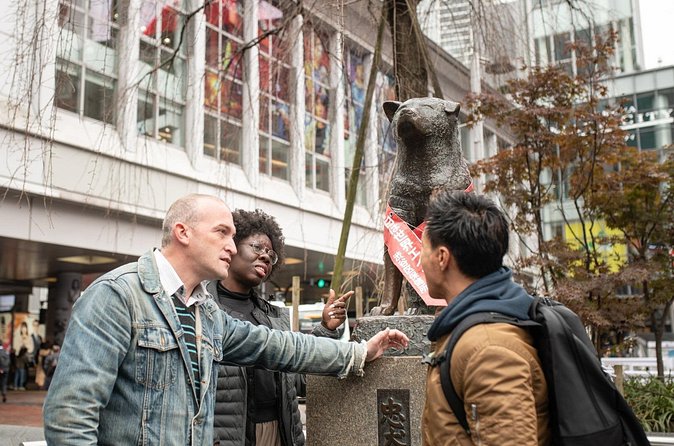
Next comes a beloved Tokyo park area with museums, ponds, and shrines. Your host shares stories about seasonal festivals and historical monuments as you stroll through serene spaces like the park areas around landmarks and shrine grounds.
This is a smart move in an 7 to 8 hour day. It breaks up the more crowded street sections with calmer walking. It also lets you slow down for photos, rest your feet, and ask questions that pop up naturally while you’re surrounded by cultural sites.
What you should watch for: park time can be flexible. If your energy dips, it’s the part where you can request a slightly slower pace. If you’re feeling strong, it’s also where you might add time around the museums or shrines if your host thinks it fits your interests.
Ameya-Yokocho: street snacks and clothing alleys, with less stress
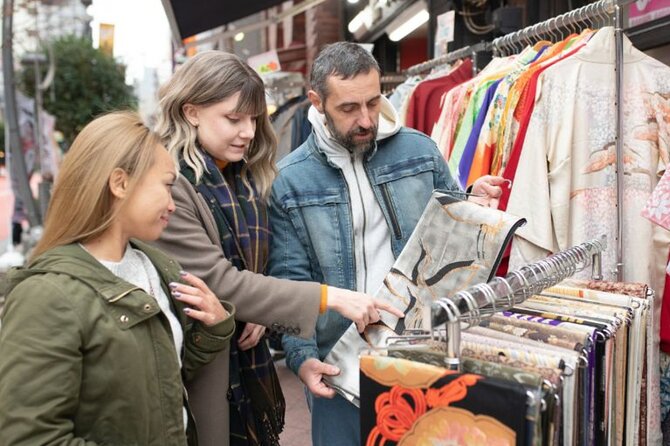
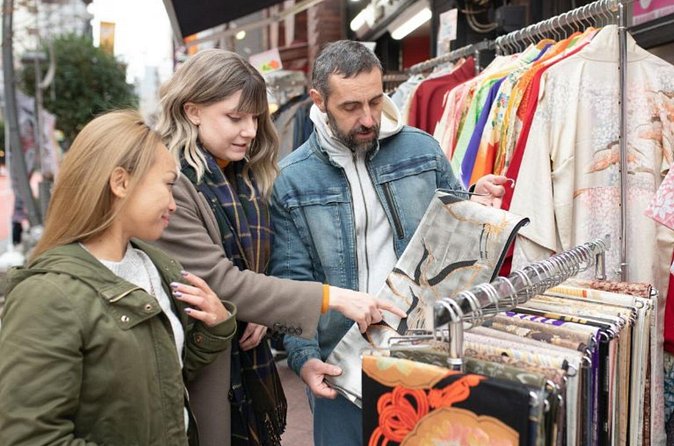
Ameya-Yokocho is where Tokyo turns into action. Tiny shops line tight lanes selling street snacks, clothes, and everyday local treats. A host helps you navigate the crowd and, just as important, the side alleys that feel like they belong to a different rhythm than the main walkway.
This is a good stop for you if you like food you can grab and eat while walking. Your host can also help you spot what’s worth trying and how to order or choose without overthinking it. When you’re moving through a market that packed, a little local guidance saves time and reduces the feeling of wandering without purpose.
One consideration: it can be busy. Wear shoes you trust for long distances, and expect to share space with pedestrians. If you prefer quiet shopping, you might ask your host for a slightly longer loop through calmer lanes around the market rather than staying in the thickest part.
You can also read our reviews of more tours and experiences in Tokyo
Senso-ji and Nakamise: the oldest temple experience, explained in plain terms
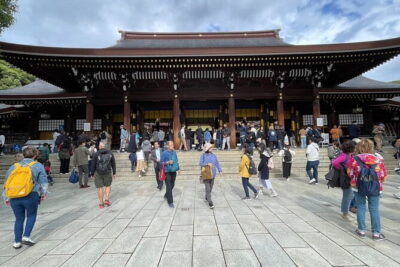
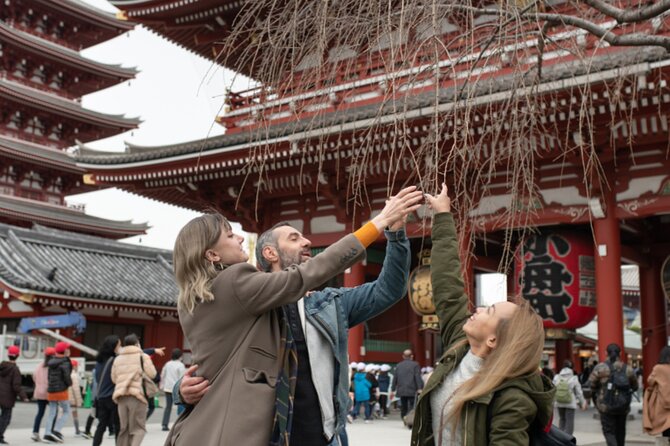
Senso-jo is Tokyo’s oldest temple, and your day includes time here plus Nakamise shopping street right next to it. Expect a classic scene: temple grounds, the shopping street with traditional snacks and souvenirs, and a local host sharing cultural rituals and legends that bring the area to life.
This is the kind of place where context makes a difference. Without it, you can still see everything, but it can feel like you’re just moving past impressive buildings. With a guide, you’re more likely to understand what you’re seeing, what people do there, and why certain parts of the experience matter.
What to plan: Nakamise can pull you in fast because food and souvenirs are right there. If you want to sample snacks, this stop is a strong candidate. If you want to keep costs down, you can still enjoy the atmosphere and buy one or two small items instead of trying to do a full shopping run.
Kagurazaka at day’s end: narrow lanes, old geisha houses, and café vibes
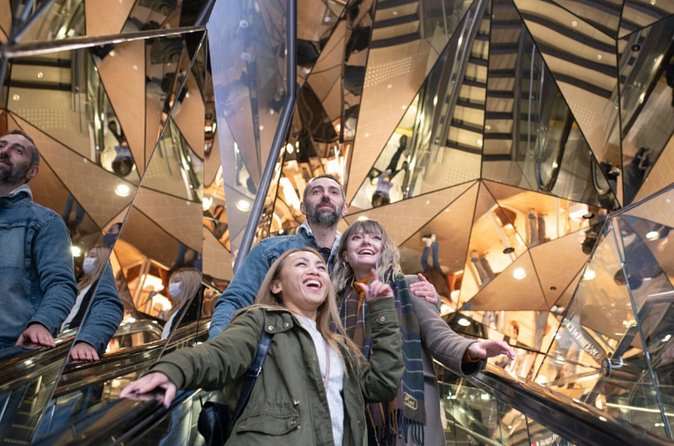
To close the day, you’ll head to Kagurazaka, known for narrow lanes with older geisha house areas, tucked-away shrines, and a vibe that some visitors describe as having a European café feel. The walk includes hidden alleys and quiet courtyards that make the neighborhood feel like it’s far away from the city noise.
I like this finale because it’s a mood shift. Morning and midday in Tokyo often feel like momentum. Kagurazaka lets you exhale. It’s also a great place to notice the small details: the lane layouts, the shrine corners, and the way the neighborhood changes as you turn down side streets.
Practical tip: since this is late-day, you’ll probably feel the miles in your legs. Ask your host for a comfortable pace, and use the cafés only if you genuinely need a break, because you can easily turn a short stop into a longer detour.
Price and value: what you’re paying for at about $253 per person
At about $253.48 per person for a 7 to 8 hour private walking day, this isn’t budget travel. So you need to decide what you’re really buying.
Here’s the value case that makes sense:
- You’re paying for private time, meaning your party gets a single itinerary that can change as you walk.
- You’re paying for local decision-making, not just route planning. A host can shift the day when you’re more interested in history, food, neighborhoods, or nightlife.
- You’re paying for reduced friction, especially in busy areas like Ameya-Yokocho, where it’s easy to feel lost.
Here’s the value trap to avoid:
- Food, drinks, and attraction tickets are not included, and transportation is not included. That means your total day cost can rise if you add more paid entries or take taxis frequently.
- Because it is mostly walking, if you expected a tour with lots of paid stops and vehicle time, you could feel it’s overpriced for what you get.
One helpful signal: the tour rates well overall, with a 4.6 rating and 93% recommendation. Still, there’s at least one past experience where the pricing felt off. The difference usually comes down to expectations: if you want a guide plus customization, it tends to feel worth it. If you want a lot of included attractions or want to avoid walking costs, you might not love it.
Walking logistics: how to plan your comfort and timing
This is a walking tour with no private vehicle. Public transportation may be used to transfer between sites, and local taxi costs can be discussed with your host after you reserve. Translation: you should be ready to walk most of the day, with possible short transfers if needed.
That affects what you pack and how you pace yourself:
- Wear comfortable, broken-in shoes.
- Bring a small water bottle if you’re sensitive to hydration gaps.
- Use your host. If the route is leaving you tired, say so early. The tour’s whole point is flexible timing.
Also note: a pre-tour questionnaire helps your guide tailor the day to your preferences. That reduces guesswork and helps the itinerary make sense from stop to stop rather than feeling random.
Who should book this private Tokyo full-day tour?
This is a strong fit for you if:
- You want a private day and don’t want to feel rushed with strangers.
- You enjoy both big landmarks and quieter neighborhood texture.
- You like food exploration, but you’d rather do it with guidance than guess.
- You’re the type who asks questions and likes explanations more than just photos.
It may be less ideal if:
- You want a tour with lots of included entrances or a vehicle-heavy day.
- You are trying to keep the total cost very low, since meals, tickets, and transport between sites are not part of the base.
- You don’t like markets or crowded lanes, even with a guide’s help.
Final verdict: should you book it?
If you like Tokyo best when it feels personal—older neighborhoods in the morning, iconic temples mid-day, and a calmer end to the afternoon—this private day is a good bet. The customization, flexible pacing, and local context are exactly what you want for a first-time visit or a repeat trip where you want something beyond the standard checklist.
If budget is tight or you’re expecting the guide to handle most ticket costs and meals, you may feel the price more sharply. My advice: book it when you’re excited to spend the day walking, choosing what to see, and using your host like a translator for culture—not just as a route marker.
FAQ
How long is the Tokyo private full-day tour?
It runs about 7 to 8 hours, depending on your pace and the customized itinerary.
Where does the tour start and end?
It starts at the Shinjuku Tourist Information Center (3-chōme-37-2 Shinjuku, Shinjuku City, Tokyo) and ends back at the meeting point.
Is this tour private or shared?
This is a private tour. Only your group participates.
Is transportation included?
Transportation is not included. The tour is primarily a walking experience, and public transport or taxis may be used at an additional cost discussed with your host.
Are food, drinks, and attraction tickets included?
No. Food, drinks, and tickets to attractions are not included.
Can I choose my start time?
Yes. Flexible start times are available, and you choose your preferred time when booking.
What if I need to cancel?
You can cancel for a full refund up to 24 hours in advance of the experience start time. After that window, the amount paid is not refunded.