REVIEW · TOKYO
Tokyo: Meiji Shrine Walking Tour with Local Guide
Book on GetYourGuide →Operated by Exsighting Tokyo · Bookable on GetYourGuide
Meiji Shrine feels like a reset button. This guided walk is all about learning what to do and where to stand, so the shrine’s sacred forest feels personal instead of confusing. I love that you get local guidance right from the start, not just a quick look around.
Two things I really liked: you’ll practice the correct rhythm of shrine respect, including how to bow and how to pray the traditional way like Tokyoites do for New Year’s, and you’ll also reach quieter corners most visitors skip. The Imperial Fishing Platform stop is especially calming, giving you a rare pause inside the larger Meiji Shrine area.
One drawback to consider: this is a walking tour. If your legs get cranky with steady walking, wear comfortable shoes and plan for some time on your feet.
In This Review
- Key things to look forward to
- Why this Meiji Jingu walk feels different from a quick visit
- Outer Worship Hall: where the wishing starts (and the etiquette clicks)
- Torii gate approach: bowing rules and the left-side tip that matters
- Cleansing and prayer the traditional way (so you’re not just taking photos)
- Hidden corners in the sacred forest: look for what your guide points at
- The back-of-the-hall sights: turtle stone and sazare stone explained
- Imperial Fishing Platform: the quiet corner you’ll remember
- Wrapping up at the bicycle parking area near Harajuku Station
- Is $20 worth it? What you’re really buying
- Who this Meiji Shrine walking tour suits best
- Should you book this Meiji Shrine walking tour?
- FAQ
- How much does the Meiji Shrine walking tour cost?
- What language is the tour conducted in?
- Where do I meet the guide?
- Where does the tour end?
- Is the tour mostly walking?
- What should I bring?
- What’s included in the tour price?
- Can I reserve now and pay later?
Key things to look forward to
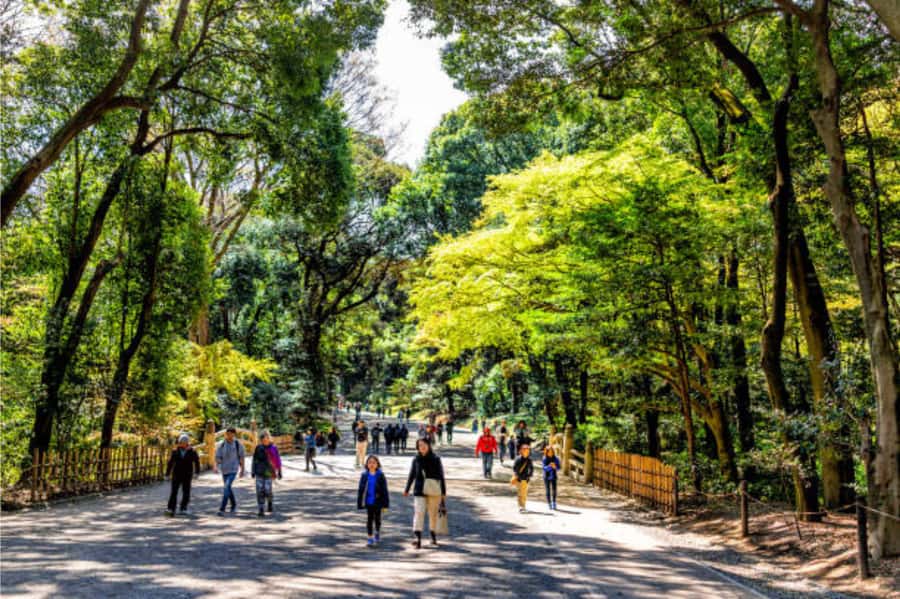
- Torii etiquette explained so you know how to approach the sacred path
- Bowing, cleansing, and praying taught in the traditional way
- Quiet photo stops that help you slow down and look closely
- Imperial Fishing Platform visit for a hushed, unexpected angle on the shrine
- Finish near Harajuku Station so your next stop is easy
Why this Meiji Jingu walk feels different from a quick visit
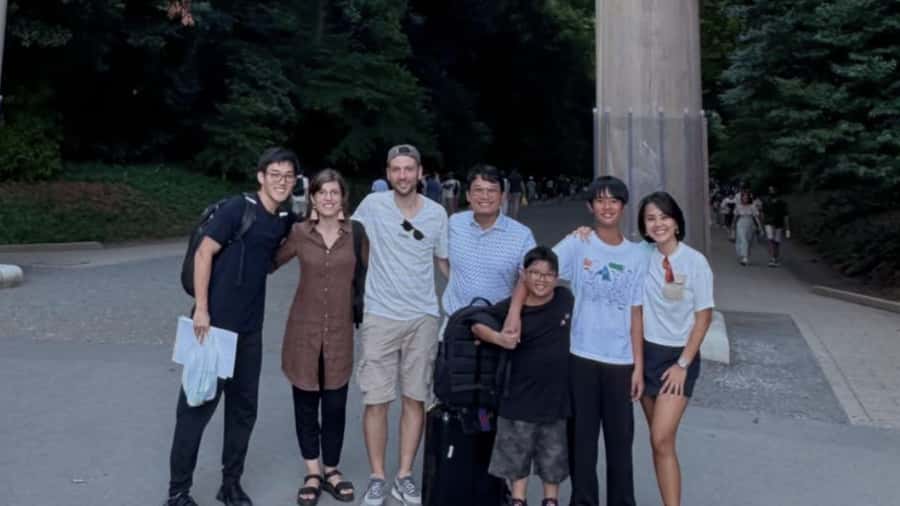
Meiji Shrine can be breathtaking even when you rush. But without context, it’s easy to copy the wrong moves or drift into the wrong spot. This tour is designed to fix that in a simple way: you get guidance while you’re actually walking the approach and using the rituals.
I also like that you’re not only looking at the main sights. You’re learning the small rules that make Shinto worship feel coherent, from how people move through key spaces to how they show respect when they pass important points like the torii gate.
You can also read our reviews of more walking tours in Tokyo


Outer Worship Hall: where the wishing starts (and the etiquette clicks)
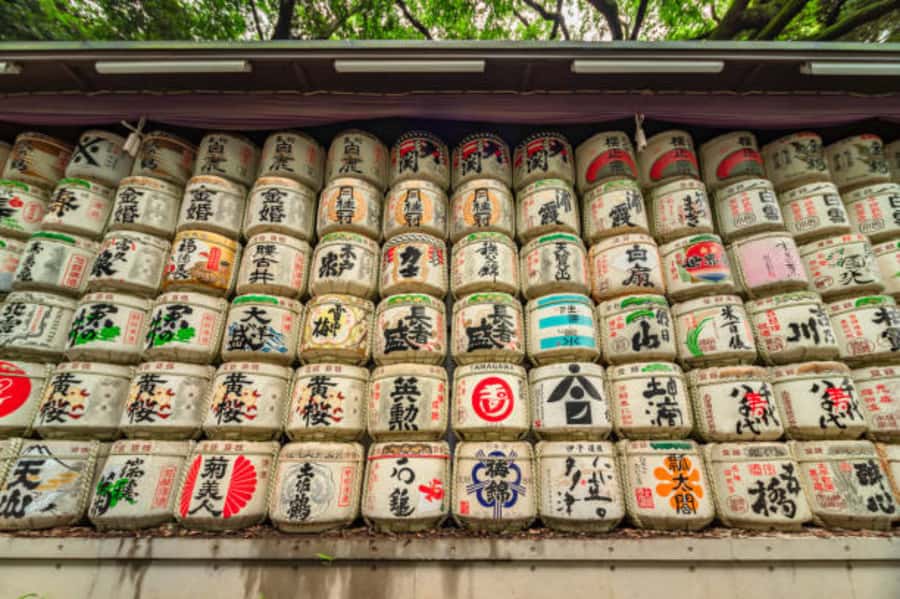
The tour begins at the Outer Worship Hall area, where locals come to make wishes and offer respect. It’s a great place to start because it sets the tone fast: you see shrine behavior up close, and then your guide helps you understand what you’re observing.
This is where you’ll learn the basics in a usable way. You don’t just hear words about tradition—you’re shown how people bow, how they cleanse, and how they pray. The guide also ties it to what Tokyoites do around New Year’s, which makes the ritual feel less like a museum display and more like a living habit.
Practical note: you’ll want your eyes open here. Even if you’ve been to other shrines, the flow at Meiji Shrine can feel different. Having someone explain the logic helps you relax instead of guessing.
Torii gate approach: bowing rules and the left-side tip that matters
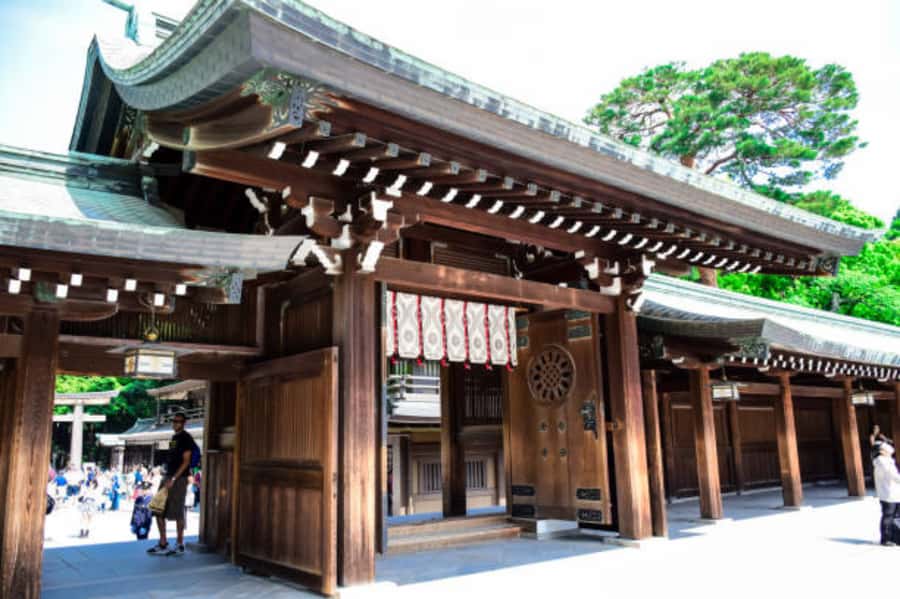
One of the most talked-about parts of the experience is how the guide handles torii etiquette. When you pass through the torii gate, you learn the expected bowing behavior and the proper respect rhythm.
Then comes a detail that changes how you walk: the guide explains that the central part of the approach is where the gods walk, and visitors should walk on the left side. That instruction sounds small, but it instantly gives you a clear, confident way to move. You’re not stepping through a symbol—you’re following a rule.
I find this kind of guidance valuable because it turns awkward moments into smooth ones. Instead of trying to remember what you read online, you just copy the practiced movement your guide shows.
Cleansing and prayer the traditional way (so you’re not just taking photos)
A lot of tours talk about rituals. This one helps you do them.
You’ll learn how cleansing works as part of the worship flow, and you’ll also learn the standard bow-and-pray pattern that people use at shrines. Since the tour is conducted in English, you can follow what’s happening step by step rather than relying on guesswork.
What makes this worthwhile is timing. You practice these actions right in the area where they actually happen, so you understand the sequence: bow, show respect, cleanse, then pray. The result is that you’ll feel more grounded when you’re standing there yourself—less like you’re observing, more like you belong to the moment.
Tip for your camera: bring it, but treat photos as a side quest. The rituals are the main event, and rushing to photograph everything can make you miss the point.
Hidden corners in the sacred forest: look for what your guide points at
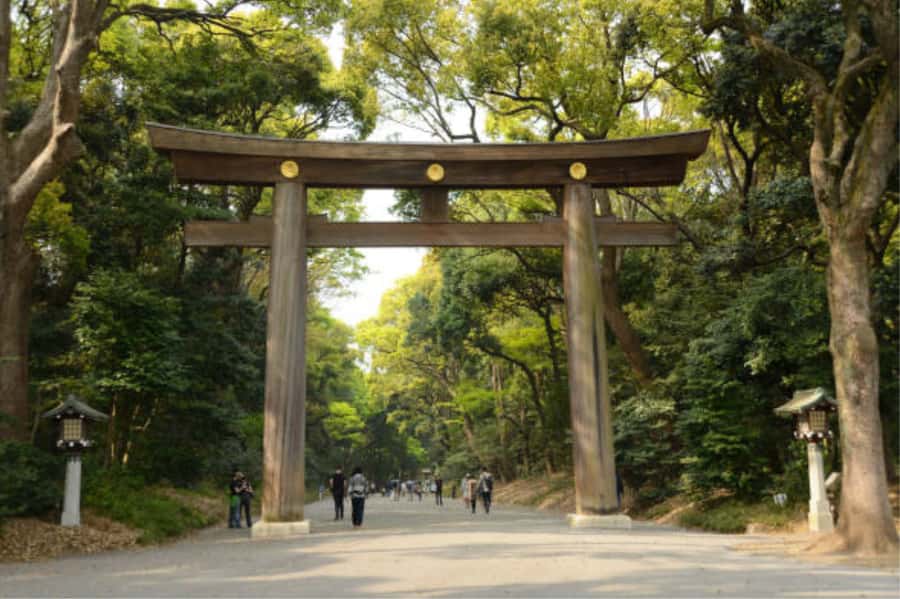
Meiji Shrine’s sacred forest atmosphere is the big emotional draw. It’s peaceful, and it feels like a break from the city right when you start walking in.
What you gain with a local guide is the ability to notice the small “why this place matters” details. Your guide leads you through spots that feel quiet and slightly out of the main visitor rhythm, so you spend more time moving at a thoughtful pace.
Expect photo stops along the way too. They’re not just for snapshots; they’re moments where your guide nudges your attention toward features you might otherwise overlook.
You can also read our reviews of more guided tours in Tokyo






The back-of-the-hall sights: turtle stone and sazare stone explained
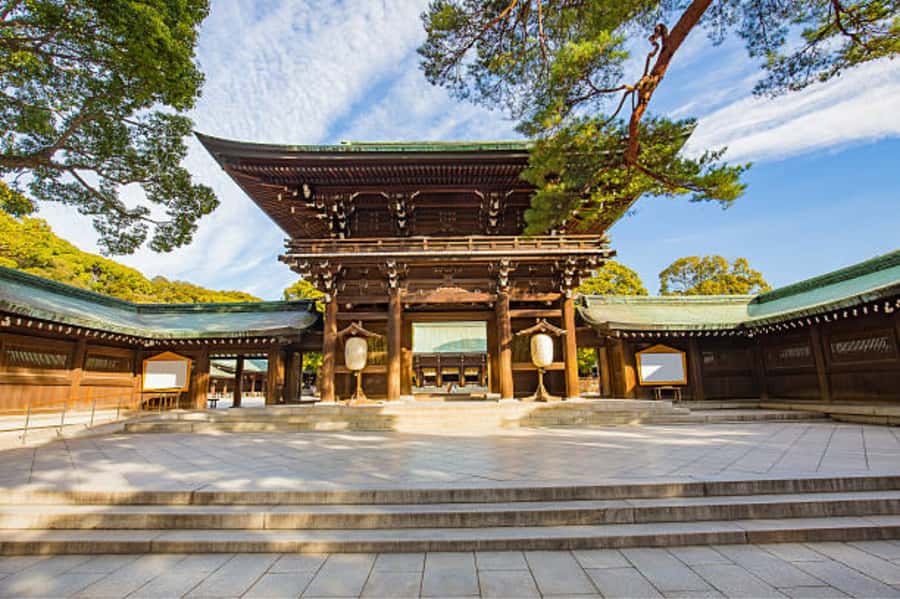
As you keep going, your guide shows you the back of the main hall area and points out specific stone features, including the turtle stone and the sazare stone. The value here isn’t the object by itself—it’s the explanation you get as you’re standing near it.
Seeing these details in person works better than reading about them later. Stones can look like stones until someone gives you the context of what you’re looking at. With the guide’s help, you get a clearer sense of how people relate to these elements as part of the shrine environment.
If you’re the type who likes structure, this section delivers. It’s a clear lesson in how the site’s features connect to worship behavior and meaning.
Imperial Fishing Platform: the quiet corner you’ll remember
The most surprising calm moment is the stop at the Imperial Fishing Platform. It’s described as a quiet, almost secret corner, and once you reach it, you understand why it works as a break from the larger shrine flow.
The guide frames it as a window into the Emperor’s pastimes, tied to Japan’s quiet reverence for nature. Even if you’re not looking for a royal history angle, this stop is valuable because it slows you down. You’re not rushing between major photo points; you’re stepping into a quieter mood where the setting does half the work for you.
I like that this feels different from the typical “see the big things” shrine experience. It gives you a more human side of the place—still spiritual, but less performative and more contemplative.
Wrapping up at the bicycle parking area near Harajuku Station
The tour ends near Harajuku Station, which is a smart finish. It means you can keep your day going without turning it into a long transit puzzle.
You’ll also end near a bicycle parking area. It sounds ordinary, but that’s exactly the point: you watch everyday Tokyo life meet shrine tradition in a very practical way. One moment you’re learning ritual behavior; the next moment you’re stepping into the rhythm of Harajuku.
For planning your next stop, Harajuku is a good choice. You can jump into shopping streets, cafes, or just keep wandering. The tour leaves you in a position where you can go straight from calm to energy.
Is $20 worth it? What you’re really buying
At about $20 per person, this is one of those tours that feels like a bargain because so much of what you get is “clarity.” A shrine visit is easy to misunderstand if you don’t know the rules of movement and respect. Paying for a local guide is essentially paying to avoid that confusion.
You’re buying:
- A guide who explains the shrine area, not just points and walks
- Help with ritual actions like bowing, cleansing, and praying
- Cultural insights that make the space feel coherent
- Photo stops that help you record the right moments
And because it ends near Harajuku Station, you also buy time. You don’t have to reverse-plan your day or fight for an awkward late connection.
If you’re happy to figure rituals out on your own, you might skip a guide. But if you want your visit to feel smooth from torii gate to prayer steps, this price makes sense.
Who this Meiji Shrine walking tour suits best
This tour is a great fit if you:
- Want to learn shrine etiquette you can actually use
- Prefer guided context over wandering and guessing
- Like quieter parts of major attractions, especially the calm corners
- Enjoy walking tours that mix practical instructions with cultural storytelling
It’s also ideal if you’re combining Meiji Shrine with your day in Harajuku. You’ll finish in the right area to keep exploring without starting over.
If you hate walking or standing for any length of time, plan carefully. The experience is built around moving through spaces where rituals happen, so comfort shoes matter.
Should you book this Meiji Shrine walking tour?
Yes—if you want more than a photo stop. This is one of those experiences where the guide’s instructions change how you move, what you notice, and how respectful your visit feels. I especially like the combination of torii gate etiquette, hands-on ritual learning, and the calm break at the Imperial Fishing Platform.
You should skip it only if you strongly prefer unguided travel and don’t care about learning specific worship rules. Otherwise, for $20, you’re getting a lot of practical value: you’ll leave knowing what to do next time you step into a shrine space.
FAQ
How much does the Meiji Shrine walking tour cost?
It costs $20 per person.
What language is the tour conducted in?
The tour is conducted in English, and Japanese is also available.
Where do I meet the guide?
Meet the guide as the man holding a blue A4-sized board.
Where does the tour end?
The tour ends near Harajuku Station, around the meeting point area.
Is the tour mostly walking?
Yes. It’s a walking tour, so you should wear comfortable shoes.
What should I bring?
Bring comfortable shoes and a camera.
What’s included in the tour price?
You get a local guide, a walking tour, cultural insights, and photo stops.
Can I reserve now and pay later?
Yes. You can reserve & pay later, and cancel up to 24 hours in advance for a full refund.
If you want, tell me your travel dates and whether you’re combining this with other Harajuku stops, and I’ll suggest a simple order for your day.