REVIEW · TOKYO
Tokyo: 3-Hour Food Tour of Shinbashi at Night
Book on GetYourGuide →Operated by Arigato Travel KK · Bookable on GetYourGuide
Shinbashi at night feels like Tokyo clocking out. I love the small-group walk that gets you into the after-work lanes, and I love that the sake tasting turns drinks into something you can actually compare and remember. One thing to plan for: the guide only waits about 5 minutes after the start, and once the tour begins they can’t help by phone.
In plain terms, this is a great match if you want more than a checklist of dishes. You’ll eat at several stops, learn how to interact with staff politely, and see how workers unwind in the retro-local mood of Shinbashi. The only real drawback is simple: you’ll walk, and Shinbashi has areas where smoking is common.
In This Review
- Key points to know before you go
- Why Shinbashi at night works for food lovers
- The meeting point: the decommissioned steam engine at Hibiya exit
- Small-group format: what max 10 actually buys you
- Stop-by-stop: ramen comfort, Wagyu richness, and a dessert finish
- The first bites: ramen warmth and umami you can feel
- The comfort upgrade: Wagyu with a smoky char
- The sweet ending: dessert that signals the night is done
- Sake tasting: how to taste Nihonshu instead of just drinking it
- Guides make the night: Ray, Francois, Tommy, and Yappy’s impact
- Eating alongside the real workers of Japan
- Price and value: what $170 buys you in 3 hours
- What to pack and how to show up like you planned ahead
- When this tour fits your travel style (and when it doesn’t)
- Add-on fun: karaoke night if you want to extend the celebration
- Should you book the Shinbashi night food tour?
- FAQ
- Meeting point question: Where do I meet the guide?
- Timing question: What if I’m running late?
- Duration question: How long is the tour?
- Group size question: Is it a big tour or a small one?
- What’s included question: What do I get with the ticket?
- What’s not included question: What extra costs should I expect?
- Language question: Will I have an English guide?
- Age question: Is there an age limit?
- What should I bring question: Any practical prep?
Key points to know before you go
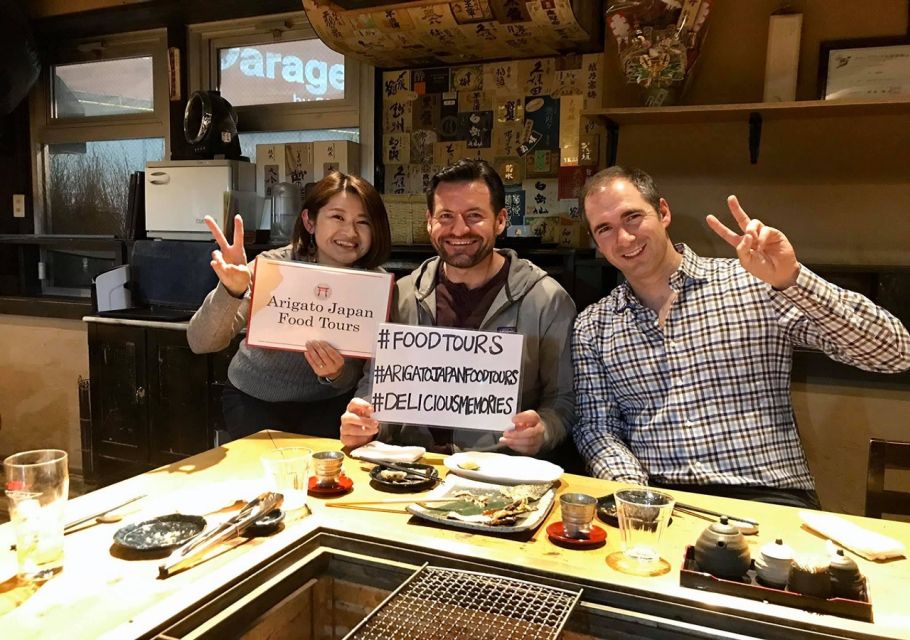
- Small group (max 10): more chatting time with your English-speaking guide, not a herd.
- Food + sake tasting: you’re not just sampling food, you’re learning pairings and flavor shifts.
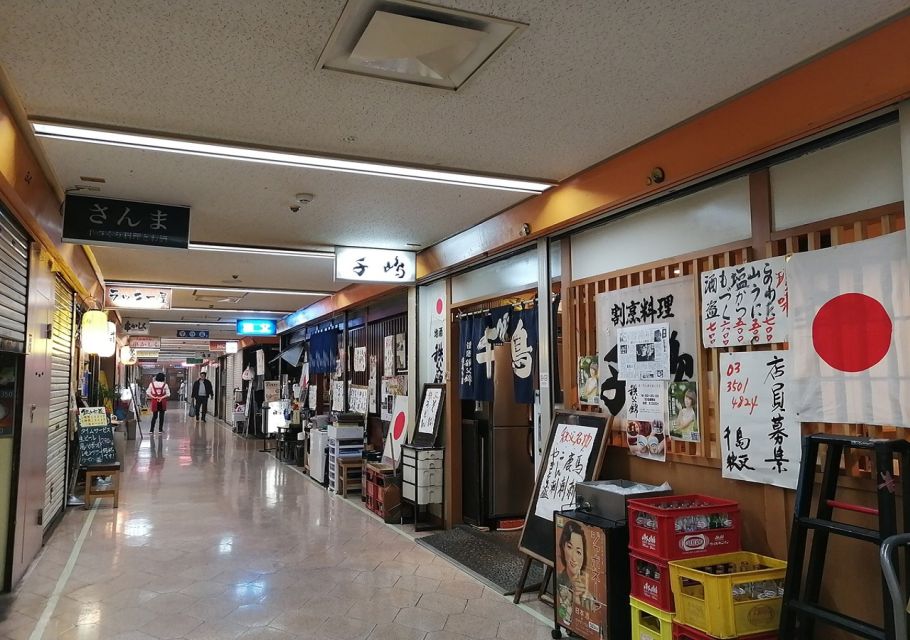
- Shinbashi backstreets: you’ll get streets and rhythms most people skip while chasing big-name sights.
- Working-after-hours vibe: you’ll see how locals eat, drink, and reset after office life.
- Clear etiquette help: guides use visual aids for how to bless the meal and thank staff when you leave.
- Plan for timing: the guide wait is short, and no phone directions after departure.
Why Shinbashi at night works for food lovers
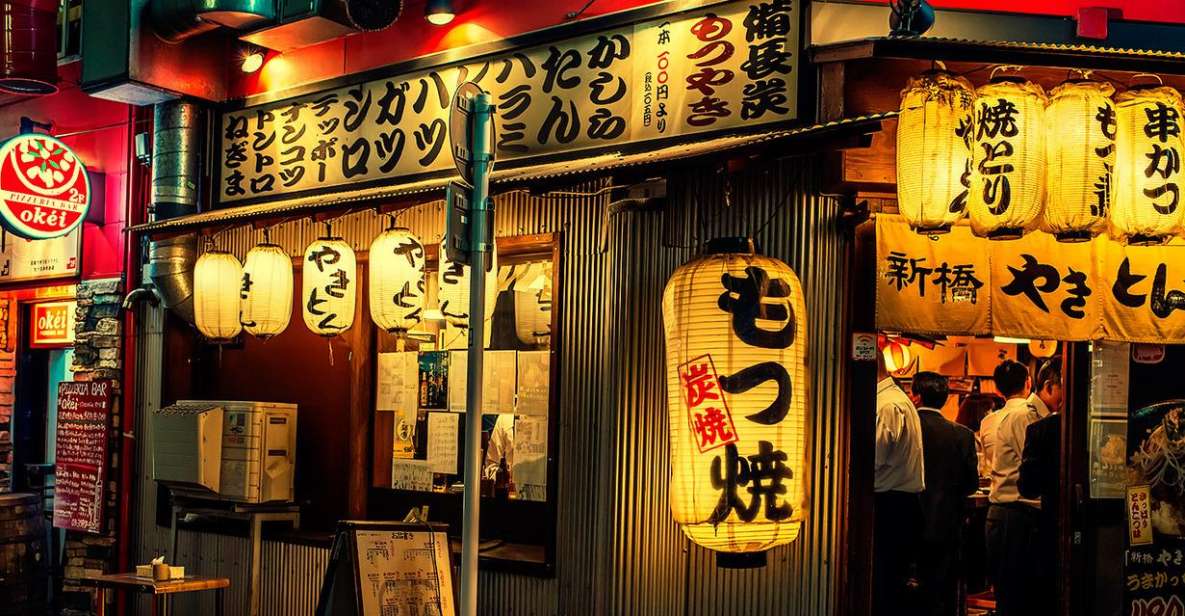
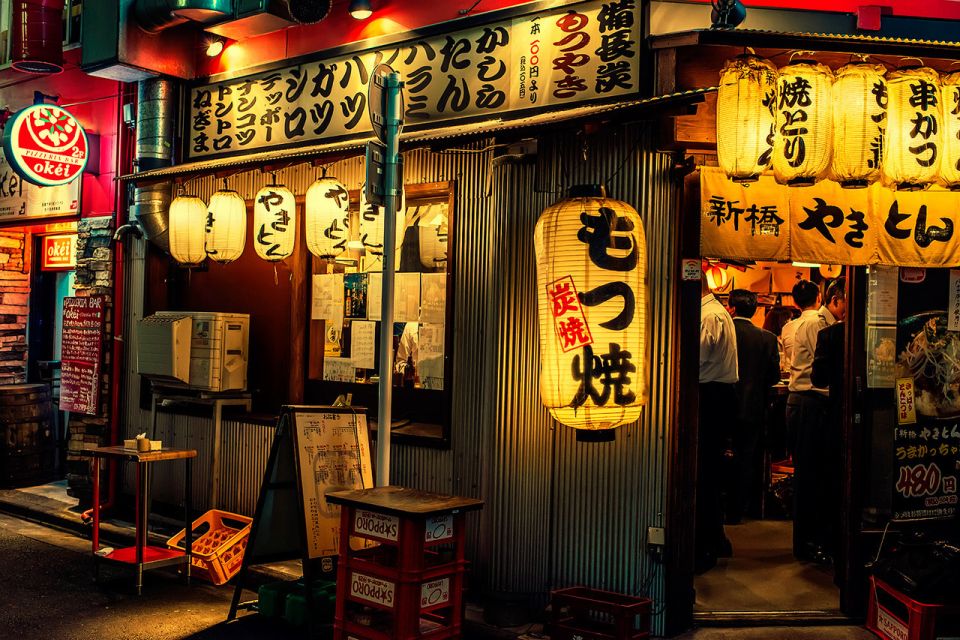
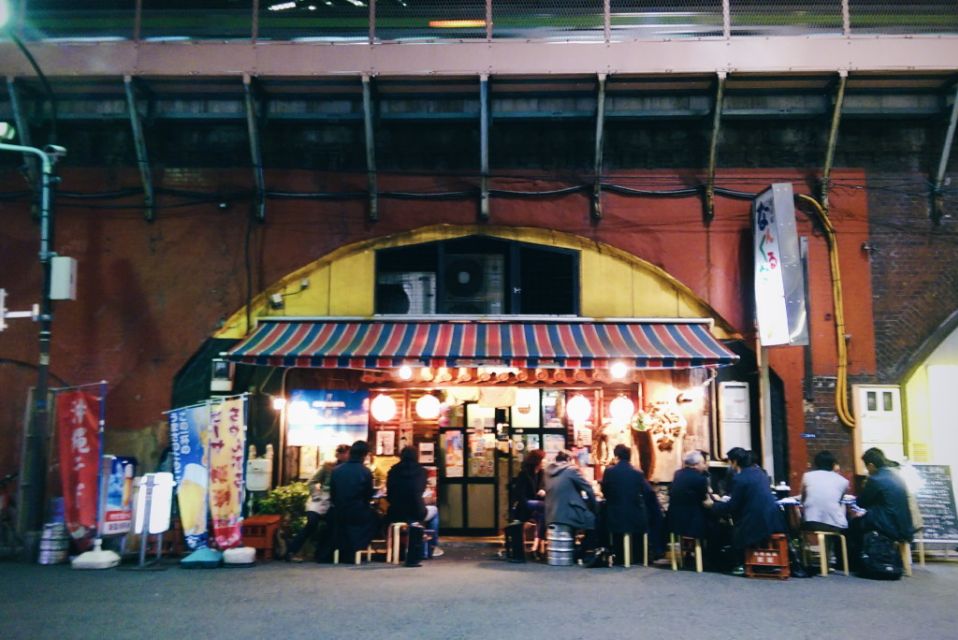
Shinbashi is one of those Tokyo areas where the night has a job to do. After dark, the streets tilt toward izakaya energy—less sightseeing posing, more people eating because they’re hungry and relaxing because work is done.
That’s exactly why this tour hits the sweet spot. You’re guided through the local dinner flow, not stuck trying to guess which tiny place will welcome you. And because the group is small, the evening feels like a guided hangout with a foodie, not a rushed relay race.
The menu targets the kind of comfort-food range that makes Tokyo memorable: warm bowls (think ramen), richer bites (like Wagyu), and a sweet finish so your night actually ends on time. Add in the sake tasting, and the whole thing becomes a course in how Japanese flavors layer together.
You can also read our reviews of more food & drink experiences in Tokyo

The meeting point: the decommissioned steam engine at Hibiya exit
You meet in front of the decommissioned steam engine at the Hibiya exit of Shinbashi Station. It’s a clear landmark, which helps at night when Tokyo station entrances can feel like a maze designed by a committee.
Two practical rules matter here:
- Your guide waits only about 5 minutes after the starting time.
- Once the tour starts, your guide can’t provide directions by phone.
So show up a little early and take 30 seconds to confirm you’re standing by the right exit. If you’re the type who thinks, I’ll just find them when I get there, don’t. This tour runs on a tight flow that respects restaurant relationships—meaning delays cost everyone.
Small-group format: what max 10 actually buys you
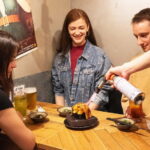
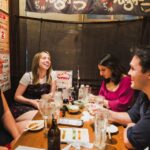
With a limit of 10 participants, you get a calmer pace and more interaction. That matters because Japanese ordering and etiquette often feel easier when you’re not crowding a counter.
In real experiences with guides from this tour line-up, that personal attention shows up again and again. People have credited guides like Ray, Francois, Tommy, Yappy, and Yoko for making the food talk practical—how to order, how to handle questions, and what to notice while you eat.
You’ll likely spend more time at each stop asking questions and less time standing around waiting. And because the group size stays controlled, the guide can also manage the timing of when you move and when you slow down to taste.
Stop-by-stop: ramen comfort, Wagyu richness, and a dessert finish
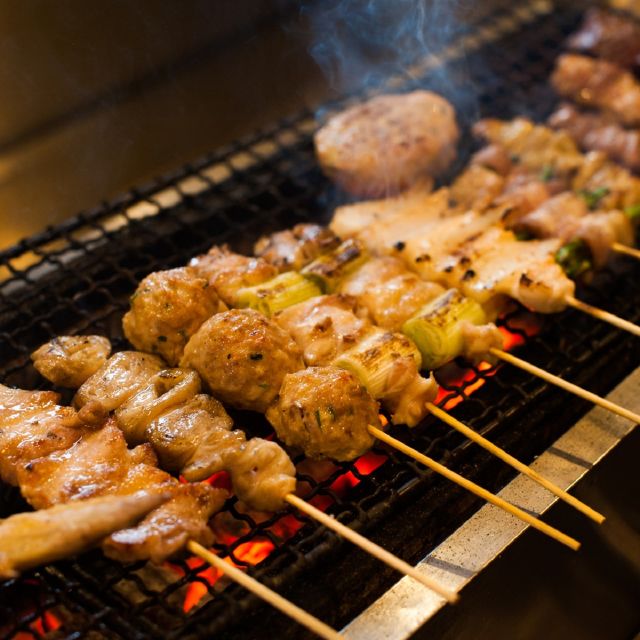
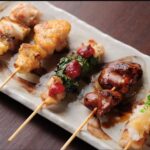
This tour is built around several food stops—local dishes and desserts—so you get variety without having to plan it all yourself. The exact items can vary by night, but the flavor arc is consistent: warm savory first, richer comfort next, and sweet to close.
The first bites: ramen warmth and umami you can feel
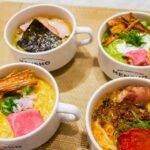
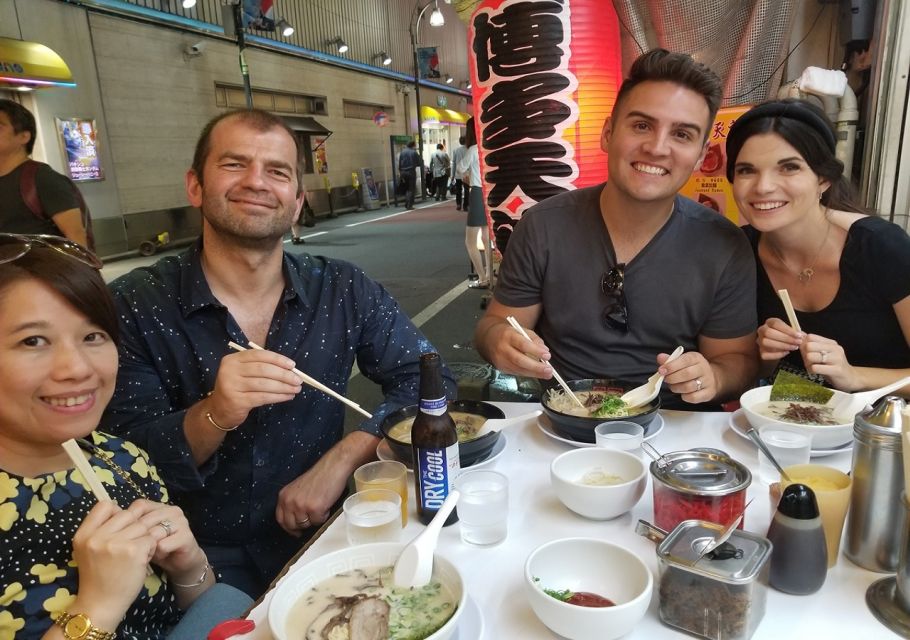
Expect a steaming start—often ramen. The point isn’t just that it’s tasty (it is). It’s that you’ll learn to notice why it tastes deep: broth sweetness, salty depth, and how toppings change the balance. Eating early also helps you settle into the neighborhood mood before the group spreads out into backstreet spots.
You can also read our reviews of more tours and experiences in Tokyo

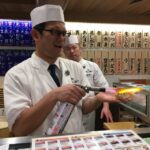
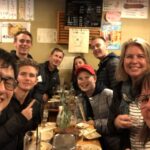
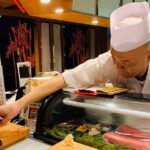
The comfort upgrade: Wagyu with a smoky char
At another stop, you’ll try Wagyu, often described as buttery and melt-in-your-mouth, with a gentle smoky finish. This is where the tour feels like a step up from casual street snacks. You’re tasting a premium ingredient in a setting that locals treat as normal.
The value here is context. Without guidance, you can still eat Wagyu—but you might miss what to notice in the sear, the fat-to-meat balance, and how the restaurant serves it as part of an actual meal, not a photo-op.
The sweet ending: dessert that signals the night is done
Most food tours either run out of time or end too early. This one aims to end with a traditional dessert so the evening has a proper finish. That sounds small, but it changes the whole experience. You leave satisfied instead of hungry and searching for one last thing.
And yes, sometimes the menu can include unusual items. One review mentioned a quirky pairing like a ducky mouse with goat cheese. I’d treat that as an example of how adventurous the night can be, not as a promise—but it does hint that you might get pleasantly surprised.
Sake tasting: how to taste Nihonshu instead of just drinking it
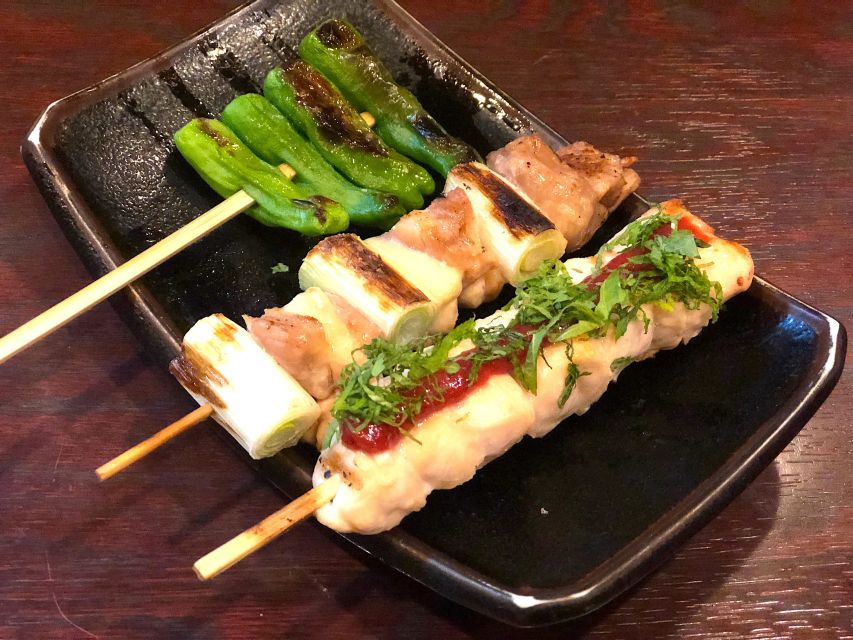
The standout in this tour for many people is the sake-tasting experience. It’s not just a small pour and a polite thank you. You’ll get a tasting format that helps you notice differences in aroma, smoothness, and complexity as you go.
Sake is one of those drinks that can feel mysterious if you only know it as a generic bottle in a grocery store. Here, the tour gives you the structure to build a mental map:
- early sips can feel lighter or more aromatic
- later sips can read smoother or fuller, depending on the selection
- you start pairing what you taste with what you just ate
You’ll also see how sake fits into the pub culture itself—how people drink alongside food, not in place of it. That’s a huge reason to do this with a guide. You get explanations in real time, while your taste buds are still paying attention.
Guides make the night: Ray, Francois, Tommy, and Yappy’s impact
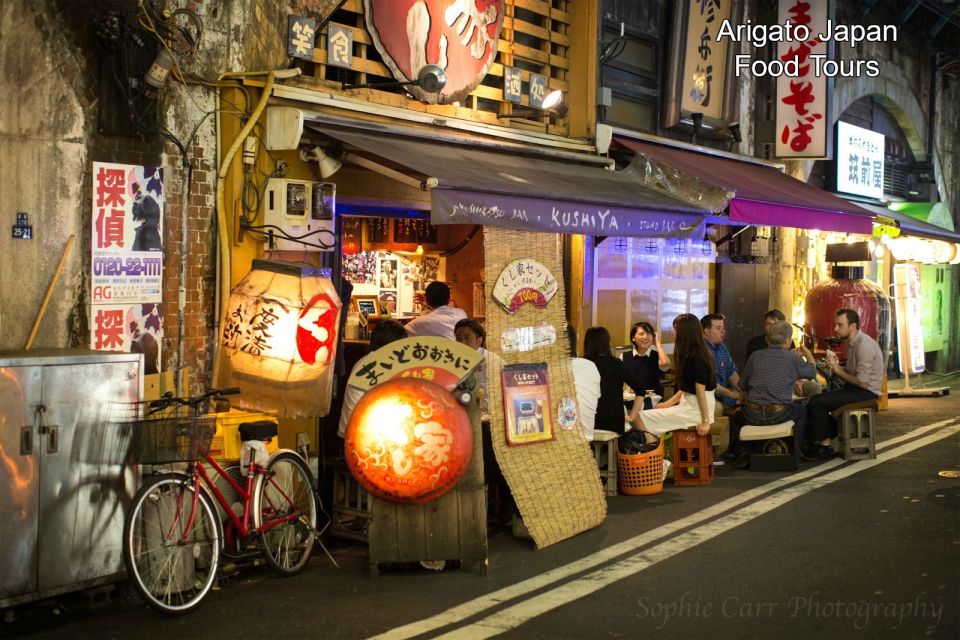
A food tour lives or dies on the guide, and this one has strong proof. Multiple reviews call out guides by name and credit them for turning the whole experience into something easy to enjoy.
Here are the patterns that show up:
- Ray was praised for describing the food and bar culture clearly, plus using visual aids for etiquette like how to bless the meal and thank staff when leaving.
- Francois got high marks for being knowledgeable and for keeping the evening playful and organized.
- Tommy didn’t just run the tour; people also used his Tokyo recommendations afterward, which means the guide’s advice was broad, not only about the next bite.
- Yappy was described as fun and made the tour feel like you were seeing places you wouldn’t find on your own, plus there was mention of karaoke vibes afterward.
Even when guides vary in style, the goal stays the same: help you order and eat with confidence. That’s what turns a night out into an experience you can actually carry home with you.
Eating alongside the real workers of Japan
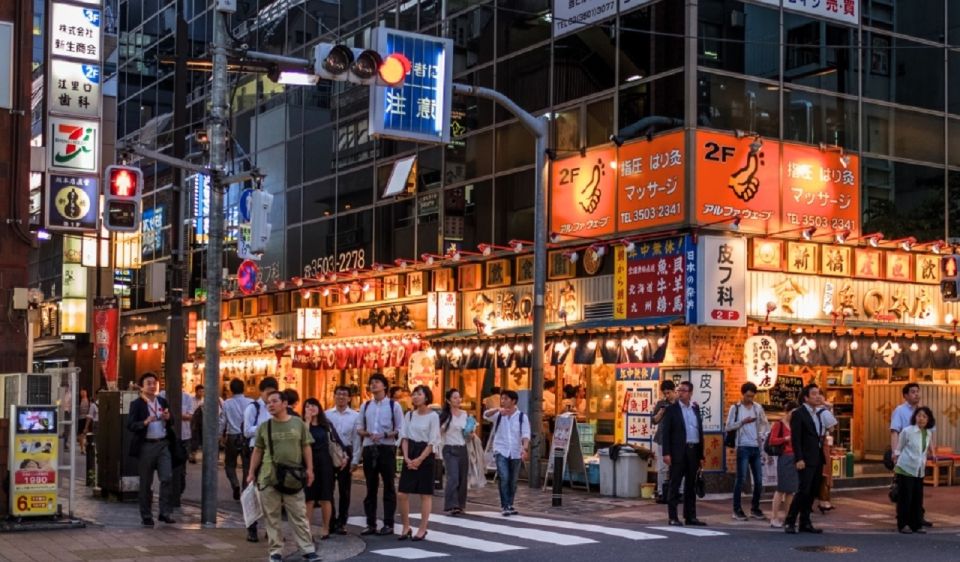
One of the most interesting parts of Shinbashi is that it’s not staged for tourists. You’re walking where working people gather after long days, and you’ll get to see how that routine looks and sounds.
It also changes your own behavior. When you know you’re joining an after-work flow, you eat slower. You pay attention to how places operate—crowds at counters, drinks being refilled, staff moving with practiced calm. The tour doesn’t try to fake that atmosphere. It just puts you near it at the right time.
One note you should treat seriously: the tour info says you are free to smoke in most areas of Shinbashi. That doesn’t mean every stop is smoky, but it does mean you should be ready for it. If you’re sensitive to smoke, wear something you can tolerate and pick a spot at the end of seating areas when you can.
Price and value: what $170 buys you in 3 hours
Let’s talk money in a realistic way. $170 per person for a 3-hour walking tour isn’t cheap, but you’re buying a bundle:
- several food stops (not one meal)
- a sake tasting included
- an English-speaking guide who also handles the social logistics of eating out in small places
- a small group cap so the experience doesn’t turn into a scramble
Could you eat ramen, Wagyu, and dessert on your own for less? Sure, sometimes. But the value question is whether you want to do the planning and decision work yourself—especially in a neighborhood where backstreet spots can be hard to find and where ordering etiquette matters.
This tour is at its best when you want guidance and you want the cultural context to go with the food. If that sounds like you, the price starts to make sense quickly. If you just want to stuff your face with no learning component, you may find it harder to justify.
Also consider that transportation costs aren’t included, and hotel pick-up isn’t part of the price (it can be arranged for an additional charge). You’ll want to get to Shinbashi Station on your own.
What to pack and how to show up like you planned ahead
This tour is simple, but it does require basic readiness.
Bring:
- a passport or ID card
- comfortable walking shoes
Why shoes matter: you’re moving between multiple stops in a short window. Shinbashi’s streets and station exits can involve stairs and uneven sidewalks. If your shoes are cute but unforgiving, you’ll feel it before the sake tasting ends.
Also: this tour is for adults 20 and over only. If you’re traveling with someone under 20, you’ll need a different option.
When this tour fits your travel style (and when it doesn’t)
I’d point you toward this tour if:
- you like learning how Japanese dining works, not only what to eat
- you enjoy pub culture and want the after-work atmosphere
- you want a guided, low-stress way to try multiple dishes in one evening
- you’re curious about sake and want a tasting format instead of guessing
I’d think twice if:
- you hate walking or have limited mobility (it’s a walking-based tour)
- you’re strongly smoke-sensitive and don’t want to risk it in areas where smoking is common
- you’re the type who shows up late and assumes the guide will wait indefinitely (they won’t)
Add-on fun: karaoke night if you want to extend the celebration
Some guides have been described as going beyond the food stops in a fun way. One review mentioned karaoke afterward in a private room, with the note that it can be booked on top.
If that kind of extra night activity sounds like your style, ask your guide during the tour—or check with the operator when you book. It’s not listed as part of the core included experience, so treat it as optional.
Should you book the Shinbashi night food tour?
If you want Tokyo to feel less like an itinerary and more like a real evening out, I think this is a strong choice. The mix of ramen, Wagyu, dessert, plus a structured sake tasting, is exactly the kind of combination that turns eating into a story.
Book it if you value a guide-led neighborhood walk, small group pacing, and the chance to eat alongside locals in the after-work rhythm of Shinbashi. If you’re walking-friendly, 20+, and you can arrive a bit early at the steam engine meeting point, you’ll likely have a smooth night.
Skip it if you’re only chasing the cheapest food possible or you’d rather wander on your own without paying for structure.
FAQ
Meeting point question: Where do I meet the guide?
Meet in front of the decommissioned steam engine at the Hibiya exit of Shinbashi Station.
Timing question: What if I’m running late?
The guide can wait only an additional 5 minutes after the starting time, and they cannot provide directions by phone once the tour begins.
Duration question: How long is the tour?
The tour lasts 3 hours.
Group size question: Is it a big tour or a small one?
It’s a small group, limited to 10 participants.
What’s included question: What do I get with the ticket?
Included are local dishes at several food stops, a sake-tasting experience, and a local English-speaking guide.
What’s not included question: What extra costs should I expect?
Hotel pick-up is not included (but can be arranged for an additional charge). Transportation costs and gratuity aren’t included, and additional drinks or food are available for purchase at your own expense.
Language question: Will I have an English guide?
Yes, the tour has a live guide in English.
Age question: Is there an age limit?
Yes. Only adults aged 20 and over are permitted.
What should I bring question: Any practical prep?
Bring a passport or ID card and wear comfortable shoes. The tour also notes that you are free to smoke in most areas of Shinbashi.