REVIEW · NIKKO
Nikko: Day Tour from Tokyo in Spanish – Spanish
Book on GetYourGuide →Operated by NIPONEANDO · Bookable on GetYourGuide
Nikko in one day can feel like a squeeze, but this Spanish guided trip makes it smooth. I like the close, friendly guides who keep the stories clear, and I like the focus on the big sights like Toshogu Shrine and Shinkyo Bridge. One watch-out: it is a long day with lots of walking, so pack light and wear shoes you trust.
You start in Tokyo, ride express trains with reserved seats, then spend the day in Nikko with guided stops and walking links between them. The trip also includes skip-the-line entry using a separate entrance, which saves time when things get crowded. Still, it is not a fit for everyone since it is not suitable for wheelchair users and you will need to manage without hearing support.
In This Review
- Key highlights you will actually feel
- A Spanish Nikko Day Trip That Starts Right in Asakusa
- Reserved-Seat Express Trains: The Time You Keep
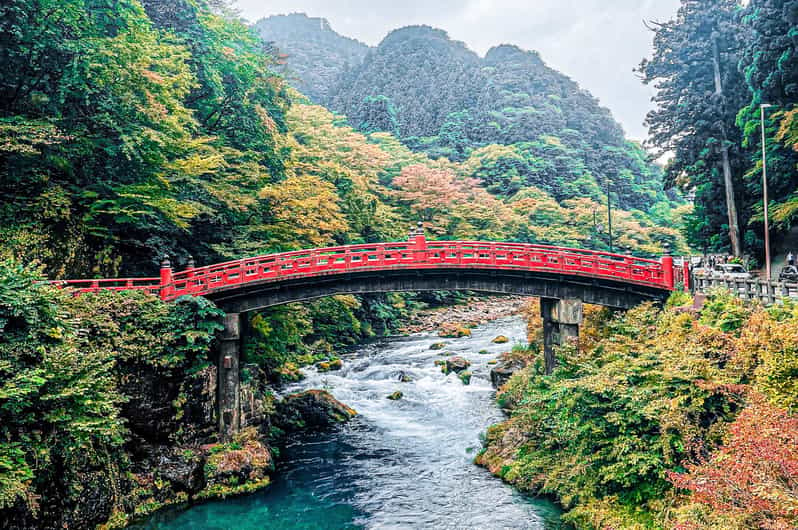
- The Main Street Walk to Shinkyo Bridge (Bridge of the Gods)
- Futarasan Complex: Legends That Give the Temples Context
- Toshogu Shrine: Where Skip-the-Line Saves Your Afternoon
- Lunch Break in Nikko: Use Your Hour Wisely
- Back to Tokyo: The Day Ends at Asakusa Again
- Price and Value: What You Pay For at $254
- Why the Guide Matters: Nerea, Laura, Ori, Isma
- Who This Tour Fits Best (and Who Should Skip It)
- Should You Book This Nikko Day Tour?
- FAQ
- What language is the Nikko tour in?
- How long is the day tour from Tokyo to Nikko?
- Are express trains included in the price?
- Do I need to pay temple tickets?
- Is lunch included?
- Is this tour wheelchair accessible?
Key highlights you will actually feel
- Spanish-speaking, live guides who slow down when needed, like Nerea, Laura, Ori, and Isma
- Skip-the-line access for Toshogu Shrine through a separate entrance
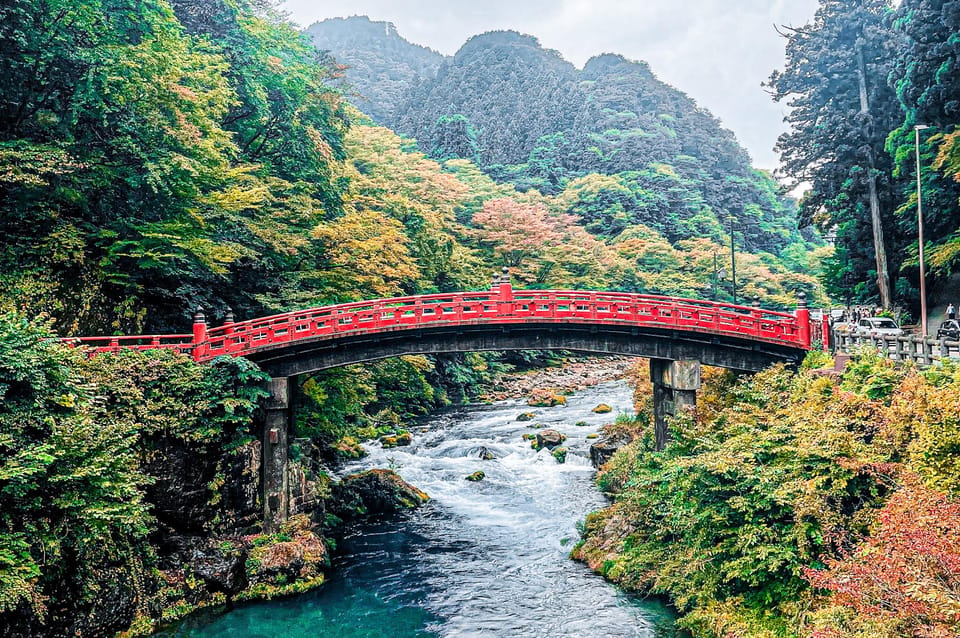
- Shinkyo Bridge on the schedule, with guided context so you know what you are seeing
- Futarasan temple-and-shrine complex stories, not just photo stops
- A real lunch break plus practical recommendations to keep your afternoon happy
A Spanish Nikko Day Trip That Starts Right in Asakusa
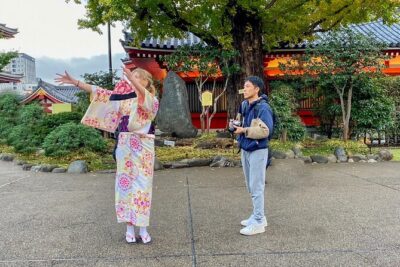
Most Tokyo-to-Nikko plans die by a thousand tiny frictions: train transfers, language stress, figuring out meeting spots. This one starts with a clear anchor. You meet in front of the façade of the Asakusa Tourist and Cultural Information Center, and the guide waits there with a name tag that says NIPONEANDO.
If you choose pickup, the guide meets you at your hotel reception. You will know them by the same NIPONEANDO name tag. Either way, you avoid the classic end-of-day scramble where you are late, tired, and staring at the wrong station sign.
The tour is in Spanish, and that matters more than you might think. Nikko is packed with names, legends, and shrine details. When those get explained in your language, you spend your attention on the place, not on decoding.
You can also read our reviews of more tours and experiences in Nikko.
Reserved-Seat Express Trains: The Time You Keep
The schedule runs about 510 minutes, so you are committing a full workday plus travel. The good news is the train parts are handled for you: round-trip express trains with reserved seats, each way taking about 105 minutes.
This is where you get real value. Nikko is not far, but it is far enough that DIY can turn into back-and-forth. With reserved seats, you show up, board, and move. That also helps if you want photos on the way—when you are not hunting for the right car at the last second.
One pricing nuance you should know: if you booked before September 15, 2025, the trains were not included in the price. Bookings from September 15, 2025 onward include the express trains due to a rate change. When you compare value, check what your specific booking includes.
The Main Street Walk to Shinkyo Bridge (Bridge of the Gods)
Once you arrive in Nikko, you start with a walk along the main street until you reach Shinkyo Bridge. This is one of Japan’s most famous bridges, and it has that instantly recognizable postcard look.
Your visit here is guided, about 15 minutes. That time sounds short, but it is enough to get you oriented: where to stand, what to notice in the bridge setting, and why this bridge shows up again and again in Nikko references.
Practical tip: bring layers. Even if Tokyo feels warm, Nikko can feel different, especially if you are there when the weather turns. And keep your pace steady. This is part of the day flow, not a long wandering window.
Futarasan Complex: Legends That Give the Temples Context
After Shinkyo, you shift into the Futarasan area. You will discover several temples and shrines there, and the point is stories and legends about the place, not just sightseeing.
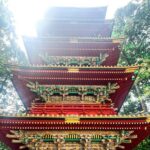
The tour then includes a stop at Nikkozan Rinnoji Temple for about 25 minutes with guided time. You also get short walking links between stops (about 10 minutes, then another brief walk).
This is a smart design if you care about meaning. Nikko can feel like a collection of separate attractions until someone explains how they connect. With the Futarasan complex stories added in, the shrines start to feel like one lived spiritual landscape instead of separate museum pieces.
Toshogu Shrine: Where Skip-the-Line Saves Your Afternoon
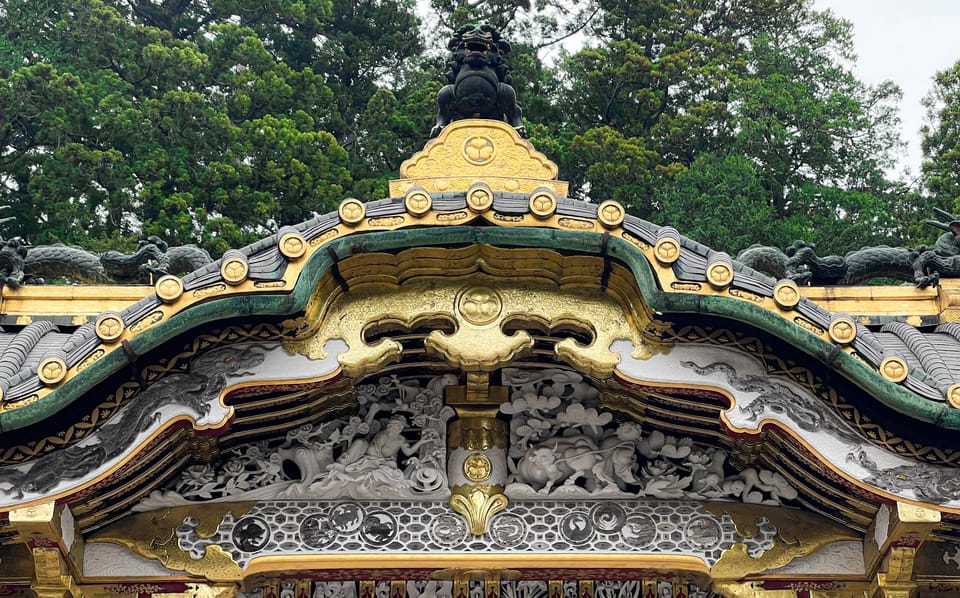
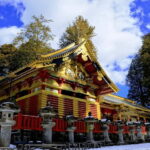
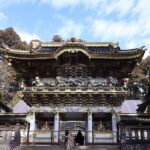
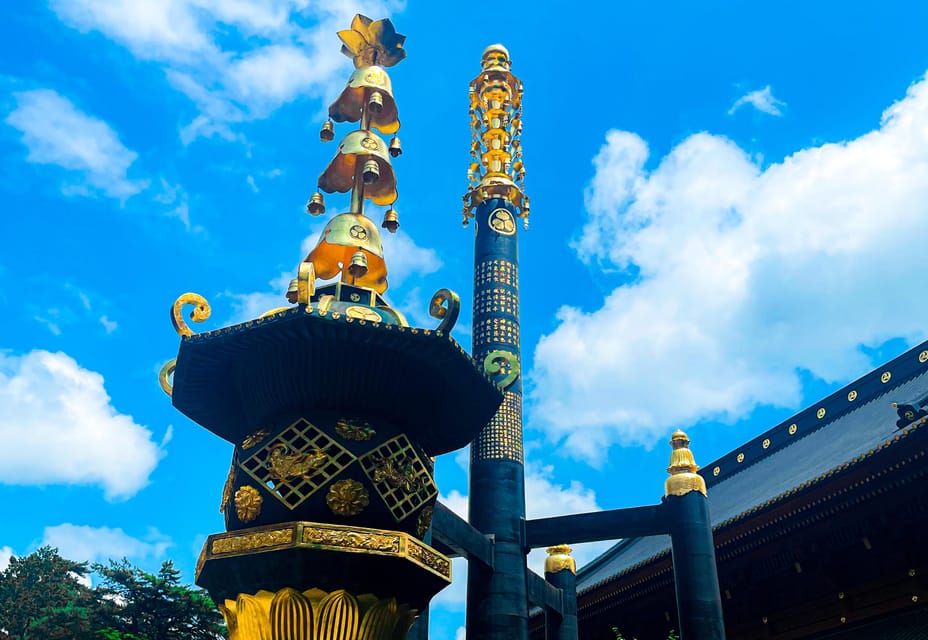
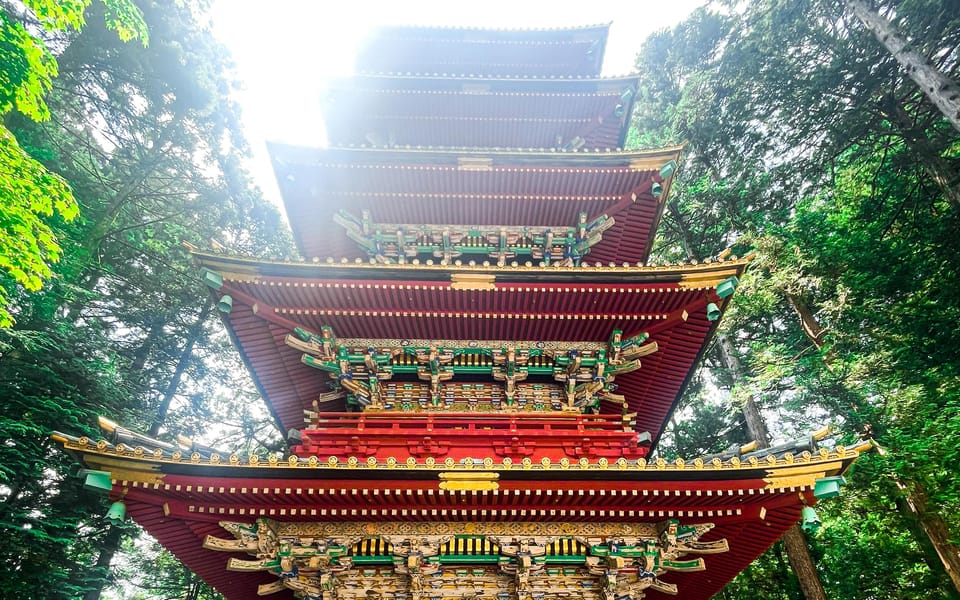
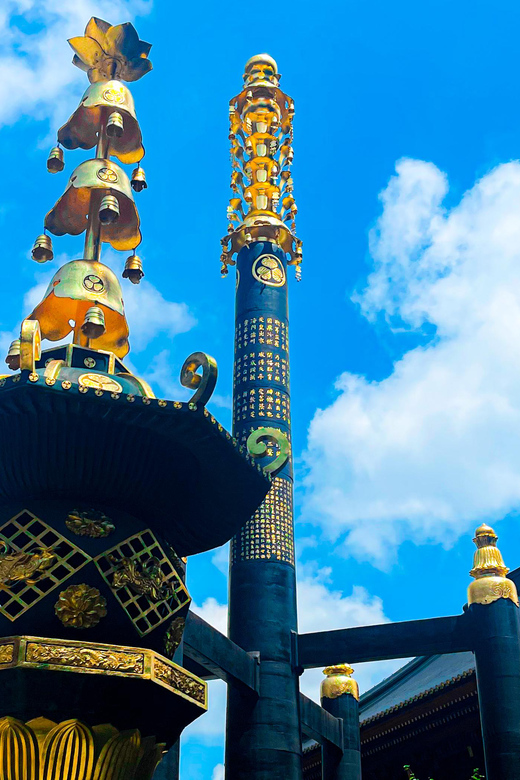
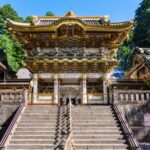
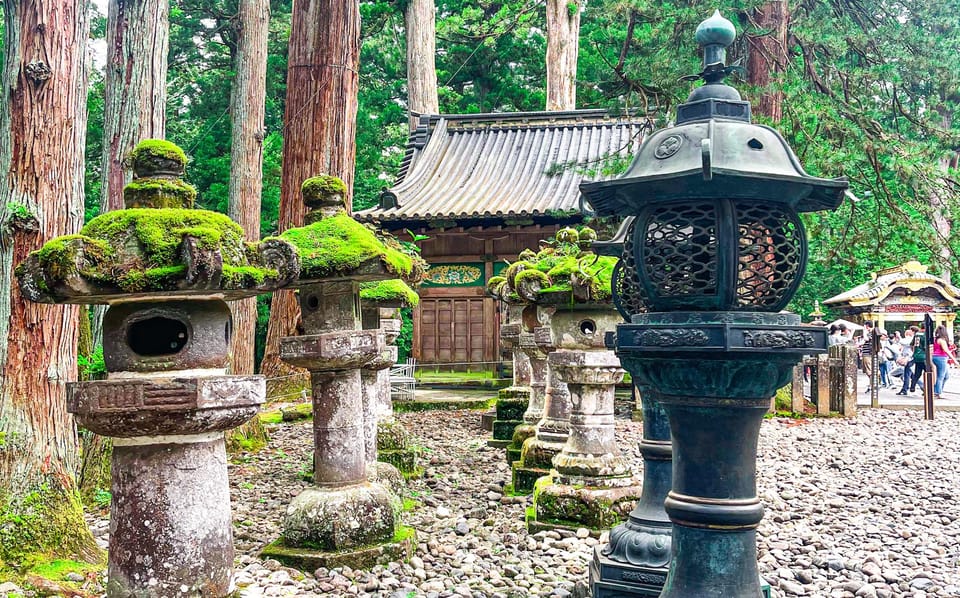
Then comes the centerpiece: Nikko Toshogu. You get about 95 minutes here with a guided visit, which is plenty time to see more than the obvious highlights without turning into a sprint.
Also, you get skip-the-line entry through a separate entrance. That is not a small perk. In popular temple areas, you can lose half your time standing still. Here, you trade waiting for actually looking.
One cost note that can surprise people: temple tickets are not included and cost ¥1,900. Budget for that before you arrive so you are not juggling cash or last-minute stops.
What should you do with your 95 minutes? Follow the guide’s route first, then use your last moments to revisit details you liked. Toshogu is known for aesthetics that are different from many other shrines in Japan, so if you rush, you miss the craftsmanship.
And because you are on a fixed schedule, you do not have the option to get lost for hours and hope you catch up. That constraint actually helps. You get a complete experience without the stress.
Lunch Break in Nikko: Use Your Hour Wisely
You have a lunch break in Nikko for about 1 hour. Food and drink are not included, so you have freedom—but also responsibility.
This is a good time to do two things:
- Find something simple and local that sits well after walking.
- Ask your guide for recommendations, since the tour includes tips for continuing to enjoy your trip.
The best lunches on day trips are the ones that keep you comfortable for the rest of the afternoon. You do not want an adventurous choice that makes you regret the rest of the schedule.
Back to Tokyo: The Day Ends at Asakusa Again
After lunch and a short walk (about 20 minutes), you return to Tokyo by express train again, about 105 minutes. Your drop-off includes two options: the Tokyo Tourist and Cultural Information Center area in Asakusa and Tōbu-Asakusa Station.
This matters if you are trying to plan dinner and your evening. If you have to cross the city after a long day, you will feel it. Ending near Asakusa makes it easier to restart your Tokyo routine without burning time.
Price and Value: What You Pay For at $254
At $254 per person, you are paying for three things:
- A structured day that eliminates most logistics headaches
- Reserved-seat express trains (and in many cases, they are included depending on booking date)
- A Spanish live guide who explains what you are seeing and keeps timing on track
What you do not get:
- Any extra transportation besides the express trains
- Temple tickets for ¥1,900
- Food and drink
So the value is best if you want guided context and a low-stress day. If you are the kind of person who loves planning trains and reading everything yourself, you might be tempted to do it independently. But if language is a barrier or you want the legends and shrine details explained, this format is where the money starts to feel justified.
Also, the tour states it is environmentally friendly. You might not see an obvious difference as a passenger, but the point is that the operator is thinking about impact, not just selling seats.
Why the Guide Matters: Nerea, Laura, Ori, Isma
This tour has strong guide energy. You will feel it in pacing and explanations, not just in a script.
Nerea, for example, handled a small group situation by adjusting rhythm so everyone stayed happy. That is useful if you have different walking speeds or attention spans in your group.
Laura’s style stood out because she explained with obvious love for Japan and also helped solve doubts plus offered practical advice for what to do next.
Ori and Isma were both praised for making the experience feel complete. Ori, in particular, was noted for explaining not only Nikko but also everyday Japan topics. When a guide can connect the sights to real daily life, you walk away with more than shrine photos.
Bottom line: you are not just buying access to Nikko. You are buying interpretation, pacing, and confidence that you are seeing the right things in the right order.
Who This Tour Fits Best (and Who Should Skip It)
This day trip is a great fit if you:
- Speak Spanish or want Spanish-language guidance
- Prefer a guided route with time management
- Want to see the main Nikko highlights without planning trains
- Like culture explanations with legends and context
It is not suitable for wheelchair users and it is not suitable for hearing-impaired people, based on the tour’s listed limitations.
You also cannot bring luggage or large bags. So think carry-on only. If you arrive with heavy stuff, the day will feel slower than it needs to be.
Unaccompanied minors are not allowed either, so check policies if you are traveling as a family.
Should You Book This Nikko Day Tour?
Book it if you want a well-run day with Spanish guides, a guided route that hits Shinkyo, Rinnoji, and Toshogu, and enough structure that you do not lose time. The skip-the-line entry and reserved seats are the kinds of benefits you feel immediately.
Skip it if you hate fixed schedules, you want long free time for wandering, or you need accessibility support the tour cannot provide. Also, if you are traveling with large luggage, plan to keep it out of the equation.
If your goal is a smooth Nikko day with real context and strong guiding, this is a solid choice—especially since the route makes sense and the time is used for what matters.
FAQ
What language is the Nikko tour in?
The tour is offered in Spanish, with a live Spanish-speaking guide.
How long is the day tour from Tokyo to Nikko?
The total duration is 510 minutes, which includes travel time and guided visits.
Are express trains included in the price?
Round-trip express trains with reserved seats are included for bookings made from September 15, 2025 onward. For bookings made before September 15, 2025, the trains were not included in the price.
Do I need to pay temple tickets?
Yes. Temple tickets are not included and cost ¥1,900.
Is lunch included?
Food and drink are not included, but there is a lunch break of about 1 hour in Nikko.
Is this tour wheelchair accessible?
No. It is not suitable for wheelchair users.