REVIEW · TOKYO
Tokyo Pop Culture & Tradition Tour: Meiji Shrine to Harajuku
Book on GetYourGuide →Operated by Reelu inc · Bookable on GetYourGuide
Tokyo’s tradition meets its trendiest neighborhood in two hours. You start in the quiet world of Meiji Jingu, then shift gears to Harajuku’s fashion and snack energy. I like how this tour gives you both sides of Tokyo without making you plan a whole day, and it finishes with a calmer landing in Omotesando. One thing to keep in mind: the Harajuku part is more about seeing streets than going super deep into modern Japan.
My favorite part is that the guide doesn’t just point and walk. People like Ayuko, Masa, and Taka-san were praised for explaining what to do at the shrine, so you can visit with respect instead of guessing. You also get stories about Emperor Meiji and Empress Shoken, which turns the “pretty forest shrine” stop into something you actually understand.
Because it’s only 2 hours, you move at a friendly pace but you won’t have time for long detours. If you’re hoping for lots of extra context on contemporary life beyond the shopping streets, you may feel the emphasis leans more tradition first, pop culture second.
Key things to know before you go
- Meiji Jingu with context: You learn Shinto beliefs and rituals, plus stories tied to Emperor Meiji and Empress Shoken.
- Guided shrine manners: You’ll get clear cues for proper customs, which is a big help for first-timers.
- Harajuku in one hour: Takeshita Street focuses on youth fashion, kawaii culture, and street snacks.
- Omotesando Hills finish: Tree-lined avenue, modern architecture, and designer boutiques to reset your vibe.
- Multiple language options: Live guides are available in English, Japanese, Spanish, Chinese, and French.
In This Review
- Meiji Jingu in the Middle of Tokyo: Why This Forest Walk Matters
- Getting Shrine Customs Right: The Real Value of a Guide Here
- Takeshita Street in One Hour: Kawaii, Fashion, and Snack Energy
- Omotesando Hills Finish: A Calm, Stylish Reset Before Your Next Move
- Price and Value: What $36 Gets You (and What It Doesn’t)
- Timing, Meeting Point, and How to Keep This From Feeling Rushed
- Who This Tour Fits Best (and Who Might Want Something Different)
- Should You Book the Tokyo Pop Culture & Tradition Tour?
- FAQ
- How long is the Tokyo Pop Culture & Tradition Tour from Meiji Shrine to Harajuku?
- Where is the meeting point?
- Where does the tour end?
- Is food included in the tour price?
- What languages are offered for the live tour guide?
- Is the tour wheelchair accessible?
Meiji Jingu in the Middle of Tokyo: Why This Forest Walk Matters
Meiji Jingu feels like a pressure release. One minute you’re in Tokyo’s motion, the next you’re inside a shrine setting surrounded by a forested approach. This tour gets you into that contrast fast, which is exactly why it works as a compact introduction to the city.
The guide starts you off at Meiji Jingu and uses the time to connect place with meaning. You’ll hear stories about Emperor Meiji and Empress Shoken, and you’ll get insight into Shinto beliefs and rituals. Even if you’ve visited other shrines in Japan before, I like this format because it helps you slow down. You’re not just passing through scenery—you’re being guided through how the site is meant to be experienced.
You also get practical value from staying with a guide here. Shrine visits can feel intimidating if you don’t know where to stand, when to be quiet, or what level of participation is expected. The tour’s focus on respectful customs makes your visit smoother and less awkward. And because this stop is one full hour, you have enough time to actually notice details like the soundscape and the way the grounds shape your pace.
Possible drawback: if your main goal is to see lots of city neighborhoods quickly, Meiji Jingu may feel like the “calm intermission” part of the tour. That’s also the point. It’s the brake pedal that makes the Harajuku section more fun afterward.
Getting Shrine Customs Right: The Real Value of a Guide Here
A lot of Tokyo tours skip the “how to behave” part, then wonder why people feel self-conscious. This one doesn’t. Guides like Taka-san were specifically praised for sharing the proper customs so you can visit Meiji Jingu with respect. That matters, especially if you’re new to Shinto etiquette.
What I’d watch for on your end is how the guide handles the rhythm of the visit. Instead of treating the shrine like a photo stop, the tour frames it as a place with rules and meaning. You’ll be guided through Shinto beliefs and rituals in a way that helps you understand why your behavior is part of the experience. You should come out feeling that you didn’t just “look at” the shrine—you participated properly.
If you’ve ever worried about accidentally doing the wrong thing at a sacred place, this is where the tour earns its keep. It’s not about memorizing ceremonies. It’s about learning the baseline manners that let you blend in and enjoy the atmosphere.
Also, language support is a real quality-of-life feature here. Having a live guide in English, Japanese, Spanish, Chinese, or French means the shrine etiquette portion is less likely to be lost in translation. People who had Ayuko or Masa as their guides highlighted how much they learned at Meiji Jingu, which lines up with what you should expect from a guided, one-hour shrine visit.
You can also read our reviews of more tours and experiences in Tokyo.



Takeshita Street in One Hour: Kawaii, Fashion, and Snack Energy
Then the tour flips from quiet to colorful. Harajuku—specifically Takeshita Street—is where Tokyo shows its playful side: youth fashion, kawaii culture, sweets, and the kind of street-level excitement you can’t really recreate from a guidebook page.
This section is one hour, and that time allocation is smart. It gives you enough time to walk, look around, and get a feel for the area’s atmosphere without turning the day into an endless shoe-squeezing marathon. Your guide explains the cultural context behind the neighborhood’s unique charm, so you’re not just staring at outfits—you’re understanding why the street became a magnet for this style of self-expression.
One practical plus: the tour format helps you keep moving. Takeshita Street is popular, and crowds can make it easy to lose your bearings. A guide keeps you oriented and helps you see the main lanes without getting stuck in dead-end loops.
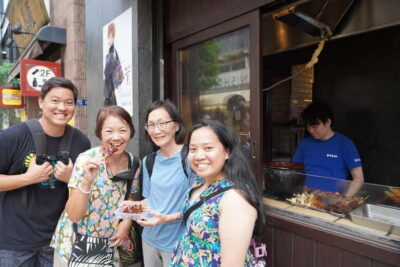
And yes, street snacks are part of the experience. The tour doesn’t include food, but it sets you up to grab something convenient while you’re there. Giovanni mentioned trying good food in the area, which is exactly the kind of “small bonus” that makes this stop feel satisfying rather than just sightseeing.
Possible drawback: some people felt the Harajuku walking portion didn’t offer as much insight into modern Japan as they hoped. If you want deep, current-society explanations, plan to add your own reading or follow-up stops. This tour’s strength is the contrast: Meiji Jingu meaning, then Harajuku energy.
Omotesando Hills Finish: A Calm, Stylish Reset Before Your Next Move
After the Harajuku push, the tour ends at 表参道ヒルズ (Omotesando Hills). This is a great choice for a tour finish because it gives you a softer landing. The area is known for a tree-lined avenue, modern architecture, and designer boutiques. In plain terms: it feels more polished and open than the densest streets nearby.
I like tour endings like this because they give you options. You can slow down, grab a coffee, and process what you just saw. You can also shop if that’s your thing, but even if it isn’t, the space helps you cool off after crowds.
Ending here also makes logistics easier for what comes next. Omotesando is well positioned for moving on to other parts of Tokyo without needing to cram one more neighborhood into the same 2-hour window.
This “tradition → trend → reset” flow is the tour’s secret sauce. You don’t end sweaty and frantic. You end with a chance to choose your next step.
Price and Value: What $36 Gets You (and What It Doesn’t)
At $36 per person for about 2 hours, you’re paying for something specific: a guided walk that connects three very different Tokyo zones. The included cost is the tour guide fee. You’re not paying for meals or drinks, which is normal for a short city-walking tour. If you want snacks at Harajuku or a drink at the end, you’ll need to budget for that yourself.
So is it worth it? For most first-timers, yes—because the big value isn’t the walking. The value is the guidance at Meiji Jingu and the context around Harajuku. A shrine visit without etiquette help can feel like you’re doing homework in public. A guided one makes you feel like you belong in the space.
Also, you’re getting multilingual coverage. That matters more than people think. When the guide can explain the meaning of rituals, the experience becomes easier to translate into your own memory. Guides such as Kobu were praised as fun, which also helps: you’re more likely to ask questions and keep listening instead of tuning out.
My rule of thumb: if you’re the kind of traveler who likes to understand what you’re seeing (not just take pictures), $36 for a guide-led route makes sense. If you mainly want to roam shopping streets, you might do similar exploring on your own for less money, but you’d miss the shrine manners and the explanation layer.
Timing, Meeting Point, and How to Keep This From Feeling Rushed
This tour is short on purpose: 2 hours total, with one hour at Meiji Jingu and one hour in Harajuku, then you finish at Omotesando Hills. That structure is efficient, but it also means you should show up ready.
Your meeting point is in front of NewDays (a convenience store) near the Omotesando Exit of Harajuku Station. Your guide will be holding a sign. I recommend arriving a few minutes early so you can locate your guide without stress. It’s the kind of tour where being late can throw off the whole start, since the schedule is tight.
What to wear matters, too. You’ll be doing a lot of walking on sidewalks and shopping streets. Comfortable shoes are non-negotiable. Weather matters as well. Tokyo can swing from warm to rainy fast, and you don’t want to spend the best parts of the tour stuck looking at your phone instead of enjoying the stops.
Also, plan your snack strategy. Food and drinks aren’t included. The tour passes through places where grabbing something quick is easy, but bring spending money so you can follow the mood rather than say no out of surprise.
One more small comfort: the tour offers free cancellation up to 24 hours in advance and includes reserve now & pay later options. If your schedule is still forming, that flexibility reduces stress.



Who This Tour Fits Best (and Who Might Want Something Different)
This is a strong pick if you want Tokyo in two flavors: calm tradition and youth-driven street culture. It also works well if you’re short on time and want a guided route that connects the dots without forcing you to research everything yourself.
It’s especially suitable for:
- First-time visitors who want a confident start in Tokyo.
- People who value etiquette and meaning, not just sightseeing.
- Families, since Harajuku was described as especially enjoyable for kids.
- Anyone who wants language support, with live guides in English, Japanese, Spanish, Chinese, and French.
- Wheelchair users, since the tour is listed as wheelchair accessible.
It may not be your best match if:
- You’re mainly interested in modern-day Japan beyond street-level scenes.
- You want a longer, deeper exploration that includes more neighborhoods or multiple major museums.
The tour’s whole promise is contrast in a compact format. If that’s your goal, you’ll likely enjoy how smoothly the day moves.
Should You Book the Tokyo Pop Culture & Tradition Tour?
If your ideal Tokyo day is short and well-guided, this is worth booking. I’d recommend it if you want to feel the shift from Meiji Jingu’s quiet shrine setting to Harajuku’s fashion-and-snack energy, then end somewhere calmer like Omotesando Hills where you can actually breathe.
Book it if:
- You want help understanding Shinto customs instead of guessing.
- You like the idea of a guided explanation for both a sacred site and a pop-culture zone.
- You’re traveling on a tight schedule and still want two major Tokyo vibes.
Think twice if:
- You expect lots of deep, modern-Japan commentary beyond what you see on the streets.
- You’re looking for food included, or a tour that turns into a full-day exploration.
For the price and the structure, this tour makes a smart first step. It doesn’t try to do everything. It does the right things in the right order, and it leaves you in a good area to continue exploring afterward.
FAQ
How long is the Tokyo Pop Culture & Tradition Tour from Meiji Shrine to Harajuku?
The tour lasts 2 hours.
Where is the meeting point?
Meet in front of NewDays near the Omotesando Exit of Harajuku Station. The guide will be holding a sign.
Where does the tour end?
The tour finishes at 表参道ヒルズ (Omotesando Hills).
Is food included in the tour price?
No. Food and drinks are not included.
What languages are offered for the live tour guide?
The live tour guide is available in English, Japanese, Spanish, Chinese, and French.
Is the tour wheelchair accessible?
Yes, the tour is listed as wheelchair accessible.