REVIEW · TOKYO
From Tokyo: Mount Fuji Private Day Tour
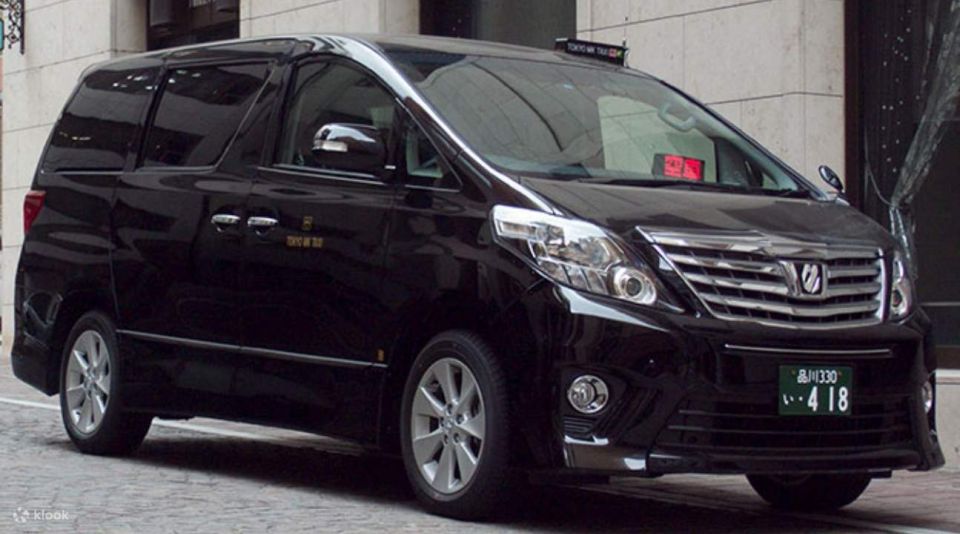
Book on GetYourGuide →Operated by EFG CARS · Bookable on GetYourGuide
Fuji looks different when you control the day. This Mount Fuji private day tour is all about choice and comfort: you ride in a private, air-conditioned car with pickup and drop-off, then build your own plan around views, shrines, and the lakeside countryside.
What I like most is the way this tour gives you a real-feeling day out of Tokyo without forcing a rigid group pace. You also get lots of practical support built in, including meet-and-greet pickup help and a driver who can adjust the route based on conditions and your interests.
One possible drawback is that you are not paying for a full English-speaking guide; drivers may have only basic English, so you’ll rely on your own questions, translation, and the optional add-on tour guide if you want deeper explanations.
Key things that make this tour worth considering
- Private 10-hour charter with pickup/drop-off inside Tokyo’s 24 wards (Tokyo 23 wards list)
- Route flexibility: you can choose recommended options and fine-tune stops as you go
- Mount Fuji viewpoints at Arakurayama Sengen Park, plus a weather-dependent shot at Fujinomiya 5th Station
- Calm lake time for wide Fuji views, followed by a quiet nature finish at Oshino Hakkai springs
- Driver language support through Chinese/Japanese/English skills, plus an English customer support center
In This Review
- Why a private charter makes Fuji day-trips feel easier
- Tokyo pickup and the kind of planning you can actually use
- Arakurayama Sengen Park: the pagoda-and-Fuji photo moment
- Sengen Shrine and heritage stops that add meaning (not just views)
- Fujinomiya 5th Station only if weather cooperates
- Lake Yamanaka (and how your route choice shapes the vibe)
- Oshino Hakkai springs: a calm finish with easy walking
- Timing and the real meaning of a 10-hour day
- Driver skill, language limits, and how to avoid getting lost in translation
- Price and value: what $483 buys (and what it doesn’t)
- Who this Fuji day trip fits best
- Should you book this Mount Fuji private day tour?
- FAQ
- How much does the Mount Fuji private day tour cost?
- How long is the tour?
- Where do you pick up and drop off in Tokyo?
- Is a tour guide included?
- Do I need to pay for lunch and entrance fees?
- What languages can the driver and support provide?
- What happens if the tour runs over 10 hours?
Why a private charter makes Fuji day-trips feel easier
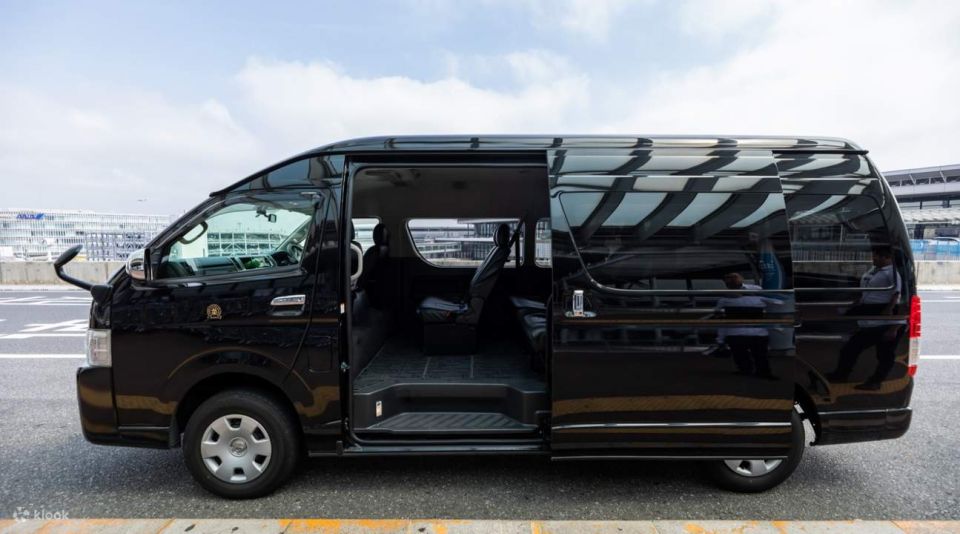
A Mount Fuji day trip from Tokyo can be a time-management puzzle. Group tours help, but you lose control over timing, photo stops, and how long you linger in one place.
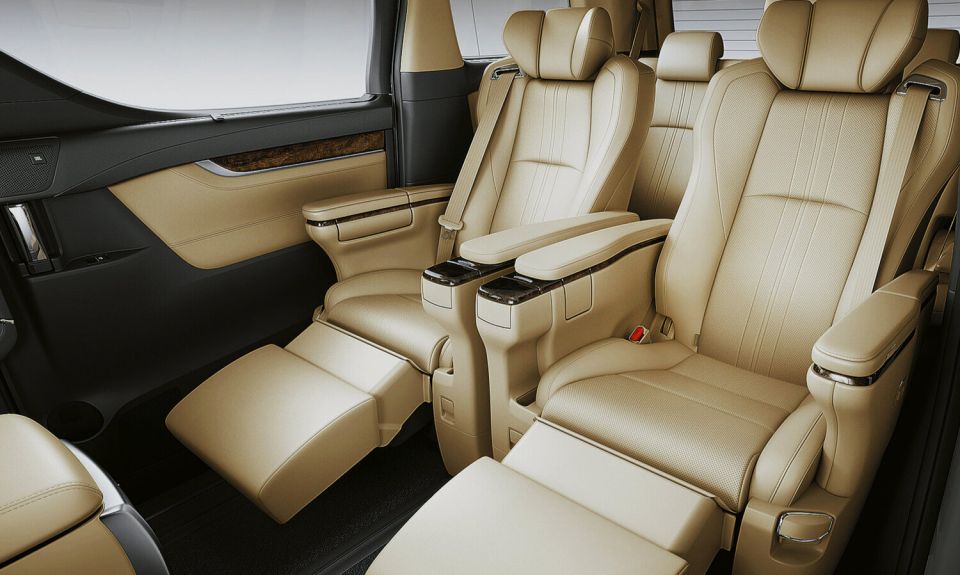
On this tour, you get a private car and a driver who handles the driving. That means you can move at a pace that works for your group, whether you’re traveling light, bringing kids, or simply wanting fewer “stand here, now go” moments.
The best part is that you’re not just driving to a checklist. Your driver can suggest stops and routes, and you can customize the day around what you care about most: viewpoints, heritage spots, lakes, or a more relaxed sequence.
Tokyo pickup and the kind of planning you can actually use
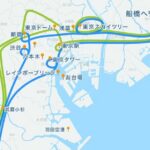
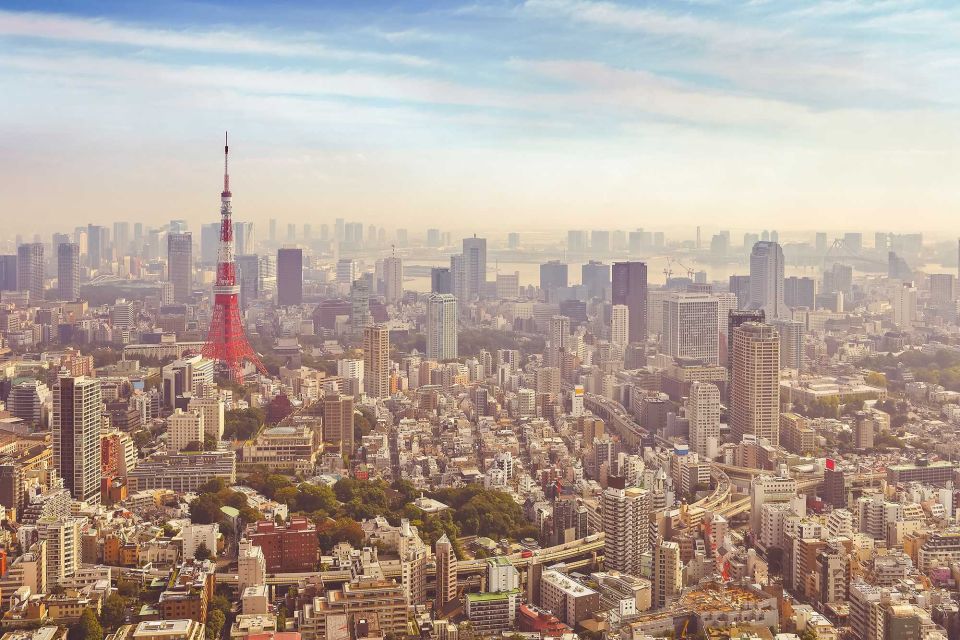
Pickup and drop-off are built for convenience. Your driver meets you in the Tokyo city center area, covering Tokyo’s 23 wards that include Shinjuku, Shibuya, Ginza, Ikebukuro, and others listed under the 24-ward service area.
This matters because Fuji day-trips fail when logistics eat your daylight. Starting from a nearby station or hotel means less early chaos and more time in the Fuji zone.
You also get meet-and-greet service, plus a professional support channel in English. In practice, that shows up as quick coordination: names like Lucy have been referenced for organizing details, and multiple guides/drivers have supported smooth communication even with limited shared language skills.
You can also read our reviews of more private tours in Tokyo
Arakurayama Sengen Park: the pagoda-and-Fuji photo moment
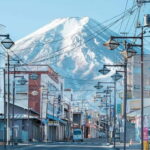
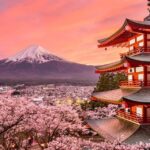
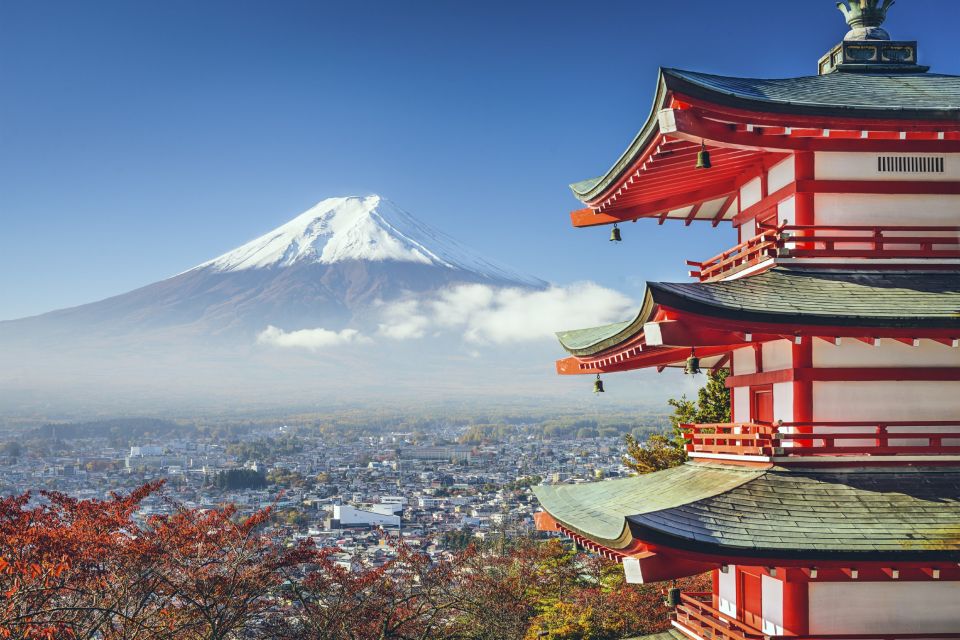
Arakurayama Sengen Park is one of those stops that makes you understand why Mount Fuji is famous. You’re looking at dramatic Fuji views with a five-storied red pagoda, often from a viewpoint that’s made for photos.
Expect a scenic walk and viewpoint time. The park area gives you options: you can take a slower route for photos, or keep it efficient and get your main angles before moving on.
One practical tip: dress for cooler, windier conditions than you expect. Fuji-area weather can feel sharper than Tokyo, even when the day still looks fine from the city.
Also, don’t plan this stop as a quick photo and sprint if your group enjoys scenery. This is a “linger a bit” location, and you’ll feel the payoff.
Sengen Shrine and heritage stops that add meaning (not just views)
This tour also builds in heritage time, and Sengen Shrine is specifically named as a likely visit. In a day that’s mostly about scenery, a shrine stop gives the trip a different rhythm: less postcard, more cultural texture.
You can think of it as a reset between driving and viewpoints. Shrines tend to be easy to navigate, and they help you slow down enough to actually take in the surroundings rather than treating everything like a timed photo session.
If you’re traveling with someone who loves the spiritual side of travel, these pauses are gold. If your group only wants raw views, you might still find it worthwhile because the shrine area ties directly to the way people historically approached Fuji.
Fujinomiya 5th Station only if weather cooperates
Fujinomiya 5th Station is the kind of place you go when you want the mountain to feel bigger than life. In the plan, it’s listed as an option if seasonal weather allows.
That condition is not small print. Visibility and cloud cover can make the difference between an “I see Fuji” moment and a “fog day” where you mostly see sky and wind.
When it works, it’s worth the effort because it gives you a high-altitude sense of scale. When it doesn’t, you still keep the day moving toward other Fuji-related sights, like parks, lakes, and Oshino Hakkai.
The smartest way to handle this stop is flexibility. If clouds roll in, don’t fight it. Trust the driver’s pacing so you don’t sacrifice the rest of the day chasing weather that won’t change.
Lake Yamanaka (and how your route choice shapes the vibe)
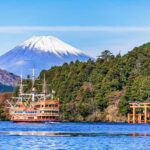
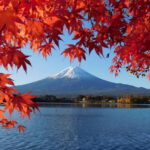
The itinerary guidance points to a lake stop for more Fuji views, and Lake Yamanaka is named as a key option. Lakes are where Mount Fuji shifts from “peak” to “reflection,” and the mood turns quiet.
Expect peaceful walking and viewing time around the water. This is a good stretch of the day to slow down, trade phones for eye-level looking, and let the group reset before the final nature stop.
Because the tour is described as choosing between recommended routes and customizing your adventure, you should treat lake choice as part of your planning conversation with the driver. One route might favor certain view angles or timing, while another route could shift the sequence based on weather and traffic patterns that day.
In other words: ask your driver what gives you the best shot that day. The best route is often the one that keeps the timing aligned with clearer views.
Oshino Hakkai springs: a calm finish with easy walking
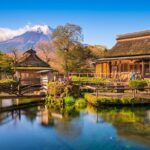
Oshino Hakkai is a nature-and-water stop, built around eight aquifer-fed springs fed by volcanic activity. It’s usually the kind of place that works well at the end of a long day because the atmosphere feels calmer than the viewpoint stops.
Expect a gentle, stroll-friendly experience. You’re not scrambling or climbing steep paths; instead, you can enjoy the water settings, take photos, and wander at a pace your group prefers.
This is also a great “everyone can enjoy it” stop. Even if someone in your group isn’t obsessed with Fuji angles, springs and water features are universally appealing.
If you’ve been dealing with driving fatigue, Oshino Hakkai often feels like relief. It’s a satisfying way to end the trip without needing extra energy.
Timing and the real meaning of a 10-hour day
Ten hours sounds generous until you see Tokyo-to-Fuji logistics on a busy day. Traffic can stretch travel time, and that’s when you start feeling it.
Overtime is explicitly noted at 5,000 yen per hour, paid on-site. One review example described a large extra charge due to traffic delays on the return trip, which is a reminder to plan for imperfect road timing.
Practical move: treat the 10 hours as “10 hours total, not 10 hours of stops.” Build in breathing room for driving. Also, decide early if your priority is more stops or more time per stop.
Lunch is also not included. So if you want a sit-down meal, budget time and money accordingly. If you don’t plan lunch, your “free time” may turn into a stressful scramble for food, and Fuji days should feel the opposite of stressful.
Driver skill, language limits, and how to avoid getting lost in translation
This is a private tour, but it’s not a full guide service by default. The tour guide option is listed as not included, and drivers may have only basic English.
That sounds scary, but it’s workable if you approach it smartly. Use your driver for what they do best: safe driving, route decisions, and highlighting the main points at each stop.
In real-world examples, guides and drivers have supported communication with translation help through phones, and they’ve guided guests through order-taking at lunch. Names like Ken and Doris show up in service stories for helpful communication and staying patient and organized.
If you care a lot about the “why” behind each stop—history details, shrine meaning, or deeper explanation of the lakes and geology—consider adding an English/Japanese/Chinese/Thai tour guide. The add-on is listed as available, and it can turn a comfortable ride into a truly explanatory day.
Price and value: what $483 buys (and what it doesn’t)
At $483 per group up to 6, you’re paying for the practicality of a private day: transportation, parking fees, air-conditioned comfort, and Tokyo pickup/drop-off within the defined area. Parking fees being included is a nice win. Roads and lots add up fast in Japan.
What you should also understand is what’s not included:
- Tour guide (you’re mainly relying on the driver for conversation)
- Lunch and food/drinks
- Entrance fees to attractions
- Any extra time beyond the 10 hours (overtime is charged)
So the value depends on how you travel. If you’re a small group that wants privacy and flexible timing, the price can feel fair compared to piecing together taxis or squeezing into group buses.
If you’re expecting a full guided experience with entrances bundled and a detailed English-speaking narration throughout, this may feel expensive. It’s better to treat it as a private transport + high-impact stops plan.
A useful strategy: set your expectations and then spend wisely. Plan for entrance fees, bring money for lunch, and consider the tour guide add-on only if you really want deeper explanations.
Who this Fuji day trip fits best
This tour makes the most sense for:
- Families or groups who want privacy and an easy-to-manage day
- Travelers who value scenic stops and a flexible route over a strict schedule
- Anyone who wants safer, simpler logistics than self-driving from Tokyo
- People who can enjoy “main highlight” guidance rather than a full lecture-style tour
If your group needs heavy step-by-step commentary at every stop, you may want the optional guide add-on. If your group is okay figuring things out with a mix of driver support and your own questions, you’ll likely enjoy the freedom.
Also worth noting: wheelchair accessibility is listed. That can matter a lot for planning a day with limited patience for stairs or long, difficult walks.
Should you book this Mount Fuji private day tour?
If you want a smooth, comfortable day with control—pick-up convenience, a private charter, and a route that can flex with weather—this is an easy yes.
Don’t book it if your biggest priority is a fully guided, entrance-fee-included tour with lots of detailed explanation in fluent English. In that case, you’ll likely feel the “tour guide not included” gap unless you add the guide service.
My decision rule is simple: if you’re traveling with a group that benefits from private logistics, plan for lunch and entrances, and stay flexible about weather for high-elevation views, you’ll get your money’s worth. If not, you may prefer a different format with everything bundled.
FAQ
How much does the Mount Fuji private day tour cost?
It’s listed at $483 per group, for up to 6 passengers.
How long is the tour?
The duration is 10 hours.
Where do you pick up and drop off in Tokyo?
Pickup and drop-off are available within Tokyo City Center, covering Tokyo’s 23 wards (including places such as Shinjuku, Shibuya, Ginza, and Ikebukuro). It’s not described as available outside that area.
Is a tour guide included?
No. A tour guide is not included. You’ll have a professional driver, and you can book an extra tour guide add-on if you want one.
Do I need to pay for lunch and entrance fees?
Yes. Lunch, food and drinks, and entrance fees to attractions are not included.
What languages can the driver and support provide?
The driver languages listed are Chinese, Japanese, and English. Drivers can only speak basic English, and there is an English customer support center available.
What happens if the tour runs over 10 hours?
Overtime is charged at 5,000 yen per hour and is paid on-site.