REVIEW · TOKYO
Tokyo: 3 Towers Tour – A Sky-High View of the City
Book on GetYourGuide →Operated by DeepExperience, Inc. · Bookable on GetYourGuide
Three towers can feel like cheating, in a good way. This tour strings together Tokyo’s top observation decks for different heights and unforgettable skyline angles. You’ll also have a real shot at seeing Mount Fuji on clear days.
I like that the whole plan is guided, not a random scavenger hunt. With an English-speaking professional (the kind of support guides like Atsushi and Chikako are known for), you get history and architecture context without translating everything on your phone.
My favorite part is the built-in photo logic: you see Tokyo from the administrative-center view, the classic tower view, then the highest 360-degree view. One possible drawback: the tour isn’t for people afraid of heights, and it includes a moderate amount of walking.
In This Review
- Quick hits to know before you go
- Three towers, one Tokyo afternoon: why this route makes sense
- Tokyo Metropolitan Government Building: 45 floors up, with Fuji on the horizon
- Tokyo Tower: the 1958 icon, with Roppongi Hills and Tokyo Bay in view
- Tokyo Skytree at 634 meters: the 360-degree payoff
- Guide time and subway routing: how you actually save energy
- The view math: timing, weather, and what to photograph
- Price and value: does $307 per person make sense?
- Who this tour suits best, and who should skip it
- Should you book the Tokyo 3 Towers Tour?
- FAQ
- How long is the Tokyo 3 Towers Tour?
- Where do I meet the guide, and when does the tour end?
- What’s included in the price?
- Is the tour private, and what language is it in?
- What should I bring and wear?
- Is this tour suitable for people afraid of heights?
Quick hits to know before you go
- Three observation decks, one route: Tokyo Metropolitan Government Building, Tokyo Tower, and Tokyo Skytree
- Clear-day potential for Fuji: Mount Fuji may be visible from the Met Gov Building and from higher viewpoints too
- English guide + real explanations: history and architecture along the way, plus helpful pacing
- Subway included during the tour: you’ll experience getting between stops rather than just jumping by taxi
- All-weather plan: it runs in all conditions, so dress for the day you get
Three towers, one Tokyo afternoon: why this route makes sense
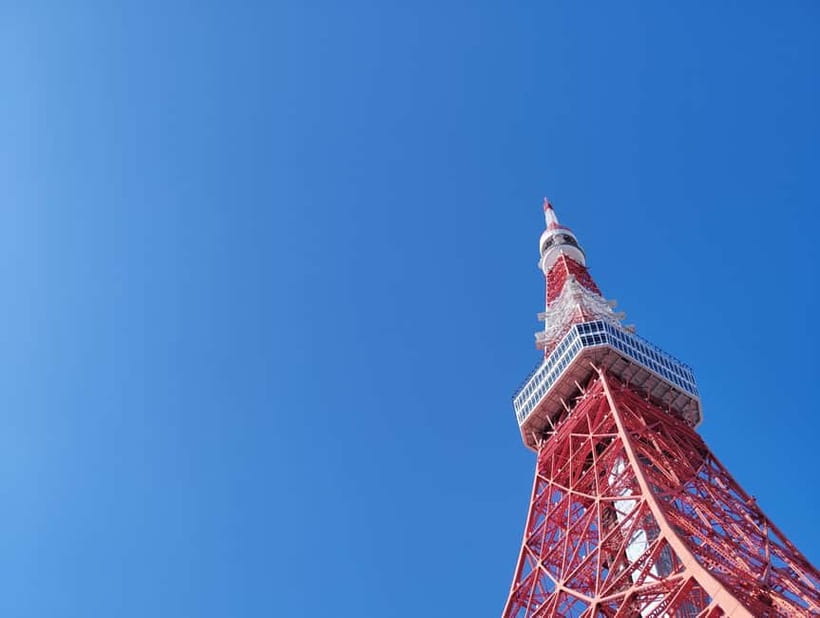
If Tokyo has a superpower, it’s the way the city keeps changing as you look from different angles. This tour is built for that. You’re not just “going up” once. You’re moving between three major towers with three very different viewpoints and vibes.
The Tokyo Metropolitan Government Building gives you a modern, administrative-city perspective from a high deck. Tokyo Tower leans classic and iconic, with recognizable landmarks in the same frame. Then Tokyo Skytree puts you at the top end of the skyline story, with a full 360-degree panorama.
The practical win: you get a structured day with admissions and a professional guide. That matters in Tokyo, because good views are one thing, but knowing what you’re actually seeing is what makes photos worth keeping.
You can also read our reviews of more city tours in Tokyo
Tokyo Metropolitan Government Building: 45 floors up, with Fuji on the horizon
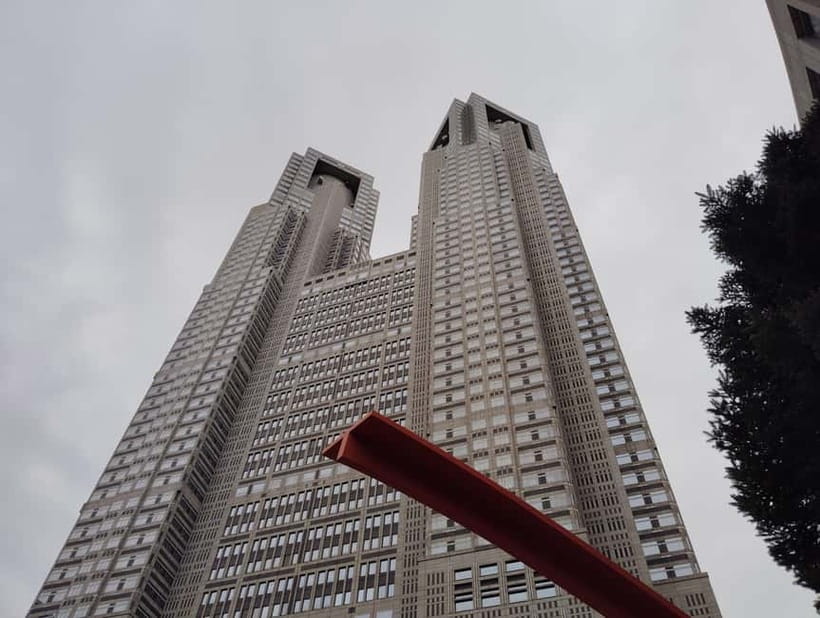
Your tour starts at Tokyo Metropolitan Government Building’s Tomin Hiroba meeting area. From there, you’ll head up to the observation decks on the 45th floor. This stop is a smart first move because it’s your “big picture” orientation.
What you’ll like here:
- Architecture and purpose context: you’ll learn about the tower and the building’s role as the administrative center of Tokyo.
- Wide city sweep: the observation deck is made for panoramic viewing, so the city feels easier to understand.
- Mount Fuji possibility: on clear days, the view can include Mount Fuji.
Why this stop is valuable for your whole day: Tokyo can feel chaotic from street level. From the Met Gov Building, you can often recognize the city’s overall layout, then “match” what you’ll see later from Tokyo Tower and Skytree. It’s like getting the map first, then walking the map.
Possible drawback: visibility is weather-dependent. If it’s hazy or cloudy, you may not get that Fuji sightline the way you’d hope. Still, even on less-perfect days, the deck’s perspective is useful for skyline orientation.
Tokyo Tower: the 1958 icon, with Roppongi Hills and Tokyo Bay in view
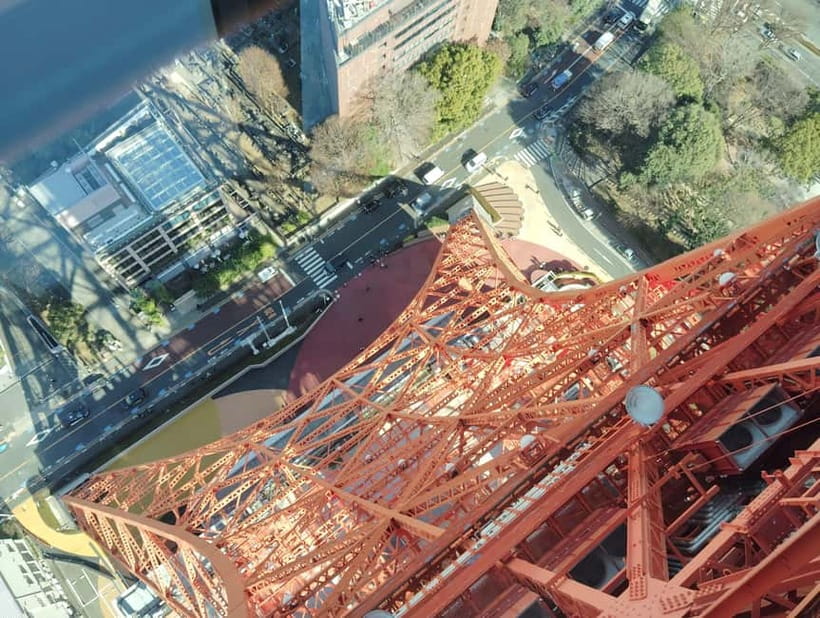
Next comes Tokyo Tower, the enduring symbol of Tokyo that was completed in 1958. This is where the skyline gets more emotional. The tower is famous for a reason, and standing at its observation decks lets you see why it keeps pulling visitors in.
From Tokyo Tower’s decks, you can spot landmarks like Roppongi Hills and Tokyo Bay in the distance. That’s more than sightseeing trivia. It helps you understand Tokyo as a connected system: business districts, waterfront, and the way the city stretches outward.
Day versus evening is the real decision here. The tour description highlights day views for the sprawling city feel, and evening views for sparkling lights. If your departure time lines up with sunset, you’ll likely appreciate Tokyo Tower more because it becomes a contrast machine: warm lights against darker sky.
One more practical note: Tokyo Tower is often a favorite stop, but it can be a little less interesting for some people if they’re mainly chasing the absolute highest point. If your priority is “top of Tokyo” bragging rights, Skytree will probably win later. If your priority is classic Tokyo in one frame, Tokyo Tower delivers.
Tokyo Skytree at 634 meters: the 360-degree payoff
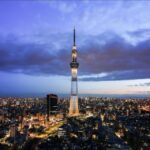
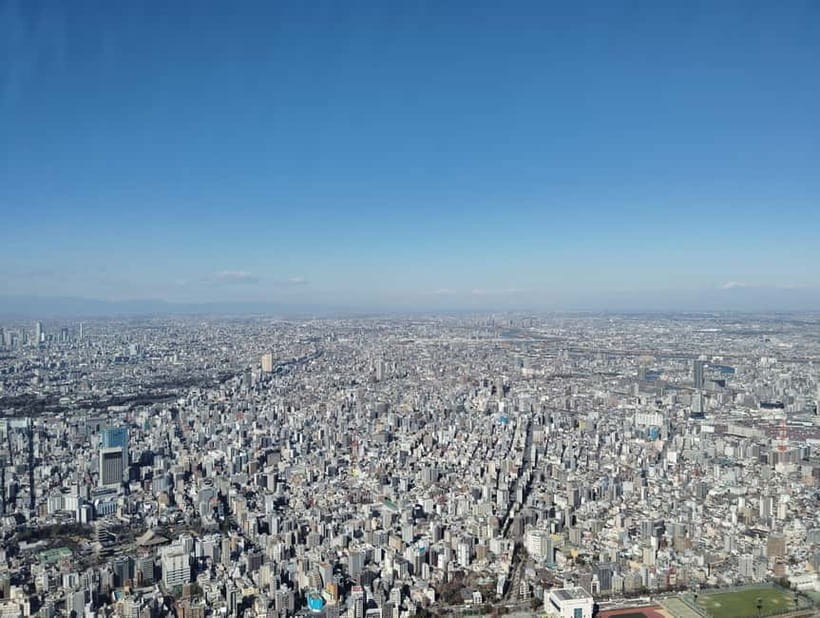
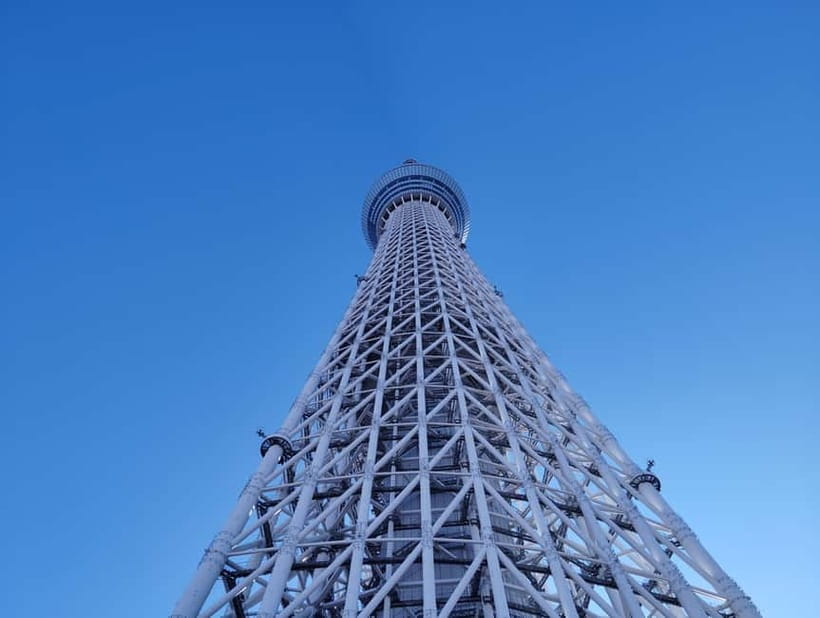
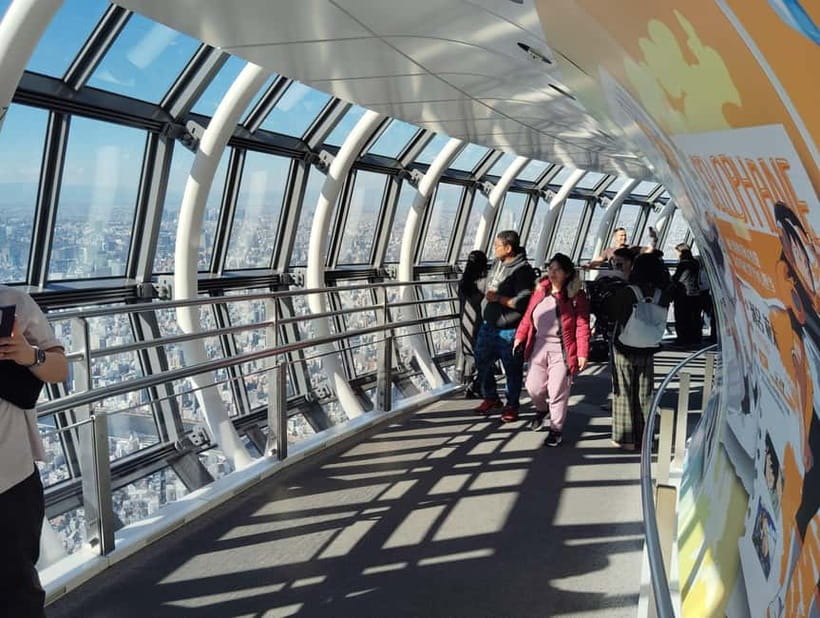
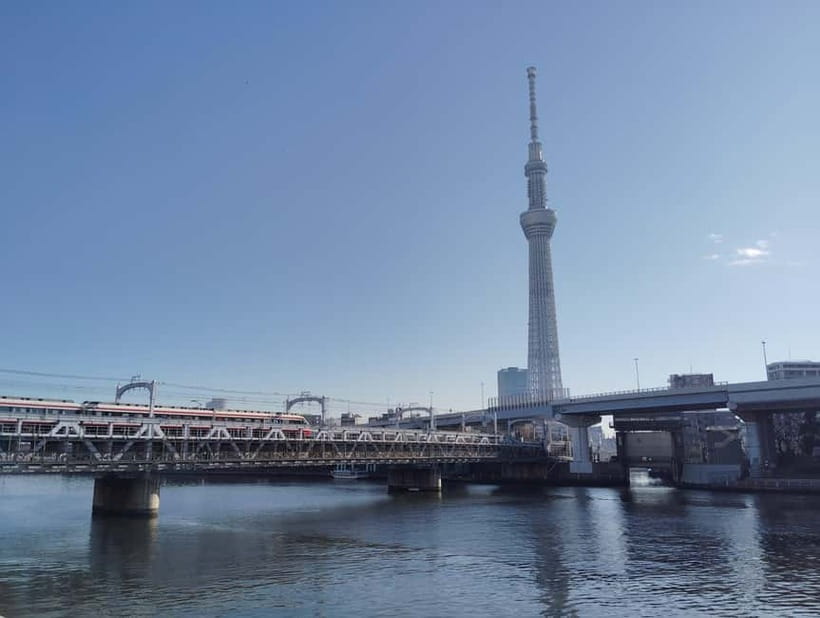
Finally, you reach Tokyo Skytree. It’s currently the tallest tower in the world at 634 meters, and the observation experience is built around that fact: a 360-degree panorama with skyline depth in every direction.
This is the stop that tends to feel like the payoff for the whole route. You’ve already seen the city from a high administrative deck and a classic tower. Now Tokyo spreads out like a model you can walk around. The tour also calls out the chance to see Mount Fuji in the distance on clear days and the bright city lights after sunset.
What I think makes Skytree especially worth it:
- 360-degree viewing: you’re not stuck with one postcard angle.
- A different sense of scale: the higher you go, the more you can separate districts visually.
- Great for both photo and orientation: you can capture the skyline and also get your bearings for the rest of your Tokyo trip.
If you’re prone to looking for the “best” shot, Skytree is where you’ll burn extra time. That’s normal. Just keep moving with the group during guided segments, because the tour includes photo stops and guided tours at each site.
Guide time and subway routing: how you actually save energy
A good guide changes the whole feeling of a skyline visit. This tour includes a professional English-speaking guide, and that matters because you’re dealing with more than views. You’re dealing with history, architecture, and the why-behind-the-where.
Guides like Atsushi have been praised for being professional and flexible, including adjusting pace based on weather. Another guide, Chikako, is noted for listening to guests’ preferences. Even if you don’t have a shopping mission, that kind of responsiveness can help you spend less time waiting and more time looking.
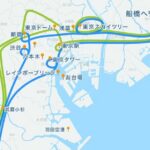
You’ll also take the subway during the tour, and subway time is included in the experience cost. That’s a sneaky value add. It removes decision fatigue. You’re not plotting routes between three major stops while also trying not to miss entrances and observation-deck time.
Practical tip: bring your camera plans with you, not after you arrive. Decide what you want first—Fuji, waterfront, or the night-light grid—then let the guide help you place your shots. You’ll get more “keepers” and less camera anxiety.
The view math: timing, weather, and what to photograph
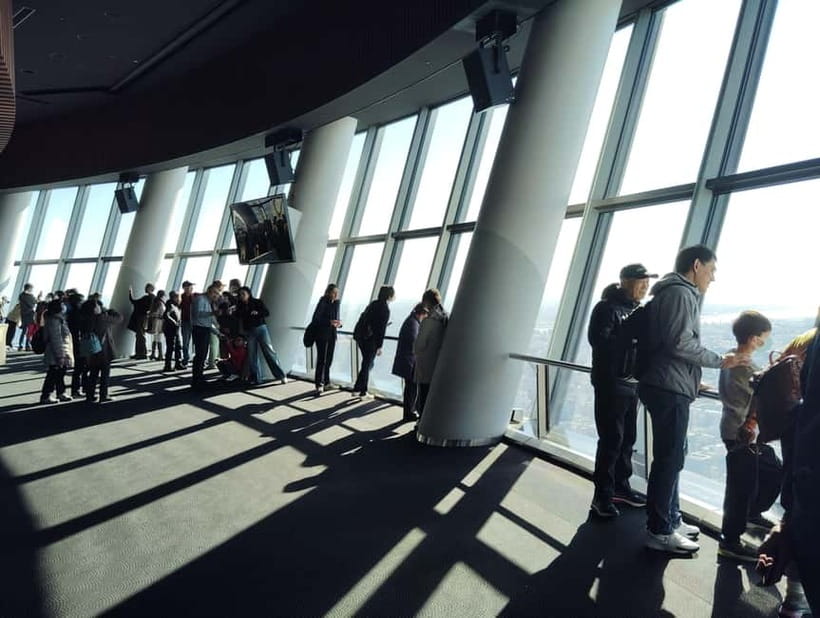
This tour runs in all weather conditions. That’s good because you won’t get stranded just because it’s misty or gray. It’s also a reminder: observation decks depend on visibility.
So here’s the common-sense approach:
- If clear skies are in the forecast, prioritize the Fuji potential. The Met Gov Building explicitly mentions Fuji visibility on clear days.
- If night city lights are your main goal, plan for evening views at Tokyo Tower and Skytree, since the tour highlights sparkling lights after sunset.
What’s smart to photograph from each stop:
- Met Gov Building: use it for wide skyline structure and city orientation.
- Tokyo Tower: aim for landmark-to-landmark frames, especially areas like Roppongi Hills and Tokyo Bay if visibility is good.
- Skytree: shoot in multiple directions. The 360-degree setup is the point, not an optional perk.
Also, remember that clouds don’t always ruin the day. They can soften the skyline and reduce harsh contrast. You just shouldn’t expect a crisp Fuji outline if the day is hazy.
And yes, wear shoes you can walk in. There’s a moderate amount of walking, plus photo stops and deck time. Comfortable feet beat heroic foot injuries.
Price and value: does $307 per person make sense?
At $307 per person, this isn’t a casual “quick stop” ticket. But it’s also not just one entrance fee.
Your money covers:
- A professional English-speaking guide
- Admission to all three observation experiences: Tokyo Metropolitan Government Building, Tokyo Tower, and Tokyo Skytree
- Subway fares within the tour
- A private-group format
That makes the value equation simpler than DIY. You’re paying for three major paid entry experiences plus navigation and interpretation. If you’re the type who likes to understand what you’re seeing—rather than only collecting photos—this tour usually feels worth it because the guide connects the dots.
Where it may feel pricey: if you don’t care about explanations, or you already know Tokyo’s skyline well and only want one tower. In that case, you could build a solo plan. But if you want the “three viewpoints, one day” result, the included admissions and guide save time and effort.
Who this tour suits best, and who should skip it
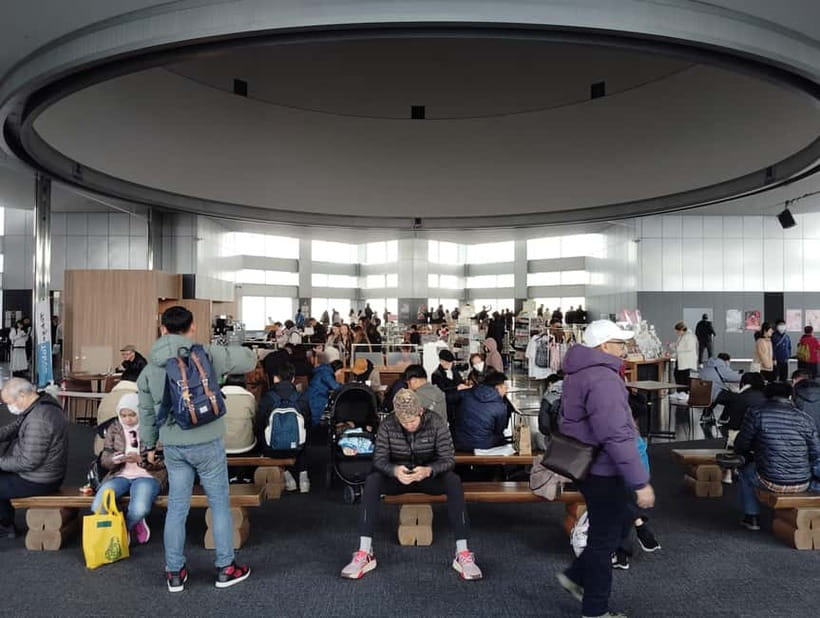
This tour fits best if you want an efficient, guided skyline day. It’s ideal for:
- First-timers who want a clear Tokyo overview fast
- People who enjoy architecture and city planning context, not only photos
- Travelers who appreciate not having to manage subway routing between major attractions
It’s not a good match if you:
- Are afraid of heights (the tour explicitly says it’s not suitable for that)
- Hate moderate walking days (you’ll be on your feet for photo stops and deck access)
One more practical fit check: if you’re traveling with a group and want the plan to flex a bit, a private-group format usually helps. That flexibility showed up in guide feedback, where pacing can adapt to weather and preferences.
Should you book the Tokyo 3 Towers Tour?
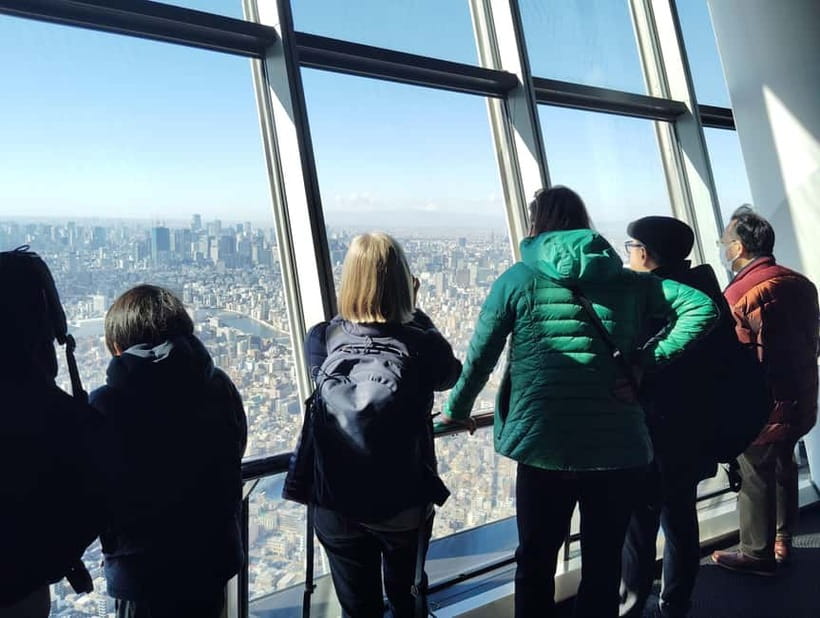
I’d book it if you want a structured skyline day that hits three iconic towers without turning the morning into a transportation puzzle. The combination of English guidance, admissions to all three, subway routing, and the Fuji-or-lights viewing potential makes this tour a strong choice for short on time trips.
I’d skip it if heights make you uneasy or if you’re only chasing one tower experience and don’t need historical context. In those cases, DIY might be cheaper and less stressful.
If you do book, go in with a simple goal. Pick one: Fuji views or night lights. Then let the route do its job. You’ll come away with Tokyo in layers, not one flat postcard.
FAQ
How long is the Tokyo 3 Towers Tour?
The tour lasts 5 hours, with about 1.5 hours of time at each main stop for photo time, guided touring, and sightseeing.
Where do I meet the guide, and when does the tour end?
Meet at Tokyo Metropolitan Government Building’s Tomin Hiroba. The guide will be holding a yellow sign for Deep Experience. The tour finishes at Tokyo Skytree.
What’s included in the price?
The tour includes a professional English-speaking guide, admission to the Tokyo Metropolitan Government Building, Tokyo Tower, and Tokyo Skytree, plus subway fares within the tour.
Is the tour private, and what language is it in?
Yes, it’s a private group tour, and the live guide speaks English.
What should I bring and wear?
Bring comfortable walking shoes, a camera, and water. The tour operates in all weather conditions, so dress appropriately for the day.
Is this tour suitable for people afraid of heights?
No. The tour is not suitable for people afraid of heights.