REVIEW · TOKYO
Tokyo Oldtown: Historic Landmarks Go Kart Tour (100 Minutes)
Book on GetYourGuide →Operated by Kartzilla Discovery Japan (Kartzilla Go Kart, Tokyo) · Bookable on GetYourGuide
Tokyo from the driver’s seat sounds fun for a reason. This 100-minute Old Town go-kart tour pairs a street-legal kart you can actually control with live guide stories around Tokyo’s most historic neighborhoods. I like that it’s built for confidence, not racing, and you’re kept comfortable with a safety-first rhythm.
I also love the Asakusa focus: you’ll work your way from big landmarks like Tokyo Skytree and Tokyo Station into the city’s older, everyday side, including the Asakusa area known for Senso-ji. One thing to consider: you need the right driving documents (and a Micro-SD card if you want the Insta360 option), and there’s no locker space for bulky bags.
In This Review
- Quick hits before you ride
- Tokyo from the driver’s seat: why this Old Town route feels different
- The Kartzilla ride: comfort, stability, and confidence for first-time drivers
- How the 100 minutes actually unfold from Skytree to Asakusa
- Tokyo Skytree: the start point that gets you oriented fast
- Japanese Sword Museum and Ryogoku Kokugikan: culture you can see while moving
- Tokyo Station and Imperial Palace: a high-impact city center moment
- Akihabara and Ueno: two Tokyo moods in one ride
- Asakusa: the historic core that’s built into the route
- Safety and guide communication: how the tour keeps control in real traffic
- Costume, photos, and the Insta360 Micro-SD card detail
- What to bring (and what to leave behind) so the ride stays smooth
- Price and value: is $90 worth it for 100 minutes?
- Who should book this tour, and who should skip it
- The decision: should you book the Tokyo Old Town go-kart route?
- FAQ
- How long is the Tokyo Oldtown go-kart tour?
- Where is the meeting point?
- What does the tour include?
- Do I need to buy a Micro-SD card for the camera?
- What languages are the guides?
- What driving documents do I need?
- Can I bring a backpack or store items on-site?
- Are refreshments included?
- Is this tour suitable for everyone?
- What’s the cancellation policy?
Quick hits before you ride
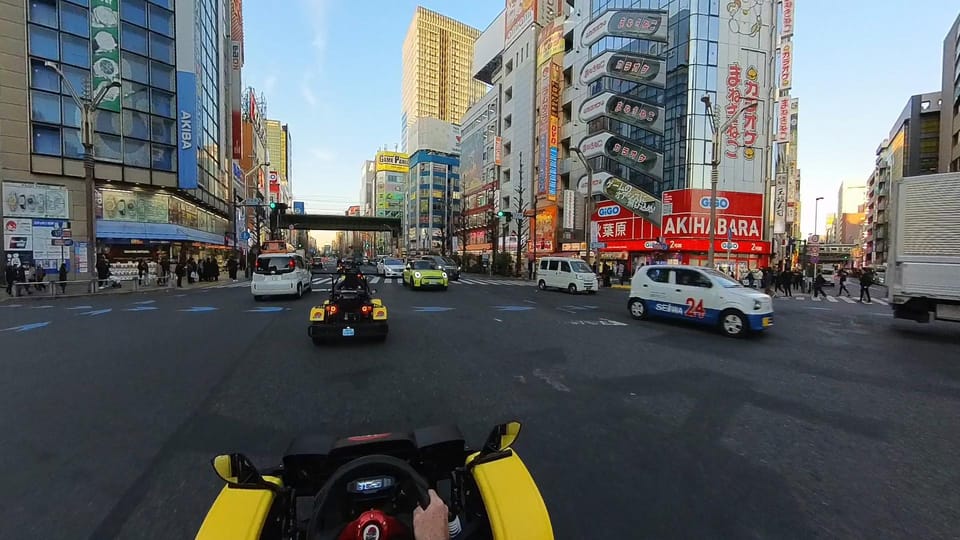
- Purpose-built street-legal karts with suspension, hydraulic brakes, and a stable feel for first-timers
- Asakusa-centered route that takes you from modern icons into older Tokyo street life
- Live guide storytelling via two-way radio plus real-time traffic guidance
- Small group of up to 10 so you’re not stuck watching from the back
- Insta360 option (you provide a Micro-SD card) and free photos/videos included
- Beginner-friendly pace with no racing, just driving and learning
Tokyo from the driver’s seat: why this Old Town route feels different
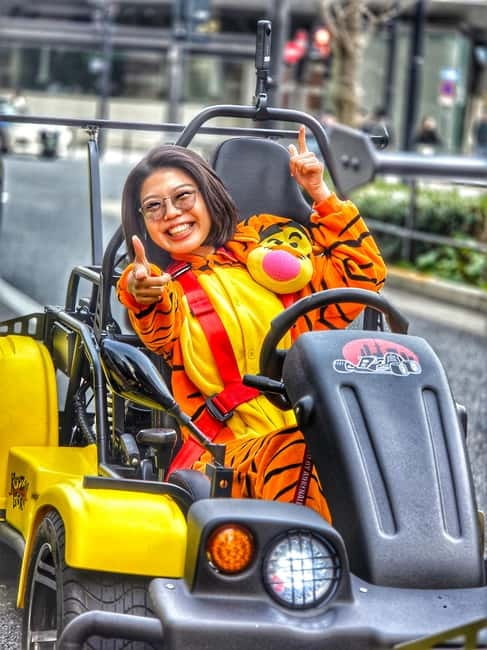
A lot of Tokyo tours are either all inside museums or all on foot in crowded lanes. This one gives you a middle path: you’re moving, seeing, and listening, without having to fight for position on a sidewalk. The format is simple. You get a safety briefing, you drive a professionally engineered kart, and a guide keeps the stories flowing while steering the whole group safely.
I like the focus on Tokyo’s foundations. You start with famous sights, then gradually shift into neighborhoods where the pace feels more “real life.” The Asakusa area is the emotional payoff here, because it connects Tokyo’s modern identity to older traditions you can still feel at street level.
The kart part matters. If you’ve ever tried an overpowered recreational kart, you’ll appreciate the calmer, controlled setup designed for city driving. That makes it feel less like a theme park stunt and more like you’re learning Tokyo from behind the wheel.
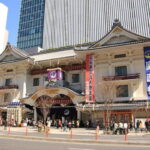
You can also read our reviews of more historical tours in Tokyo
The Kartzilla ride: comfort, stability, and confidence for first-time drivers
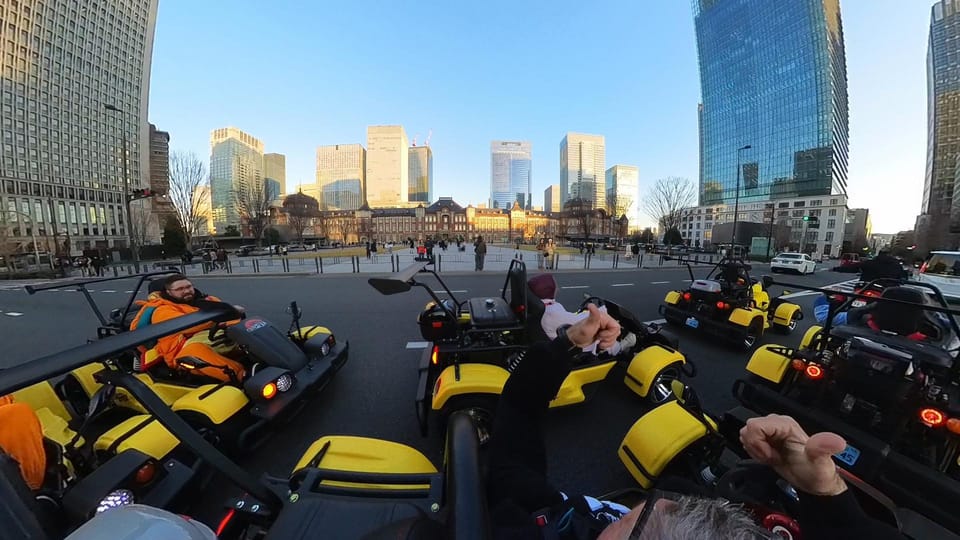
This tour uses Kartzilla karts that are built for actual city driving, not just a parking-lot lap. The comfort details are practical: advanced suspension helps keep the ride smooth, and hydraulic brakes give you precise stopping power. Reinforced frames are designed to accommodate big and tall riders, which is a big deal if you’ve struggled with tight recreational carts in the past.
Handling is the other half of confidence. The karts are described as having stable handling and easy control, and the tour is explicitly not about racing. That means you’re learning how to steer and judge traffic in a guided setting, at a relaxed pace.
One small-but-important reality check: you’re on the road with real traffic flow and urban sights. So the safety briefing and guide radio guidance aren’t “extra.” They’re the core of how this stays fun instead of stressful.
How the 100 minutes actually unfold from Skytree to Asakusa
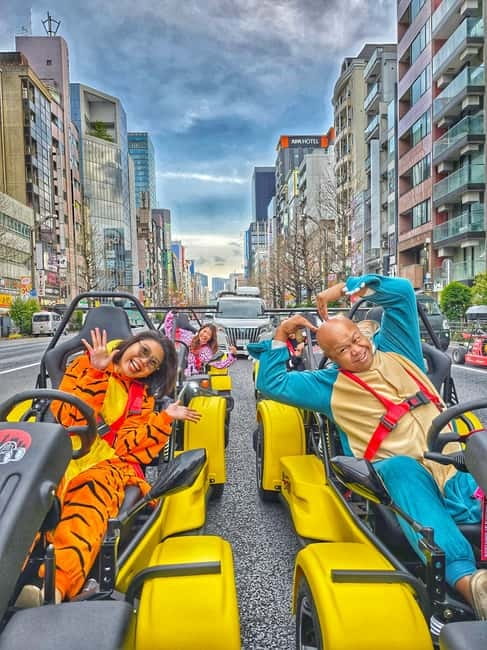
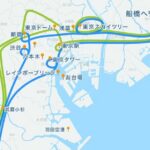
Your experience starts at the Kartzilla facility near Tokyo Skytree, under an 8–10 minute walk from Yotsugi Station (Keisei Line). After you meet up, you get a clear road-safety briefing and simple driving instructions. Then you roll out with a guide leading and staying in constant contact.
The route is structured like a story. You begin with broad Tokyo anchors, then you move into areas where the city’s older identity shows through in streets, architecture, and daily life. Even when you’re just seeing a landmark from the kart, you’re hearing why it matters and how it fits into Tokyo’s cultural timeline.
Also, the time adds up in a good way. With only about 100 minutes total, the pacing stays tight. There’s no long “standing around” phase where you wonder when it ends. You drive, you listen, you take in views, and you keep moving.
Tokyo Skytree: the start point that gets you oriented fast
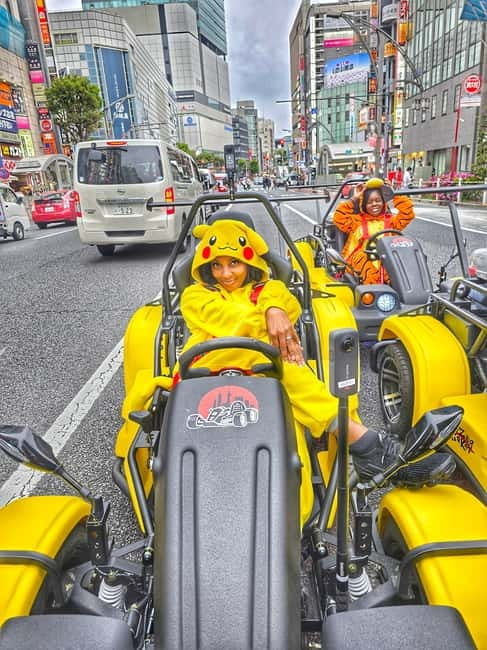
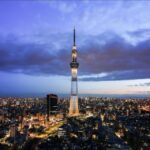
Starting near Tokyo Skytree is a clever setup. You’re in a recognizable Tokyo zone right away, and you get your first driving moments with the guide right there. That early stretch helps you get your bearings quickly: steering, braking, and keeping a steady lane position.
From a visitor’s perspective, it’s also visually helpful. Skytree is one of those “you’re in Tokyo” anchors, so you’re not guessing where you are. The route also includes scenic views along the way, which means the drive isn’t just functional.
Possible drawback: if you’re expecting a deep stop where you’ll explore inside the Skytree area for a long time, this isn’t described that way. The tour format centers on guided looking and driving, not a long standalone attraction visit.
Japanese Sword Museum and Ryogoku Kokugikan: culture you can see while moving
After the Skytree area, you’ll pass by the Japanese Sword Museum and the Ryogoku Kokugikan area. These stops work because they’re tied to Tokyo’s cultural identity in a way that’s easy to understand from the street—especially when your guide explains the context live.
While you’re driving, you get those quick “snapshots” that are hard to get on a foot tour. You’re seeing the city’s physical setting for each landmark without needing the patience of transfers and ticket lines.
One thing I’d plan for: you’ll be focused on the road. So if you’re the type who likes long photo sessions, you may need to prioritize your shots quickly and trust the guide’s rhythm for when you can slow down for views.

Tokyo Station and Imperial Palace: a high-impact city center moment
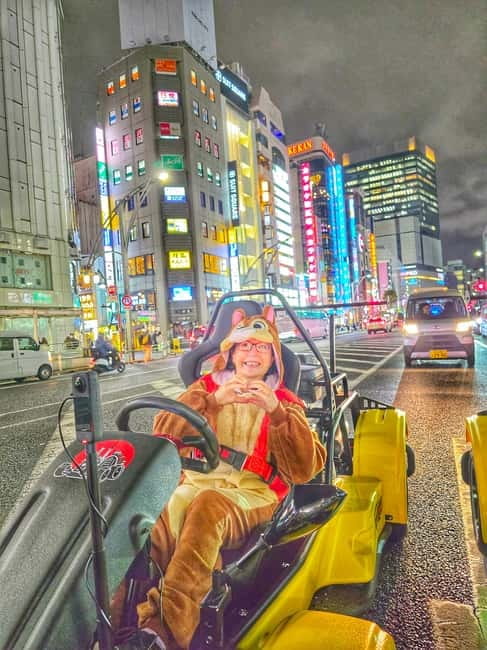
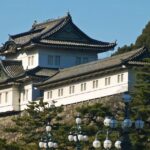
The route then connects to the heart of Tokyo with stops for Tokyo Station and views connected to the Tokyo Imperial Palace area. This is where the tour shifts tone—more major-city scale, more symmetry, more “this is the capital” energy.
Driving through these areas with a guide is the key benefit. Tokyo can feel overwhelming on foot because everything is layered and signage can be dense. In a kart, the movement is controlled and you’re not navigating the whole city map yourself. You just follow the lead and absorb the stories.
Potential consideration: these are busy areas. Even if the pace is relaxed, expect real urban traffic patterns. That’s exactly why the tour uses two-way radio guidance and real-time safety support.
Akihabara and Ueno: two Tokyo moods in one ride
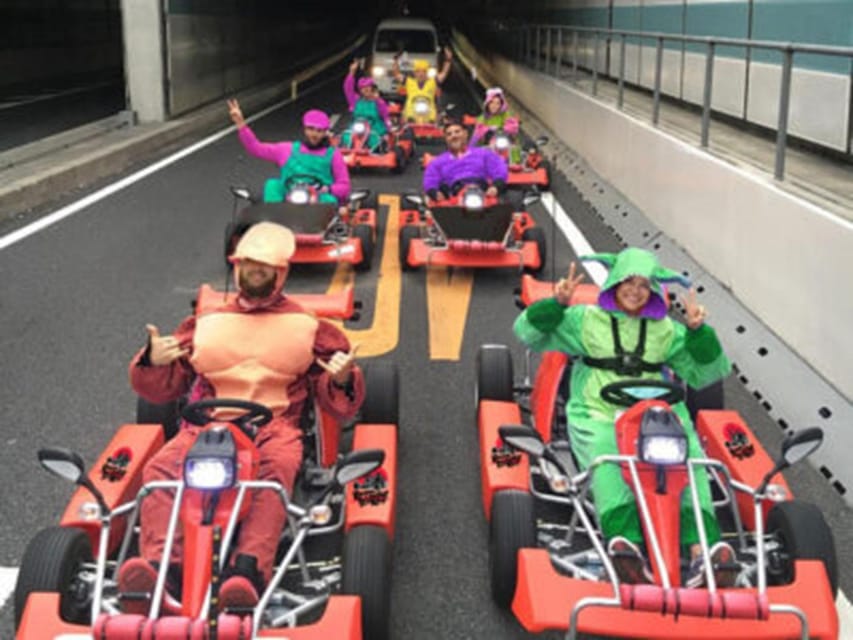
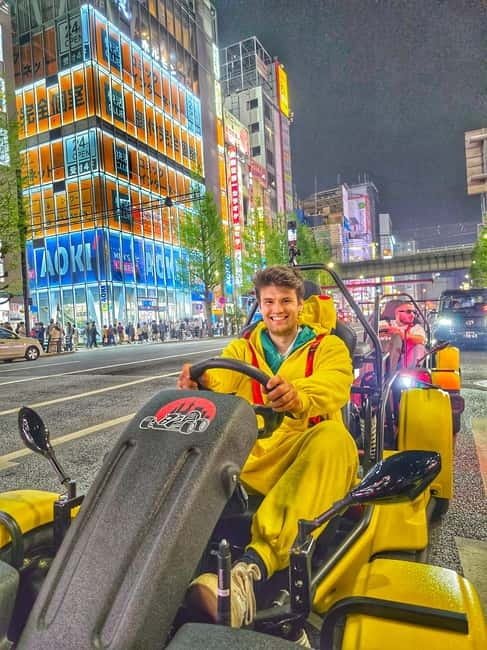
Next come Akihabara and Ueno, giving you a sharp contrast in atmosphere. Akihabara is a landmark for modern pop culture, while Ueno carries a different kind of classic Tokyo pull—more historical weight and everyday local movement.
What makes these stops effective isn’t just what they are. It’s the way you get a guided explanation while you’re still in motion. You’re not stuck in one narrow lane for too long. You get to see the city’s texture quickly and keep the momentum.
If you’re thinking about night driving: one of the guides’ strengths shows up in that timing. In particular, the experience has been rated highly for night time, which makes sense. Tokyo at night has a different feel, and being in a kart lets you experience it without turning the whole trip into a slow crawl.
Asakusa: the historic core that’s built into the route
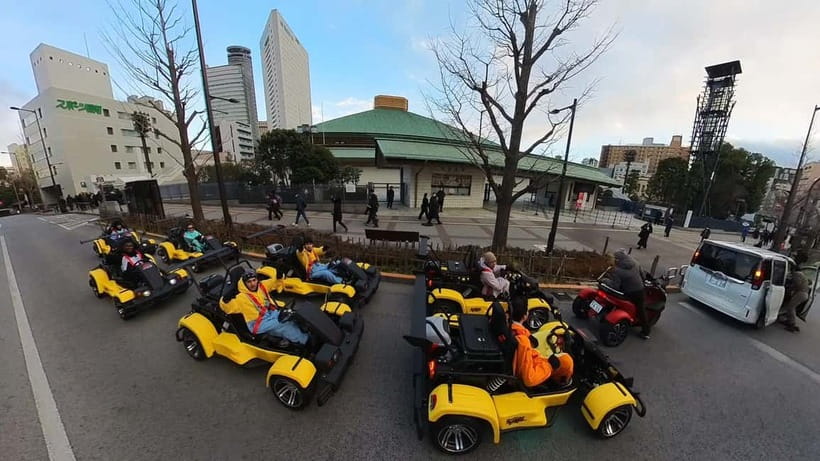
The big focal point is Asakusa, including the area connected to Senso-ji, often described as Tokyo’s oldest Buddhist temple. This is the part of the tour where “driving” stops being the gimmick and becomes the way you experience the neighborhood.
Asakusa is about layered time: traditional streets, historic architecture, temples, and local shopping areas where everyday life continues in between the iconic sights. The tour’s design lets you experience that street level feel in real time, which is hard to replicate with a bus ride.
Practical note: the tour is still limited in time and guided pace. So treat Asakusa like a first look from the kart and guide storytelling—not a full day of temple exploration.
Safety and guide communication: how the tour keeps control in real traffic
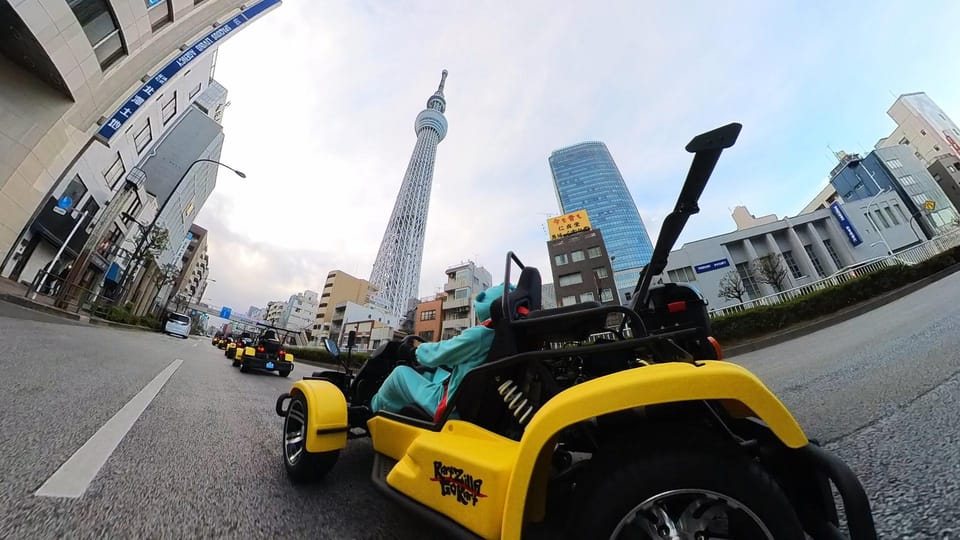
Safety is handled like an active part of the experience, not a checkbox. You start with a clear road-safety briefing and simple driving instructions. Then, throughout the ride, the guide uses a two-way radio system for communication with the group.
That matters because Tokyo traffic can change fast. The guide provides real-time safety guidance so the whole group stays coordinated, and traffic flow is handled calmly. The result is that you can focus on driving and watching the city instead of worrying about gaps, turns, or what’s coming next.
Guide quality is also a standout theme. In past rides, guides including SATAR and Travis have been praised for clear instructions and excellent on-the-ground storytelling. There’s even been help offered for tricky paperwork situations, including translation support from a guide like Hiro when needed.
Costume, photos, and the Insta360 Micro-SD card detail
This tour includes a costume, which sounds small until you realize it changes how photos come out. You don’t just look like you’re “doing an activity.” You look like you’re part of the scene.
On the media side, videos and photos are part of the package. The optional on-board Insta360 camera is free to use, but you must purchase a Micro-SD card. That’s the one detail that can trip people up if you arrive unprepared.
If you care about content: plan to bring a Micro-SD card you trust. This isn’t the kind of activity where you want to stop and solve tech problems mid-trip. The card requirement is also why it’s smart to travel light. Which brings me to the next point.
What to bring (and what to leave behind) so the ride stays smooth
You’ll want to bring your passport and a driver’s license. If you’re not driving with a Japan-issued license, the tour requires the right combination of documents, which is spelled out clearly: overseas drivers who aren’t residents in Japan need their passport, a valid local driver’s license, and an International Driving Permit (IDP) issued by a signatory to the 1949 Geneva Convention. There are also specific allowances based on nationality and document translation rules.
You should also plan for limited storage. No locker space is listed, and backpacks aren’t allowed. So keep your carry simple. Wear comfortable shoes (bare feet are not allowed), and skip bulky items.
Not allowed items include pets, food and drinks in the vehicle, and alcohol and drugs. Baby carriages are also not allowed. If you’ve got the kind of luggage that screams “Tokyo trip,” you’ll want to store it back at your hotel and travel with only essentials for this short 100-minute slot.
Price and value: is $90 worth it for 100 minutes?
At $90 per person for about 100 minutes, you’re paying for three things at once: a professionally set-up street-legal kart, a live guide doing continuous storytelling and safety direction, and the included media/photo package (with the Insta360 option being dependent on your Micro-SD card).
The value angle is that you’re not just buying a ride. You’re buying a guided route that connects major landmarks to older Tokyo areas in one compact session. A standard city tour can take longer and still leave you feeling like you only saw the surface. Here, you’re actively driving while getting context.
The small group size (up to 10) also changes the feel. It’s more personal than the big-bus style, and it tends to keep the pace relaxed instead of chaotic.
If you’re on a strict budget, it’s not the cheapest way to see Tokyo. But if you want an experience that feels hands-on and uniquely Tokyo, it’s strong value for the time you get.
Who should book this tour, and who should skip it
This is a great fit if you want Tokyo at street level but don’t want the stress of navigating traffic and directions alone. It’s ideal for first-time drivers because the pace is beginner-friendly and the safety support is real. It also helps that the karts are designed for a range of body types, including big and tall riders.
It’s also a good choice if you like learning while doing something fun. You’ll be hearing live landmark stories and cultural context as you go, with Asakusa as the historic focus.
Skip it if you fall into the listed limitations: it’s not suitable for wheelchair users, children under 18, visually impaired people, people over 95, or anyone who would be driving under 18. If you’re traveling with pets or you rely on carrying a backpack, you’ll also run into rules that can make the day uncomfortable.
The decision: should you book the Tokyo Old Town go-kart route?
If you want a Tokyo experience that mixes driving, historic storytelling, and iconic sights without turning your day into a complicated logistics puzzle, I’d book it. The combination of comfort-focused karts, two-way radio safety, and an Asakusa-centered route makes it a smart way to see more than one Tokyo “version” in a short time.
Book it especially if:
- you want something more active than a walking tour
- you care about safety and clear instructions
- you like Asakusa and want to experience its old Tokyo feel from the street
Think twice if:
- you’re not sure about the driving permit rules for Japan
- you need locker storage or you prefer traveling with a backpack
- you’re expecting long museum-style time at each landmark
FAQ
How long is the Tokyo Oldtown go-kart tour?
The tour duration is 100 minutes.
Where is the meeting point?
You meet at the Kartzilla Go Kart facility. It’s under an 8–10 minute walk from Yotsugi Station and is accessible by the Keisei Line.
What does the tour include?
It includes the go-kart, fuel, a tour guide, costume, videos and photos (with free equipment), accident insurance, and drinks.
Do I need to buy a Micro-SD card for the camera?
Yes. The on-board Insta360 camera option is available with free equipment, but you must purchase a Micro-SD card.
What languages are the guides?
Live tour guides are available in English, German, and Persian.
What driving documents do I need?
You need a driver’s license. For overseas nationals not resident in Japan, you also need your passport, a valid local driver’s license, and an International Driving Permit (IDP) issued by a signatory to the 1949 Geneva Convention.
Can I bring a backpack or store items on-site?
Backpacks are not allowed, and locker space is not provided.
Are refreshments included?
Drinks are included. Food and drinks in the vehicle are not allowed.
Is this tour suitable for everyone?
It is not suitable for wheelchair users, children under 18, visually impaired people, people over 95, or drivers under 18.
What’s the cancellation policy?
You can cancel up to 24 hours in advance for a full refund.