REVIEW · TOKYO
Ryogoku: Sumo Town Guided Walking Tour with Lunch
Book on GetYourGuide →Operated by Arumachi, Inc. · Bookable on GetYourGuide
Sumo culture has a clear path here. You’ll walk through Ryogoku’s sumo landmarks with an English guide (names you might see include Jeff, Taka, Sue, Yoko, or Jean) and then fuel up with chanko-nabe lunch. The big win is context: this tour explains how sumo grew over 1600 years, so the sport makes more sense whether you catch bouts in Japan or just watch from home. One thing to plan for: this walk is about the world around sumo, not guaranteed match attendance.
I also like the small-group pace (up to 8 people), which makes it easier to ask questions as you go. And because you stop at sumo stables like Hakkaku-beya and Kasugano-beya from the outside, you get that behind-the-scenes feeling without waiting around for a ring announcer to show up. The trade-off is simple: you’re not going inside stables, and you won’t be watching bouts.
Still, for $122 and about 210 minutes total, you’re getting a focused sumo-themed neighborhood experience plus lunch at one of Ryogoku’s top chanko-nabe spots. If you’re hoping for a guaranteed “see wrestlers training live for sure” moment, keep expectations flexible.
In This Review
- Key points before you go
- First step: Ryogoku Station and a walk you can actually handle
- Hakkaku-beya and Kasugano-beya: seeing the stable world without the hype
- Ryogoku Kokugikan: where the sport becomes a stage
- Ryōgoku Edo-Noren and the old-Tokyo feel that frames sumo
- Ekō-in and the shrine-temple stops: sumo’s spiritual background
- Hokusai, gardens, swords, and woodblock prints: sumo town beyond the ring
- Lunch at chanko-nabe: the stable diet, explained in one shared pot
- What you’ll actually learn (and why it boosts any future sumo viewing)
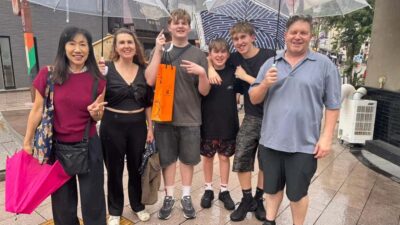
- Small group size: up to 8 makes the walking tour work
- Price and value: $122 for sumo context plus a major meal
- Who should book this Ryogoku sumo town tour
- Should you book this tour?
- FAQ
- Is this tour only about watching sumo matches?
- Where does the tour start?
- How long is the tour?
- How many people are in the group?
- What’s included in the price?
- Do you visit sumo stables?
- What do you eat for lunch?
- Are there any dietary restrictions?
- What should I bring?
Key points before you go
- Two sumo-stable visits from the outside: Hakkaku-beya and Kasugano-beya give you real-world placement in sumo daily life
- Ryogoku Kokugikan and Edo-era Tokyo flavors: you’ll connect the stadium with old neighborhood landmarks
- History that lands on your feet: sumo’s 1600-plus year development is explained in plain language as you walk
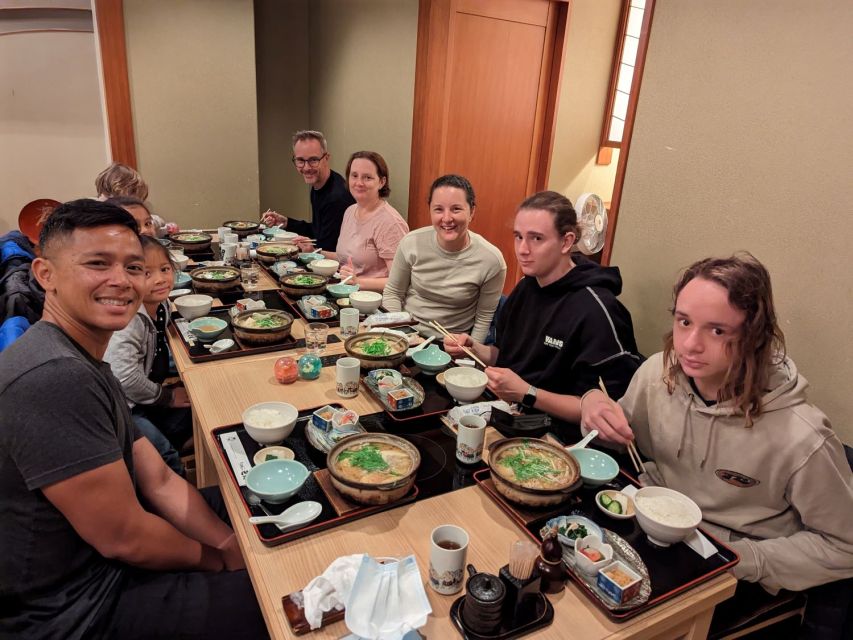
- Chanko-nabe lunch, made for the stable rhythm: hot-pot served with the idea of weight gain, teamwork, and hygiene
- Expert English commentary in a group of up to 8: more time for questions, fewer “lost in translation” moments
- A neighborhood sweep beyond sumo: shrines, temple stops, gardens, woodblock prints, and even sword culture show up
First step: Ryogoku Station and a walk you can actually handle
The tour starts outside Ryogoku Station, so you’re not playing transit Tetris at the beginning. From there, the day is built like a story: you move from sumo identity in the neighborhood, to the institutions (arenas and landmarks), to the food that defines sumo training culture.
What helps most is the time structure. About 210 minutes total means it’s not a marathon—more like a solid, comfortable city stroll with planned stops. The walking time is broken into short chunks (think roughly 15–30 minutes at a time), which keeps the group moving without everyone melting into sidewalk puddles.
Bring comfortable shoes. This is a walking tour, not a sit-and-watch museum day. And because stables and shrine/temple areas can mean uneven ground, you’ll thank yourself later if your shoes have real grip.
You can also read our reviews of more walking tours in Tokyo
Hakkaku-beya and Kasugano-beya: seeing the stable world without the hype
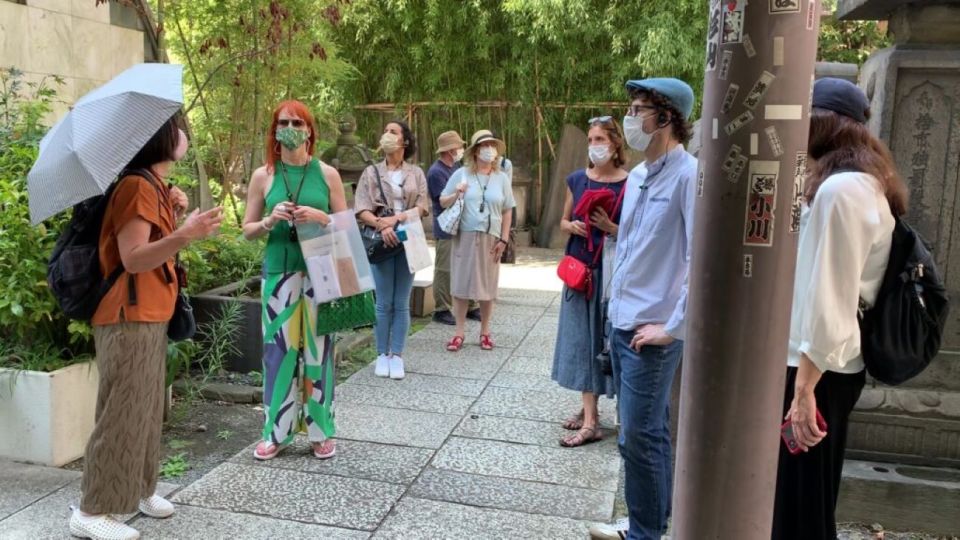
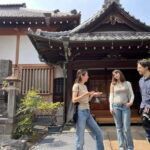
One of the smartest parts of this tour is that it doesn’t sell you a fantasy. You visit Hakkaku-beya Sumo Stable and Kasugano-beya Sumo Stable for guided viewing and commentary, but from the outside. You learn what those spaces are for—training routines, the stable’s role in a wrestler’s life, and how careers develop inside that system.
Even outside, you can usually read the mood of a stable. You’ll pick up why sumo isn’t just a sport—it’s a full-time lifestyle with hierarchy, discipline, and routines that outsiders rarely see. The guide helps translate what you’re looking at, so you’re not just snapping photos of walls and gates.
Also, don’t assume every day is the same. Sumo wrestlers can be away when tournaments are on elsewhere, so your chance of seeing wrestlers moving around can vary. The tour still works if wrestlers are not actively visible, because you’re learning the structure of the life, not chasing a single photo opportunity.
Ryogoku Kokugikan: where the sport becomes a stage
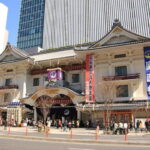
Next up is Ryogoku Kokugikan, the sumo arena landmark that anchors the whole Ryogoku story. This stop matters because it connects the sport’s ritual side with the modern reality of big crowds and official events.
When your guide talks about sumo’s long development—over 1600 years—you start placing that history into something you can point at. Instead of learning sumo history as a random timeline, you connect it to the physical center of the sport.
A tip for getting the most out of this stop: listen for how the guide explains why sumo traditions survive through changing times. That perspective makes the arena feel less like a building and more like a cultural machine.
Ryōgoku Edo-Noren and the old-Tokyo feel that frames sumo
Between major landmarks, you’ll also see Ryōgoku Edo NOREN, and this is where the neighborhood texture shows up. This kind of stop sounds small on paper, but it’s often what makes Ryogoku click.
Japan does a good job preserving layers, and Edo-era style details in Ryogoku help explain why sumo grew where it did. The guide’s commentary connects these older visuals to sumo’s roots in tradition—so you’re not just learning about wrestlers; you’re learning about the urban culture that surrounds them.
If you like travel days where you feel like you’re walking through context (not just a checklist), this part is a winner.
Ekō-in and the shrine-temple stops: sumo’s spiritual background
The itinerary includes Ekō-in, plus commentary across religious sites like Shinto shrines and Buddhist temples. This is more than sightseeing trivia. In sumo, ritual and mindset are part of the performance, not an accessory.
When you see a shrine or temple stop paired with sumo storytelling, it becomes easier to understand how tradition shapes everything from ceremonies to the wrestler’s public role. Your guide also brings in details like how artifacts and cultural objects connect to daily life and values.
If you’ve ever felt like sumo rituals are too formal to understand quickly, this section is meant to fix that. You’ll come away with a mental map for what those spaces mean in the bigger picture.
You can also read our reviews of more guided tours in Tokyo

Hokusai, gardens, swords, and woodblock prints: sumo town beyond the ring
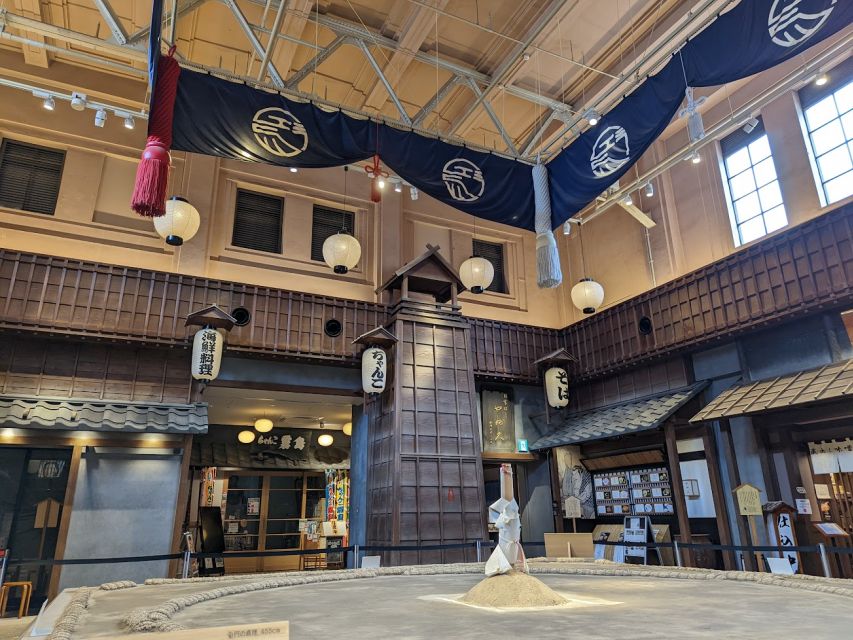
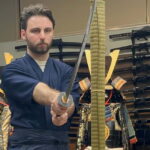
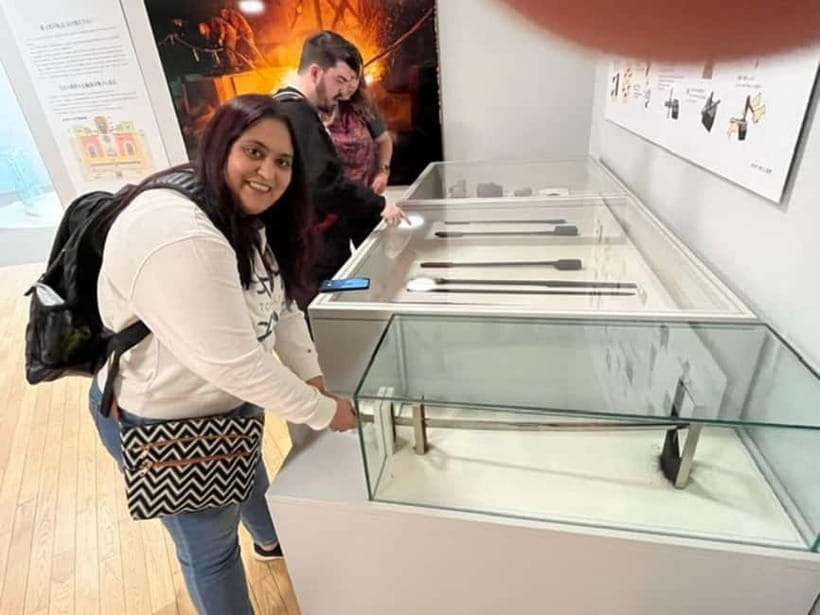
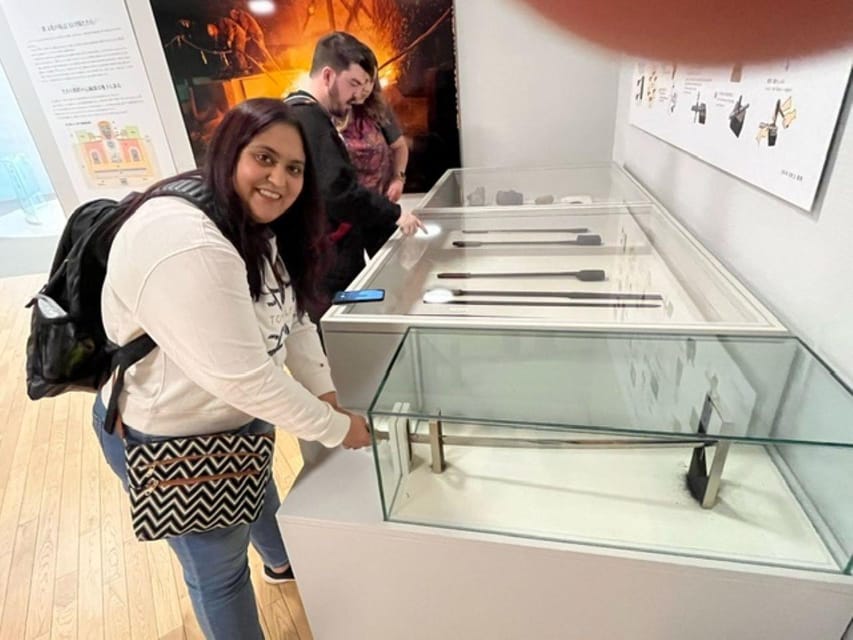
This is where the tour surprised me—in a good way. You’re not only stuck in stadium-and-stable mode. The guided walk also touches broader Japanese culture: woodblock prints (with a nod to Hokusai in at least some versions of the route), gardens, and a Japanese sword museum stop for the martial side of the culture.
It helps because sumo is Japan’s sport with deep cultural framing. Martial traditions, craftsmanship, and aesthetic sensibility all feed into what sumo looks like and how it’s understood.
Also, gardens matter here. Even one short garden-style pause can reset your eyes after concrete landmarks, and it gives you a more relaxed moment to connect what the guide is saying with what you’re actually seeing.
Lunch at chanko-nabe: the stable diet, explained in one shared pot
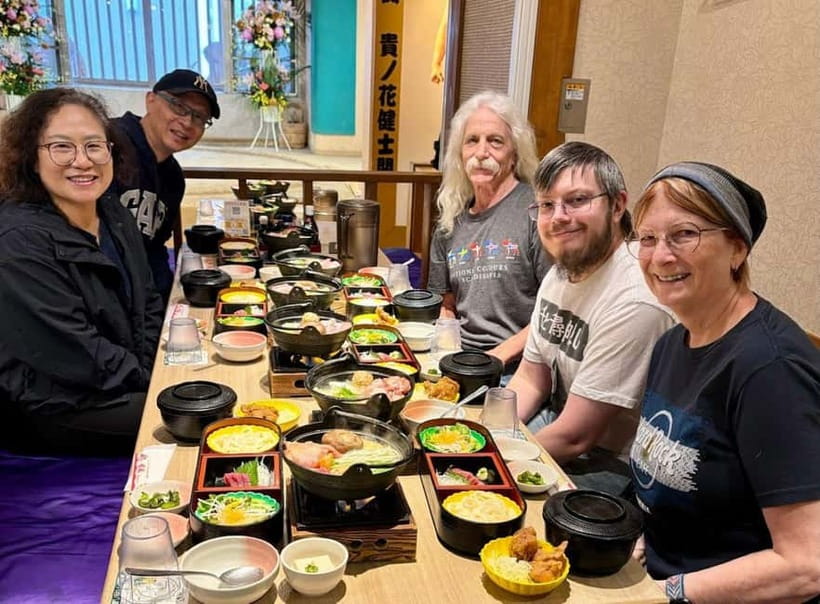
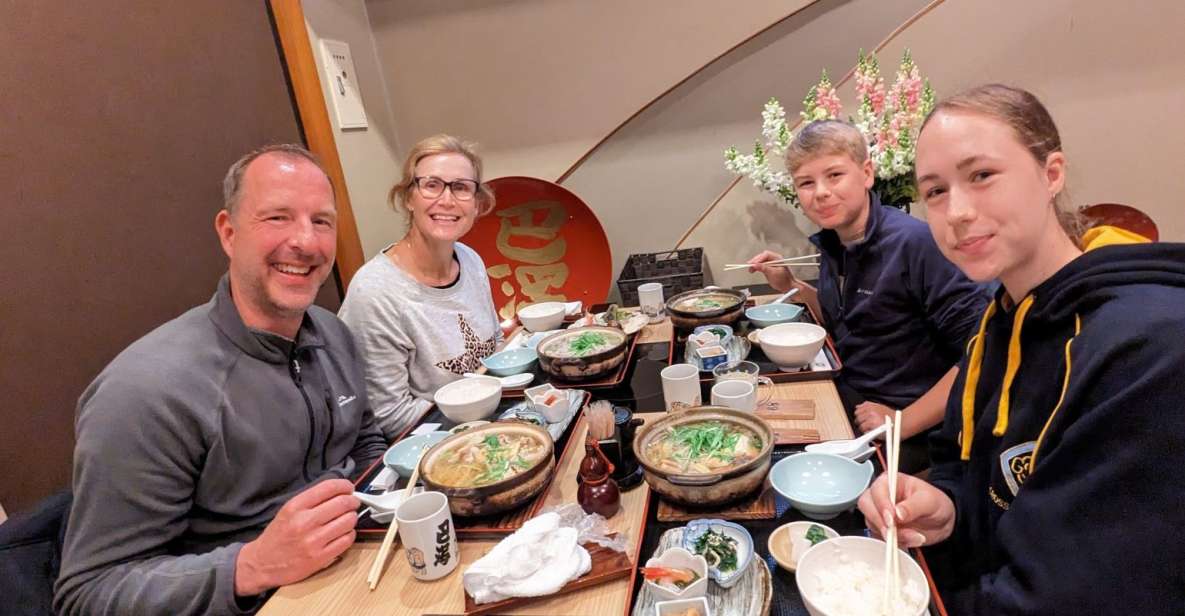
Then comes the meal, and this tour makes it a centerpiece: chanko-nabe lunch at one of Ryogoku’s best chanko-nabe restaurants.
Chanko-nabe isn’t just “Japanese stew.” It’s presented as the nutrient hot-pot eaten by sumo wrestlers, designed for weight gain and muscle building during training. What I appreciate most is that the tour explains the logic behind it, not just the ingredients.
Key points you’ll hear (and that you can use for your own food ordering back home):
- It’s a nutritionally balanced hot-pot that fits the training demands of wrestlers
- The food is cooked/ heated during preparation, which is described as very hygienic
- There’s a strong teamwork angle: eating from the same pot fosters solidarity
- And an important practical detail: preparation is tied to the stable, where wrestlers do the cooking—no professional cooks on standby
One note of reality: lunch can feel like a smooth production line because all groups may arrive around the same time. That doesn’t ruin the meal, but it’s good to know. If you’re the type who enjoys slow, quiet meals, you may need a mindset shift: treat it as a cultural meal break that’s part of a guided day.
What you’ll actually learn (and why it boosts any future sumo viewing)
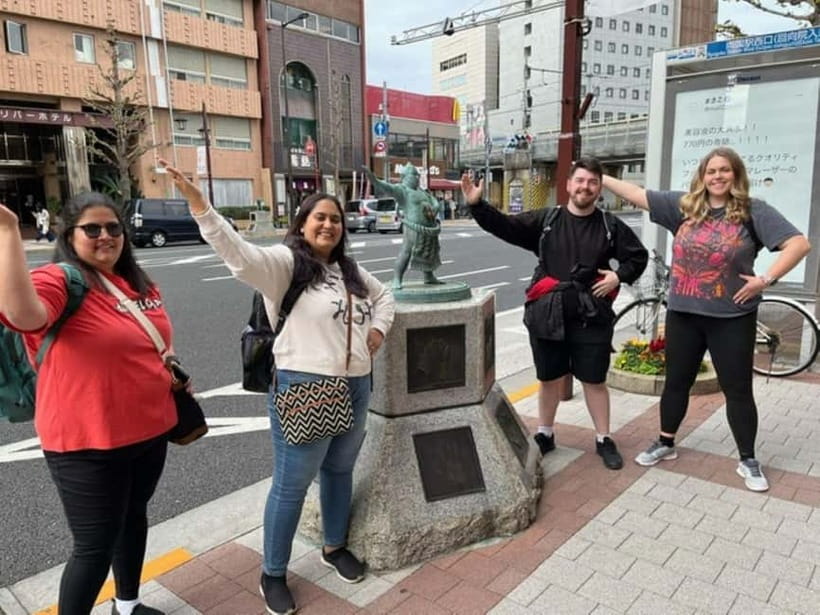
Even if you don’t catch sumo bouts during your Japan trip, this tour can still pay off. The reason is simple: the guide gives you the frame to interpret what you’re watching later.
You’ll learn how sumo started and how it developed over more than a millennium and a half. You’ll also learn how wrestlers live—daily life patterns, career progression inside the stable system, and the meaning behind the routines you might otherwise find confusing when you watch a broadcast or a ticketed event.
This matters because sumo is full of signals. Once you understand the world around wrestlers, you stop seeing only the match outcome. You notice the structure behind it: training culture, tradition, and the disciplined rhythm that runs through everything.
Small group size: up to 8 makes the walking tour work
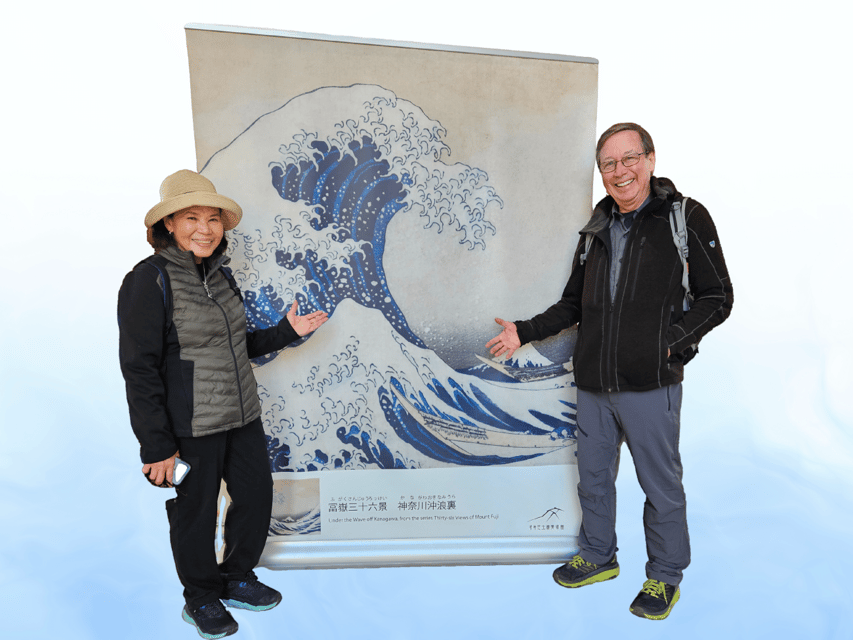
A lot of walking tours fail when the group is too big. Here, limited to 8 participants helps the guide keep your attention without rushing you through key points.
In practice, that means you’re more likely to get clear answers when you ask questions. It also means the guide can keep the pacing realistic, especially when the route includes multiple types of stops: arena landmarks, stable viewing, shrine/temple elements, and a sit-down lunch.
If you prefer travel days where you can actually interact, this size is a real value feature, not just a marketing line.
Price and value: $122 for sumo context plus a major meal
Is $122 a lot? For Tokyo, it can be fair—especially because you’re not only paying for a guide. You’re paying for a curated neighborhood path, expert English commentary, and lunch at a top chanko-nabe restaurant.
Here’s the value math that matters:
- Without the tour, getting the “how it all fits together” piece is hard unless you already know sumo deeply
- Without the included lunch, you’d still be spending money on a meal in Ryogoku
- With the tour, you get both the food and the cultural explanation that makes the food feel purposeful
If your goal is truly just to eat chanko-nabe, you might find cheaper meals. But if your goal is to understand sumo culture well enough to enjoy it more later, the package makes sense.
Who should book this Ryogoku sumo town tour
Book it if:
- You love structured walks with expert commentary
- You want sumo explained in a way that makes the sport easier to watch
- You’re excited about stable culture, arenas, shrines/temples, and Japanese food
- You appreciate small groups and clear timing
Skip it (or at least adjust expectations) if:
- Your top priority is actually watching sumo bouts
- You have mobility limitations that make walking and uneven areas hard
- You have food allergies (since lunch is included)
Should you book this tour?
Yes, with one smart expectation check. This is a Ryogoku sumo culture walk with lunch, not a guaranteed “watch matches live” experience. If you want the background—the kind that makes sumo make sense fast—this tour is a strong bet.
I’d book it if you’re in Tokyo for a short time and want maximum meaning per hour: stable viewing from the outside, arena landmark context, shrine/temple connections, and then chanko-nabe that ties it all together. If you’re mostly chasing the ring and you hate the idea of missing bouts, consider another plan for your Japan dates so you’re not disappointed.
FAQ
Is this tour only about watching sumo matches?
No. The tour does not include actual watching of sumo bouts.
Where does the tour start?
Meet your guide outside Ryogoku Station.
How long is the tour?
The duration is 210 minutes.
How many people are in the group?
It’s a small group limited to 8 participants.
What’s included in the price?
An English-speaking expert guide and lunch at one of the best chanko-nabe restaurants in Ryogoku.
Do you visit sumo stables?
Yes. You visit Hakkaku-beya and Kasugano-beya for guided viewing, from the outside.
What do you eat for lunch?
Lunch is chanko-nabe, the nutritious hot-pot traditionally eaten by sumo wrestlers.
Are there any dietary restrictions?
People with food allergies are not suitable for this tour.
What should I bring?
Wear or bring comfortable shoes for the walking.