REVIEW · TOKYO
Tokyo Go-Karting Experience: Shibuya Crossing with Photos
Book on GetYourGuide →Operated by Monkey Adventure Kart · Bookable on GetYourGuide
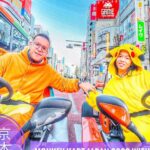
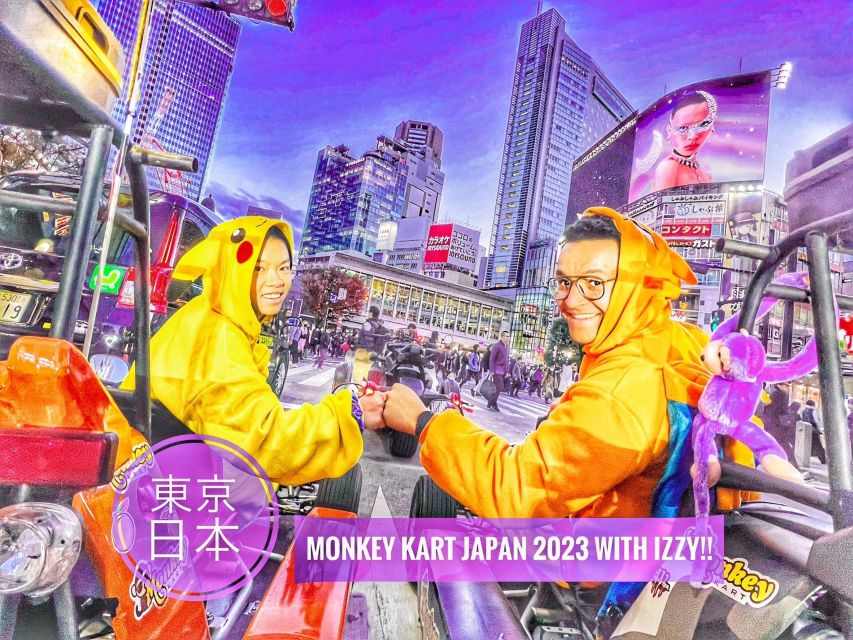
Shibuya Crossing feels different from a kart. This 1-hour, small-group ride takes you through Harajuku, Omotesando, and Yoyogi Park before hitting the big moment at Shibuya Crossing, with guide-led stops for photos and pose breaks. I like how the tour mixes city energy with a very practical, safety-first setup so you can focus on driving and the sights.
Two things I’d highlight: you get included photo service (digital photos plus one printed photo) and a guide who actively helps you feel confident on the road. The one real consideration is the driving requirement: Japan is strict about the 1949 Geneva Convention IDP hardcopy rules, and the tour reschedules if weather turns bad.
In This Review
- Key things that make this go-kart tour worth your attention
- Price and value for a $90, 1-hour kart ride
- Getting there: Monkey Kart SHIBUYA and how the small-group format works
- The IDP reality check: what Japan will require before you drive
- Costumes, phones, and the safety rhythm before the first turn
- Harajuku to Omotesando: what the ride feels like before Shibuya
- Shibuya Crossing: the moment you came for
- Photo stops and souvenirs: digital photos plus one printed shot
- Speed, gas smell, and why “where you sit” matters
- What to bring (and what to skip) so the hour goes smoothly
- Who this go-kart tour is best for (and who should skip it)
- Should you book Monkey Adventure Kart’s Shibuya Crossing tour?
- FAQ
- What is the meeting point?
- How long is the go-kart tour?
- How many people are in a group?
- What price should I expect?
- What license do I need to drive?
- Are 1968 Vienna Convention IDPs accepted?
- Do I need a Japanese translation for my license?
- Are photos included?
- Is an action camera included?
- Is alcohol allowed in the vehicle?
- What happens if it rains?
Key things that make this go-kart tour worth your attention
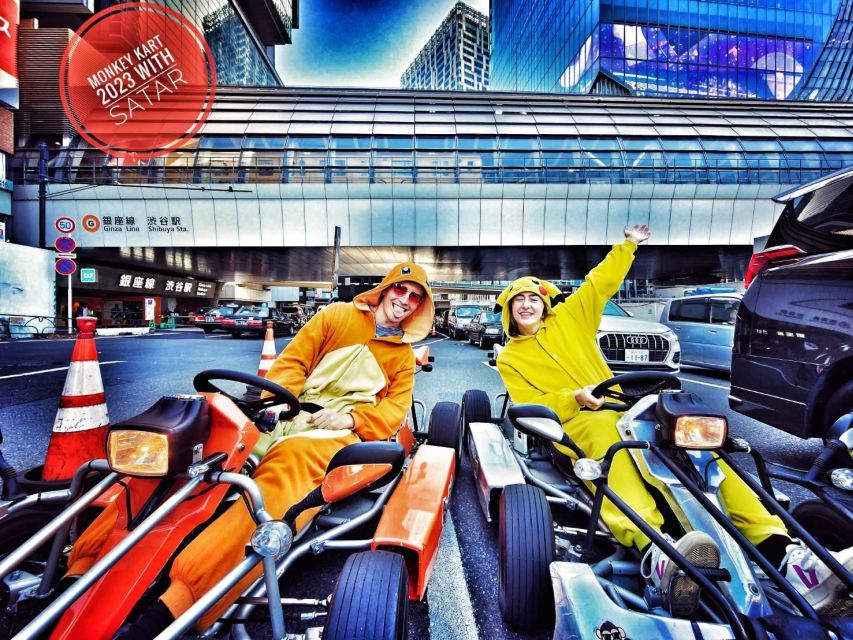
- Shibuya Crossing, up close: you’ll pass through the intersection that defines Tokyo for most first-timers.
- Small group energy (up to 4): more attention, more comfort, and less waiting around.
- Costumes that turn photos into a souvenir: dress up before you ride so you actually look like Tokyo’s fun side.
- Photo stops built into the route: you aren’t just filming while driving; you’ll pose and get shots at set moments.
- Guide support shows up in the details: clear instructions and hand-signal style guidance during stops show up repeatedly in the experience.
Price and value for a $90, 1-hour kart ride
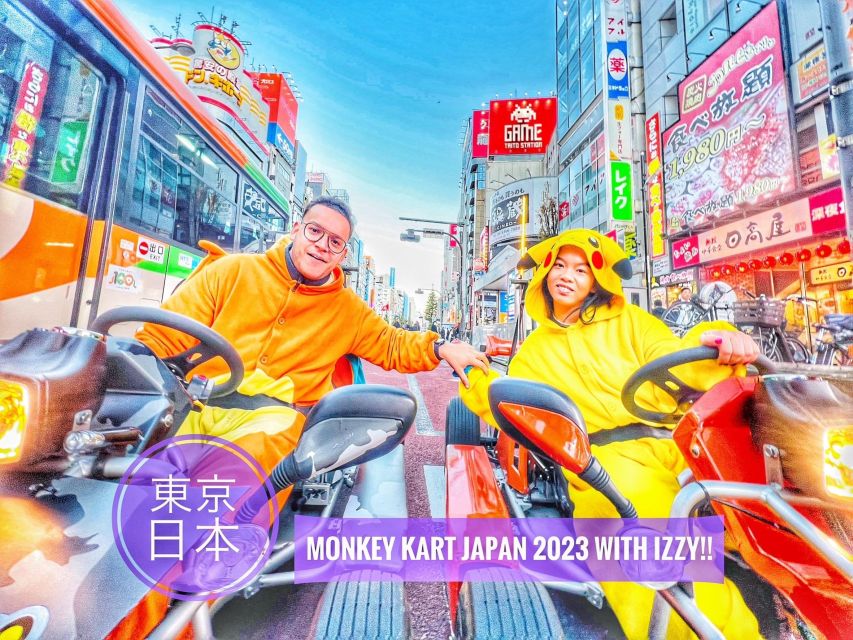
At $90 per person for about an hour, what you’re paying for is more than the kart. You’re also buying a guided route through central Tokyo plus a photo shoot that produces both digital photos and one hard copy photo—a big chunk of what makes this feel like a real “activity,” not just transportation with wheels.
If you’ve ever tried to recreate action photos on your own in crowded places, you’ll understand why this matters. Your guide handles timing for photo moments, and you’ll get the best frames without worrying about your phone falling out of your jacket at the worst possible second.
The duration is short by design. That’s a good thing here: you get the thrill and the major sights without burning a whole afternoon.
You can also read our reviews of more photography tours in Tokyo
Getting there: Monkey Kart SHIBUYA and how the small-group format works
You meet at Monkey Kart SHIBUYA. Since the group is capped at 4 participants, the experience doesn’t feel like you’re being managed by a crowd; it feels more like you’re being escorted through a route designed for one group at a time.
This size also helps with confidence. Multiple guides in the experience are praised for giving clear instructions, and with fewer drivers, you’re more likely to get your questions answered fast and get out on the road sooner.
One practical tip: arrive early enough to handle any ID checks without feeling rushed. When your briefing time is tight, your nerves go up—and you want the opposite.
The IDP reality check: what Japan will require before you drive
This is the part you can’t wing. You must bring an International Driving Permit (IDP), specifically the 1949 Geneva Convention version, in hardcopy booklet form issued through the official agency in your country (examples listed include AAA, CAA, ATCUAE, and others).
Japan does not accept all IDP types. The rules say 1968 Vienna Convention permits are not recognized, and that online copies, Xerox copies, and card licenses are not valid. Also, driving permits from several countries are not allowed, so check your country against the list before you get on the plane.
There’s also a translation requirement for some places: for licenses issued from France, Switzerland, Taiwan, Germany, Monaco, and Belgium, you need a Japanese translation (you can obtain the physical copy from JAF office).
If you meet these rules, you’ll have a smoother check-in. If you don’t, you may lose the entire day—so treat this like your passport, not your wallet.
Costumes, phones, and the safety rhythm before the first turn
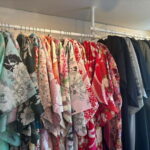
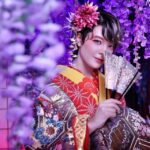
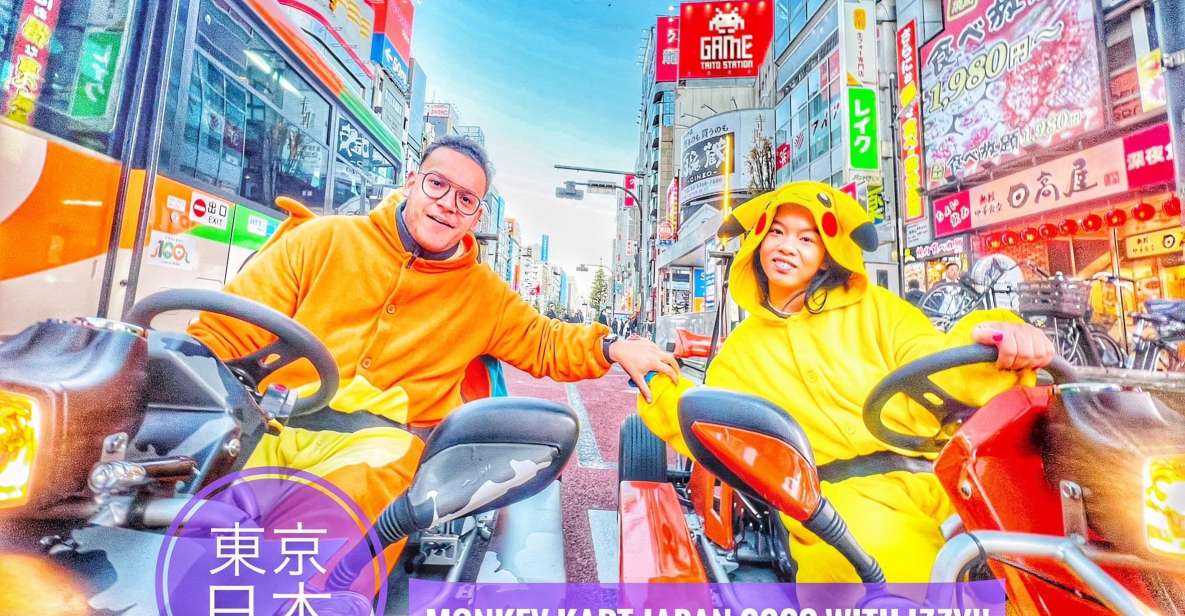
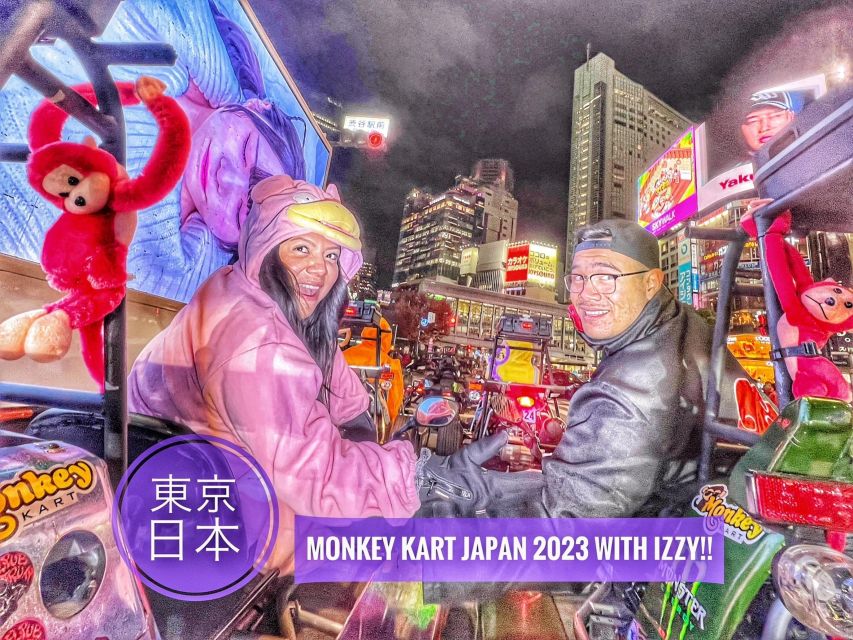
Before you drive, you’ll choose from a selection of costumes. It’s a silly-fun detail that actually helps: dressing up makes you stand out in photos, and it’s easier for your guide to coach where to stop and how to pose.
The tour includes water, and there’s an emphasis on comfort and safety in how it’s run. The route uses a guide who gives instructions and supports you while driving, including guidance with hand signals at stops.
Phones matter here. One of the most repeated practical tips is to bring your phone because you can take photos and videos when you’re at a stop light, plus there’s a way to securely leave your phone and your passport/ID during the activity so you’re not juggling everything while you drive.
Also consider the “smell test.” If you end up toward the back, you might catch more exhaust smell. One reviewer recommended bringing a mask just in case.
Harajuku to Omotesando: what the ride feels like before Shibuya
The route is built around a classic Tokyo story: fashion-forward streets, then stylish shopping avenues, then green space, and finally the iconic intersection. You’ll travel through Harajuku, past Omotesando, and by Yoyogi Park before arriving at Shibuya Crossing.
Why this sequence works: it prevents “intersection-only” sightseeing. You’re not just waiting to hit the famous spot; you’re building momentum with Tokyo neighborhoods that look and feel different from each other in a single hour.
It also means you can enjoy the ride even if you’re not a hardcore photographer. You’ll still get variety—streets that feel youthful in Harajuku, cleaner and more polished vibes on Omotesando, then a breather near Yoyogi before the final thrill at Shibuya.
Shibuya Crossing: the moment you came for
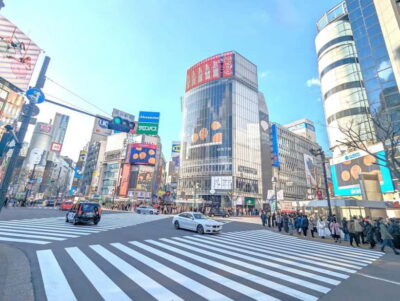
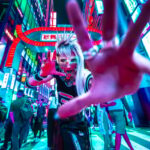
The highlight is the payoff: driving through Shibuya Crossing, one of the busiest and most recognizable intersections in the world. People describe it as a huge moment because the scale is obvious even from the ground, and being in a go-kart changes your sense of distance and speed.
If you’re nervous, don’t panic. The guide experience is repeatedly praised for putting people at ease with clear instructions and safety-focused handling. You’re not left alone to “figure it out,” which matters when you’re driving in close urban spaces.
Timing affects the feel too. Some reviewers specifically loved doing the tour at night (like at 5pm) because the lights make the intersection look even more dramatic. If you have the choice, night can be a strong option for photos and atmosphere.
Photo stops and souvenirs: digital photos plus one printed shot
This tour is built for pictures, and not just the kind where you hope your friend’s camera catches something. There’s a photo shoot during the tour, and you’ll receive digital photos plus one hard copy photo.
What I like about this setup is it removes the awkward planning. Your guide takes shots at the right moments, and you’re given chances to stop and pose around central Tokyo’s recognizable areas.
Across multiple accounts, guides are credited with taking “a ton” of photos and making sure everyone gets included. Names that come up often include Serhii, Rakesh, Julian, Reece, Luna, Jerom, Rafael, Lee, and Izzi—and that’s a strong signal that photo service is treated as part of the job, not an afterthought.
One small practical detail: you may be able to share or receive digital photos after the tour. Some guides appear to use quick-sharing methods like AirDrop in practice, so if that’s your preference, be ready with your device settings.
Speed, gas smell, and why “where you sit” matters
This is not a walking-tour pace. You’ll drive a custom-built kart through central Tokyo streets with real speed moments, and many people highlight that it’s more adrenaline than sightseeing-on-foot.
The road experience seems to vary with timing and group flow. Some accounts mention quieter conditions that let the group go full speed more often (for example, a 9:30am slot was described positively), while other times may feel more stop-and-start depending on traffic.
Comfort can depend on your position. One reviewer advised taking a mask due to more gas smell if you end up toward the back. If you’re sensitive to exhaust, try to communicate your preference early so you’re not stuck in the most impacted seat.
And yes, the “nervous at first” feeling is common. The repeated pattern is that within a few minutes, people say the karts feel easy to control and you start to relax.
What to bring (and what to skip) so the hour goes smoothly
Here’s what you should bring based on the rules and the most useful advice:
- Your passport and the required IDP hardcopy booklet (1949 Geneva Convention).
- A mask if you’re sensitive to exhaust smell.
- Your phone if you want to capture photos/videos during stop lights.
- Your costume selection is handled on-site, but you should show up ready to change and participate.
What you shouldn’t bring: alcoholic drinks in the vehicle are not allowed.
Also note the activity includes an action camera or Insta 360 mount, but an action camera itself is not included. If you want that setup, bring the camera you plan to use.
Who this go-kart tour is best for (and who should skip it)
This tour fits best if you want a mix of famous Tokyo landmarks and an active, fast-driving experience. It’s especially good for first-time visitors who want Shibuya Crossing without spending hours figuring out traffic routes.
It also works for returning travelers because you’ll see recognizable districts from a totally different point of view than you’ll get on foot or by subway.
Who should skip it is straightforward. The tour is not suitable for pregnant women, children under 18, and people over 95. It’s also driver-focused, so if you don’t have the correct IDP setup, it’s not worth gambling.
There’s also a “confidence” factor. If you can follow instructions and you’re comfortable driving in a guided group format, you’re in the right lane.
Should you book Monkey Adventure Kart’s Shibuya Crossing tour?
I’d book it if you want a high-energy Tokyo highlight with built-in photos, a small group cap, and a guide who helps with safety and timing. The included photo package is the hidden value: getting digital shots plus a printed copy removes a big chunk of “did we get anything good?” stress.
I would hesitate only if you’re not ready for the IDP paperwork rules or you’re very sensitive to exhaust smell. Also, if you strongly prefer slow sightseeing, this one’s about driving first and landmarks second.
FAQ
What is the meeting point?
You meet at Monkey Kart SHIBUYA.
How long is the go-kart tour?
The duration is 1 hour.
How many people are in a group?
It’s a small group limited to 4 participants.
What price should I expect?
The price is listed as $90 per person.
What license do I need to drive?
You need an International Driving Permit (IDP) that follows the 1949 Geneva Convention, and it must be hardcopy issued by your official agency in your country.
Are 1968 Vienna Convention IDPs accepted?
No. 1968 Vienna Convention permits are listed as not recognized by Japan.
Do I need a Japanese translation for my license?
For licenses issued from France, Switzerland, Taiwan, Germany, Monaco, and Belgium, you need a Japanese translation obtained in Japan.
Are photos included?
Yes. The tour includes a photo shoot, digital photos, and one hard copy photo.
Is an action camera included?
An action camera is not included, but there is an action camera or Insta 360 mount.
Is alcohol allowed in the vehicle?
No. Alcoholic drinks are not allowed in the vehicle.
What happens if it rains?
The tour may be rescheduled due to rain.