REVIEW · TOKYO
Tokyo: Original Street Kart Experience from Akihabara
Book on GetYourGuide →Operated by Reservation Center · Bookable on GetYourGuide
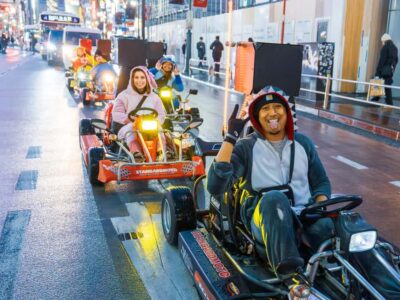
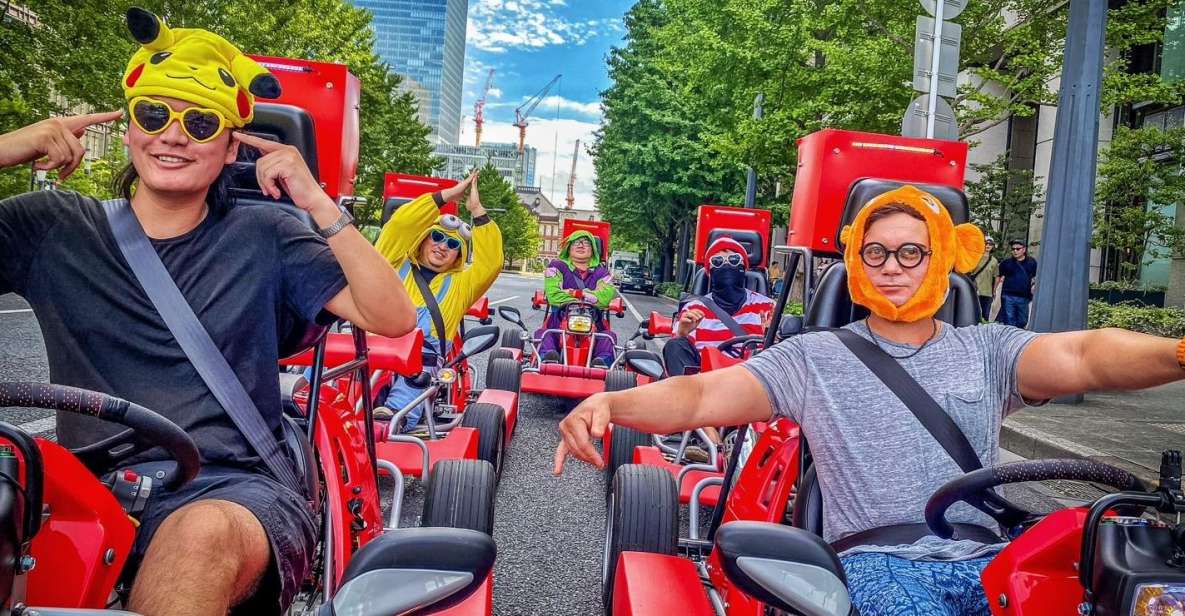
Anime dreams meet real Tokyo streets. In this Street Kart experience, you drive a custom-made go-kart through some of Tokyo’s most recognizable districts while wearing a costume picked from anime, animation, and game characters. The fun isn’t just the speed on the road; it’s the instant attention you get as you roll past pedestrians—waving, smiling, and turning your group into moving photo moments.
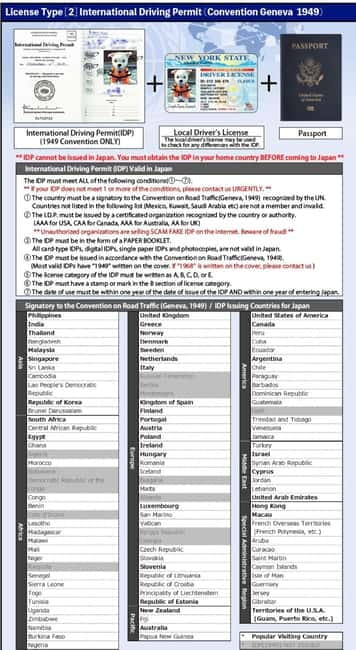
One thing to think about first: driving in Japan comes with paperwork. You’ll need the physical International Driving Permit (IDP) (or, for certain countries, a Japanese translation via JAF with your domestic license) plus your physical passport—cellphones are also not allowed during the ride.
In This Review
- Key things that make this street-kart ride worth it
- Why this Akihabara go-kart feels different from the usual fun run
- Meeting up at Street Kart Akihabara 1 (and what to expect right away)
- Costume rental is the whole point (and it’s more than a prop)
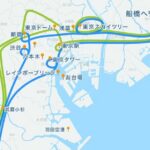
- The 1-hour route through Marunouchi, Tokyo Station, Ginza, and beyond
- Safety rules, speed, and the formation style that keeps it fun
- Guides who make or break the vibe (and why names matter)
- Photo data and souvenir printing: turning the ride into shareable proof
- Price and value: $51 for an hour of Tokyo spectacle
- What to wear and bring: shoe rules and cellphone-free fun
- Driving requirements in Japan: the IDP paperwork that can make or break your trip
- Who should book this (and who should skip it)
- A quick timing tip: consider a night ride if you can
- Should you book this Street Kart experience from Akihabara?
- FAQ
- How long is the Street Kart experience from Akihabara?
- How big is the group?
- Is costume rental included?
- What photos do I get after the tour?
- Do I need an International Driving Permit (IDP)?
- Where do I meet the guide?
- What items are not allowed during the ride?
Key things that make this street-kart ride worth it
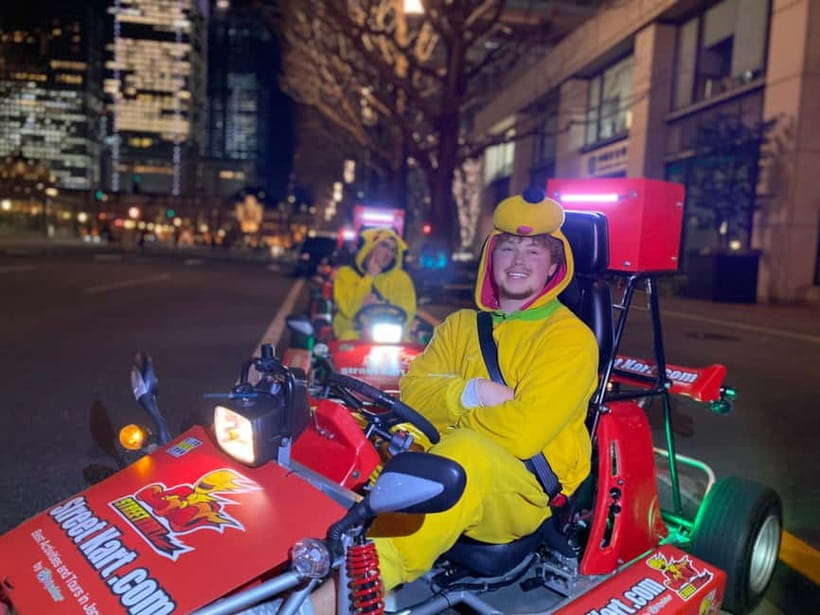
- Custom street go-karts you drive on real roads, not a closed track
- Anime/game costume rental that makes the whole experience instantly more fun (and more photo-worthy)
- Tokyo Station and Marunouchi sights during your loop, with great skyline context
- Small groups (up to 6) so you can actually stay together and enjoy the ride
- Digital photo data afterward, plus the vibe of people stopping to take pictures of you
- Formation-style driving led by a guide, which helps keep things smooth and safer
Why this Akihabara go-kart feels different from the usual fun run
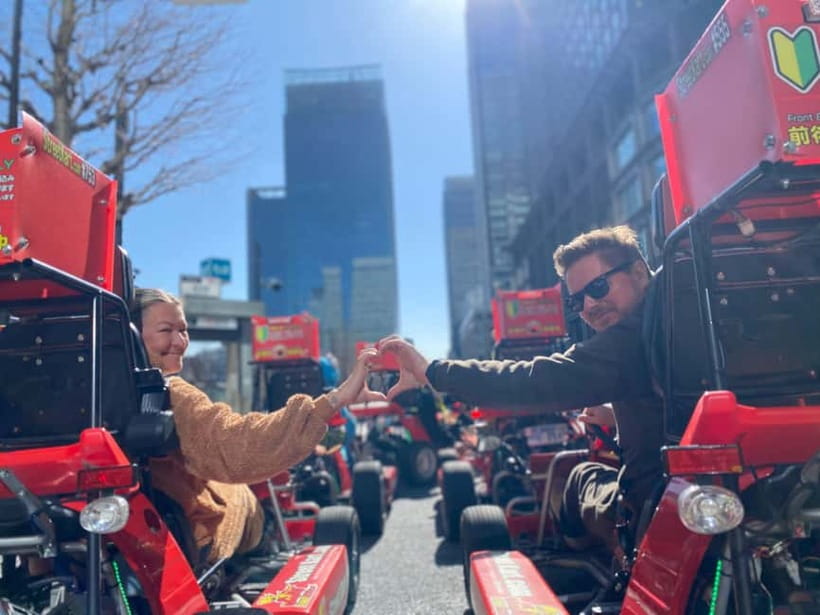
Tokyo has plenty of activities that are fun for a day and forgettable the next. This one is the opposite. The big draw is that you’re not just sightseeing—you’re actively moving through Tokyo’s real street network in a go-kart, dressed like your favorite character.
That combo matters. Tokyo is famously visual, and when you add costume + speed + motion, people react. You’ll feel it as you pass by; waving becomes automatic, and strangers seem to notice. The result is a kind of street-level energy you don’t get from most tours.
And it’s timed well. At 1 hour, it stays focused: enough time to get comfortable with the kart, hit some thrilling straight stretches, and still come back buzzing rather than drained.
You can also read our reviews of more tours and experiences in Tokyo.

Meeting up at Street Kart Akihabara 1 (and what to expect right away)
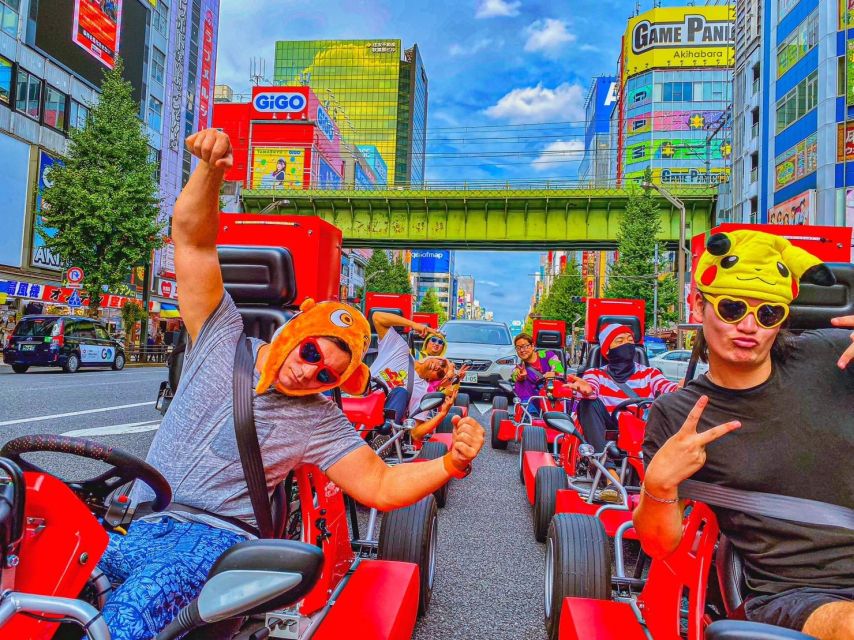
Your meeting point is specific: Street Kart Akihabara 1, and you look for the go-karts through the glass doors of the building. Plan to arrive early enough to check in without rushing—Tokyo streets move quickly, and you’ll want a calm start.
Once you’re inside, the rhythm is usually straightforward: you’ll meet your guide, then get set up for the activity. Expect to handle basics like fitting your costume and going over rules before you head out on the road.
A useful detail: this tour runs with a live English guide and keeps the group small (limited to 6 participants). That smaller size helps a lot for formation driving, safety instructions, and getting photos where you need them.
Costume rental is the whole point (and it’s more than a prop)
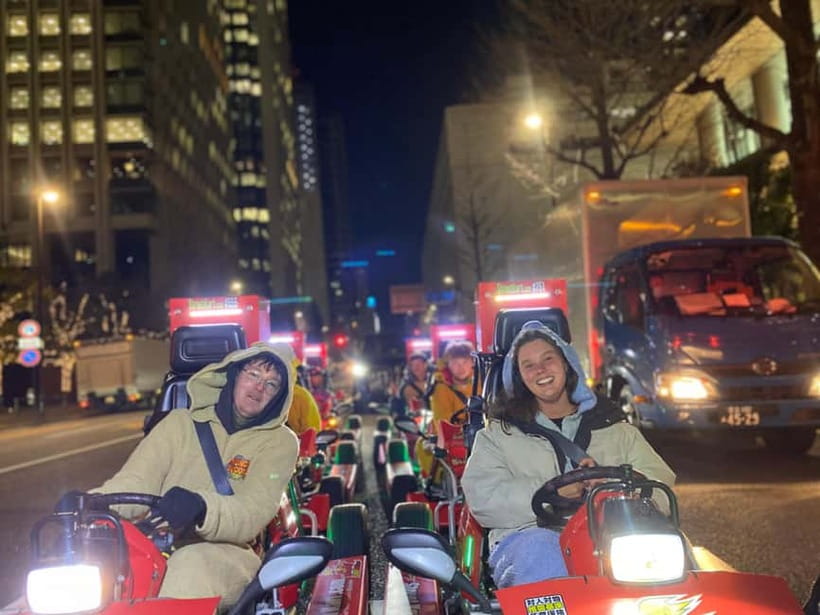
Here’s the clever part: the costume isn’t just for photos at the end. It’s part of the experience start-to-finish, and it affects the vibe of your ride.
You choose from costumes tied to anime, animation, and games, then you wear it on the kart through areas like Akihabara and the central districts near Tokyo Station. That’s why it feels so “Tokyo”: Akihabara is already a character-meets-street zone, and the outfit makes your kart feel like it belongs there.
From what you’ve got on this tour, you can plan your character choice around the route:
- If you want the most on-theme moment, pick something that matches the Akihabara vibe.
- If you want dramatic photos near landmarks, choose a costume with clear visibility and strong color.
Also keep in mind what you wear matters for driving. High-heeled shoes and sandals/flip-flops/slippers are not allowed, so treat this like an activity day. Closed-toe footwear will make the whole experience easier from check-in to the final kart-off-the-street moment.
The 1-hour route through Marunouchi, Tokyo Station, Ginza, and beyond
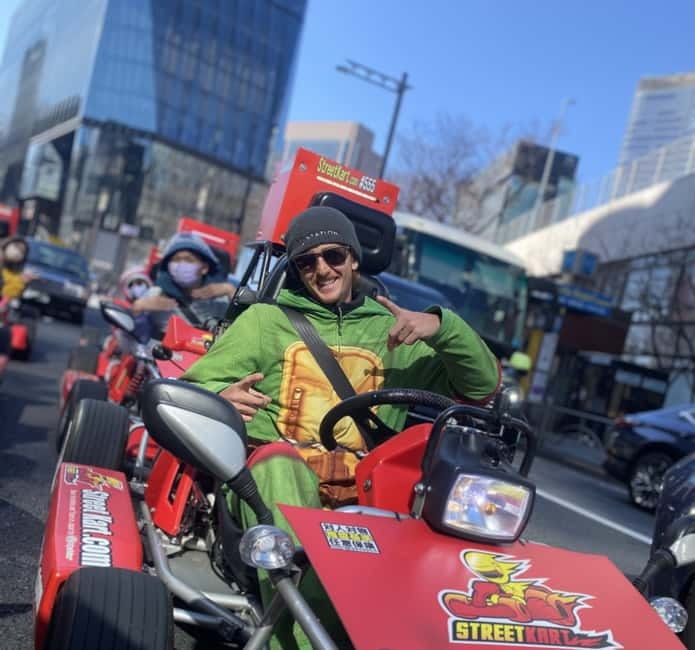
Your ride is designed as a Tokyo highlight loop, without wasting time. You’ll roll through the historic business district of Marunouchi, then you’ll pass with the Imperial Palace area in the background. It’s a smart contrast: sleek Tokyo office zones next to iconic symbols.
Then comes one of the photo magnets: Tokyo Station. The tour experience is built around how central the station is—your guide highlights its role as a hub with 28 train platforms, so it’s not just “we stopped near it,” it’s “here’s what makes it important.”
Next up is Ginza, which adds a different feel entirely. Ginza is more polished and shopping-focused, and watching it slide by while you’re in costume turns the street into a moving “fashion and neon” moment.
Finally, you drive through Akihabara, which is basically the perfect ending for a costume go-kart. The area’s energy fits the whole concept: anime and games aren’t just backdrops—they feel like part of the route.
A practical note: since the ride is one hour, you won’t spend ages lingering. You’ll still get those key segments, but the experience stays momentum-heavy. If you love motion, you’ll enjoy the pacing.
Safety rules, speed, and the formation style that keeps it fun
This isn’t a free-for-all. You’re guided, and the group stays together. That matters because Tokyo traffic is real traffic—cars are large, streets are tight in spots, and your confidence comes from knowing what to expect.
What helps: you’ll get thorough safety instructions before you go. Guides use clear signals to keep everyone coordinated, and the small group size makes it easier to keep eyes on the kart line.
Speed-wise, this is adrenaline in a controlled format. The fun comes from feeling the kart respond quickly and getting to experience Tokyo’s streets firsthand—not from racing like a track event.
If you’re nervous at the start (it’s normal), the best strategy is to listen fully during the pre-ride briefing and let your guide set the pace in formation. Once you’re rolling, the karts are generally easy to get the hang of—enough that your attention shifts from worry to enjoying the road.
Guides who make or break the vibe (and why names matter)
What you’ll remember most is often tied to the guide style. On this tour, the guide role is big: they keep the group together, handle photos during stops, and point out landmarks while you’re driving.
You might be led by guides such as Johnny, Mads, Billy, Usama, Khan, Marky, Michael, Sam, Mike, Adam, Julian, or Adam and John. Different personalities, similar goal: keep you safe, keep the group aligned, and make sure you leave with proof that you were really out there.
One reason I’d trust this kind of crew is the way they handle photos in-motion. They take pics of the group and keep you aware of when to look up, when to stay in position, and how to get the best angle without messing up formation.
Photo data and souvenir printing: turning the ride into shareable proof
This is an activity where you’ll want evidence. You can’t really “explain it” to friends back home—you either show them the photos or you sound like you’re exaggerating.
Good news: photo data is included. You’ll also have plenty of moments where pedestrians notice you, wave, smile, and take photos. That alone creates a shared-social vibe.
Some groups also get printed photos as a souvenir (not just digital files). Even if you’re mostly focused on getting your own social media posts, the included photo data reduces the need to manage your own camera constantly.
If you care about video: action cameras are not included. There are separate fees for action camera rental, micro-SD purchase to save video footage, and camera mounting rental.
Price and value: $51 for an hour of Tokyo spectacle
At $51 per person for a 1-hour street-kart ride, the price works best if you compare it to other “special experience” activities in Tokyo, not to a casual walking tour.
You’re paying for several things at once:
- A real-road go-kart experience with a guide
- Costume rental
- Photo data after the ride
That bundle is the value. A typical paid activity might give you one of these (a guide, or photos, or a themed add-on). Here, you get all of them woven into a single hour.
Is it short? Yes, it’s one hour. But for this kind of adrenaline activity, that’s often ideal. You’ll leave ready to do more Tokyo without needing half a day to recover.
What to wear and bring: shoe rules and cellphone-free fun
A few rules affect your day-to-day choices:
- No high-heeled shoes
- No sandals/flip-flops
- No slippers
- Cellphones are not allowed
That cellphone rule is a big deal in practice. You’ll be living in the moment, and it also helps the guide keep the group organized without distractions.
What to do instead:
- Wear comfortable closed-toe footwear you don’t mind getting slightly scuffed on check-in.
- Bring only what you need. If you can leave unnecessary items behind, do it.
- If you want video, plan for the action camera options provided (since the base experience doesn’t include your own mount/camera package).
Driving requirements in Japan: the IDP paperwork that can make or break your trip
This tour includes a hard truth: you can’t just “show up and drive.” You need special documents.
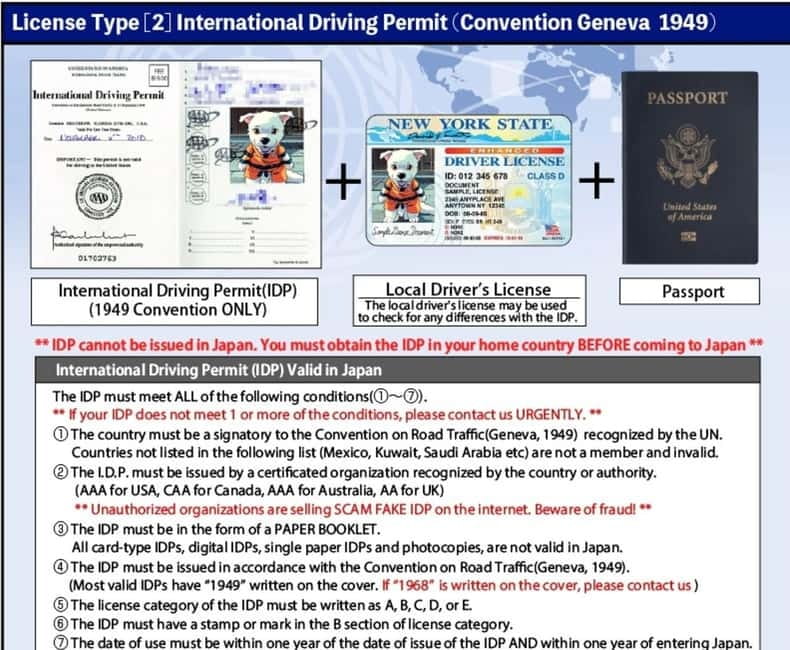
For most countries, you need a physical International Driving Permit (IDP) in the booklet format compliant with the 1949 Geneva Convention. Important practical points:
- Your valid IDP can only be issued by the same country that issued your domestic license.
- You can’t get it online while traveling—you need to handle it before you arrive.
- You must carry the physical IDP plus your physical passport.
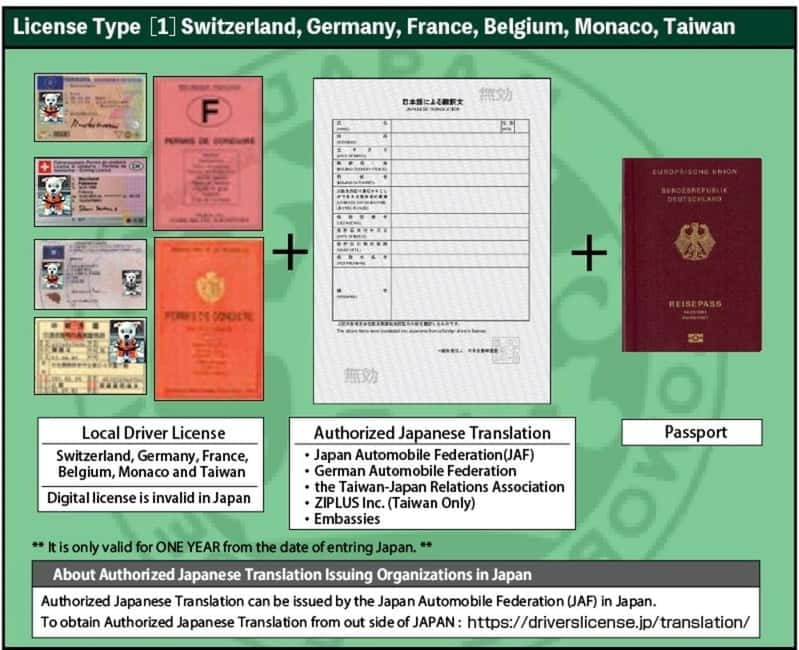
There’s also a special case for certain license origins. If your license is from Switzerland, Germany, France, Taiwan, Belgium, or Monaco, you need a Japanese translation of your license from JAF, not an IDP.
And if your license comes from countries not covered by the 1949 Geneva Convention (examples listed include China, Indonesia, Mexico, Qatar, Saudi Arabia, etc.), you’re not permitted to drive.
This is the one part of the experience that can feel annoying—until you remember it’s what keeps the ride legally possible.
Who should book this (and who should skip it)
This isn’t for everyone, and the limitations are clear:
- Not suitable for pregnant women
- Not suitable for people with back problems
- Not suitable for mobility impairments, wheelchair users
- Children under 18 can’t participate
- Not suitable for visually impaired or hearing-impaired participants
If you can meet those needs and you’re comfortable driving among cars (in formation with guidance), this is a rare Tokyo activity that feels like both a thrill ride and a real city experience.
It’s also ideal if you’re traveling with a group of friends who want something more memorable than another museum stop—especially because the costume choice and photos make shared experiences easy to talk about later.
A quick timing tip: consider a night ride if you can
Several guides and riders lean toward night slots because Tokyo lighting turns the street into a different show. If you can choose a time, a night ride often makes the photos and the visual feel stronger.
Even if you go earlier, you’ll still get the core route—Marunouchi, Tokyo Station area, Ginza, and Akihabara—so you’ll still hit the highlights. The main difference is atmosphere.
Should you book this Street Kart experience from Akihabara?
I’d book it if you want a “Tokyo story” you can show people—custom karts, anime/game costumes, and an actual ride through places like Tokyo Station and Akihabara. For the money, the value comes from the bundle: guide + costume + photo data.
I’d hesitate if the Japan driving paperwork sounds stressful or if you don’t already have the correct physical documents. Also think twice if you need lots of seated comfort or you’re dealing with mobility/back concerns.
If you can meet the driving requirements, wear the right shoes, and choose a route time that matches your vibe, this is one of those activities that makes Tokyo feel personal fast—like you stepped into the city instead of just standing next to it.
FAQ
How long is the Street Kart experience from Akihabara?
The experience lasts 1 hour.
How big is the group?
The tour is a small group limited to 6 participants.
Is costume rental included?
Yes. Costume rental is included as part of the experience.
What photos do I get after the tour?
You receive photo data afterward. Some groups also receive printed photos as a souvenir.
Do I need an International Driving Permit (IDP)?
To drive in Japan, you need the required driving documents, most often a physical International Driving Permit (IDP) in the 1949 Geneva Convention booklet format, plus your physical passport. Certain countries require a JAF Japanese translation instead of an IDP, and some license origins are not permitted.
Where do I meet the guide?
Meet at Street Kart Akihabara 1. Look for the go-karts through the glass doors of the building.
What items are not allowed during the ride?
High-heeled shoes, sandals/flip-flops, slippers, and cellphones are not allowed.