REVIEW · TOKYO
Tokyo: Traditional Asakusa Music Show with Dinner
Book on GetYourGuide →Operated by Arumachi, Inc. · Bookable on GetYourGuide
Asakusa turns dinner into a live concert. You’ll start with a guided observation deck view over the neighborhood, then head into an izakaya for up-close shamisen and drum performance over dinner. I love the way the guide stitches together what you’re seeing outdoors with what you’ll hear indoors. One catch: you’ll do some walking between stops, so bring comfortable shoes.
I also like the format: small group, English-speaking guide, and a welcome drink that sets a friendly tone before the music starts. The dinner isn’t a side note—it’s part of the show, with traditional dishes served in the same room as the performers.
For logistics, meet right by Kaminarimon at the Asakusa Culture Tourist Information Center, and the tour returns to the same spot. It runs about 3 hours, so it’s a solid evening plan without needing extra transportation planning beyond getting yourself to Asakusa.
In This Review
- Key things to know before you go
- Why Asakusa and shamisen make such a strong match
- Meeting at the Culture Tourist Information Center (the easy-to-find start)
- The seven-story viewpoint: get your bearings fast
- Walking Sensoji the practical way: gates first, then atmosphere
- Izakaya dinner with live traditional music: where the night turns
- What the dinner feels like (and why it works)
- Price and value: is $140 fair for this 3-hour night?
- Who should book this Asakusa traditional music dinner
- A useful walking tip from real-world experience
- Music timing: how to get the most from the performance
- Getting the logistics right (without overthinking it)
- Should you book this traditional Asakusa music show with dinner?
- FAQ
- Where is the meeting point?
- What’s included in the dinner and drinks?
- How long does the tour last?
- Is there an English-speaking guide?
- What kind of live music will you hear?
- Is hotel pickup or drop-off included?
Key things to know before you go
- Seven-story Asakusa Culture Tourist Information Center view: You get a panoramic orientation before you step onto Sensoji streets.
- Walking route that hits the big gates: Kaminarimon, Nakamise shopping street, Hozomon, and the main hall area are all part of the strolling sequence.
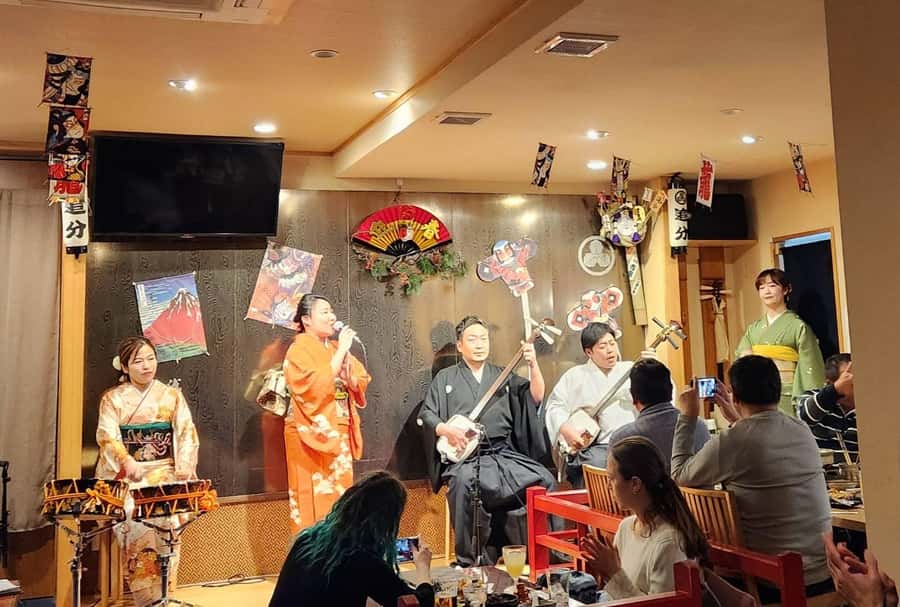
- Izakaya dinner with a live music crescendo: The performance builds right as award-winning musicians begin.
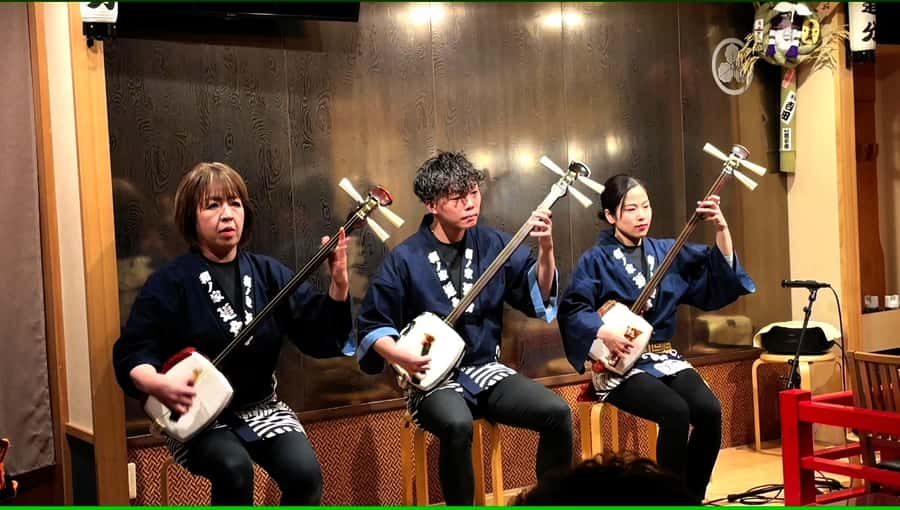
- Traditional instruments you’ll recognize: Expect shamisen and drums, plus traditional folk songs sung with the instruments.
- Welcome drink included: Choose beer, sake, cocktail, or soft drinks—good for easing in at the restaurant.
Why Asakusa and shamisen make such a strong match
Asakusa is one of those Tokyo areas where the past still feels close. This experience uses that advantage in a smart way: you don’t just watch a performance and call it a night. You first get oriented with a view and a guided walkthrough, so when the music starts, you’re already tuned in to the setting.
The standout idea is the pairing. You’ll hear traditional instruments while eating a classic izakaya-style dinner. Instead of the music being background, it’s staged as an event. And because you’re seated with the performers fairly close, the sound feels immediate—especially when the shamisen comes in strong.
You can also read our reviews of more tours and experiences in Tokyo

Meeting at the Culture Tourist Information Center (the easy-to-find start)
You’ll meet in front of the Asakusa Culture Tourist Information Center, right across from Kaminarimon (the Thunder Gate). It’s walkable from Tokyo Metro Asakusa Station (Exit 1, Ginza Line) and Toei Asakusa Station (Exit A4, Asakusa Line), so you can get there without stress.
When you arrive, look for your guide holding a sign. The tour ends back at the same meeting point, which helps you plan your evening afterward—no complicated drop-off.
The seven-story viewpoint: get your bearings fast
Before you head into the temple precinct, the tour starts at the Asakusa Culture Tourist Information Center, a 7-story building in the heart of Asakusa. Sitting at the top, you get a guided bird’s-eye look at the area and beyond.
This first step matters more than it seems. Asakusa can feel like a maze of streets and landmarks once you’re down at sidewalk level. The guide’s explanation from above helps you recognize what you’re seeing later—especially the major temple points and the flow of the area’s streets.
You’ll also hear context while you’re looking around, which makes the rest of the walk more than just sightseeing. Instead of collecting photos, you’ll be building a simple mental map.
Walking Sensoji the practical way: gates first, then atmosphere
From the viewpoint, you move on by walking through the Sensoji-temple area. This is where the tour earns its “traditional Tokyo” vibe.
The route is designed to cover the big hits in an order that makes sense: Kaminarimon (Thunder Gate), Nakamise shopping street, Hozomon (Treasure Gate), and then the main hall precinct. You’re not racing; you’re guided at a walking pace, with the guide pointing out what to notice as you go.
Then comes the part I really like: stepping outside the main precinct and observing the more nostalgic, quaint Asakusa atmosphere—associated with commoners during the Edo period. It’s not a history lecture you can skip. It’s observation you can feel, like the neighborhood’s tone changes as you move off the busiest camera spots.
Practical note: bring shoes that handle uneven stone and crowds. You’re on foot during the temple walk, and it’s part of the experience.
Izakaya dinner with live traditional music: where the night turns
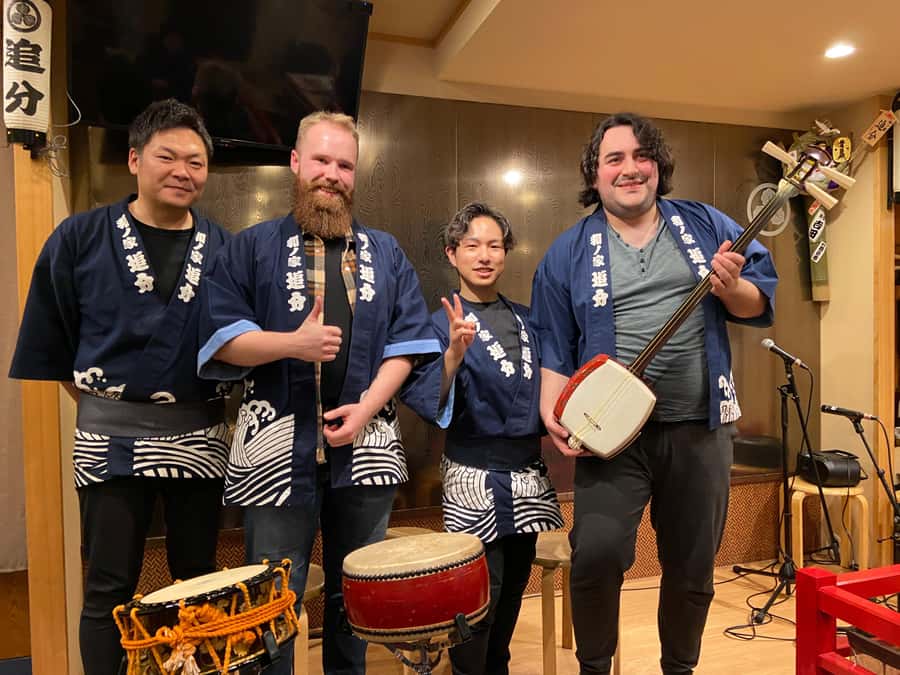
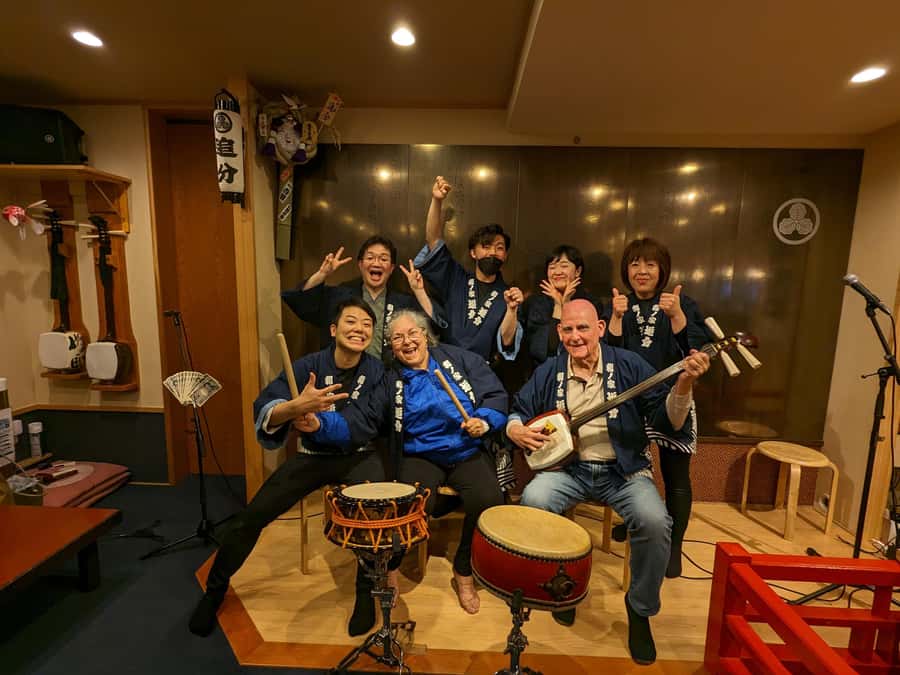
After the temple stroll, the group heads to a Japanese izakaya restaurant. This is the moment when the tour shifts from “look around” to “sit down and listen.”
Before the performance begins, the guide explains what you’ll hear and which instruments will be played. That brief setup is worth it. It helps you follow along instead of just guessing what’s happening when the rhythm changes.
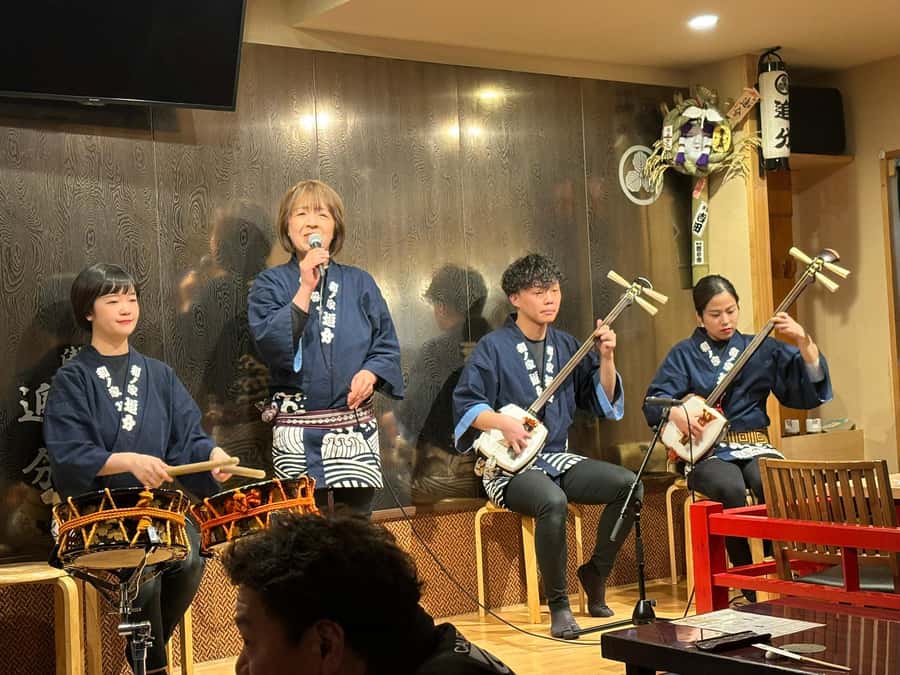
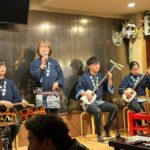
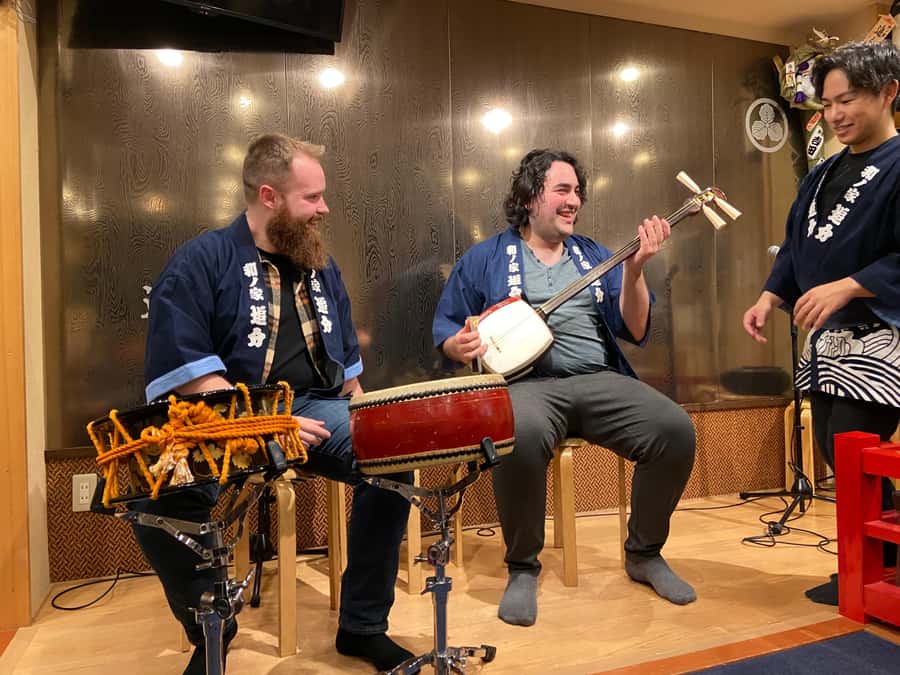
When the musicians start, it reaches a crescendo. Expect powerful shamisen sounds up close, plus traditional folk songs sung alongside the instruments. This isn’t the kind of live music where you can talk over it and forget you came. You’ll want to pay attention.
You can also read our reviews of more tours and experiences in Tokyo

What the dinner feels like (and why it works)
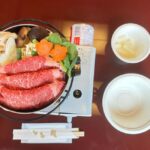
The restaurant atmosphere is described as friendly and unpretentious. The dishes are classic and easy to enjoy, the kind of “locals love this” food that doesn’t require a chef’s explanation to taste good.
Also, your meal isn’t separate from the music. You’re eating during a performance, so your senses are split—in a good way. When the shamisen hits, you’ll notice it right away. When the singing begins, it adds a different texture to the evening than typical restaurant background music.
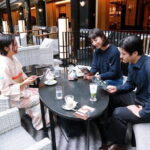
And yes, you get a welcome drink when you reach the restaurant. You can choose from beer, sake, cocktail, or soft drinks. That little included perk makes the evening feel like a real start, not a “wait around and hope the show is good” situation.
Price and value: is $140 fair for this 3-hour night?
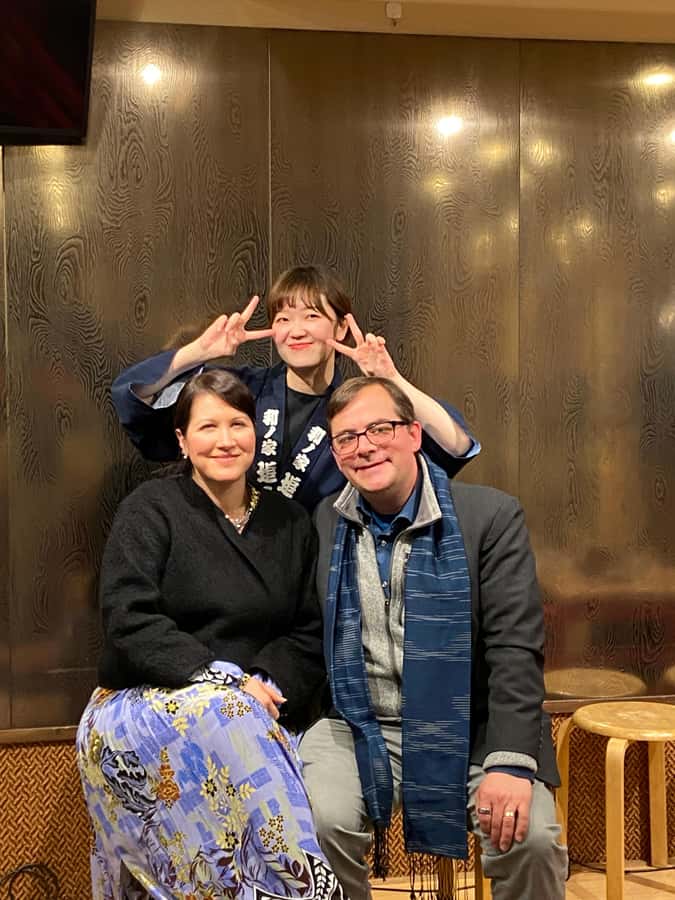
At $140 per person for about 3 hours, you’re paying for more than dinner. You’re paying for:
- A guided Asakusa orientation (including the observation deck stop)
- A structured walking route through major Sensoji areas
- An English-speaking guide throughout
- Dinner plus a welcome drink
- A live performance by traditional-instrument musicians (including shamisen and drums)
In Tokyo terms, the combination is the value. Dinner shows up in the price, and the live performance is integrated rather than tacked on. If you were to try to recreate this on your own, you’d likely spend time piecing together the viewpoints, the meal timing, and a suitable concert setup in Asakusa.
Where the “fairness” can vary is your personal preference. If you mainly want food, and you don’t care much about live traditional music, the price may feel steep. If you like the idea of hearing shamisen up close while eating a local-style dinner, $140 starts to look like a straightforward package.
Who should book this Asakusa traditional music dinner
I think this tour is a strong fit if you want one evening that’s both cultural and comfortable. It works well for:
- First-timers in Tokyo who want to understand Asakusa beyond a photo list
- People who enjoy traditional Japanese performance and want it paired with dinner
- Small-group travelers who like a guide to organize the experience
- Anyone who likes practical context, like the quick instrument/music explanations before the show starts
It might be less ideal if you dislike walking. The temple walk and transitions are part of the plan. And since hotel pickup/drop-off isn’t included, you’ll want to be comfortable reaching the meeting point yourself.
A useful walking tip from real-world experience
One practical tip that’s easy to miss: there is some walking between stops. If that could be an issue for you, it’s smart to tell your guide when you meet. One common suggestion is to consider a taxi to get to the restaurant rather than forcing every footstep—so you can still enjoy the dinner and performance without rushing the rest of the route.
Music timing: how to get the most from the performance
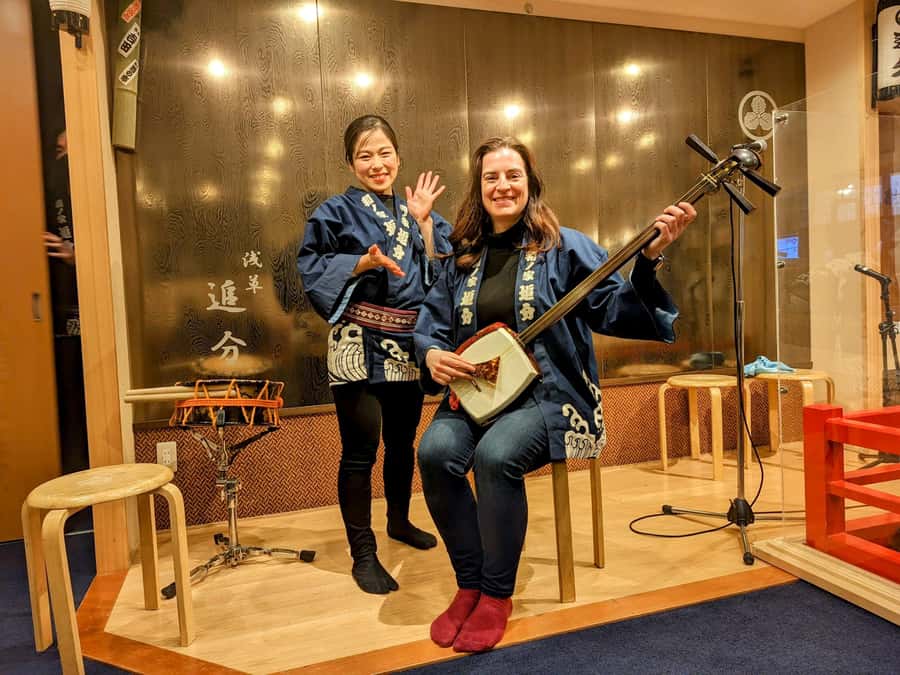
Even if you don’t know every instrument, you can get a lot out of the show by doing one simple thing: listen for changes, not just volume.
- Pay attention when the guide’s intro ends—right then you can start recognizing the pattern.
- When the performance shifts into the stronger shamisen moments, let that be your “anchor.”
- During the sung parts, slow down your thoughts. Follow the voice and rhythm together instead of splitting attention between dinner and watching your phone.
The tour’s structure sets you up for this. You won’t walk in cold. You’ll have already seen the Asakusa landmarks and heard a short explanation of what’s coming.
Getting the logistics right (without overthinking it)
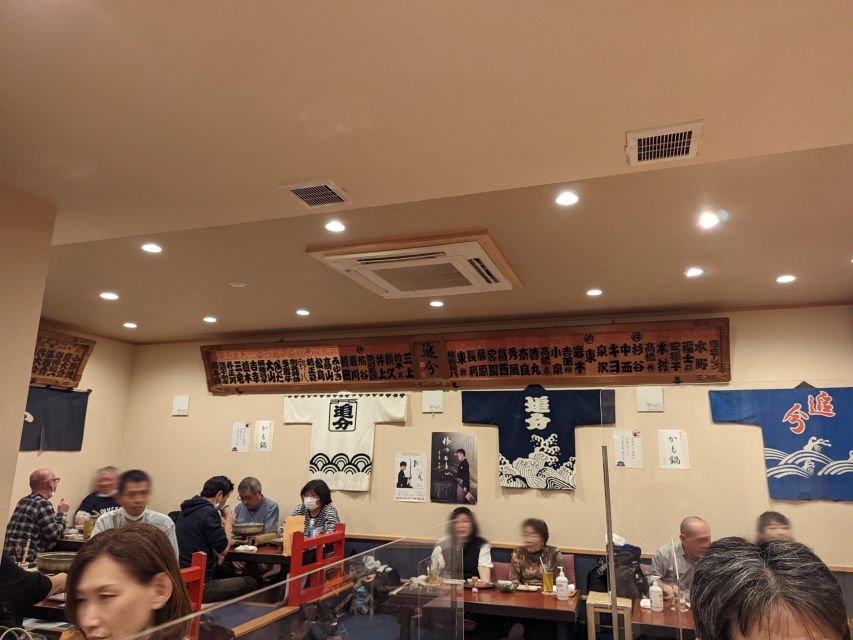
This is a self-arranged start from your hotel. You meet at the Culture Tourist Information Center and walk from there. You also don’t get hotel pickup or drop-off included, so your best move is to plan transit that gets you to Asakusa with margin for getting through crowds.
Also remember: extra drinks aren’t included. Your included welcome drink is part of the package, but if you want more, you’ll need to pay for it at the restaurant.
For timing, the duration is about 3 hours. Starting times can vary, so check what’s available when you book.
Should you book this traditional Asakusa music show with dinner?
I’d book it if you want an Asakusa evening that feels intentional: a guided orientation, a classic temple-area walk, and a live traditional performance you can actually hear while you eat. The biggest “yes” is the combination—traditional music by shamisen and drums happening during dinner, not after you’ve already gone home.
I’d skip it if you’re only shopping for food and want a more flexible, do-it-yourself night. Also think twice if walking is a challenge. The route includes temple-area walking, and while you can potentially manage transitions with advice from your guide, the core experience still depends on being on your feet.
If you want one night that connects Asakusa’s landmarks to the sound of traditional instruments, this is a very reasonable way to do it.
FAQ
Where is the meeting point?
You meet in front of the entrance of the Asakusa Culture Tourist Information Center, located right across from Kaminarimon (Thunder Gate). It’s about a 1-minute walk from Exit 1 of Tokyo Metro Asakusa Station (G19) on the Ginza Line, and about a 2-minute walk from Exit A4 of Toei Asakusa Station (A18) on the Asakusa Line.
What’s included in the dinner and drinks?
Dinner is included, and you also get one welcome drink. The welcome drink choice is beer, sake, cocktail, or soft drinks.
How long does the tour last?
The tour duration is about 3 hours. Starting times vary, so you’ll need to check availability for your preferred slot.
Is there an English-speaking guide?
Yes. The tour includes an English-speaking guide.
What kind of live music will you hear?
The live performance includes traditional Japanese instruments such as shamisen and drums, along with traditional folk songs sung to the music.
Is hotel pickup or drop-off included?
No. Hotel pickup and drop-off are not included, and the tour ends back at the meeting point.