REVIEW · TOKYO
Shibuya Tokyo: Modern Kintsugi Workshop in Shibuya
Book on GetYourGuide →Operated by mon cadeau · Bookable on GetYourGuide
Kintsugi above Shibuya feels strangely calming. This modern take on the ancient Japanese art of repairing broken ceramics turns a chaotic neighborhood into a quiet craft moment, with wabi sabi and personal attention starting from the first cup. I especially like that it’s held in a hilltop studio just up from Shibuya Crossing, so you can pair it with a day of wandering the area, and you’ll be guided to make a take-home piece that feels truly yours. One watch-out: you must be on time, since you can’t join if you arrive more than 15 minutes late.
The other big plus for me is the class size: it’s limited to 6, so you get hands-on help instead of feeling like you’re following a script from across a room. The workshop is taught in English, and the calm start—matcha tea plus seasonal sweets—sets the tone for the careful work that follows.
In This Review
- Key Things To Know Before You Go
- Entering The Hilltop Studio Near Shibuya Crossing
- Your Two-Hour Flow: Matcha, Picking a Piece, Repair Steps
- Start with calm: matcha and seasonal sweets
- Choose the crockery you’ll restore
- Instruction first, then hands-on practice
- A guided finish you can actually take home
- The Modern Kintsugi Approach and Why It Feels So Accessible
- Meet the instructors you’ll likely work with
- What You’ll Make: A Take-Home Souvenir With Real Meaning
- Price and Value: Why $141 Can Make Sense for This Short Workshop
- Logistics You Should Plan Around (So You Don’t Miss Anything)
- Timing is strict
- Location cues matter
- What to wear
- Video recording isn’t allowed
- Who This Workshop Suits Best (and Who Should Skip It)
- Final Call: Should You Book This Shibuya Kintsugi Workshop?
- FAQ
- How long is the Shibuya modern kintsugi workshop?
- What language is the instruction?
- Do I need to bring tools or materials?
- Where do I meet for the class?
- Is video recording allowed during the workshop?
- Can I cancel, and is payment due right away?
Key Things To Know Before You Go
- Small group (max 6): enough time for the instructor to check your progress.
- Modern kintsugi materials: designed to be more accessible, faster, and safer than traditional approaches.
- Step-by-step teaching: you watch the process first, then you do each part yourself.
- Up the hill from Shibuya Crossing: easy to combine with Shibuya time, but you’ll walk uphill.
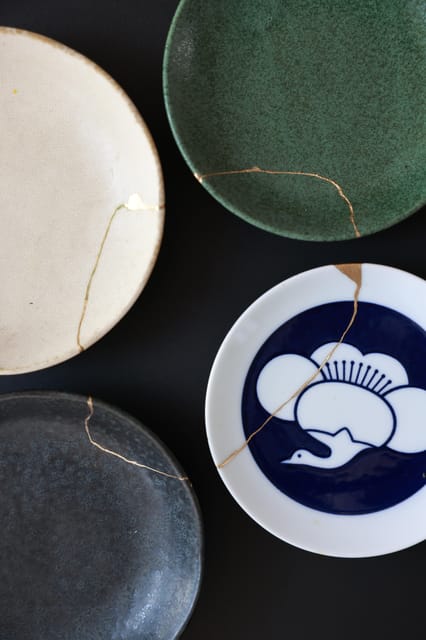
- Take-home crockery in a gift box: you leave with a souvenir you restored, not just a craft item.
- Matcha and seasonal sweets: a cultural warm-up before your first repair step.
Entering The Hilltop Studio Near Shibuya Crossing
This is not the kind of workshop you have to “go find” in some remote corner of Tokyo. It’s located up the hill from Shibuya Crossing, meeting you outside the studio near the Central Hospital Annex building at the top of Bunkamura-dori on Shoto 2-Chome Crossing. You meet outside about 5 minutes before your lesson starts, and the directions are sent by email after you book.
That hill matters. Shibuya is flat-out busy at street level, but walking up gets you out of the noise. If you’re the kind of person who likes to plan one relaxing thing after a crowded day, this is a smart match.
Here’s a practical tip that can save you frustration: Google Maps may try to route you into a side alley. When you arrive, look for the tiled façade and the large brown double door with a narrow glass panel.
You can also read our reviews of more tours and experiences in Tokyo


Your Two-Hour Flow: Matcha, Picking a Piece, Repair Steps
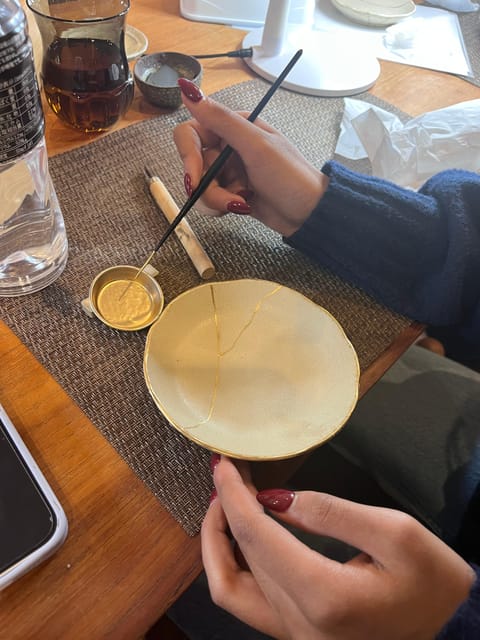
The workshop runs about 2 hours, and the structure is built for focus. You’re not just watching a demo; you’re moving through the steps yourself with guidance right next to you.
Start with calm: matcha and seasonal sweets
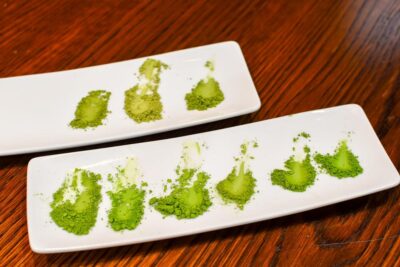
Before any repairs happen, you’ll have matcha tea and seasonal Japanese sweets. It’s more than a snack. This first part is about slowing down your brain so the rest feels natural—measuring, aligning, and working carefully take patience.
Choose the crockery you’ll restore
Next, you select a piece of crockery from their collection. That choice is part of the experience. Want something that looks classic? Or prefer a piece with character? Either way, you’re planning a restoration, not just doing a craft technique.
A nice detail: you don’t have to bring anything. Everything needed for the restoration and repairs is provided.
Instruction first, then hands-on practice
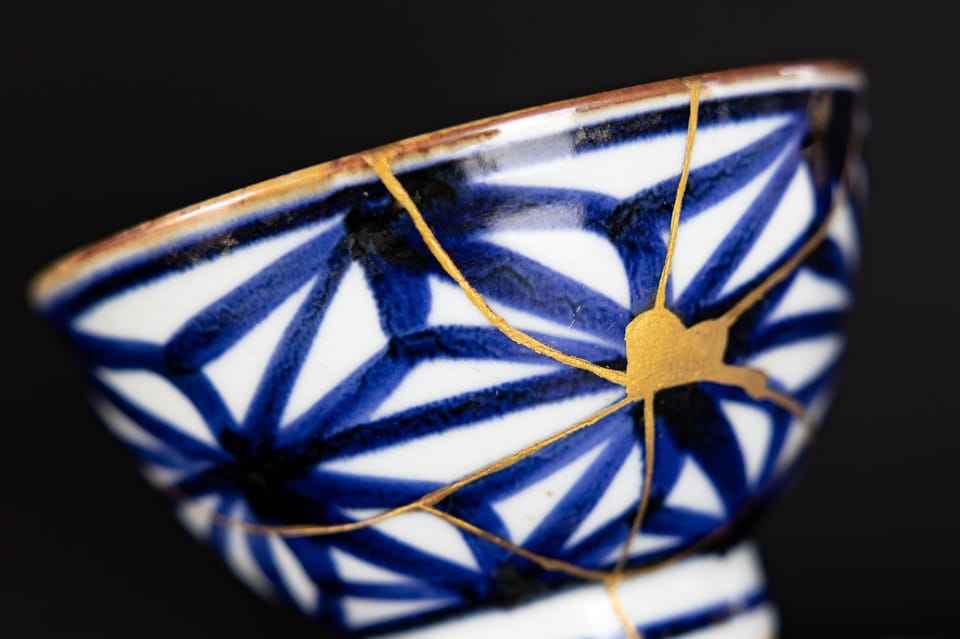
The instructor demonstrates the entire process—reassembly, repair, and restoration—before you do each step yourself. You don’t jump straight into working blind. You see how the materials behave, how the repaired seam should look, and how to handle your piece without rushing.
In a small class, this part really matters. With a group of up to 6, your instructor can adjust what you’re doing as you go, which helps you avoid those little mistakes that can ruin the final look.





A guided finish you can actually take home
When you’re done, you place your restored crockery into a special gift box. That means the workshop has a built-in “wrap-up” moment: you’re not carrying fragile, unfinished work around the city.
The Modern Kintsugi Approach and Why It Feels So Accessible
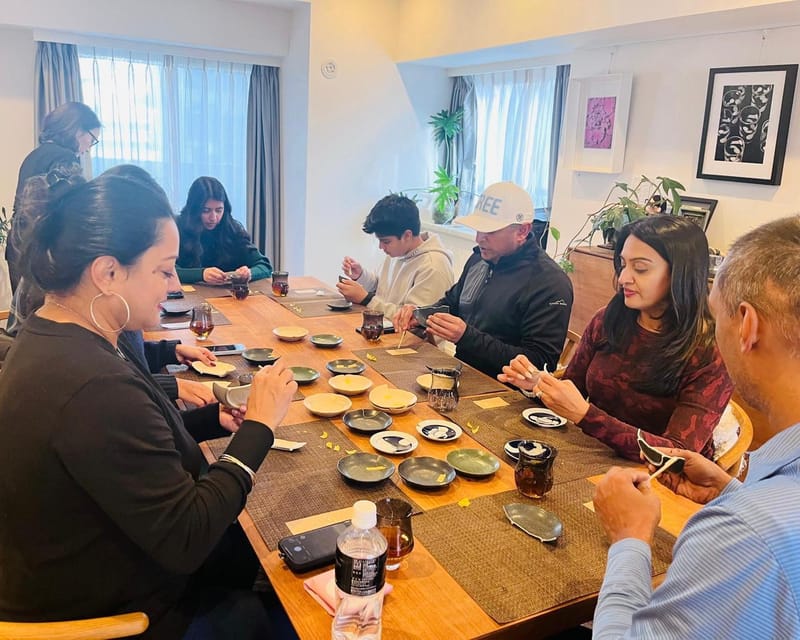
Traditional kintsugi often uses materials and methods that can be slower or more finicky. This workshop is built around modern kintsugi, using contemporary materials rather than strictly traditional ones. The result is a process that’s designed to be more accessible and more practical for a short, two-hour class.
From a value point of view, this makes a difference. You’re not paying $141 for a lecture. You’re paying for a complete, guided experience where the techniques are explained clearly and supervised closely, so you finish with something you’re proud to own and keep.
You’ll also get an introduction explanation sheet. It helps you connect what you just did to the “why” behind it—especially the philosophy tied to wabi sabi, which is about appreciating imperfection and valuing what time has changed.
Meet the instructors you’ll likely work with
The hosts and instructors are central to the vibe here. Michiko is repeatedly mentioned as the core teacher and hostess, with additional support from Yuki, Koto, and Rita in some groups. English instruction is available, so you’re not stuck guessing your way through a craft.
In practical terms, it’s the combination of warm hosting and technical clarity that makes the class work. One review described the workflow like careful, precise hand movements, with tools passed quickly and unobtrusively—so you stay focused on your piece.
What You’ll Make: A Take-Home Souvenir With Real Meaning
Your final product is a restored crockery item—something you chose at the start and repaired step by step.
That changes how you’ll feel about it later. You’re not buying a souvenir that just looks “Japan-y.” You have a story attached to the item: you selected it, watched each step, did the work, and ended with a finish that reflects the kintsugi mindset—repair as part of the object’s life.
The workshop also includes a gift box, which makes the take-home part easier on travel days. You can pack it safely and avoid the usual “I hope this survives the subway” stress.
Price and Value: Why $141 Can Make Sense for This Short Workshop
At $141 per person for about 2 hours, this isn’t the cheapest activity in Tokyo—but it’s also not priced like a luxury “watch someone else do it” class.
Here’s what you’re actually getting for the price:
- A small group size (up to 6), which drives more personalized instruction.
- All materials and tools, including the crockery piece you restore.
- Step-by-step demonstration, then hands-on repair with supervision.
- Matcha tea, seasonal sweets, and an explanation sheet.
- A finished take-home piece packed in a gift box.
That combo—materials included plus real time with an instructor—helps justify the cost. Craft workshops can be expensive when you’re paying for the teacher’s time only. Here, you’re also paying for the consumables and the “finished object” outcome.
My advice: if you care about crafts, or you like cultural activities that lead to something tangible, this price is easier to swallow. If you’re only looking for casual sightseeing, you might decide this is too “hands-on” for your schedule.
Logistics You Should Plan Around (So You Don’t Miss Anything)
A few details can make or break your experience, and they’re worth planning for.
Timing is strict
You can’t join if you arrive more than 15 minutes after your reserved start time. That’s not just a policy detail—it affects your stress level. Plan a buffer, especially if you’re using trains and walking up a hill.
Location cues matter
Meet outside their building about 5 minutes before the lesson. Directions are emailed after booking, and the studio sits by the Central Hospital Annex building near the top of Bunkamura-dori on Shoto 2-Chome Crossing.
What to wear
You only need comfortable clothes. No special gear is listed, and the workshop provides everything else.
Video recording isn’t allowed
Video recording is not permitted. If you like to capture the process, be ready to rely on photos (if allowed) or just enjoy the moment. The class is designed to be calm and focused, and it’s better when you’re not behind a camera the whole time.
Who This Workshop Suits Best (and Who Should Skip It)
This is a craft-focused experience with cultural depth. You’ll probably enjoy it if you:
- Want a meaningful Tokyo activity that results in a take-home item
- Like detailed instructions and quiet, careful work
- Prefer small-group learning over a large class
- Enjoy Japanese food culture, since matcha and seasonal sweets are part of the start
It also has a track record of working well for families. One group included a 10-year-old and a 13-year-old who enjoyed the workshop, and the hosts adjusted the flow to keep everyone comfortable. Still, children under 5 aren’t suitable.
If you’re the type who hates detailed hand work or you’re short on time (and worried about strict punctuality), you might choose something more flexible.
Final Call: Should You Book This Shibuya Kintsugi Workshop?
If you want a Tokyo souvenir with a real story, I’d book this. It’s one of those experiences where the value comes from the full package: small group attention, step-by-step teaching, modern materials, and a restored piece you can actually use or display later.
What will decide it for you is your schedule and your tolerance for being on time. If you can handle a short walk up from Shibuya Crossing and you’re ready for a hands-on craft class, this is a smart, memorable use of 2 hours.
FAQ
How long is the Shibuya modern kintsugi workshop?
The workshop lasts about 2 hours.
What language is the instruction?
The instructor provides instruction in English.
Do I need to bring tools or materials?
No. Everything you need is provided, including the crockery piece you repair.
Where do I meet for the class?
You meet outside the studio 5 minutes before the start time. The location is next door to the Central Hospital Annex building at the top of Bunkamura-dori on Shoto 2-Chome Crossing, and you receive detailed directions by email after booking.
Is video recording allowed during the workshop?
No, video recording is not allowed.
Can I cancel, and is payment due right away?
You can cancel up to 24 hours in advance for a full refund. You can also reserve now and pay later, meaning you pay nothing today.