REVIEW · TOKYO
Tokyo: Traditional Japanese Performing Arts Show and Dinner
Book on GetYourGuide →Operated by SUIGIAN · Bookable on GetYourGuide
Shrine-side dinner shows in Tokyo are rare. This one pairs a Noh-style stage with a full-course kaiseki omakase meal in a calm 2–3 hours, right in the Nihonbashi area. The tradeoff: the live segments are short and timed (three performances of about 10 minutes each), so this is a dinner-first night, not a marathon of dancing.
I also like how close the viewing feels thanks to assigned seating, plus the restaurant’s traditional, storybook decor under Fukutoku Garden. One more consideration to keep in mind: kids under 10 aren’t suitable, and if you have dietary limits, you’ll need to flag them during reservation so the chef can plan ahead.
In This Review
- Key things to know before you go
- Where the evening really happens: SUIGIAN under Fukutoku Garden
- Kagura or Nihon-buyō: which performance shows up on your date?
- The dinner that drives the whole experience: kaiseki omakase, course by course
- The restaurant decor: heritage plates and a museum-like sense of place
- Seats and viewing: up close without feeling on top of the action
- Timing and pacing: how to plan your evening (2–3 hours total)
- Price and value: is $140 worth it?
- Getting there fast: Mitsukoshi-mae, Tokyo Station, or taxi
- Who should book SUIGIAN, and who should skip it?
- Should you book this Tokyo traditional arts dinner?
- FAQ
- Where is the Theater Style Restaurant&Lounge SUIGIAN located?
- How long does the experience take?
- Which performances are shown on specific February and March dates?
- How many performances are included during the evening?
- Is the dinner included in the ticket?
- What kind of meal is served?
- Do I choose my seat for the show?
- Is wheelchair accessibility available?
- What should I do if I have allergies or vegetarian needs?
- Are young children allowed?
Key things to know before you go
- Kagura on set dates (Feb 5/10/17/25 and Mar 10/17/24), with three short performances tied to dinner
- Nihon-buyō on other days in Feb and Mar, also delivered in three concise segments
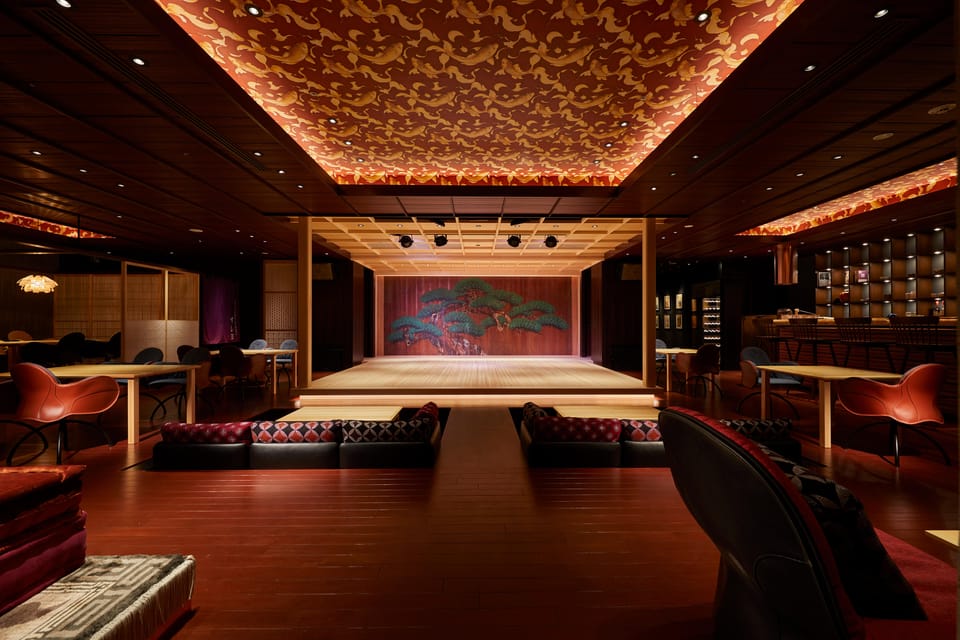
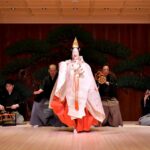
- Noh-style staging with an old pine tree backdrop, designed for up-close viewing
- Omakase kaiseki course meal built around seasonal themes and bonito-based soup
- Heritage tableware from Nagasaki, reportedly handed down with 350+ years of history
- A commemorative photo with the performers to cap off the night
Where the evening really happens: SUIGIAN under Fukutoku Garden
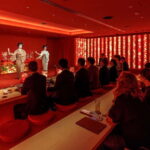
The experience is called Theater Style Restaurant&Lounge SUIGIAN, and it sits in Fukutoku Garden’s B1F level in Tokyo’s Nihonbashi Muromachi area. The location is part of the charm. You come in by the park area, descend to the restaurant level, and the atmosphere shifts from city noise to something quieter and more intentional.
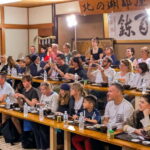
The setting matters because it frames how you watch. Instead of sitting in a big, distant theater, you’re eating and listening in a space made for performance. Reviews on the topic repeatedly highlight the venue’s look and the way staff explain what you’re seeing, which helps you connect even if you don’t know the tradition ahead of time.
If you like the idea of a night out that feels like stepping into Japanese culture rather than “just another show + dinner combo,” this one fits. You should, however, be comfortable with a slower rhythm: the meal is the center of gravity and the performances are the interludes.
You can also read our reviews of more tours and experiences in Tokyo

Kagura or Nihon-buyō: which performance shows up on your date?
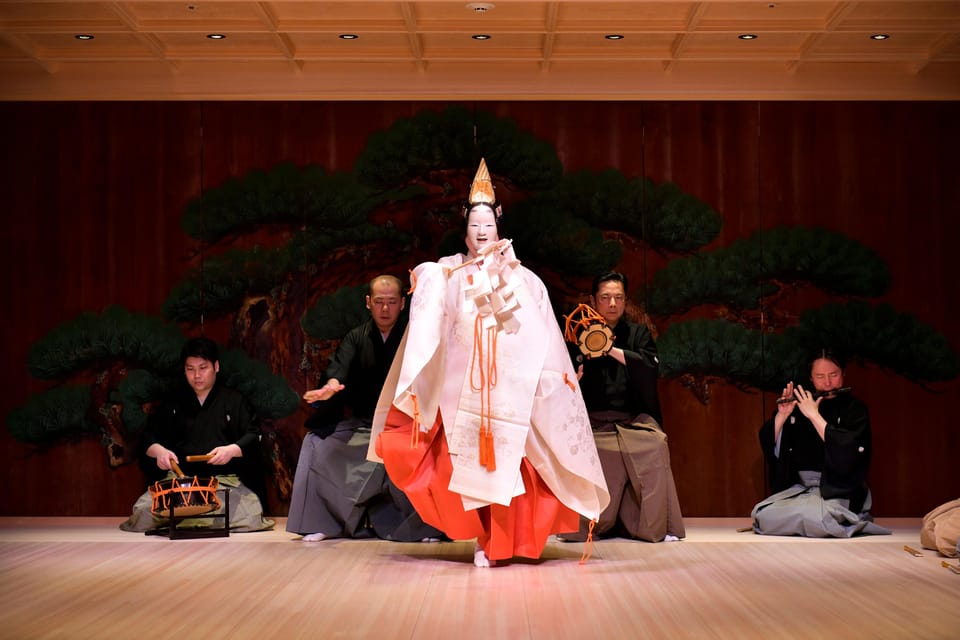
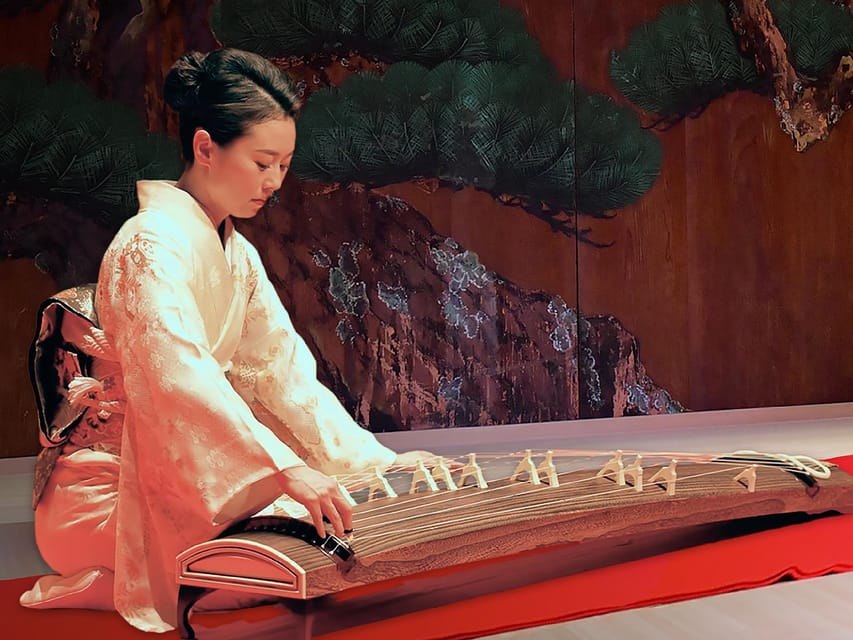
One smart detail here is that the performance program changes by day in February and March. You’ll either see:
- Kagura (traditional ancient Shinto music and dance) on these dates:
Feb 5 (Thu), Feb 10 (Tue), Feb 17 (Tue), Feb 25 (Wed), Mar 10 (Tue), Mar 17 (Tue), Mar 24 (Tue)
Expect three performances, about 10 minutes each, served with dinner.
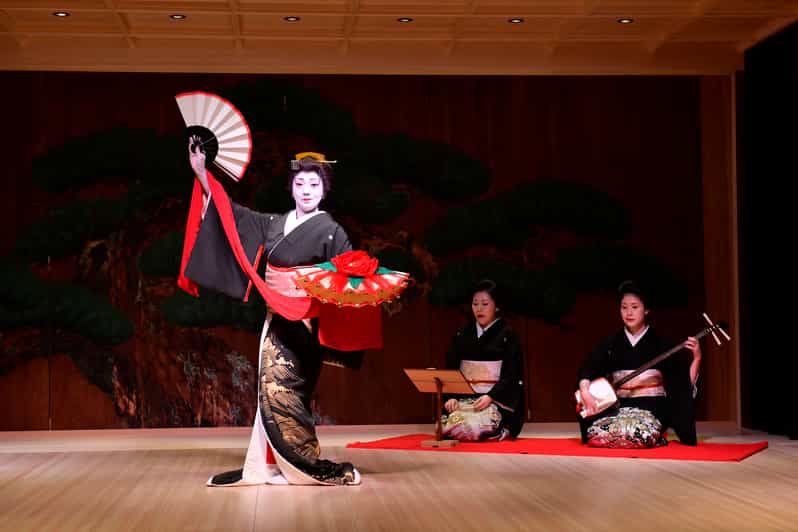
- Nihon-buyō (traditional Japanese dance) on other dates in February and March.
Same basic format: three performances, about 10 minutes each, with dinner.
What I like about this schedule is that it sets expectations. You’re not buying a long, uninterrupted stage show. You’re buying a sequence: eat, watch, listen, then eat again. If you can roll with that pacing, you’ll likely enjoy the night more. If you want two straight hours of nonstop dance, you might feel impatient.
Also, the stage presentation is designed in a Noh style, complete with a backdrop showing an old pine tree. That Noh-inspired look gives the performances a grounded, theatrical feel—Japanese tradition expressed through staging, not just movement.
The dinner that drives the whole experience: kaiseki omakase, course by course
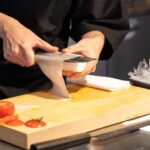
You’re not snacking. You’re doing a Japanese full-course dinner where the chef’s seasonal “omakase” choices are the point. The meal is described as themed by the season and built around fresh ingredients and bonito broth.
A typical full course meal includes:
- an appetizer
- first seasonal platter
- soup
- later seasonal platter
- a grilled dish (Japanese beef)
- rice
- dessert for the day
And it ends with matcha green tea and dry sweets.
The cultural value here is in the structure. Kaiseki is built to control time: different textures, different temperatures, different tastes, all served in a deliberate order. The performance schedule matches that logic, so you’re switching between eating and watching without the night turning into chaos.
Two practical notes I’d give you:
- Tell them about dietary restrictions in advance. The restaurant specifically says you must inform them when making the reservation if you have allergy needs, vegetarian requirements, or other food limits. If you wait until you arrive, they may not be able to accommodate special requests.
- Don’t expect English menus to replace explanations. The experience is paired with staff interpretation of food and performance elements, which helps you understand why a dish looks the way it does or what a piece of decor is referencing.
One review detail also suggests seafood may show up heavily in some courses (including fish soup and fish-themed tea/dessert). That doesn’t mean it’s always seafood-only, but it does mean you should check if seafood is a problem for you before you commit.
The restaurant decor: heritage plates and a museum-like sense of place
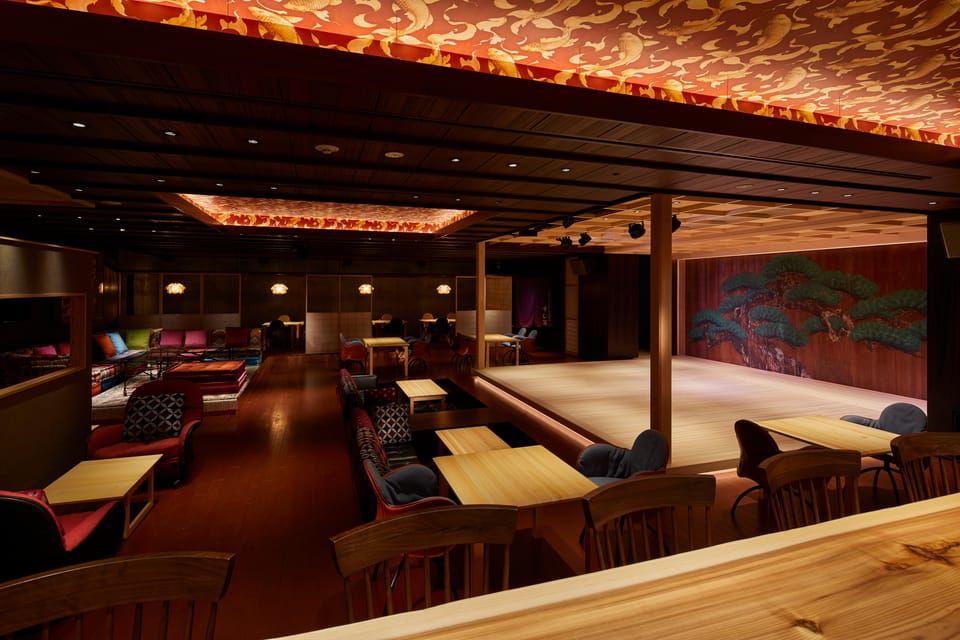
Food tastes better when the room matches the story. SUIGIAN’s interior is part traditional Japanese craft and part stage-ready design for performance viewing.
One of the most specific, standout details provided is about the dinner tableware: the restaurant uses trays and dishes with a history over 350 years in Nagasaki, inherited from another Japanese restaurant. That’s the kind of detail that turns a normal meal into something worth slowing down for.
Even if you only care about eating great food, the decor still changes how you experience the courses. The presentation is more than decoration; it reinforces the “this is seasonal, this is careful, this is meant to be watched” feeling that runs through both the meal and the performance.
Seats and viewing: up close without feeling on top of the action
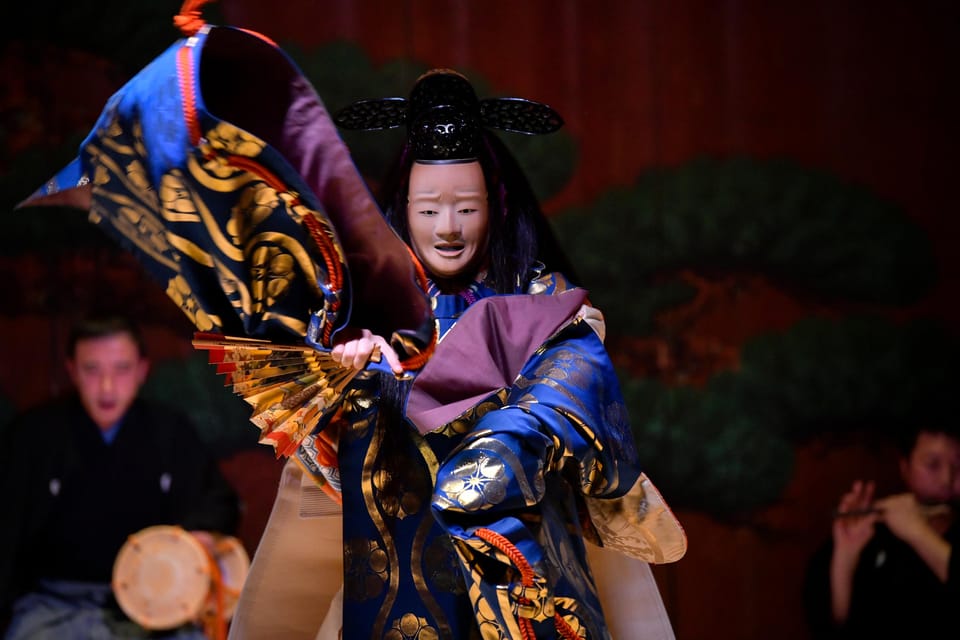
This is one of those nights where “good seats” actually matters. You choose from four seat options, and the structure supports close viewing. That matters because the performances are short—about 10 minutes each—so you want clear sightlines for the key moments.
I like that assigned seating removes guessing. You’re not trying to crane your neck during a quick segment. And because the stage is designed in a Noh style, the visual composition matters: backdrop, movement, and the performer’s placement.
There’s also a commemorative photo with the performers. The idea is simple, but it’s a nice touch for remembering the night later—especially because the performance segments are brief and you’ll want an anchor for the experience.
You can also read our reviews of more tours and experiences in Tokyo

Timing and pacing: how to plan your evening (2–3 hours total)
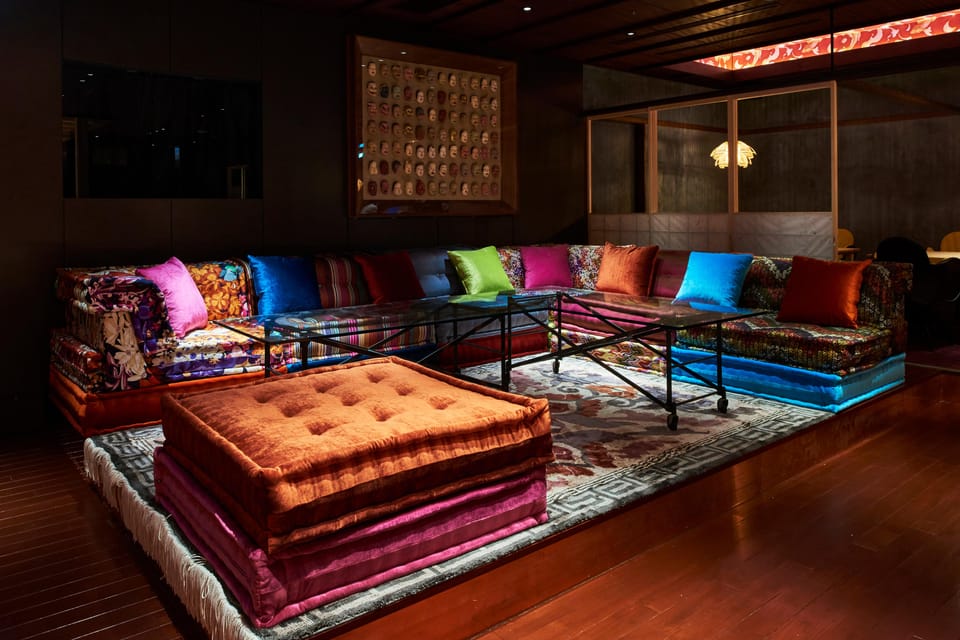
The full experience runs about 2–3 hours. In real life, this means:
- you’ll have a full multi-course dinner pace, with courses arriving in a structured rhythm
- performances happen between courses as short interludes (three of them)
- the evening isn’t built for a quick stop
This is excellent if you want a slower night after sightseeing, or if you’re celebrating something and want one “adult” event that feels special without being stressful. It’s not ideal if your schedule is packed and you can’t handle a meal that takes its time.
A small but important expectation-setting point: some diners were surprised by how short each performance segment felt, even though they still liked the dancing and music. So go in knowing you’re watching three short moments, not one long show.
Price and value: is $140 worth it?
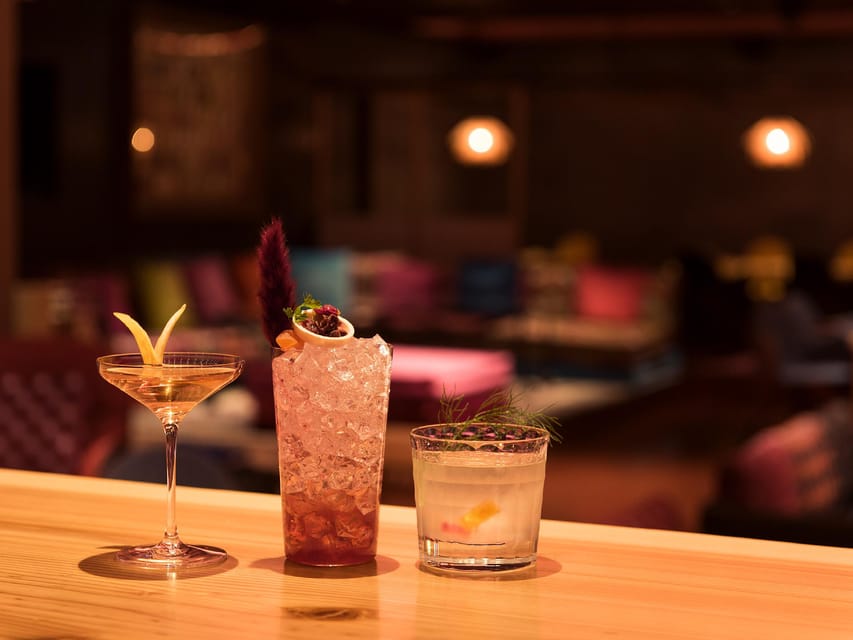
The published price is $140 for a booking (up to one person). That’s not cheap, especially in Tokyo where you can find excellent meals at a lot of price points.
Here’s where the value argument holds:
- You’re getting a full-course kaiseki omakase dinner, not a basic set meal.
- You’re also getting a traditional performing arts show with structured seating.
- The venue adds real atmosphere: Noh-style staging, heritage tableware, and a setting under Fukutoku Garden.
If what you want most is food, it’s still a meaningful splurge because kaiseki is built for presentation and seasonality. If what you want most is performance, you should feel comfortable with the fact that it’s interludes rather than nonstop dancing.
My practical advice: treat this as a “cultural night out with dinner” rather than a value-priced show. If you already planned on a splurge dinner in Tokyo, this is the kind of splurge that buys you both the meal and a performance within one ticketed experience.
Getting there fast: Mitsukoshi-mae, Tokyo Station, or taxi
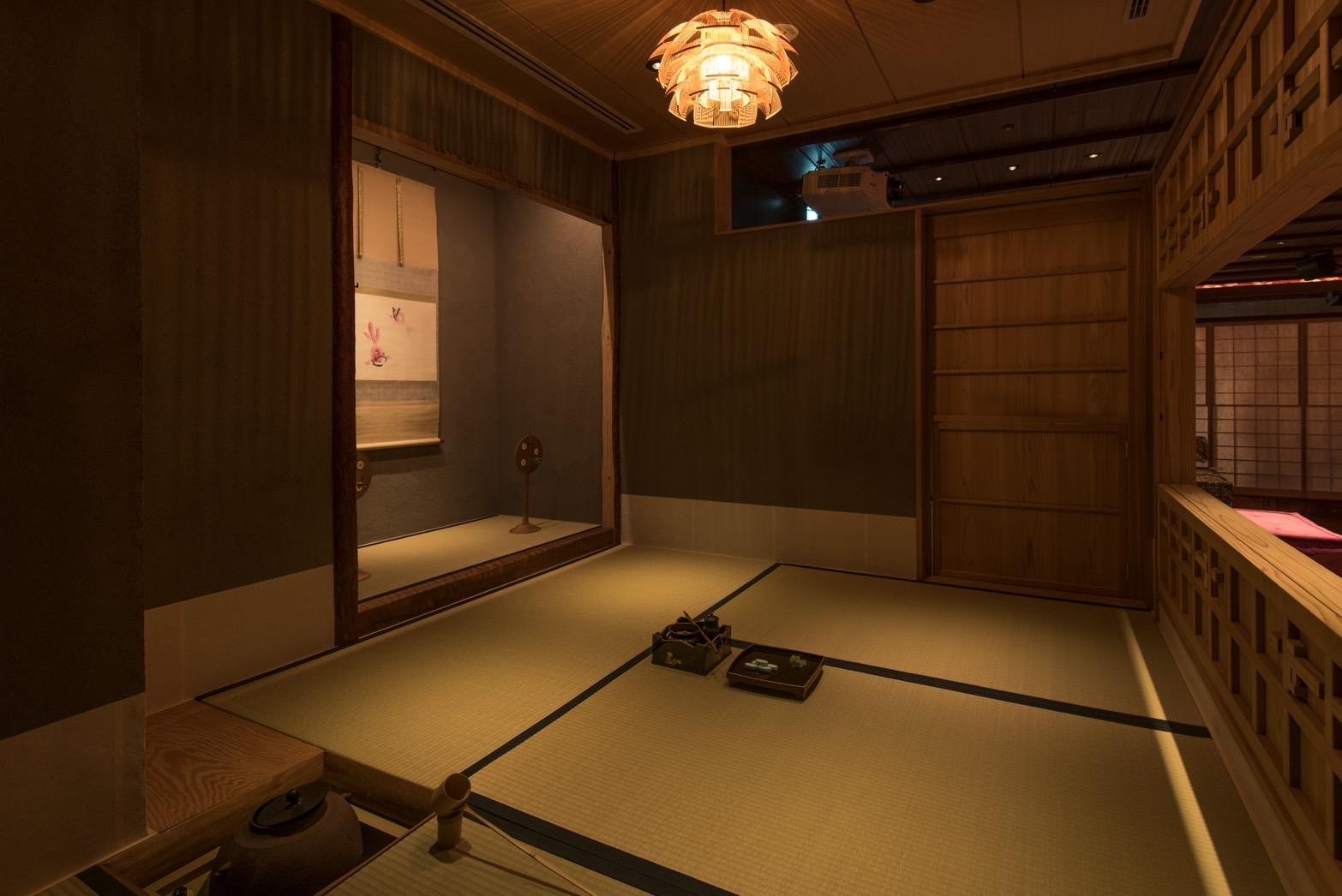
Location matters because SUIGIAN is tucked into the Fukutoku Garden complex.
By train:
- From Tokyo Metro Ginza Line or Hanzomon Line, get off at Mitsukoshi-mae Station (Exit A6).
Walk about 1 minute to Coredo Muromachi 2 (B1F).
- From JR Sobu line rapid Shin-Nihonbashi Station, it’s about a 6-minute walk.
- From JR Tokyo Station (Nihombashiguch Exit), expect about a 10-minute walk.
By taxi:
- Roughly 6 minutes from Tokyo Station
- Taxi fare estimate: about ¥600
If you like a simple “find it quickly” approach, I’d base your navigation on Mitsukoshi-mae Station (Exit A6). It’s the closest and shortest walk described in the info.
Who should book SUIGIAN, and who should skip it?
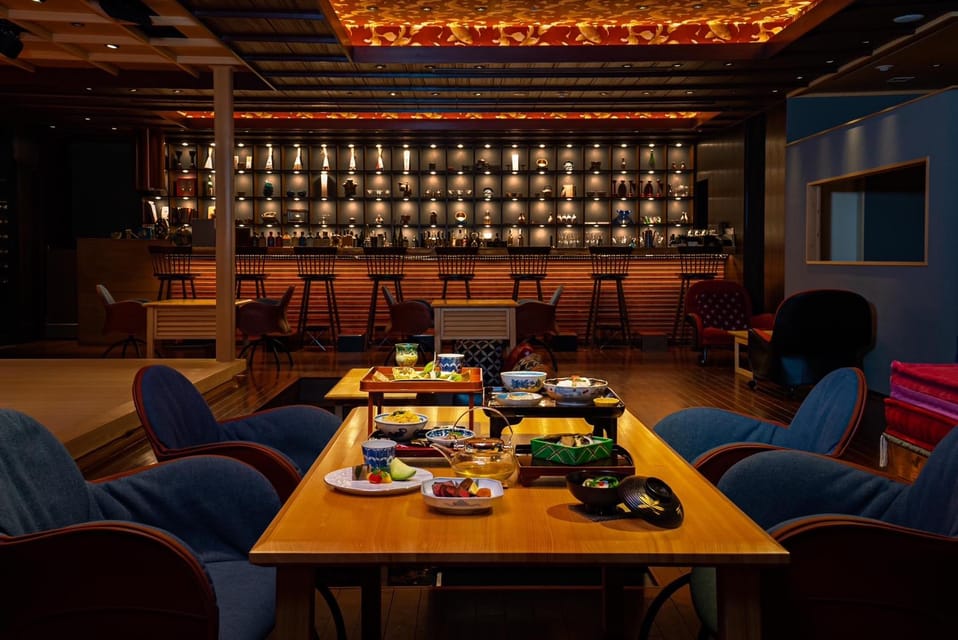
This experience makes a lot of sense if:
- you want traditional Japanese performing arts paired with a proper dinner
- you enjoy Japanese seasonality, course structure, and thoughtful presentation
- you’d rather do one planned cultural night than hunt for shows after dinner
- you want something comfortable and adult-focused in a stylish venue
It may not be the best fit if:
- you want a quick meal or a short event that won’t run long
- you’re expecting a long, continuous performance instead of three brief segments
- you need a menu that can be handled on the spot without advance notice (they ask you to flag restrictions ahead of time)
- your group includes children under 10 (the experience isn’t suitable for them)
Should you book this Tokyo traditional arts dinner?
I’d book SUIGIAN if you want a Tokyo night that feels intentional: a seasonal kaiseki omakase dinner in a heritage-filled room, paired with a Noh-style stage and either kagura or nihon-buyō depending on your date.
Before you book, ask yourself two quick questions:
- Are you okay with a slow, structured dinner where performances are short interludes?
- Do you have any dietary limits that you can communicate at reservation time?
If your answer is yes, this is the kind of cultural experience that turns into a clear memory. If you’re looking for constant stage time, pick another type of show.
FAQ
Where is the Theater Style Restaurant&Lounge SUIGIAN located?
It’s at Fukutoku Garden B1F, 2-5-10 Nihonbashi Muromachi, Chuo-ku, Tokyo 103-0022.
How long does the experience take?
Plan on 2 to 3 hours.
Which performances are shown on specific February and March dates?
The schedule depends on the date. Kagura is performed on Feb 5/10/17/25 and Mar 10/17/24. On other days in February and March, the regular performance is Nihon-buyō.
How many performances are included during the evening?
There are three performances, and each is about 10 minutes long, served with dinner.
Is the dinner included in the ticket?
Yes. You get a Japanese full-course dinner along with the traditional performing arts show.
What kind of meal is served?
The dinner is described as seasonal omakase, typically including courses such as appetizer, seasonal platters, soup, a grilled dish (Japanese beef), rice, dessert, and finishing with matcha green tea and dry sweets.
Do I choose my seat for the show?
Yes. There are four available seat options, and your reservation includes seat assignment based on the option selected.
Is wheelchair accessibility available?
The experience is listed as wheelchair accessible.
What should I do if I have allergies or vegetarian needs?
Inform the restaurant in advance when making the reservation. The experience notes that it may not be possible to accommodate special requests if you don’t share them ahead of time.
Are young children allowed?
No. The experience is not suitable for children under 10.