REVIEW · TOKYO
Tokyo: Shibuya Highlights Walking Tour
Book on GetYourGuide →Operated by JLB TOURS · Bookable on GetYourGuide
Shibuya hits you fast. This 90-minute walking tour helps you get your bearings with a local guide, starting at Hachiko and working toward top photo spots and quieter streets. I especially love the small-group feel (max 6) and the way the guide mixes Shibuya Scramble history with practical pointers for where to go next. One drawback to flag: it’s a walking tour, so you’ll want comfortable shoes and you should plan to enjoy it even when the weather is rainy.
The best part is that you don’t just stand at the famous spots. You cross the world-famous scramble, then you walk past the bars and pubs Shibuya is known for, including areas that feel more like daily life than a sightseeing circuit. I also like the built-in pacing: the route moves from high-energy intersections to calmer lanes, so you can actually process what you’re seeing. The main consideration is time: you’re covering a lot in 90 minutes, so you may not want this as your only Shibuya plan.
In short: this is a smart intro to Shibuya’s most recognizable corners plus the side streets you might skip on your own.
In This Review
- Key Highlights You’ll Appreciate Fast
- Starting at Hachiko: Your Shibuya “Reset Button”
- The Shibuya Scramble Crossing: Famous, Yes, But Also Learned
- Elevated Views: When Shibuya Finally Makes Sense
- Walking by Shibuya’s Bars and Pub Streets Like a Local
- Off the Main Rush: Quieter Streets and Local Shortcuts
- The Hidden-Details Touch: Picture Notes, Focus, and Real Tips
- Price and Value: Why $19 Works Here
- Rain or Shine: What to Wear and How to Prepare
- Who This Tour Fits Best
- Should You Book This Shibuya Highlights Walking Tour?
- FAQ
- Where do I meet for the Shibuya Highlights Walking Tour?
- How long is the tour?
- How much does it cost?
- Is the tour guided, and what language is used?
- What’s included in the price?
- Are food and drinks included?
- Will the tour run in the rain?
- How big is the group?
- Is the tour wheelchair accessible?
- What is the cancellation policy?
Key Highlights You’ll Appreciate Fast
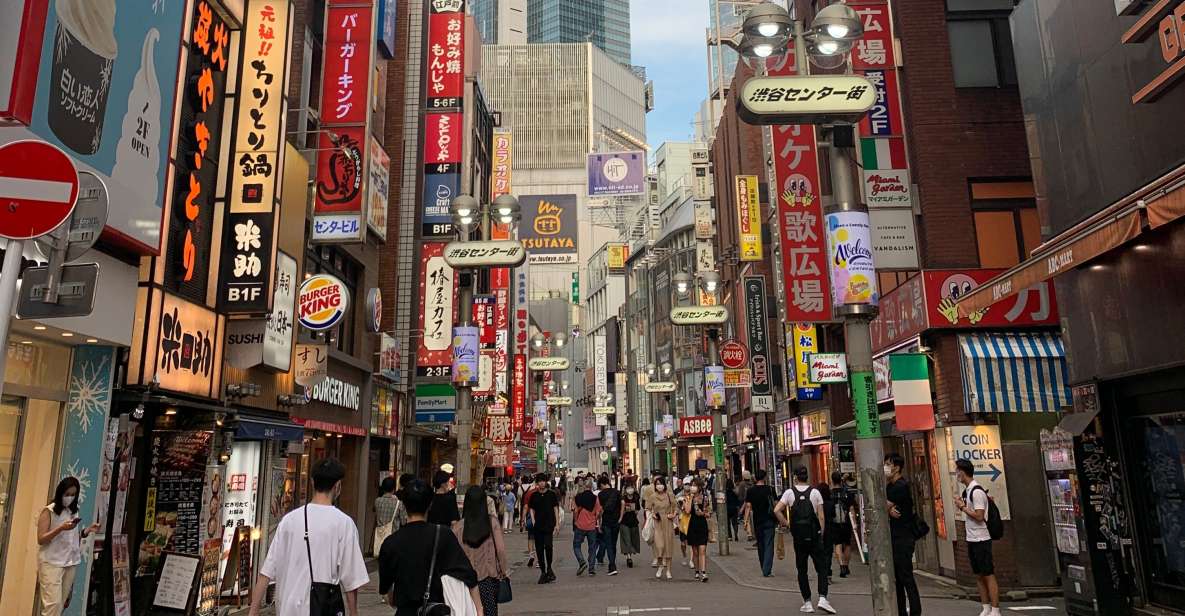
- Meet at SHIBU HACHI BOX by Hachiko: you start at the most recognizable Shibuya anchor point.
- Walk across the Shibuya Scramble: you experience it as pedestrians do, not from far away.
- Elevated viewing spot: you get an impressive overview of the scramble and surrounding streets.
- Pub and bar streets with local context: the guide explains what you’re looking at and why it’s there.
- Quieter lanes after the rush: the tour intentionally cools down the tempo so you see a fuller picture.
- English-speaking guide in a small group: many groups report guides like Sakura, Hiroko, Izumi, and others making it personal.
Starting at Hachiko: Your Shibuya “Reset Button”
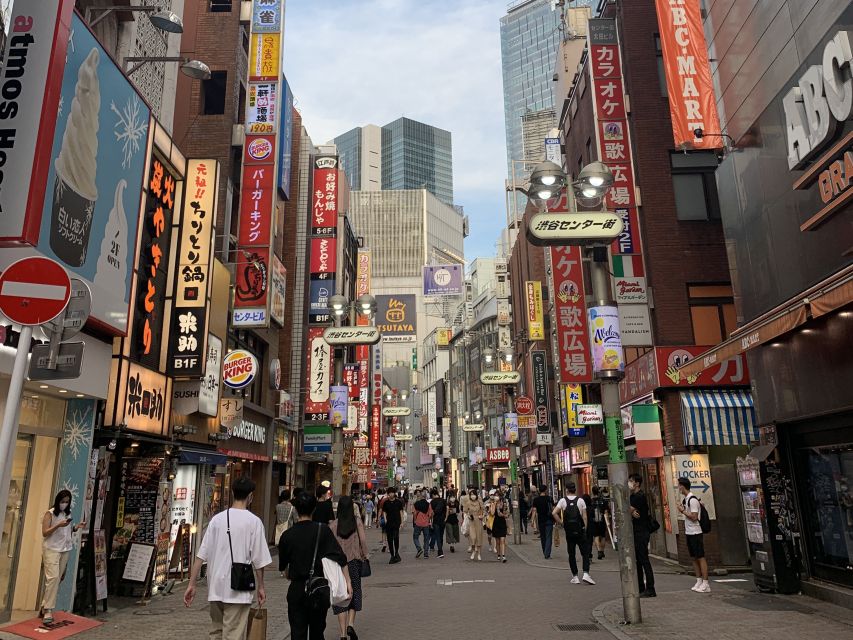
Most Tokyo neighborhoods are big, but Shibuya is different. It’s loud, layered, and easy to feel like you’re moving without direction. That’s why this tour’s start matters.
You meet at SHIBU HACHI BOX, located in front of the famous Hachiko statue. From JR Shibuya Station, you come out from the Hachiko exit, then head to the desk at SHIBU HACHI BOX and tell staff you’re joining the walking tour. The setup is simple, and it gives you an immediate landmark you can remember later when you’re exploring on your own.
There’s also a time reality to respect: the guide can only wait 5 minutes at the start point, and latecomers can’t join after the tour begins. If you tend to “arrive, look around, then figure it out,” set a stricter arrival goal for yourself. It’s a small group, and the tour moves.
If you want a personal, conversational vibe, this is a big part of it. Reviews highlight guides like Sakura, Hiroko, Izumi, Fumino, Hayato, and Roku (among others) using a friendly, chatty approach. That means you’re not only hearing facts. You’re getting situational advice that helps you walk with confidence through an area that can feel chaotic.
You can also read our reviews of more walking tours in Tokyo


The Shibuya Scramble Crossing: Famous, Yes, But Also Learned
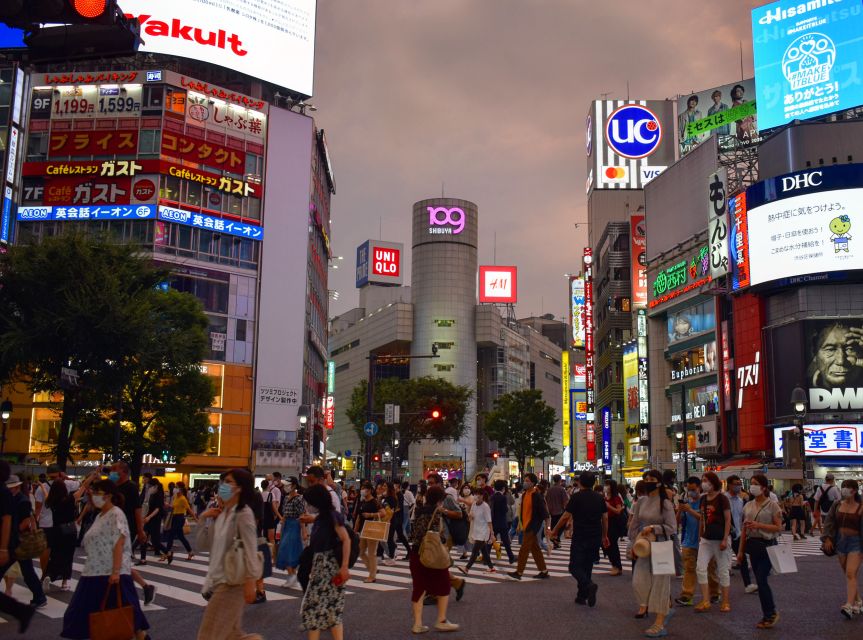
Then comes the main event: walking across the world-famous Shibuya crossing. Everyone has seen photos, but the experience of stepping into the scramble is what makes it real. The guide’s job is to help you do it calmly, stay oriented, and understand what’s happening around you.
What I like about this segment is the added context. The guide gives the area’s background story first, so the scramble doesn’t feel like a random grid of roads. Instead, it becomes a piece of Shibuya’s identity. That changes how you watch. You start noticing the flow of pedestrians, the rhythm of signals, and how the crossing works like a choreography.
There’s also practical value in how a local leads the moment. In a crowd, it’s easy to end up facing the wrong direction at the wrong time or getting separated from the group. Since you’re with a small team, the guide can keep you together without turning it into a bottleneck.
One more subtle point: some reviews mention the guide also notes places where it’s inappropriate to take pictures. That’s not “tour drama,” it’s just good street manners. It helps you avoid the awkward moment of being corrected while you’re trying to get a shot.
Elevated Views: When Shibuya Finally Makes Sense
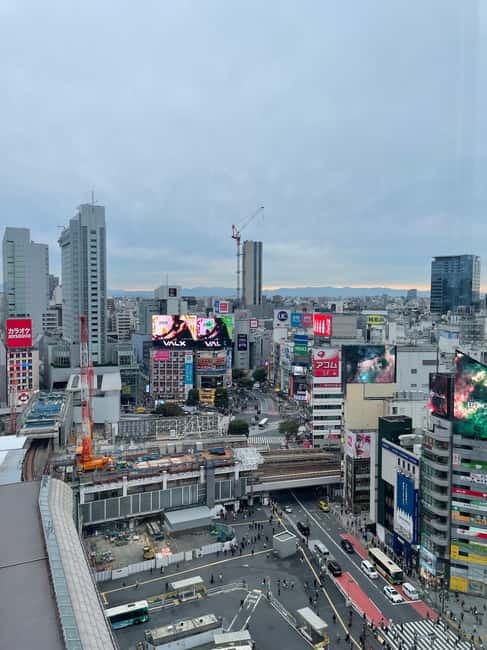
After you’ve crossed and felt the scale, the tour turns you toward perspective. One of the highlights is an impressive viewing spot where you can see the scramble and surrounding streets from above.
From the street, Shibuya can feel like an endless swirl of buildings, signs, and people. From an elevated angle, it becomes legible. You start connecting the blocks you just walked through, and the neighborhood stops being a blur.
This is where the tour earns its keep even for people who plan to visit Shibuya on their own. You can absolutely go see the crossing later. But you might not naturally find an angle that explains the layout and gives you the kind of overview that makes street-level navigation easier.
If you’re traveling with someone who gets overwhelmed fast (or you’re the one who does), this view moment is a breather. It’s also a great time to take photos without the scramble chaos swallowing your attention.
Walking by Shibuya’s Bars and Pub Streets Like a Local
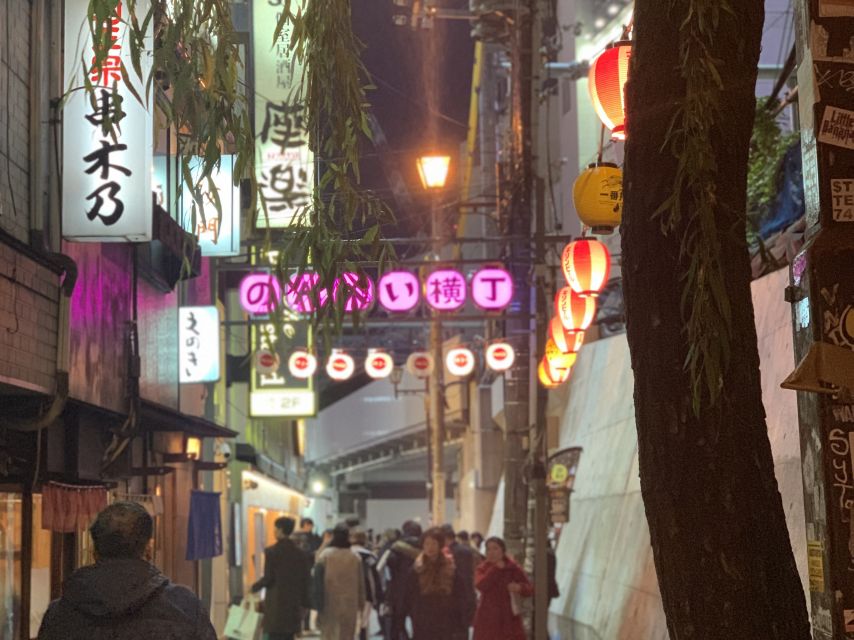
Shibuya’s nightlife reputation isn’t just marketing. The district has a dense network of small eateries, late-night spots, and the kind of streets where people wander because it’s convenient and fun.
This tour specifically includes time where you’ll walk by restaurants and bars, and you’ll hear why these areas work the way they do. You’re not just seeing storefronts. You’re learning the neighborhood pattern: where people go when they want a quick drink, where you’ll find different vibes, and how the streets change as you move away from the biggest crossroads.
A bonus from reviews: guides often add food and drink recommendations in the tour’s conversational rhythm. That means you leave with more than “go try ramen.” You tend to get targeted suggestions and context, which is what makes the recommendations useful when you’re actually hungry later.
Also, Shibuya at night and Shibuya during the day can feel like different worlds. One review notes a recommendation to do a tour around 4 pm in winter for lighting that looks phenomenal. Even if you’re not chasing a perfect golden-hour glow, that tip is a good reminder: timing changes how Shibuya feels.
Off the Main Rush: Quieter Streets and Local Shortcuts
After the busiest moments, the route moves away from the hustle and bustle. That shift is more important than it sounds.
Shibuya is designed to pull your attention outward. The main routes get all the focus. But once you’re guided into the calmer lanes, you start seeing the neighborhood texture: side streets, smaller storefronts, and walkable connections you’d be less likely to spot without a guide.
Some reviews mention rail station shortcuts, and you’ll also find that the tour is about orienting you for after. When you leave, you should feel like you can move through Shibuya without constantly checking signs or stopping every two minutes.
There’s also a “hidden” element in the honest sense: not secret treasure, just the stuff you’d normally miss if you only follow the obvious route. Reviews repeatedly point out that these are less populated spots and quiet corners that help you get a well-rounded feel for the area.
One caution: if you’re expecting an endless list of far-off landmarks, this tour isn’t trying to be that. It’s focused on Shibuya’s core experience plus smart variety within the district. In 90 minutes, that makes sense.



The Hidden-Details Touch: Picture Notes, Focus, and Real Tips
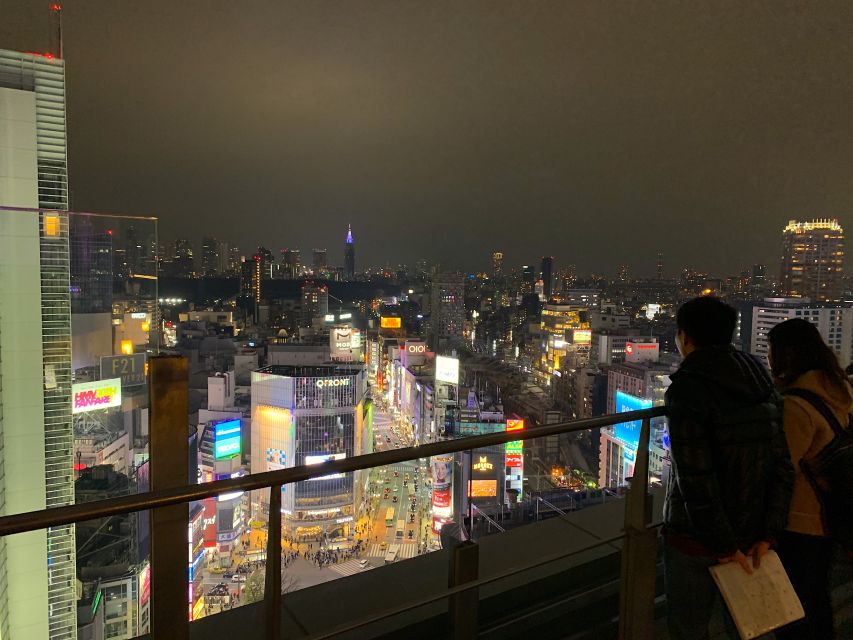
A walking tour can be either a quick slideshow or a real guide-led experience. Here, you get practical “how to look and where to go” help.
Several reviews mention a picture book with English text, plus a calm way of explaining what you’re seeing. That matters because Shibuya is visual. It can be hard to translate what you see in real time. A visual reference helps you remember details later.
Another repeated theme: guides will steer you away from potential photo mistakes and share recommendations for where to eat. That’s real value because it helps you plan the next part of your evening without wasting time wandering.
And because the group is small, the guide can adjust pacing. One review highlights a very personal setup when the group was tiny. Even when you’re not that lucky, the max of 6 participants keeps the experience from turning into a funnel behind a flag.
Price and Value: Why $19 Works Here
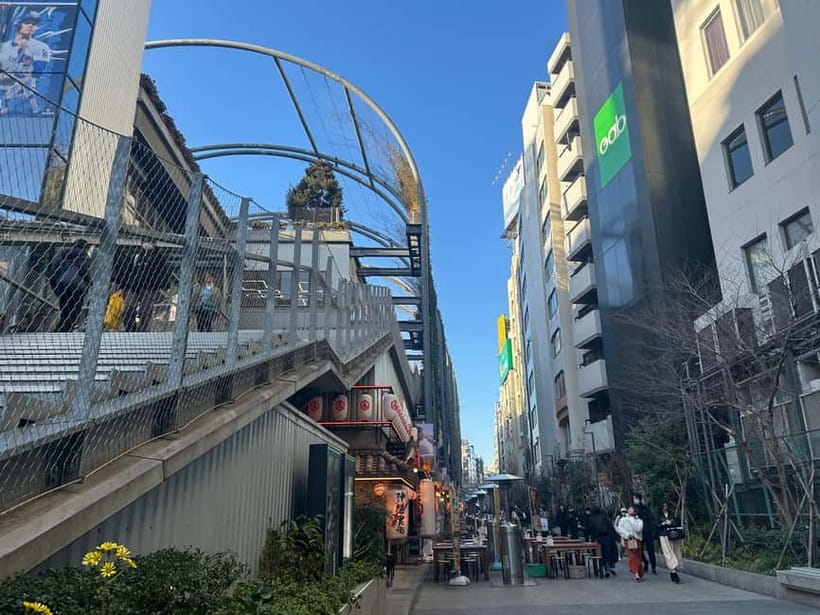
At $19 per person for 90 minutes, this tour is priced like an efficient local orientation. You’re not buying a meal or transportation. You’re buying time with a guide in one of the hardest neighborhoods to “self-navigate” emotionally.
Here’s why that can be good value:
- You get a guided walk to the most important nodes: Hachiko area, the scramble crossing, and an elevated viewing spot.
- You get local context about what you’re seeing, which improves how you interpret Shibuya as you move.
- You leave with food and activity suggestions that can reduce trial-and-error later.
The main reason price feels fair is also the tour length. Ninety minutes is long enough to create momentum, but short enough to fit into a first day or a quick afternoon plan. If you’re only in Tokyo briefly, this kind of orientation can save hours of “where do we go now” stress.
Rain or Shine: What to Wear and How to Prepare
The tour runs rain or shine, so bring what you need to keep moving comfortably. The advice is straightforward: bring an umbrella or raincoat when it rains.
Since it’s a walking tour, your clothing choice affects your mood more than you’d expect. Wear clothes you can move in, and shoes you won’t regret after a lot of steps. One family review even points out that the guide kept kids entertained, which suggests the pace and stop variety work even when people aren’t moving at a casual strolling speed.
If you’re prone to getting cold (or you’re traveling in shoulder season), plan for layers. Shibuya’s streets can be windy near larger roads, and rain turns surfaces slick.
Who This Tour Fits Best
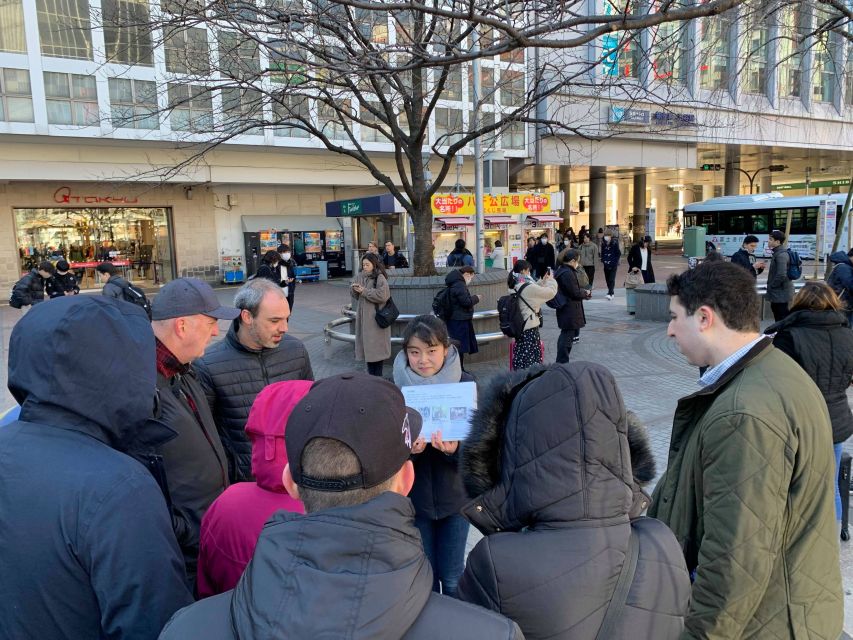
I think this works best if you fall into one of these categories:
- You’re doing Shibuya as your first major Tokyo neighborhood and want fast orientation.
- You want to experience the scramble and a view without spending time guessing where to stand.
- You like nightlife areas but want context, not just a list of places.
- You prefer small groups and conversation over crowded, rigid touring.
It also makes sense if you’re returning to Shibuya later. This tour helps you remember routes and landmarks, so your second visit feels smoother.
Should You Book This Shibuya Highlights Walking Tour?
If you want Shibuya to feel understandable by the time the tour ends, this is an easy yes. The combination of Hachiko meeting point, scramble crossing, elevated view, and time walking through pub and bar streets gives you both the headline moments and the neighborhood logic that helps you explore afterward.
Book it if you:
- like the idea of a small group (max 6) and an English-speaking guide
- want practical tips for what to do and where to eat after your walk
- don’t mind rain gear and comfortable walking shoes
Skip it if you:
- want a long, stop-heavy sightseeing day with lots of distant destinations
- hate walking in crowds no matter what (since Shibuya’s energy is part of the point)
If your goal is to turn Shibuya from overwhelming into navigable, this tour is one of the best ways to do it in a short window.
FAQ
Where do I meet for the Shibuya Highlights Walking Tour?
You meet at SHIBU HACHI BOX, in front of the Hachi statue. Come out from the Hachiko exit of JR Shibuya station, then tell the staff at the desk that you’re joining the tour.
How long is the tour?
The tour lasts 90 minutes.
How much does it cost?
It costs $19 per person.
Is the tour guided, and what language is used?
Yes, it includes a local guide, and the live guide is in English.
What’s included in the price?
The price includes the walking tour and a local guide.
Are food and drinks included?
No. Food and drinks are not included.
Will the tour run in the rain?
Yes, it’s rain or shine. Bring an umbrella or raincoat when it rains.
How big is the group?
The group is small, limited to 6 participants.
Is the tour wheelchair accessible?
Yes, it is listed as wheelchair accessible.
What is the cancellation policy?
Free cancellation is offered up to 24 hours in advance for a full refund.