REVIEW · TOKYO
Tokyo: Evening Tour – Temples, Neon Streets & Culture
Book on GetYourGuide →Operated by ShogunTours · Bookable on GetYourGuide
Tokyo looks different after dark.
This evening walking tour turns the usual Tokyo routine on its head, running after 4:00 PM when the heat eases, the streets glow, and the city feels more human. You’ll mix temples and neon neighborhoods with a local expert who can steer you toward the parts you care about most.
I especially like the combination of iconic stops and real street-level Tokyo. You’ll see Asakusa when the lanterns are lit, then hit Shibuya Crossing under billboards, before moving through Shinjuku’s nightlife stretch (Omoide Yokocho to Kabukicho) and finishing with Akihabara’s anime, gaming, and tech energy. A standout for me is that guides can adjust on the fly—Deen once customized three tour segments for a party member recovering from knee surgery, and Sofia tailored the pace to interests and abilities—so the night feels made for you, not a rigid checklist.
The main consideration: it’s still a walking tour using public transit, so comfortable shoes matter, and if you’re easily tired on your feet, you’ll want to tell the guide early so they can shape the route around your pace.
In This Review
- Key points to know before you go
- Why Tokyo at night feels easier than daytime
- Price and logistics: what $83 really buys you
- Getting from neighborhood to neighborhood without stress
- Stop 1: Asakusa after dark, where lantern light changes everything
- Shibuya Crossing under billboards and city light
- Shinjuku nightlife, from Omoide Yokocho to Kabukicho
- Akihabara after dark for anime, gaming, and tech culture
- Photos, cameras, and how to get better shots without fuss
- The people factor: why the guide changes the whole experience
- Who should book this evening tour (and who might prefer something else)
- Should you book this Tokyo evening walking tour?
- FAQ
- How long is the Tokyo evening tour?
- When does the tour start?
- What neighborhoods and sights does the tour include?
- What languages are offered?
- Is the tour walking only?
- What’s included in the price?
- Are entrance tickets included?
- What about public transportation fees?
- Is it wheelchair accessible?
- What is the cancellation policy?
- Is reserve and pay later available?
Key points to know before you go
- After-4:00 PM timing means cooler walking and a Tokyo vibe that feels closer to the movies
- Asakusa at night gives you a calmer, lantern-lit view of the city’s older sacred sites
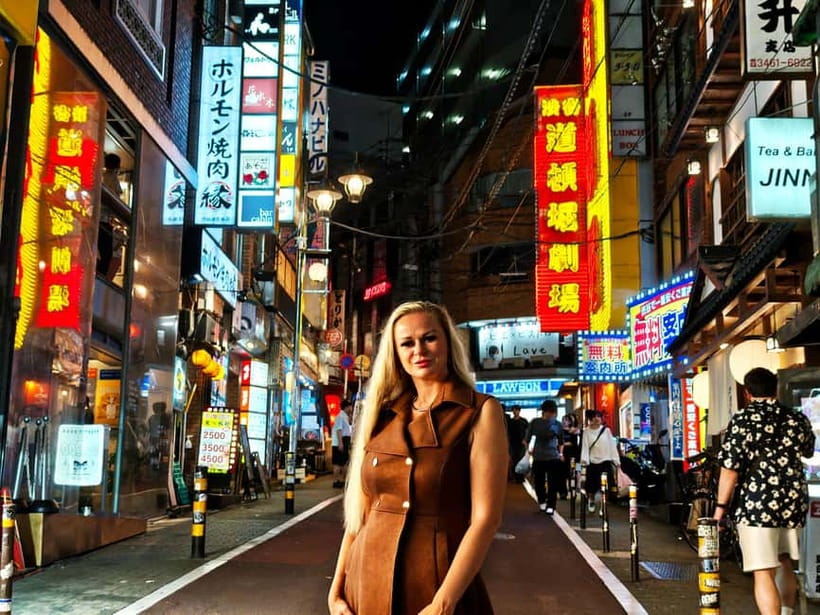
- Shibuya Crossing photos look better under neon and signage than they do in harsh daytime light
- Shinjuku street-hopping helps you navigate the maze from Omoide Yokocho through Kabukicho
- Akihabara after dark is a strong match for anime, gaming, and tech culture fans
- Private-group flexibility lets your guide shift route and pace based on your interests and energy
Why Tokyo at night feels easier than daytime
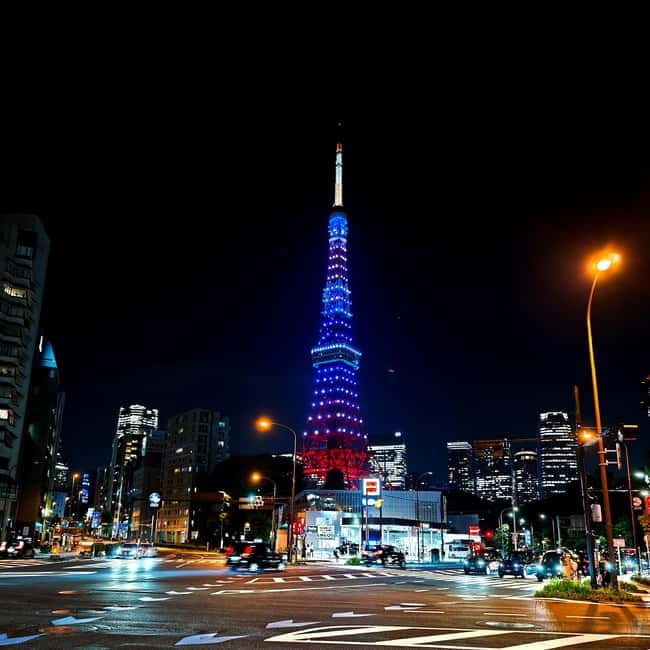
Daytime in Tokyo can feel like a full-contact sport: crowds, sun, and the constant pressure to keep moving. An evening tour fixes that by starting anytime after 4:00 PM, when temperatures cool and the city’s rhythm changes.
That shift matters for two reasons. First, you can actually slow down enough to look—at temple lanterns, storefront signs, and the small details on side streets. Second, the lighting turns your camera into a better tool. Neon and temple glow are just more flattering after sunset.
And since this is a walking tour, you’ll experience the transition from late afternoon to night in a way that bus tours rarely manage. You watch neighborhoods shift as the lights come on and the street life ramps up.
You can also read our reviews of more evening experiences in Tokyo

Price and logistics: what $83 really buys you
$83 for a 3-hour private walking tour is a fair price when you think about what’s included and what you’re not paying for separately. You’re getting a local guide, a route built around multiple neighborhoods, and help using Tokyo’s public transit like a regular commuter.
You’re also getting flexibility. Your guide can adjust the itinerary for your pace and interests, which is exactly where value shows up in Tokyo. If you care more about street food vibes or photo backdrops, you can ask for a direction, not just follow a fixed script.
What you should mentally budget for: public transportation fees and any entrance tickets you choose to pay for yourself. Meals and snacks aren’t included either. So the total cost depends on how you handle those stops after the tour finishes.
Getting from neighborhood to neighborhood without stress
This tour is designed for walking plus public transit, the same practical combo locals use. That matters because Tokyo distances can look short on a map but feel long on foot—especially when you add nighttime crowds.
The good news is that the guide handles the in-between parts. You won’t be left guessing how to get from Asakusa to the Shibuya area or from Shinjuku over toward Akihabara. The total distance can vary based on your pace and preferences, and your guide can reshape the plan accordingly.
Pickup is also flexible. Hotel or location pickup can be optional and on foot (with an add-on option), and the tour is wheelchair accessible. If you have mobility needs, tell the guide early—both Deen and Sofia were specifically praised for tailoring the tour to a traveler’s abilities.
Stop 1: Asakusa after dark, where lantern light changes everything
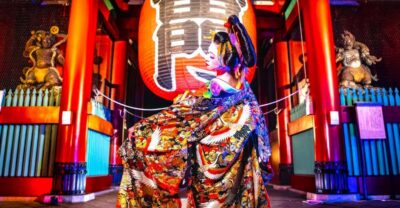
Asakusa is one of the best places to start because it’s all about atmosphere once the day crowds thin. You’ll visit the area tied to Tokyo’s oldest temple experience, and you’ll see it with lanterns lit and a calmer pace.
At night, the visuals shift quickly. The dark background makes lamp glow stand out, and the temple area feels less like a checklist stop and more like a moment. It’s also a nice contrast after a busy day in the city, because the mood is quieter and more grounded.
Photo-wise, this is where you’ll get good results fast. Bring your camera, but don’t forget your charged smartphone too—your guide may take photos during the walk if that service is available. Even if you’re not a photography person, you’ll appreciate having a few solid shots without having to time every frame yourself.
Shibuya Crossing under billboards and city light
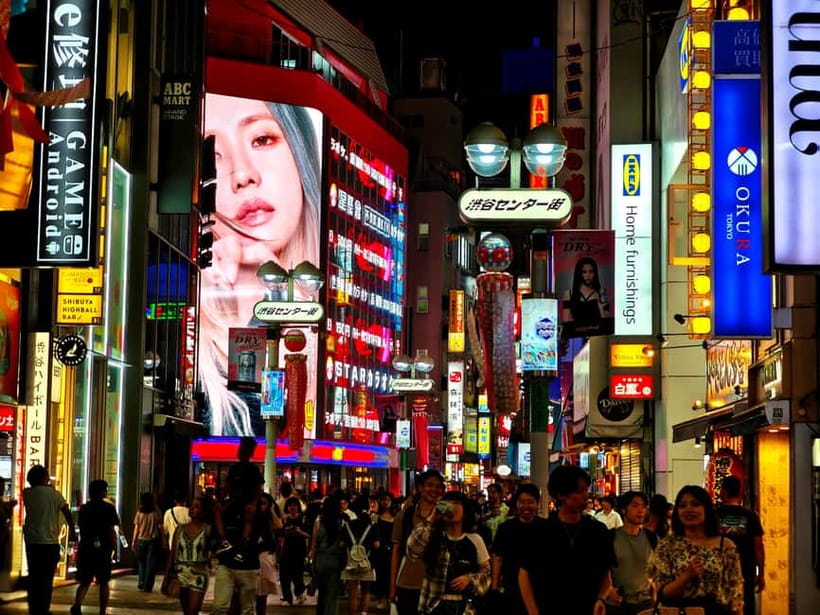
Next comes Shibuya Crossing, one of the most famous pedestrian crossings on the planet. At night, it’s a different experience. The billboards and signage light up the crosswalk, and the intersection looks more dramatic than it does in daylight.
This stop is great for people who like energy but also want context. Your guide can help you understand the flow—where pedestrians surge, how to position yourself for photos, and how to keep moving without getting trapped in the crowd.
A small reality check: Shibuya can still be busy at night, even if evening timing helps. If you hate standing still, you’ll want to tell the guide you prefer moving photo stops rather than long pauses. This is one of those places where a flexible guide makes a big difference.

Shinjuku nightlife, from Omoide Yokocho to Kabukicho
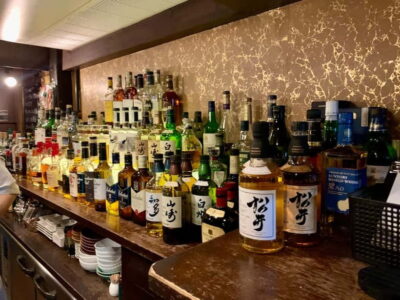
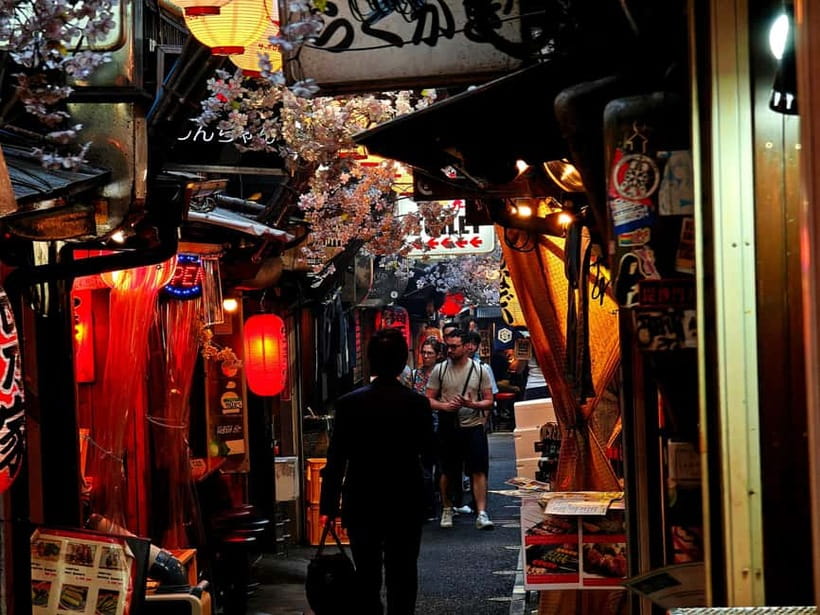
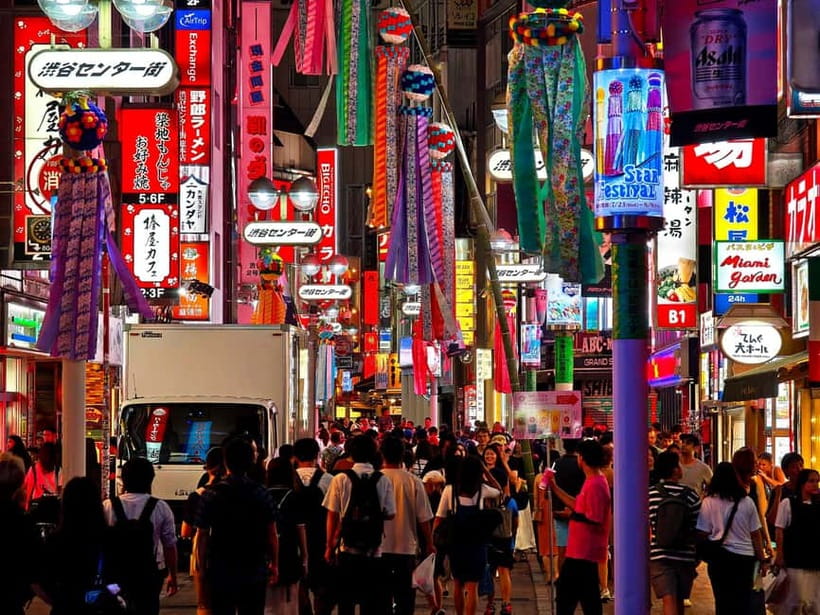
Shinjuku is where Tokyo’s night personality gets louder. You’ll spend time in the nightlife district with sights linked to izakayas, game arcades, karaoke bars, and glowing signs. The tour specifically includes the route range from Omoide Yokocho to Kabukicho.
Omoide Yokocho is especially memorable because it’s a maze-like alley vibe. Small lanes, dense signage, and the feeling that life is happening right next to you. Kabukicho then shifts the mood into something more neon-forward and showy.
This part of the tour is also about navigation. Without a guide, it’s easy to wander randomly and miss the right side streets for your interests. With a guide, you get a plan that keeps the night fun instead of exhausting.
One drawback to plan around: Shinjuku can feel noisy and visually intense. If you’re sensitive to loud crowds or flashing lights, you’ll still be fine—you just want to communicate your comfort level so the route can match your pace.
Akihabara after dark for anime, gaming, and tech culture
Akihabara at night is the late-game power-up for this itinerary. This is where you’ll see the area’s anime, gaming, and tech culture light up the streets and shopfronts.
If you’re a fan, this stop is easy to love because it’s not just about seeing things—it’s about recognizing the culture. Game arcades, character-driven stores, and the general hum of electronics-focused browsing fit perfectly with an after-dark schedule.
Even if you’re not a hardcore fan, it’s still worth it. The night makes everything look more intentional: signage pops, store displays stand out, and you get a strong sense of what Tokyo’s tech subculture looks like when the lights are doing their job.
Shopping can also happen here, but don’t force it. The tour isn’t built like a mall run. It’s built like a street tour, with time for you to wander inside the vibe. If you want help finding gifts, that’s another place where a good guide helps—Sofia was praised for a sharp eye for gifts travelers could bring home.
Photos, cameras, and how to get better shots without fuss
This tour includes photos taken by your guide if that service is available, and there may also be a professional photographer if available. That’s useful because evening photos often fail for simple reasons: you’re walking, it’s dark, and you only have a few seconds to set up.
Here’s how to set yourself up for success with what you’re told to bring:
- Wear comfortable clothes and comfortable shoes so you don’t rush your own photography
- Bring a camera if you use one, but also keep your smartphone ready with enough battery
- Keep your settings simple. The tour lighting does the heavy lifting for you after sunset
Also, don’t underestimate the value of having someone else track the best spots. A good guide will know when to stop, when to move, and where light conditions will help your pictures look more like Tokyo posters and less like smartphone blur.
The people factor: why the guide changes the whole experience
One of the most praised parts of this tour is the way guides tailor the experience. Deen earned special mention for customizing three tour segments on the fly for someone recovering from knee surgery. Sofia got strong praise for tailoring to interests and abilities and for being kind and sharp-eyed when it came to finding practical gifts.
That tells you something important: this isn’t just a route with “temple, crossing, nightlife, repeat.” It’s a guided walk where the pace and emphasis can shift.
In practice, that means you can say things like:
- I want more time for photos
- I’d rather avoid the loudest sections
- I’m interested in the culture behind the signs
- I need shorter stops and more movement between scenes
Because it’s a private group, your guide isn’t juggling a crowd of unrelated energy levels. You’ll feel the difference quickly.
Who should book this evening tour (and who might prefer something else)
This is a strong fit if you want Tokyo’s after-dark transformation without spending your entire trip planning subway hops and photo stops. It’s also ideal if you like a mix of old and new—temple calm followed by neon streets and street-level nightlife.
It’s especially good if you:
- Like photography and want better lighting
- Want to avoid the daytime heat and heavy crowds
- Enjoy walking with occasional transit breaks
- Prefer a guide who can tailor route and pace
It might be less ideal if you:
- Have very limited walking tolerance and don’t want to manage a walking-heavy plan (even with tailoring, it is still a walking tour)
- Expect a sit-down food tour with lots of included meals (meals aren’t included)
- Want guaranteed entrance-ticket coverage for everything (entrance tickets aren’t included)
Should you book this Tokyo evening walking tour?
If you’re heading to Tokyo and want the city’s night personality with minimal stress, I’d lean yes. The timing after 4:00 PM helps a lot, the route covers four major Tokyo zones—Asakusa, Shibuya, Shinjuku, and Akihabara—and the guide flexibility is a real quality marker.
Book this tour if you like seeing Tokyo as a place you can walk through, not just a place you speed past. Communicate your pace and interests upfront, wear comfortable shoes, and treat the night like your own Tokyo soundtrack.
FAQ
How long is the Tokyo evening tour?
The tour duration is listed as 3 hours, and it can run until 11PM latest. Typical tours are noted as lasting 3–4 hours.
When does the tour start?
You can start anytime after 4:00 PM. Exact meeting time and location are confirmed after booking.
What neighborhoods and sights does the tour include?
The tour covers Asakusa (temple area with lanterns lit), Shibuya Crossing, Shinjuku nightlife (including Omoide Yokocho to Kabukicho), and Akihabara after dark.
What languages are offered?
The tour guide speaks English and Spanish. Italian is also available.
Is the tour walking only?
It’s a walking tour that uses Tokyo’s public transit system to move between neighborhoods. Hotel or location pickup on foot is optional as an add-on.
What’s included in the price?
Included items can include hotel or location pickup (on foot, optional add-on), photos taken by your guide if available, flexible itinerary planning with local expert support, and a professional photographer if available. Children under 12 join for free (please include them in booking).
Are entrance tickets included?
Entrance tickets are not included if you need them for yourself.
What about public transportation fees?
Public transportation fees are not included. The tour uses public transit, but you’ll cover those costs yourself.
Is it wheelchair accessible?
Yes, the tour is listed as wheelchair accessible.
What is the cancellation policy?
Free cancellation is available up to 24 hours in advance for a full refund.
Is reserve and pay later available?
Yes. You can reserve now and pay later, with no payment required today (as described).