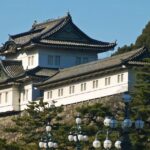
REVIEW · TOKYO
Tokyo City Private Tour with English-Speaking Guide
Book on GetYourGuide →Operated by IV Tokyo Travel Japan · Bookable on GetYourGuide
Tokyo can feel like a lot.
This private, 9-hour plan keeps it manageable by moving you from one must-see to the next without the stress of queues or hunting for trains. I like the calm, no-rush pace paired with real stops that actually show how Tokyo works, from temple streets to skyline views. One caution: the quality of the English and how tightly the guide runs the schedule can vary, so it’s smart to communicate what you care about before you go.
You’ll get hotel pickup and an air-conditioned van, plus a route that mixes big names with more everyday Tokyo moments like shopping streets and market alleys. I also like that the itinerary includes built-in photo time and sightseeing blocks long enough to feel like you’re looking, not just passing through. The possible drawback is simple: with so many stops packed into a single day, you’ll want comfortable shoes and a flexible attitude if crowds or timing shift.
In This Review
- Key things you’ll notice right away
- Entering Tokyo on your own schedule
- The day at a glance: 9 hours of big Tokyo names
- Meiji Shrine and Sensō-ji: old Tokyo, different moods
- Skytree Town: skyline views with flexible time
- Tsukiji Outer Market: lunch time done right
- Imperial Palace area: a calm pause in the middle
- Takeshita Street to Shibuya Crossing: youth streets and a city moment
- Tokyo Tower: the photo stop that can make or break the ending
- Guide quality, English clarity, and schedule reality
- Price and value: what you’re really paying for
- Practical tips that keep this tour enjoyable
- Who this Tokyo private tour suits best
- Should you book this Tokyo city private tour?
- FAQ
- How long is the Tokyo City Private Tour?
- What is the group size and price?
- Do I get hotel pickup?
- Is the tour private?
- Which attractions are included in the main itinerary?
- Are entrance fees included?
- Is lunch included?
- What languages are offered?
- Is the tour wheelchair accessible?
- What should I bring, and are there bag limits?
Key things you’ll notice right away
- Private van comfort: air-conditioned transport that keeps long walks optional, not forced
- Hotel pickup in central Tokyo: fewer logistics headaches on your first hours in the city
- Real market time plus lunch: Tsukiji Outer Market is scheduled with time to eat and browse
- Iconic contrasts: quiet Meiji Shrine and Sensō-ji, then Shibuya Crossing and Tokyo Tower
- Guide-led flexibility: some guides will adjust around what you want to see most
Entering Tokyo on your own schedule
A private Tokyo tour stands or falls on one thing: pace. This one is built to reduce friction. Instead of weaving through stations, you’re in an air-conditioned van with a driver, and you’re dropped near each stop so you can focus on what you came for.
That matters in Tokyo, where a single “quick walk” can turn into a long detour if you misread the crowd flow. Here, the route is pre-set into sightseeing blocks, so your day has a shape: shrine and temple morning, market and palace midday, then neighborhood streets and skyline photos later.
There’s also a practical bonus for first-timers and repeat visitors alike: the mix is intentionally broad. You’ll touch the ceremonial side of Tokyo, the food side, and the modern city-side, all in one day. If you’re here for a short trip, this is the kind of plan that helps you get your bearings fast.
You can also read our reviews of more guided tours in Tokyo
The day at a glance: 9 hours of big Tokyo names
This is a full-day loop with multiple stops, roughly one hour each at most locations, plus driving time and a set photo window at the end. Expect a schedule that feels like a highlights tour, not a slow wander.
Here’s the flow:
- Meiji Shrine
- Sensō-ji Temple
- Tokyo Skytree Town
- Tsukiji Outer Market with lunch time
- Tokyo Imperial Palace
- Takeshita Street
- Shibuya Crossing
- Tokyo Tower (photo stop plus an additional visit)
That ordering is smart. Early on, you start with more calm, spacious areas. Then you shift toward the busier zones later, when you’ll already have the day rhythm down.
If you’re the type who gets tired fast in crowds, this schedule can still work, as long as you use the hour blocks well. Spend extra time where you care, and treat the other stops as “see it, photograph it, move on.”
Meiji Shrine and Sensō-ji: old Tokyo, different moods
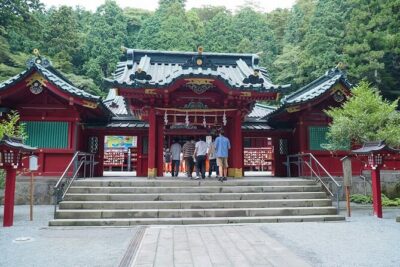
Meiji Shrine is where Tokyo first shows its quieter side. You’ll spend about an hour there, and the value isn’t just the buildings. It’s the contrast: a peaceful, tree-lined feel after the noise of the city. This stop is ideal if you want a reset before the day turns into markets and big intersections.
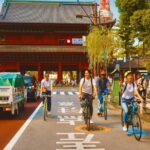
From there, you head to Sensō-ji Temple, which brings a completely different energy. This is the classic temple area with more movement and more street life around it. Plan to take your time at the approach paths and shop lanes, because that’s part of the experience, not an add-on.
One practical tip: Tokyo’s weather changes how these stops feel. If it’s hot, you’ll be glad the day includes breaks in air-conditioned vehicle time between locations. If it’s raining, your priority should be keeping your shoe grip and your bag situation simple.
Skytree Town: skyline views with flexible time
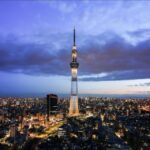
Next comes Tokyo Skytree Town, scheduled for about an hour. Even if you don’t chase every viewpoint option, the surrounding area gives you that modern Tokyo feel: tall structures, shopping space, and a city you can read from multiple angles.
Why this stop fits well in the route: it’s a change of scenery before you go back into food and neighborhood browsing. It also sets you up visually for the later skyline moments, including Tokyo Tower.
If you’re trying to maximize photos, use the time to scout your angles early. With only an hour here, you’ll want to decide quickly whether you’re doing views, shopping, or a mix.
Tsukiji Outer Market: lunch time done right
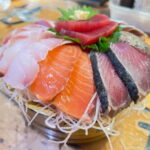
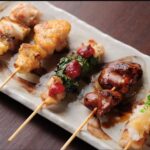
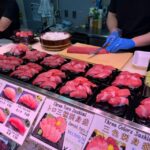
Tsukiji Outer Market is the food anchor of this day. You’ll have about an hour, including lunch time. This is one of the most appealing parts of the itinerary because it’s not just sightseeing. It’s food and atmosphere in a place known for quick bites and market energy.
The key value here is timing. You hit the market after the morning temples and before the afternoon streets. That keeps the meal from becoming an afterthought, and it helps you avoid turning your day into a snack marathon.
A balanced note: lunch is scheduled as part of your day, but you may still need to budget for whatever you choose to order. The tour includes what’s set in the plan, while extra meals or drinks beyond that aren’t included.
If you go hungry, you’ll enjoy it more. With so many walking sections across the day, a satisfying lunch will pay off later at Takeshita Street and Shibuya.
You can also read our reviews of more city tours in Tokyo



Imperial Palace area: a calm pause in the middle
Tokyo Imperial Palace is next, with about an hour allocated. This stop adds a different Tokyo texture: a sense of ceremony and space that contrasts with the denser shopping and crossing zones later.
It’s also a good place to slow down mentally. After markets and major temple streets, a more formal landmark helps you absorb the day’s variety. And because the palace stop is slotted mid-route, it acts like a reset before the afternoon’s teen-fashion lanes and city-traffic spectacle.
If you prefer structure over wandering, this is your stop. If you prefer street-level detail, use the time to focus on what’s directly in front of you rather than trying to cover everything.
Takeshita Street to Shibuya Crossing: youth streets and a city moment
Takeshita Street is one of those places that feels unmistakably Tokyo. You’ll have about an hour there, which is enough to browse, people-watch, and take photos without feeling rushed through storefronts.
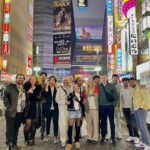
Then comes Shibuya Crossing, with another hour. This is the modern icon stop. Shibuya is less about learning facts and more about experiencing the flow: the signals, the movement, and how the intersection turns into a stage.
For this segment, manage expectations: crossing photos are great, but Shibuya is also crowded and fast. If you want standout photos, you’ll get more by positioning smartly rather than trying to see every single corner at once.
This is also where guide quality matters most. A strong guide helps you move efficiently between viewpoints and explains the practical “how to do this” part, so you’re not spinning in circles.
Tokyo Tower: the photo stop that can make or break the ending
Tokyo Tower comes near the end of the day, with a photo stop plus an additional visit block of about an hour. That structure is good because you’re not just snapping from the curb and leaving. You have time to linger depending on your energy level.
But here’s the consideration: when a day is packed tightly, an ending can feel rushed if the earlier stops ran long. If you care deeply about Tokyo Tower photos, it’s worth telling your guide early. Guides who stay on schedule make this ending feel like a reward, not a scramble.
From the guide-side experience you can read in customer feedback, the best days are the ones where the guide keeps communication clear and adjusts so the key items still get their time. If you want a specific skyline angle or a particular photo moment, say so at the start of the day.
Guide quality, English clarity, and schedule reality
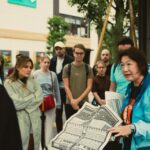
This is a private tour, so your guide has outsized impact. The positive feedback patterns are clear: some guides (for example MJ and Kaif) are described as going out of their way to make the day work, including waiting during lunch and shopping so you don’t lose your planned time. Other feedback highlights Sam as helpful, courteous, and informative, with drivers praised for strong English.
But there’s also a reality check. Some negative feedback points to situations like late start, English that was hard to understand, and a more limited sense of what to do at each stop. In those cases, the day can feel closer to transit between landmarks than a true guided experience.
So how do you protect yourself? Do this:
- Share your must-sees and your tolerance for crowds at pickup
- Ask how the guide will handle time if one stop runs long
- Be clear if you want more explanation versus more free time
With a private setup, you’re not trapped in a one-size-fits-all group pace. You can steer the day, as long as communication is solid.
Price and value: what you’re really paying for
The price is $613 per group up to 5 for a 9-hour day. That’s not “cheap,” but it can be fair value when you add up what’s included:
- hotel pickup and drop-off from central Tokyo meeting points
- air-conditioned private transportation
- admission to the featured attractions and landmarks
- a local English-speaking guide
- a detailed Tokyo city map and a personalized itinerary guide
- taxes and service fees
The real value depends on how you use the day. If you’re splitting among friends or family, your per-person cost drops meaningfully. And if you hate planning and want your time protected, you’re paying for reduced friction: you’re not coordinating transit, ticketing, or route decisions under pressure.
Also, the “included admission” piece matters. For many Tokyo sights, entrance fees and time spent buying tickets can add up fast if you self-plan.
The best way to think about it: this tour is for people who want a day of structure and convenience, not for those who love designing their own route from scratch.
Practical tips that keep this tour enjoyable
Before you go, pack for walking and quick turns. You’ll want comfortable shoes, since even “one hour” stops can involve several different paths and crowded areas.
You should also plan for the vehicle rules. The tour doesn’t allow luggage or large bags in the vehicle, and there’s no smoking or alcohol in the car. Keep your bag small and easy to manage. If you’re carrying shopping plans, be ready for a day where your hands get full late afternoon.
Bring the basics listed for the trip:
- a credit card
- cash
- passport or ID card (a copy is accepted)
- weather-appropriate clothing
If you have dietary restrictions or accessibility needs, notify in advance. The tour is designed to be flexible about pickup time and route, but that only works smoothly if you tell them what matters to you.
Who this Tokyo private tour suits best
This tour fits best if you:
- want a first-day or reset day with major Tokyo highlights
- don’t want to spend your limited time on transit math
- prefer guided structure while still having some photo and browsing time
- travel as a small group (up to five)
It’s also a good match for repeat visitors who want a clean, efficient route to confirm their favorites or squeeze in a few missing icons.
If you’re the kind of traveler who wants long, slow neighborhood wandering with tons of off-menu stops, you might feel the schedule is too tight. In that case, you’d likely do better with a more customized, slower pacing plan.
Should you book this Tokyo city private tour?
I’d book it if you want a controlled, comfortable day through the biggest icons, with a guide-led approach that can answer questions and steer you through the busy parts. The strongest versions of the tour sound like they protect your time, even around lunch and shopping, and keep the day moving without chaos.
I’d be cautious if your priority is deep, detailed cultural explanation at every stop, because guide and language quality can vary. If you’re flexible, communicate your must-sees up front, and keep your expectations aligned with a highlights-style day, you’ll likely get your money’s worth.
If your ideal Tokyo day is calm, efficient, and photo-friendly, this is a solid pick.
FAQ
How long is the Tokyo City Private Tour?
The tour duration is 9 hours.
What is the group size and price?
It’s priced at $613 per group up to 5 people.
Do I get hotel pickup?
Yes. Pickup is included, with the driver meeting you in the lobby of your hotel (from central Tokyo meeting points).
Is the tour private?
Yes, it is a private group tour.
Which attractions are included in the main itinerary?
The main itinerary includes Meiji Shrine, Sensō-ji Temple, Tokyo Skytree Town, Tsukiji Outer Market (with lunch time), Tokyo Imperial Palace, Takeshita Street, Shibuya Crossing, and Tokyo Tower.
Are entrance fees included?
Yes. Admission to all featured Tokyo attractions and landmarks in the main itinerary is included.
Is lunch included?
Lunch time is scheduled during the Tsukiji Outer Market stop, and additional meals or drinks beyond what’s provided are not included.
What languages are offered?
The tour includes an English-speaking local tour guide, and the driver language is listed as English and Hindi.
Is the tour wheelchair accessible?
Yes, the tour is wheelchair accessible.
What should I bring, and are there bag limits?
You should bring comfortable shoes and your ID (passport or ID card; a copy is accepted). Luggage or large bags are not allowed in the vehicle.