REVIEW · TOKYO
Join a Unique Cultural Ceremony at Tokyo’s Meiji Shrine
Book on GetYourGuide →Operated by Starboard.corp · Bookable on GetYourGuide
Meiji Shrine can swallow Tokyo noise in minutes, and this tour turns that calm into something you can actually feel. I especially like the forest-path start that helps you slow down, and the fact that you’re guided into the meaning of what you’re seeing rather than just standing at the edges. The ceremony highlight is the gokito prayer, a ritual most visitors never get access to, but do note there’s a lot of walking once you arrive.
A good guide makes this work. If you get an instructor like Alex (from earlier trips), you’ll get clear English, lots of context, and an easygoing vibe that makes the whole thing feel human. If you’re guided by someone like Kohei, you’ll notice how much the explanations tighten the experience, turning a scenic shrine visit into a cultural moment you can carry home.
In This Review
- Key things I’d circle before you book
- Meiji Shrine, but with the volume turned down
- The walk-in: from JR Yoyogi to the shrine paths
- Entering the ceremonial space: what the gokito looks like
- Etiquette and sensory details that help you pay attention
- How the guide turns a ceremony into understanding
- The walk-up ends with a real-life cultural pause
- Price and value: what $121 is buying you
- Logistics that will keep the day smooth
- Meeting point
- What to bring
- What not to do
- Walking level
- Who this tour fits best (and who should skip it)
- Should you book it?
- FAQ
- Where is the meeting point?
- How much does the tour cost?
- What’s included in the price?
- Do I need cash?
- Is audio recording allowed?
- Is the tour suitable for people with mobility issues?
- What is the cancellation policy?
Key things I’d circle before you book
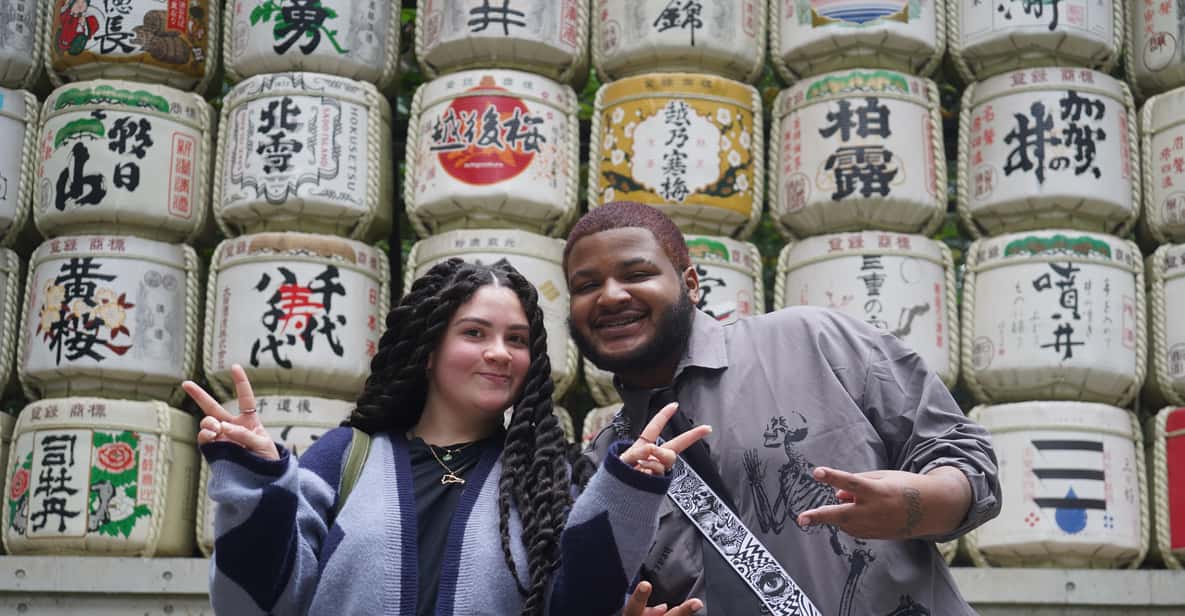
- Meiji Shrine forest walk that sets the tone fast, before you reach the main sacred spaces
- Gokito ceremony access: a traditional Shinto prayer with chanting and music
- Meaning over sightseeing: the guide helps you understand what to watch for (without forcing beliefs on you)
- Sensory focus: cypress scent, polished hall surfaces, and music (flutes and drums) you can hear clearly
- End-of-tour cultural touch: a Japanese snack moment appears in many experiences, sometimes with a shared recipe
Meiji Shrine, but with the volume turned down
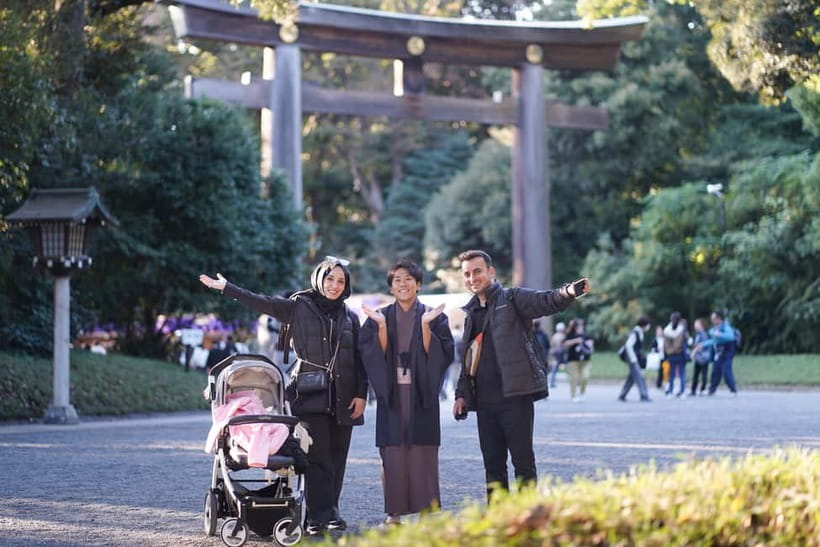
Meiji Shrine is famous for a reason. It’s one of Tokyo’s most iconic spiritual places, and it’s also one of the easiest ways to get away from the city’s constant motion without leaving the city. The big difference here is that you don’t treat it like a checklist stop. You walk in with a calm pace, you get context along the way, and then you land in a sacred hall for a ritual most people never witness.
For me, the value isn’t only that the site is beautiful. It’s that the tour sets you up to pay attention. You’re taught how to look, when to sit, and what the sound and pacing of the ceremony are doing. That makes it feel less like you’re observing something from a safe distance and more like you’re sharing the space respectfully.
You can also read our reviews of more tours and experiences in Tokyo.



The walk-in: from JR Yoyogi to the shrine paths
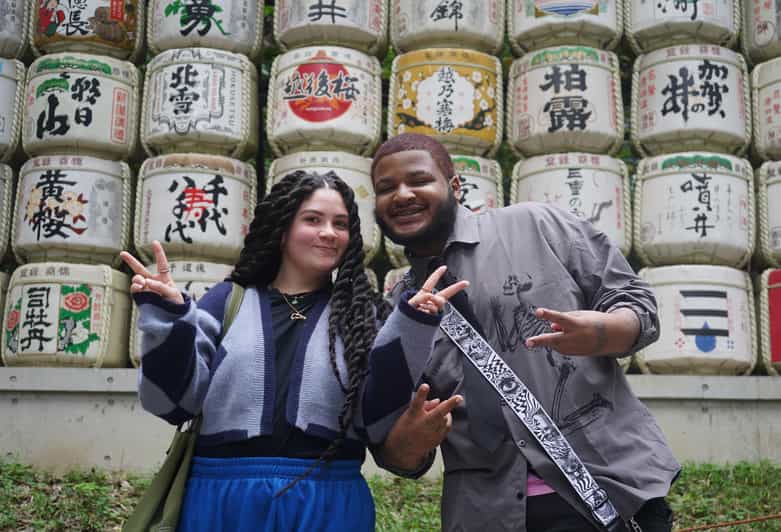
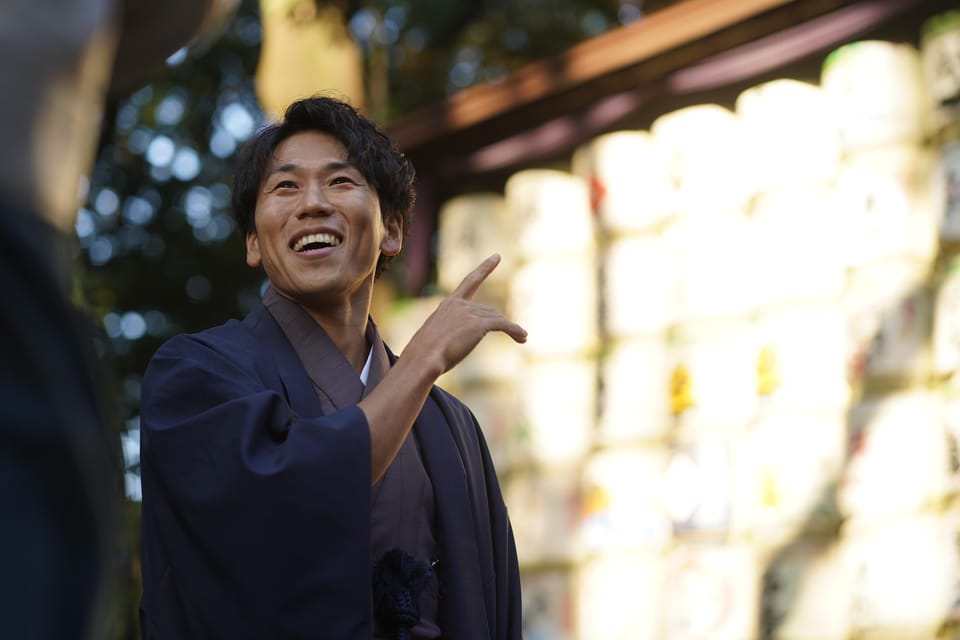
Your day starts at JR Yoyogi Station. Come to the WEST gate and find the map on the left side when you walk outside. You’ll spot the Legit Japan staff waiting in a Japanese-style outfit, easy to recognize.
Why I like the walking start so much: it’s not wasted time. You move through quiet forest paths first, and your brain adjusts to a slower rhythm. The shrine grounds are known for their nature atmosphere, and you’ll notice how the soundscape changes as you go deeper. Instead of arriving already “framed” by photos, you’re arriving by walking—more senses online, less autopilot.
One practical note: the tour is not ideal if walking is hard for you. The information notes a lot of walking is involved, and while wheelchair and pram options exist, this is still a day where comfort depends on your mobility. Also, the experience is listed as not suitable for someone with a cold, so plan around how you’re feeling.
Entering the ceremonial space: what the gokito looks like
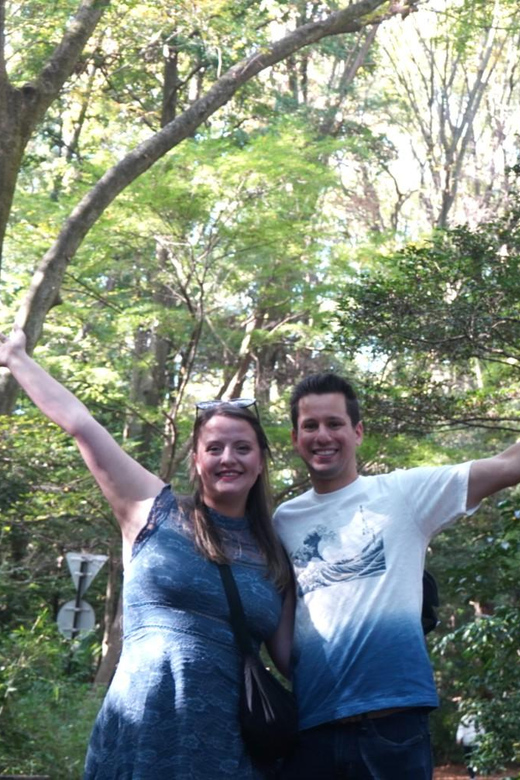
The main moment is witnessing a traditional Shinto prayer ceremony often referred to as gokito. This is the part that really changes the trip. You step into a wooden hall with high ceilings and a polished floor, and the setting is unmistakably intentional—more like a living ritual space than a museum room.
What you’ll experience during the ceremony:
- Priests in traditional robes performing the prayers
- Chants that fill the hall with a steady rhythm
- Music elements including flutes and drums echoing through the space
Here’s the helpful part: you do not need to understand every word to get it. The guide helps you understand what’s happening and why it matters. After that, the point is to sit and listen. Some people find it calming; some feel chills. Either way, you’re tuned into something quietly powerful—less performance for outsiders, more ceremony for the space.
This is also where the guide’s role matters most. The best effect comes from having context before you’re inside. When you know what the ritual is for, you don’t just react to the sound. You start noticing the flow—how long sections last, how the music supports the prayer, and how the hall’s atmosphere changes your attention.
Etiquette and sensory details that help you pay attention
A big reason this type of tour works is that it teaches you how to behave in a sacred setting without turning it into a lecture. You’re walking through a shrine environment that has rules of respect built in. The guide helps you move through that space smoothly and at an appropriate pace.
You’ll likely want to bring yourself back to basics with comfort and focus:
- Wear comfortable shoes. The grounds require steady walking.
- Bring drinks, since you’ll be out for a while and staying hydrated helps you enjoy the day.
- Use cash for anything you choose to offer in the offering box or buy from goods stalls.
Also, there are rules around recording: audio recording is not allowed. That matters because sound is part of the experience. Even if you’re tempted to capture it, you’ll want to follow the tour guidance and keep it audio-free.
Sensory details are part of the payoff. People often notice the scent of cypress inside the hall and the way music travels in enclosed wood spaces. The tour framing makes those details feel connected, not random. You’re not just smelling trees—you’re inside a ritual environment designed to focus attention.
How the guide turns a ceremony into understanding
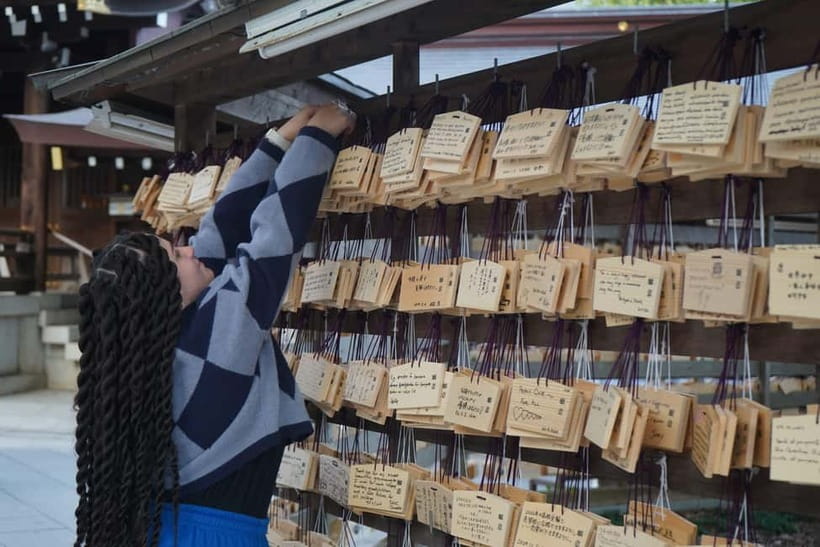
The tour description emphasizes an English-fluent guide with official Meiji Jinguu membership ties. In plain terms, it means you’re not relying on generic shrine explanations. You get someone who can connect what you’re seeing with Japanese cultural sensibilities.
In earlier experiences, guides shared more than facts. For example, Alex stood out for engaging English, helpful slides, and a friendly approach that made it easy to ask questions. Kohei was praised for thoughtful guidance that added depth to each moment—especially the ceremony itself.
This is the difference between sightseeing and a guided cultural moment. When you arrive already “briefed,” the ritual makes more sense in real time. And that helps with a common problem at temples and shrines: you end up watching, but you don’t know what you’re watching. Here, you’ll know what to look for and why.
You might also notice a practical team touch: one experience highlights that a photographer captured beautiful moments. That kind of support can help if you want images without losing the calm of the ceremony.



The walk-up ends with a real-life cultural pause
Many people love the ceremony and forget the rest of the day. I wouldn’t. The quieter stretches—forest paths, atmosphere, pauses—are what make the ritual hit harder. When you’ve been moving through calm spaces, stepping into a hall feels less like a sudden change and more like a natural continuation.
At the end, there’s typically a small Japanese snack moment described in experiences, sometimes with a guide sharing a recipe. I like these small food stops because they’re low-pressure and cultural, not a hard sell. It gives you a chance to sit, reset, and talk through what you felt and what you learned.
Just be ready for the reality of offerings and goods. The tour notes that coins for the offering box and goods are not included. So if you plan to participate in offerings or buy souvenirs, bring cash and treat it like part of your cultural participation, not an afterthought.
Price and value: what $121 is buying you
At $121 per person, this isn’t a budget shrine stroll. But it can be good value if you care about cultural access and context.
Here’s what you’re paying for, based on what’s included:
- All fees and taxes
- The fee to experience the traditional Japanese praying ritual
That last line is the key. Most visitors can see Meiji Shrine, walk the grounds, take pictures, and maybe observe public areas. What’s harder is gaining access to the ritual experience in a way that’s respectful, guided, and timed for the ceremony. In this tour, the ceremony access is the product.
And you’re not just buying entry. You’re buying framing:
- A guide who explains what’s happening
- A slower pacing through nature and sacred space
- A structured experience that helps you participate through attention and etiquette
If you already know you want more than photos—if you want to understand what the ritual is doing and why the setting matters—then the price starts to make sense. If you’re only after the main shrine view, a self-paced walk might be cheaper. But it won’t give you the same ceremony access and context.
Logistics that will keep the day smooth
Let’s keep this practical so you’re not scrambling.
Meeting point
- JR Yoyogi Station (WEST gate)
- Look for the map on the left outside
- Legit Japan staff are waiting there
What to bring
- Comfortable shoes
- Drinks
- Cash (especially for offering coins and any goods)
What not to do
- No intoxication, no alcohol, no drugs
- No audio recording
Walking level
Meiji Shrine involves plenty of walking. If you have trouble with mobility, plan carefully. Wheelchair and pram availability is noted, but you should still think about how the day will feel for you.
Who this tour fits best (and who should skip it)
This is a strong fit if:
- You’re a first- or second-time visitor to Meiji Shrine and you want something calmer and more meaningful than a quick walk
- You like thoughtful moments and want a cultural experience that doesn’t feel like forced entertainment
- You enjoy listening to explanations in English and want help understanding Japanese sensibilities through real settings
It may be a poor fit if:
- You have limited mobility and the walking requirement could drain you
- You’re sick—this is not suited for people with a cold
- You’re expecting a party atmosphere. This is quiet. You’re meant to sit, listen, and respect the space.
If you’re traveling with kids, this could still work, but it will depend on how patient your group is during the ceremony portion.
Should you book it?
I’d book this if you want your Meiji Shrine visit to feel like more than a scenic stop. The gokito ceremony access is the headline, but the real win is the combo: quiet forest approach, a guided setup that tells you what you’re watching, and a sacred hall moment where sound and atmosphere do the talking.
If you’re unsure, use this simple rule: if you enjoy learning how to notice—not just looking at places—this tour is worth your time and money.
FAQ
Where is the meeting point?
Meet at JR Yoyogi Station. Come outside the WEST gate and look for the map on the left. Legit Japan staff will be waiting there.
How much does the tour cost?
The price is $121 per person.
What’s included in the price?
The price includes all fees and taxes and the fee to experience the traditional Japanese praying ritual.
Do I need cash?
Yes. Coins for the offering box and goods for sale are not included, so bring cash if you plan to make an offering or buy items.
Is audio recording allowed?
No. Audio recording is not allowed during the experience.
Is the tour suitable for people with mobility issues?
Meiji Shrine involves a lot of walking. The information notes wheelchair and pram availability, but the amount of walking may still be difficult for some people.
What is the cancellation policy?
You can cancel up to 24 hours in advance for a full refund.