REVIEW · NIKKO
World Heritage Nikko Walking Tour Toshogu and Kanmangafuchi
Book on Viator →Operated by JTB Global Marketing & Travel Inc. · Bookable on Viator
Nikko’s sacred sights are packed into one walk. This 4.5-hour, small-group tour takes you through Nikko Toshogu Shrine and the eerie Kanmangafuchi Abyss, plus a lunch stop and audio explanations along the way. You’ll see why Nikko matters for Japan’s mountain worship, not just sightseeing photos.
I like two things most. First, you get a licensed English-speaking guide to connect the carvings, symbols, and shrine history into something you can actually understand while you’re standing there. Second, the tour keeps things efficient: admissions, transportation costs, and an audio guide are handled, so you spend your energy walking and looking instead of figuring it out.
One consideration: you’re doing about 5 km of walking (sometimes closer to 7 km) with stairs and slopes near the shrine. If you’re not comfortable removing shoes and walking in those conditions, it may feel like more effort than you expected.
In This Review
- Key highlights to know before you go
- Nikko’s UNESCO core, without the stress
- Starting at Tōbu-Nikkō Station and ending at Toshogu
- Kanmangafuchi Abyss: Jizo statues and river-side quiet
- Nikko town stop and the lunch choice that fits your day
- Nikko Toshogu Shrine: the big show, with helpful rules
- Transportation, audio, and why the guide can change the whole experience
- What you actually get for $85.12
- Comfort and safety: shoes, leeches, and seasonal route swaps
- Who this tour is best for (and who should rethink it)
- Should you book this World Heritage Nikko Walking Tour?
Key highlights to know before you go
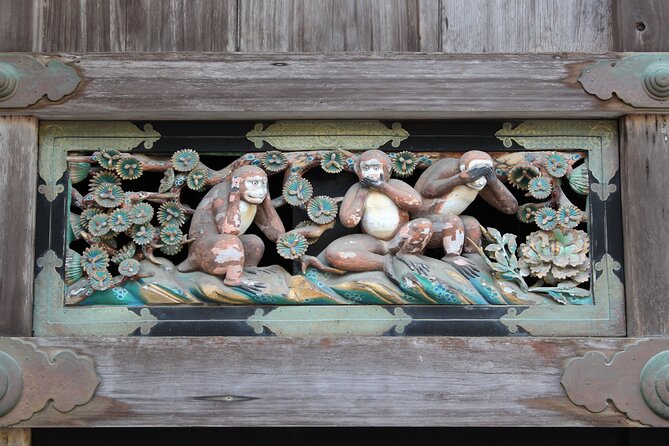
- UNESCO Toshogu Shrine + Kanmangafuchi Abyss in one day, with clear explanations
- Licensed English guide plus audio service for times when things get crowded
- Kanmangafuchi Jizo statues: around 70 stone figures by the river, with a famous legend attached
- Optional lunch choices (Japanese, vegetarian, Indian thali, or no lunch)
- Max 15 travelers, so you’re not stuck in a giant moving crowd
- Winter weather backup routes if road safety makes Kanmangafuchi harder to reach
Nikko’s UNESCO core, without the stress
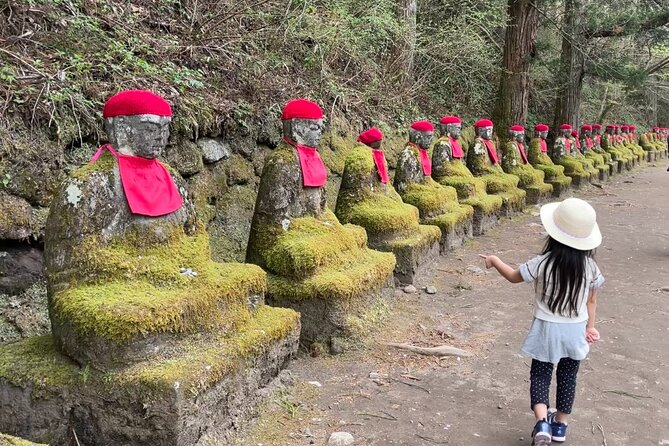
Nikko is the kind of place where the details matter. This tour is built for that. You’re guided through two of Nikko’s big “why people come here” anchors: Nikko Toshogu Shrine, where Tokugawa Ieyasu is enshrined, and Kanmangafuchi Abyss, a small gorge marked by a line of stone Jizo statues along the river.
The nice part is you’re not just shown buildings. You also get the story behind the symbols and Edo-period craftsmanship, which is where Nikko can turn from impressive to meaningful. If you enjoy architecture, ritual, and religious symbolism, you’ll get more from this than a quick stop alone.
The day also includes practical extras: Japan’s spring water, audio explanations, and lunch options you can pick ahead of time. That kind of planning matters when you only have half a day.
You can also read our reviews of more walking tours in Nikko
Starting at Tōbu-Nikkō Station and ending at Toshogu
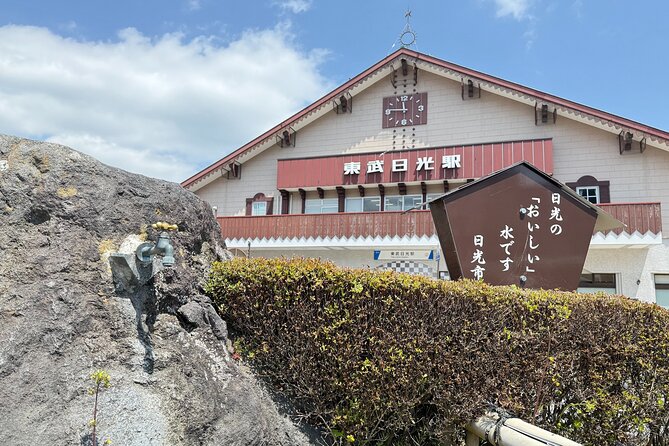
This tour starts at Tōbu-Nikkō Station (address: 4-3 Matsubaracho, Nikko). The listed start time is 11:30 am, and you meet near that station area.
The tour ends at Nikkō Tōshogū (address: 2301 Sannai, Nikko). That’s a big deal for your planning. If you want to keep your evening flexible, fine. But if your next step assumes you’re back near the station, you’ll need to arrange that.
Also note the tour uses public transportation to move around. Seating isn’t guaranteed. It’s not chaos, but it does mean you’ll want to stay ready for standing time between sights.
One more timing reality: the itinerary order can shift because of road conditions, events, ceremonies, or other reasons. And on some days, you may do more walking than the headline number suggests—plan for it.
Kanmangafuchi Abyss: Jizo statues and river-side quiet
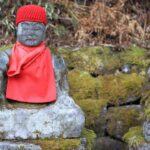
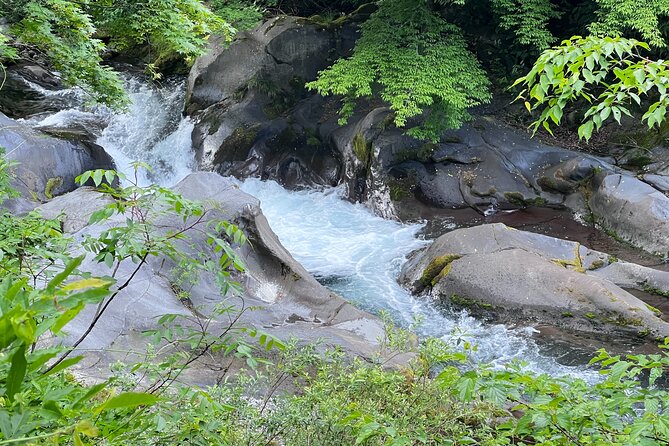
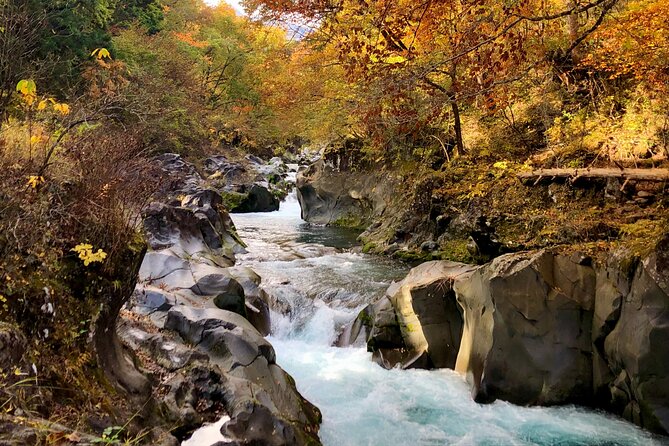
Your first stop is Kanmangafuchi Abyss, about a 20-minute stop, and admission is free. This place is a small gorge formed after an eruption from Mt. Nantai. Along the river, you’ll find roughly 70 stone Jizo statues.
What I like about starting here is the mood shift. You go from travel logistics into a calmer, more atmospheric stretch where the statues create a rhythm as you move along. Jizo is tied to protecting children in Japanese belief, and the legends around these figures give the space a haunting, human feeling rather than just “pretty stones.”
Because there are slopes and stairs around the area, wear shoes you can handle comfortably. If rain or fog makes footing tricky, you might not get the exact Kanmangafuchi route—there’s a winter alternative plan (more on that later).
Nikko town stop and the lunch choice that fits your day
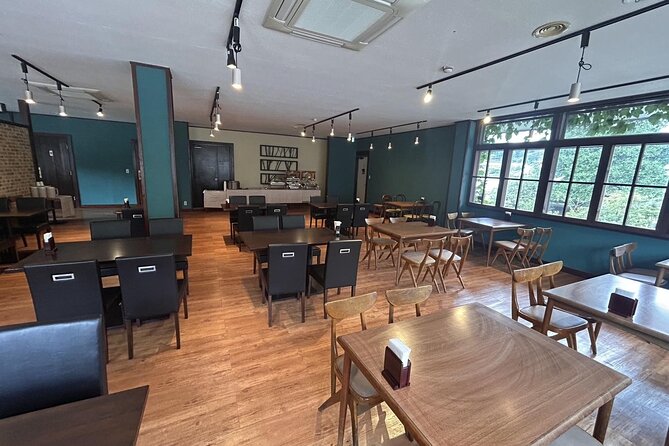
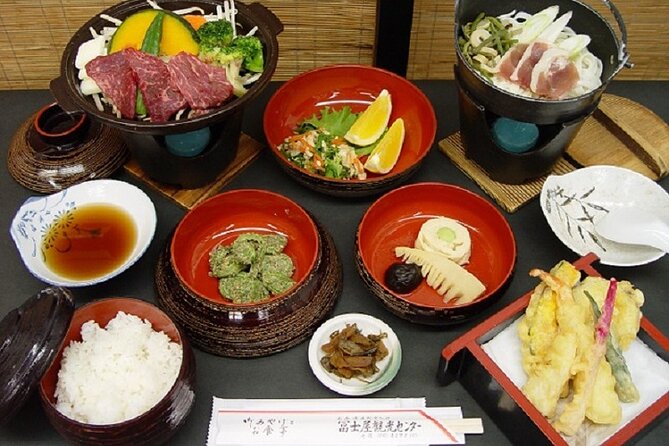
The tour includes a stop in Nikko that’s roughly 50 minutes. This is your window to choose lunch ahead of time:
- Standard Japanese-style menu (with meat and fish)
- Vegetarian lunch
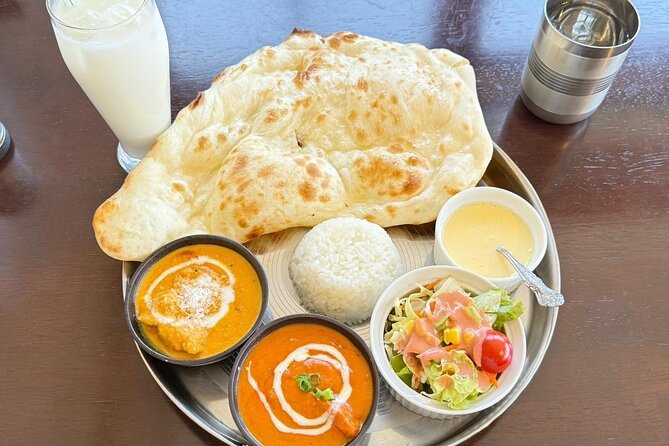
- Indian thali (double curry set: butter chicken masala, coconut curry, naan, rice, salad, lassi, dessert)
- No lunch option (you prepare your own)
Here’s the practical value: you’re not trying to hunt down a restaurant while everyone else is hungry and the area is busy. Also, if you choose Standard or Vegetarian, lunch is included. If you choose No Lunch, the tour doesn’t provide one—cafes near the rest area can be crowded, so the “pack it or grab it early” mindset helps.
The thali option is very specific, and same-day changes aren’t available. If you have dietary needs beyond what’s offered, the info says allergy-friendly meals, gluten-free meals, etc. are not available—so plan carefully.
If you pick No Lunch, bring something simple. You’ll thank yourself when your timing lines up with the tour schedule.
Nikko Toshogu Shrine: the big show, with helpful rules
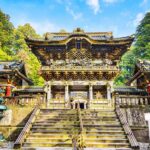
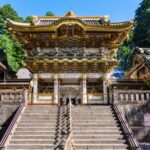
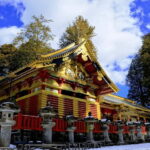
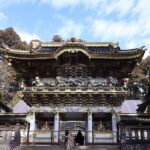
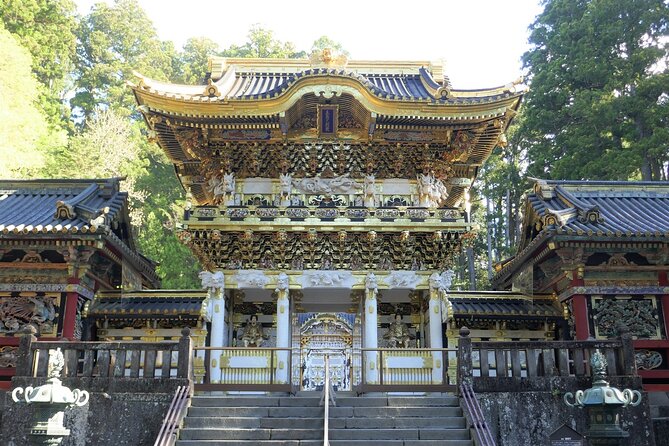
The center of the tour is Nikko Toshogu Shrine, a UNESCO World Heritage site with over 400 years of history connected to the Tokugawa shogunate. The guide brings you to the enshrined area tied to Ieyasu Tokugawa, and you’ll spend about 1 hour 20 minutes here.
This is where the Edo-period carvings really matter. Nikko Toshogu is famous for dense ornamentation, layered symbolism, and grand structures. Without context, it can blur into “wow, gold.” With a guide, you start noticing what’s going on: the patterns, the craftsmanship, and the religious logic behind the design.
There’s also a real logistics side at Toshogu. Some areas require you to remove your shoes. So wear easy-on/easy-off footwear. If your shoes take forever to remove, you’ll feel it every time you stop.
This part is also hilly and stair-heavy around the site. Comfortable shoes matter more here than at most temples. And keep in mind that the tour can be on foot for longer stretches than expected.
You can also read our reviews of more historical tours in Nikko
Transportation, audio, and why the guide can change the whole experience
This is a licensed English guide tour, and it includes audio explanations. That combo helps in a very Nikko-specific way: there’s often congestion at the shrine area, and the audio keeps you from losing the narrative if you can’t hear the guide clearly at every moment.
The tour includes transportation costs in the tour price, so you’re not separately paying for the day’s local transit. You will still use public transportation between points, with the usual “seats aren’t guaranteed” reality.
Group size is capped at 15 travelers, and the experience is designed to feel intimate. In practice, that means you’re more likely to hear guidance, ask questions, and get individual pacing rather than being swept along as a unit.
One small timing note from the operational info: if the tour is shared with customers joining round-trip from Tokyo Shinjuku, the guide may take the train from Tokyo to the meeting point, and you may start waiting until around 11:35 am.
What you actually get for $85.12
At $85.12 per person for about 4 hours 30 minutes, this isn’t a “grab-and-go” deal. It’s a guided heritage experience with several value anchors already covered.
What’s included:
- Licensed English guide interpreter
- Audio guide service
- Admission to Nikko Toshogu Shrine
- Admission fees and transportation costs included
- Lunch only if you choose Standard, Vegetarian, or Indian thali
- Japan spring water
- Mobile ticket
What’s not included:
- Anything outside those items, and of course any cost that comes from your own plans after the tour ends
Why the pricing can make sense: you’re paying for guide time, admission to a UNESCO anchor, and the cost of getting between sights during a half-day schedule. If you tried to do this solo, the day would split into several decisions—where to go, what to see first, how long things take, and how to make sense of Toshogu’s symbolism.
And because the tour includes audio and a guide, you’re not stuck reading labels only in your head. This matters at Toshogu, where the “what am I looking at?” question is the difference between impressive and memorable.
One more booking note: it’s often booked about 30 days in advance on average. So if you’re traveling during peak seasons, don’t wait.
Comfort and safety: shoes, leeches, and seasonal route swaps
This tour isn’t about rugged hiking, but it is about walking and footwear. The info is clear that there are slopes and stairs near both Kanmangafuchi and Nikko Toshogu.
Pack for that:
- Wear comfortable shoes that are easy to take off (you’ll need to remove them in some shrine areas)
- Expect some stairs and uneven steps around shrine approaches
- Use a backpack if you can (it’s recommended)
Then there’s the seasonal reality: land leeches from April to November. The recommendation is to keep legs covered with thick socks that cover the ankles and bring bug spray. If you only pack light summer socks and shorts, this is the time to rethink it.
Weather also changes the plan. In winter, roughly December to mid-March, or when road safety is a concern, the tour may not reach Kanmangafuchi Abyss. Instead, you could get one of several alternatives:
- Futarasan Shrine
- Taiyuuin Mausoleum at Rinno-ji Temple
- Tamozawa Imperial Villa
- Toshogu Museum
- Kanaya Hotel History House
- Nikko Botanical Gardens
That’s not a downgrade on paper. It just means your “must-see” is not guaranteed year-round. If Kanmangafuchi is your top priority, check conditions close to your travel date.
Who this tour is best for (and who should rethink it)
This tour fits best if you want:
- A guided visit to Toshogu with explanations you can actually follow
- A straightforward, half-day structure that handles admissions and local transit
- A small-group pace with about 5 km of walking (and occasionally more)
It may be less ideal if:
- You hate shoe removal at temples
- You’re sensitive to stairs and slopes
- You’re traveling with expectations of minimal walking
- You’re relying on getting back to the station immediately after the tour ends (since it finishes at Nikko Toshogu)
If you’re the type who likes to understand what you’re seeing—carvings, symbols, and why certain figures matter—this kind of day makes Nikko feel less like a checklist and more like a place with a living spiritual logic.
Should you book this World Heritage Nikko Walking Tour?
I’d book it if you value a guide-driven experience at UNESCO sites and you want the schedule handled—especially the combination of Kanmangafuchi Abyss and Nikko Toshogu Shrine in one efficient run.
You should reconsider if you’re arriving and departing in a way that’s hard to connect with an endpoint at Toshogu, or if you’re not comfortable with stairs, shoe changes, and seasonal conditions like leeches.
If you’re deciding last-minute, this is a good “yes” for first-timers to Nikko and a smart “repeat-visit with context” option for people who found Toshogu impressive but hard to interpret on their own.