REVIEW · TOKYO
Full Tokyo: Meiji Shrine, Imperial Palace, Asakusa & Skytree
Book on GetYourGuide →Operated by AMIGO TOURS JAPAN GK · Bookable on GetYourGuide
Tokyo hits hard when you do it by route.
I like that this tour strings together iconic landmarks and real neighborhood texture in one day, starting at Hachiko Square and ending with big skyline views. I also like the pace of the day: guided time at Meiji Shrine plus guided time around the Imperial Palace area, then more hands-on time in Asakusa. One drawback to weigh: a couple stops are more about quick orientation and photos than long lingering, so if you want hours at just one place, you’ll need extra independent time.
If you can handle a packed schedule (and you pack comfy shoes), this tour can be a great “Tokyo orientation day.” You’ll ride between areas by public transit, listen to a bilingual guide in English and Spanish, and come away with a clear mental map of central Tokyo: where the crowds live, where the calm is, and what the city looks like from above.
In This Review
- Key Things I’d Prioritize Before You Go
- Shibuya Crossing, Then Meiji Shrine: Two Worlds in One Ride
- The Hachiko Start: Why This Tour’s Meeting Point Matters
- Meiji Shrine: The Calm Stop Where the Guide Can Change Everything
- Imperial Palace Exterior: Big Photos, Tighter Time Expectations
- Akihabara Scenic Drive: Fun for Geek Culture, Short by Design
- Asakusa and Senso-ji: Your Real Free-Time Win
- Lunch Option: Worth Considering If You Want Less Guesswork
- Tokyo Skytree: Panoramic Reward at the End of a Long Day
- Price and Logistics: Is $69 Good Value for This Route?
- The main reason value can disappoint
- Guide Quality and the Human Factor (Oliver, Jorg, Melody, Erik, George, Burt)
- Who Should Book This Tour (and Who Might Skip It)
- Should You Book Full Tokyo: Meiji Shrine, Imperial Palace, Asakusa & Skytree?
- FAQ
- Where do I meet the guide?
- How long is the tour, and what’s the main route?
- Is lunch included?
- Is Tokyo Skytree entry included?
- What should I bring?
- Can I get a refund if my plans change?
Key Things I’d Prioritize Before You Go
- Hachiko Square start: You begin right where Tokyo people-watching starts.
- Meiji Shrine guided walk: A real chance to slow down inside the shrine grounds.
- Photo focus at the Imperial Palace exterior: Expect visuals and context more than deep access.
- Asakusa time with optional lunch: You get a real pocket of freedom near Senso-ji.
- Skytree only works with your tickets: If you choose the Skytree option, make sure you’re set to enter.
Shibuya Crossing, Then Meiji Shrine: Two Worlds in One Ride
This tour does a clever trick early: it throws you into one of the busiest pedestrian moments on earth, then—fast—into a quiet, ceremonial space that feels like a pause button. You start at the Hachiko Statue (Hachiko Square). It’s an easy meeting point, and it’s also a good way to confirm you’re in the right part of Shibuya without needing a map.
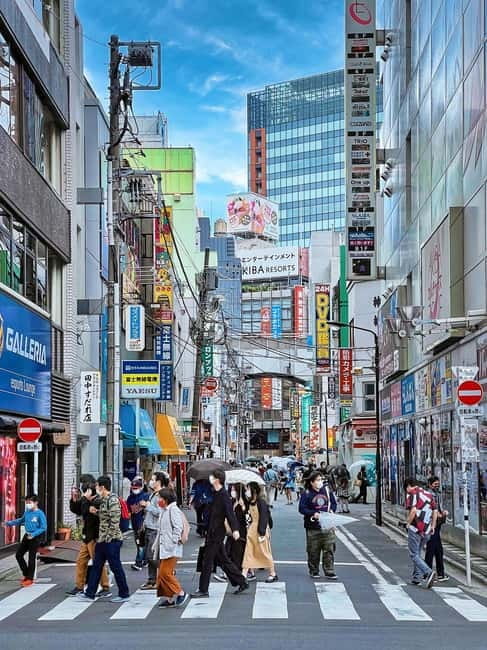
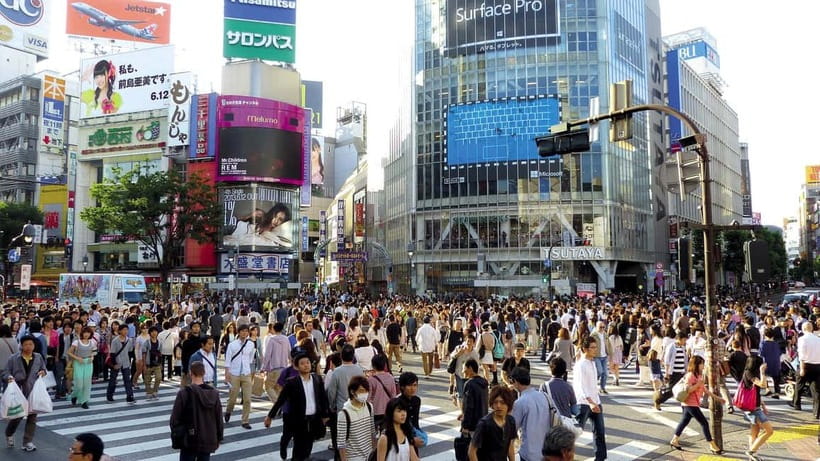
From there, you’ll make your way toward Shibuya Crossing and get the classic view (this is mostly via scenic drive rather than a long wander). The point isn’t to “experience every second” of the intersection. The point is to understand the scale. You’ll see how Shibuya organizes movement with crosswalk discipline, and you’ll quickly get why it’s so famous.
Then comes Meiji Shrine. This is the stop that often turns a rushed day into a memorable one, because the area feels like a green pocket right in the city. You’ll join a guided visit for about 70 minutes, which gives enough time to notice details instead of just walking past gates and halls.
You can also read our reviews of more tours and experiences in Tokyo.

The Hachiko Start: Why This Tour’s Meeting Point Matters
Starting at Hachiko Square is practical. You don’t have to hunt for a guide inside a maze of stations. It also helps you “land” in Tokyo the right way: people-watching first, orientation second.
You’ll then move along the route by public transit (the schedule includes tram/train segments adding up to several tens of minutes between major areas). That matters because you’re seeing Tokyo as commuters move through it, not just as a series of taxi drop-offs.
Bring what you actually need for a day outdoors: comfortable shoes, water, and sun protection. Even if the pace is guided, you’re still doing a lot of walking at shrine and temple areas, plus time spent crossing streets and navigating platforms.
Meiji Shrine: The Calm Stop Where the Guide Can Change Everything
Meiji Shrine isn’t just pretty. It’s designed for a slower rhythm—wide paths, layered gates, and a sense of arrival. A guided visit helps a lot here because the symbolism can feel abstract if you don’t have context.
With around 70 minutes at Meiji Shrine, you get enough time to:
- notice the shrine’s layout and how you move through it
- learn what you’re looking at while you’re still there (instead of after, when photos can’t answer questions)
- enjoy a walk that feels different from the street-level Tokyo noise
One reason I like this stop within this specific tour: you’re not left alone for hours. The guidance can help you avoid the most common mistake—treating it like just another attraction and rushing straight through.
On certain dates, the atmosphere can also be special. For example, one guide-led departure on New Year’s Eve highlighted extra local shrine energy, the kind of thing you’d never catch if you only arrive at the “standard” sightseeing time.
Imperial Palace Exterior: Big Photos, Tighter Time Expectations
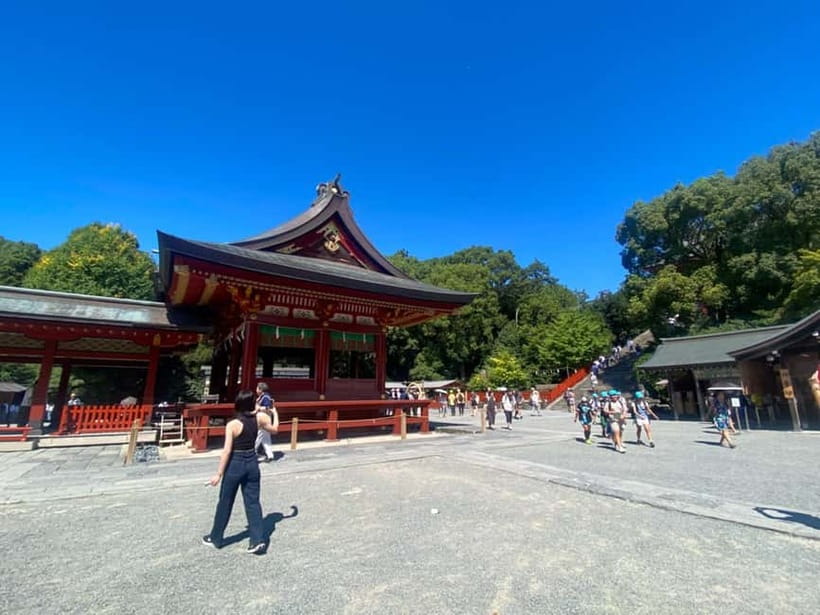
Next you’ll travel through the Imperial Palace area and get guided time focused on the exterior and the surrounding grounds. This is one of those Tokyo moments where expectations help.
You’ll have about 30 minutes of guided time here. That’s enough for a good look, clear photo angles, and basic context. It may not be enough if you want to roam every garden path or read every plaque. The best way to think about it: this is a visual + orientation stop that anchors the day’s historical side.
Also, remember you’re working within a route schedule. If you find yourself wanting longer, I’d treat it like a “first look” rather than the one and only time you’ll see the Imperial Palace grounds.
If you’ve got camera time in mind, bring your patience. You’ll likely spend most of the “time budget” on getting the right exterior views and repositioning as needed.
Akihabara Scenic Drive: Fun for Geek Culture, Short by Design
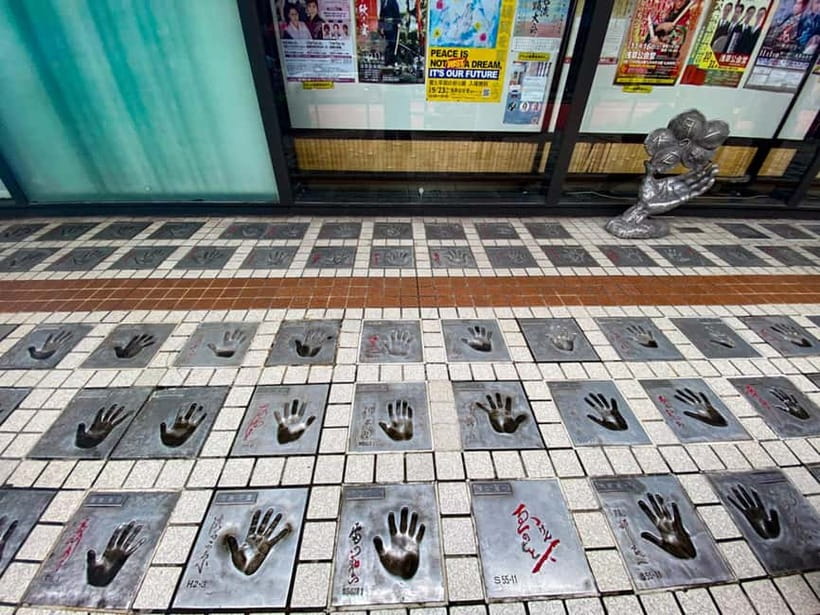
Then the tour pivots toward Akihabara via scenic drive. This is the tech-and-pop-culture district where the storefronts and street energy do the talking. The trade-off is also obvious: you’re not doing a full neighborhood walk here.
Why this works in a highlights tour:
- it keeps the day moving
- it gives you a taste so you can decide whether you want to return later
- it prevents Akihabara from eating your whole day
If you’re a fan of anime, games, gadgets, or electric street signage, you’ll probably want more time at your own pace later. But as part of a 7-hour “Tokyo essentials” loop, the drive-by approach helps you see the district’s identity without sacrificing the calmer, more historical parts of the itinerary.

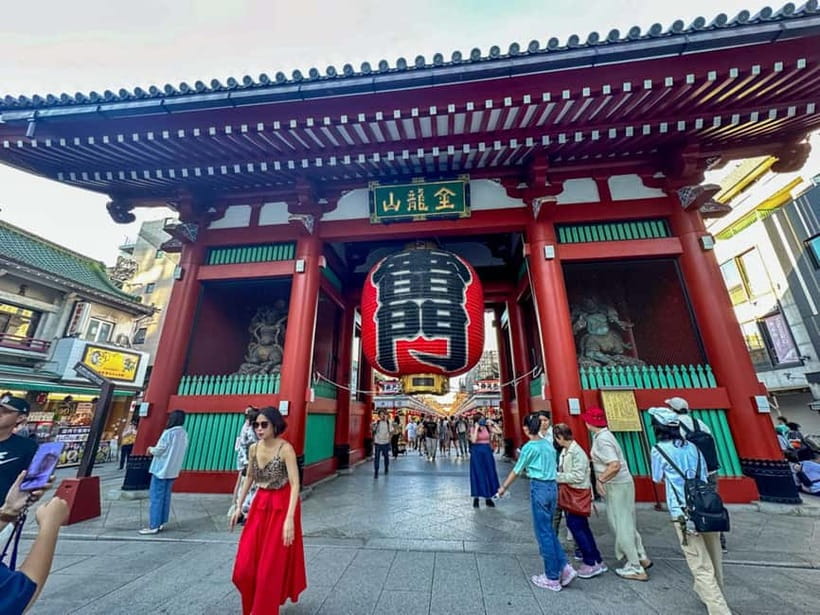
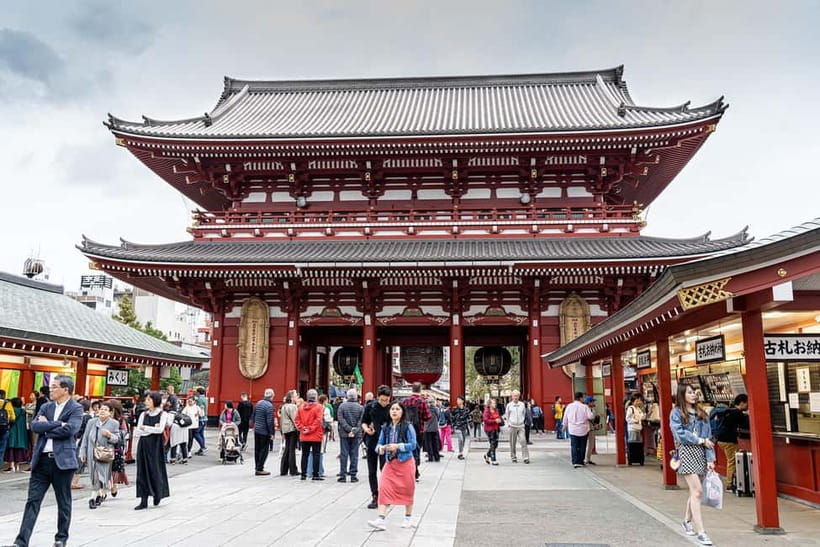
Asakusa and Senso-ji: Your Real Free-Time Win
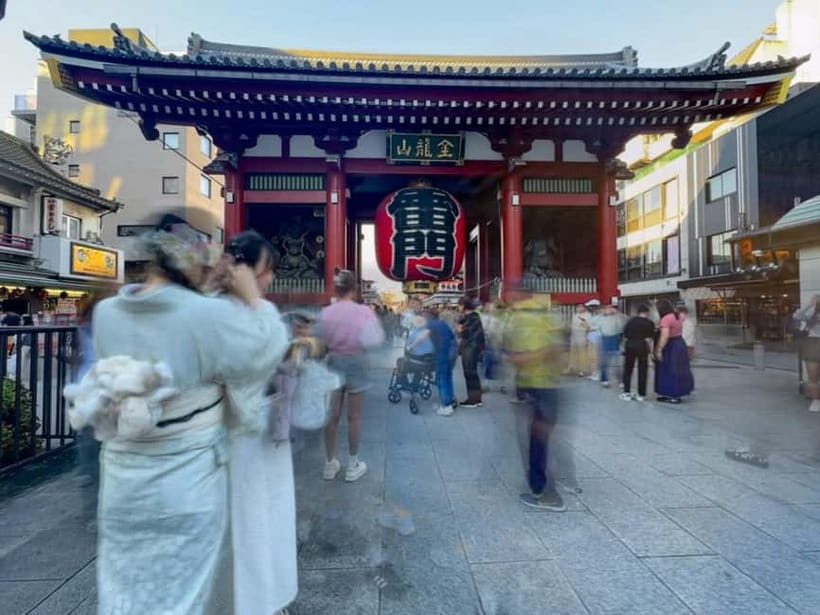
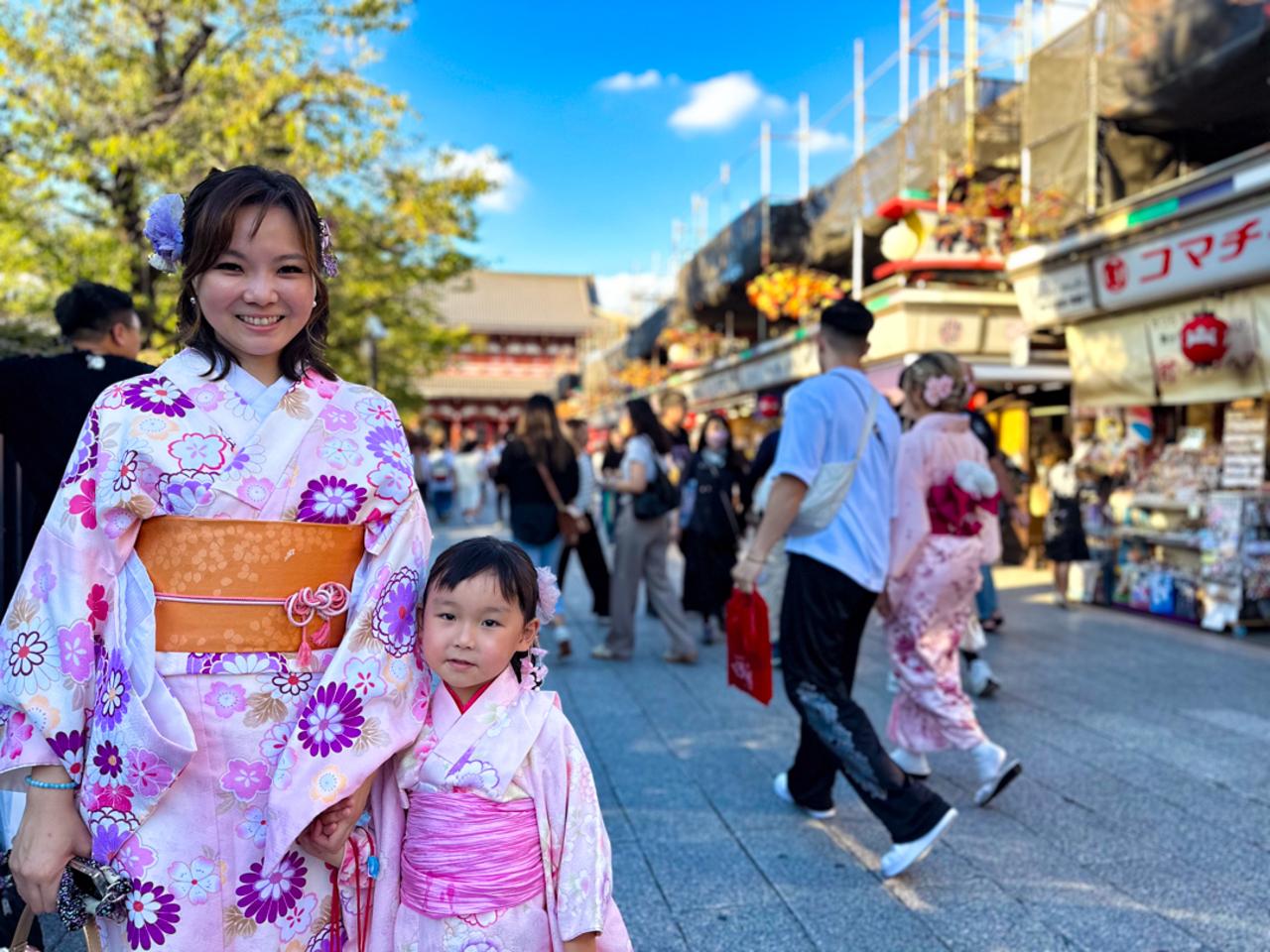
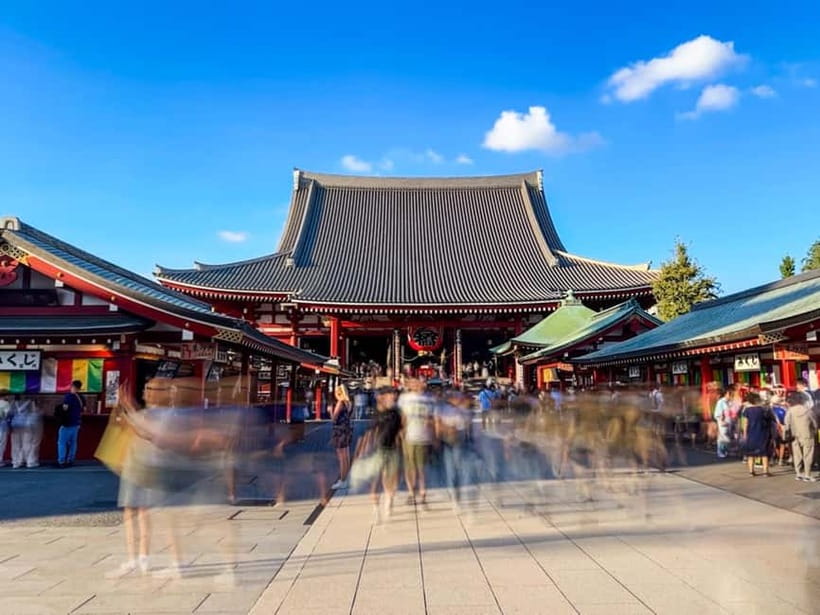
Asakusa is where the tour shifts from “look and learn” into “walk and choose.” You’ll spend about 2 hours here with lunch options if you selected it.
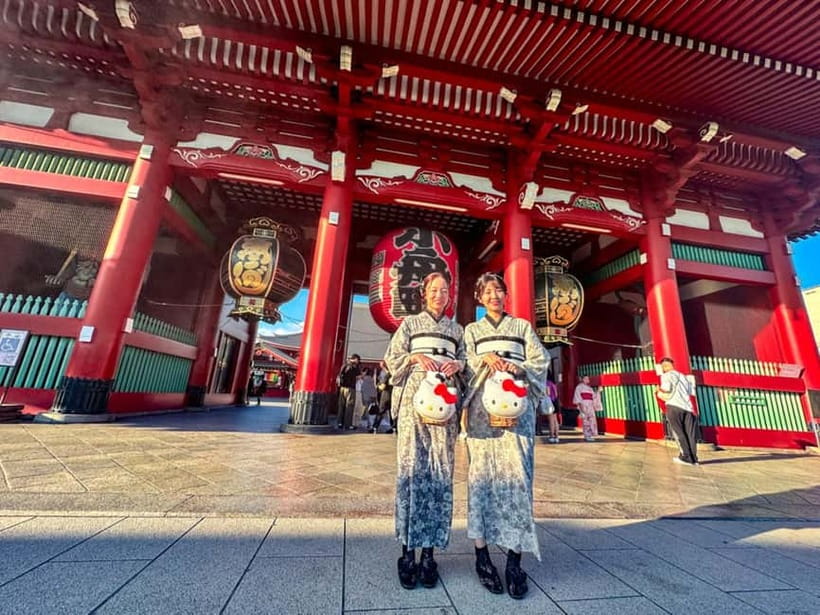
The star is Senso-ji, Tokyo’s oldest and most famous Buddhist temple. You’ll have time in the area to take in the temple grounds, the approach street feel, and the surrounding vibe. Even if the guided component is mainly tied to the temple visit, your free time lets you adapt based on your interests: food, photos, small shops, or just absorbing the older-street atmosphere.
Lunch Option: Worth Considering If You Want Less Guesswork
If you choose the lunch option, your meal is included at a local restaurant (drinks are not included). This can be a big value add because it removes the decision fatigue of finding something that fits both time and budget in a busy area.
Some guides are especially organized about keeping the group moving without leaving slower walkers behind. That kind of attention can make the difference between lunch feeling rushed and feeling like a real break.
One practical note: if you strongly prefer temple time over wandering, you may find you want slightly more focus around Senso-ji itself. The schedule is designed to cover multiple Tokyo anchors in one day, so your independent time is where you can rebalance.
Tokyo Skytree: Panoramic Reward at the End of a Long Day
The tour’s finish is Tokyo Skytree (if you chose that option). The observation deck is the payoff: you’ll get panoramic city views that help everything you saw earlier click into place.
Think of Skytree as Tokyo’s geography lesson. From above, you can see the shape of the neighborhoods and get a feel for how far apart Shibuya, the Imperial Palace area, and Asakusa actually sit across the city.
Important detail: the tour notes that you’ll only be able to enter if you have previously purchased tickets. So even if the option is selected, make sure your entry is set up properly before you show up. Don’t wait until the last minute. Skytree is one of those places where entry rules can ruin your timing if you assume everything is automatic.
Also, this is the end of the day. Plan for tired legs. You’ll enjoy the views more if you can stand comfortably and move at a reasonable pace without rushing.
Price and Logistics: Is $69 Good Value for This Route?
At $69 per person for a 7-hour highlights run, the value comes down to what’s included and how much you like a guided “hit list” day.
Here’s what you’re paying for in practical terms:
- a bilingual guide in English and Spanish
- train tickets for transfers between the itinerary points
- guided time at Meiji Shrine (about 70 minutes) and guided time at the Imperial Palace area (about 30 minutes)
- optional lunch (if selected)
- optional Tokyo Skytree entrance (if selected)
That’s not just sightseeing. It’s also route planning and transit handling. If you’re arriving in Tokyo and want a fast map of the city without figuring out train lines and timing, a day like this can be a smart use of time.
The main reason value can disappoint
A few departures can feel time-tight in certain spots. If you’re expecting a deep, slow visit at each major landmark, you may feel you’re spending too little time at certain stops and too much time moving between them.
And yes, one person felt it was overpriced for the time actually spent at a couple areas. So my advice is simple: treat this as an overview day. Plan to return on your own for the places you fall in love with.
Guide Quality and the Human Factor (Oliver, Jorg, Melody, Erik, George, Burt)
Guide style can make or break a tour like this, especially when you’re bouncing between history, religion, and modern city sights. The lineup can include guides such as Oliver, Jorg and Melody (listed together), Erik, George, and Burt.
What tends to stand out when it goes well:
- clear explanations you can use while you’re standing in front of the site
- organization that keeps the group on track
- extra attention to people who don’t move as fast
- added cultural context that makes Tokyo make sense beyond just photos
On New Year’s Eve, one guide’s group caught local celebration energy at shrines and temples, which is the kind of thing that turns a checklist day into a lived-in memory.
You can’t guarantee your guide will match your style perfectly, but with bilingual support and a structured schedule, you’re more likely to get helpful context than a purely transactional walk.
Who Should Book This Tour (and Who Might Skip It)
This is a strong fit if:
- you want a fast Tokyo highlights map in one day
- you like guided structure at the big anchors (Meiji Shrine, Imperial Palace area)
- you want optional lunch handled for you in Asakusa
- you want the Skytree views at the end without managing tickets and timing alone
It’s not the best fit if:
- you want long, independent exploration at each stop
- you hate tight schedules and photo-first sightseeing
- you need full wheelchair accessibility (this tour is noted as not suitable for wheelchair users)
If you’re the type who likes to wander slowly, you might still enjoy the tour, but I’d plan your next days so you can give extra time back to your favorite neighborhoods.
Should You Book Full Tokyo: Meiji Shrine, Imperial Palace, Asakusa & Skytree?
I’d book it if you want one day to understand Tokyo’s “big picture” and you’re okay with moving through multiple landmarks. The Meiji Shrine guided walk and the Skytree observation deck views are the two book-ending experiences that make the schedule feel worth it.
I’d think twice if you’re expecting a leisurely, deep-dive day at every major site. For this price and format, you’re choosing breadth over depth. You’ll get the highlights—and then you’ll likely want to come back to the places you care about most.
FAQ
Where do I meet the guide?
Meet your guide next to the Hachiko Statue at Hachiko Square.
How long is the tour, and what’s the main route?
The tour lasts about 7 hours. It runs from Shibuya (Shibuya Crossing area), to Meiji Shrine, then the Imperial Palace area, on to Akihabara, and finishes with Asakusa and Tokyo Skytree if you chose that option.
Is lunch included?
Lunch is included only if you choose the lunch option. Drinks are not included.
Is Tokyo Skytree entry included?
Tokyo Skytree entrance is included if you select the Skytree option. The tour also notes you’ll only be able to enter if you have previously purchased tickets, so make sure your entry is ready in advance.
What should I bring?
Bring comfortable shoes, a hat, camera, sunscreen, and water.
Can I get a refund if my plans change?
Yes. You can cancel up to 24 hours in advance for a full refund.