REVIEW · TOKYO
Tokyo: Daikoku Car parking area night Meet & Experience JDM
Book on GetYourGuide →Operated by Xlpor Japan · Bookable on GetYourGuide
Tokyo at night feels like a moving poster. This small-group JDM drive puts you on the C1 and Wangan highways and then into the world-famous parking-area scene at Daikoku and Tatsumi. I love the mix of big-city night views with real car culture stops, and I like that the guide connects what you see to how Japan’s car industry and scene work today. The one drawback to consider: it’s not a relaxed, walk-around day—it’s ride + stops, and it’s not suitable for people with back problems.
You’ll meet your driver in Tokyo and head out after pickup, with the evening planned around Tokyo’s neon, highway drama, and car-spotting time. Expect a small group of up to 6, a bilingual-style handoff depending on the driver (English, Japanese, Hindi), and lots of chances to take photos while you’re out of the vehicle.
In This Review
- Key Highlights You’ll Notice Fast
- Why a Night JDM Drive Feels Different Than Daytime Sightseeing
- Getting on the C1 and Wangan Highways (And Why It Matters)
- Daikoku and Tatsumi Parking Areas: Where the Scene Becomes Real
- Autobacs Shinonome Break: Car-Store Energy Without the Guesswork
- Tokyo Tower at Night: The View Between Car Stops
- Group Size, Languages, and the Way Your Guide Shapes the Day
- Price and Value: Is $116 Really Worth It?
- Practical Tips for a Smooth Night (Comfort Is the Secret Sauce)
- Who Should Book This Tour (And Who Should Skip It)
- Should You Book This Night Car Culture Tour?
- FAQ
- How long is the experience?
- What stops are included during the tour?
- Is pickup included, and where does it start?
- How many people are in the group?
- What languages does the driver speak?
- Is smoking or food/drinks allowed in the vehicle?
Key Highlights You’ll Notice Fast
- C1 and Wangan highways at night for skyline-and-streetlight views you can’t get from a normal bus ride
- Daikoku and Tatsumi parking areas—the places that make Japan’s car scene make sense
- A wide range of cars, from classic builds to totally wild machines
- Auto-industry context from your guide, not just sightseeing explanations
- Photo stops and short breaks timed around the driving and viewing rhythm
- English/Japanese/Hindi support to help you understand what you’re seeing
Why a Night JDM Drive Feels Different Than Daytime Sightseeing
Tokyo’s car culture reads one way in daylight and another way after dark. Night brings headlight reflections, wet pavement vibes (even if you don’t plan for rain), and those long stretches of highway where the city looks like it never turns off. This tour is built around that energy, so you’re not just visiting famous spots—you’re experiencing them in motion.
I also like the practical pacing: you get real time at the car-culture hubs for photos and free time, then you move on. And because it’s a guided tour, you’re not left guessing at what’s important about the scene you’re seeing.
One thing to keep in mind: this is a driving experience with stops. If you want hours of roaming, this may feel tightly scheduled.
You can also read our reviews of more evening experiences in Tokyo
Getting on the C1 and Wangan Highways (And Why It Matters)
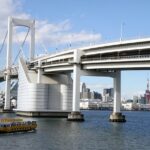
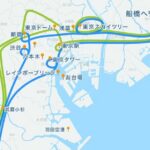
The headline for this day is the highway portion—guided driving on the C1 and Wangan highways. These are the roads that help Tokyo feel like Tokyo, especially at night when the skyline and bridge lighting turn into a moving backdrop. It’s also where the tour becomes more than car spotting. You’re seeing how cars fit into the city’s tempo.
You’ll get behind the wheel as part of the experience, with your guide handling the route and timing. That matters because highway driving in Tokyo is not just scenery—it’s traffic flow, merging habits, and staying aware. Having a guide takes the mental load off so you can focus on the drive and the views.
If you’re planning your expectations: this is not a drag-race fantasy and it’s not about stunts. The value here is the combination of major expressway driving + Tokyo skyline views, paired with the culture stops afterward.
Daikoku and Tatsumi Parking Areas: Where the Scene Becomes Real
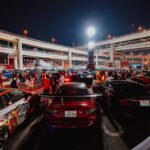
The parking areas are the heart of this tour, and the names—Daikoku and Tatsumi—carry weight in Japanese car culture for a reason. You’ll stop at these famous meeting spots for photo time, sightseeing, and free time to look around.
What I like about this part is that it’s not only about spotting famous cars. You’re seeing a whole snapshot of “what people build and why.” The cars can range from classic to truly extreme, and you’ll have time to wander with your camera instead of rushing through a single viewpoint.
Another smart detail: the tour connects the visuals to the bigger picture. You’ll learn about the history and current state of the car industry and the car scene from your guide, and you’ll get a chance to share stories too. That turns the parking-area stop from a quick photo mission into something more meaningful—especially if you care about how trends move and why styles change.
Possible consideration: parking areas can be busy and photo opportunities depend on what’s actually there that night. Bring your patience and your camera settings, and you’ll be fine.
Autobacs Shinonome Break: Car-Store Energy Without the Guesswork
After the first big car-culture stop, you’ll have a break at Autobacs Shinonome. This part of the day works well because it’s not just “more cars.” It’s a chance to shift from parking-lot culture into a more retail-and-enthusiast vibe where you can browse what’s available and how people gear up.
You’ll get a full hour with break time, photo stop opportunities, and free time to visit. That structure helps. You can take photos quickly, then spend the rest of the time walking at your own pace. If you like motorsports brands, car parts, and the way hobbies are stocked and displayed, you’ll probably enjoy this stop more than you’d expect.
One practical tip: wear comfortable clothes. Even with an hour, you’ll likely be standing, turning, and moving around for photos.
Tokyo Tower at Night: The View Between Car Stops
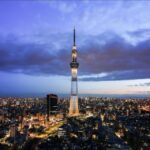
Tokyo Tower is scheduled as another hour-long sightseeing window with break time and photo opportunities. The tour uses this stop as a kind of “breather” between car-heavy segments: you shift from engines and parking lots to city views and a classic Tokyo landmark.
This is a good move for value. Without it, the day could feel like nonstop car-spotting. With Tokyo Tower in the mix, you get a wider emotional picture of the city—one that complements the highway drive and makes the whole night feel like a real Tokyo evening, not just a themed excursion.
If you’re taking photos, keep your phone charged and your camera ready. Night lights can be gorgeous but also unforgiving, especially if your battery is already half-dead.
Group Size, Languages, and the Way Your Guide Shapes the Day
This is a small group tour—limited to 6 participants—which makes a difference. You’re not fighting for space at stops, and you can actually talk with your guide about what you’re seeing. In a car culture setting, context matters, and a small group gives that context room to land.
Driver languages are English, Japanese, and Hindi, so you’ll get support depending on who you’re assigned. The tour is also wheelchair accessible, but it’s not suitable for kids under 10, pregnant women, or people with back problems. That combination tells you the emphasis is on driving and time-in-seat, not on long walking-only sightseeing.
A small dose of realism: this tour is social. If you’re the type who enjoys asking questions—How did this style start? Why do people choose these platforms?—you’ll get more out of the stories and explanations.
Price and Value: Is $116 Really Worth It?
At $116 per person for a one-day experience, the price looks fair for Tokyo because you’re paying for several things at once: guided driving on major expressways, stops at well-known car-culture locations, and the guide’s industry context.
Here’s the value logic I’d use if I were choosing:
- If you want highway driving plus top-tier car-spotting locations, the tour bundles multiple “hard to coordinate” pieces into one plan.
- If you care about the why behind Japanese car culture, you’re not just watching—you’re getting explanations about the industry and how the scene stands now.
- The small group size can also save you time and stress at stops, which is part of what you’re paying for.
What you don’t get: meals and drinks. So plan your day accordingly, and don’t assume you’ll have time for a full sit-down meal between stops.
In short, the cost makes sense if your priority is the combination of driving + culture stops + guide storytelling, not if you just want a short look at cars and skyline.
Practical Tips for a Smooth Night (Comfort Is the Secret Sauce)
This kind of tour rewards preparation. Based on the tour guidance, here’s what will help you enjoy it more:
- Bring a camera for the parking areas and night views.
- Keep your smartphone charged, especially for photos around Tokyo Tower.
- Wear comfortable clothes. You’ll spend time seated and then standing at stops.
- Be ready for different weather conditions. Tokyo nights can shift quickly, so layering helps.
Also note what’s not allowed: smoking and drinks in the vehicle. If you need water or a quick sip, you’ll want to rely on breaks outside the vehicle, not on in-car comfort.
Who Should Book This Tour (And Who Should Skip It)
This experience fits best if you:
- Want a real night-drive Tokyo evening, not just a daytime landmark checklist
- Love JDM culture and want to see it where enthusiasts actually gather
- Prefer a guided day with enough structure to move efficiently between iconic stops
- Enjoy hearing how industries and subcultures evolve over time
I’d be cautious if you:
- Have back problems (the tour is not suitable)
- Are traveling with children under 10 or you’re pregnant (not suitable)
- Want a slow, wandering tour with lots of casual time
Should You Book This Night Car Culture Tour?
I’d book it if your idea of a great Tokyo night includes expressway views, famous parking-area car culture, and a guide who connects what you see to the car industry’s past and present. The small group size, the planned stops, and the hour-long viewing windows make it easier to get meaningful photos and real understanding without feeling rushed.
Skip it if you’re mainly after a relaxed sightseeing day with minimal driving. This is a driving-focused experience, and the best parts show up when you’re comfortable with that rhythm.
If you’re aiming for an authentic, car-first Tokyo night, this one is a strong match.
FAQ
How long is the experience?
It runs for 1 day.
What stops are included during the tour?
You’ll visit the Daikoku parking area, and the tour includes stops at Daikoku and Tatsumi, plus Autobacs Shinonome and Tokyo Tower.
Is pickup included, and where does it start?
Pickup is included in Tokyo. You wait in the lobby or place you are staying, and the driver will contact you before pickup.
How many people are in the group?
The tour is a small group limited to 6 participants.
What languages does the driver speak?
The driver speaks English, Japanese, and Hindi.
Is smoking or food/drinks allowed in the vehicle?
Smoking is not allowed, and drinks in the vehicle are not allowed.
![Tokyo Shinjuku Food Tour for Family [1 Group Only] - IKEA Shinjuku Meet-Up: How the Night Starts](https://b.tokyosights.com/wp-content/uploads/tokyo-shinjuku-food-tour-for-family-1-group-only-400x300.jpg)