REVIEW · TOKYO
Tokyo: Taiko Drumming Experience
Book on GetYourGuide →Operated by Japanticket Inc. · Bookable on GetYourGuide
One hour to hit real taiko beats. I love the expert instruction that starts you from zero and focuses on stick grip and power strikes, and I also love the way the drum sound and drum vibrations make the rhythm feel physical, not just audible. The only real drawback to keep in mind: there’s at least one reported case of a teacher not showing up, plus one note about a very makeshift setup with taped drum hardware.
If you show up ready to move, this is a fun, hands-on way to experience a deeply Japanese musical form without needing any background. The class runs for 1 hour in a small group (max 6), and it’s led by an instructor who can work in English or Japanese. Just come prepared for the physical part: comfortable clothes and shoes matter here, and it’s not a good fit if you have back issues.
In This Review
- Key Highlights You’ll Feel Fast
- Taiko Drumming in Tokyo: Why This 1-Hour Session Feels Like More Than a Show
- Where to Meet: Finding the South Exit of Ōkubo Station
- How the 1-Hour Lesson Runs: From First Grip to First Power Strikes
- Small-Group Coaching: What “Up to 6 Participants” Changes
- Learning the Basics Right: Grip and Strike With Power
- The Rhythm Part: Timing, Movement, and Drum Vibrations
- Equipment and Instructor Style: What You Don’t Have to Worry About
- Price and Value: Is $35 for One Hour Worth It?
- What to Bring (and What to Wear) for a Smooth Session
- Language Support: English and Japanese Instruction Made for Beginners
- Common Hiccups: Timing, No-Shows, and Setup Details
- Who This Taiko Drumming Experience Suits Best
- Should You Book This Taiko Drumming Experience?
- FAQ
- Where is the meeting point?
- How long is the taiko drumming experience?
- What is the price?
- Is prior experience required?
- What languages are the instructors able to use?
- Is the class a small group?
- What should I wear or bring?
- Is transportation or meals included?
- What’s the cancellation policy?
Key Highlights You’ll Feel Fast
- From scratch basics: You’ll learn how to hold the drumsticks and how to strike for power.
- Small group limit (6 max): More coaching time, less waiting around.
- Drum vibration experience: The beats are felt through your body as much as your ears.
- Move with the rhythm: It’s not just seated practice; you’ll be using your whole stance.
- All equipment provided: You don’t need to hunt down gear before you go.
Taiko Drumming in Tokyo: Why This 1-Hour Session Feels Like More Than a Show
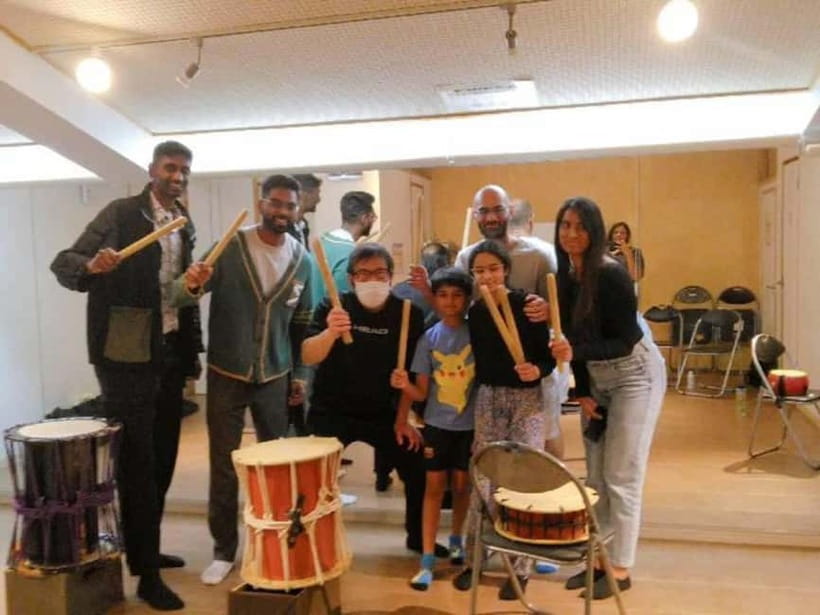
Taiko has a reputation as festival entertainment, but a good lesson reminds you it’s also a craft. The power isn’t magic—it comes from technique, timing, and how your body supports each hit. In this class, the focus stays practical: you’ll learn what to do with your grip, your striking motion, and your rhythm so the sound comes out strong and controlled.
I like the way the session is built for people with no experience. You’re not being tested. You’re being taught the basics so you can start making real taiko sound early on. And for most first-timers, that’s the point: you want to leave with more than a memory—you want a new skill you can talk about.
The format also helps value. For $35 and a full hour, you get instruction plus equipment. That’s the difference between watching and doing.
You can also read our reviews of more tours and experiences in Tokyo.



Where to Meet: Finding the South Exit of Ōkubo Station
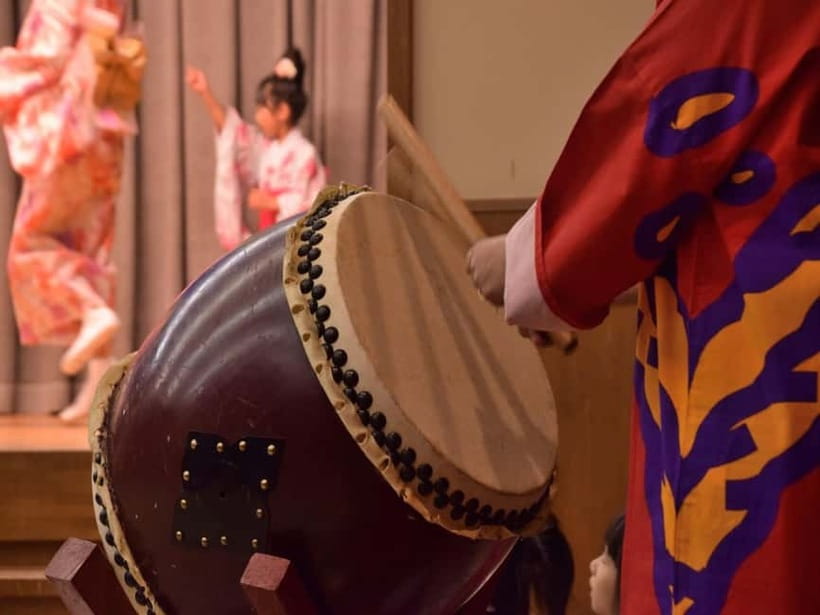
Your meet-up point is the South Exit of Ōkubo Station. That’s refreshingly straightforward, but it does mean you should arrive with a little buffer.
Plan to get there 15 minutes early for check-in. If you’re navigating Tokyo stations for the first time, being early is the easiest way to avoid stress. Once you’re at the right exit, you can focus on the small-group vibe—this isn’t a giant group gathering.
Tip: take a quick look at station signage before you settle. Ōkubo is easy to mix up if you’re rushing through exits.
How the 1-Hour Lesson Runs: From First Grip to First Power Strikes
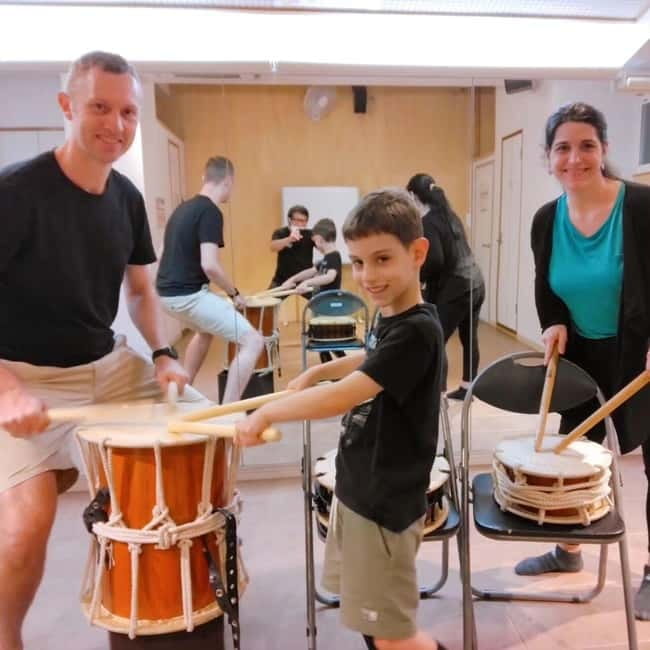
This is a one-hour experience, and it’s structured around the core mechanics that make taiko feel like taiko.
Here’s what you can expect in plain terms:
- You’ll start learning how to hold the drumsticks correctly.
- You’ll practice striking with power, not just tapping.
- You’ll work on moving with the rhythm, which helps your timing and makes your hits feel more natural.
- Throughout, you’ll be taking in the traditional taiko sounds and the bodily impact of the drumbeats.
The biggest advantage of this kind of progression is that it reduces guesswork. People often think drumming is mostly about force. In taiko, technique controls where that force goes. So even within an hour, you should feel your hits getting cleaner and more confident.
Also, the fact that it’s offered in English and Japanese helps. When you’re learning physical technique, clear instruction makes everything click faster.
Small-Group Coaching: What “Up to 6 Participants” Changes
A small group limit matters more than it sounds. With no more than 6 participants, you’re less likely to spend the time waiting while someone else gets coached. You also tend to get more direct feedback on your grip and strike style, which is exactly what beginners need.
This is one of the reasons the class can feel intense—in a good way. Everyone is participating, not observing from the edge. If you like experiences where you’re actively doing something, this format fits your style.
One note from a past participant’s experience: the session setup was described as a bit makeshift, including an instructor using sellotape to secure drums onto low stools. That doesn’t automatically ruin the class, but it’s worth knowing if you’re sensitive to how polished a venue feels.
Learning the Basics Right: Grip and Strike With Power
The teaching goal is very specific: you’ll learn the basics of holding drumsticks and striking with power. That’s not a vague promise. It tells you the lesson is aimed at technique, not just noise-making.
For your own body, the key takeaway is to treat each hit like a coordinated movement:
- Your hands guide the stick
- Your arms and shoulders support the motion
- Your stance helps transfer energy into the drum
Even if you only grasp the fundamentals, you’ll likely notice the difference between weak taps and solid strikes. And once you understand what a powered hit feels like, it becomes easier to keep rhythm without overthinking.




The Rhythm Part: Timing, Movement, and Drum Vibrations
The best taiko moments aren’t just loud. They’re physical.
This lesson aims to give you the full effect: you’ll feel the deep vibrations from the beats while you work on timing. And because you’ll be asked to move with the rhythm, your whole posture helps with coordination. That’s a big deal for beginners, because timing is easier when your body is part of it.
If you’ve ever clapped along to music without thinking and suddenly realized you’d been doing the rhythm correctly, that’s the kind of relief taiko teaching can bring. Your body starts to anticipate the beat. You stop guessing.
Just remember: if you have back problems, this isn’t listed as a suitable activity. The stance and movement required for drumming can aggravate pain.
Equipment and Instructor Style: What You Don’t Have to Worry About
Good news up front: all necessary equipment is included. That means no hunting for rentals, no awkward first-time gear figuring out. You’re there for the drumming, not logistics.
And instruction matters. One past participant described the teacher as fun, encouraging, and clearly a great drummer. That lines up with what you want from a short class: someone who can correct your technique without making it feel intimidating.
Balanced caution: there was also a reported issue in which a teacher didn’t show up on a scheduled day, leaving someone waiting and losing an evening. The class was then re-booked the next day and was enjoyed. It’s not something you can fully control, but you can reduce risk by arriving early and staying flexible if the schedule ever shifts.
Price and Value: Is $35 for One Hour Worth It?
At $35 per person for 1 hour, this sits in the “active, skill-based” category—not a low-cost spectacle, and not a multi-hour workshop.
Here’s how I’d judge value:
- You get expert instruction (not just free play)
- You get equipment included
- It’s small-group (max 6), which usually improves how much you learn
In other words, your money is going toward teaching time plus equipment, not venue sightseeing.
Where value can drop is if you expect something like a full cultural performance with no participation. This is more practical and physical than that. If you want hands-on experience and you’re comfortable with movement, it feels like a fair deal. If you want something gentle or purely observational, you’ll probably feel it’s too active for what you expected.
What to Bring (and What to Wear) for a Smooth Session
This experience is simple, but it’s not “dress for dinner” friendly.
Bring:
- Comfortable shoes
- Comfortable clothes
You’ll be moving and striking, so your clothing should allow you to get into a solid stance without restricting your arms or shoulders.
Not allowed:
- Smoking
Also, since it’s physical, treat it like light exercise. Plan your day so you’re not arriving exhausted or in stiff footwear.
Language Support: English and Japanese Instruction Made for Beginners
The instructor supports English and Japanese. That helps a lot because beginners rely on clear cues when learning physical technique.
In a short, one-hour format, translation speed matters. If you’re studying Japanese or you prefer English, you can still follow the key steps: grip, strike, and timing.
If you’re worried about not understanding, focus on this: even when you don’t catch every word, you’ll usually be able to copy what you see and correct with guidance.
Common Hiccups: Timing, No-Shows, and Setup Details
A great class is about the teaching moment. But a tour plan is also about timing.
Two issues showed up in a past participant’s experience:
- A teacher failed to show up for a scheduled session, causing a wasted evening.
- The setup was described as amateur-ish, including sellotape used to secure drums on low stools.
Neither detail should scare you off automatically. The other side of that same experience included an encouraging teacher and a fun, enjoyable hour. Still, if this is a must-do for your trip schedule, I’d treat it like a priority activity:
- Arrive 15 minutes early
- Keep your schedule flexible enough that a reschedule won’t wreck your day
- Confirm you’re at the correct meeting point at Ōkubo Station’s South Exit
Who This Taiko Drumming Experience Suits Best
This lesson is a strong match if:
- You want a hands-on Tokyo experience rather than another photo stop
- You’re okay getting physical for an hour
- You like learning a skill fast, from scratch
- You value small-group coaching and clear instruction
It’s not a good match if:
- You have back problems (movement and stance can be tough)
Should You Book This Taiko Drumming Experience?
If you want an hour where you’ll actually participate, learn basics, and leave with a skill you can talk about, I think booking makes sense—especially for the $35 price with instruction and equipment included. The small-group setup also helps you get coached instead of just watching.
I’d book with one practical caveat: because there’s at least one reported case of a teacher no-show and some notes about a basic setup, plan it as something you can absorb if the day gets a little weird. Arrive early, verify your meeting point at Ōkubo Station, and keep a little flexibility.
If you’re looking for pure performance entertainment only, you may want something else. But if you’re craving a real, body-involved cultural experience, this is exactly the kind of session that can become a favorite story from Tokyo.
FAQ
Where is the meeting point?
Meet your instructor at the South Exit of Ōkubo Station.
How long is the taiko drumming experience?
It lasts 1 hour.
What is the price?
The price is $35 per person.
Is prior experience required?
No prior experience is required. The lesson starts from scratch.
What languages are the instructors able to use?
The instructor can teach in English and Japanese.
Is the class a small group?
Yes. The group is limited to 6 participants.
What should I wear or bring?
Wear comfortable clothes and bring comfortable shoes for physical activity.
Is transportation or meals included?
Transportation and meals/drinks are not included.
What’s the cancellation policy?
There is free cancellation up to 3 days in advance for a full refund.