REVIEW · TOKYO
Ramen Making from Scratch +Akihabara Tour –Cooking Class
Book on GetYourGuide →Operated by Patia's Japanese Cooking Class · Bookable on GetYourGuide
Ramen starts with flour, not a menu. This class pairs an Akihabara street tour with Jiro-style ramen in English, so you’re not just eating the dish—you’re learning how it gets built.
I especially like the ingredient-focused grocery stop, where you see what you’ll cook with and get the reasoning behind it. One possible drawback: the tour ends at the kitchen studio, different from the Akihabara meeting point, and you need to handle your own train from the closest station.
In This Review
- Key Points at a Glance
- Akihabara + Ramen: Why This Combo Works
- Meeting at 11AM: Getting There Without Losing Time
- The Akihabara Walking Tour: Set Up Your Food Context
- The Supermarket Stop: Where the Ramen Lesson Gets Real
- Train Ride to the Kitchen Studio: A Quick Transition
- Patia Kitchen Studios: The Right Place to Learn Cooking
- The 90-Minute Workshop: Noodles, Broth, and the Jiro-Style Build
- Making fresh noodles from flour
- Broth preparation
- Toppings and the Jiro-style signature
- What You’ll Eat: Why Your Bowl Tastes Better Than You Think
- Price and Value: Is $120 Worth It?
- Who Should Book This Class (and Who Should Skip It)
- Small-Group Energy: Why Max 6 Matters
- Should You Book Ramen Making from Scratch + Akihabara Tour?
- FAQ
- Where is the meeting point and what time does it start?
- How long is the whole experience?
- What language is the instructor teaching in?
- Is it a small group?
- Do they offer vegan or vegetarian options?
- Can I change the chashu to chicken?
- What’s included in the price?
- What is not included?
- Who is the class not suitable for?
Key Points at a Glance
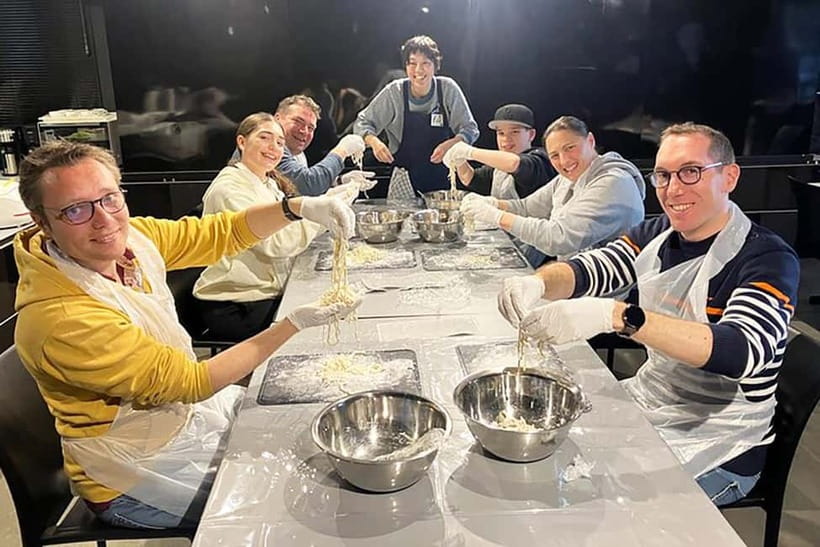
- Jiro-style ramen taught in English, a rare find in Tokyo.
- Hands-on noodle making from flour, not just assembling toppings.
- Supermarket walk-in before cooking, so ingredients make sense before you start.
- Small group (max 6), which keeps the class feeling personal.
- Patia Kitchen Studios: central, spacious, and a known stop for Japanese TV.
- You get later-downloadable photos of your experience.
Akihabara + Ramen: Why This Combo Works
Akihabara is the kind of place where food culture feels current, not museum-like. You’ll meet at JR Akihabara Station and spend time walking through the area before you ever touch dough. It’s a smart setup: you get your bearings in Tokyo’s pop-culture zone, then you switch gears to something very practical—how to cook.
The big hook here is the focus on Jiro-style ramen. Most ramen classes teach a standard bowl or a home-style version. This one specifically targets Jiro-style, and it’s taught in English, which matters if you want to understand technique instead of guessing.
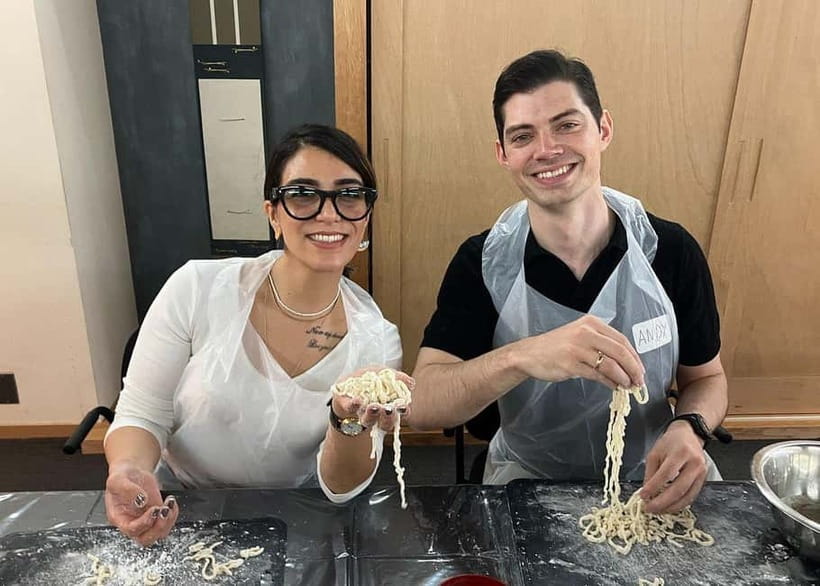
I also like that the class is built around doing. You’re not watching from the sidelines. You’re making fresh noodles from flour, preparing the broth, and assembling your bowl at the end.
You can also read our reviews of more cooking classes in Tokyo



Meeting at 11AM: Getting There Without Losing Time
You’ll start at 11AM at JR Akihabara Station (outside Central Ticket Gate). This matters because the group leaves on schedule. If you’re more than 10 minutes late, you’ll go on ahead, and you’ll be expected to come directly to the kitchen studio. That can be totally manageable if you plan for transit time, but it’s worth taking seriously.
Also note that hotel pickup and drop-off aren’t included. If you’re staying somewhere else in Tokyo, you’ll likely rely on your own rail route to get to Akihabara.
The good news: the meeting point is easy to recognize, and you’re starting in one of the city’s most connected hubs.
The Akihabara Walking Tour: Set Up Your Food Context
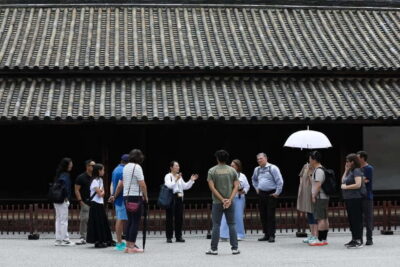
The walking part is short—about 20 minutes—but it’s not random sightseeing. The idea is to help you get oriented in Akihabara, then carry that momentum into shopping for your ramen ingredients.
You’ll see popular spots along the way, and your guide helps connect the neighborhood vibe to the food lesson. It’s a small thing, but it makes the later grocery stop more interesting. You’re not just grabbing items; you’re learning what they mean and how they fit into the ramen you’re making.
Practical tip: wear comfortable shoes. Even though the walk is brief, Akihabara streets can mean lots of crossing and stopping for photos.
The Supermarket Stop: Where the Ramen Lesson Gets Real
Next comes the supermarket, about 20 minutes, and this is one of the highest-value parts of the experience. You don’t just buy ingredients—you inspect them and learn how they’re used. Your guide explains the ingredients for the ramen being made that day, which makes the cooking stage much easier to follow.
This kind of stop is valuable for two reasons:
First, it demystifies Japanese pantry items. You’ll see ingredients up close and get the context that’s hard to get from a cookbook.
Second, it helps you build better instincts for ordering later. After you see what goes into the bowl, you’ll start noticing differences between restaurants when you taste.
One thing to flag: this class is not vegan or vegetarian. If you eat plant-based, you’ll need a different activity.
Train Ride to the Kitchen Studio: A Quick Transition
After the grocery run, you’ll take a train to the kitchen studio, roughly 15 to 30 minutes. This shift matters because it changes the tempo. You go from street-level watching and walking into a controlled cooking environment.
Transportation from Suehirocho Station to the studio is not included. You’ll want to use your own Suica or other IC card when you take that train. If you don’t have one, the guide can help you buy a ticket. That’s reassuring, but still: plan ahead so you’re not stuck at a machine during the most time-sensitive part of your morning.
Also, remember the end location: you’ll finish at the studio, not back at Akihabara. If you plan a second activity right after, give yourself a little buffer.
You can also read our reviews of more tours and experiences in Tokyo




Patia Kitchen Studios: The Right Place to Learn Cooking

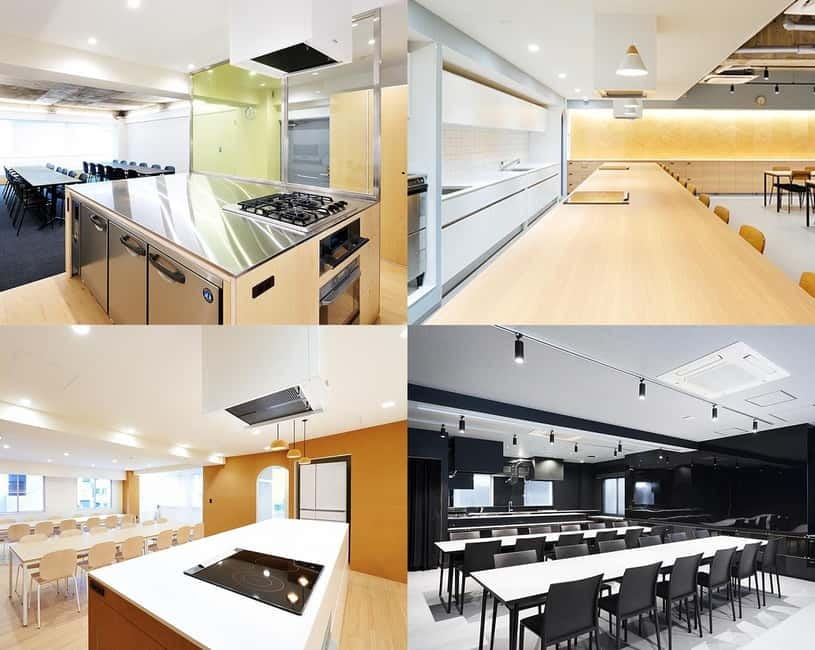
Your cooking class happens at Patia Kitchen Studios, a central Tokyo kitchen studio that’s described as stylish, spacious, and relaxing. It’s also noted as being just a few minutes from the nearest station, which helps when you’re juggling public transit.
There’s another subtle plus: the studio is described as popular with Japanese TV programs for Jiro Style Ramen. Even if you don’t care about TV, that signals this isn’t some generic cooking-room setup. It’s meant for teaching a specific style.
This is the part where the class stops being a tour and becomes a skill you can take home.
The 90-Minute Workshop: Noodles, Broth, and the Jiro-Style Build
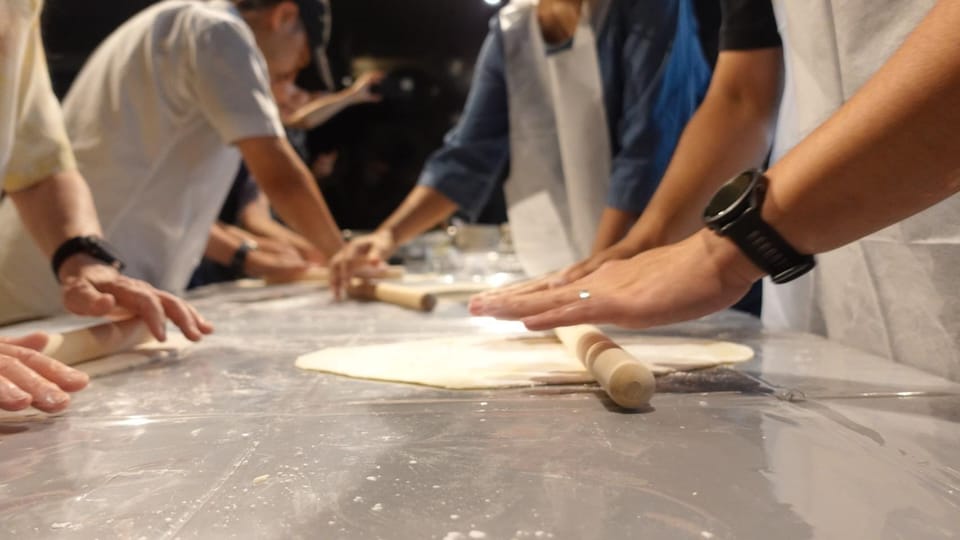
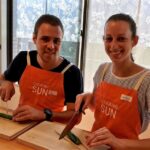
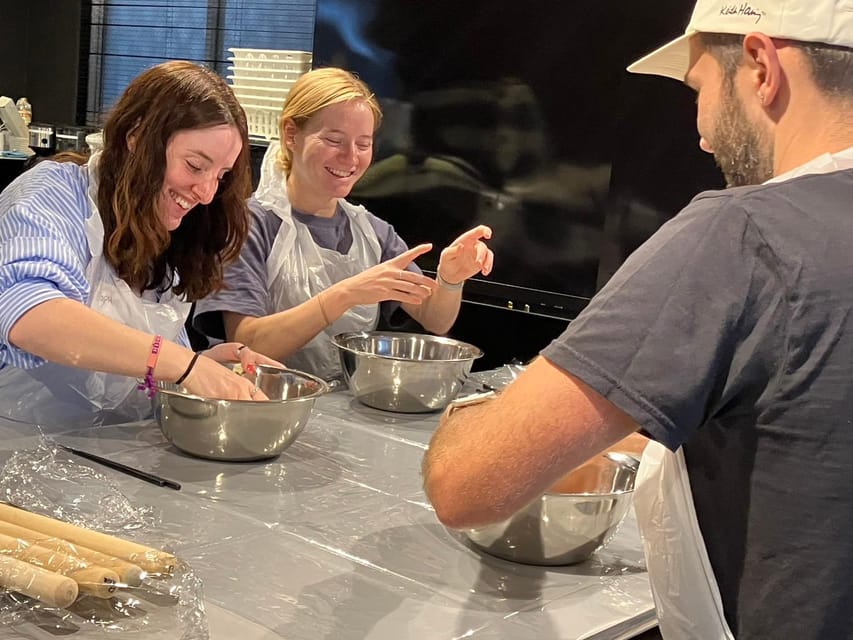
The class portion runs about 90 minutes, and it’s the heart of the experience. The flow is straightforward: you make the broth, prepare fresh noodles, and assemble toppings into a Jiro-style bowl.
Making fresh noodles from flour
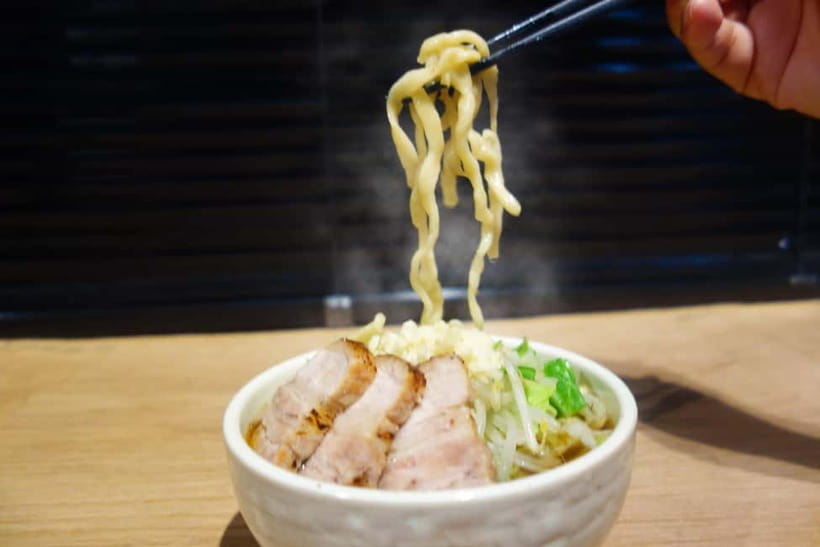
This is where the class earns its keep. Making noodles takes hands-on timing, pressure, and attention. You’ll learn the steps for turning flour into something with real noodle texture, not instant substitutes.
If you’ve ever wondered why good ramen tastes different beyond the broth, this is your answer. The noodle’s thickness, chew, and how it holds up in hot broth all shape the final bowl.
Broth preparation
Your instructor guides you through building the broth. You’re working with a ramen foundation that tastes layered, and the cooking process helps you understand how that flavor is created instead of simply hoping you did it right.
Toppings and the Jiro-style signature
You’ll also prepare the toppings. One practical note: the default includes chashu. If you tell the provider more than 48 hours in advance, you can switch from pork to chicken. That’s a useful option if you prefer chicken or need a change for dietary reasons that aren’t vegan/vegetarian.
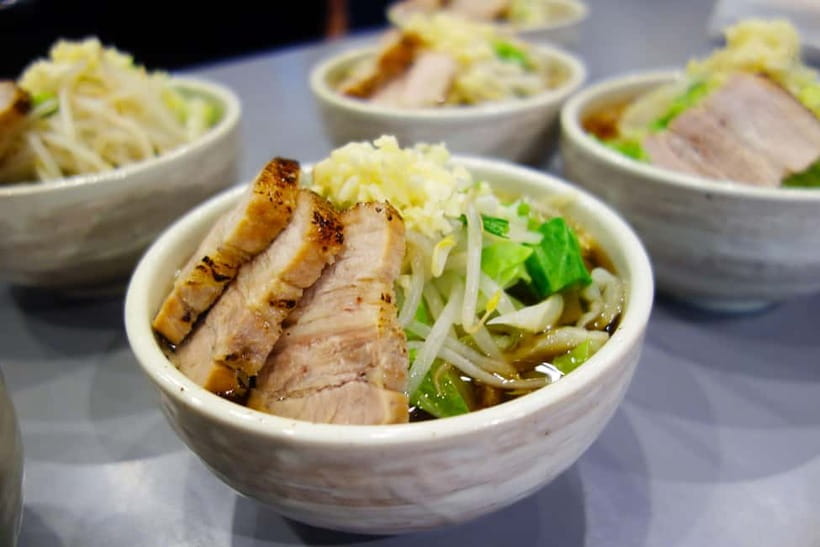
When it’s time to eat, the biggest takeaway isn’t just that you made ramen. It’s that you made a style—Jiro-style ramen—from the ground up.
What You’ll Eat: Why Your Bowl Tastes Better Than You Think
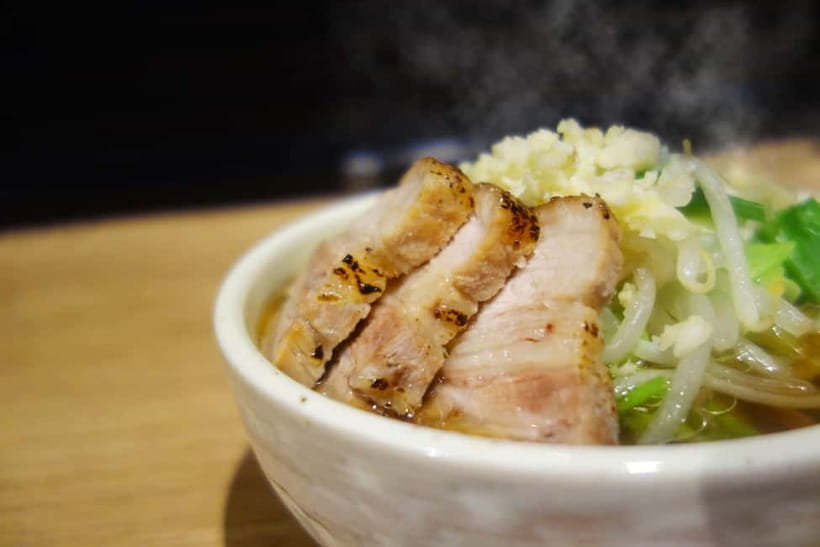
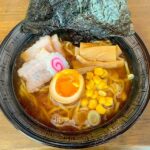
The final reward is a delicious bowl of Jiro-style ramen that you made yourself, plus what’s included for food and beverage during the experience.
In practice, your bowl should taste special for two reasons:
1) You did the steps. Fresh noodles and properly handled broth change everything.
2) You learned the ingredients beforehand. That supermarket walk isn’t just for show.
The class is also designed so you come away with more than memory. You’ll have a recipe framework and technique understanding you can apply when you cook ramen again.
Price and Value: Is $120 Worth It?
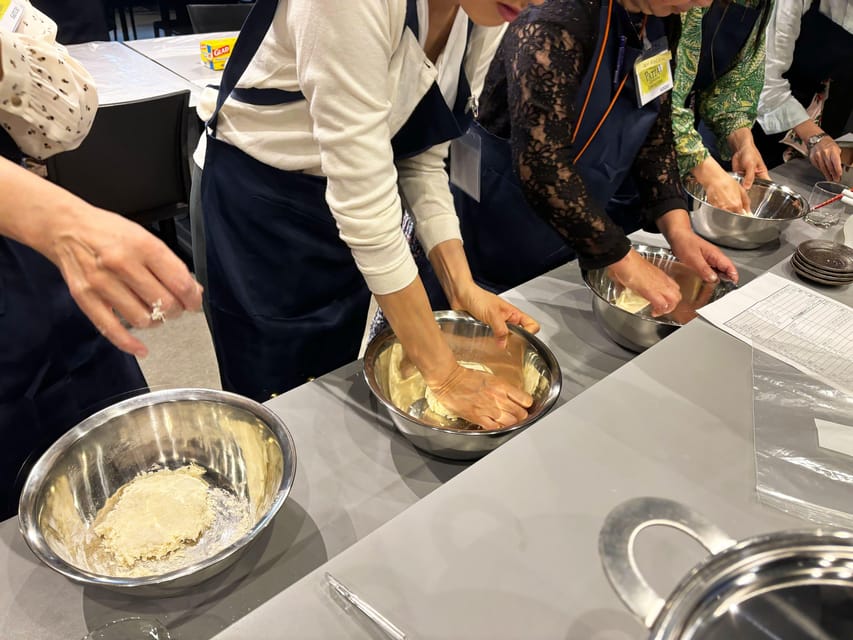
At $120 per person for about 3 hours, this isn’t the cheapest meal you’ll have in Tokyo. But it also isn’t just eating.
You’re paying for three things that restaurants don’t give you:
- Noodle-making from scratch, including working dough and learning the process.
- A guided ingredient walkthrough at a supermarket before cooking.
- Small-group teaching (max 6 participants) in English, which helps you actually understand what you’re doing.
You also get later-downloadable photographs, which is a nice bonus if you want something more than a quick phone snapshot.
For me, this becomes a good value if you’re the kind of traveler who wants skills, not only taste. If you mainly want convenience, Tokyo has plenty of ramen spots. But if you want to leave with know-how, this class fits the bill.
Who Should Book This Class (and Who Should Skip It)
This experience is best for adults and older kids who want hands-on cooking and appreciate ramen culture today.
You’ll probably love it if:
- You want to learn how ramen is made, not just how it tastes.
- You’re excited about Jiro-style specifically.
- You enjoy walking a neighborhood first, then turning that knowledge into a meal.
It’s not suitable for:
- Children under 5
- People with back problems (hands-on work and standing are likely)
- Wheelchair users
- Vegans and vegetarians (no vegan/vegetarian options)
Also, baby strollers aren’t allowed, and smoking isn’t allowed. If you’re traveling with kids in a stroller or you need smoking breaks, plan a different option.
Small-Group Energy: Why Max 6 Matters
Limiting the group to 6 participants changes the feel. You get more attention while you cook, and the instructor can guide you through technique without rushing. That’s a big deal when you’re making noodles, because small mistakes happen fast.
It also helps the experience stay relaxed. Instead of a factory line of classes, you get a more personal rhythm—helpful if you want to ask questions in English.
Should You Book Ramen Making from Scratch + Akihabara Tour?
If you want a ramen class that actually teaches technique in English, and you care about learning Jiro-style ramen, I think this is a smart booking. The combination of Akihabara orientation, a supermarket ingredient walk, and hands-on noodle and broth work makes it more than a one-bowl experience.
I’d only skip it if logistics stress you out—because you’ll handle your own transit to the studio and the class ends at a different location—or if you need vegan/vegetarian food options.
If you’re ready to turn ramen from a restaurant habit into a skill, this is exactly the kind of class that sticks with you.
FAQ
Where is the meeting point and what time does it start?
You meet at 11AM at JR Akihabara Station, outside Central Ticket Gate.
How long is the whole experience?
The experience runs about 3 hours total.
What language is the instructor teaching in?
The instructor and class are in English.
Is it a small group?
Yes. It’s a small group limited to 6 participants.
Do they offer vegan or vegetarian options?
No. Vegan and vegetarian options are not available.
Can I change the chashu to chicken?
Yes. If you let the team know more than 48 hours in advance, you can change chashu from pork to chicken.
What’s included in the price?
Included are the grocery store walk-in, the cooking experience, food and beverage, and later-downloadable photographs.
What is not included?
Hotel pickup and drop-off are not included. Also, transportation from Suehirocho Station to the studio is not included.
Who is the class not suitable for?
It’s not suitable for children under 5, people with back problems, and wheelchair users. Baby strollers aren’t allowed, and smoking is not allowed.