REVIEW · TOKYO
Tokyo: Matcha Tea Ceremony Experience in Shibuya
Book on GetYourGuide →Operated by Trip Port · Bookable on GetYourGuide
Matcha turns Shibuya quiet for an hour, and this hands-on class lets you do matcha-making step by step while sampling Japanese teas paired with traditional sweets. It’s one of those rare cultural activities where you don’t just watch—you actually participate.
I love the format: a small group and an English-speaking host who explains what you’re tasting and why it’s done that way. In particular, the instructor Taku gets high marks for clear English and preparation, which matters when you’re trying to learn manners, not just recipes.
The only real consideration: it’s 1 hour, so you’ll learn the essentials—not a long, formal multi-part ceremony experience. If you want something slow and ceremonial for the whole afternoon, this won’t be it.
In This Review
- Key things that make this Shibuya matcha ceremony work
- Matcha in Shibuya: a calm hour when you want something real
- Finding the class: Okazaki Building meeting point (with a vending machine)
- Your host and the small-group advantage (Taku’s style of teaching)
- What you taste: matcha plus several Japanese teas and sweet pairings
- Making matcha yourself: step-by-step basics you can repeat
- Tea serving manners: learning etiquette without fear
- Tools, photos, and pacing: what the 1-hour format does well
- Price and value: why $30 feels fair here
- Who should book this matcha tea ceremony in Shibuya
- Should you book? My honest take
- FAQ
- How long is the matcha tea ceremony experience?
- How much does the experience cost?
- Is the instructor teaching in English?
- How many people are in the group?
- Will I make matcha myself?
- What will I taste during the session?
- Are photos included?
- Is this experience wheelchair accessible?
- Can I cancel for a refund?
- Is there a pay later option?
Key things that make this Shibuya matcha ceremony work
- You make matcha yourself, with step-by-step guidance, not just a demo
- You taste multiple Japanese teas and compare aroma and flavor side by side
- Tea + traditional sweets are paired to help you notice what each drink is doing
- A small-group setting (max 10) keeps it calm and lets you ask questions
- The host Taku is praised for friendly hosting and strong English
- Photos are included, shared after the experience
Matcha in Shibuya: a calm hour when you want something real
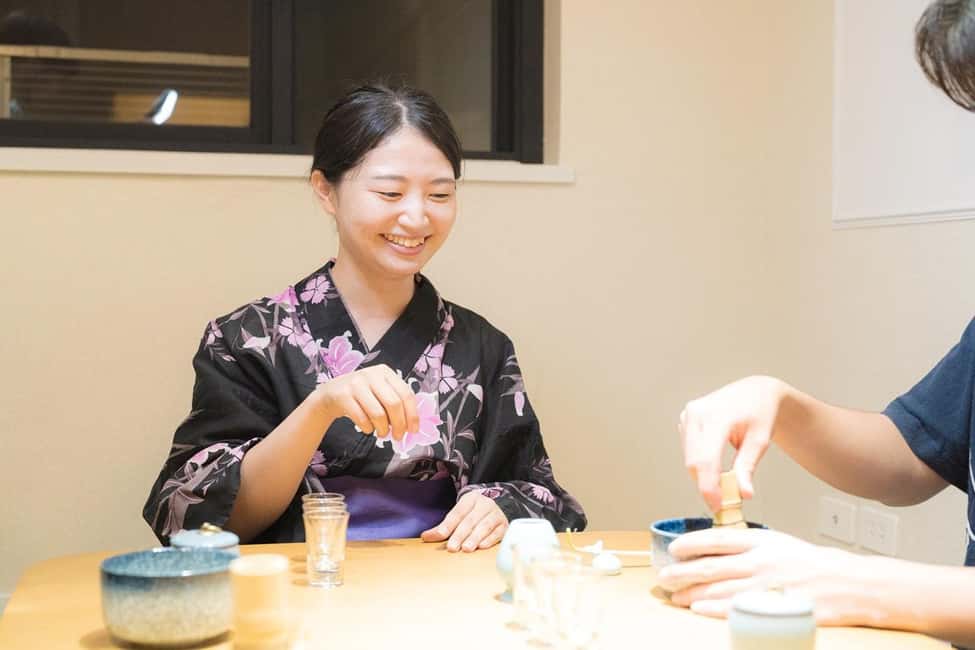
Shibuya can feel like a video game level—bright, fast, and loud. This matcha tea ceremony experience is the opposite setting: a gentle pace where you slow down on purpose. The goal here isn’t to impress you with fancy words. It’s to teach you how tea is made and served, and then let you experience the differences with your own senses.
What I like most is that it’s hands-on. You don’t stand at the edge and hope you understand what’s happening. You build your own matcha, you taste it, and you get to compare that against other Japanese teas. That structure helps your brain do what travel should do: connect culture to real, physical details—smell, texture, and the way sweetness changes your perception.
And the atmosphere is described as welcoming and relaxed. That matters, especially if you’re nervous about etiquette. Tea ceremonies can sound intimidating on paper. In a small group, you can ask simple questions and learn serving manners without feeling like you’re in a performance.
You can also read our reviews of more tours and experiences in Tokyo.



Finding the class: Okazaki Building meeting point (with a vending machine)
Logistics are easier than you’d think, as long as you know exactly where to look. The instructor stands in front of the Okazaki Building’s entrance. There’s also a vending machine right next to it—use that as your visual anchor when you arrive.
This kind of meeting point is actually a plus in Shibuya. You’re in a dense area with lots of entrances and side streets, so having a specific landmark helps you get settled quickly instead of spending your first five minutes stressed. The session runs for 1 hour, so being on time makes the experience smoother for everyone.
The class is taught in English, and you’re not stuck trying to translate gestures you don’t understand yet. The small group size (limited to 10 participants) also means the instructor can guide you properly while staying in a calm, manageable rhythm.
Your host and the small-group advantage (Taku’s style of teaching)
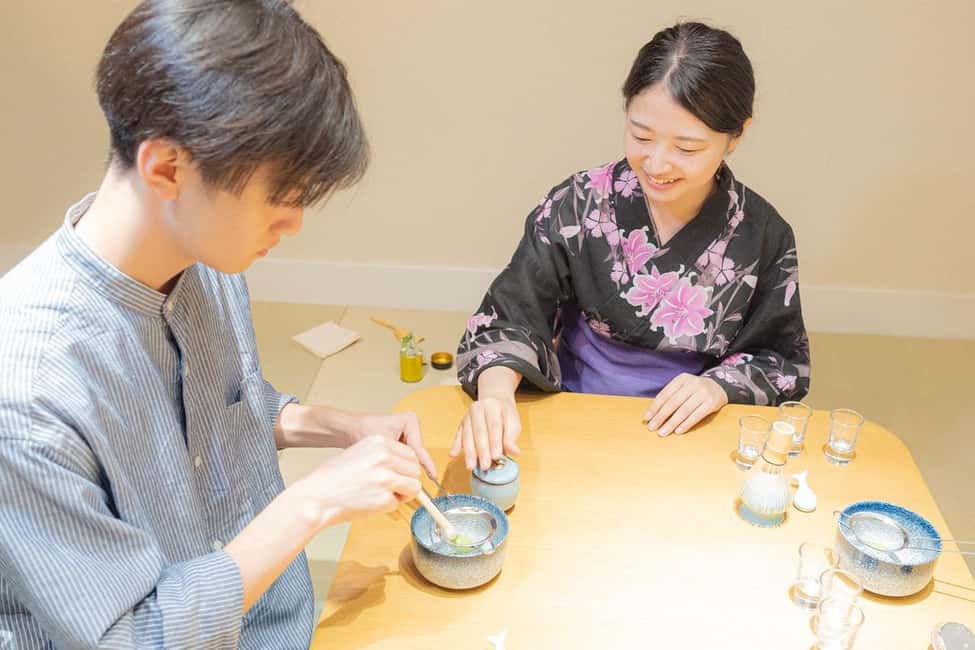
You’ll be with a local teacher throughout the session. The experience is designed for beginners and curiosity-driven travelers, and that shows in how the teaching is described: step-by-step guidance, plus explanations of tradition and cultural meaning as you go.
A standout from the feedback is the instructor Taku. People mention that he’s friendly and that his English is excellent. That’s a big deal for this type of experience, because the “how” matters, but the “why” is what makes it stick. If you understand the intention behind each movement—pouring, receiving, serving—the ceremony stops being just a skill and becomes a small window into how Japanese hospitality works.
In practical terms, small group also means you’re less likely to feel lost. You’ll have time to follow along, compare notes with your own tastes, and ask questions if something doesn’t make sense. With matcha, that’s important because people often expect one flavor profile and then get surprised by how different tea types behave.
What you taste: matcha plus several Japanese teas and sweet pairings
This isn’t just a matcha class. It’s a guided tasting experience designed to help you notice subtle differences. You’ll sample several kinds of Japanese tea, each carefully prepared. That’s how you learn to compare: not in theory, but by tasting.
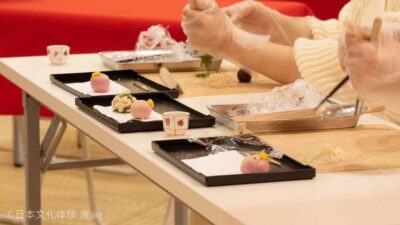
The teas are also paired with a small sweet snack. The idea is simple but smart for beginners: sweetness can highlight certain aromas and soften harsh edges, so you can pick up on what changes when you add contrast. Instead of one drink that you either like or don’t, you get a set of comparisons that train your palate.
Here’s what this kind of pairing teaches you while you’re sitting there: presentation and balance matter. Even if you don’t know the technical names of every variety, you’ll start noticing things like aroma strength, bitterness level, and how the finish feels. Over an hour, those observations become real memories, not blur.
If you’re the type who likes travel experiences that build “taste vocabulary,” this part is the payoff. It’s also a good way to enjoy the ceremony even if you’re not sure you’ll love matcha at first. You can end up discovering that you prefer certain styles over others, and you’ll understand why.
Making matcha yourself: step-by-step basics you can repeat
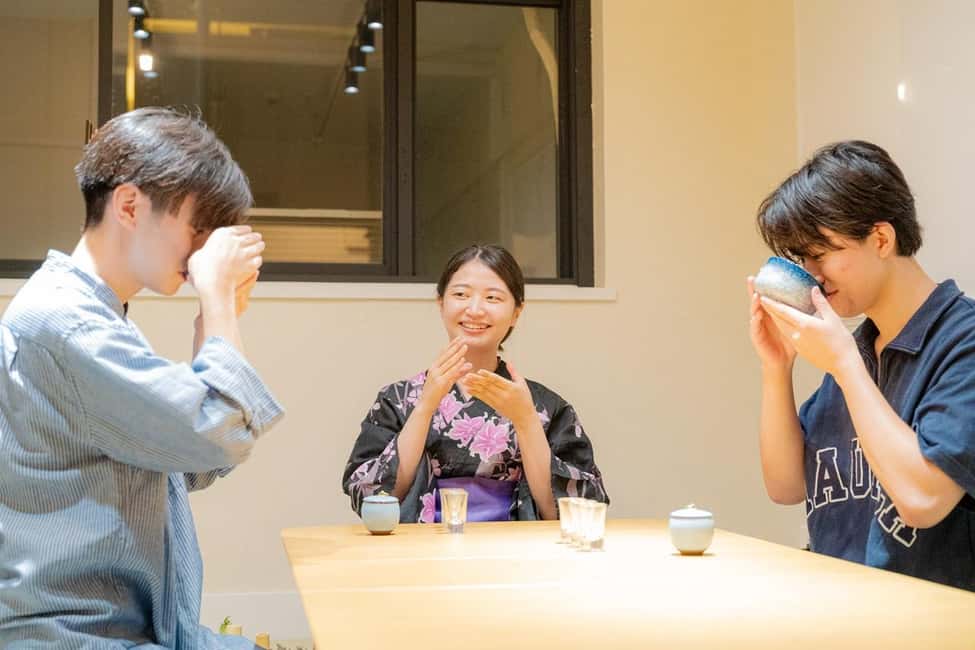
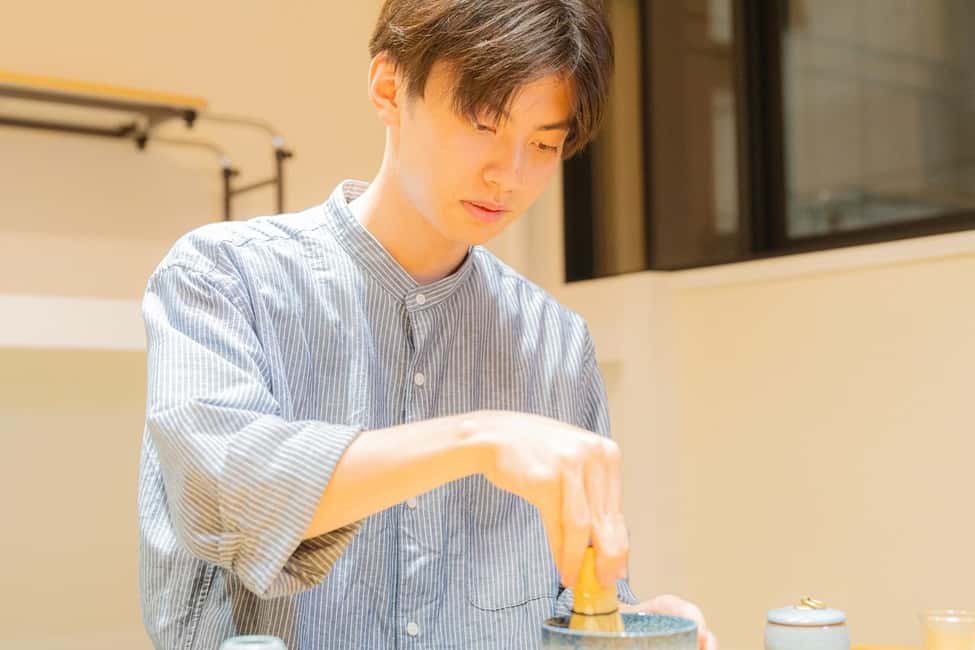
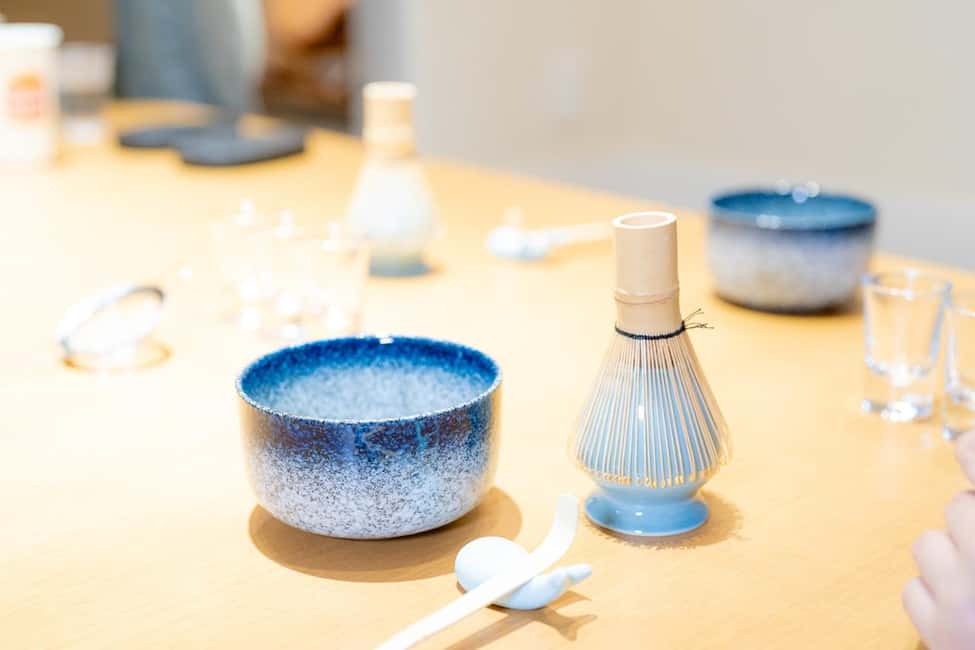
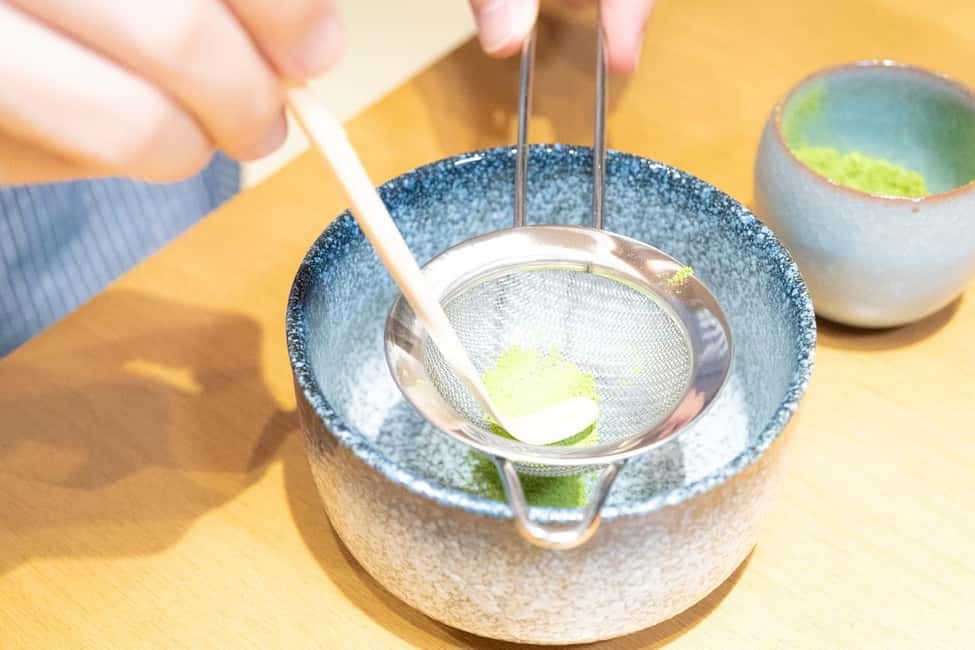
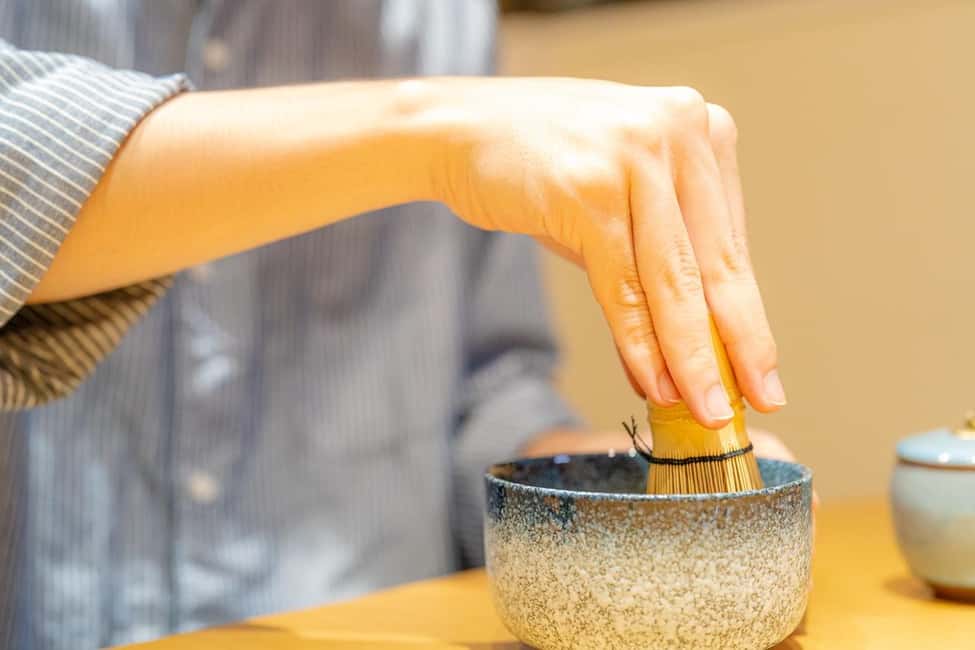
The centerpiece of the experience is making your own matcha. You’ll get tools for the ceremony and guidance throughout, so you’re not guessing. The best matcha making sessions are about more than mixing powder with water—they teach technique and timing so your results are consistent.
In this class, the teaching is presented as step-by-step. That’s practical. It helps you avoid the common mistake of treating matcha like a flavored drink instead of a tea with a specific texture. You’ll also learn to appreciate subtle differences in taste, aroma, and presentation as each cup comes together.
The process you’ll practice also connects to etiquette. Tea isn’t only about flavor; it’s about respectful attention. When you’re actively preparing the tea, you naturally slow down enough to notice what the ceremony asks of you—focus, calm, and precision.
Even if you never make matcha at home again, you’ll walk away with the mental model of how Japanese tea culture turns ingredients into an experience. And if you do want to try at home, you’ll at least know what the basic steps feel like: the rhythm, the intent, and the difference between simply mixing and actually preparing.




Tea serving manners: learning etiquette without fear
A big part of the ceremony is how tea is served and how you participate. In this experience, you’ll be guided through the basic steps and manners of serving tea, so you understand the etiquette rather than just watching it happen.
This is where the calm atmosphere helps. In a one-hour session, the instructor’s job is to keep things friendly and understandable. You learn the ceremony as something you can do correctly without being “perfect.”
In practical terms, what you’ll gain is confidence. Once you’ve learned a few key manners, you won’t feel like you’re intruding on tradition when you see ceremonies done by others later in your trip. You’ll also be able to recognize what people mean when they describe mindfulness in everyday actions.
Also, the comparison component makes manners more than a rule set. When you’re serving your own tea, you become aware of presentation. When you receive other teas, you understand why serving order, care, and attention are taken seriously.
Tools, photos, and pacing: what the 1-hour format does well
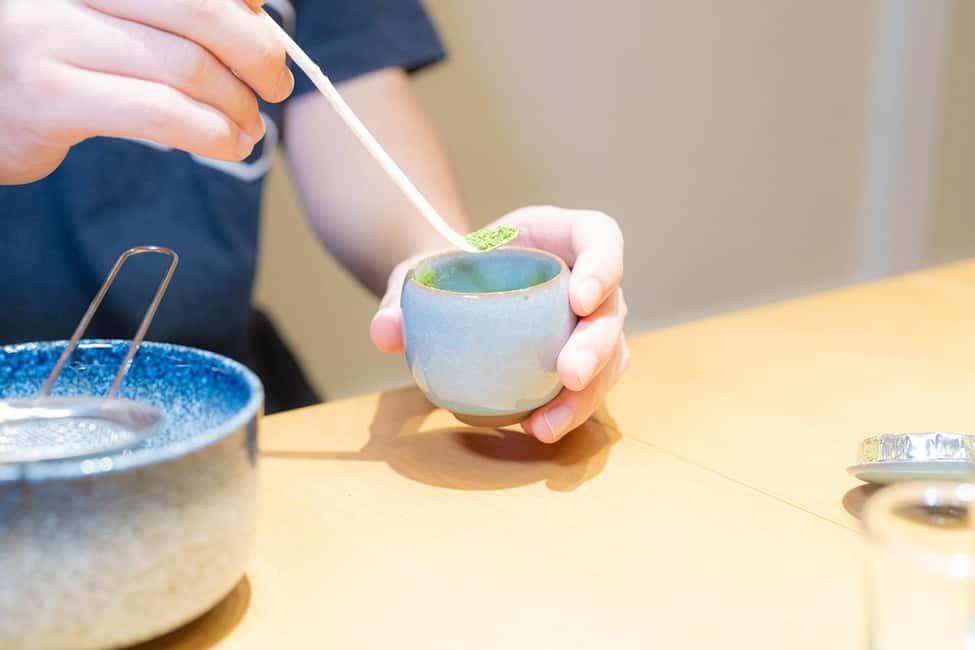
The experience includes the tools you need for the ceremony. That means you’re not carrying anything special or figuring out what equipment to buy on your trip. You show up, follow the instructor’s pace, and use the materials that match the tradition.
You’ll also get photos taken during the experience, shared at the end. That’s a small detail, but it’s a smart one. Tea ceremonies are photo-friendly in a respectful way, and a guided activity tends to capture the moment you’ll want to remember—your finished tea, the setup, and your participation.
The session length matters too. One hour is short enough to fit into a travel day without turning it into a half-day project. At the same time, it’s long enough to include tasting several teas, making matcha, and learning serving manners. It’s a balanced container: focused, not rushed by travel logistics, but also not so long that you lose attention.
And because the group is limited to 10, you’re not waiting on long lines for your turn. That improves the whole feel of the class. You get personal guidance when you need it, and you don’t spend the session sitting around.
Price and value: why $30 feels fair here
At $30 per person for a 1-hour experience, it’s not the cheapest activity in Tokyo. But it can be good value when the session includes expert instruction, tools, multiple tea tastings, and photos.
Here’s how I think about it:
- You’re paying for guided learning (English instruction by the host Taku, with step-by-step matcha making and etiquette guidance).
- You’re paying for materials (tea ceremony tools, plus carefully prepared teas).
- You’re paying for a tasting experience, not just one drink. Comparing several teas with traditional sweets makes the hour more educational than a simple tea stop.
- You’re paying for captured memories (photos shared after).
If you’re the type who enjoys structured cultural activities—ones where you can walk away with a skill and a new way to taste—then the price makes sense. If you’re only looking for a quick drink and a pretty photo, you might find it pricier than a regular cafe. But this is built like a lesson and tasting event, not a meal.
Who should book this matcha tea ceremony in Shibuya
This is a great fit if you:
- Want hands-on cultural learning instead of a lecture
- Like Japanese food culture and want to understand matcha beyond the basics
- Prefer a calm activity where etiquette is taught kindly
- Enjoy guided tastings and comparing flavors side by side
- Need English instruction so the experience is accessible
It’s also a good choice for people planning a short Tokyo itinerary. One hour is manageable, and the class happens in Shibuya, so you can pair it with other nearby activities without complicated transfers.
One more practical note: the experience is wheelchair accessible. If mobility needs are part of your planning, this is worth considering since the session is set up to accommodate access.
Should you book? My honest take
Book it if you want a small, guided matcha experience with real participation—making your own tea, tasting several teas, and learning serving manners in English. The small group size and the strong hosting reputation around Taku’s clarity make it especially good for first-timers who don’t want to feel awkward.
Skip it if your idea of a tea ceremony is a long, slow, highly formal event that stretches for hours. This is an efficient learning session. Short, focused, and designed for beginners to come away understanding what they tasted and how to participate respectfully.
If you’re in Shibuya and you want one memorable cultural stop that doesn’t demand advanced knowledge, this one is an easy yes.
FAQ
How long is the matcha tea ceremony experience?
It lasts 1 hour.
How much does the experience cost?
The price is $30 per person.
Is the instructor teaching in English?
Yes, instruction is in English.
How many people are in the group?
The group is limited to a small size, with a maximum of 10 participants.
Will I make matcha myself?
Yes. You’ll be guided step by step to make your own matcha.
What will I taste during the session?
You’ll taste several kinds of Japanese tea, and you’ll also have a little sweet snack paired with the tasting.
Are photos included?
Yes. Photos are taken during the experience and shared at the end.
Is this experience wheelchair accessible?
Yes, it is wheelchair accessible.
Can I cancel for a refund?
Yes. You can cancel up to 24 hours in advance for a full refund.
Is there a pay later option?
Yes. You can reserve now and pay later.