REVIEW · FUJIYOSHIDA
Mount Fuji Passes (optional)
Book on Viator →Operated by Royal Smart Tourism · Bookable on Viator
One ticket can tame Mt. Fuji chaos. It’s designed to make day-to-day transport and top sights feel simple, with unlimited bus rides in the Fuji area and JR train access to get you out of Tokyo. You also get a bundle of free admissions and rides tied to the Mt. Fuji views and lake excursions.
What I like most is how the pass is built around movement. With hop-on, hop-off buses (including climbers’ buses and local routes) plus JR coverage from major hubs like Shinjuku and Yokohama, you’re not stuck plotting every transfer from scratch.
The one real catch: you’re buying into a plan that is weather-dependent and time-locked. If it’s pouring or conditions are extreme, you should expect schedule changes and no guarantee of refund, so keep your flexibility hat on.
In This Review
- Key things that make this pass worth a look
- The real idea: one pass to reduce Fuji-area decision fatigue
- Getting to Fuji: JR coverage plus the Limited Express link
- The transport that actually makes sightseeing easy: buses, hop-on freedom, and climbers’ routes
- Starting point at Fuji-Q Highland: why that matters
- Free thrills and classic Fuji park time: Fuji-Q Highland and Grinpa
- The caves: Wind Cave and Ice Cave for a break from the sun
- Mt. Fuji Panoramic Ropeway: paying for views with less friction
- Lake Kawaguchiko excursion: boat time without extra tickets
- Yamanakako add-on: Swan Lake excursion ship
- Discount stops that can stretch your budget (and your appetite)
- How to choose 1, 2, or 3 days without over-scheduling
- What the experience feels like in practice
- Price and value: is $73 per person a good deal?
- Who should book this pass (and who should skip it)
- Quick tips before you redeem it
- Should you book this Mt. Fuji Pass?
- FAQ
- What is the Mt. Fuji Pass duration?
- What transport is included in the pass?
- Which attractions are included for free?
- Are there any discounts at food or shopping spots?
- Do I need to print the ticket?
- Can Japanese residents buy and use this pass?
- What happens if weather is poor?
Key things that make this pass worth a look
- Unlimited sightseeing buses across red, blue, and green routes, plus climbers’ buses
- JR train access from Narita, Haneda, Shinjuku, and Yokohama, with Limited Express Fuji Excursion access
- Free attractions including Wind Cave, Ice Cave, and Grinpa
- Big view bonuses like the Mt. Fuji Panoramic Ropeway and lake-area excursion boats/ships
- Stackable station discounts at Kawaguchiko, Mt. Fuji area stops, and the 5th-station zone
The real idea: one pass to reduce Fuji-area decision fatigue
Mt. Fuji day trips can turn into a logistics puzzle fast. Which bus? Which train? Where do I switch? What if I want a few different lakes in one trip? This pass targets that exact pain by bundling transport and key paid sights under one umbrella, so you can spend your brainpower on where you want to go next instead of how to get there.
You’ll choose a 1-, 2-, or 3-day option, then use the included transport and admissions across the Mt. Fuji region. The main value is that it’s not only “free entry to places.” It also covers the getting-there part with unlimited local buses and broad JR access, which is where many people quietly lose money.
You can also read our reviews of more tours and experiences in Fujiyoshida.
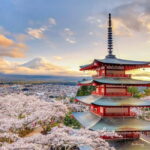
Getting to Fuji: JR coverage plus the Limited Express link
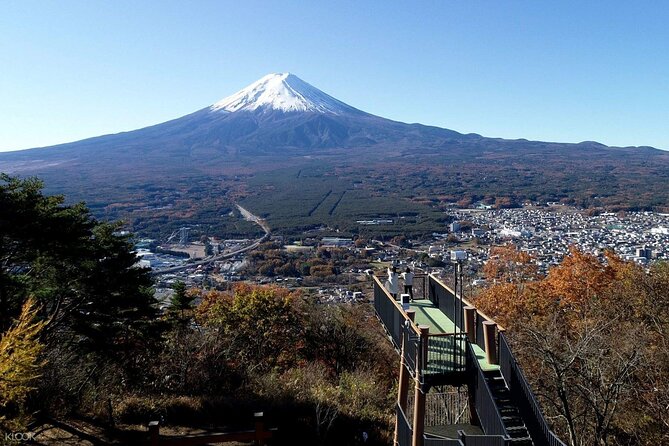
If you’re starting from Tokyo-area gateways, this pass is unusually helpful. It includes unlimited train rides on JR lines from Narita Airport, Haneda Airport, Shinjuku, and Yokohama. That matters because the Mt. Fuji area is not a single-destination zone. You’re bouncing between stations and lake neighborhoods, and JR coverage reduces the number of separate tickets you’d otherwise buy.
It also includes access to the Limited Express Fuji Excursion train. In practice, this can help you connect more efficiently to the Mt. Fuji area without feeling like you’re on the train all day. The key is that the pass is designed to support a full itinerary, not just a single transfer.
The transport that actually makes sightseeing easy: buses, hop-on freedom, and climbers’ routes
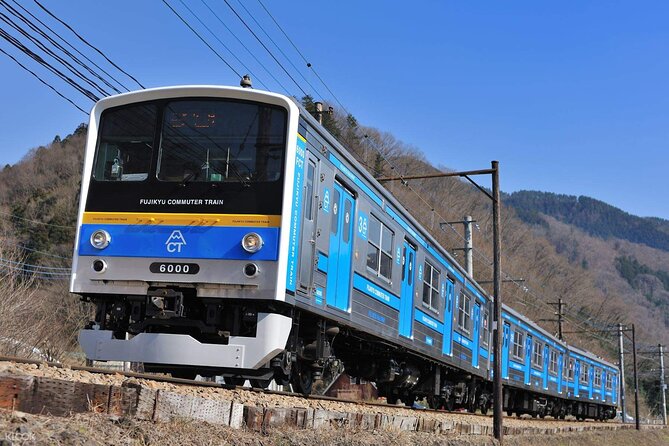
Once you’re in the Fuji area, the pass shifts from “train help” to “local freedom.” You get unlimited hop-on and hop-off rides on sightseeing buses across red, blue, and green lines, plus climbers’ buses and all local routes included in the network.
This is the practical part most people care about. You can build a loose plan, then swap priorities when the day is going well. Want more time near the lake? You can. Want to head toward viewpoint corridors or the 5th-station area? You can. It’s built so you’re not locked into a single bus ride timeline.
Also, the pass is valid for the date and time selected, so you’re not meant to treat it like an open-ended ticket. Pick your day based on your weather risk tolerance and your overall travel pacing.
Starting point at Fuji-Q Highland: why that matters
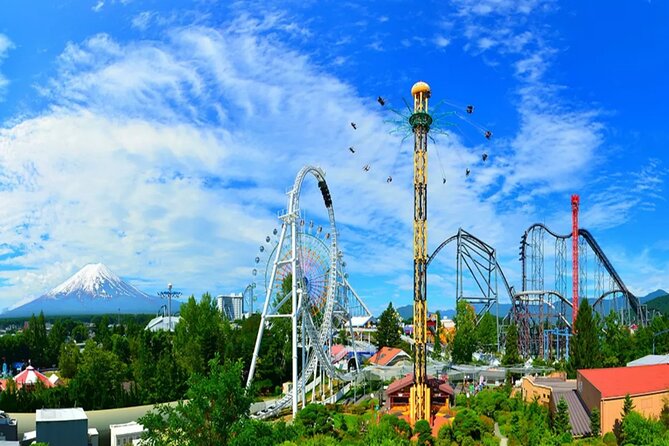
Your pass pickup/starting point is at the Tourist Information Center in the Fuji-Q Highland area. That’s more than an address. It places you near a cluster of transport connections and attractions, so you’re not scrambling to find your bearings before you begin.
If you’re the type who likes to get oriented fast, you’ll appreciate that the “launch pad” is also a functional sightseeing hub. The whole day can start clean: grab what you need, then head out on the network you already paid for.
Free thrills and classic Fuji park time: Fuji-Q Highland and Grinpa
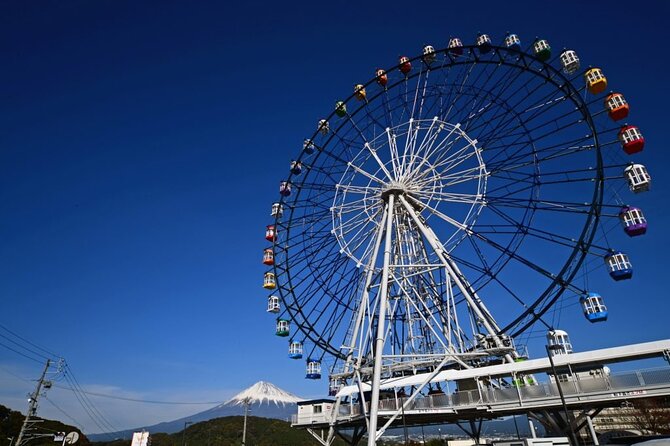
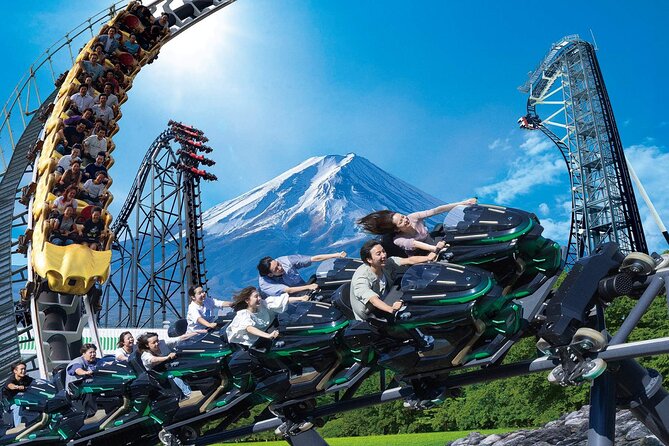
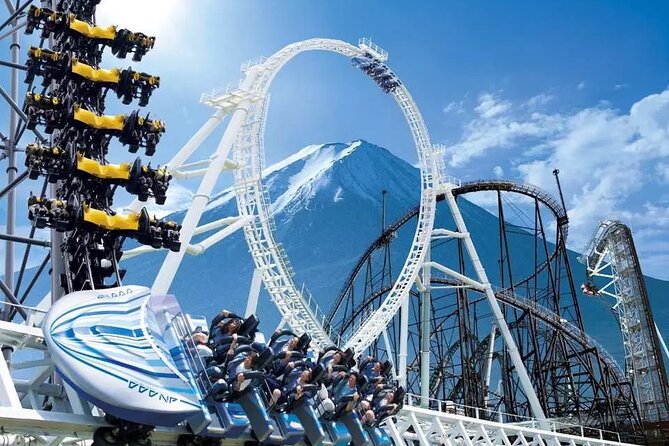
One of the big attractions included here is Grinpa, with free admission. You also get one free ride at Fuji-Q Highland (an amusement park) and access to attractions that fit the same high-energy zone around the Fuji-Q area.
This is worth factoring into your value math. A lot of passes focus only on scenery. This one also understands that people visit Fuji with families, friends, and mixed interests. If your group includes someone who wants rides and something lively between scenic stops, this pass covers that without you buying separate tickets on top.
Based on the way this area runs, you should expect an amusement-park rhythm: arrive, do attractions, and then use nearby transport to move on. The “best day” approach is to treat the parks as a flexible block early or mid-day, then switch to views and lakes when your timing works.
The caves: Wind Cave and Ice Cave for a break from the sun
You also get free admission to Wind Cave and Ice Cave. These are classic “cool-down” stops that can help when the weather is hot, windy, or just not cooperating for long outdoor stretches.
The value here is simple: two paid attractions, included. Even if you don’t love every kind of indoor sightseeing, it’s a smart way to keep your day balanced and not purely dependent on outdoor visibility. That’s important around Mt. Fuji, where clouds and weather swings are part of the deal.
Mt. Fuji Panoramic Ropeway: paying for views with less friction
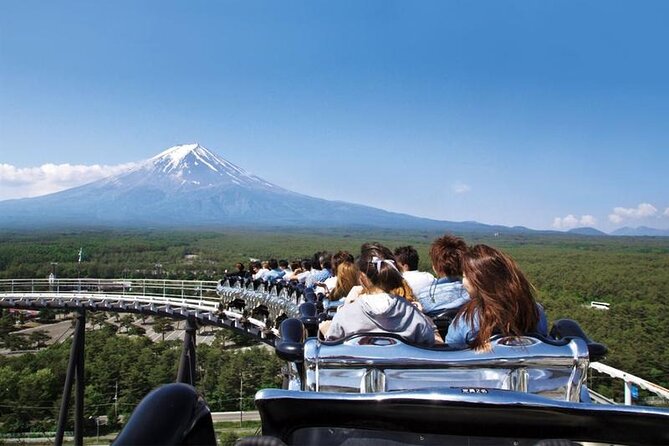
A highlight included on the pass is a free ride on the Mt. Fuji Panoramic Ropeway. Ropeways are expensive when you do them à la carte, so bundling it in is a real pricing advantage.
What it means for you: you can prioritize “view time” without constantly checking ticket costs or adding another round of purchases. Just remember ropeways are weather-sensitive in many places, so your best move is to plan it for a time block when conditions look most likely to cooperate.
Lake Kawaguchiko excursion: boat time without extra tickets
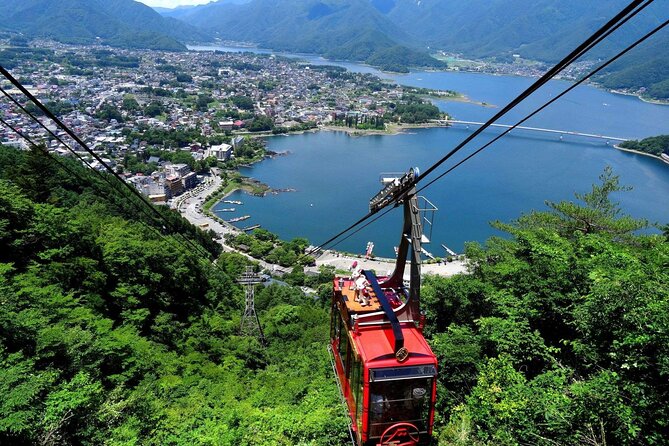
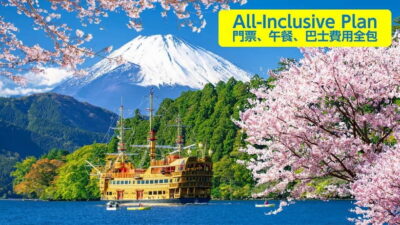
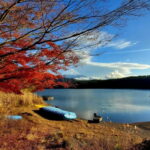
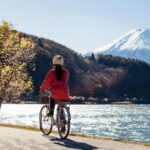
This pass includes a free ride on the Lake Kawaguchiko excursion boat (Tenharu). Lake days are where the Fuji area starts to feel like a real itinerary rather than a quick photo stop. The boat addition makes it easy to plan a scenic segment that doesn’t require hiking or complicated scheduling.
Boat rides are also great for pacing. You’ll get a change of scenery and a different angle on the area around the lake. It’s the kind of experience that fills your day while still keeping energy levels reasonable for most people.
Yamanakako add-on: Swan Lake excursion ship
If you’re expanding beyond Kawaguchiko, the pass also includes a free ride on the Yamanakako Swan Lake excursion ship. This is the “second lake” strategy. Doing one lake can be good; doing two often feels like you genuinely learned something about the region, because each lake has its own vibe and viewpoints.
It’s also helpful for maximizing value. Because the pass is already paid for, adding a second excursion can feel like you’re getting more than just a single souvenir photo loop. The best way to use this is to stay realistic about weather. If visibility is strong, do the boat blocks. If conditions are gray, keep your schedule flexible and switch between indoor and outdoor included options.
Discount stops that can stretch your budget (and your appetite)
Beyond full inclusions, there are discounts that can quietly save you money. If you plan on eating out, these matter.
Here’s what’s included:
- 5% off at station eateries: Gateway Fujiyama (Kawaguchiko station) and Fujimaya (Mt. Fuji station)
- 10% off at Fujikyu Unjo-kaku (Mt. Fuji 5th station)
- 100 yen off admission at Oshino Shinobi no Sato
- 5% off at Fuji-Q Highland Bus Terminal souvenir shop
For value-focused travel, this is where the pass stops being just a transport tool and turns into a budget helper. The discounts are not massive, but they stack. If you do a couple of station meals and a paid admission at Oshino Shinobi no Sato, the savings can add up enough to make the pass feel even smarter.
How to choose 1, 2, or 3 days without over-scheduling
The pass is sold in 1-, 2-, and 3-day options, so you need a plan that matches how you travel.
- 1 day: Good if you want one core area and a compact set of included attractions. Ropeway plus one lake excursion is a solid approach, then add an indoor option like a cave if weather turns.
- 2 days: The sweet spot for most people. You can cover more than one lake, plus a park and at least one cave. This is usually where you feel the pass “click” because you’re using the unlimited transport multiple times.
- 3 days: Best if you’re traveling with mixed interests or you want slower movement with less stress. It gives you room to adjust plans if you lose visibility or if an attraction you want runs into closures.
Your biggest decision factor is weather. The pass is weather-sensitive in practice, and poor conditions can change what’s enjoyable. Buying “extra time” can help, because it gives you more chances to land on the day that looks best.
What the experience feels like in practice
The included attractions cluster into a few types of moments: view rides (ropeway), view water (boats), indoor breaks (caves), and energetic park time (Grinpa and Fuji-Q Highland). That mix matters because Mt. Fuji days can swing between wow and waiting.
Also, this pass is built for people who want to keep moving. The included transportation network is designed for hopping between nodes, so you can do several sights without constantly buying new tickets. If you’re the type who hates standing in line for tickets or figuring out where to buy yet another entry pass, you’ll appreciate the bundled approach.
Price and value: is $73 per person a good deal?
At $73 per person, this is best understood as a transport-and-attractions bundle, not just a discount coupon. Since it includes unlimited local buses, broad JR train access from major hubs, access to a Limited Express train, multiple free admissions, and free rides, the pricing can pencil out quickly if you plan to do at least two or three paid items.
Here’s the practical way to judge it:
- If you want one or two excursions plus the ropeway, the value improves fast.
- If you also plan on Grinpa and the caves, you’re stacking enough included paid attractions that the pass becomes easier to justify.
- If your plan is extremely light, you might not use all the transportation and included rides, and then the deal shrinks.
For many visitors, the biggest reason it feels worth it is the “no-splitting tickets” advantage. Transport in the Fuji area adds up when you’re buying separately, especially if you’re hopping between stations and lakes.
Who should book this pass (and who should skip it)
This pass fits best if you:
- Want a simple plan for Mt. Fuji area transport
- Plan to do at least one lake excursion and one or two extra attractions
- Have a group with mixed tastes, including someone who wants park time
- Like the idea of hop-on flexibility rather than a tightly scheduled tour
You might skip it if:
- You’re mostly focused on one viewpoint and don’t expect to use the transport network repeatedly
- You’re traveling in conditions that are very likely to shut down outdoor experiences, and you can’t adjust your day
- You strongly prefer “pay as you go” planning and don’t want a time-locked product tied to a selected date
Quick tips before you redeem it
- Bring a valid photo ID/passport, since identity proof is required at the entrance.
- Do check the date you select because tickets are valid for the date and time chosen.
- Save your plan for a smart order: do the view-heavy items when conditions look best, and use caves as your weather backup.
- Wear comfy shoes. Even with buses, you’ll be doing plenty of walking between stops and entrances.
Should you book this Mt. Fuji Pass?
If you want Mt. Fuji with less logistics stress, this pass is a strong choice. The combination of unlimited local buses, wide JR coverage, and multiple free paid attractions gives you a lot of control for the money, especially if you’ll actually move around between lakes and viewpoints.
Book it if your plan includes at least a ropeway moment and one boat excursion, plus a couple of extras like a cave or Grinpa. Skip it if you’re only doing one quick outing and you don’t expect to use the transportation network much.
FAQ
What is the Mt. Fuji Pass duration?
It’s sold as a 1-, 2-, or 3-day ticket option.
What transport is included in the pass?
You get unlimited bus rides on the red, blue, and green sightseeing lines, including climbers’ buses and local routes. You also get unlimited train rides on JR lines from Narita Airport, Haneda Airport, Shinjuku, and Yokohama, plus access to the Limited Express Fuji Excursion train.
Which attractions are included for free?
Free admission is included for Wind Cave, Ice Cave, and Grinpa. You also get 1 free ride at Fuji-Q Highland, a free ride on the Mt. Fuji Panoramic Ropeway, and free boat/ship rides for Lake Kawaguchiko (Tenharu) and Yamanakako Swan Lake.
Are there any discounts at food or shopping spots?
Yes. There’s 5% off at station eateries (Gateway Fujiyama at Kawaguchiko station and Fujimaya at Mt. Fuji station), 10% off at Fujikyu Unjo-kaku (Mt. Fuji 5th station), 100 yen off admission at Oshino Shinobi no Sato, and 5% off at the Fuji-Q Highland Bus Terminal souvenir shop.
Do I need to print the ticket?
No. An e-ticket is sent by email one day before, and you can show it from your smartphone.
Can Japanese residents buy and use this pass?
No. This ticket is specially targeted for foreign visitors to Japan. Domestic residents cannot purchase or use it.
What happens if weather is poor?
It’s non-refundable, and no refund is granted for rain or extreme weather. If the experience is canceled due to poor weather, you’ll be offered a different date or a full refund, and you can reschedule from the counter or available team before redeeming.