REVIEW · TOKYO
Tokyo: Mt. Fuji & Hakone Cherry Blossoms Private Day Tour
Book on GetYourGuide →Operated by Japan Travel and Tour · Bookable on GetYourGuide
Fuji day trips live or die by visibility. This private Mt. Fuji and Hakone route stacks the big viewpoints—Mt. Fuji 5th Station up close and Chureito Pagoda views over cherry blossoms—so you get the kind of photos you came for. I like that it’s planned as one smooth, guided loop, not a scatter of train changes. The one drawback to weigh is that if the day turns cloudy, your Fuji payoff can drop hard.
A solid perk here is how personal it can feel: it’s a private group with an English-speaking guide, hotel pickup, and driver support. In practice, the quality of the guide-led info can vary by who’s in the van (one review complained it felt like a driver-only day), so if you want serious storytelling, plan to chat early and set expectations.
In This Review
- Key Things That Make This Tour Worth a Look
- Why This Mt. Fuji and Hakone Day Trip Works Better Than DIY
- The Pickup and Van Ride: Start Clean, End Tired
- Mt. Fuji 5th Station: The View Up High (and the Crowds Factor)
- Chureito Pagoda and the Cherry Blossom Walk: Classic Fuji Photos
- Kitaguchi Hongu Fuji Sengen Jinja: Ancient Trees and a Wooden Gate
- Oshino Hakkai: Water Clarity, Cherry Trees, and Market Time
- Lake Kawaguchiko Cruise and Oishi Park: Views Plus Lavender Air
- Lake Ashi and Hakone: The Caldera Story Shows Up in the Scenery
- Kachi Kachi Ropeway and Owakudani: When Hakone Gets Real
- Gotemba Premium Outlets: The Practical Stop That Helps the Whole Day
- Price and Logistics: What You’re Paying For (and When It Hurts)
- Guide Quality Matters: Talal, Addan, Sabir, and the Driver-Only Risk
- Weather Reality Check: Cloud Cover Can Change Everything
- Best Fit: Who This Tour Suits
- Should You Book This Tokyo: Mt. Fuji & Hakone Cherry Blossoms Private Day Tour?
- FAQ
- How long is the Mt. Fuji and Hakone cherry blossom private tour?
- Where are the pickup and drop-off locations?
- What’s included in the tour price?
- What’s not included?
- Do I need to pay for tickets during the tour?
- Is the guide available in English?
- Can pickup be delayed?
- Is there free cancellation?
Key Things That Make This Tour Worth a Look
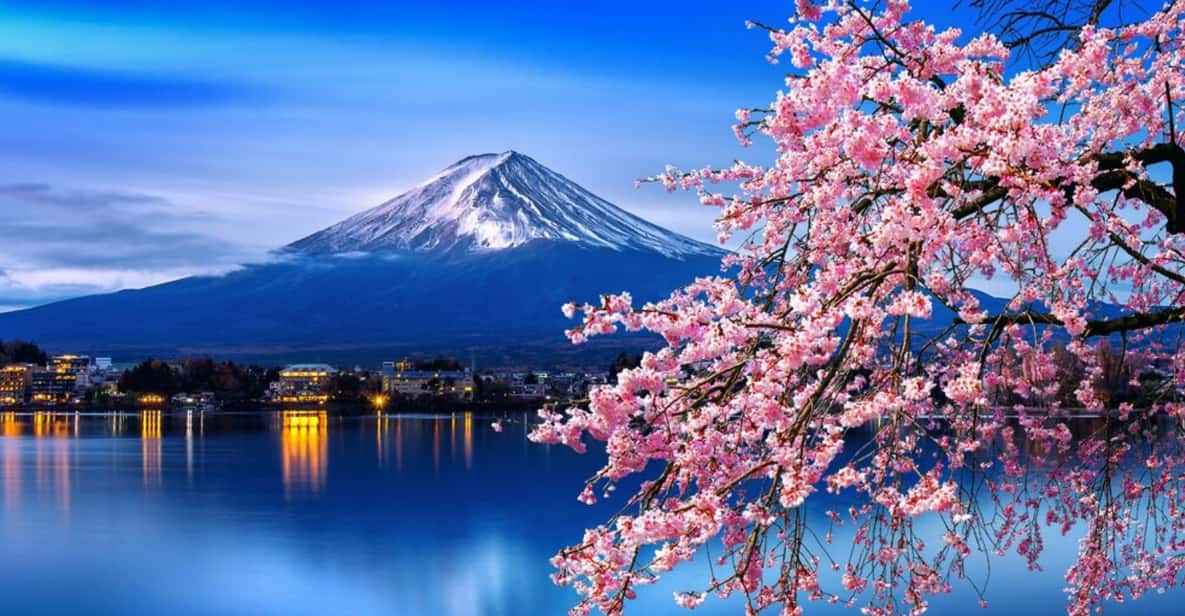
- Mt. Fuji 5th Station for close-up views of the Fuji Five Lakes area
- Chureito Pagoda + cherry blossoms for classic panoramic sightlines
- Oshino Hakkai with crystal-clear water and cherry blossoms plus shop time
- Hakone caldera scenery culminating at Owakudani with sulfur fumes and crater views
- Gotemba Premium Outlets for a practical break at Mt. Fuji’s base
- Private van + pickup options from Chiba, Tokyo, Narita, or Haneda
Why This Mt. Fuji and Hakone Day Trip Works Better Than DIY
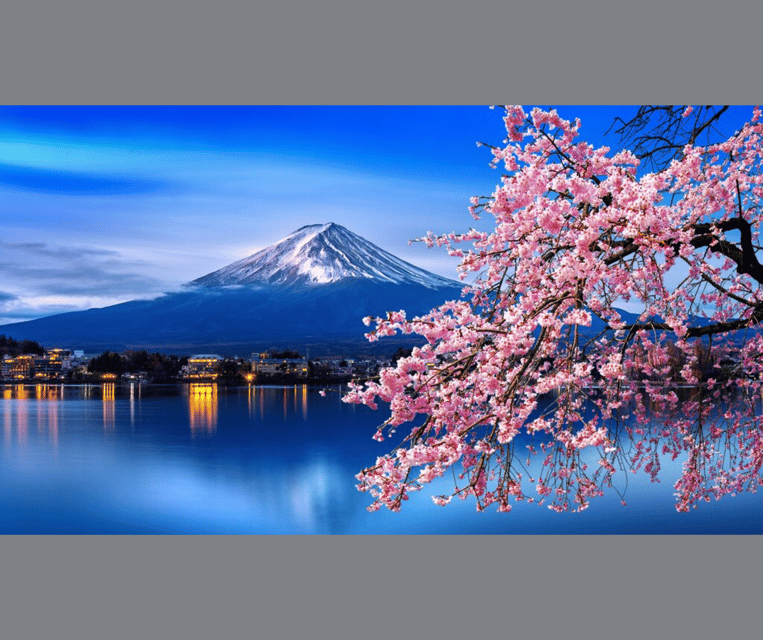
Doing Fuji and Hakone in one day sounds ambitious, because it is. That’s exactly why this format can help you. You’re paying for the heavy lifting: pickup, routing, parking, and highway tolls, plus a guide to keep the day moving.
I also like that the itinerary isn’t just “stop at a viewpoint and move on.” It’s built around a rhythm—high-altitude Fuji views, a temple/pagoda photo moment, a heritage spring-water area, then lakes and Hakone’s volcanic character. Each segment adds a different flavor of the region.
Just keep one expectation grounded: this day depends on weather. Even the best planning can’t pull blue skies from a cloud cover.
You can also read our reviews of more private tours in Tokyo
The Pickup and Van Ride: Start Clean, End Tired
You’ll get hotel pickup in one of four areas: Chiba, Tokyo, Narita, or Haneda (Hanedakuko), with pickup times that may shift up to 30 minutes due to traffic. After that, you’re in a private van, and you’ll spend real time on the road—about two hours early on and another two hours at the end.
This is not a “wander all day and snack whenever” setup. It’s a structured day where the goal is to hit the best stops efficiently. If you like tight timing (and you want to maximize viewpoints), it fits.
If you hate being on the clock, consider that your free time is mostly concentrated at certain stops (like the outlets and the market/shop areas).
Mt. Fuji 5th Station: The View Up High (and the Crowds Factor)
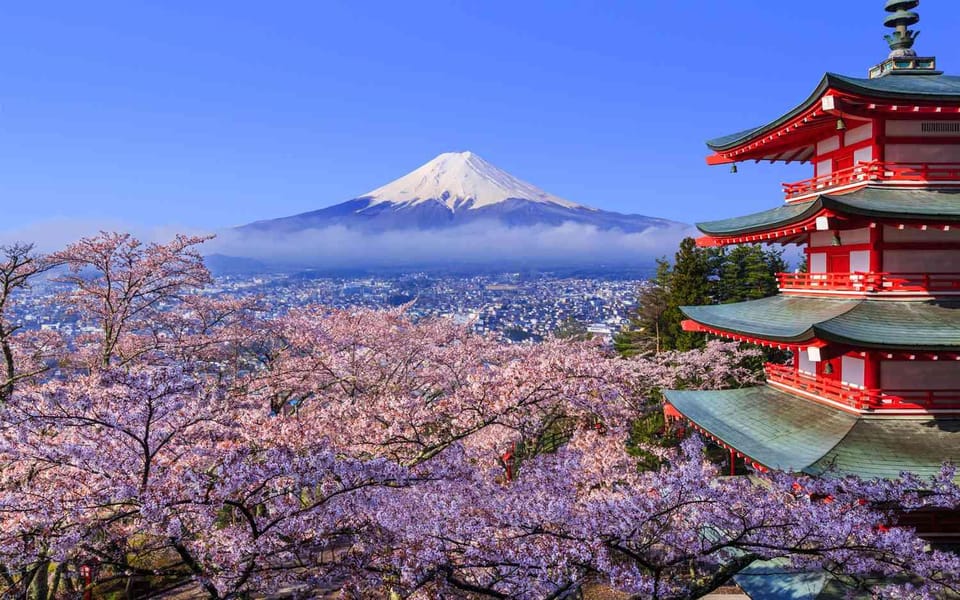
The day starts with Mt. Fuji Subaru Line 5th Station, where you get a guided visit and plenty of time for sightseeing. The big win here is simple: you’re high enough to see Fuji’s bulk in a way you can’t match from Tokyo or the lakes.
From this viewpoint area, you can also look down toward the Fuji Five Lakes region. That context matters, because it helps you understand why the lake towns became Fuji’s “viewing rooms.” It’s not just a mountain sitting there—it’s a whole basin-shaped stage.
Practical tip: dress for temperature swings. Higher altitude days can feel different fast, even in spring cherry blossom season. Wear shoes you can stand in for photos, because the best angles often mean slow pacing around viewpoints.
Chureito Pagoda and the Cherry Blossom Walk: Classic Fuji Photos
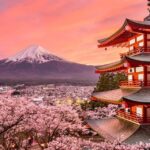
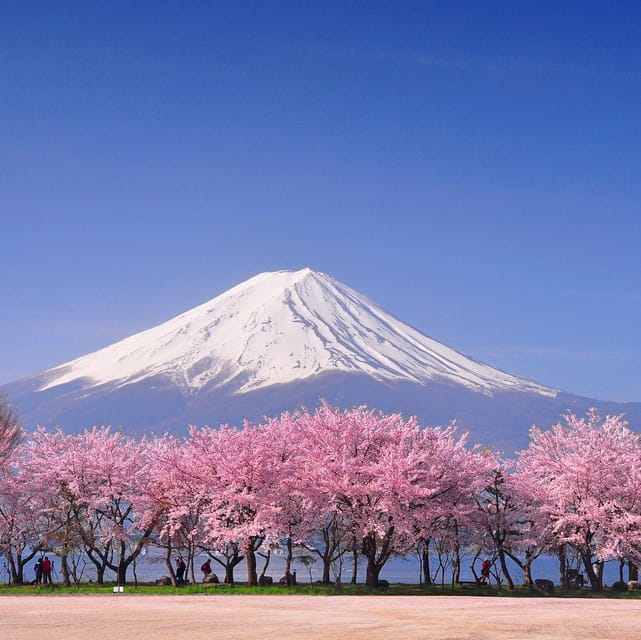
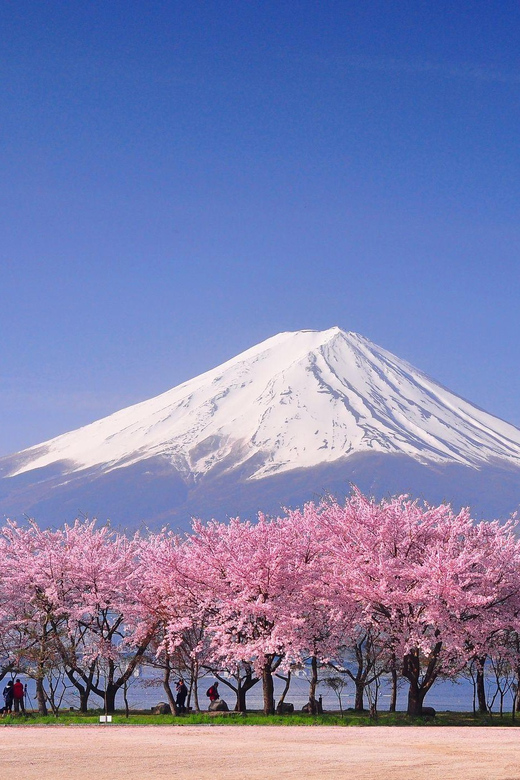
Next comes Chureito Pagoda, paired with a stroll among cherry blossoms. This is the stop built for the iconic image: pagoda on the hill, blossoms framing the scene, and Fuji acting like the backdrop.
You’ll have about an hour here, including guided time and scenic walking. The climb isn’t described as extreme, but it’s enough to make comfortable footwear a must. The value is that you’re not just looking—you’re moving into better sightlines as you go.
One thing to watch: cherry blossom season can mean more people at peak photo times. The private van doesn’t eliminate crowds, but it does keep the rest of your day from turning into a transit maze.
Kitaguchi Hongu Fuji Sengen Jinja: Ancient Trees and a Wooden Gate
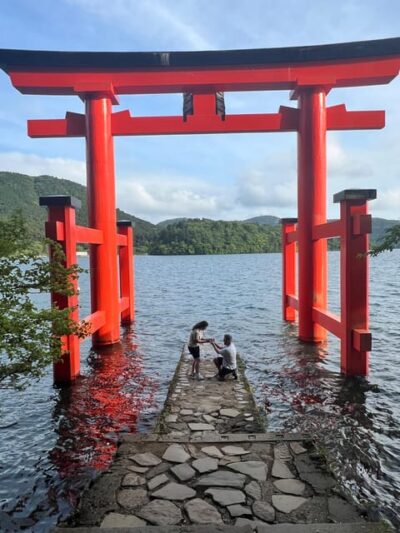
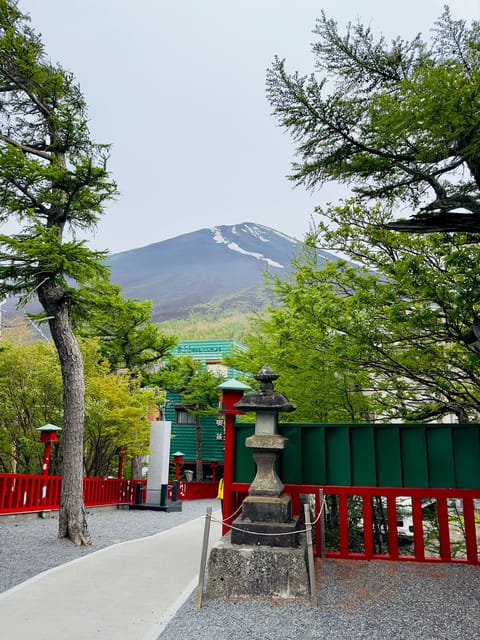
After the pagoda, you’ll visit Kitaguchi Hongu Fuji Sengen Jinja. This stop leans cultural and atmospheric, and it adds variety after the viewpoint-heavy parts of the day.
What I like in particular is the walk through ancient, massive trees to reach the shrine’s oldest wooden gate. That detail gives you a tangible sense of age rather than just “another temple photo.” It also helps you slow down for a bit before the lake portion.
If you’re the type who enjoys noticing craftsmanship, this is a good break from pure scenery hunting. And if you’re not, you can still use it as a calmer reset before the next wave of panoramic views.
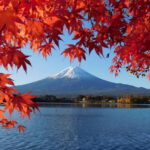
Oshino Hakkai: Water Clarity, Cherry Trees, and Market Time
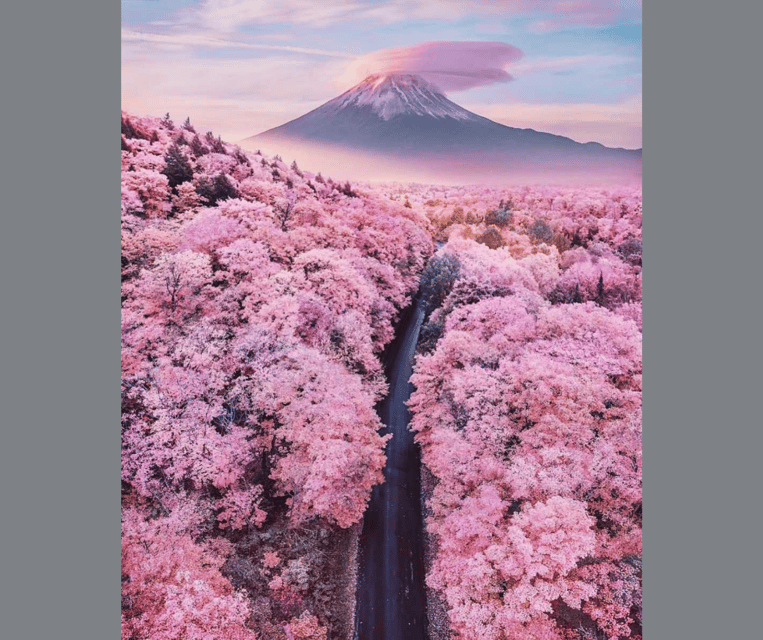
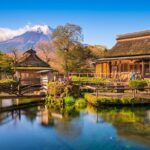
Then you reach Oshino Hakkai, a World Heritage site known for spring water in the Fuji area. Here, the tour includes guided sightseeing plus time to explore shops and market stalls.
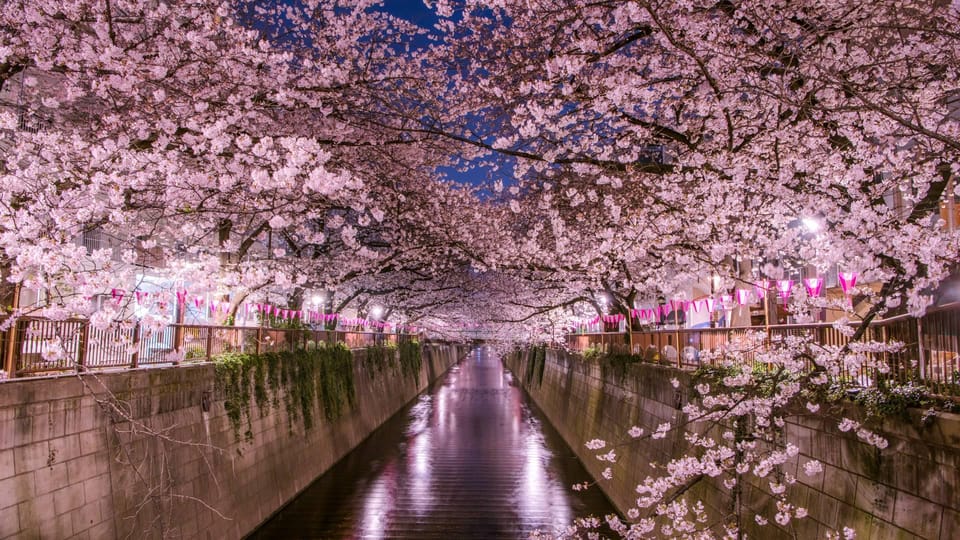
This is also a cherry blossoms stop: you’ll see around 300 cherry blossom trees and clear water. The contrast is great for photos because the water catches light in a way that feels different from mountain views. It’s one of those spots where even a short walk can change the vibe.
The time window here is about an hour. That’s enough to see the water features, get some photos, and browse a few stalls without feeling rushed. Still, if you want souvenirs, keep a little patience—spring sites can draw crowds.
Lake Kawaguchiko Cruise and Oishi Park: Views Plus Lavender Air
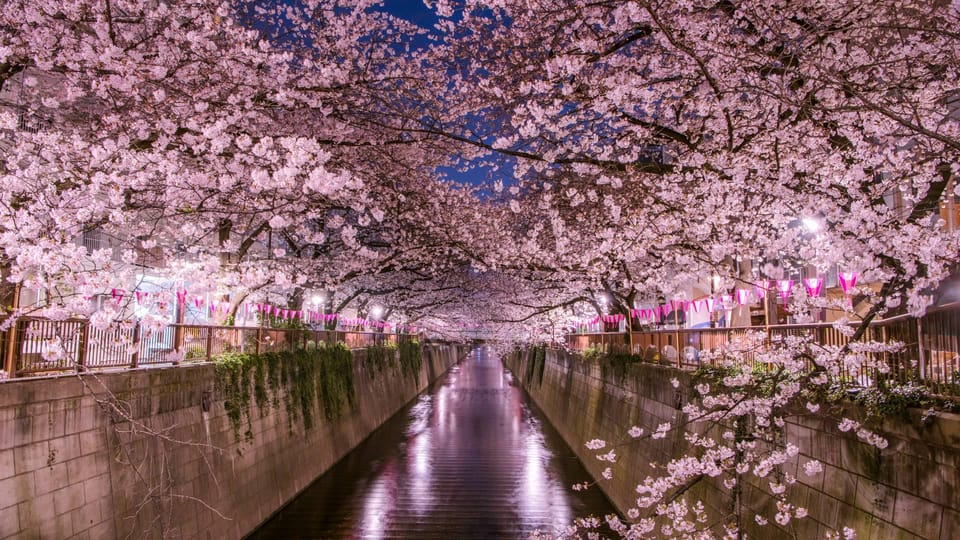
The tour shifts into lake territory with a cruise across Lake Kawaguchiko and guided sightseeing around the area. The itinerary also includes lunch and street food time there (food and drinks aren’t included, so you’ll be paying yourself).
Then it continues to Oishi Park for scenic views and a short stop—about 30 minutes. This is where you’ll get panoramic angles and a sensory detail: the air around the lavender flower garden smell. If you enjoy travel days that tick more than one sense box, this is a nice bonus.
I like that the lake portion offers a “Fuji from water” perspective that complements the earlier high-altitude viewpoint. Mountains look different when you’re seeing them reflected or framed by shoreline towns.
Lake Ashi and Hakone: The Caldera Story Shows Up in the Scenery
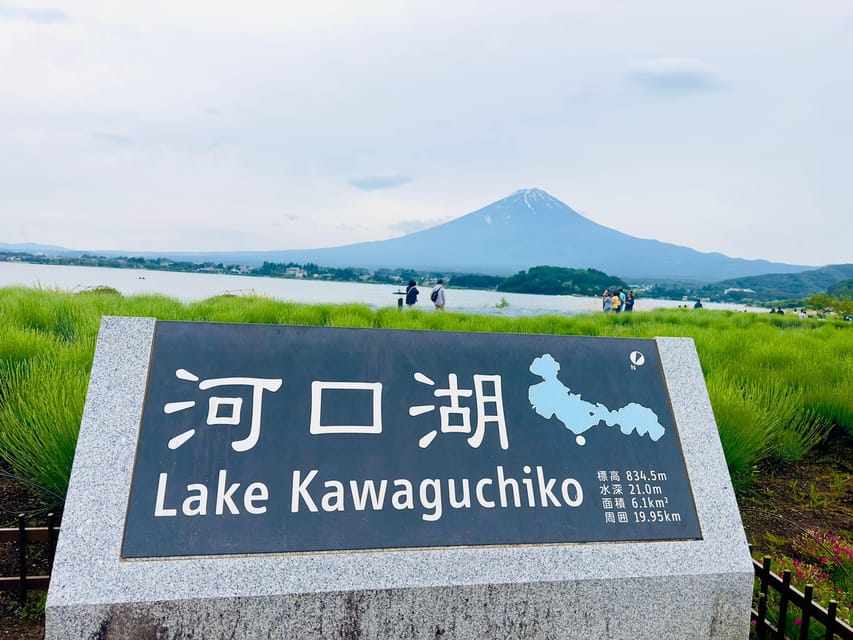
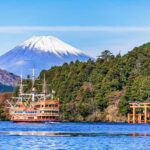
After Kawaguchiko, you’ll head into Hakone, centered on Lake Ashinoko. The tour explains the lake as part of the caldera formed after Mount Hakone’s last eruption about 3,000 years ago.
That explanation matters because it changes how you see what’s around you. You’re not just traveling from one view to another—you’re moving through volcanic geology, and the air-and-sulfur later at Owakudani will make more sense.
Lake Ashi is also framed as Hakone’s famous symbol view, with Mount Fuji often in the background. If Fuji is visible that day, this portion can look like the postcard version. If not, you still get the Hakone identity: lake + volcanic region energy.
Kachi Kachi Ropeway and Owakudani: When Hakone Gets Real
The itinerary includes a climb on the Kachi Kachi Ropeway for more panoramic views. Ropeways can be a “quick wow” option because they lift you fast without you doing a long hike.
Then the day finishes at Owakudani, a crater area created by an ancient eruption. This is where the tour leans hard into the volcanic side: you’re in an active zone with sulfur fumes, hot springs, and hot rivers. Even if you’ve read about volcanoes before, the physical feel here is the point.
The tour includes time to admire views of Mount Fuji before returning toward Tokyo. This is also the segment where the day’s earlier timing matters. You’ll feel the cumulative fatigue, so a pre-planned “photo first, then wander” mindset can make the last stop more fun.
One more practical note: sulfur areas can mean stronger smells. If you’re sensitive, you might want to keep a mask handy and take frequent short breaks.
Gotemba Premium Outlets: The Practical Stop That Helps the Whole Day
Before the final return, there’s time at Gotemba Premium Outlets. This is a straight shopping break at the base of Mt. Fuji, and it’s included as part of the tour.
The outlets are described as a premiere shopping destination with brands like Nike, Puma, Coach, Gap, Polo, North Face, Paul Smith, Bose, and more. You’ll have about an hour here.
I like this stop for one reason: it gives your brain a reset from nature-and-views. It also helps families and groups with mixed interests, since not everyone wants another viewpoint.
The tradeoff is simple: an hour can vanish quickly, especially if the group splits for different stores. If shopping is your priority, have a plan before you arrive (even a short list of what you’re hunting helps).
Price and Logistics: What You’re Paying For (and When It Hurts)
The listed price is $490 per group up to 6 for a private day. That’s not cheap, but private Fuji+Hakone routing usually isn’t.
Here’s the value logic I use:
- You’re paying for hotel pickup and drop-off, which saves time and stress.
- You’re paying for private transportation with parking and highway tolls handled.
- You’re paying for a guide to connect the dots between sites, not just drive you to them.
One review mentioned paying $650 and arguing they could rent a car for about $100, then self-drive. That comparison is believable, but it only works if you’re comfortable driving on your own and navigating schedules without help. It also doesn’t address the day’s weather lottery. In that same review, clouds blocked views of Mt. Fuji the entire time, which massively affects satisfaction.
My take: this tour is best when you want someone else to manage logistics and you care about maximizing viewpoint time. If you’re happy to drive, know your way around, and don’t mind arriving early to beat crowds, self-drive can be cheaper. If you’d rather spend the energy on seeing, this private format can feel like a bargain.
Guide Quality Matters: Talal, Addan, Sabir, and the Driver-Only Risk
This tour is “private guide,” but in the real world, you’re often experiencing the personality of the person in the front seat.
Some guide/driver notes from actual experiences:
- Talal was described as kind and patient, making the day smooth and stress-free.
- Addan was praised as professional, with early pickup timing that considered Tokyo traffic, plus help with photos and a custom itinerary.
- Sabir received thanks for good service.
On the flip side, one review gave a low score and said it felt like there was no proper guide—more like just a driver. That doesn’t mean the company always fails, but it does point to a risk: your day can feel more informational or more logistical depending on the person guiding you.
How do you manage that? Ask a few questions at the start:
- What are your top photo spots for the day?
- How long do you recommend we linger at each stop?
- If Fuji is limited due to weather, what’s the backup plan for the views?
Even a small conversation can push a day from “transport only” toward “guided meaning.”
Weather Reality Check: Cloud Cover Can Change Everything
This is the blunt truth for any Mt. Fuji plan: if visibility is poor, you’ll feel it. One unhappy review said Mt. Fuji never showed and called it a regret.
That doesn’t mean the itinerary is wrong. It means your happiness will depend on the sky. The good news is that this route includes multiple Fuji-framing viewpoints and also includes stops that still have character even without perfect mountain views, like Oshino Hakkai’s water and the shrine’s tree walk.
If your goal is strictly seeing Fuji’s shape clearly, aim for a calm backup plan: enjoy Hakone’s volcanic mood at Owakudani even on cloudy days. At minimum, you’ll still leave with a strong sense of place.
Best Fit: Who This Tour Suits
This is a great match if you:
- Want one-day coverage of Fuji and Hakone without train transfers
- Prefer private group comfort and easier timing
- Care about photo-heavy viewpoints with a guide to help with pacing
- Have limited time in Japan and don’t want to spend it on logistics
It’s less perfect if you:
- Want maximum spontaneity with frequent unscheduled stops
- Expect a highly detailed lecture at every stop regardless of the guide
- Want the cheapest option no matter what
Wheelchair accessibility is listed, and since this is a private van day, the driver can typically manage pickup/drop-off logistics better than public transport.
Should You Book This Tokyo: Mt. Fuji & Hakone Cherry Blossoms Private Day Tour?
I’d book it if you want a structured, guided day where the key sights are packaged into a single loop, with hotel pickup, parking/tolls handled, and time built in for cherry blossoms, lakes, and Hakone’s volcanic zone.
I wouldn’t book it if:
- You’re chasing only a crystal-clear Fuji silhouette and your travel dates line up with a high risk of cloud cover
- You’re comfortable self-driving and want to spend less on logistics
- You expect heavy guide storytelling no matter who’s driving
If you do book, set yourself up for success: pick practical shoes, plan for a long day in the van, and ask your guide at pickup what they’ll prioritize if Fuji visibility is limited. That simple move can protect your day, even when the weather refuses to cooperate.
FAQ
How long is the Mt. Fuji and Hakone cherry blossom private tour?
The tour lasts 1 day.
Where are the pickup and drop-off locations?
Pickup is available from Chiba, Tokyo, Narita, and Haneda airport. Drop-off is also listed for Chiba, Haneda airport, Narita, and Tokyo.
What’s included in the tour price?
Hotel pickup and drop-off, a private guide, private transportation, parking and highway tolls, and a customizable itinerary.
What’s not included?
Mount Fuji entry fees and food and drinks are not included.
Do I need to pay for tickets during the tour?
The tour notes that you can skip the ticket line, but it does not say that all entry fees are included.
Is the guide available in English?
Yes, the live tour guide is English-speaking.
Can pickup be delayed?
Pickup time can be delayed by up to 30 minutes depending on traffic.
Is there free cancellation?
Yes. You can cancel up to 24 hours in advance for a full refund.