REVIEW · TOKYO
Tokyo: Mochi-Making Class in a Private Studio
Book on GetYourGuide →Operated by Simply Oishii Wagashi School · Bookable on GetYourGuide
Tokyo mochi gets personal fast. This hands-on class turns a Japan favorite into something you can touch, shape, and taste in a small studio setting. What I like most is the step-by-step instruction (you’re not left guessing), and the fact you make five different mochi dishes from scratch instead of watching. One thing to consider: it’s not wheelchair-friendly, and the minimum age is 4, so it may not fit every traveler.
I also love how the experience mixes craft with context. Instructors (you might meet teachers named Owa, Ayumi, Michiko, or Kiyoko) explain the cultural significance of mochi while keeping the room friendly and interactive, so it feels more like a guided workshop than a rushed demo. The only real drawback is logistics: you’ll need to get yourself to the studio, and the entry instructions are a bit specific.
In This Review
- Key highlights I think you’ll care about
- Finding the private studio near FamilyMart and getting in
- The instructor-led start: language support and a warm workshop vibe
- Two hours of mochi: make it, touch it, and shape five desserts
- What you can expect during the hands-on portion
- Ingredient and topping details you should know
- The cultural context you’ll actually remember
- Green tea tasting at the end, hot or cold
- Gluten-free, non-dairy options, and fruit swap reality checks
- Price and value: what $82 buys you in a small studio
- Who this mochi class is best for (and who might skip it)
- Should you book this Tokyo mochi-making class?
- FAQ
- How long is the mochi-making class?
- How many people are in the group?
- Is the class gluten-free?
- Is there a non-dairy option?
- What is the minimum age to join?
- What will I eat during the class?
- Can I take a recipe home?
- What if strawberries are unavailable?
Key highlights I think you’ll care about
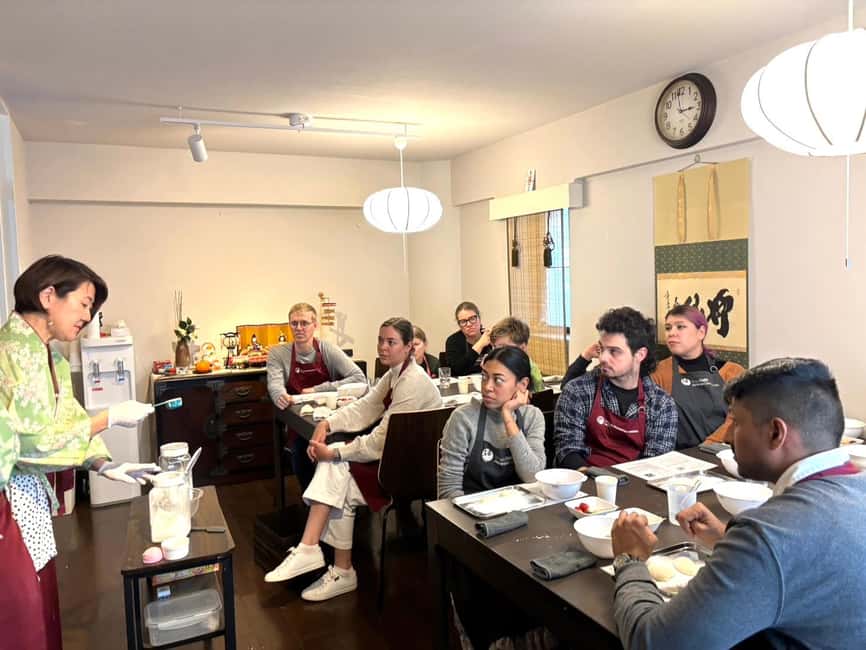
- Small group (up to 8) means real back-and-forth instead of standing in line
- Hands-on mochi shaping so you can feel how it works and learn by doing
- Five mochi dishes made from scratch in just 2 hours
- Green tea pairing with hot or cold options at the end
- Take-home value: a downloadable recipe plus a photo-taking session
Finding the private studio near FamilyMart and getting in
The class happens in a private studio building in Tokyo’s Honshu area, and the meeting point is very specific (which is great once you’re there, but you’ll want to read this part carefully).
Your building is to the right of a FamilyMart convenience store. On the ground floor you should also spot a drug store and a hair salon. From street level, go up the stairs or follow the ramp in front of the studio sign to reach the entrance.
The entry tip is unusual but clear: you’ll need to press 303 + enter on the bottom to get in. If you’re the type who hates “mystery doors,” do this one early so you’re not figuring it out right at the start time.
Also note: the class does not allow smoking. That’s standard, but it matters if you’re arriving from a break outside.
You can also read our reviews of more private tours in Tokyo



The instructor-led start: language support and a warm workshop vibe
Before you start cooking, the instructor sets the tone and gets you ready for a hands-on session. The course is taught in English and Japanese, and that bilingual setup matters because mochi-making is very physical—there are lots of small technique cues you’ll want to catch.
From recent classes I’m aware of, instructors don’t just rattle off instructions. Teachers named Michiko and Ayumi, for example, are described as giving clear, step-by-step explanations and creating a personal atmosphere. One detail that stood out: the instructor takes time to listen to each person’s story and why they’re visiting Japan. That may sound like a small thing, but in a workshop where everyone’s hands are busy, it helps the room feel human instead of mechanical.
You’ll also get a quick sense of what you’re making and how the tasting at the end will work. Since the class is interactive and suitable for different ages (minimum age is 4), the vibe tends to be relaxed and encouraging rather than stiff.
Two hours of mochi: make it, touch it, and shape five desserts
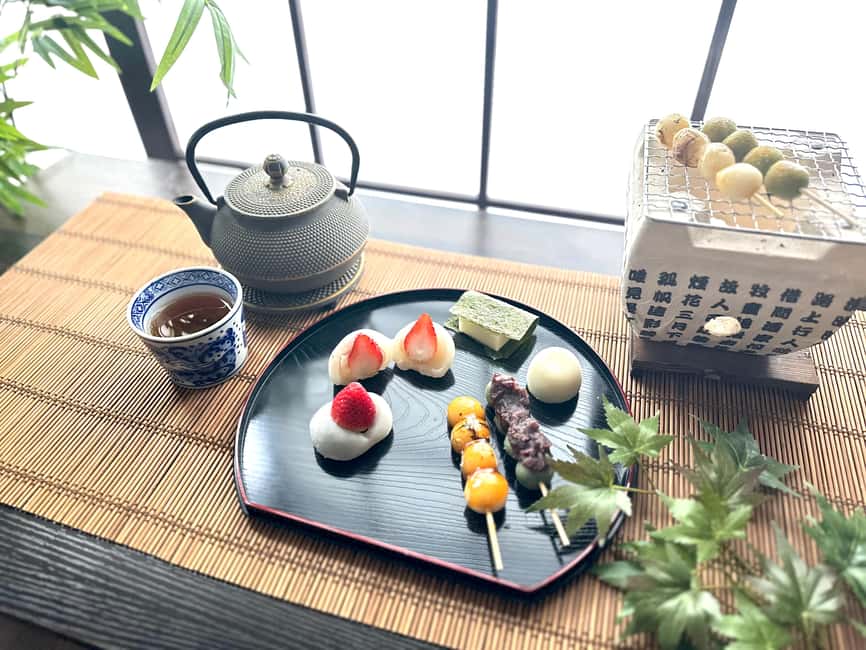
The core of this experience is the mochi-making workshop itself, and it runs for 2 hours. You’re not just learning the idea—you’ll make and shape mochi as part of creating five kinds of mochi dishes.
Here’s what that means in practice: you’ll work with the mochi dough, learn how it behaves, and practice shaping it into different dessert styles. The class specifically emphasizes the physical side—touching the mochi and shaping it—which is the main reason this kind of class feels different from food tours where you only eat.
What you can expect during the hands-on portion
- You’ll learn the process from scratch, guided step by step
- You’ll create multiple mochi dishes rather than one
- You’ll use the right technique for shaping so your desserts look like the ones you’ll taste
The “from scratch” part is important. If you’ve done cooking classes where the hard work is prepped off-site, you’ll notice a difference here. This class is built around you learning the actual mochi-making flow, not just assembling ingredients.
Ingredient and topping details you should know
The class includes fruit in the tasting and dish creation. If strawberries are unavailable, the class will use other fruit instead. That’s helpful to know because you can show up expecting a strawberry-forward experience, but you won’t be disappointed if the seasonal supply changes.
You can also read our reviews of more tours and experiences in Tokyo




The cultural context you’ll actually remember
Mochi is one of those foods that many people recognize, but fewer people understand beyond flavor. This class tackles that with a cultural overview built into the session. You’ll learn the cultural significance of mochi in Japan, tied directly to what you’re making.
Because the class is hands-on, the history doesn’t feel like a lecture drifting overhead. It connects to your experience: while your hands are working the dough, the instructor explains why mochi shows up in Japanese food culture and what it represents. In at least one recent class, the explanation of the history and cultural significance was specifically noted as making the experience more meaningful.
For me, that’s the difference between eating mochi and gaining a deeper appreciation. If you want to come away with more than a sweet souvenir, this part helps.
Green tea tasting at the end, hot or cold
After the shaping work, you’ll finish by tasting your mochi creations with green tea. The class offers it hot or cold, which is a simple detail but very practical in Tokyo—morning classes can feel different from afternoon ones, and you’ll likely appreciate the option.
This tea-and-mochi finish is also where the class makes sense as a loop: you learn technique, you taste the result, and you start to understand how mochi texture and sweetness pair with tea. It’s not just dessert; it’s the feedback you need to remember what you did right (or what you’d improve next time).
You’ll also have a photo taking session included. That’s handy because mochi is photogenic in an endearing way: smooth shapes, toppings, and that handmade look. Don’t worry about fancy equipment—what matters is having the moment saved.
Gluten-free, non-dairy options, and fruit swap reality checks
One of the most practical advantages here is dietary clarity. The class is gluten-free, and there is a non-dairy option available. If you’re traveling with food restrictions, this removes a big layer of uncertainty.
There’s also the strawberry contingency mentioned earlier. If strawberries aren’t available, you’ll still make and taste mochi dishes using other fruit. That keeps the workshop moving and ensures everyone gets the full tasting portion.
What I like about these details is they’re not vague. They tell you what to expect and what could change, which is exactly what you want in a hands-on food experience.
Price and value: what $82 buys you in a small studio
At $82 per person for 2 hours, this isn’t a budget activity. But it also isn’t just paying for dessert. You’re paying for:
- Small group attention (limited to 8 participants)
- Guided instruction in English and Japanese
- You making five kinds of mochi dishes from scratch
- A green tea tasting at the end
- A downloadable recipe you can use later
- A photo-taking session
When food classes are priced low, they often end up being more observational—less time working with ingredients. Here, the time is the point, and you leave with both knowledge and a repeatable recipe.
If you like experiential learning, this is a solid value. If you only want one quick bite of mochi, you’ll probably feel it’s pricier than you need. But if you want to bring home a skill—and the confidence to try it again—$82 starts to feel like a reasonable trade for what you get.
Who this mochi class is best for (and who might skip it)
This is the kind of activity that works across ages and interests because it’s not technical in a scary way. The minimum age is 4, and the class is designed to be enjoyed by any age group that can handle interactive cooking.
You’ll likely enjoy it most if:
- You want a hands-on Tokyo experience beyond eating
- You like learning food culture, not only tasting
- You prefer small groups where you can ask questions
- You have dietary needs like gluten-free or non-dairy
You might want to skip it if:
- You’re traveling with a wheelchair user, since it’s not suitable for wheelchair users
- You’re expecting a purely sightseeing activity with lots of breaks and wandering—this is focused, active, and centered on making
Should you book this Tokyo mochi-making class?
If you’re choosing between another food stop and something that teaches you a real skill, I’d lean this way. The combination of five mochi dishes, small group interaction, and a downloadable recipe is the big reason. It’s not only about the taste you have during the class—it’s about what you can recreate later.
Book it if you want that hands-on feeling: touching mochi dough, shaping desserts, and pairing them with green tea. Skip it if you only want a quick snack or if mobility access is a concern.
If you’re still deciding, think about your travel style. If you like experiences where you leave with a new capability (even something as simple as making mochi desserts at home), this class is a very good match.
FAQ
How long is the mochi-making class?
It lasts 2 hours.
How many people are in the group?
The class is a small group with a maximum of 8 participants.
Is the class gluten-free?
Yes, the experience is gluten-free.
Is there a non-dairy option?
Yes, a non-dairy option is available.
What is the minimum age to join?
The minimum age to enter the class is 4 years old.
What will I eat during the class?
You will make and taste 5 kinds of mochi dishes, and you’ll have green tea with your tasting.
Can I take a recipe home?
Yes, you’ll receive a downloadable recipe to recreate the experience at home.
What if strawberries are unavailable?
If strawberries are unavailable, other fruit will be used instead.