REVIEW · TOKYO
Tokyo Vegan Food Tour
Book on GetYourGuide →Operated by Tokyo Ramen Tours · Bookable on GetYourGuide
Tokyo vegan street food hits different. This 3-hour Tokyo vegan food tour guides you from Shibuya to Ebisu with five classic Japanese flavors turned plant-based. I like the Shibuya/Ebisu neighborhood focus, because it’s easy to connect the food to the real city, not just a random restaurant stop. I also like that you get a mix of savory comfort and real sweet-tooth treats, so you leave feeling you understood Japan’s vegan options, not just tried snacks. One consideration: you’ll be walking and you may hop on the train, so bring cash and be ready to move.
The tour is led in English by a small group (limited to 6), which matters in Japan where food questions can get tricky fast. I like that the guide’s advice goes beyond taste—how to spot vegan options, how to navigate menus, and what to ask for—plus a quick convenience-store stop that helps you keep momentum later.
The only drawback I’d flag is simple: if you’re expecting a long meal with lots of sit-down time, this is more of a tasting-and-walking experience. You’ll eat well, but the point is variety and local know-how.
In This Review
- Key things to know before you go
- Shibuya to Ebisu: the walking map behind the tastings
- Meeting at Shibu Hachi Box near Hachiko: getting oriented fast
- The ramen mini bowls: Hokkaido-style vegan comfort, four ways
- Vegan gyoza: crispy dumplings with big flavor payoff
- Vegan karaage: the crunchy chicken-style experience (without the chicken)
- Fruit sandwiches: sweet, fresh, and seasonal in a grab-and-go format
- Butter and anko sandwiches: a sweet finish you can actually plan around
- The guide’s real value: how to navigate vegan eating in Japan
- Price and value: why $99 can make your trip easier
- Who should book this Tokyo vegan food tour
- Should you book this Tokyo Vegan Food Tour?
- FAQ
- Where does the Tokyo Vegan Food Tour start and end?
- How long is the tour?
- What is the price per person?
- Is the food on the tour vegan?
- What food do you taste during the tour?
- Is a beverage included?
- What’s the meeting point in Shibuya?
- How big is the group?
- What language is the tour guide?
- Do I need to bring cash?
- Can I get a refund if I cancel?
Key things to know before you go
Shibuya to Ebisu, not a loop: The route is built to help you get your bearings across two districts.
Five fully vegan Japanese food types: Savory and sweet are both covered, so nothing feels one-note.
Clear flavor range in ramen: You can choose among spicy miso, miso, shoyu, and shio profiles.
A guide that teaches you the system: You get practical tips for finding vegan food in Tokyo.
Small group size (max 6): Easier questions, better pacing, less waiting in line.
Shibuya to Ebisu: the walking map behind the tastings
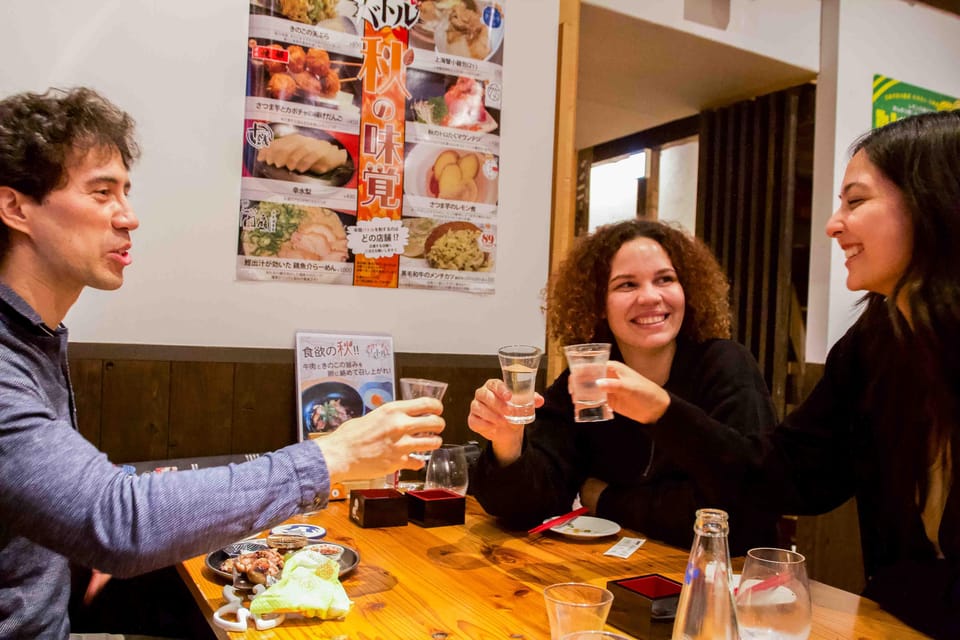
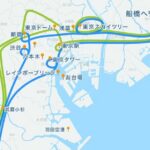
This Tokyo vegan food tour is designed around movement. You start in Shibuya, finish in Ebisu, and use the walk to connect food to the places you’ll actually want to return to later. Shibuya brings energy and variety; Ebisu feels a bit more relaxed, but still full of places to eat. The practical payoff is that after three hours, you’re not just full—you know where to go next.
The group stays small (up to 6), which changes the whole feel. In a crowd, you lose time to sorting, ordering, and waiting. Here, the tour keeps a steady pace and keeps you on schedule for the five tastings plus one beverage. If you’re the type who likes to plan the rest of your trip, this route is a smart foundation.
And yes, all the food is vegan. That sounds obvious, but in Tokyo it actually matters. You’re not guessing whether something is vegetarian with a few substitutions. You’re tasting Japanese staples in plant-based form, which helps you build confidence for future meals.
You can also read our reviews of more food & drink experiences in Tokyo

Meeting at Shibu Hachi Box near Hachiko: getting oriented fast
The meeting point is Shibu Hachi Box, across from the Hachiko statue, outside of Shibuya Station, with a Food Tours Tokyo sign. That’s good because Shibuya Station is huge, and having a landmark like Hachiko keeps you from doing the classic Tokyo move: walking in circles.
I also like that the tour starts with a guide presence in a place you’ll likely visit anyway. You’ll see familiar streets early, then gradually shift into the kind of small storefront areas that can be hard to find on your own—especially if you don’t read menus easily.
Quick practical tip: wear comfy shoes. This is a 3-hour experience built on short hops and walking segments. Even if the pace is friendly, you’ll cover enough ground that your feet will remember it.
The ramen mini bowls: Hokkaido-style vegan comfort, four ways
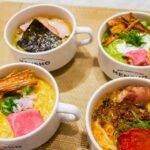
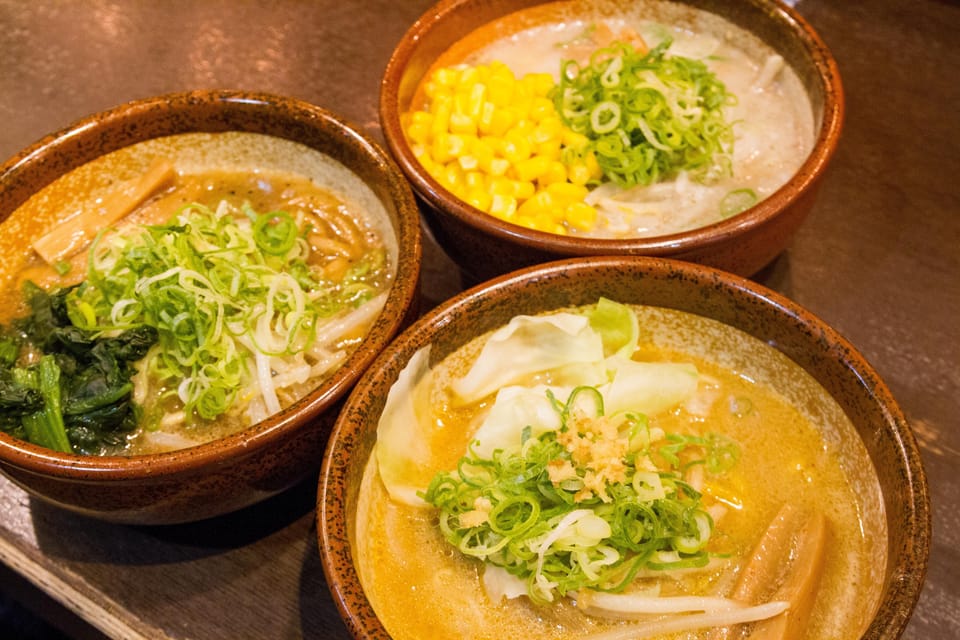
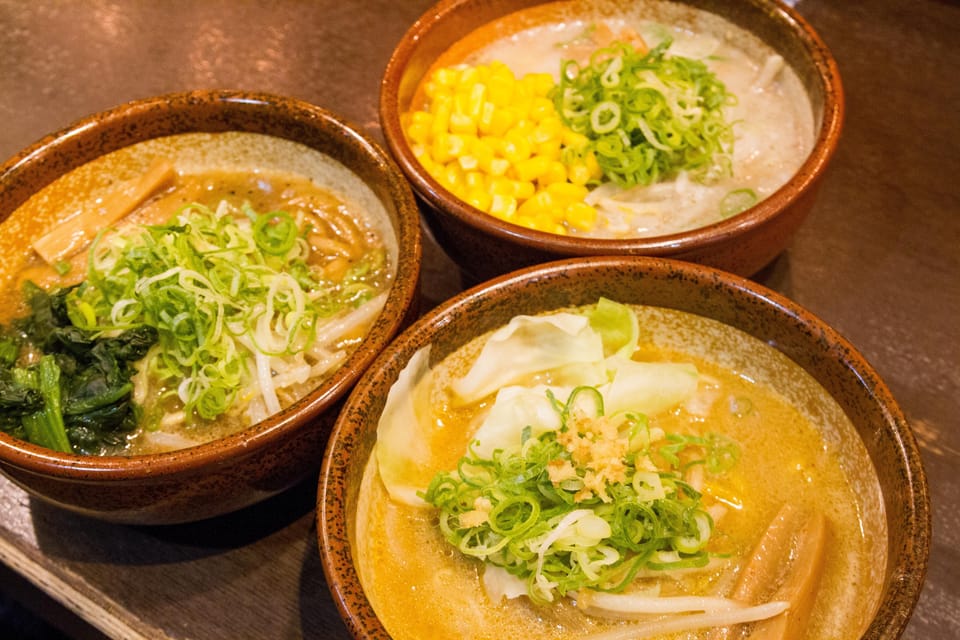
One of the best parts is the first savory tasting: mini bowls of Hokkaido-style ramen, with choices that include spicy miso, miso, shoyu, and shio. Even though you’re sampling “mini,” ramen is the kind of dish that gives you instant context. It’s familiar enough to compare, but different enough that you learn something in one bite.
Here’s what makes the flavor options useful for you:
- Miso vs. shoyu vs. shio: These are different ramen seasoning styles, so you start understanding how Japanese kitchens build flavor.
- Spicy miso: It gives you a clear sense of how heat is handled in Japanese cooking.
- Shio: If you’re trying to compare, shio tends to feel lighter and helps you taste the broth profile more clearly.
Because all the ramen here is vegan, the tour helps you stop thinking of vegan food as a compromise. Instead, you experience vegan ramen as its own category—something you can actively seek, not just tolerate.
Vegan gyoza: crispy dumplings with big flavor payoff
Next comes vegan gyoza dumplings. Gyoza is one of those foods that feels simple until you try it in different styles—thin wrappers, crisp bottoms, and fillings that can range from mild to punchy. This stop is a great middle point in the tour: ramen warms you up, gyoza gives you that crisp bite, and you start seeing how plant-based fillings can still deliver the classic texture people chase.
For you, the real value is pattern recognition. After this, you’ll be more likely to spot vegan-friendly dumplings later. You’ll also learn what to look for when a menu uses certain wording—because the guide doesn’t just hand you food, they connect it to how people in Japan talk about ingredients and styles.
The pacing also works. Gyoza is a quick satisfaction stop, so you’re not stuffed into a food coma before the tour’s next crunchy hit.
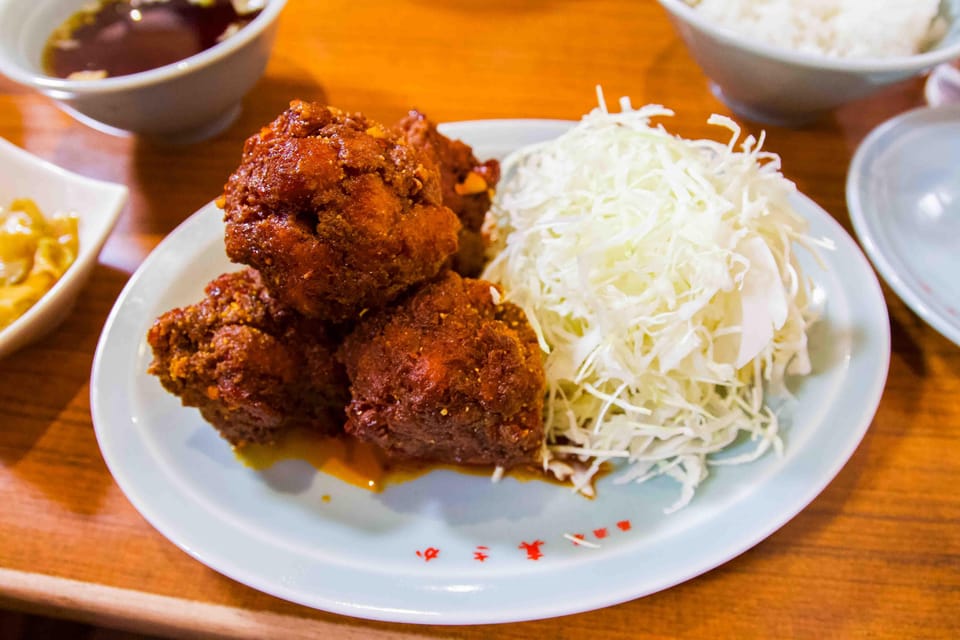
Vegan karaage: the crunchy chicken-style experience (without the chicken)
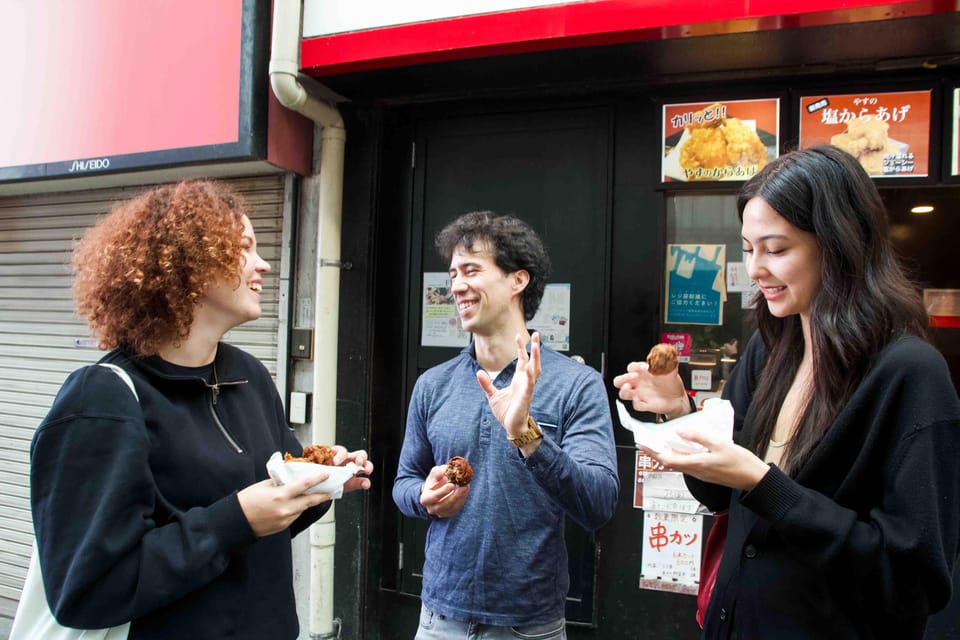
Then you’ll try crunchy vegan karaage, a plant-based twist on Japanese fried chicken. Karaage is all about crunch and salt-forward intensity. It’s also a perfect dish for understanding vegan substitutions because you can taste the goal (crisp exterior, tender interior) even if the ingredients behind it are different.
This stop helps you reframe vegan food in Tokyo. Instead of asking, What’s missing? you’ll start asking, How does this dish deliver the same comfort? That shift makes it much easier to order confidently after the tour.
If you’re someone who fears vegan food will be bland, karaage is the cure. It’s meant to be satisfying, and it gives you a texture experience you can’t get from many “just salad” vegan meals.
You can also read our reviews of more tours and experiences in Tokyo



Fruit sandwiches: sweet, fresh, and seasonal in a grab-and-go format
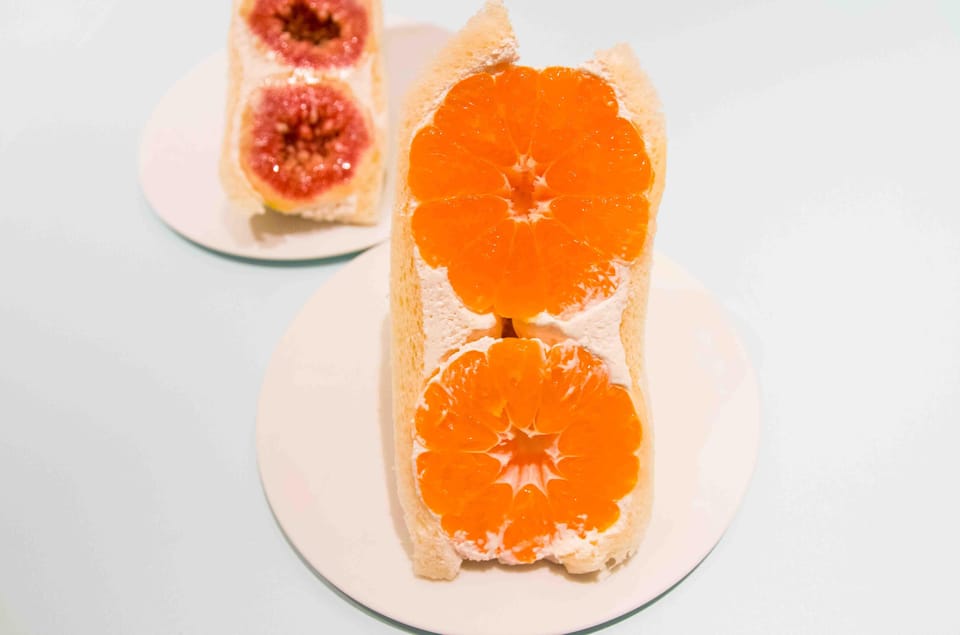
After the savory section, the tour turns toward sweets with unique fruit sandwiches featuring fresh seasonal fruits. This is a thoughtful inclusion because it changes your palate after salty, fried, and umami-heavy bites. Also, it’s practical in Tokyo—sandwiches are a common on-the-go option, and the guide’s presence makes it easier to identify what’s actually safe and plant-based.
The seasonal angle matters. Even without being told a specific fruit schedule, you’re learning the Japanese habit of letting the season drive the menu. That’s a big part of why Japanese food feels “current,” even for something as simple as fruit.
If you’re planning the rest of your trip, this stop is useful because it teaches you that vegan eating in Tokyo isn’t only about dramatic chef creations. It’s also about everyday snacks you can find and repeat.
Butter and anko sandwiches: a sweet finish you can actually plan around
Finally, you’ll taste butter and anko sandwiches with sweet bean paste. Anko is one of those Japanese sweets that can sound intimidating if you’re not used to it, but on this tour it’s presented as part of a normal snack-style meal—easy to enjoy, not stuck behind a fancy dessert counter.
This stop also makes the tour feel balanced. After ramen, gyoza, and karaage, you might worry that all your food will be heavy. The anko sweetness brings contrast, while the sandwich format keeps it approachable.
If you’re the kind of eater who wants a “signature” bite to anchor your memory, this is it. Sweet beans plus a buttery feel is classic comfort, and turning it vegan doesn’t erase the Japanese identity of the dish—it keeps the flavor logic intact.
The guide’s real value: how to navigate vegan eating in Japan
This is where the tour earns its name as more than a sampler. You get insights into the cultural stories behind each dish, plus practical tips on ingredients and cooking techniques. That matters because Tokyo vegan questions aren’t only, Is it vegan? They’re also, What does this ingredient mean, and how is it used?
English-speaking guides lead the experience, and the tone is practical. I’m seeing strong feedback tied to guides like Bunga and Brian, especially for helping people with dietary restrictions feel calm. The best part of this kind of guidance is how it reduces second-guessing later.
A small detail with big impact: there’s a quick stop at a convenience store. Convenience stores are a major part of everyday Tokyo life, and knowing what to look for there can help you handle days when you’re tired, rushing, or between neighborhoods. Even if you don’t buy much, you’ll learn how to scan options with better instincts.
And there’s another payoff: the tour connects the surge of vegan dining across Japan to what you’re actually eating. That doesn’t mean you leave with a lecture. It means your next meal choices feel easier because you understand the direction the food scene is moving.
Price and value: why $99 can make your trip easier
At $99 per person for a 3-hour experience with a small group, it’s priced like a guided food tour, not a casual tasting. The value comes from four things you typically struggle with on your own in Tokyo:
- You get five distinct Japanese vegan food types (savory and sweet) plus one beverage.
- You get the ordering and confidence that comes with an English-speaking guide.
- You get local navigation tips, including how to find vegan options and what to do with tricky moments.
- You get structure in a city where “Where do we eat?” can eat up your energy fast.
Also, the route matters. Because you’re going from Shibuya to Ebisu, you’re spending the time in two high-interest areas instead of only bouncing between indoor stops. That makes the tour feel useful for more than just food.
One small budgeting note: the tour suggests bringing cash, since there may be a train hop. If you plan for that in advance, you avoid awkward delays and keep the tour flowing.
Who should book this Tokyo vegan food tour
This tour is a great fit if you:
- Want a fast, confident way to understand Japanese vegan eating without spending days researching menus.
- Are visiting Tokyo for the first time and like learning how neighborhoods work.
- Enjoy sampling lots of small plates rather than committing to one long sit-down meal.
- Travel with someone who wants help—especially if you’re dealing with dietary restrictions and want reassurance.
It’s also a smart choice if you’re vegetarian or fully vegan and you want to learn the differences that show up in Japanese kitchens, from seasoning styles to snack formats.
If you hate walking, or you want a slow, restaurant-heavy itinerary, this might feel a bit busy. But if you’re okay with steady movement and lots of taste-testing, it’s a strong match.
Should you book this Tokyo Vegan Food Tour?
If your goal is to leave Tokyo with real confidence—not just memories—this tour is worth your time. The mix of ramen (four flavor profiles), vegan gyoza, vegan karaage, fruit sandwiches, and butter-and-anko sandwiches, plus a convenience store stop and hands-on guidance, gives you both taste and tools.
Book it early in your trip if you can, so the tips carry into your next days. And go in hungry, with comfortable shoes and a bit of cash in your pocket. You’ll get a full, varied sense of what vegan can look like in Japan—and you’ll know where to look when you’re hungry later.
FAQ
Where does the Tokyo Vegan Food Tour start and end?
It starts in Shibuya and ends in Ebisu.
How long is the tour?
The duration is 3 hours.
What is the price per person?
The price is $99 per person.
Is the food on the tour vegan?
Yes. All food on the tour is vegan.
What food do you taste during the tour?
You’ll try 5 types of Japanese food (savory and sweet), including mini bowls of Hokkaido-style ramen, vegan gyoza, vegan karaage, fruit sandwiches, and butter and anko sandwiches.
Is a beverage included?
Yes. 1 beverage is included.
What’s the meeting point in Shibuya?
The guide waits at Shibu Hachi Box, across from the Hachiko statue, outside of Shibuya Station, with a Food Tours Tokyo sign.
How big is the group?
It’s a small group limited to 6 participants.
What language is the tour guide?
The live tour guide is English.
Do I need to bring cash?
Yes, you should bring cash, since the tour may include a train hop.
Can I get a refund if I cancel?
Yes. There is free cancellation up to 24 hours in advance for a full refund.