REVIEW · TOKYO
Ginza, Tokyo: Sake Experience with traditional vessels
Book on GetYourGuide →Operated by Y COMPANY, LIMITED LIABILITY COMPANY · Bookable on GetYourGuide
Sake tastes different when the vessel fits. At JIDAI in Ginza, you sip three sake types while taking in Tokyo Bay views, then learn how sake culture works from a bilingual, English-led team. I especially love the focus on the vessels, because it turns sake tasting into an easy comparison, not just a drink. One drawback: your price covers the tasting only, so extra drinks and snacks are not included.
This is also the kind of Tokyo experience that feels calm and intentional, not rushed. It runs as a small group (up to 7), and the staff walks you through the history and how to enjoy sake correctly. If you’re curious about how tradition can feel current, the chance to taste with KINTSUGI and 400-year-old Imari porcelain is a big part of the appeal.
In This Review
- Key Things You’ll Notice
- A 11th-Floor Ginza Bar With Tokyo Bay Views
- The Actual Flow of Your Sake Tasting Day
- Three Sake Types, and the Lesson They’re Built to Teach
- Wine Glasses vs KINTSUGI: Why the Vessel Changes Everything
- The Staff Teaching Style: Culture, History, and Practical Advice
- Price and Value: What You’re Paying For in Ginza
- Who This Sake Experience Fits (and Who Should Skip It)
- Making It Work With Your Tokyo Plans
- Should You Book JIDAI’s Sake Experience in Ginza?
- FAQ
- Where is the meeting point?
- How long is the experience?
- What language is used during the tasting?
- What’s included in the price?
- Is the experience wheelchair accessible?
- What if my plans change?
Key Things You’ll Notice
- Three sake tastings, each with a purpose: the bar selects 3 types for a first-time experience.
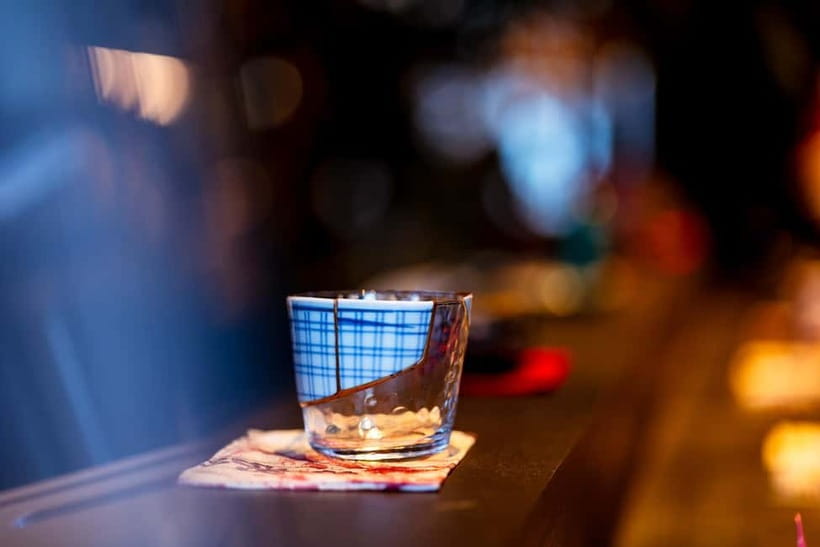
- Vessel matching is the real lesson: some sake is best in wine glasses, others in KINTSUGI.
- Tokyo Bay views from a Ginza bar: you’re drinking in a room with a view, not behind closed doors.
- Bilingual staff teaching in English: you get the culture and practical how-to, not just pours.
- Small group pace (7 max): enough attention to ask questions and actually understand what you’re tasting.
A 11th-Floor Ginza Bar With Tokyo Bay Views
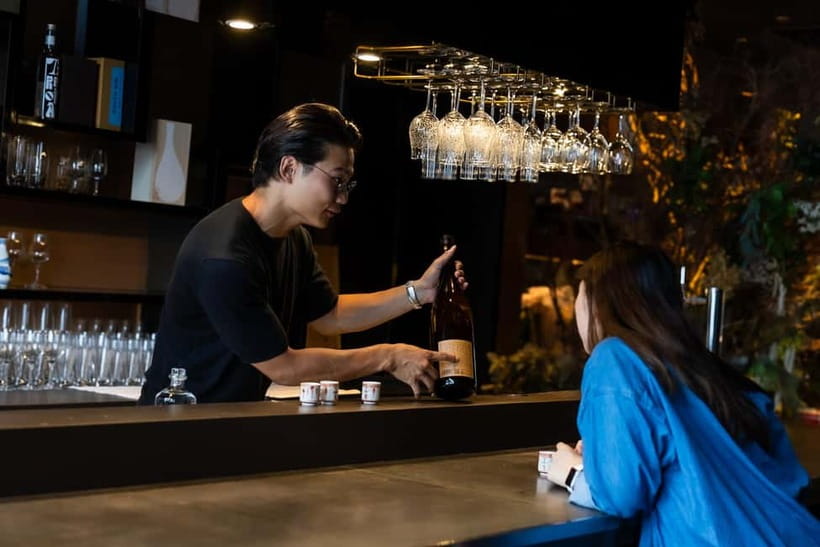
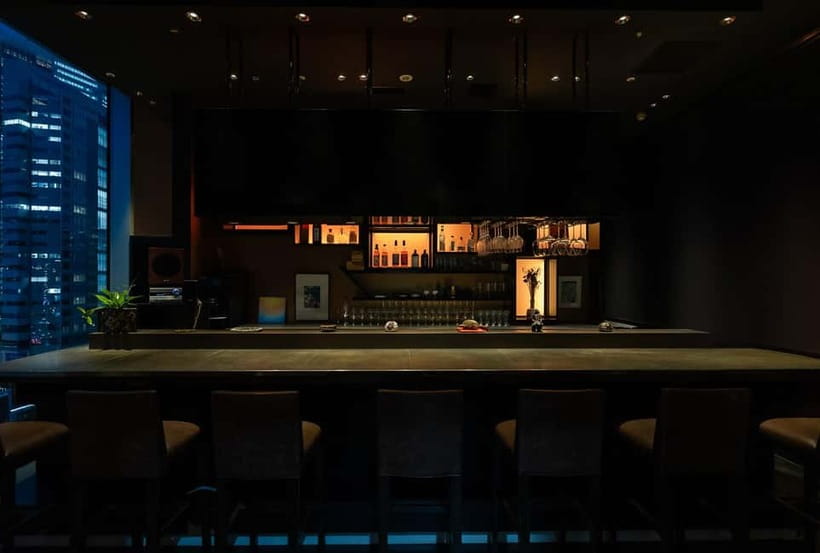
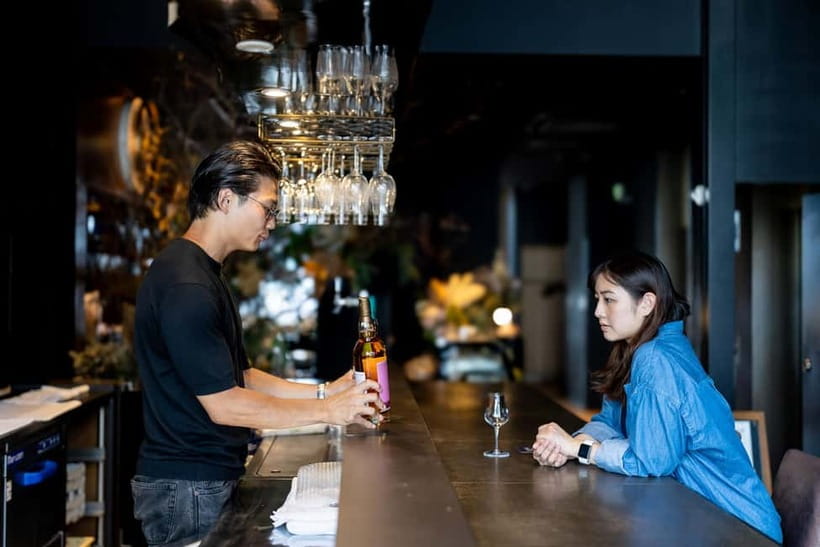
This tasting isn’t the typical sit-and-order bar. You’ll go up to the 11th floor of the JEWEL BOX GINZA building, the one with Swarovski on the 1st floor, and reach a sake-focused space overlooking Tokyo Bay.
That location matters more than you’d think. Ginza can feel fast and fancy at street level, but once you’re inside, the experience shifts into something slower and more sensory. You’re not just trying sake, you’re paying attention: how it smells, how it feels in the mouth, and how the finish changes as the vessel changes.
And yes, the view helps. When you can look out toward the water while you taste, the whole thing feels less like a lesson and more like a calm Tokyo evening you get to understand.
You can also read our reviews of more food & drink experiences in Tokyo

The Actual Flow of Your Sake Tasting Day
The experience is listed as 1 day, and in practice it’s a short, focused session at the bar. Here’s the typical rhythm you should expect based on how the tasting is designed:
1) You arrive at the meeting point on the 11th floor and get settled.
2) The bilingual staff explains sake background and culture in English.
3) You taste three different types of sake, in a planned sequence meant for first-time tasters.
4) With each pour, you learn the best vessel for that specific sake style.
5) You finish with travel tips and recommendations from the staff, then head back to your hotel.
The big idea is that the staff doesn’t treat the pours like a random flight. They’re teaching you to see sake as something you can understand, not just something you have to like.
That also makes this a smart add-on on a Tokyo day. You’re not committing to a full half-day tour that eats your afternoon. It’s short enough that you can still plan dinner nearby afterward, if you want.
Three Sake Types, and the Lesson They’re Built to Teach
Japan has about 1,500 sake breweries, and sake is rooted in local regions and culture. That scale matters, because it explains why sake can taste like completely different worlds depending on where it’s made and how it’s presented.
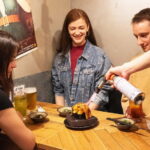
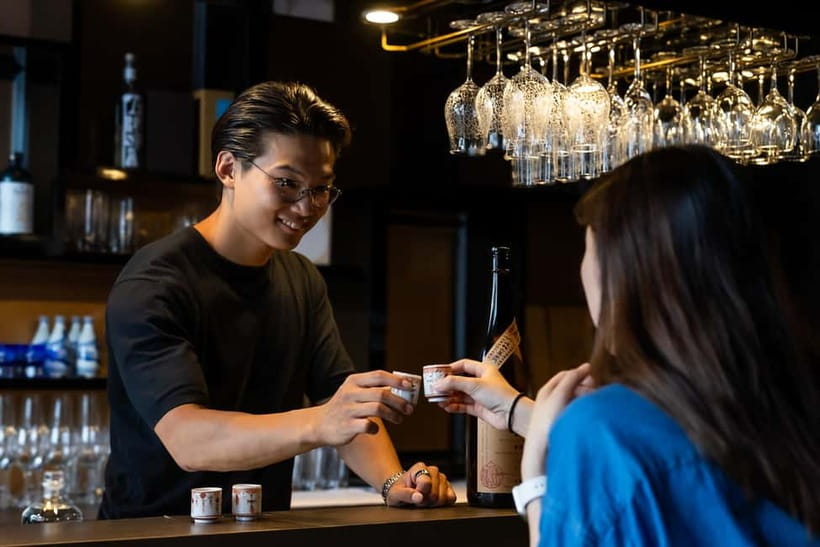
JIDAI’s approach is to start simple. You’ll be given three types of sake selected as a first-time experience, and each one is paired with a vessel that helps bring out its character.
Here’s what I like about that setup: it makes you the decision-maker. Instead of guessing what you’re tasting, you can track what changes. Is it the aroma? The mouthfeel? The finish? The staff’s explanation gives you words for what you’re noticing, and the vessel is the lever that helps you confirm the difference.
Also, because you’re tasting three distinct types, you get a mini map of how varied sake can be without the overload of trying dozens of bottles.
Wine Glasses vs KINTSUGI: Why the Vessel Changes Everything
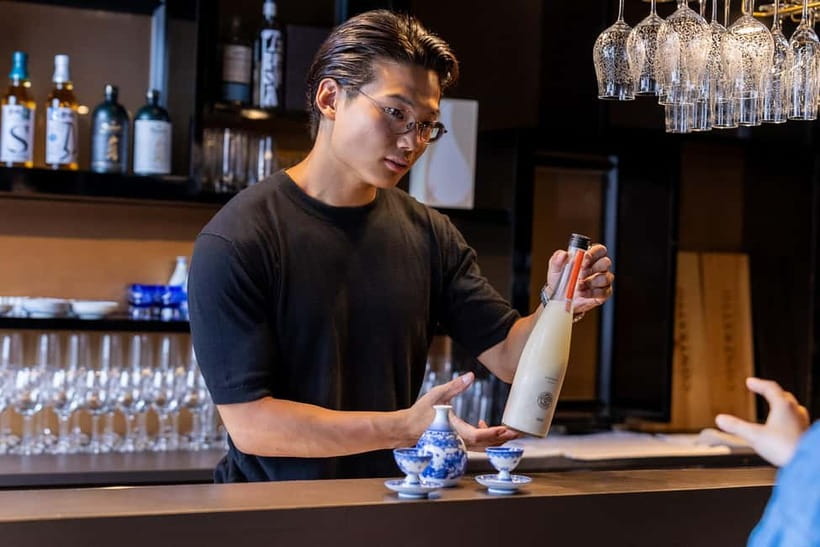
A lot of sake tastings stop at temperature and pour. This one goes further with an idea that’s both simple and kind of mind-bending: the vessel matters.
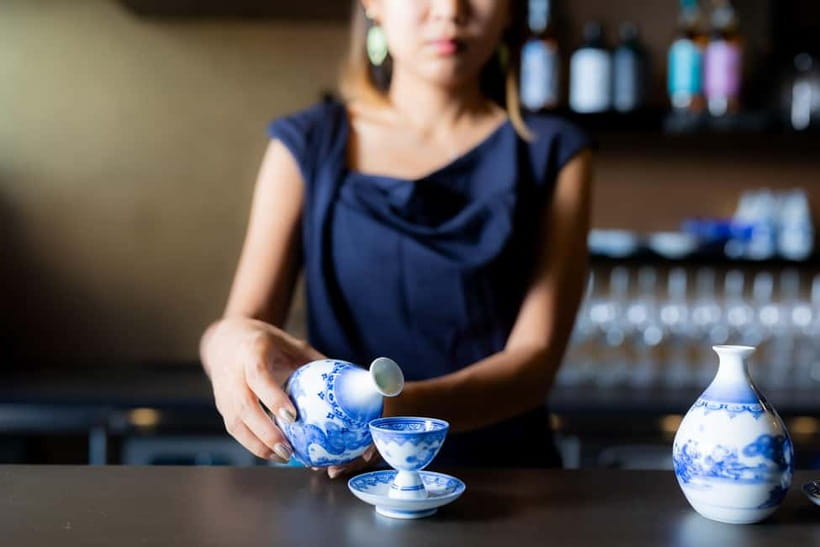
In this experience, you may taste some sake in wine glasses, which can help you focus on aroma and subtlety. Other pours come in KINTSUGI vessels using 400-year-old Imari porcelain, which adds a layer of Japanese craft tradition to the tasting itself.
Even if you don’t know anything about ceramics or restoration, the moment you switch vessels you’ll likely feel the difference in how you experience the drink. That’s the point. Sake isn’t only about the liquid. It’s about presentation, ritual, and how your senses get guided.
KINTSUGI also brings a unique mindset. The vessel isn’t trying to hide flaws. It’s turning repair into a visible part of the object’s story. In a tasting context, that makes the whole session feel more Japanese in spirit, not just in theme.
The Staff Teaching Style: Culture, History, and Practical Advice
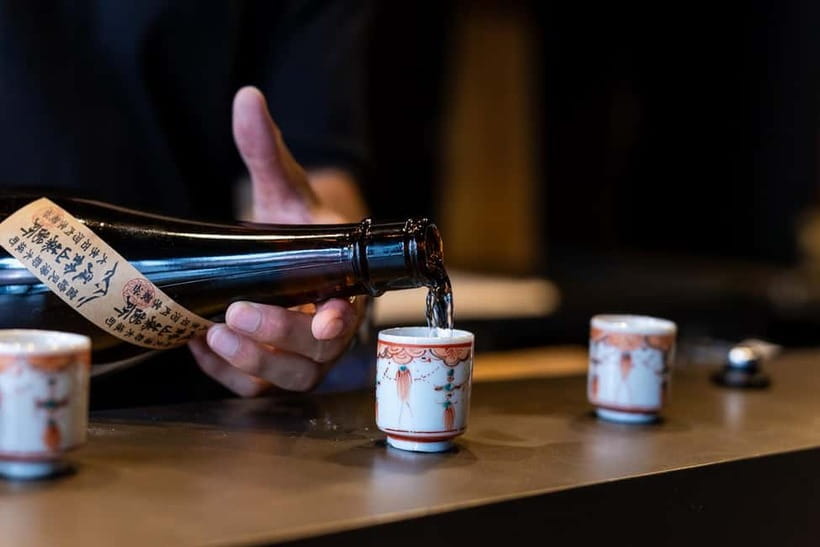
This is one of the most praised parts of the experience, and it makes sense. You’re not just getting pours; you’re getting explanations.
The staff is bilingual, and the experience uses English instruction. The conversations can cover:
- the history and culture of sake
- how sake fits into regional Japanese identity
- the process of enjoying sake correctly, especially how vessel choice affects the experience
If you get hosts like Rireka, Hiyori, or Nana, you should expect friendly guidance and plenty of room for questions. People have been especially happy with how the hosts can share interesting facts and also give useful suggestions to improve the rest of your Tokyo trip.
And here’s the practical side you’ll appreciate: staff travel tips are often the kind you can actually use later. Think about where to walk, what to see next, and how to make the most of the time you have around Ginza and beyond. When someone can connect a tasting lesson to real-world plans, the experience sticks with you.
You can also read our reviews of more drinking tours in Tokyo

Price and Value: What You’re Paying For in Ginza
At $22 per person, this isn’t a bargain price for Tokyo—but it also isn’t trying to be. What you’re paying for is a structured tasting with:
- three types of sake
- specific vessels matched to each sake style
- bilingual cultural explanations in English
- a small-group setting (up to 7 participants)
The value calculation comes down to one thing: do you want to understand sake, or just sample it? If you just want to drink, you can probably find cheaper bars. If you want a guided, thoughtfully designed tasting where you learn why things matter, the price starts to feel fair.
One cost note to keep in your head: additional glasses of sake and any other drinks and snacks are not included. So if you think you might want to order more afterward, plan for that separately. The session itself gives you enough for a meaningful tasting comparison; it’s not an open-ended drinking deal.
Who This Sake Experience Fits (and Who Should Skip It)
This session is listed as not suitable for a long list of medical and comfort situations. I’m not going to sugarcoat it, because safety rules are the point.
It’s not suitable for:
- pregnant women
- people with claustrophobia
- people with heart problems
- people with vertigo
- people with respiratory issues
- people with epilepsy
- people with diabetes
- people with lactose intolerance
- people with haemophilia
- people with high blood pressure
- people with recent surgeries
- people with pre-existing medical conditions
- children under 18 (and also children under 33 lbs / 15 kg)
If any of these apply, it’s best to skip this specific experience and look for a different, lower-risk option.
Good news: it is wheelchair accessible, so if mobility is the only challenge, that’s encouraging. And because it’s a small group, the pacing tends to be easier to manage than bigger tours.
Making It Work With Your Tokyo Plans
Ginza is central, and the meeting point is easy to find once you know the landmark: JEWEL BOX GINZA with Swarovski on the first floor. From there, you’re headed to the 11th floor.
Since you’re in Ginza, you have options before or after:
- If you like shopping and architecture, you can pair this with a slow Ginza walk earlier in the day.
- If you want a more local feeling, ask the staff for recommendations before you leave. Their tips are part of the experience for a reason.
One more planning detail: the activity says starting times vary, so you’ll want to check availability for the schedule that fits your day. The experience is short, so the time you choose can make a big difference for what you do next.
Should You Book JIDAI’s Sake Experience in Ginza?
If you want a Tokyo activity that feels polished, culturally grounded, and designed for first-timers, I think this is a strong yes. The best reasons to book are simple:
- you get three sake tastings rather than one quick pour
- you learn from staff in English with bilingual support
- the vessel matching (wine glasses and KINTSUGI with 400-year-old Imari porcelain) turns the tasting into a real comparison
- the setting includes Tokyo Bay views and a small-group pace
If you only want a casual drink and don’t care about learning, you might find it pricey compared with regular bars. Also, if you’re sensitive to the listed conditions (like claustrophobia or vertigo), you should take that seriously and skip it.
My final take: book this if you want sake to make sense. The lesson about vessels alone is worth the stop.
FAQ
Where is the meeting point?
You’ll go up to the 11th floor of the JEWEL BOX GINZA building, which has Swarovski on the 1st floor.
How long is the experience?
The experience is listed as 1 day.
What language is used during the tasting?
The experience uses English.
What’s included in the price?
The price includes bilingual staff to share the history and culture of sake, three types of sake for tasting, and specific vessels for each sake (including wine glasses and KINTSUGI with 400-year-old Imari porcelain).
Is the experience wheelchair accessible?
Yes, it is wheelchair accessible.
What if my plans change?
You can cancel up to 24 hours in advance for a full refund. You can also reserve now and pay later, meaning you pay nothing today.